Registrazione semplificata: ATOM Mobility aggiunge opzioni di accesso Apple e Google
March 11, 2025
lettura minima


Most mobile apps rely on phone number verification for sign-ups and logins. This is also the case for ATOM Mobility, where users verify their phone number using a One-Time Password (OTP). We use trusted partners like Twilio, Dexatel, and others to ensure secure phone verification. Big companies like Uber, Bolt, and inDrive also follow this method because it helps prevent fraud and unauthorized access.
However, we know that not everyone wants to use their phone number every time they log in. Some users prefer quicker options, especially if they’re alreadyuse Apple or Google on their devices. That’s why we’ve now added these alternatives.

According to global data, a significant number of people prefer logging in with their existing accounts rather than typing in a phone number. Research shows that about 60-80% of users choose social logins if given the option. That’s a huge number! By adding Apple and Google login, we’re making it even easier for users to sign up and start using your app instantly.
Many popular apps and platforms already offer these sign-in options because they reduce the time it takes for users to access services. The fewer steps involved, the more likely users are to complete registration rather than abandoning the process midway. For businesses, this translates to higher conversion rates and more engaged users.
Adding Apple and Google login options isn’t just about convenience. It has real benefits for operators as well:
It’s important to note that phone number verification still plays a big role in fraud prevention. If users sign in without verifying their number, there’s a higher risk of fake accounts. That’s why we’re keeping the OTP method as the default while offering Apple and Google login as an alternative.
Many companies, including ATOM Mobility, prioritize fraud prevention. While Apple and Google sign-in reduce the risk of failed logins, they also require additional monitoring to ensure that the platform remains secure. Implementing fraud detection measures alongside these sign-in options can help maintain a balance between user convenience and platform security.
The updated login screen will now include Apple and Google sign-in buttons alongside the phone number option. Users can choose their preferred method, making the process faster and more flexible.
If you are an ATOM Mobility customer, enabling this feature in your app settings is simple. Once activated, users will see the Apple and Google login buttons immediately when they open the app. This small but powerful change can lead to more completed registrations and a smoother onboarding experience.
This is just one of the many improvements we’re bringing to ATOM Mobility. We’re constantly working on new features to enhance the user experience and streamline operations. Check out our other top features:
At ATOM Mobility, we believe in continuous innovation. Now that Apple and Google login options are live, we are exploring other ways to simplify user access and improve security. Some potential future developments include:
With Apple and Google login now available, signing up for ATOM Mobility-powered apps is easier than ever. Whether users prefer OTP verification or a simple one-tap login, they now have more choices. This update is all about making the experience smoother and increasing the number of successful registrations.
If you’re an ATOM Mobility customer, make sure to enable this feature and give your users the flexibility they want. And if you need any help, feel free to reach out to our team!
Stay tuned for more updates as we continue to improve the platform!
Fai clic qui sotto per saperne di più o richiedere una demo.

The micromobility industry doesn’t need another generic mobility conference. 🚫🎤 It needs real conversations between operators who are actually in the field. ⚙️ That’s exactly what ATOM Connect 2026 is built for. 🎯🤝
The shared mobility industry is evolving rapidly. Operators are navigating scaling challenges, regulatory complexity, hardware decisions, fleet optimization, and new integration models, all while aiming for sustainable growth.
That’s exactly why ATOM Mobility is organizing ATOM Connect 2026.
Our previous edition of ATOM Connect brought together professionals from the car sharing and rental industry for focused, high-quality discussions and networking. This year, we are narrowing the focus and dedicating the entire event to one fast-moving segment of the industry: shared micromobility.
ATOM Connect 2026 is designed specifically for operators, partners, and decision-makers working in shared micromobility. It is not a broad mobility conference or a public exhibition. It is a curated space for industry professionals to exchange practical experience, insights, and lessons learned.
On May 14th, 2026 in Riga, we will once again bring the community together, this time with a clear focus on micromobility.
This year’s agenda will address the real operational and strategic questions shaping shared micromobility today:
As usual, we aim to host both local and international operators from smaller, fast-growing fleets to established large-scale players alongside hardware providers and ecosystem partners.
On stage, you’ll hear from leading shared mobility companies - including Segway on hardware partnerships, Umob on MaaS integration, Anadue on data-driven fleet intelligence, Elerent on multi-vehicle operational realities and more insightful discussions.
The goal is simple: meaningful discussions with people who understand the operational realities of the industry.
ATOM Connect is free to attend, but participation is industry-focused (each submission is manually reviewed and verified). We are intentionally keeping the audience relevant and aligned to ensure high-quality conversations and valuable networking.
If you work in shared micromobility and would like to join the event, you can find the full agenda and register here:
👉 https://www.atommobility.com/atom-connect-2026
In the coming weeks, we will be revealing more speakers and additional agenda updates. We look forward to bringing the industry together again.
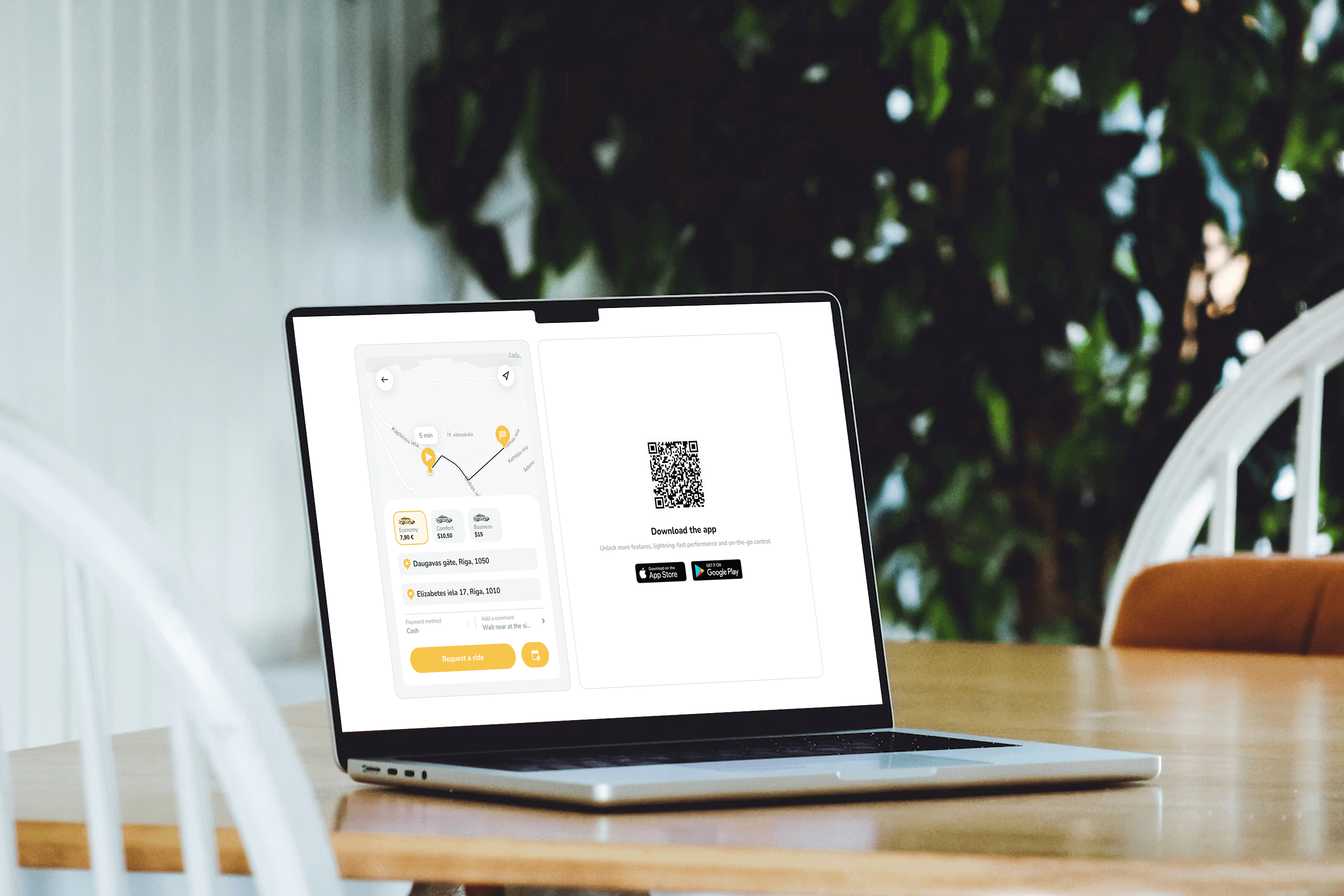
🚕 Web-booker is a lightweight ride-hail widget that lets users book rides directly from a website or mobile browser - no app install required. It reduces booking friction, supports hotel and partner demand, and keeps every ride fully synced with the taxi operator’s app and dashboard.
What if ordering a taxi was as easy as booking a room or clicking “Reserve table” on a website?
Meet Web-booker - a lightweight ride-hail booking widget that lets users request a cab directly from a website, without installing or opening the mobile app.
Perfect for hotels, business centers, event venues, airports, and corporate partners.
👉 Live demo: https://app.atommobility.com/taxi-widget
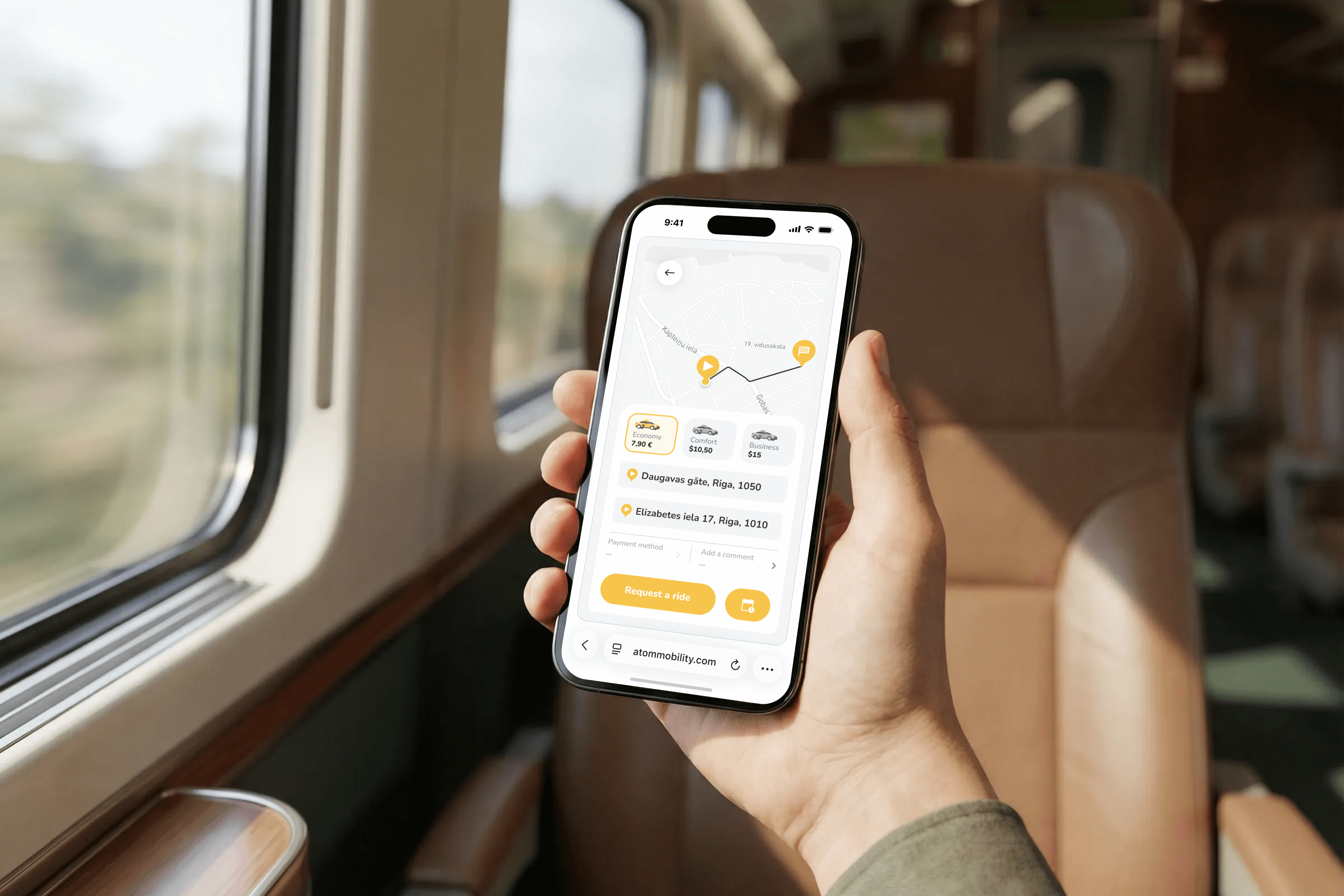
Web-booker is a browser-based ride-hail widget that operators can embed or link to from any website.
The booking happens on the web, but the ride is fully synchronized with the mobile app and operator dashboard.
No redirects. No app-store friction. No lost users.
This keeps fraud low while preserving conversion.
Web-booker addresses one of the most common friction points in ride-hailing: users who need a ride now but are not willing to download an app first. By allowing bookings directly from a website, operators can capture high-intent demand at the exact moment it occurs - whether that is on a hotel website, an event page, or a partner landing page.
At the same time, Web-booker makes partnerships with hotels and venues significantly easier. Instead of complex integrations or manual ordering flows, partners can simply place a button or link and immediately enable ride ordering for their guests. Importantly, this approach does not block long-term app growth. The booking flow still promotes the mobile app through QR codes and store links, allowing operators to convert web users into app users over time - without forcing the install upfront.
Web-booker is not designed to replace the mobile app. It extends the acquisition funnel by adding a low-friction entry point, while keeping all bookings fully synchronized with the operator’s app and dashboard.
👉 Try the demo
https://app.atommobility.com/taxi-widget
Want to explore a ride-hail or taxi solution for your business - or migrate to a more flexible platform? Visit: https://www.atommobility.com/products/ride-hailing
Credenziali demo dell'app Driver - Email: test@atom.com, Password: autista

