Anmeldung leicht gemacht: ATOM Mobility fügt Apple- und Google-Anmeldeoptionen hinzu
March 11, 2025
min. Lesedauer


Die meisten mobilen Apps verlassen sich bei Anmeldungen und Anmeldungen auf die Überprüfung der Telefonnummer. Dies ist auch bei ATOM Mobility der Fall, bei dem Benutzer ihre Telefonnummer mit einem Einmalpasswort (OTP) verifizieren. Wir verwenden vertrauenswürdige Partner wie Twilio, Dexatelund andere, um eine sichere Telefonverifizierung zu gewährleisten. Große Unternehmen wie Uber, Bolt und InDrive verwenden diese Methode ebenfalls, da sie dazu beiträgt, Betrug und unbefugten Zugriff zu verhindern.
Wir wissen jedoch, dass nicht jeder bei jeder Anmeldung seine Telefonnummer verwenden möchte. Einige Nutzer bevorzugen schnellere Optionen, insbesondere wenn sie Apple oder Google bereits auf ihren Geräten verwenden. Deshalb haben wir jetzt diese Alternativen hinzugefügt.

Laut globalen Daten zieht es eine beträchtliche Anzahl von Menschen vor, sich mit ihren bestehenden Konten anzumelden, anstatt eine Telefonnummer einzugeben. Untersuchungen zeigen, dass etwa 60-80% der Nutzer soziale Logins wählen, wenn sie die Option haben. Das ist eine riesige Zahl! Durch das Hinzufügen von Apple- und Google-Logins machen wir es Nutzern noch einfacher, sich zu registrieren und deine App sofort zu nutzen.
Viele beliebte Apps und Plattformen bieten diese Anmeldeoptionen bereits an, da sie die Zeit verkürzen, die Benutzer für den Zugriff auf Dienste benötigen. Je weniger Schritte erforderlich sind, desto wahrscheinlicher ist es, dass Benutzer die Registrierung abschließen, anstatt den Vorgang auf halbem Weg abzubrechen. Für Unternehmen bedeutet dies höhere Konversionsraten und engagiertere Nutzer.
Beim Hinzufügen von Apple- und Google-Anmeldeoptionen geht es nicht nur um Komfort. Es hat auch echte Vorteile für Betreiber:
Es ist wichtig zu beachten, dass die Überprüfung der Telefonnummer immer noch eine große Rolle bei der Betrugsprävention spielt. Wenn sich Benutzer anmelden, ohne ihre Nummer zu überprüfen, besteht ein höheres Risiko gefälschter Konten. Aus diesem Grund behalten wir die OTP-Methode als Standardmethode bei und bieten gleichzeitig die Apple- und Google-Anmeldung als Alternative an.
Viele Unternehmen, darunter ATOM Mobility, legen Wert auf Betrugsprävention. Die Anmeldung von Apple und Google reduziert zwar das Risiko fehlgeschlagener Anmeldungen, sie benötigen jedoch auch zusätzliche Kontrollen, um sicherzustellen, dass die Plattform sicher bleibt. Die Implementierung von Maßnahmen zur Betrugserkennung zusammen mit diesen Anmeldeoptionen kann dazu beitragen, ein Gleichgewicht zwischen Benutzerfreundlichkeit und Plattformsicherheit aufrechtzuerhalten.
Der aktualisierte Anmeldebildschirm enthält nun neben der Telefonnummeroption auch Apple- und Google-Anmeldeschaltflächen. Benutzer können ihre bevorzugte Methode wählen, wodurch der Vorgang schneller und flexibler wird.
Wenn Sie ein ATOM Mobility-Kunde sind, ist es einfach, diese Funktion in Ihren App-Einstellungen zu aktivieren. Nach der Aktivierung sehen Nutzer sofort die Anmeldeschaltflächen von Apple und Google, wenn sie die App öffnen. Diese kleine, aber wichtige Änderung kann zu mehr abgeschlossenen Registrierungen und einem reibungsloseren Onboarding-Erlebnis führen.
Dies ist nur eine der vielen Verbesserungen, die wir an ATOM Mobility vornehmen. Wir arbeiten ständig an neuen Funktionen, um die Benutzererfahrung zu verbessern und den Betrieb zu rationalisieren. Schauen Sie sich unsere anderen Top-Funktionen an:
Wir bei ATOM Mobility glauben an kontinuierliche Innovation. Jetzt, da die Anmeldeoptionen von Apple und Google verfügbar sind, suchen wir nach anderen Möglichkeiten, den Benutzerzugriff zu vereinfachen und die Sicherheit zu verbessern. Zu den möglichen zukünftigen Entwicklungen gehören:
Da Apple- und Google-Logins jetzt verfügbar sind, ist die Anmeldung für ATOM Mobility-basierte Apps einfacher als je zuvor. Egal, ob Benutzer eine OTP-Überprüfung oder eine einfache Anmeldung mit einem Fingertipp bevorzugen, sie haben jetzt mehr Auswahlmöglichkeiten. Bei diesem Update geht es darum, das Erlebnis reibungsloser zu gestalten und die Anzahl erfolgreicher Registrierungen zu erhöhen.
Wenn Sie Kunde von ATOM Mobility sind, stellen Sie sicher, dass Sie diese Funktion aktivieren und Ihren Benutzern die gewünschte Flexibilität bieten. Und wenn Sie Hilfe benötigen, können Sie sich gerne an unser Team wenden!
Seien Sie gespannt auf weitere Updates, während wir die Plattform weiter verbessern!
Klicken Sie unten, um mehr zu erfahren oder eine Demo anzufordern.

The micromobility industry doesn’t need another generic mobility conference. 🚫🎤 It needs real conversations between operators who are actually in the field. ⚙️ That’s exactly what ATOM Connect 2026 is built for. 🎯🤝
The shared mobility industry is evolving rapidly. Operators are navigating scaling challenges, regulatory complexity, hardware decisions, fleet optimization, and new integration models, all while aiming for sustainable growth.
That’s exactly why ATOM Mobility is organizing ATOM Connect 2026.
Our previous edition of ATOM Connect brought together professionals from the car sharing and rental industry for focused, high-quality discussions and networking. This year, we are narrowing the focus and dedicating the entire event to one fast-moving segment of the industry: shared micromobility.
ATOM Connect 2026 is designed specifically for operators, partners, and decision-makers working in shared micromobility. It is not a broad mobility conference or a public exhibition. It is a curated space for industry professionals to exchange practical experience, insights, and lessons learned.
On May 14th, 2026 in Riga, we will once again bring the community together, this time with a clear focus on micromobility.
This year’s agenda will address the real operational and strategic questions shaping shared micromobility today:
As usual, we aim to host both local and international operators from smaller, fast-growing fleets to established large-scale players alongside hardware providers and ecosystem partners.
On stage, you’ll hear from leading shared mobility companies - including Segway on hardware partnerships, Umob on MaaS integration, Anadue on data-driven fleet intelligence, Elerent on multi-vehicle operational realities and more insightful discussions.
The goal is simple: meaningful discussions with people who understand the operational realities of the industry.
ATOM Connect is free to attend, but participation is industry-focused (each submission is manually reviewed and verified). We are intentionally keeping the audience relevant and aligned to ensure high-quality conversations and valuable networking.
If you work in shared micromobility and would like to join the event, you can find the full agenda and register here:
👉 https://www.atommobility.com/atom-connect-2026
In the coming weeks, we will be revealing more speakers and additional agenda updates. We look forward to bringing the industry together again.
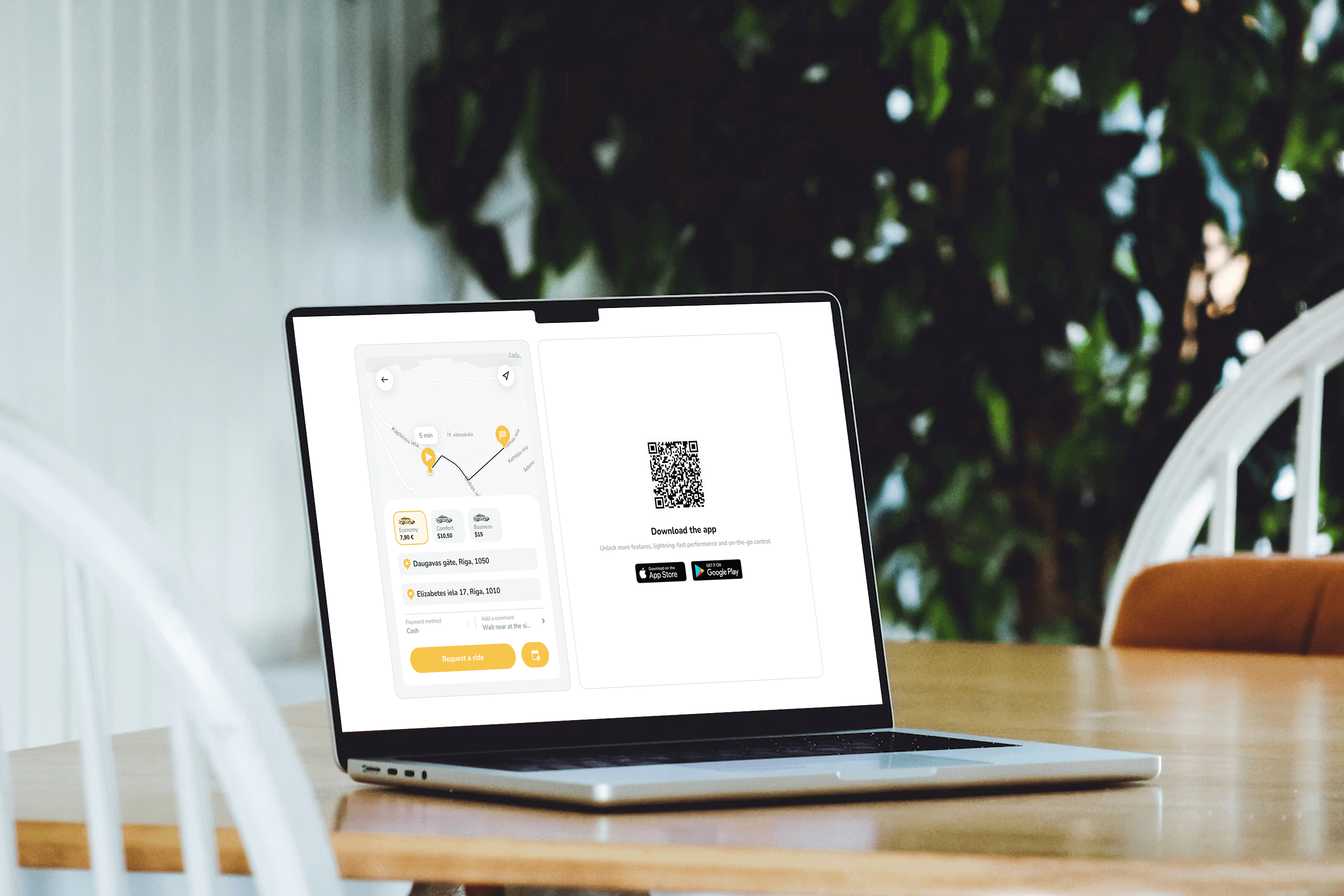
🚕 Web-booker is a lightweight ride-hail widget that lets users book rides directly from a website or mobile browser - no app install required. It reduces booking friction, supports hotel and partner demand, and keeps every ride fully synced with the taxi operator’s app and dashboard.
What if ordering a taxi was as easy as booking a room or clicking “Reserve table” on a website?
Meet Web-booker - a lightweight ride-hail booking widget that lets users request a cab directly from a website, without installing or opening the mobile app.
Perfect for hotels, business centers, event venues, airports, and corporate partners.
👉 Live demo: https://app.atommobility.com/taxi-widget
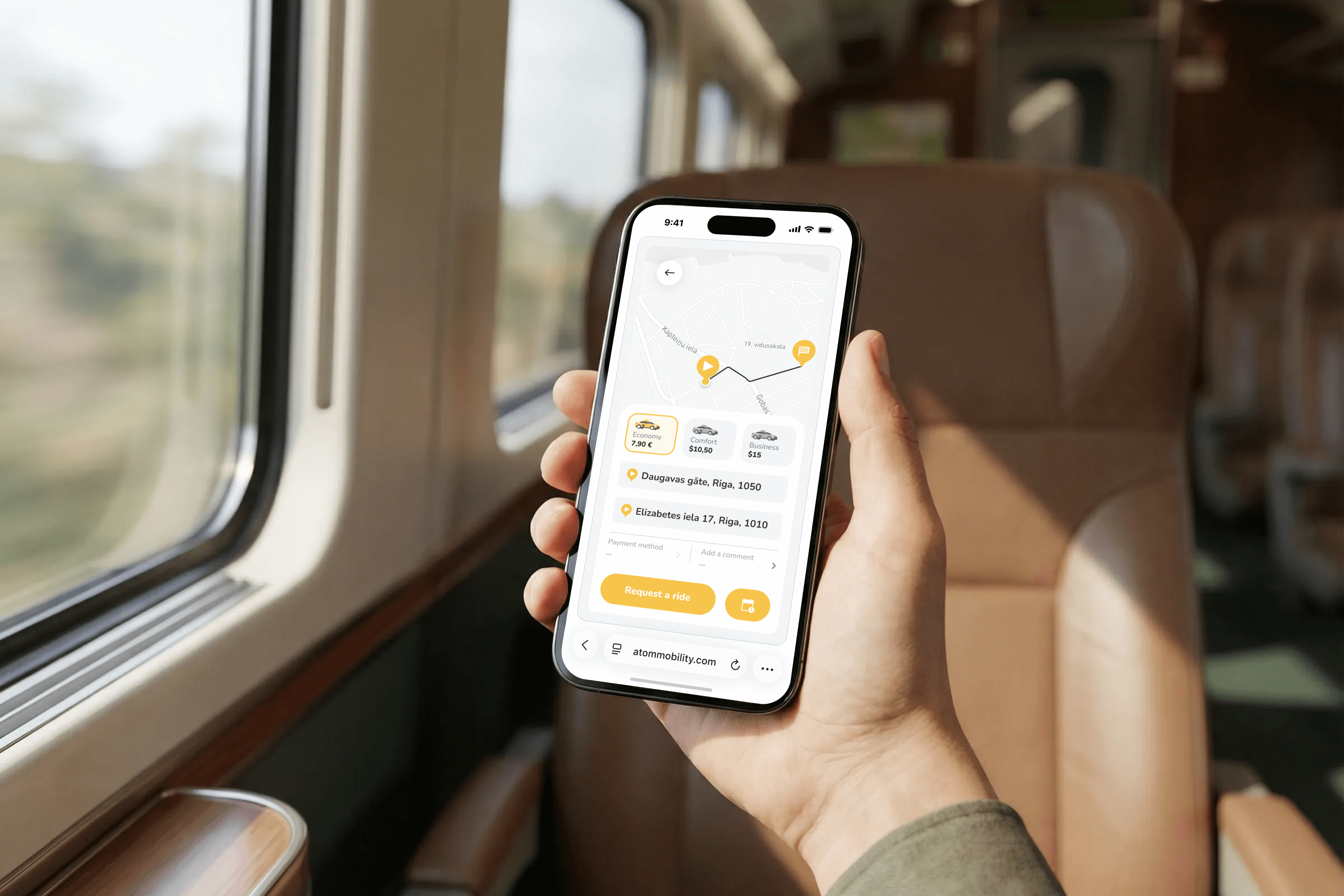
Web-booker is a browser-based ride-hail widget that operators can embed or link to from any website.
The booking happens on the web, but the ride is fully synchronized with the mobile app and operator dashboard.
No redirects. No app-store friction. No lost users.
This keeps fraud low while preserving conversion.
Web-booker addresses one of the most common friction points in ride-hailing: users who need a ride now but are not willing to download an app first. By allowing bookings directly from a website, operators can capture high-intent demand at the exact moment it occurs - whether that is on a hotel website, an event page, or a partner landing page.
At the same time, Web-booker makes partnerships with hotels and venues significantly easier. Instead of complex integrations or manual ordering flows, partners can simply place a button or link and immediately enable ride ordering for their guests. Importantly, this approach does not block long-term app growth. The booking flow still promotes the mobile app through QR codes and store links, allowing operators to convert web users into app users over time - without forcing the install upfront.
Web-booker is not designed to replace the mobile app. It extends the acquisition funnel by adding a low-friction entry point, while keeping all bookings fully synchronized with the operator’s app and dashboard.
👉 Try the demo
https://app.atommobility.com/taxi-widget
Want to explore a ride-hail or taxi solution for your business - or migrate to a more flexible platform? Visit: https://www.atommobility.com/products/ride-hailing
Anmeldedaten für die Driver App-Demo - E-Mail: test@atom.com, Passwort: Treiber

