Começar um negócio de micromobilidade significa tomar decisões inteligentes desde o início. Uma das mais importantes é escolher os veículos certos. Se você planeja lançar uma frota de e-scooters, bicicletas ou ciclomotores, os veículos que você escolher afetarão a rapidez com que você pode chegar ao mercado, quanto você gasta adiantado e a confiabilidade de seu serviço.
Existem duas formas principais de adquirir veículos: comprá-los usados ou comprá-los novos dos fabricantes. Ambos têm seus prós e contras, dependendo de suas metas, orçamento e cronograma.
Opção 1: comprar veículos usados
Comprar scooters, bicicletas ou ciclomotores usados pode ser uma ótima maneira de reduzir custos ao começar. Isso é especialmente útil se você ainda estiver testando as águas ou quiser lançar rapidamente sem investir muito.

Onde encontrá-los:
- Ciclocura - Oferece bicicletas e scooters elétricas recondicionadas, geralmente com até 60% de economia em comparação com as novas. Cada veículo é inspecionado e vem com garantia de 1 ano. Um bom exemplo são seus ciclomotores da série NIU NQi recondicionados com garantia e condições de prontidão para uso — ideais para projetos piloto de pequena escala.
- Fleetser - Uma plataforma para terceirização e venda de frotas de mobilidade. Você pode encontrar listas em massa de veículos eletrônicos usados e novos, incluindo scooters e ciclomotores prontos para compartilhar. Um exemplo recente inclui uma frota de scooters Segway Max G30 usados em boas condições com descontos na frota.
- Mercado de mobilidade ATOM - Oferece scooters, bicicletas e ciclomotores cuidadosamente selecionados, otimizados para compartilhamento. Os veículos vêm prontos para uso da frota, incluindo IoT e integração de software.
Prós:
- Custo inicial mais baixo
- Entrega mais rápida
- Muitas vezes, nenhuma quantidade mínima de pedido (MOQ)
Contras:
- Vida útil mais curta ou mais manutenção
- Garantia limitada ou inexistente
- Menos consistência em toda a frota
Opção 2: comprar novos dos fabricantes
Se você planeja escalar ou deseja controle total desde o início, comprar novos veículos diretamente de um fabricante ou distribuidor pode ser uma opção melhor. Você obtém garantia total, melhor qualidade e maior vida útil.
Onde comprar:
- Diretamente dos fabricantes. Por exemplo, OKAI, Navee, Niu, Feishen...
- Mobilidade ATOM — Às vezes, veículos novos e não utilizados diretamente de outros operadores são listados lá.
- Ciclocura — Além de veículos usados, também oferece novos modelos de marcas confiáveis.
- Fleetser — Também lista novas frotas disponíveis para pedido.
Prós:
- Garantia e suporte pós-venda (se você comprar diretamente do fabricante)
- Condição totalmente nova e ciclo de vida completo
- Mais fácil de escalar com modelos consistentes
Contras:
- Maior investimento inicial
- Prazos de entrega mais longos (especialmente ao enviar da Ásia)
- MOQ se aplica na maioria dos casos
Novo versus usado — O que esperar
Se você estiver comparando as duas opções, aqui estão as principais diferenças que você deve ter em mente:
Os veículos usados geralmente estão disponíveis mais rapidamente e custam menos no início. Você não precisa se comprometer com grandes pedidos e pode começar com apenas algumas unidades. Mas eles podem precisar de mais manutenção, ter uma vida útil mais curta e não incluir nenhuma garantia.
Veículos novos exigem mais investimento, mas você obtém garantia total, modelos mais recentes e melhor suporte. Os fabricantes podem ter requisitos mínimos de pedido e prazos de entrega mais longos, especialmente se enviarem da Ásia. No entanto, a qualidade e a confiabilidade geralmente compensam isso a longo prazo.

Fabricantes de veículos mais populares (para pedidos diretos)
Se você está pensando em comprar diretamente dos fabricantes, aqui estão algumas das marcas mais populares e comprovadas usadas na mobilidade compartilhada:
- OKAI (okai.co) — Modelos populares: OKAI ES600P (scooter durável para compartilhar), OKAI EB100B (bicicleta elétrica)
- NAVEGUE (navee.tech) — Conhecida por scooters de longo alcance e fáceis de compartilhar (com preços razoáveis)
- Segway comercial (segway.com) — Amplamente utilizado em frotas, especialmente na Segway Max Plus séries e Ciclomotor eletrônico Segway.
- Yadea (yadea.com) — Oferece ciclomotores de alto nível, como G5 e G5L
- NIU (niu.com) — Scooters e ciclomotores inteligentes, incluindo a série NQI, com bom suporte
- Fritadeira (fitriderscooter.com) - focado principalmente em scooters
- Freego (freegobikes.com) e Hongji (hongjibike. com)
Cada um desses fabricantes oferece modelos criados especificamente para frotas compartilhadas e grandes. Recursos como baterias substituíveis, painéis de frota e design robusto são padrão.
Escolher o fornecedor certo depende de seus objetivos. Se a velocidade e o baixo custo são os mais importantes, os veículos usados podem ajudar você a começar mais rápido. Se você está construindo algo de longo prazo, investir em veículos novos pode valer a pena por meio de maior confiabilidade e maior vida útil.
Em ambos os casos, certifique-se de que os veículos escolhidos sejam compatíveis com sua plataforma — e que peças de reposição e suporte estejam disponíveis. A ATOM Mobility funciona com frotas novas e usadas e pode ajudar você a encontrar as opções certas de veículos.
Clique abaixo para saber mais ou solicitar uma demonstração.

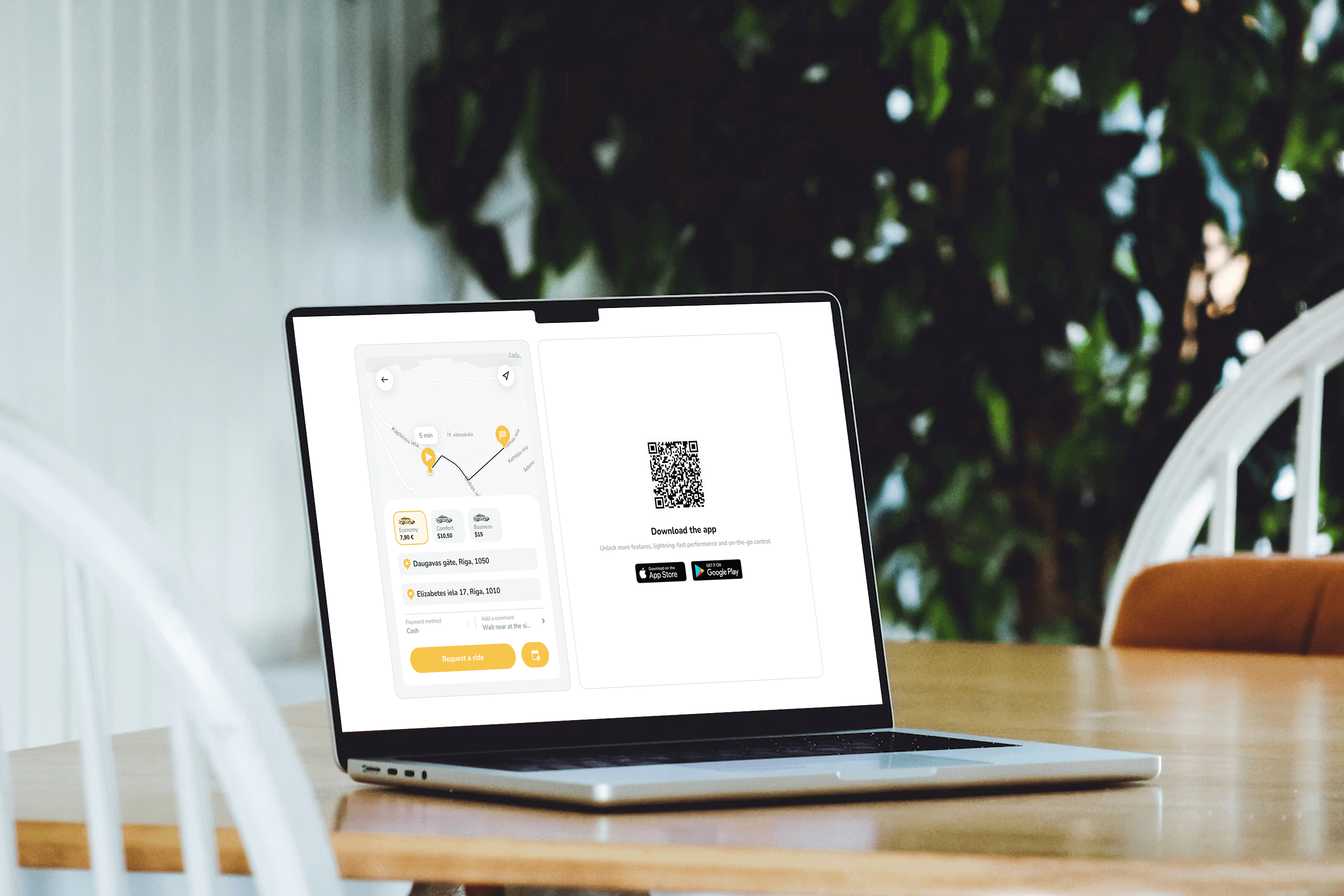
🚕 Web-booker is a lightweight ride-hail widget that lets users book rides directly from a website or mobile browser - no app install required. It reduces booking friction, supports hotel and partner demand, and keeps every ride fully synced with the taxi operator’s app and dashboard.
What if ordering a taxi was as easy as booking a room or clicking “Reserve table” on a website?
Meet Web-booker - a lightweight ride-hail booking widget that lets users request a cab directly from a website, without installing or opening the mobile app.
Perfect for hotels, business centers, event venues, airports, and corporate partners.
👉 Live demo: https://app.atommobility.com/taxi-widget
What is Web-booker?
Web-booker is a browser-based ride-hail widget that operators can embed or link to from any website.
The booking happens on the web, but the ride is fully synchronized with the mobile app and operator dashboard.
How it works (simple by design)
- Client places a button or link on their website
- Clicking it opens a new window with the ride-hail widget
- The widget is branded, localized, and connected directly to the operator’s system
- Booking instantly appears in the dashboard and mobile app
No redirects. No app-store friction. No lost users.
Key capabilities operators care about

🎨 Branded & consistent
- Widget color automatically matches the client’s app branding
- Feels like a natural extension of the operator’s ecosystem
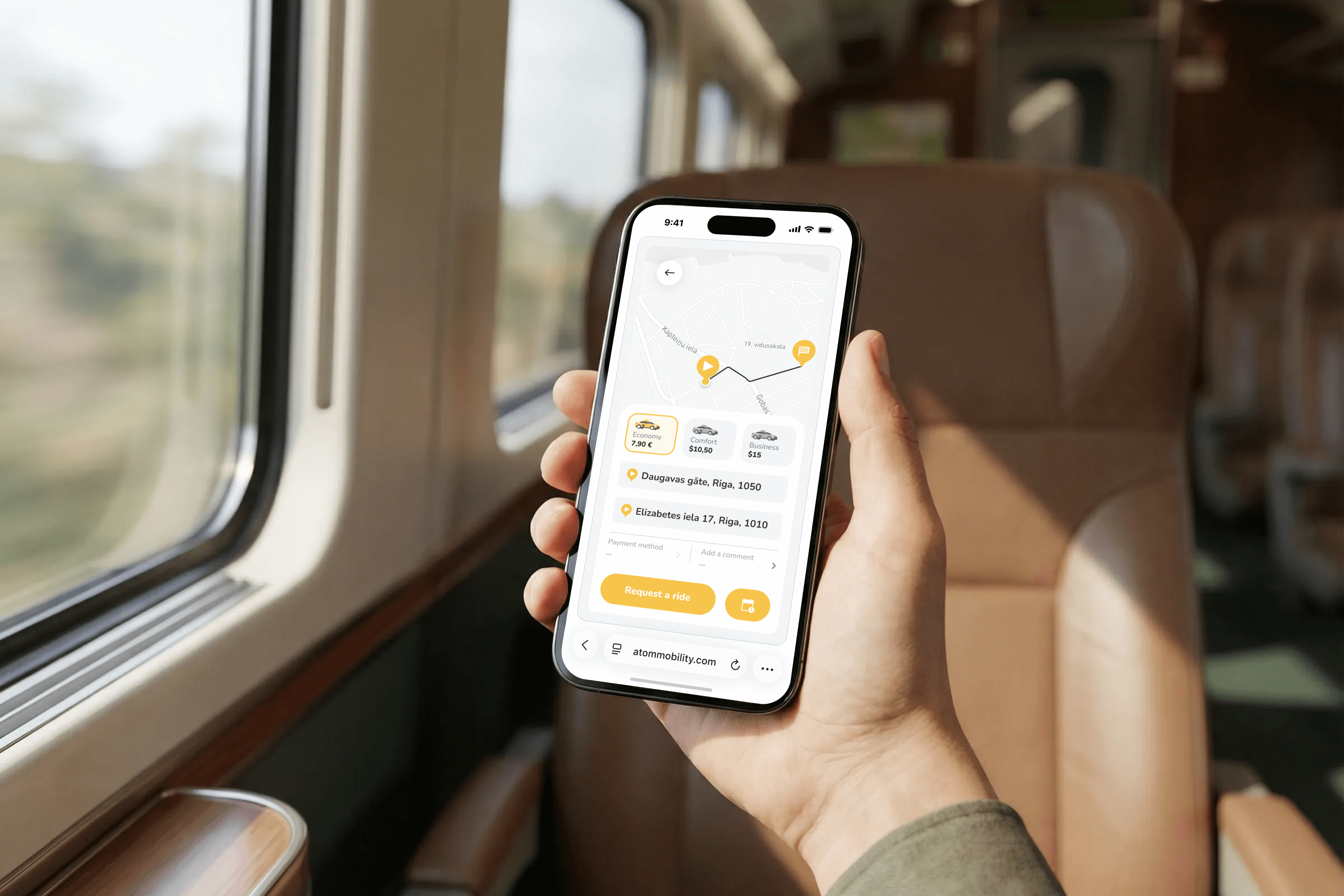
- Fully responsive and optimized for mobile browsers, so users can book a ride directly from their phone without installing the app
📱 App growth built in
- QR code and App Store / Google Play links shown directly in the widget
- Smooth upgrade path from web → app
🔄 Fully synced ecosystem
- Country code auto-selected based on user location
- Book via web → see the ride in the app (same user credentials)
- Dashboard receives booking data instantly
- Every booking is tagged with Source:
- App
- Web (dashboard bookings)
- Booker (website widget)
- API
🔐 Clean & secure session handling
- User is logged out automatically when leaving the page
- No persistent browser sessions
💵 Payments logic
- New users: cash only
- Existing users: can choose saved payment methods
- If cash is not enabled → clear message prompts booking via the app
This keeps fraud low while preserving conversion.
✅ Default rollout
- Enabled by default for all ride-hail merchants
- No extra setup required
- Operators decide where and how to use it (hotel partners, landing pages, QR posters, etc.)
Why this matters in practice
Web-booker addresses one of the most common friction points in ride-hailing: users who need a ride now but are not willing to download an app first. By allowing bookings directly from a website, operators can capture high-intent demand at the exact moment it occurs - whether that is on a hotel website, an event page, or a partner landing page.
At the same time, Web-booker makes partnerships with hotels and venues significantly easier. Instead of complex integrations or manual ordering flows, partners can simply place a button or link and immediately enable ride ordering for their guests. Importantly, this approach does not block long-term app growth. The booking flow still promotes the mobile app through QR codes and store links, allowing operators to convert web users into app users over time - without forcing the install upfront.
Web-booker is not designed to replace the mobile app. It extends the acquisition funnel by adding a low-friction entry point, while keeping all bookings fully synchronized with the operator’s app and dashboard.
👉 Try the demo
https://app.atommobility.com/taxi-widget

🚲 Cleaner air, less traffic, and better city living - bike-sharing apps are making it happen. With seamless apps, smart integration, and the right infrastructure, shared bikes are becoming a real alternative to cars in cities across Europe.💡 See how bike-sharing supports sustainable mobility and what cities and operators can do to get it right.
Bike-sharing apps are reshaping urban mobility. What began as a practical way to get around without owning a bike is now part of a bigger shift toward sustainable transport.
These services are doing more than replacing short car trips. They help cities cut emissions, reduce congestion, improve health, and connect better with public transport.
As more cities rethink how people move, bike sharing continues to grow as one of the fastest and most affordable tools to support this change.
Why bike sharing is important
Bike-sharing services now operate in over 150 European cities, with more than 438,000 bikes in circulation. These systems help prevent around 46,000 tonnes of CO₂ emissions annually and reduce reliance on private cars in dense urban areas. They also improve air quality, lower noise levels, and make cities more pleasant to live in.
A recent study by EIT Urban Mobility and Cycling Industries Europe, carried out by EY, found that bike-sharing services generate around €305 million in annual benefits across Europe. This includes reduced emissions, lower healthcare costs, time saved from less congestion, and broader access to jobs and services.
For cities, the numbers speak for themselves: every euro invested yields a 10% annual return, generating €1.10 in positive externalities. By 2030, these benefits could triple to €1 billion if bike-sharing is prioritized.
Connecting with public transport
Bike sharing works best when it fits into the wider transport system. Most car trips that bike sharing replaces are short and often happen when public transport doesn’t quite reach the destination. That last kilometer between a bus stop and your home or office can be enough to make people choose the car instead.
Placing shared bikes near metro stations, tram stops, or bus terminals makes it easier for people to leave their cars behind. This “last-mile” connection helps more people use public transport for the long part of their trip and hop on a bike for the short part. Over time, that encourages more consistent use of both bikes and transit.
In cities where bike sharing is integrated into travel passes or mobility platforms, users can combine modes in a single journey. That flexibility supports wider access and makes shared bikes part of everyday mobility, not just something used occasionally.
What the app brings to the experience
The digital experience behind bike sharing is a big part of why it works. People can check availability, unlock a bike, pay, and end their trip – all in one app. This makes it quick, simple, and consistent.
Good bike-sharing apps also offer:
- Real-time vehicle status
- Contactless ID verification and onboarding
- Support for short trips and subscriptions
- Usage history and cost tracking
- Optional features like carbon savings or route suggestions
When users don’t need to think twice about how the system works, they’re more likely to build regular habits around it. That habit shift is what makes a long-term difference for both users and cities.
Wider city-level benefits
Bike sharing isn’t just a transport service. It helps cities meet public goals – cleaner air, lower traffic, healthier residents, and better access to services. When someone chooses a bike instead of a car, it reduces the demand for fuel, parking, and space on the road.
The €305 million annual benefit includes health savings due to increased physical activity, avoided emissions, time gained from reduced congestion, and the creation of jobs tied to fleet operations. Many bike-sharing schemes also improve equity by giving people access to mobility in areas that are underserved by public transport or where car ownership isn’t affordable.
Shared bikes are especially useful in mid-sized cities where distances are manageable and car traffic still dominates. With the right policy support, even small fleets can have a noticeable impact on mobility patterns and public health.
What makes a system work well
Not every bike-sharing system succeeds. To be reliable and scalable, a few things must work together:
- Safe, protected bike lanes
- Well-placed stations near high-demand areas
- Bikes that are easy to maintain and manage
- Operators that monitor usage and shift bikes to where they’re needed
- City policies that support cycling and reduce reliance on cars
Successful systems often grow in partnership with city governments, public transport agencies, and private operators who bring technology, logistics, and know-how.
The role of software and operations
Reliable software is what keeps all parts of the system connected. From unlocking a bike to seeing usage trends across the city, operators need tools that are stable, flexible, and easy to manage. For those launching or scaling a fleet, platforms like ATOM Mobility offer ready-made solutions that handle booking, payments, ID checks, live tracking, and fleet control in one place.

The platform supports both electric and mechanical bikes, offers branded apps, and integrates with smart locks or IoT modules for remote vehicle access. It also lets operators adjust pricing, monitor vehicle health, and manage customer support in real time. That means smaller teams can launch faster and scale smarter, without having to build every tool from scratch.
A small change with a big effect
Bike sharing won’t replace all car trips, but even a small shift makes a difference. A few short rides per week can reduce emissions, improve fitness, and save time spent in traffic. When these trips are supported by good infrastructure, public awareness, and seamless apps, the impact grows.
As cities continue to prioritise sustainability, shared micromobility will play a bigger role in helping people move in cleaner, healthier, and more flexible ways. With the right technology and planning, bike sharing becomes more than a service – it becomes a habit that supports better cities for everyone.