Dove acquistare scooter, bici e ciclomotori per la tua flotta di micromobilità

Dove acquistare scooter, bici e ciclomotori per la tua flotta di micromobilità

Avviare un'attività di micromobilità significa prendere decisioni intelligenti nella fase iniziale. Una delle più importanti è scegliere i veicoli giusti. Che tu abbia intenzione di lanciare una flotta di scooter elettrici, biciclette o ciclomotori, i veicoli che scegli influiranno sulla velocità con cui potrai arrivare sul mercato, sulla spesa iniziale e sull'affidabilità del tuo servizio.

Esistono due modi principali per procurarsi veicoli: acquistarli usati o acquistarli nuovi dai produttori. Entrambi hanno i loro pro e contro, a seconda degli obiettivi, del budget e della tempistica.

Opzione 1: acquistare veicoli usati

L'acquisto di scooter, bici o ciclomotori usati può essere un ottimo modo per ridurre i costi all'inizio. Ciò è particolarmente utile se stai ancora testando le acque o vuoi lanciarti velocemente senza investire troppo.

Dove trovarli:

  • Ciclocura - Offre biciclette e scooter elettrici ricondizionati, spesso con un risparmio fino al 60% rispetto ai nuovi. Ogni veicolo viene ispezionato e viene fornito con una garanzia di 1 anno. Un buon esempio sono i ciclomotori NIU serie NQi ricondizionati con garanzia e pronti all'uso, ideali per progetti pilota su piccola scala.
  • Fleetser - Una piattaforma per l'approvvigionamento e la vendita di flotte per la mobilità. Puoi trovare elenchi in blocco di veicoli elettrici usati e nuovi, compresi scooter e ciclomotori pronti per la condivisione. Un esempio recente include una flotta di scooter Segway Max G30 usati in buone condizioni con sconti sulla flotta.
  • Mercato ATOM Mobility - Offre scooter, biciclette e ciclomotori accuratamente selezionati e ottimizzati per la condivisione. I veicoli sono pronti per l'uso della flotta, inclusi l'IoT e l'integrazione software.

Vantaggi:

  • Costi iniziali inferiori
  • Consegna più rapida
  • Spesso nessuna quantità minima d'ordine (MOQ)

Svantaggi:

  • Durata più breve o maggiore manutenzione
  • Garanzia limitata o assente
  • Meno coerenza in tutta la flotta

Opzione 2: acquistarne di nuovi dai produttori

Se hai intenzione di scalare o desideri il pieno controllo sin dall'inizio, l'acquisto di nuovi veicoli direttamente da un produttore o distributore potrebbe essere la soluzione migliore. Ottieni una garanzia completa, una qualità migliore e una maggiore durata.

Dove acquistare:

  • Direttamente dai produttori. Ad esempio OKAI, Navee, Niu, Feishen...
  • Mobilità ATOM — A volte sono elencati veicoli nuovi e inutilizzati direttamente da altri operatori.
  • Ciclocura — Oltre ai veicoli usati, offre anche nuovi modelli di marchi affidabili.
  • Fleetser — Elenca anche le nuove flotte disponibili per l'ordine.

Vantaggi:

  • Garanzia e assistenza post-vendita (se acquisti direttamente dal produttore)
  • Condizioni nuove di zecca e ciclo di vita completo
  • Più facile da scalare con modelli coerenti

Svantaggi:

  • Investimento iniziale più elevato
  • Tempi di consegna più lunghi (soprattutto quando si spedisce dall'Asia)
  • Il MOQ si applica nella maggior parte dei casi

Nuovi e usati: cosa aspettarsi

Se stai confrontando entrambe le opzioni, ecco le principali differenze da tenere a mente:

I veicoli usati sono generalmente disponibili più velocemente e costano meno in anticipo. Non devi impegnarti in grandi ordini e puoi iniziare con poche unità. Ma potrebbero aver bisogno di maggiore manutenzione, avere una durata più breve e non includere alcuna garanzia.

I veicoli nuovi richiedono maggiori investimenti, ma ottieni una garanzia completa, i modelli più recenti e un supporto migliore. I produttori potrebbero avere requisiti minimi d'ordine e tempi di consegna più lunghi, soprattutto se spediscono dall'Asia. Tuttavia, la qualità e l'affidabilità di solito compensano a lungo termine.

I produttori di veicoli più popolari (per ordini diretti)

Se stai pensando di ordinare direttamente dai produttori, ecco alcuni dei marchi più popolari e collaudati utilizzati nella mobilità condivisa:

  • OKAI (okai.com) — Modelli popolari: OKAI ES600P (scooter resistente da condividere), OKAI EB100B (e-bike)
  • NAVATA (navee.tech) — Noto per gli scooter a lungo raggio e facili da condividere (a prezzi ragionevoli)
  • Yadea (yadea.com) — Offre ciclomotori di qualità condivisa come G5 e G5L
  • NIU (niu.com) — Scooter e ciclomotori intelligenti, inclusa la serie NQI, con un buon supporto
  • Fitrider (fitriderscooter.com) - focalizzato principalmente sugli scooter

Ognuno di questi produttori offre modelli creati appositamente per la condivisione e le flotte di grandi dimensioni. Caratteristiche come batterie sostituibili, cruscotti della flotta e design robusto sono standard.

La scelta del fornitore giusto dipende dai tuoi obiettivi. Se la velocità e il basso costo sono le cose più importanti, i veicoli usati possono aiutarti a iniziare più velocemente. Se stai costruendo qualcosa a lungo termine, investire in nuovi veicoli potrebbe ripagare grazie a una maggiore affidabilità e a una maggiore durata.

In entrambi i casi, assicurati che i veicoli che scegli siano compatibili con la tua piattaforma e che i pezzi di ricambio e l'assistenza siano disponibili. ATOM Mobility funziona con flotte usate e nuove e può aiutarti a scegliere le giuste opzioni di veicolo.

Sei interessato a lanciare la tua piattaforma di mobilità?

Fai clic qui sotto per saperne di più o richiedere una demo.

Post correlati

Altri case study

Visualizza tuttoVisualizza tutti i case study
Blog
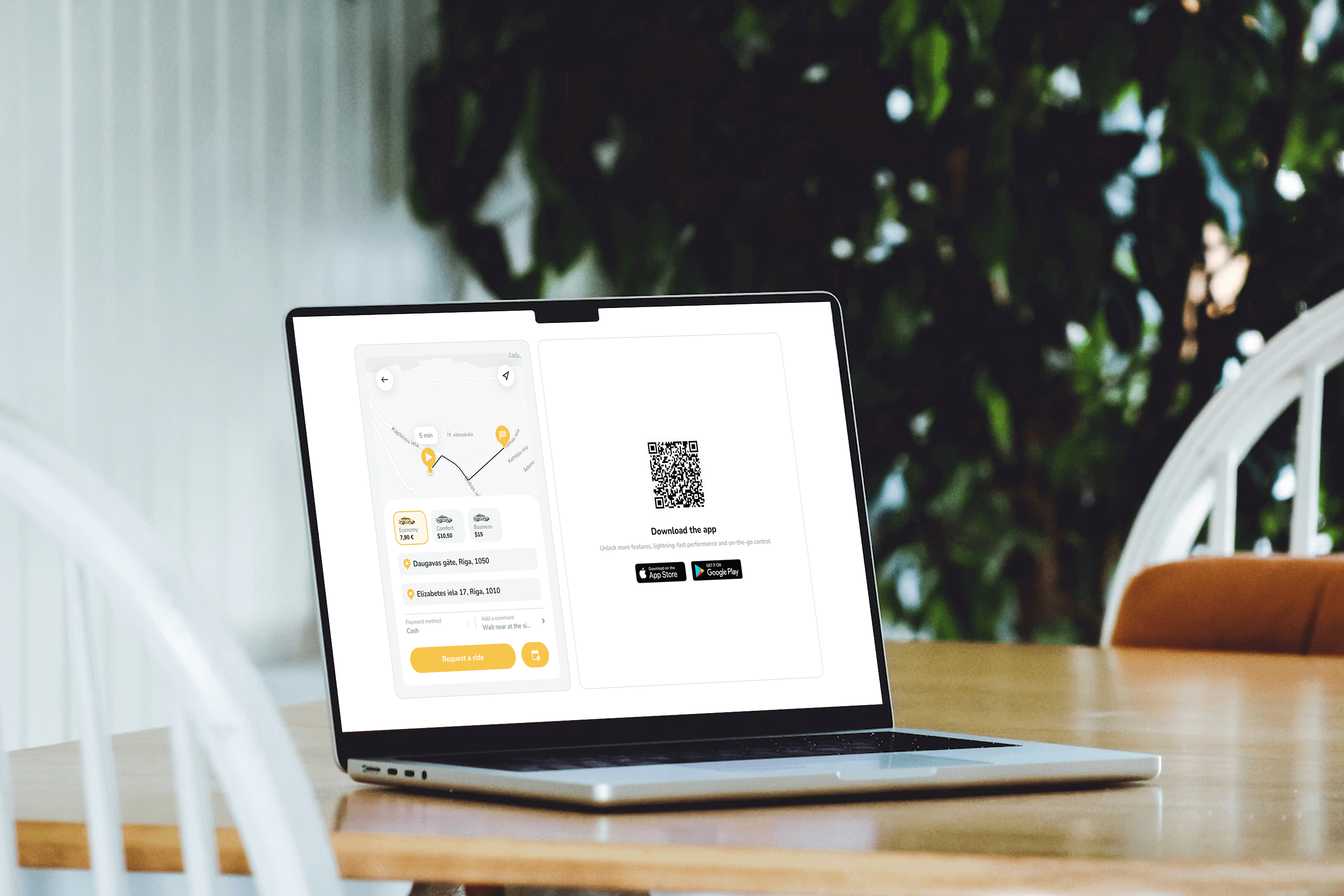
🚀 New feature alert: Web-booker for ride-hail

🚕 Web-booker is a lightweight ride-hail widget that lets users book rides directly from a website or mobile browser - no app install required. It reduces booking friction, supports hotel and partner demand, and keeps every ride fully synced with the taxi operator’s app and dashboard.

Leggi il post

What if ordering a taxi was as easy as booking a room or clicking “Reserve table” on a website?

Meet Web-booker - a lightweight ride-hail booking widget that lets users request a cab directly from a website, without installing or opening the mobile app.
Perfect for hotels, business centers, event venues, airports, and corporate partners.

👉 Live demo: https://app.atommobility.com/taxi-widget

What is Web-booker?

Web-booker is a browser-based ride-hail widget that operators can embed or link to from any website.
The booking happens on the web, but the ride is fully synchronized with the mobile app and operator dashboard.

How it works (simple by design)
  • Client places a button or link on their website
  • Clicking it opens a new window with the ride-hail widget
  • The widget is branded, localized, and connected directly to the operator’s system
  • Booking instantly appears in the dashboard and mobile app

No redirects. No app-store friction. No lost users.
Key capabilities operators care about
🎨 Branded & consistent
  • Widget color automatically matches the client’s app branding
  • Feels like a natural extension of the operator’s ecosystem
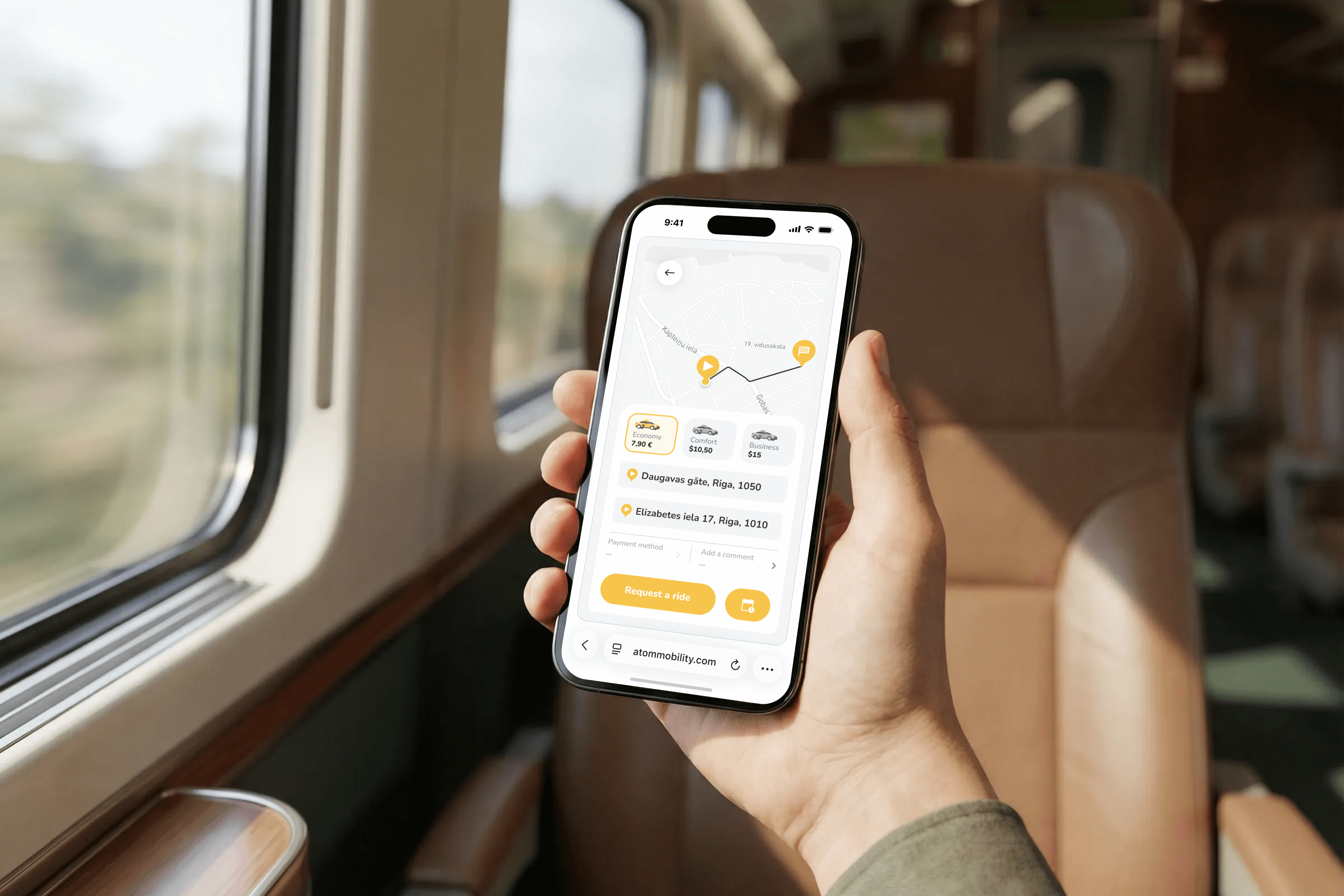
  • Fully responsive and optimized for mobile browsers, so users can book a ride directly from their phone without installing the app
📱 App growth built in
  • QR code and App Store / Google Play links shown directly in the widget
  • Smooth upgrade path from web → app
🔄 Fully synced ecosystem
  • Country code auto-selected based on user location
  • Book via web → see the ride in the app (same user credentials)
  • Dashboard receives booking data instantly
  • Every booking is tagged with Source:
    - App
    - Web (dashboard bookings)
    - Booker (website widget)
    - API
🔐 Clean & secure session handling
  • User is logged out automatically when leaving the page
  • No persistent browser sessions
💵 Payments logic
  • New users: cash only
  • Existing users: can choose saved payment methods
  • If cash is not enabled → clear message prompts booking via the app

This keeps fraud low while preserving conversion.

✅ Default rollout
  • Enabled by default for all ride-hail merchants
  • No extra setup required
  • Operators decide where and how to use it (hotel partners, landing pages, QR posters, etc.)
Why this matters in practice

Web-booker addresses one of the most common friction points in ride-hailing: users who need a ride now but are not willing to download an app first. By allowing bookings directly from a website, operators can capture high-intent demand at the exact moment it occurs - whether that is on a hotel website, an event page, or a partner landing page.

At the same time, Web-booker makes partnerships with hotels and venues significantly easier. Instead of complex integrations or manual ordering flows, partners can simply place a button or link and immediately enable ride ordering for their guests. Importantly, this approach does not block long-term app growth. The booking flow still promotes the mobile app through QR codes and store links, allowing operators to convert web users into app users over time - without forcing the install upfront.

Web-booker is not designed to replace the mobile app. It extends the acquisition funnel by adding a low-friction entry point, while keeping all bookings fully synchronized with the operator’s app and dashboard.

👉 Try the demo
https://app.atommobility.com/taxi-widget

Blog
How bike-sharing apps encourage eco-friendly urban travel

🚲 Cleaner air, less traffic, and better city living - bike-sharing apps are making it happen. With seamless apps, smart integration, and the right infrastructure, shared bikes are becoming a real alternative to cars in cities across Europe.💡 See how bike-sharing supports sustainable mobility and what cities and operators can do to get it right.

Leggi il post

Bike-sharing apps are reshaping urban mobility. What began as a practical way to get around without owning a bike is now part of a bigger shift toward sustainable transport. 

These services are doing more than replacing short car trips. They help cities cut emissions, reduce congestion, improve health, and connect better with public transport. 

As more cities rethink how people move, bike sharing continues to grow as one of the fastest and most affordable tools to support this change.

Why bike sharing is important

Bike-sharing services now operate in over 150 European cities, with more than 438,000 bikes in circulation. These systems help prevent around 46,000 tonnes of CO₂ emissions annually and reduce reliance on private cars in dense urban areas. They also improve air quality, lower noise levels, and make cities more pleasant to live in.

A recent study by EIT Urban Mobility and Cycling Industries Europe, carried out by EY, found that bike-sharing services generate around €305 million in annual benefits across Europe. This includes reduced emissions, lower healthcare costs, time saved from less congestion, and broader access to jobs and services.

For cities, the numbers speak for themselves: every euro invested yields a 10% annual return, generating €1.10 in positive externalities. By 2030, these benefits could triple to €1 billion if bike-sharing is prioritized.

Connecting with public transport

Bike sharing works best when it fits into the wider transport system. Most car trips that bike sharing replaces are short and often happen when public transport doesn’t quite reach the destination. That last kilometer between a bus stop and your home or office can be enough to make people choose the car instead.

Placing shared bikes near metro stations, tram stops, or bus terminals makes it easier for people to leave their cars behind. This “last-mile” connection helps more people use public transport for the long part of their trip and hop on a bike for the short part. Over time, that encourages more consistent use of both bikes and transit.

In cities where bike sharing is integrated into travel passes or mobility platforms, users can combine modes in a single journey. That flexibility supports wider access and makes shared bikes part of everyday mobility, not just something used occasionally.

What the app brings to the experience

The digital experience behind bike sharing is a big part of why it works. People can check availability, unlock a bike, pay, and end their trip – all in one app. This makes it quick, simple, and consistent.

Good bike-sharing apps also offer:

  • Real-time vehicle status
  • Contactless ID verification and onboarding
  • Support for short trips and subscriptions
  • Usage history and cost tracking
  • Optional features like carbon savings or route suggestions

When users don’t need to think twice about how the system works, they’re more likely to build regular habits around it. That habit shift is what makes a long-term difference for both users and cities.

Wider city-level benefits

Bike sharing isn’t just a transport service. It helps cities meet public goals – cleaner air, lower traffic, healthier residents, and better access to services. When someone chooses a bike instead of a car, it reduces the demand for fuel, parking, and space on the road.

The €305 million annual benefit includes health savings due to increased physical activity, avoided emissions, time gained from reduced congestion, and the creation of jobs tied to fleet operations. Many bike-sharing schemes also improve equity by giving people access to mobility in areas that are underserved by public transport or where car ownership isn’t affordable.

Shared bikes are especially useful in mid-sized cities where distances are manageable and car traffic still dominates. With the right policy support, even small fleets can have a noticeable impact on mobility patterns and public health.

What makes a system work well

Not every bike-sharing system succeeds. To be reliable and scalable, a few things must work together:

  • Safe, protected bike lanes
  • Well-placed stations near high-demand areas
  • Bikes that are easy to maintain and manage
  • Operators that monitor usage and shift bikes to where they’re needed
  • City policies that support cycling and reduce reliance on cars

Successful systems often grow in partnership with city governments, public transport agencies, and private operators who bring technology, logistics, and know-how.

The role of software and operations

Reliable software is what keeps all parts of the system connected. From unlocking a bike to seeing usage trends across the city, operators need tools that are stable, flexible, and easy to manage. For those launching or scaling a fleet, platforms like ATOM Mobility offer ready-made solutions that handle booking, payments, ID checks, live tracking, and fleet control in one place.

The platform supports both electric and mechanical bikes, offers branded apps, and integrates with smart locks or IoT modules for remote vehicle access. It also lets operators adjust pricing, monitor vehicle health, and manage customer support in real time. That means smaller teams can launch faster and scale smarter, without having to build every tool from scratch.

A small change with a big effect

Bike sharing won’t replace all car trips, but even a small shift makes a difference. A few short rides per week can reduce emissions, improve fitness, and save time spent in traffic. When these trips are supported by good infrastructure, public awareness, and seamless apps, the impact grows.

As cities continue to prioritise sustainability, shared micromobility will play a bigger role in helping people move in cleaner, healthier, and more flexible ways. With the right technology and planning, bike sharing becomes more than a service – it becomes a habit that supports better cities for everyone.

Lancia la tua piattaforma di mobilità in 20 giorni!

Veicolo multiplo. Scalabile. Comprovato.