Wo Sie Roller, Fahrräder und Mopeds für Ihre Mikromobilitätsflotte kaufen können

Wo Sie Roller, Fahrräder und Mopeds für Ihre Mikromobilitätsflotte kaufen können

Ein Unternehmen für Mikromobilität bedeutet, frühzeitig kluge Entscheidungen zu treffen. Eines der wichtigsten ist die Auswahl der richtigen Fahrzeuge. Ganz gleich, ob Sie planen, eine Flotte von E-Scootern, Bikes oder Mopeds auf den Markt zu bringen, die Fahrzeuge, die Sie wählen, wirken darauf, wie schnell Sie auf den Markt kommen, wie viel Sie ausgeben und wie zuverlässig Ihr Service sein wird.

Es gibt zwei Hauptmethoden, Fahrzeuge zu beschaffen: Sie kaufen gebraucht oder kaufen Sie neu von Herstellern. Beide haben ihre Vor- und Nachteile, abhängig von ihren Zielen, ihrem Budget und ihrem Zeitplan.

Option 1: Gebrauchtwagen kaufen

The purchase used roller, bikes or mopeds can be a great possible to reduce the cost to start. Das ist besonders nützlich, wenn Sie das Gelände noch sondieren oder schnell auf den Markt kommen möchten, ohne zu viel zu investieren.

Wo sind sie zu finden:

  • Cycling kur - Bietet generalüberholte Elektrofahrräder und -roller an, oft mit Einsparungen von bis zu 60% im Vergleich zu neuen. Jedes Fahrzeug wird geprüft und mit einer einjährigen Garantie geliefert. Ein gutes Beispiel sind die generalüberholten Mopeds der NIU NQI-Serie mit Garantie und betriebsbereitem Zustand — ideal für kleine Pilotprojekte.
  • Fleetser - Eine Plattform für die Beschaffung und den Verkauf von Mobilitätsflotten. Hier findest du eine große Auswahl an gebrauchten und neuen Elektrofahrzeugen, darunter auch Roller und Mopeds, die gemeinsam genutzt werden können. Ein aktuelles Beispiel ist ein gebrauchter Segway Max G30-Scooter in gutem Zustand mit Flottenrabatten.
  • ATOM Mobility Marktplatz - Bietet sorgfältig ausgewählte Roller, Fahrräder und Mopeds, die für das Teilen optimiert sind. The vehicles are ready for the flotte use, including IoT and software integration.

Benefits:

  • Niedrigere Vorabkosten
  • Realisate delivery
  • Oft keine Mindestbestellmenge (MOQ)

Nights:

  • Verkürzte Lebensdauer oder mehr Wartung
  • Eingeschränkt oder keine Garantie
  • Geringere Konsistenz in der gesamten Flotte

Option 2: Neues Produkt vom Hersteller kaufen

When you want to scale plan or from beginning to the full control, is the purchase new vehicles directly by a manufacturer or dealer may better suitable. Sie erhalten die volle Garantie, bessere Qualität und eine längere Lebensdauer.

Wo kann man kaufen:

  • Direkt vom Hersteller. Zum Beispiel OKAI, Navee, Niu, Feishen...
  • Atom mobility — Manchmal werden dort neue und unbenutzte Fahrzeuge direkt von anderen betreibern aufgeführt.
  • Cycling kur — Bietet neben Gebrauchtfahrzeugen auch neue Modelle von vertrauenswürdigen Marken an.
  • Fleetser — Listet also brandneue Flotten auf, die bestellt werden können.

Benefits:

  • Garantie und Support nach dem Kauf (wenn Sie direkt beim Hersteller kaufen)
  • Brandneuer Zustand und vollständiger Lebenszyklus
  • Einfacher zu skalieren mit konsistenten Modellen

Nights:

  • Höhere Anfangsinvestition
  • Längere Lieferzeiten (insbesondere bei Versand aus Asien)
  • MOQ gilt in den meisten Fällen

Neu gegen gebraucht — Was Sie erwartet

Wenn Sie beide Optionen vergleichen, sollten Sie die folgenden Hauptunterschiede beachten:

Gebrauchtwagen sind in der Regel schneller verfügbar und kosten weniger im Voraus. Sie müssen nicht auf große Bestellungen festlegen und können mit nur wenigen Einheiten beginnen. Sie benötigen jedoch möglicherweise mehr Wartung, haben eine kürzere Lebensdauer und beinhalten keine Garantie.

New vehicles require more investments, but you receive the full guarantee, the latest models and best support. Hersteller haben möglicherweise Mindestbestellmengen und längere Lieferzeiten, insbesondere wenn der Versand aus Asien erfolgt. The quality and reliability make this but on long view again.

Die beliebtesten Fahrzeughersteller (für Direktbestellungen)

Wenn Sie erwägen, direkt beim Hersteller zu bestellen, finden Sie hier einige der beliebtesten und bewährtesten Marken, die im Bereich Shared Mobility zum Einsatz kommen:

  • OKAI (okai.co) — Popular Models: OKAI ES600P (robuster Roller zum Teilen), OKAI EB100B (E-Bike)
  • NAVEE (navee.tech) — Bekannt für Roller mit großer Reichweite, die gemeinsam genutzt werden können (price value)
  • Yadea (yadea.com) — Bietet Mopeds wie G5 und G5L zum Teilen an
  • NIU (niu.com) — Intelligent Roller and Mopeds, including the NQI series, with good support
  • Fitrider (fitriderscooter.com) - hauptsächlich auf Roller ausgerichtet

Jeder dieser Hersteller bietet Modelle an, die speziell für die gemeinsame Nutzung entwickelt wurden, und große Flotten. Functions like austauschbare Batterien, Armaturenbretter for the Fuhrpark and an robustes Design gehören zur Standardausstattung.

Die Wahl des richtigen Lieferanten hängt von Ihren Zielen ab. If speed and low costs are important, can used vehicles help them, faster loszulegen. Wenn sie etwas langfristiges bauen, kann sie die Investition in neue Fahrzeuge durch eine bessere Zuverlässigkeit und eine längere Lebensdauer auszahlen.

Sie stellen in beiden Fällen sicher, dass die von Ihnen ausgewählten Fahrzeuge mit Ihrer Plattform kompatibel sind — und dass Ersatzteile und Support verfügbar sind. ATOM Mobility funktioniert sowohl mit gebrauchten als auch mit neuen Flotten und kann Ihnen helfen, die richtigen Fahrzeugoptionen zu finden.

Interessiert daran, Ihre eigene Mobilitätsplattform auf den Markt zu bringen?

Klicken Sie unten, um mehr zu erfahren oder eine Demo anzufordern.

Verwandte Beiträge

Weitere Fallstudien

Alles ansehenAlle Fallstudien ansehen
Blog
🚀 New feature alert: Web-booker for ride-hail

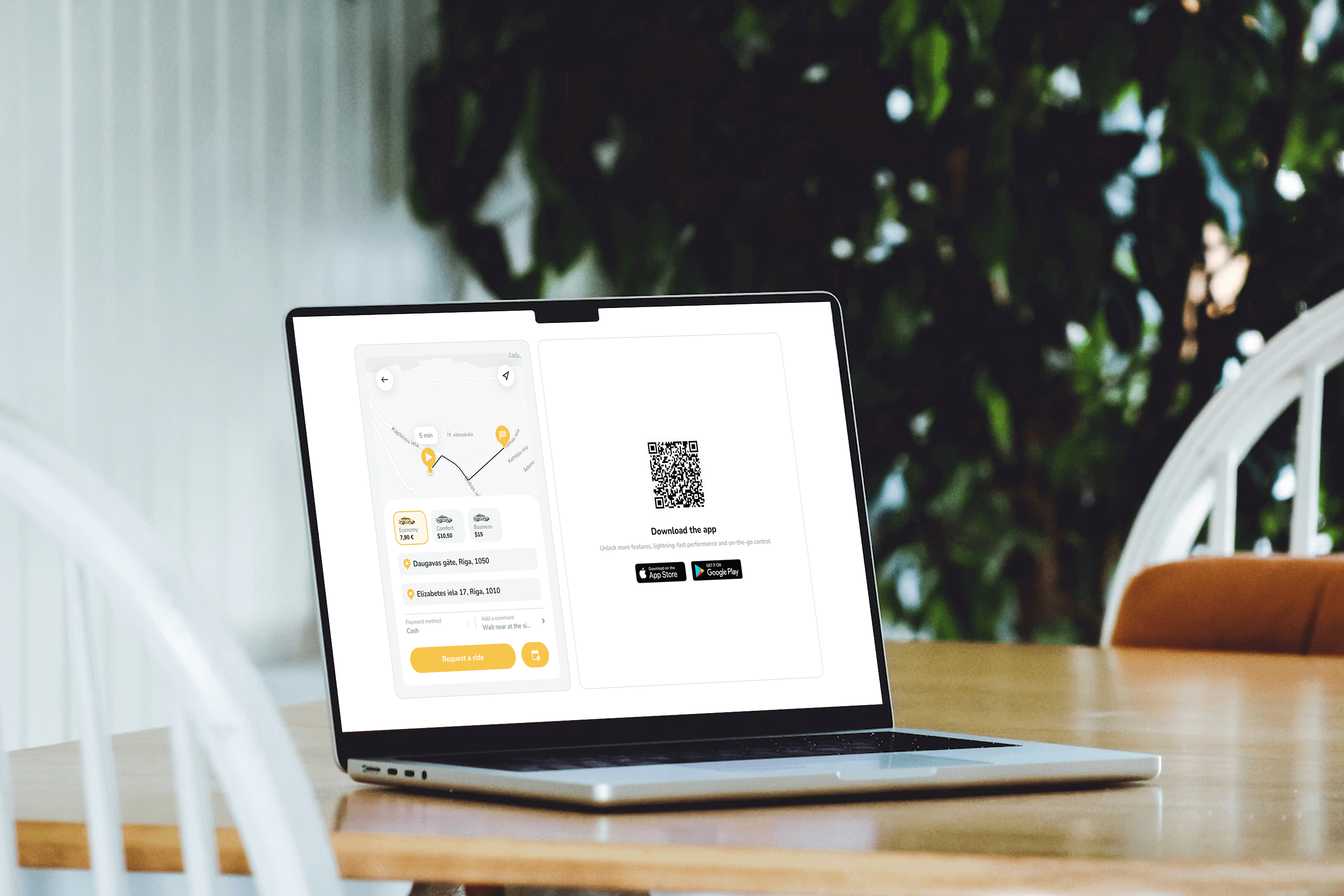
🚕 Web-booker is a lightweight ride-hail widget that lets users book rides directly from a website or mobile browser - no app install required. It reduces booking friction, supports hotel and partner demand, and keeps every ride fully synced with the taxi operator’s app and dashboard.

Beitrag lesen

What if ordering a taxi was as easy as booking a room or clicking “Reserve table” on a website?

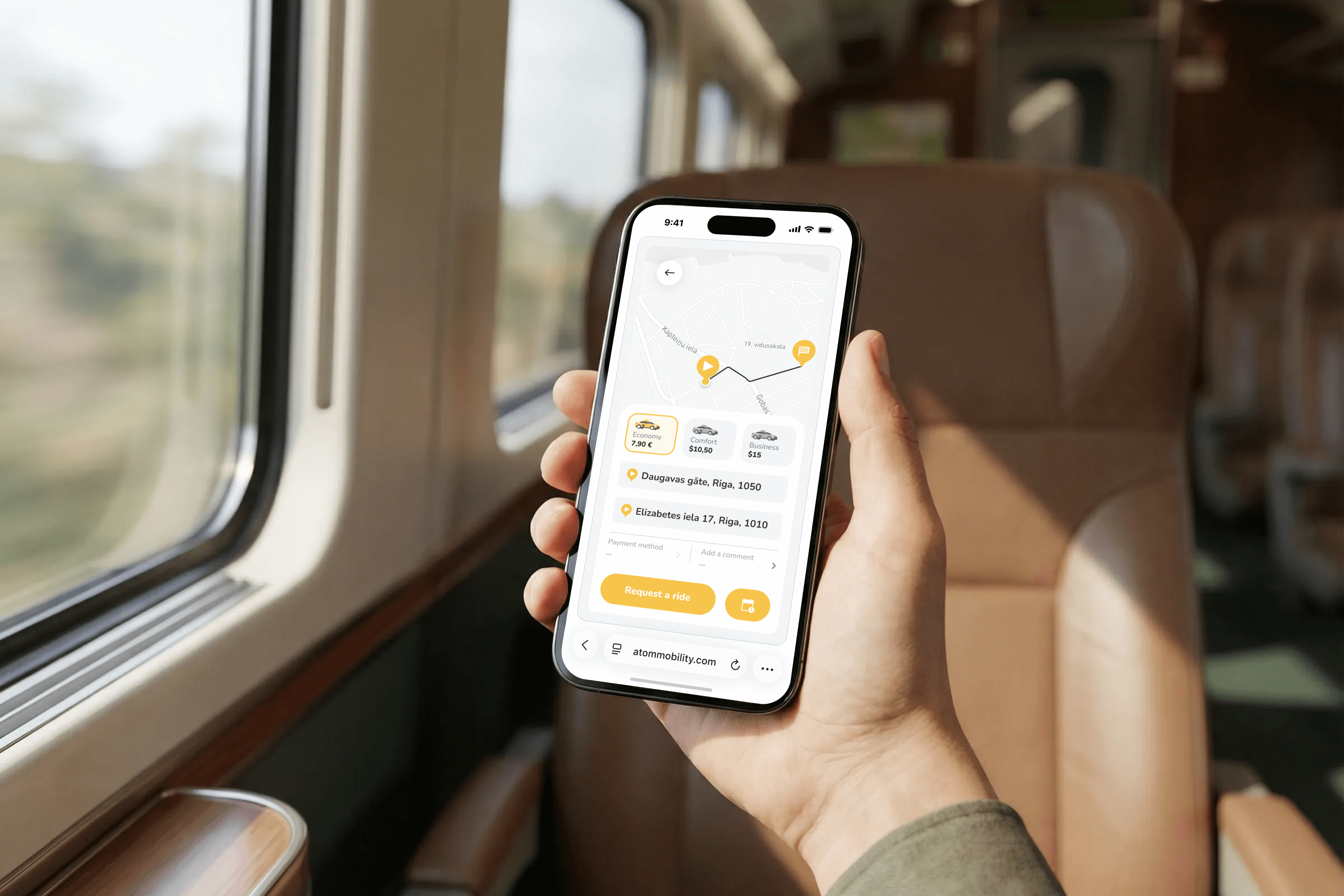
Meet Web-booker - a lightweight ride-hail booking widget that lets users request a cab directly from a website, without installing or opening the mobile app.
Perfect for hotels, business centers, event venues, airports, and corporate partners.

👉 Live demo: https://app.atommobility.com/taxi-widget

What is Web-booker?

Web-booker is a browser-based ride-hail widget that operators can embed or link to from any website.
The booking happens on the web, but the ride is fully synchronized with the mobile app and operator dashboard.

How it works (simple by design)
  • Client places a button or link on their website
  • Clicking it opens a new window with the ride-hail widget
  • The widget is branded, localized, and connected directly to the operator’s system
  • Booking instantly appears in the dashboard and mobile app

No redirects. No app-store friction. No lost users.
Key capabilities operators care about
🎨 Branded & consistent
  • Widget color automatically matches the client’s app branding
  • Feels like a natural extension of the operator’s ecosystem
  • Fully responsive and optimized for mobile browsers, so users can book a ride directly from their phone without installing the app
📱 App growth built in
  • QR code and App Store / Google Play links shown directly in the widget
  • Smooth upgrade path from web → app
🔄 Fully synced ecosystem
  • Country code auto-selected based on user location
  • Book via web → see the ride in the app (same user credentials)
  • Dashboard receives booking data instantly
  • Every booking is tagged with Source:
    - App
    - Web (dashboard bookings)
    - Booker (website widget)
    - API
🔐 Clean & secure session handling
  • User is logged out automatically when leaving the page
  • No persistent browser sessions
💵 Payments logic
  • New users: cash only
  • Existing users: can choose saved payment methods
  • If cash is not enabled → clear message prompts booking via the app

This keeps fraud low while preserving conversion.

✅ Default rollout
  • Enabled by default for all ride-hail merchants
  • No extra setup required
  • Operators decide where and how to use it (hotel partners, landing pages, QR posters, etc.)
Why this matters in practice

Web-booker addresses one of the most common friction points in ride-hailing: users who need a ride now but are not willing to download an app first. By allowing bookings directly from a website, operators can capture high-intent demand at the exact moment it occurs - whether that is on a hotel website, an event page, or a partner landing page.

At the same time, Web-booker makes partnerships with hotels and venues significantly easier. Instead of complex integrations or manual ordering flows, partners can simply place a button or link and immediately enable ride ordering for their guests. Importantly, this approach does not block long-term app growth. The booking flow still promotes the mobile app through QR codes and store links, allowing operators to convert web users into app users over time - without forcing the install upfront.

Web-booker is not designed to replace the mobile app. It extends the acquisition funnel by adding a low-friction entry point, while keeping all bookings fully synchronized with the operator’s app and dashboard.

👉 Try the demo
https://app.atommobility.com/taxi-widget

Blog
How bike-sharing apps encourage eco-friendly urban travel

🚲 Cleaner air, less traffic, and better city living - bike-sharing apps are making it happen. With seamless apps, smart integration, and the right infrastructure, shared bikes are becoming a real alternative to cars in cities across Europe.💡 See how bike-sharing supports sustainable mobility and what cities and operators can do to get it right.

Beitrag lesen

Bike-sharing apps are reshaping urban mobility. What began as a practical way to get around without owning a bike is now part of a bigger shift toward sustainable transport. 

These services are doing more than replacing short car trips. They help cities cut emissions, reduce congestion, improve health, and connect better with public transport. 

As more cities rethink how people move, bike sharing continues to grow as one of the fastest and most affordable tools to support this change.

Why bike sharing is important

Bike-sharing services now operate in over 150 European cities, with more than 438,000 bikes in circulation. These systems help prevent around 46,000 tonnes of CO₂ emissions annually and reduce reliance on private cars in dense urban areas. They also improve air quality, lower noise levels, and make cities more pleasant to live in.

A recent study by EIT Urban Mobility and Cycling Industries Europe, carried out by EY, found that bike-sharing services generate around €305 million in annual benefits across Europe. This includes reduced emissions, lower healthcare costs, time saved from less congestion, and broader access to jobs and services.

For cities, the numbers speak for themselves: every euro invested yields a 10% annual return, generating €1.10 in positive externalities. By 2030, these benefits could triple to €1 billion if bike-sharing is prioritized.

Connecting with public transport

Bike sharing works best when it fits into the wider transport system. Most car trips that bike sharing replaces are short and often happen when public transport doesn’t quite reach the destination. That last kilometer between a bus stop and your home or office can be enough to make people choose the car instead.

Placing shared bikes near metro stations, tram stops, or bus terminals makes it easier for people to leave their cars behind. This “last-mile” connection helps more people use public transport for the long part of their trip and hop on a bike for the short part. Over time, that encourages more consistent use of both bikes and transit.

In cities where bike sharing is integrated into travel passes or mobility platforms, users can combine modes in a single journey. That flexibility supports wider access and makes shared bikes part of everyday mobility, not just something used occasionally.

What the app brings to the experience

The digital experience behind bike sharing is a big part of why it works. People can check availability, unlock a bike, pay, and end their trip – all in one app. This makes it quick, simple, and consistent.

Good bike-sharing apps also offer:

  • Real-time vehicle status
  • Contactless ID verification and onboarding
  • Support for short trips and subscriptions
  • Usage history and cost tracking
  • Optional features like carbon savings or route suggestions

When users don’t need to think twice about how the system works, they’re more likely to build regular habits around it. That habit shift is what makes a long-term difference for both users and cities.

Wider city-level benefits

Bike sharing isn’t just a transport service. It helps cities meet public goals – cleaner air, lower traffic, healthier residents, and better access to services. When someone chooses a bike instead of a car, it reduces the demand for fuel, parking, and space on the road.

The €305 million annual benefit includes health savings due to increased physical activity, avoided emissions, time gained from reduced congestion, and the creation of jobs tied to fleet operations. Many bike-sharing schemes also improve equity by giving people access to mobility in areas that are underserved by public transport or where car ownership isn’t affordable.

Shared bikes are especially useful in mid-sized cities where distances are manageable and car traffic still dominates. With the right policy support, even small fleets can have a noticeable impact on mobility patterns and public health.

What makes a system work well

Not every bike-sharing system succeeds. To be reliable and scalable, a few things must work together:

  • Safe, protected bike lanes
  • Well-placed stations near high-demand areas
  • Bikes that are easy to maintain and manage
  • Operators that monitor usage and shift bikes to where they’re needed
  • City policies that support cycling and reduce reliance on cars

Successful systems often grow in partnership with city governments, public transport agencies, and private operators who bring technology, logistics, and know-how.

The role of software and operations

Reliable software is what keeps all parts of the system connected. From unlocking a bike to seeing usage trends across the city, operators need tools that are stable, flexible, and easy to manage. For those launching or scaling a fleet, platforms like ATOM Mobility offer ready-made solutions that handle booking, payments, ID checks, live tracking, and fleet control in one place.

The platform supports both electric and mechanical bikes, offers branded apps, and integrates with smart locks or IoT modules for remote vehicle access. It also lets operators adjust pricing, monitor vehicle health, and manage customer support in real time. That means smaller teams can launch faster and scale smarter, without having to build every tool from scratch.

A small change with a big effect

Bike sharing won’t replace all car trips, but even a small shift makes a difference. A few short rides per week can reduce emissions, improve fitness, and save time spent in traffic. When these trips are supported by good infrastructure, public awareness, and seamless apps, the impact grows.

As cities continue to prioritise sustainability, shared micromobility will play a bigger role in helping people move in cleaner, healthier, and more flexible ways. With the right technology and planning, bike sharing becomes more than a service – it becomes a habit that supports better cities for everyone.

Starte deine Mobilitätsplattform in 20 Tagen!

Mehrere Fahrzeuge. Skalierbar. Bewährt.