الاختلافات في نماذج أعمال مشاركة السيارات والدراجات والسكوتر
25/2/2020
الحد الأدنى للقراءة


The mobility industry is growing at a rapid rate, with innovations happening across cars, bikes and scooter sharing alike. This article explores the most recent advancements in the market and how industry leaders are finding new ways to compete. Learn about the different models for Mobility as a Service and what it means for the future of transportation.
According to research by the Internet of Things, the number of carsharing service users across the world is expected to grow from 50.4 million people in 2018 to 227.1 million in 2023. The number of cars used for car sharing services is also forecasted to increase from 332,000 at the end of 2018 to 1.2 million by 2023. The rising demand for these services has driven more companies towards developing methods of sharing that go beyond traditional single use cars.

Image source: Internet of Things
Free Floating
A new model of car sharing that has recently grown in popularity is free floating carsharing, which allows users to pick up a car in one location and return it anywhere within a predefined Home Zone. Challenging the idea of ownership, this service currently has 3 million users worldwide, with over 30 thousand vehicles available across more than 50 cities.
there are currently over 30 thousand vehicles equipped with this service across more than 50 cities worldwide
Dailmer and BMW became a leader in the free floating industry when they merged their two car sharing services, Car2Go and DriveNow, in February 2019 to form SHARE NOW. With over four million members, the free floating car rental service is available in 18 major cities across Europe with a fleet of 20,500 vehicles to choose from. Members register through a mobile app, gaining access to the services for the cost of $0.32 per minute. The company covers the fixed costs of car loans, car insurance and car maintenance so users are able to enjoy the freedom of driving without the responsibility of ownership.
The largest benefit of free float car sharing is the higher demand that can be met on average per ride and car each day. However, this model still includes a lot of operational day-to-day tasks such as maintenance, relocating, fueling/charging that can require a larger team.
Station Based
The traditional model of car sharing services is station based, where users can pick-up vehicles from a fixed rental station after filling out paperwork in person or through a mobile app. After signing an agreement, the renter is able to drive the car wherever they would like. The lease ends once the car is returned to a designated rental station that has been approved by the provider. This model does not provide the same flexibility to users that newer offerings have, however, it remains one of the best ways for providers to track the vehicles without developing complex systems.
Enterprise CarShare is an example of traditional station based car sharing services. Offering users three membership levels to choose from, the pricing varies based on hourly, daily and overnight rates as well as kilometers driven. Depending on the membership, hourly rates are around $8, daily rates $75 and overnight rates start at $29. The vehicles are available for pick-up at designated stations or lots and can be returned at the discretion of the user to any Enterprise location at the end of their trip.
Compared to free float services, station based car sharing has lower operational costs since only a few fixed stations need to be monitored and checked each day. Right now this model is most profitable in the market, once free float operators enter on a wider scale it will be harder to keep up with the high demand.
Peer-to-Peer
Peer-to-peer car sharing services have experienced large growth in the past few years. Research found that by 2017, more than 2.9 million people in North America were using these services renting over 131,336 vehicles. Peer-based car-sharing fleets expanded by 80 percent between 2016 and 2017 and memberships doubled.
The peer-to-peer car sharing model allows users to list their own vehicles on a sharing platform, connecting hosts to guests looking to rent. This style of sharing allows users to set their own rental rates, while giving members who are looking to rent a wider selection of vehicles to choose from.
Turo is a leader in the peer-to-peer sharing industry, serving as a marketplace where guests can book any car they want from hosts across the US, Canada, the UK and Germany. The guests are able to choose from a unique selection of cars within their area, while allowing the hosts an opportunity to earn extra money to offset the costs of ownership. The company currently has over 10 million users, with more than 350,000 vehicles listed for rent.

Image source: cnet
The rates for Turo are charged by the hour and are subject to adjustments made either by the company’s own algorithm or the specific daily rates charged by each host.
In this model, the operator acts as an aggregator without ownership over the vehicles, which makes it easier to scale the business without the need for huge capital investments. However, it becomes more difficult to control the quality of the experience since every car cannot be checked on a regular basis. It is important to establish a strong customer support team to help resolve any issues that occur.
Autonomous
The future of car sharing is focused on eliminating the driver all together. Autonomous vehicles are beginning to make their way into the marketplace, with the hope being that fleets of self-driving cars will be able to pick-up users at any given location and return to the designated charging area all on their own.
A leader in this next step of mobility is Waymo, a company that emerged from Google’s self-driving car project. The company launched their first commercial self-driving-car service in December 2018, in Phoenix. The self-driving cars operate in an approximately 100-square-mile radius, serving the towns of Chandler, Gilbert, Mesa and Tempe. Available to a select few pre-approved riders, the hope is that driverless vehicles will be a main part of transportation in the future. There are currently around 1,500 monthly active users helping with the testing program.
In theory, the economics of this model should be great as there is no driver costs or relocating costs, keeping operational requirements to a minimum. These vehicles will however be heavily regulated, with limited access in the near future.
The demand for accessible transportation in cities has expanded beyond traditional motor vehicles. Across the world, urban areas are beginning to adapt bike sharing programs that allow citizens to use both standard bicycles and e-bikes as a form of travel. The bikes are usually selected from one docking station, and later returned to another across the city. There is currently believed to be nearly 900 bike-sharing systems available globally, with continuous advancements being made each year.
The bike sharing market is expected to grow from a $2.7 billion dollar industry to $5 billion by 2025, according to a report by Research and Markets. That in mind, bike sharing companies across the world should approach expansion with caution to avoid over extending their services. In 2018, Chinese bike sharing start-up Ofo experienced financial decline due to their costly global expansion that was not supported by commercial success. The company was unable to maintain the accessibility of its competitors who partnered with mobile app providers, offering them a wider reach for their services. Without support from an investment partner, Ofo could no longer sustain the maintenance of its bike sharing fleets, let alone compete in the market.
We believe you can build a successful bike share company once you have the right strategy in place. It is important to be operationally efficient when starting out, initially launching a smaller fleet and growing organically with the demand. If you start by scaling wide without having the matching demand, your resources will be spread too thin. The most successful bike share programs work with the local municipalities and cities to determine revenue streams and find the best options to connect with riders.
Dockless Bike Sharing
The dockless bike sharing model offers users access to bicycles that do not require a docking station. Dockless systems allow the bikes to be located and unlocked through a mobile app then returned to a designated district at a bike rack or along the sidewalk. This model is designed for short term use, ideal when travelling or visiting somewhere as a tourist. Most dockless sharing services offer single rides for $1 or monthly fees for continuous use.
Lime was one of the first companies to offer dockless bike services. Users access the bikes at designated areas through the company’s mobile app, initially they are charged a fixed rate to unlock the vehicle and then per minute for the duration of their trip. The rates and promotions available vary based on location and time. Program packages are also offered for users who wish to make monthly payments or have the services available to their employees on a regular basis.
This model of bike sharing is ideal for users because it is easily accessible and convenient to employ every day. There are high operational costs that come with this type of service, as well as a larger risk for vandalism or damage to the bikes.
Station Based
Traditional bike share programs include docking stations where the bicycles are locked until a user purchases a ride. The user pays at a nearby pay station before unlocking the vehicle for a short term trip, later returning it to any available docking station when finished. There are typically two types of payment options available, a flat membership fee or pass that allows access to the bikes for a certain period of time and then a usage fee that charges for the amount of time you spend riding.
San Francisco is one of the first cities to create a regulatory and permitting framework around the trend of bike-sharing. In December 2019, 4,000 e-bikes were launched as part of the Bay Area bike sharing program, designed to make mobility easily accessible to citizens. The program provides rides with the option to purchase a single ride, starting at $2, through Lyft’s mobile ride-sharing app. There are over 300 docking stations available throughout the city, allowing users to travel across the Bay Area more efficiently.
The Capital Bikeshare, in Washington D.C. has a membership fee of $85 annually offering lower usage charges throughout the year. For the first 30 minutes a ride, members aren’t charged, they then receive a rate of $1.50 for the next 30, $3 for the third and finally an additional $6 for every other 30 minute period. For non-members, the first 30 minutes also has no charge but they experience higher fees for every 30 minutes after that. The higher usage fees are balanced out by lower costs at the start -- a daily Capital Bikeshare pass is only $8 and a monthly pass comes to $28.
Station based bike sharing can help bring a stable ROI for every bike since operational costs are low, and there is a minimal need for maintenance, relocation or charging. As dockless bikes continue to expand in the market, this model risks losing loyal users in the long-run.
Sponsored by Corporate
Some bike share programs operate in partnership with corporations who sponsor the vehicles. Operating like a standard bike share program, these vehicles operate in conjunction with the local municipalities.
In London, the city offers a public bicycle hire scheme funded by Santander UK. With more than 750 docking stations and 11,500 bikes available for hire around the city, users have easy access to the vehicles. The program operates 24 hours a day, year-round with an initial cost of 2 Euros for a daily trip, charging an additional 2 Euros per half hour after the first 30 minutes. Users have the option to hire a bike using their bank card at the docking station, or through the official mobile app.
This model is great for any operator that can find a reliable partner who is interested in establishing this type of deal, however, you still run the risk of losing that partner later on.
The fastest growing trend in mobility is the advent of e-scooters. They are inexpensive, accessible through mobile apps similar to bike sharing and available in over 100 cities worldwide. According to the US National Association of City Transportation Officials, riders took 38.5 million trips on shared electric scooters in 2018 compared to the 36.5 million trips on docked bikes. The Boston Consulting Group estimates that the global e-scooter market will grow to US$50 billion by 2025, with approximately 50% of the users being located in Europe and the USA. Micro-mobility is quickly becoming the preferred method for short term travel and companies have already begun to emerge as leaders in the market.

Image source: nacto.org
Station Based
Similar to station based bikes, some e-scooter providers offer docking stations where the scooters can be unlocked through a mobile app and then returned later to any available docking station.
DASH Scooters operates out of Nashville, TN, offering docked e-scooters styled like vespas that can be rented at set rates through their mobile app. Starting at $40 for two hours, the rates increase based on time travelled and day of the week. The brand launched after the emergence of other leaders such as Bird, Lime and Spin, who have set the bar for innovation in e-scooters. Their app allows users to locate nearby docking stations where the scooters can be returned to at the end of a trip.
The best way for operators to get a high return on their business is to have a combination of station based and dockless scooters. This will help maintain growth over time, while keeping up the high demand.
Dockless Scooters
Leaders in the mobility industry have begun to focus on the possibilities of dockless scooters. This model involves e-scooters that do not require a docking stations, but instead can be rented from a designated location and then returned anywhere in another.
Spin operates in 62 cities and 20 campuses across the United States, offering fleets of electric scooters for easy, short term travel. Users are able to unlock the scooters through their mobile app, once the ride is complete they can leave the scooter at any designated location and the cost will appear on the app. Charges vary depending on the length of the ride.
This model is currently experiencing high demand due to its convenience and ease of access for users. There are a large amount of maintenance and operational costs required, similar to other dockless mobility services, as well as increasing regulations across cities.
Hotel Services
While the future of e-scooters in cities is an on-going process, the services have begun to expand into the tourism sector. Hotels and resorts have begun to offer scooter sharing services to allow guests to easily travel throughout the location, or explore local surroundings. The options vary between station based and dockless scooters, with pricing packages being dependent on the destination.
Rentskoot is a start-up in Finland that offers small fleets of electric scooters to hotels. Guests are then able to rent the scooters from the hotel premises as a unique way to experience the local neighbourhoods. The company provides operational training to staff, free maintenance and the ability to advertise the hotel’s logo on the scooters. Travelling at a maximum speed of 25 km/h, the compact size and battery life makes this service ideal for short term use within cities.
By focusing on hotels, this model allows businesses to be more innovative with their designs while keeping a consistent demand amongst the growing market. An agreement will need to be made with the hotel in advance regarding guidelines for use and overall costs distribution.
What does this mean for the future of mobility?
The car sharing industry is projected to reach a 16.5 billion USD revenue by 2024, with an annual increase of 34.8% every year. A trend towards electric vehicles is also predicted as the demand for lithium-ion batteries has been predicted to increase by 380% by 2025. In addition, the bike and scooter rental market is expected to grow from USD $2.5 billion in 2019 to USD $10.1 billion by 2027, at a CAGR of 18.9 percent. Dockless systems will most likely continue to dominate the market, as their flexibility and ease has historically made them the more popular option for riders.
Every sector of MaaS has one thing in common: the desire to make transportation easier for riders. Ultimately each service compliments the other by providing different options for mobility that can each work together to get a user from point A to point B and back. If someone arrives in the city by train, they could then travel to work using an e-bike or e-scooter to avoid traffic. When returning home late at night a car sharing service could be used to get them there in one trip. The hope is that the future of mobility will consist of a connected network designed for safe, efficient and easily accessible travel.
With this quickly growing market on the rise, there hasn’t been a better time to become a leader in mobility. Start your journey in 20 days with ATOM!
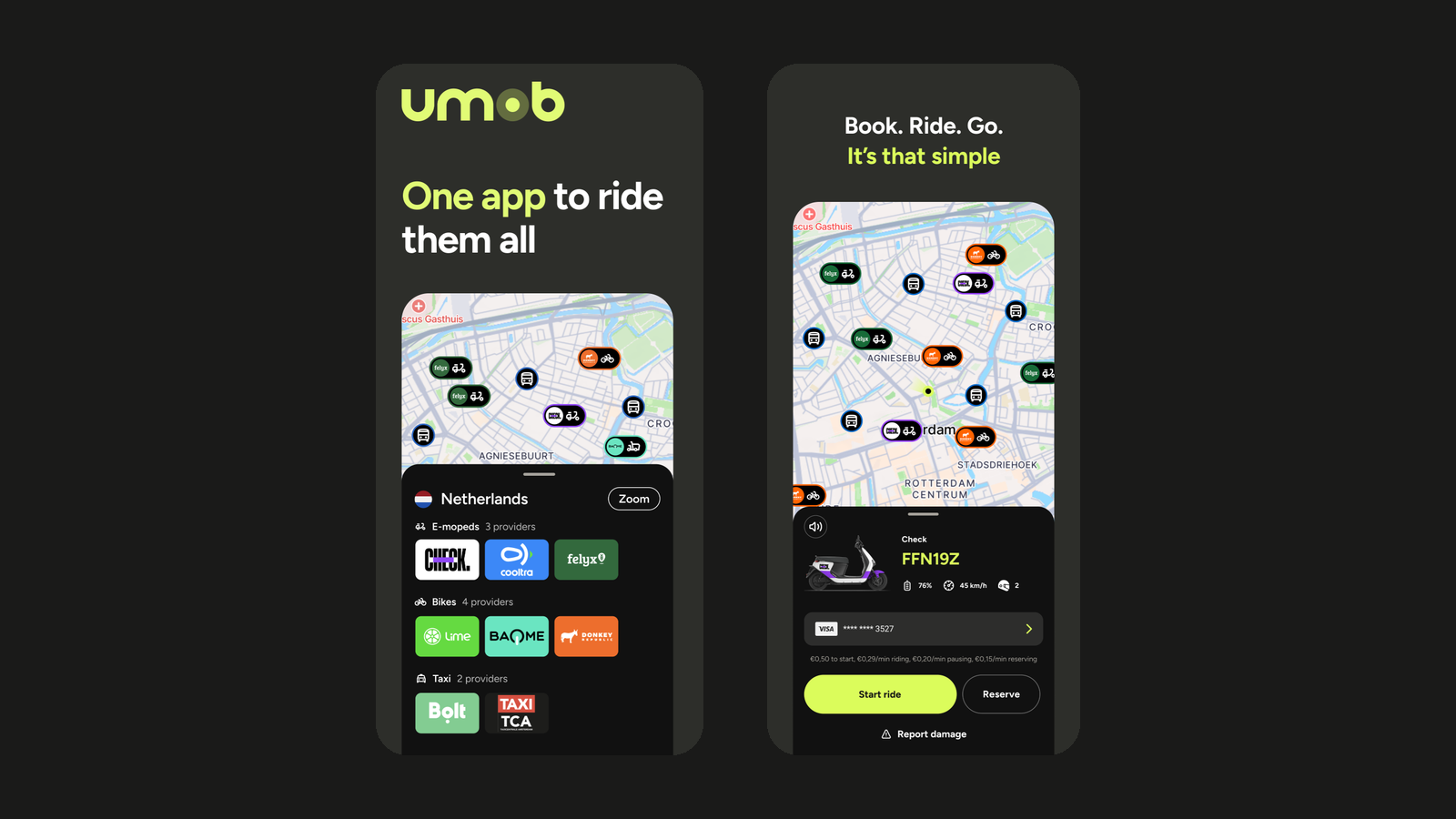
🌍 يمكنك الوصول إلى المزيد من الركاب مع ATOM Mobility وUmob. يمنح هذا التكامل مشغلي التنقل المشترك قناة توزيع إضافية، مما يساعد في جذب عملاء جدد، وزيادة الحجوزات، وتحسين معدلات استخدام الأسطول.
مستقبل التنقل لا يقتصر فقط على تشغيل المركبات، بل يتعلق بابتكار رحلات مريحة تجمع بين خيارات النقل المختلفة في تجربة مستخدم واحدة بسيطة.
ولهذا السبب يسعدنا تسليط الضوء على شراكتنا مع Umob، مما يساعد مشغلي التنقل على توسيع نطاق وصولهم وأن يصبحوا جزءاً من منظومة تنقل متعددة الوسائط متنامية.
سواء كنت تدير سيارات أو سكوترات أو دراجات هوائية أو دراجات نارية مشتركة عبر منصة ATOM Mobility، فإن التكامل مع Umob يجعل خدمتك متاحة لـ آلاف مستخدمي Umob الباحثين عن وسيلة تنقل مريحة.
يتوقع مستخدمو اليوم مرونة عالية؛ فهم لا يفكرون في مزودي خدمات التنقل بشكل منفصل، بل يريدون ببساطة أسرع وأسهل وأكثر الطرق ملاءمة للانتقال من النقطة (أ) إلى النقطة (ب).
تجمع Umob بين مختلف مزودي خدمات التنقل وخيارات النقل في تطبيق واحد. يمكن للمستخدمين العثور على خيارات التنقل المختلفة ومقارنتها وحجزها والدفع مقابلها دون الحاجة إلى تنزيل تطبيق منفصل أو إنشاء حساب جديد لكل مزود خدمة.
من خلال ربط أسطولك بـ Umob، يمكن للمشغلين:
بالنسبة لعملاء ATOM Mobility، صُمم هذا التكامل لتوفير طريقة مباشرة لفتح فرص توزيع جديدة مع الاستمرار في إدارة عملياتهم الأساسية من خلال منصة ATOM Mobility.
من خلال منصة ATOM Mobility، يمكن للمشغلين المشاركين ربط أساطيلهم بـ Umob، مما يتيح للمستخدمين اكتشاف المركبات المتاحة واستخدامها مباشرة عبر تطبيق Umob.
بمجرد الربط، ستظهر مركبات المشغلين المشاركين في Umob إلى جانب خيارات التنقل الأخرى المتاحة، مما يمنح المستخدمين نظرة عامة واضحة على الطرق المختلفة التي يمكنهم من خلالها الانتقال من النقطة (أ) إلى النقطة (ب).
يمكن للمستخدمين العثور على مركبة متاحة، وحجزها وفتح قفلها، وبدء رحلتهم وإنهائها، والدفع مباشرة من خلال تطبيق Umob.
صُمم هذا التكامل لدعم:
يواصل المشغلون إدارة أساطيلهم، وتسعيرهم، ومناطق الخدمة، والعمليات اليومية من خلال منصة ATOM Mobility، بينما توفر Umob قناة إضافية يمكن للمستخدمين من خلالها العثور على المركبات والوصول إليها.
بالنسبة لمشغلي التنقل، يتيح الربط مع Umob قناة توزيع إضافية دون تغيير الطريقة التي يديرون بها عملياتهم اليومية عبر ATOM Mobility.
من خلال إتاحة المركبات لآلاف مستخدمي Umob، يمكن للمشغلين زيادة ظهورهم في اللحظة التي يبحث فيها الأشخاص بنشاط عن وسيلة تنقل. وهذا يخلق إمكانية لجذب مستخدمين جدد، وتحقيق المزيد من الحجوزات، وتحسين معدل استخدام الأسطول بمرور الوقت.
يختلف كل سوق عن الآخر، لكن العديد من المشغلين يرون في شراكات "التنقل كخدمة" (MaaS) جزءاً مهماً من استراتيجية نموهم طويلة الأمد.
أحد أوائل مشغلي ATOM Mobility الذين انطلقوا من خلال تكامل Umob هو ZEUS Mobility، وهو مزود أوروبي طموح لخدمات مشاركة السكوتر الكهربائي، يركز بقوة على الابتكار، ويتبنى نهجاً ديناميكياً، ويسعى لمنافسة اللاعبين الراسخين في السوق.
ومن المناسب أن الشراكة بحد ذاتها بدأت من خلال شبكة ATOM Mobility.
التقت ZEUS وUmob لأول مرة في فعالية ATOM Mobility في ريغا. وعلى الرغم من أن التعارف الأولي حدث أثناء الفعالية، إلا أن المحادثة الجدية بدأت فعلياً خلال جلسة غير رسمية في وقت لاحق من ذلك المساء.
كانت ZEUS قد صادفت علامة Umob التجارية على مركبات التنقل أثناء السفر، وقد أُعجبت بالنهج المهني الذي تتبعه الشركة. وسرعان ما تحول ذلك التعرف إلى محادثة حول كيفية تعزيز الشركتين لعروضهما من خلال العمل معاً.
ومن هناك، تقدمت عملية التكامل بسرعة. وتصف ZEUS عملية الإعداد والتكامل حتى الآن بأنها "نظيفة واحترافية وسلسة."
بالنسبة لشركة ZEUS، تمثل هذه الشراكة فرصة لتعزيز حضور علامتها التجارية، والوصول إلى عملاء جدد، ودعم طموحاتها التوسعية في أوروبا.
عقب استحواذها على Superpedestrian في مايو 2026، تتطلع ZEUS إلى تسريع وتيرة نموها خلال عامي 2026 و2027، وتعد شراكتها مع Umob جزءاً من هذا الطموح.
"نحن في ZEUS سعداء للغاية بالشراكة مع Umob في الأسواق الأوروبية. فبعد استحواذنا على Superpedestrian في مايو 2026، نسعى في ZEUS إلى تحقيق نمو سريع خلال عامي 2026 و2027. ستساعدنا هذه الشراكة في دفع عجلة هذا النمو والوصول إلى عملاء جدد في أسواق جديدة. نتطلع إلى شراكة مثمرة." - داميان يونغ، ZEUS Mobility
تطبيق واحد لكل تنقلاتك. Umob هي منصة تنقل شاملة تجمع بين مختلف مزودي خدمات التنقل وخيارات النقل في تطبيق واحد.
يمكن للمستخدمين العثور على الدراجات المشتركة، والدراجات الكهربائية، والسكوتر، والدراجات النارية، ووسائل النقل العام، وسيارات الأجرة، وغيرها من خيارات التنقل المتاحة، ومقارنتها وحجزها والدفع مقابلها من خلال حساب واحد وتجربة دفع موحدة. فبدلاً من تنزيل تطبيق منفصل والتسجيل فيه لكل مزود خدمة أو في كل مدينة جديدة، يمكن للمستخدمين فتح تطبيق Umob والاطلاع على خيارات التنقل المتاحة من حولهم.
تتوفر Umob اليوم في أكثر من 28 دولة و300 مدينة، مما يتيح لآلاف المستخدمين طريقة أسهل للوصول إلى مختلف وسائل التنقل سواء في مدنهم أو أثناء السفر.
حقائق رئيسية
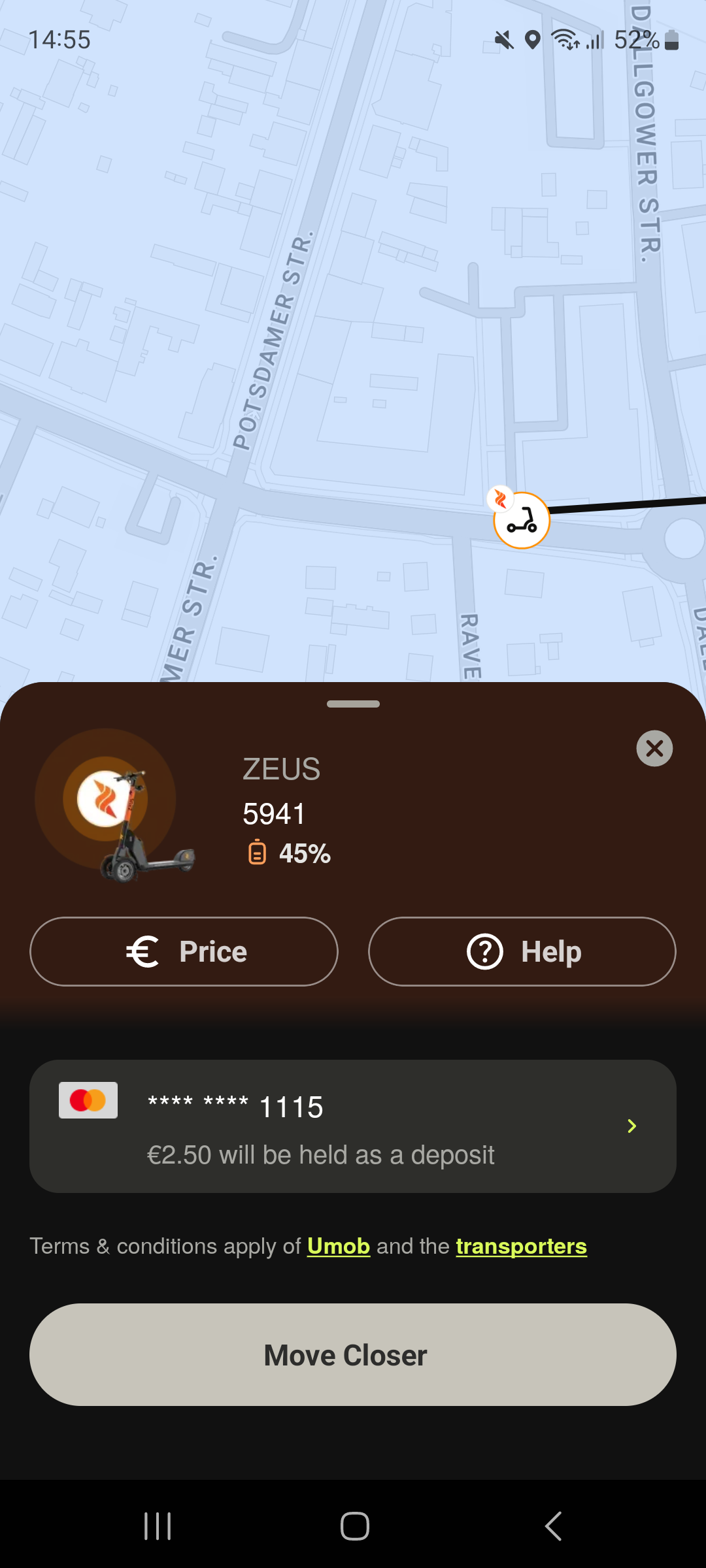
إذا كنت تدير بالفعل خدمة التنقل المشترك الخاصة بك على منصة ATOM Mobility، فإن الربط مع Umob قد يكون الخطوة التالية نحو الوصول إلى المزيد من المستخدمين وأن تصبح جزءاً من منظومة تنقل مترابطة حقاً.
إذا كنت مهتماً بتفعيل هذا التكامل أو معرفة المزيد حول كيفية عمله، تواصل مع فريقنا. نحن نتطلع إلى مساعدة المزيد من المشغلين على التواصل والتعاون وجعل التنقل المستدام أسهل للجميع.
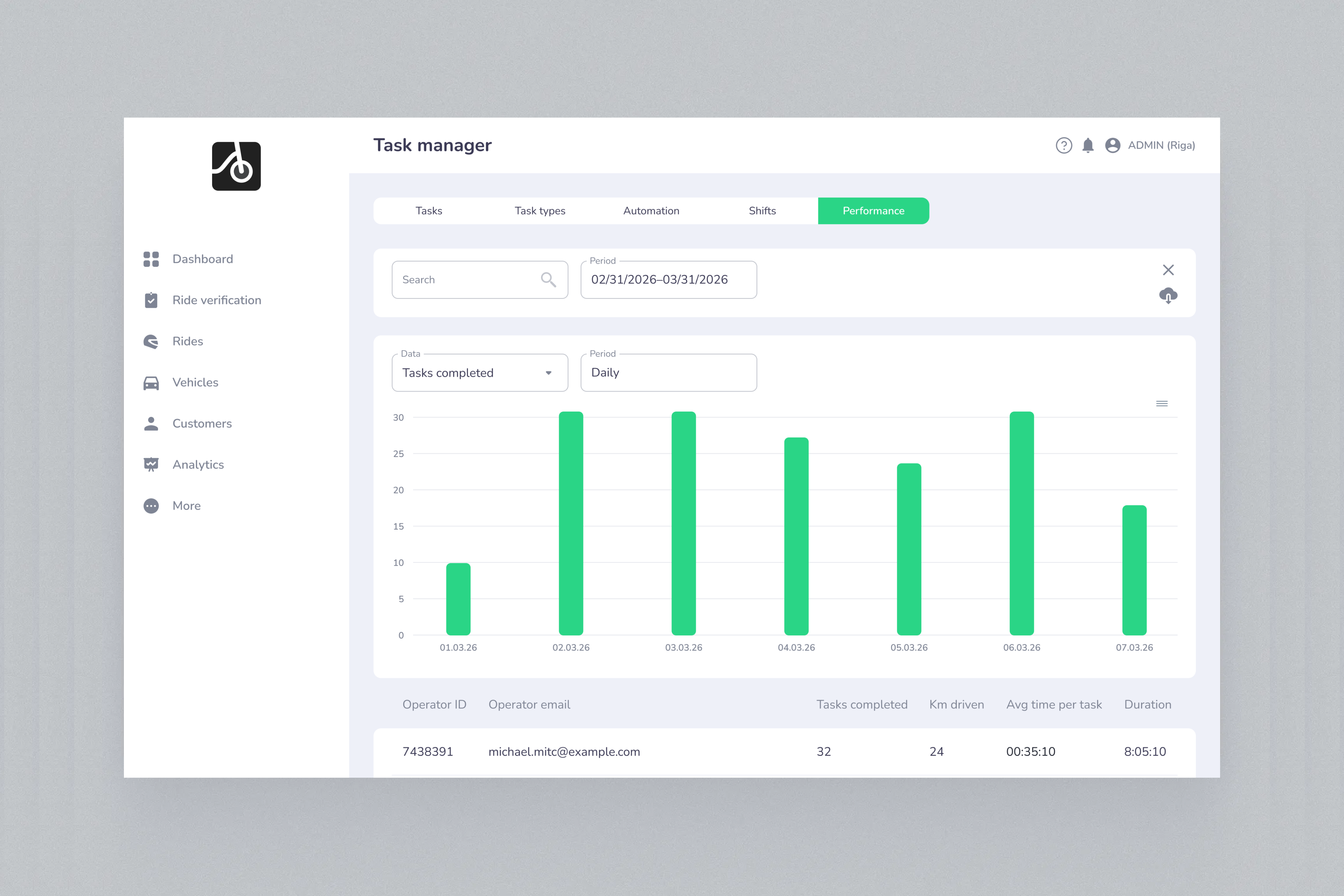
👷📊 يتجاوز مدير مهام ATOM الآن مجرد توزيع المهام بفضل وظائف الورديات وأداء المشغلين الجديدة. تتبع مسارات الورديات، والمسافة المقطوعة، والمهام المنجزة، والوقت المستغرق لكل مهمة، وأداء كل مشغل على حدة، مما يمنح مديري الأساطيل رؤية أوضح بكثير للعمليات الميدانية ومستوى الكفاءة.
لا تقتصر إدارة أسطول كبير للتنقل المشترك أو التأجير على معرفة المهام التي تم إنجازهافحسب، بل تتعلق أيضاً بفهم مدى كفاءة عمل الفرق الميدانية. لقد قمنا بتوسيع مدير مهام ATOM Mobility بشكل كبير بإضافة وظائف الورديات والأداء، مما يمنح مديري الأساطيل رؤية أفضل بكثير لنشاط المشغلين، وعبء العمل، والمسارات، ومستوى الأداء.
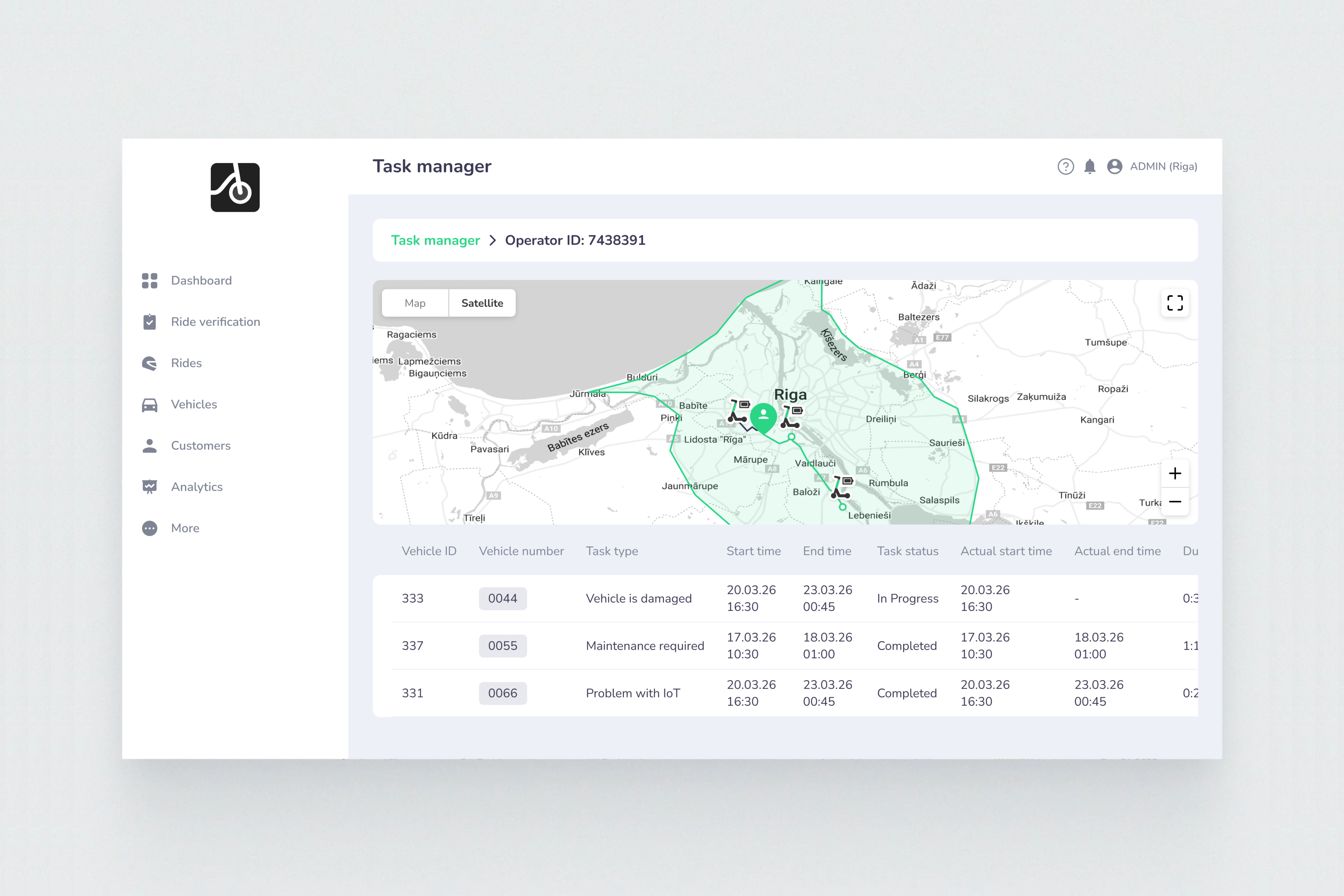
تمنحك علامة التبويب الورديات الجديدة للمديرين نظرة عامة مركزية على جميع ورديات المشغلين، بما في ذلك:
يمكن للمديرين فتح أي وردية فردية للاطلاع على الصورة التشغيلية الكاملة. فلكل مهمة، يمكنك رؤية المركبة، ونوع المهمة، ووقت البدء المخطط له والموعد النهائي، وأوقات البدء والانتهاء الفعلية، والحالة، والمدة الإجمالية للمهمة.
تتضمن كل وردية أيضاً خريطة توضح حركة المشغل الكاملة أثناء الوردية والمواقع التي تم تنفيذ المهام الفردية فيهابالنسبة للنوبات الجارية حالياً، يمكن للمديرين أيضاً الاطلاع على الموقع الحالي للمشغل.
وهذا يسهل كثيراً فهم المسار الفعلي، وحجم العمل، والقرارات المتخذة خلال كل نوبة، بالإضافة إلى تحديد فرص تحسين كيفية إدارة فرق العمل الميدانية لصيانة الأسطول وعملياته.
علامة التبويب الأداء الجديدة تجمع النتائج التشغيلية لكل مشغل خلال فترة زمنية محددة.
يمكن للمديرين تتبع:
بدلاً من مراجعة مئات المهام الفردية، يمكن للمديرين مقارنة المشغلين بسرعة، وتحديد أصحاب الأداء المتميز، ورصد المجالات التي قد تحتاج إلى تدريب إضافي أو تحسينات تشغيلية.
لجعل بيانات الأداء دقيقة ومفيدة، قدمنا أيضاً سير عمل جديد للنوبات والمهام في تطبيق ATOM للمشغلين. يبدأ المشغلون الآن نوبات عملهم وينهونها مباشرة من خلال التطبيق، بينما يتم تسجيل أوقات بدء المهام الفردية وإتمامها تلقائياً.
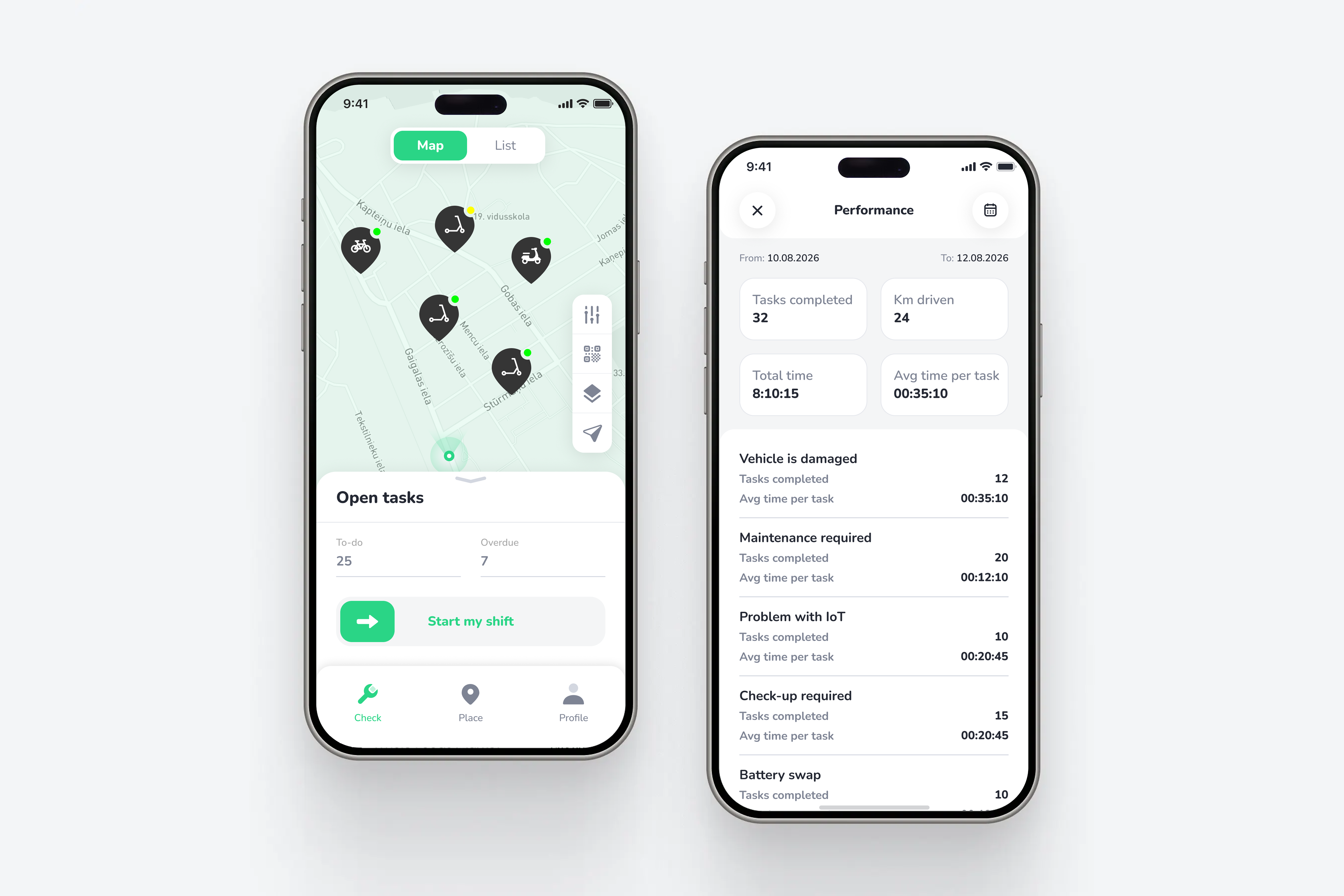
لقد أضفنا أيضاً:
معاً، تحول هذه التحديثات ATOM Task Manager من مجرد أداة لتوزيع المهام إلى نظام أكثر تكاملاً لأداء وتحسين العمليات الميدانية. يحصل المشغلون على سير عمل أوضح ورؤية أفضل لأدائهم الشخصي، بينما يحصل المديرون على البيانات التي يحتاجونها لفهم كيفية سير عملياتهم الميدانية فعلياً وتحديد مجالات تحسين الكفاءة.
الوظائف الجديدة متاحة لوحدات مشاركة المركبات و التأجير الرقمي في ATOM Mobility.
👉 اقرأ المزيد عن آخر تحديثات منصتنا:
https://www.atommobility.com/atomupdates
استخدم بيانات اعتماد الاختبار لتسجيل الدخول - رقم الهاتف: +1 123123123، الكود: 777777


بيانات اعتماد الإصدار التجريبي من تطبيق Driver - البريد الإلكتروني: test@atom.com، كلمة المرور: برنامج التشغيل