كل ما تحتاج إلى معرفته عن تأمين أسطول المركبات الصغيرة
14/9/2023
الحد الأدنى للقراءة


بالنسبة لمشغلي التنقل المشترك، يجب أن يكون تأمين الأسطول أحد أهم الأولويات. بغض النظر عن حجم أسطولك أو تكوينه، فإن الحصول على التأمين المناسب يمكن أن يوفر راحة البال من خلال حماية عملك من المواقف غير المتوقعة
ومع ذلك، قد يبدو سؤال التأمين شاقًا في بعض الأحيان - خاصة إذا كنت الجديد إلى الصناعة. في هذه المقالة، سوف نستكشف الأشياء الأساسية التي تحتاج إلى معرفتها حول تأمين أسطول التنقل الصغير المشترك الخاص بك.
إن تشغيل أسطول التنقل المشترك ليس دائمًا أمرًا سلسًا. يمكن أن تحدث الحوادث - سواء كان ذلك ثنيًا بسيطًا أو شيئًا أكثر خطورة. يعتبر التأمين بمثابة شبكة الأمان الخاصة بك، حيث يوفر تغطية مالية للإصلاحات والاستبدال وحتى الالتزامات القانونية المحتملة بعد وقوع حادث.
فيما يلي الأسباب الرئيسية التي تجعل التأمين أحد أهم الأولويات لمشغلي أسطول التنقل المشترك:
الامتثال القانوني: في العديد من الأماكن، يعد التأمين على أساطيل التنقل المشتركة مطلبًا قانونيًا. ربما ترغب في الامتثال لهذه اللوائح لتجنب أي غرامات أو عقوبات محتملة - أو حتى تعليق عملياتك.
الأمن المالي: يساعد التأمين أيضًا في الحفاظ على استمرار عملك ماليًا، بغض النظر عما يحدث. بدون تأمين، يمكن أن تؤثر الحوادث أو تلف السيارة أو السرقة بشكل خطير على أموالك. يمكن أن تضمن التغطية التأمينية الشاملة عدم تركك تتدافع لتغطية أي نفقات غير متوقعة.
عندما يتعلق الأمر بتأمين أساطيل التنقل الصغير، فإن جزءًا من التحدي ينبع من حقيقة أن السوق جديد نسبيًا. يتجنب بعض شركات التأمين التعامل مباشرة مع التنقل الصغير لأنه يُنظر إليه على أنه سوق غير مألوف.
هذا هو المكان الذي يحب فيه الوسطاء كاشيت ويأتي آخرون متخصصون في تأمين الحركة الصغيرة. إنهم يشتركون مع العديد من شركات التأمين لتوفير التغطية للمشغلين في هذا المجال.
عندما يتعلق الأمر بالتنقل الجزئي المشترك، فإن التغطية التأمينية عمومًا لها دور مزدوج: حماية الأصول والتعامل مع مشاركة الطرف الثالث في حالة وقوع حوادث.

تغطية المسؤولية: إن تأمين المسؤولية العامة من طرف ثالث لأساطيل التنقل المشتركة ليس مجرد مسألة اختيار - في بعض الأماكن، يتم ذلك بموجب القانون. يعمل هذا التأمين على حماية المشاة والركاب في حالة وقوع حوادث مؤسفة، ويوفر تغطية مالية للإصابات والأضرار التي قد تنشأ. بعبارة أخرى، إنها شبكة أمان توفر راحة البال للمشغلين.
عندما يتعلق الأمر بالتأمين الإلزامي ضد المسؤولية تجاه الغير، تبدأ المفاوضات مع شركة التأمين عادةً بمعرفة ما تطلبه السلطات المحلية لمنحها تصريحًا. بعد ذلك، يتم تعديل بوليصة التأمين لتلبية المتطلبات المحددة التي حددتها هذه السلطات.
تغطية الأضرار المادية: يغطي هذا تكاليف إصلاح أو استبدال المركبات في حالة تلفها بسبب الحوادث أو الاصطدامات أو التخريب أو السرقة. وفقًا للسياسة، قد تمتد تغطية الأضرار المادية أيضًا إلى معدات مثل أجهزة GPS ومحطات الشحن والأجهزة الأخرى.
يعتمد المبلغ الذي ستدفعه كأقساط على عوامل مختلفة خاصة بنشاطك التجاري، بما في ذلك تكوين أسطولك، ومكان وكيفية عملك، ومستوى التغطية التي تهدف إليها.
استخدام الأسطول: كلما زاد استخدام أسطول التنقل الصغير المشترك، زادت فرص حدوث أخطاء. عندما يكون هناك طلب كبير على الأسطول ويتم استخدامه كثيرًا، فهناك احتمال أكبر لحدوث شيء يتطلب تغطية تأمينية.
سلوك الراكب: تنظر شركات التأمين أيضًا في قدرة الأسطول على التنبؤ بسلوك الراكب غير المرغوب فيه وإدارته. يمكن أن يؤدي الركوب المتهور أو وقوف السيارات غير المناسب أو انتهاك قواعد المرور إلى زيادة مخاطر الحوادث والحوادث بشكل كبير. يمكن للمشغلين الذين لديهم تدابير أفضل لتوقع مثل هذه السلوكيات والتخفيف من حدتها إظهار مستوى أقل من المخاطر لمقدمي التأمين.

قيمة الأسطول: ستؤثر قيمة مركباتك بشكل فردي وكأسطول على المبلغ الذي تدفعه مقابل التأمين. إذا كانت مركباتك باهظة الثمن، فستكون أقساط التأمين الخاصة بك أعلى لأن استبدالها سيكلف أكثر في حالة تلفها أو فقدها.
حجم الأسطول: يمكن للمشغلين في كثير من الأحيان التفاوض على أسعار تأمين أكثر ملاءمة للأساطيل الأكبر نسبيًا. ومع زيادة عدد المركبات، يتم توزيع المخاطر الإجمالية المتوقعة و «تخفيفها» نتيجة لذلك - وهو ما يترجم إلى انخفاض أقساط التأمين لكل مركبة.
ومع ذلك، تبنى بعض الوسطاء مثل Cachet نهجًا أوسع، مما يضمن أن الأساطيل الصغيرة والمتوسطة يمكن أن تستفيد أيضًا من التغطية التأمينية.
تنفيذ التكنولوجيا: يمكن لخدمات التنقل المشتركة التي تستخدم تقنيات مثل تتبع نظام تحديد المواقع العالمي (GPS) والتليماتية وأجهزة إنترنت الأشياء أن تزود شركات التأمين ببيانات قيمة. يمكن أن تساعد هذه البيانات بعد ذلك في تقييم سلوك السائق وأنماط الاستخدام، مما يمكّن شركات التأمين من تقديم أسعار أقساط أكثر دقة وتخصيصًا. يأخذ هذا أيضًا في الاعتبار مدى سهولة سرقة الدراجات البخارية ومدى جودة عمل عمليات الاسترداد - والتي يمكن أن تلعب أيضًا دورًا في نفقات التأمين.
المكان الذي تعمل فيه: الموقع الذي يعمل فيه أسطولك هو عامل مهم آخر. من وجهة نظر شركة التأمين، تشكل المجالات المختلفة مستويات متنوعة من المخاطر. على سبيل المثال، قد يؤدي التنقل الحضري - المرتبط بارتفاع مخاطر الحوادث - إلى أقساط أعلى مقارنة بالمركبات المستخدمة في المناطق الريفية.
مستوى التغطية: يؤثر مستوى التغطية الذي تختاره بشكل مباشر على المبلغ الذي تدفعه في أقساط التأمين. إن اختيار حدود تغطية أعلى يعني حصولك على حماية أكثر شمولاً، ولكن من الواضح أن هذا يعني أيضًا ارتفاع تكاليف التأمين.

يختلف كل أسطول التنقل المشترك والأعمال التجارية عن الآخر، لذلك ستعتمد احتياجات التأمين الخاصة بك على أشياء مثل نوع وحجم أسطولك، والمكان الذي تعمل فيه، ومقدار المخاطر التي تشعر بالراحة معها، وبالطبع - المبلغ الذي ترغب في دفعه.
على سبيل المثال، هل تحتاج إلى تغطية لمخاطر محددة، مثل التخريب، أو ربما يتكون أسطولك من مركبات متميزة أكثر تكلفة؟ لجعل الأمر أكثر ارتباطًا، دعنا نتعمق في حالة عملية لتجربة مشغل التنقل الصغير المشترك مع التأمين.
المفهوم الكامن وراء التنقل عبر تقنية Hoog هو إحداث ثورة في النقل في المدن الإستونية الصغيرة. لقد أدركوا الحاجة إلى السفر المحلي الفعال والصديق للبيئة وجلبوا حلاً للتنقل المشترك غالبًا ما يُرى في المدن الكبرى ولكنه مفقود في المجتمعات الصغيرة: الدراجات البخارية الكهربائية.
غالبًا ما تشعر الشركات الناشئة في مجال التنقل التي تعاني من ضائقة مالية بالقلق من الأضرار المحتملة أو التخريب الذي يحدث لمركباتها المشتركة. هذا القلق تشترك فيه شركات التأمين التقليدية أيضًا. ونتيجة لذلك، قد تتردد شركات التأمين هذه في توفير تغطية للدراجات البخارية المشتركة، وإذا فعلت ذلك - فعادةً ما يكون ذلك بتكلفة أعلى.
في مواجهة هذا التحدي، عملت Hoog في البداية بدون تأمين بسبب النفقات الباهظة. لكن هذا تغير عندما زودتهم Cachet بحل تأمين مخصص يناسب احتياجات الشركة تمامًا. أدرك هوغ أيضًا أن القلق الأولي بشأن التخريب لم يكن مشكلة كبيرة كما اعتقدوا. ولكن مع ذلك - فقد تبين أن التأمين على أسطولهم كان قرارًا ماليًا سليمًا منحهم راحة البال.
لا تقلل من شأن التأمين - فهو لا يقل أهمية عن امتلاك أسطول من الدرجة الأولى ومتين برنامج مشاركة السكوتر. من الأفضل التعامل مع التأمين بشكل استباقي - اكتشاف أنك قطعت النفقات بعد حدث غير متوقع سيكلفك أكثر بكثير.
قد يكون الحصول على تأمين للتنقل الجزئي المشترك أمرًا صعبًا بعض الشيء نظرًا لأنه لا يزال مفهومًا جديدًا، لكننا رأينا أنه حتى الأساطيل الصغيرة يمكن أن تجعله يعمل - إنها مجرد مسألة إيجاد شريك مناسب يتفهم احتياجاتك.
في نهاية المطاف، لا يقتصر التأمين على تلبية المتطلبات القانونية فحسب، بل يُظهر تفانيك في السلامة والعمليات المسؤولة ورفاهية جميع المشاركين في أعمال التنقل الخاصة بك.
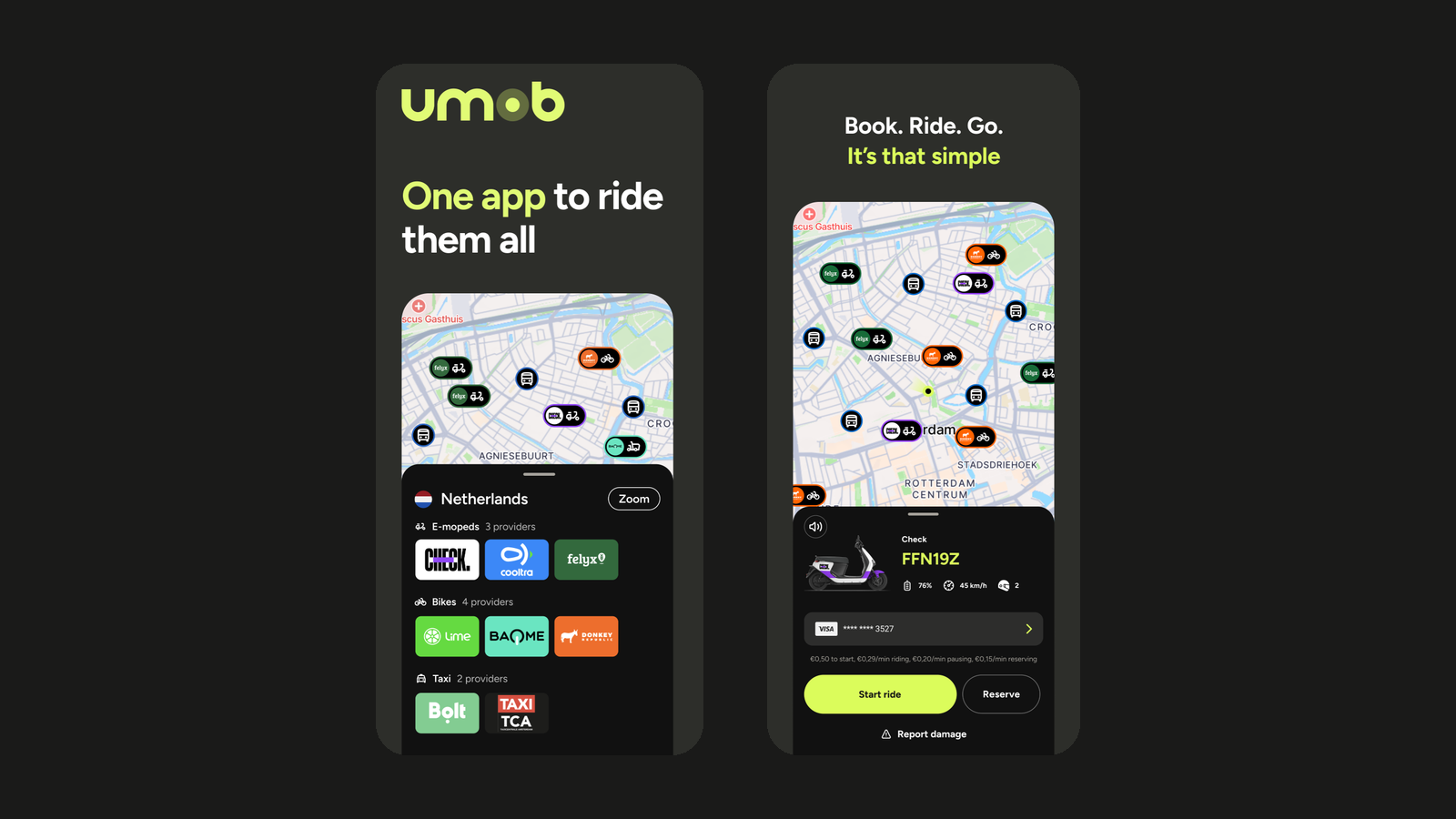
🌍 يمكنك الوصول إلى المزيد من الركاب مع ATOM Mobility وUmob. يمنح هذا التكامل مشغلي التنقل المشترك قناة توزيع إضافية، مما يساعد في جذب عملاء جدد، وزيادة الحجوزات، وتحسين معدلات استخدام الأسطول.
مستقبل التنقل لا يقتصر فقط على تشغيل المركبات، بل يتعلق بابتكار رحلات مريحة تجمع بين خيارات النقل المختلفة في تجربة مستخدم واحدة بسيطة.
ولهذا السبب يسعدنا تسليط الضوء على شراكتنا مع Umob، مما يساعد مشغلي التنقل على توسيع نطاق وصولهم وأن يصبحوا جزءاً من منظومة تنقل متعددة الوسائط متنامية.
سواء كنت تدير سيارات أو سكوترات أو دراجات هوائية أو دراجات نارية مشتركة عبر منصة ATOM Mobility، فإن التكامل مع Umob يجعل خدمتك متاحة لـ آلاف مستخدمي Umob الباحثين عن وسيلة تنقل مريحة.
يتوقع مستخدمو اليوم مرونة عالية؛ فهم لا يفكرون في مزودي خدمات التنقل بشكل منفصل، بل يريدون ببساطة أسرع وأسهل وأكثر الطرق ملاءمة للانتقال من النقطة (أ) إلى النقطة (ب).
تجمع Umob بين مختلف مزودي خدمات التنقل وخيارات النقل في تطبيق واحد. يمكن للمستخدمين العثور على خيارات التنقل المختلفة ومقارنتها وحجزها والدفع مقابلها دون الحاجة إلى تنزيل تطبيق منفصل أو إنشاء حساب جديد لكل مزود خدمة.
من خلال ربط أسطولك بـ Umob، يمكن للمشغلين:
بالنسبة لعملاء ATOM Mobility، صُمم هذا التكامل لتوفير طريقة مباشرة لفتح فرص توزيع جديدة مع الاستمرار في إدارة عملياتهم الأساسية من خلال منصة ATOM Mobility.
من خلال منصة ATOM Mobility، يمكن للمشغلين المشاركين ربط أساطيلهم بـ Umob، مما يتيح للمستخدمين اكتشاف المركبات المتاحة واستخدامها مباشرة عبر تطبيق Umob.
بمجرد الربط، ستظهر مركبات المشغلين المشاركين في Umob إلى جانب خيارات التنقل الأخرى المتاحة، مما يمنح المستخدمين نظرة عامة واضحة على الطرق المختلفة التي يمكنهم من خلالها الانتقال من النقطة (أ) إلى النقطة (ب).
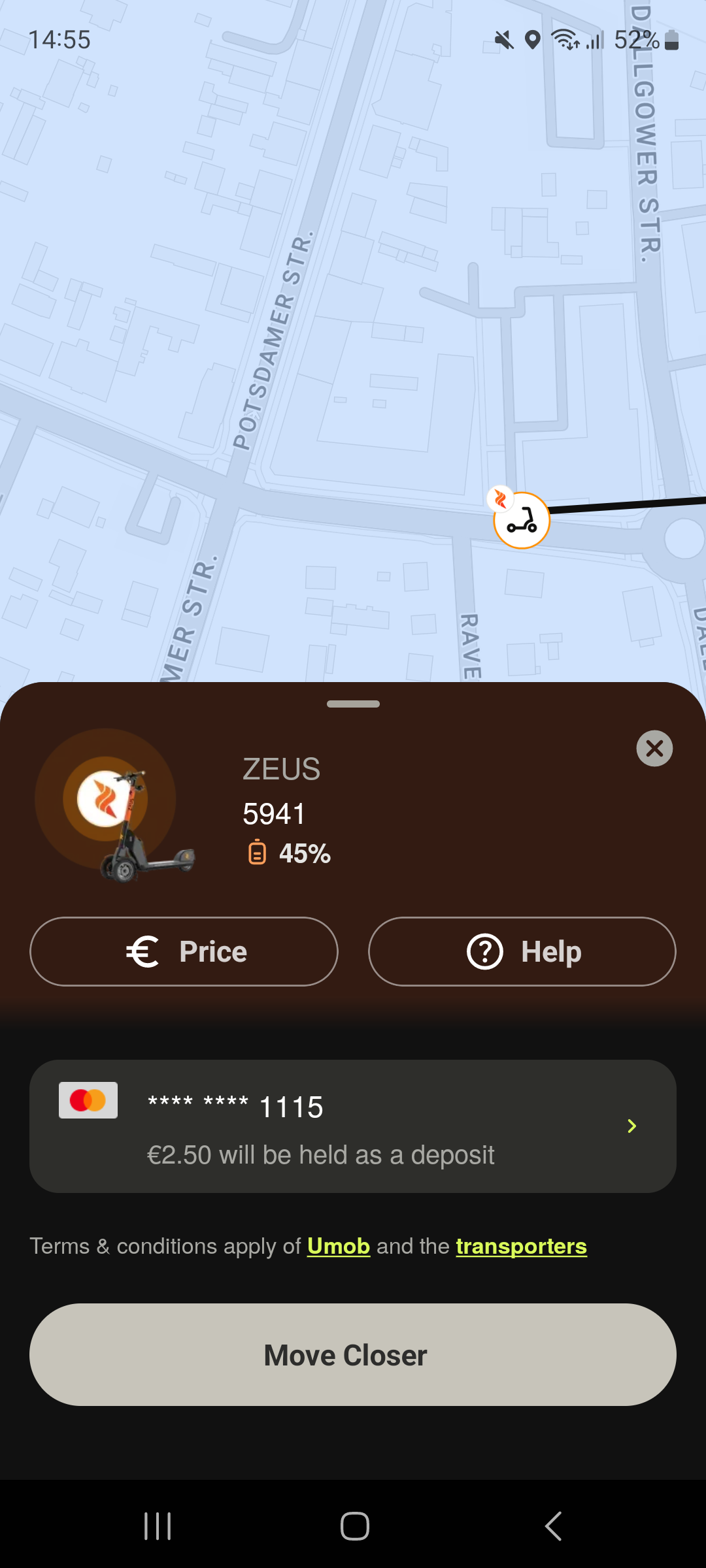
يمكن للمستخدمين العثور على مركبة متاحة، وحجزها وفتح قفلها، وبدء رحلتهم وإنهائها، والدفع مباشرة من خلال تطبيق Umob.
صُمم هذا التكامل لدعم:
يواصل المشغلون إدارة أساطيلهم، وتسعيرهم، ومناطق الخدمة، والعمليات اليومية من خلال منصة ATOM Mobility، بينما توفر Umob قناة إضافية يمكن للمستخدمين من خلالها العثور على المركبات والوصول إليها.
بالنسبة لمشغلي التنقل، يتيح الربط مع Umob قناة توزيع إضافية دون تغيير الطريقة التي يديرون بها عملياتهم اليومية عبر ATOM Mobility.
من خلال إتاحة المركبات لآلاف مستخدمي Umob، يمكن للمشغلين زيادة ظهورهم في اللحظة التي يبحث فيها الأشخاص بنشاط عن وسيلة تنقل. وهذا يخلق إمكانية لجذب مستخدمين جدد، وتحقيق المزيد من الحجوزات، وتحسين معدل استخدام الأسطول بمرور الوقت.
يختلف كل سوق عن الآخر، لكن العديد من المشغلين يرون في شراكات "التنقل كخدمة" (MaaS) جزءاً مهماً من استراتيجية نموهم طويلة الأمد.
أحد أوائل مشغلي ATOM Mobility الذين انطلقوا من خلال تكامل Umob هو ZEUS Mobility، وهو مزود أوروبي طموح لخدمات مشاركة السكوتر الكهربائي، يركز بقوة على الابتكار، ويتبنى نهجاً ديناميكياً، ويسعى لمنافسة اللاعبين الراسخين في السوق.
ومن المناسب أن الشراكة بحد ذاتها بدأت من خلال شبكة ATOM Mobility.
التقت ZEUS وUmob لأول مرة في فعالية ATOM Mobility في ريغا. وعلى الرغم من أن التعارف الأولي حدث أثناء الفعالية، إلا أن المحادثة الجدية بدأت فعلياً خلال جلسة غير رسمية في وقت لاحق من ذلك المساء.
كانت ZEUS قد صادفت علامة Umob التجارية على مركبات التنقل أثناء السفر، وقد أُعجبت بالنهج المهني الذي تتبعه الشركة. وسرعان ما تحول ذلك التعرف إلى محادثة حول كيفية تعزيز الشركتين لعروضهما من خلال العمل معاً.
ومن هناك، تقدمت عملية التكامل بسرعة. وتصف ZEUS عملية الإعداد والتكامل حتى الآن بأنها "نظيفة واحترافية وسلسة."
بالنسبة لشركة ZEUS، تمثل هذه الشراكة فرصة لتعزيز حضور علامتها التجارية، والوصول إلى عملاء جدد، ودعم طموحاتها التوسعية في أوروبا.
عقب استحواذها على Superpedestrian في مايو 2026، تتطلع ZEUS إلى تسريع وتيرة نموها خلال عامي 2026 و2027، وتعد شراكتها مع Umob جزءاً من هذا الطموح.
"نحن في ZEUS سعداء للغاية بالشراكة مع Umob في الأسواق الأوروبية. فبعد استحواذنا على Superpedestrian في مايو 2026، نسعى في ZEUS إلى تحقيق نمو سريع خلال عامي 2026 و2027. ستساعدنا هذه الشراكة في دفع عجلة هذا النمو والوصول إلى عملاء جدد في أسواق جديدة. نتطلع إلى شراكة مثمرة." - داميان يونغ، ZEUS Mobility
تطبيق واحد لكل تنقلاتك. Umob هي منصة تنقل شاملة تجمع بين مختلف مزودي خدمات التنقل وخيارات النقل في تطبيق واحد.
يمكن للمستخدمين العثور على الدراجات المشتركة، والدراجات الكهربائية، والسكوتر، والدراجات النارية، ووسائل النقل العام، وسيارات الأجرة، وغيرها من خيارات التنقل المتاحة، ومقارنتها وحجزها والدفع مقابلها من خلال حساب واحد وتجربة دفع موحدة. فبدلاً من تنزيل تطبيق منفصل والتسجيل فيه لكل مزود خدمة أو في كل مدينة جديدة، يمكن للمستخدمين فتح تطبيق Umob والاطلاع على خيارات التنقل المتاحة من حولهم.
تتوفر Umob اليوم في أكثر من 28 دولة و300 مدينة، مما يتيح لآلاف المستخدمين طريقة أسهل للوصول إلى مختلف وسائل التنقل سواء في مدنهم أو أثناء السفر.
حقائق رئيسية
إذا كنت تدير بالفعل خدمة التنقل المشترك الخاصة بك على منصة ATOM Mobility، فإن الربط مع Umob قد يكون الخطوة التالية نحو الوصول إلى المزيد من المستخدمين وأن تصبح جزءاً من منظومة تنقل مترابطة حقاً.
إذا كنت مهتماً بتفعيل هذا التكامل أو معرفة المزيد حول كيفية عمله، تواصل مع فريقنا. نحن نتطلع إلى مساعدة المزيد من المشغلين على التواصل والتعاون وجعل التنقل المستدام أسهل للجميع.
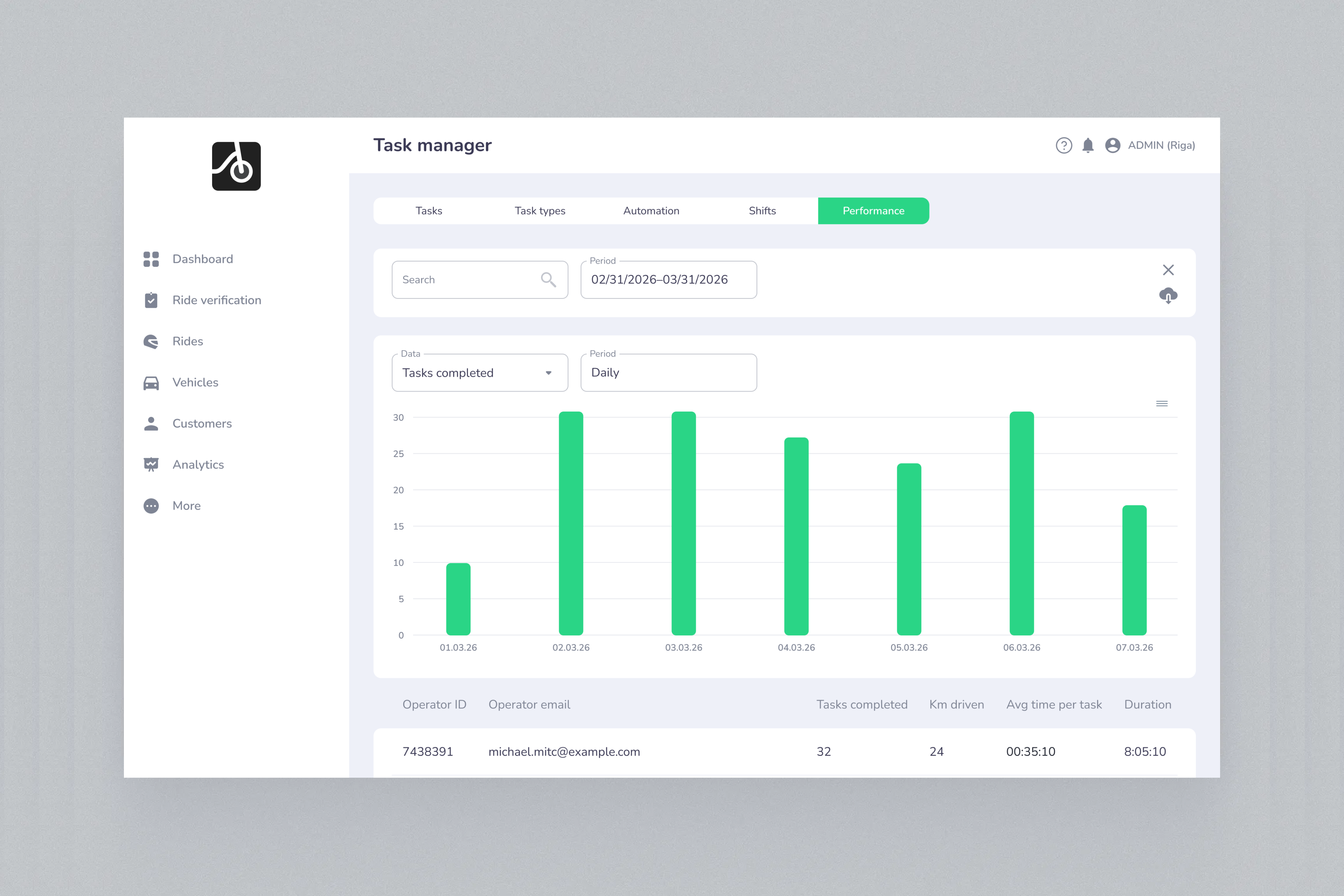
👷📊 يتجاوز مدير مهام ATOM الآن مجرد توزيع المهام بفضل وظائف الورديات وأداء المشغلين الجديدة. تتبع مسارات الورديات، والمسافة المقطوعة، والمهام المنجزة، والوقت المستغرق لكل مهمة، وأداء كل مشغل على حدة، مما يمنح مديري الأساطيل رؤية أوضح بكثير للعمليات الميدانية ومستوى الكفاءة.
لا تقتصر إدارة أسطول كبير للتنقل المشترك أو التأجير على معرفة المهام التي تم إنجازهافحسب، بل تتعلق أيضاً بفهم مدى كفاءة عمل الفرق الميدانية. لقد قمنا بتوسيع مدير مهام ATOM Mobility بشكل كبير بإضافة وظائف الورديات والأداء، مما يمنح مديري الأساطيل رؤية أفضل بكثير لنشاط المشغلين، وعبء العمل، والمسارات، ومستوى الأداء.
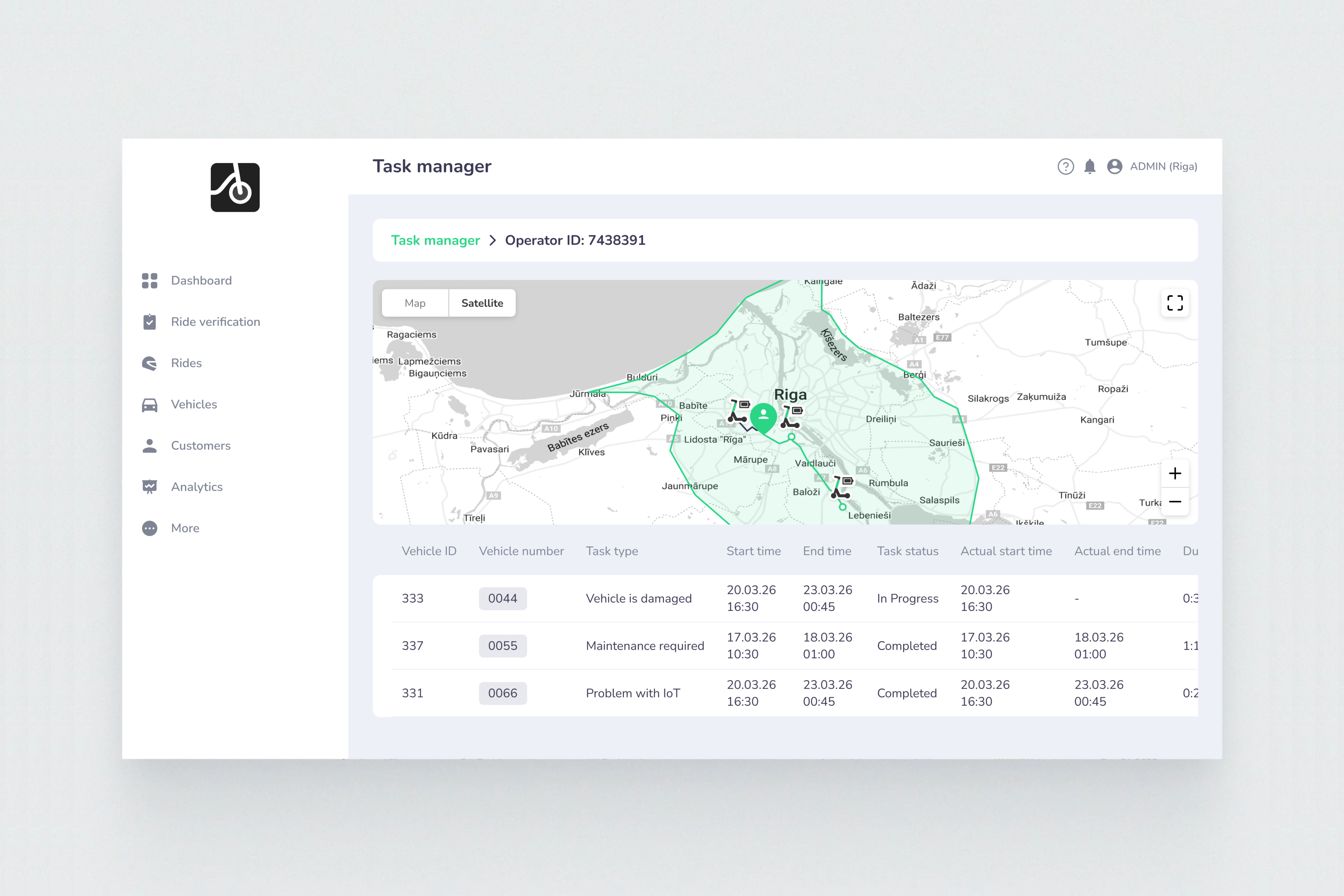
تمنحك علامة التبويب الورديات الجديدة للمديرين نظرة عامة مركزية على جميع ورديات المشغلين، بما في ذلك:
يمكن للمديرين فتح أي وردية فردية للاطلاع على الصورة التشغيلية الكاملة. فلكل مهمة، يمكنك رؤية المركبة، ونوع المهمة، ووقت البدء المخطط له والموعد النهائي، وأوقات البدء والانتهاء الفعلية، والحالة، والمدة الإجمالية للمهمة.
تتضمن كل وردية أيضاً خريطة توضح حركة المشغل الكاملة أثناء الوردية والمواقع التي تم تنفيذ المهام الفردية فيهابالنسبة للنوبات الجارية حالياً، يمكن للمديرين أيضاً الاطلاع على الموقع الحالي للمشغل.
وهذا يسهل كثيراً فهم المسار الفعلي، وحجم العمل، والقرارات المتخذة خلال كل نوبة، بالإضافة إلى تحديد فرص تحسين كيفية إدارة فرق العمل الميدانية لصيانة الأسطول وعملياته.
علامة التبويب الأداء الجديدة تجمع النتائج التشغيلية لكل مشغل خلال فترة زمنية محددة.
يمكن للمديرين تتبع:
بدلاً من مراجعة مئات المهام الفردية، يمكن للمديرين مقارنة المشغلين بسرعة، وتحديد أصحاب الأداء المتميز، ورصد المجالات التي قد تحتاج إلى تدريب إضافي أو تحسينات تشغيلية.
لجعل بيانات الأداء دقيقة ومفيدة، قدمنا أيضاً سير عمل جديد للنوبات والمهام في تطبيق ATOM للمشغلين. يبدأ المشغلون الآن نوبات عملهم وينهونها مباشرة من خلال التطبيق، بينما يتم تسجيل أوقات بدء المهام الفردية وإتمامها تلقائياً.
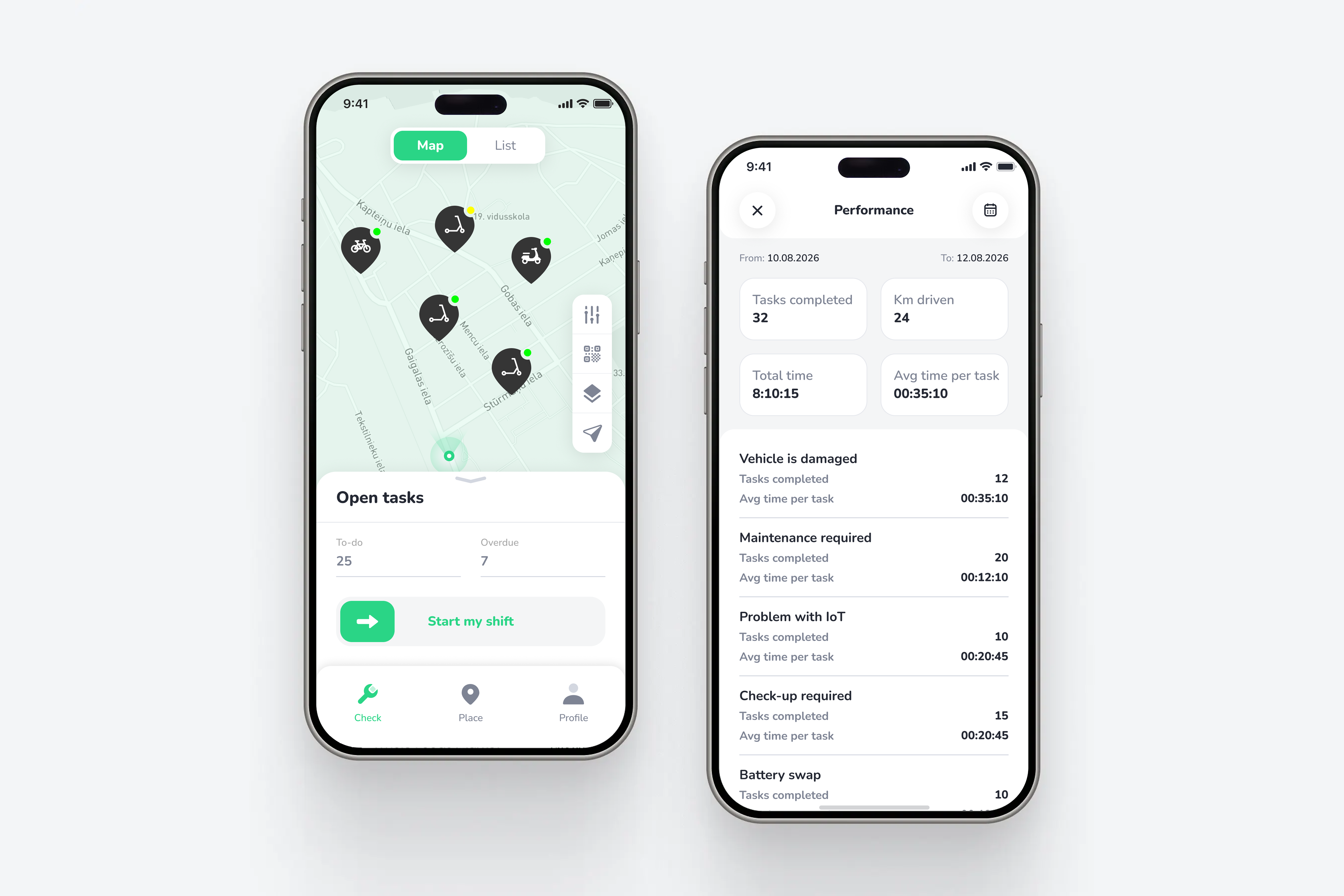
لقد أضفنا أيضاً:
معاً، تحول هذه التحديثات ATOM Task Manager من مجرد أداة لتوزيع المهام إلى نظام أكثر تكاملاً لأداء وتحسين العمليات الميدانية. يحصل المشغلون على سير عمل أوضح ورؤية أفضل لأدائهم الشخصي، بينما يحصل المديرون على البيانات التي يحتاجونها لفهم كيفية سير عملياتهم الميدانية فعلياً وتحديد مجالات تحسين الكفاءة.
الوظائف الجديدة متاحة لوحدات مشاركة المركبات و التأجير الرقمي في ATOM Mobility.
👉 اقرأ المزيد عن آخر تحديثات منصتنا:
https://www.atommobility.com/atomupdates
استخدم بيانات اعتماد الاختبار لتسجيل الدخول - رقم الهاتف: +1 123123123، الكود: 777777


بيانات اعتماد الإصدار التجريبي من تطبيق Driver - البريد الإلكتروني: test@atom.com، كلمة المرور: برنامج التشغيل