كيفية تطوير استراتيجية تسويقية فعالة لأعمال مشاركة المركبات الخاصة بك
28/12/2023
الحد الأدنى للقراءة

.jpg)
يعد التسويق في مجال التنقل فريدًا لأن أساطيلك - سواء كانت دراجات بخارية أو دراجات أو سيارات أو دراجات بخارية - تشبه لوحة إعلانية مرنة تتحرك في جميع أنحاء المدينة. عندما يختار شخص ما خدمتك، فإنه يقوم بشكل أساسي بعرضها في جميع أنحاء المدينة كسفير للعلامة التجارية، وحتى عندما يكون أسطولك ثابتًا، فإنه يجذب اهتمامًا كبيرًا حيث يراه الناس باستمرار في الشوارع.
بعبارة أخرى، تتمتع شركات التنقل الحضري بوعي عالٍ بالعلامة التجارية.
ومع ذلك، بالنسبة لرواد الأعمال في مجال التنقل، هذا هو المعيار. على وجه التحديد، إنه أساس صناعي يستفيد منه الجميع ولن يساعدك بالضرورة على كسب المزيد من العملاء، والتفوق على المنافسين، وتعزيز الأعمال التجارية.
للقيام بكل هذه الأشياء، لا تزال بحاجة إلى استراتيجية تسويق فعالة تصل إلى الجماهير المناسبة وتنشط المستخدمين.

يتنوع عملاء مشاركة المركبات، وكذلك دوافعهم لاستخدام الخدمات. نظرًا لأنك تعمل على الأرجح في سوق محدد جدًا، أي مدينة أو منطقة معينة، فمن الضروري تحديد وفهم جمهورك المستهدف والشرائح المختلفة ليس فقط للوصول إلى الأشخاص المناسبين والتحدث معهم، ولكن أيضًا لتجنب الإسراف في الإنفاق الإعلاني.
إن تحديد الأشخاص الذين تقوم بالتسويق لهم سيساعدك أيضًا في تحديد الرسائل والقنوات التي تستخدمها، والتي تعد أساسية للحملات الناجحة.
الفئات الأوسع هي الأعمال التجارية للمستهلك (B2C) والأعمال التجارية (B2B). في حين أن معظم الأشخاص يربطون مشاركة السيارة مع B2C، على سبيل المثال شخص يقوم بتكبير دراجة بخارية في ممر الدراجات لتحديد موعد، فإن الحقيقة هي أن قطاع B2B الأقل وضوحًا يزدهر بمبادرات مثل خطط مشاركة السيارات للشركات.
ستختلف الرسائل الخاصة بهذين الشخصين - الفرد على السكوتر والرئيس التنفيذي الذي يتطلع إلى تقديم حل تنقل مناسب لموظفيهم - بشكل كبير. تعني نقاط الألم والدوافع وحالات الاستخدام المختلفة أنه يجب عليك تكييف الطريقة التي تتحدث بها مع كل مقطع والتمييز بين الاثنين منذ البداية. هذا إذا كنت تبحث عن استهداف كليهما.
سواء كنت تركز على B2C أو B2B أو كليهما، يجب عليك البحث عن الأشخاص الذين يستخدمون/يشترون خدماتك. الهدف هو أن تصل جهودك التسويقية إلى الأشخاص المناسبين، ومن خلال البحث في خلفية عملائك، ستكتسب فهمًا لهويتهم.
للقيام بذلك، تعمق في التركيبة السكانية (العمر والجنس)، وحالات الاستخدام (كيف ومتى ولماذا يسافرون)، وحساسية الأسعار (مقدار ما ينفقونه، وهل تؤثر الخصومات على قراراتهم)، من بين أمور أخرى. غالبًا ما تقوم الشركات بصياغة شخصيات المستخدم من خلال تجميع كل هذه المعلومات معًا وإنشاء ملف تعريف للعميل العادي، والذي يستخدمونه بعد ذلك لتطوير رسائلهم.
لاحظ أنه في حالة ظهور فئات مهيمنة متعددة، فمن الطبيعي تمامًا أن يكون لديك 2-3 شخصيات مستخدم. بالإضافة إلى ذلك، يمكن أن تتطور هذه الأمور بمرور الوقت، لذا تأكد من إجراء بحث مستمر وتحسينه وفقًا للبيانات الجديدة.

بمجرد معرفة الأشخاص الذين تستهدفهم، من المهم معرفة مكان وصول هؤلاء الأشخاص إليهم بأكثر الطرق فعالية. إذا كان عملاؤك الأساسيون هم طلاب جامعيون، فمن غير المحتمل أن تجدهم على Facebook.
بشكل عام، يمكننا تقسيم قنوات التسويق إلى فئتين - عبر الإنترنت وغير متصل بالإنترنت.
في الوقت الحاضر، التسويق الرقمي هو المكان الذي يحدث فيه الجزء الأكبر من الإجراءات.
منصات التواصل الاجتماعي تقدم فرصة رائعة للوصول إلى جمهورك المحدد، لأنها تسمح عادةً بالاستهداف المتقدم. من خلال تضييق نطاق المعلمات المختلفة، مثل الموقع والخصائص الديموغرافية وحتى التفضيلات ذات الصلة (العوامل التي حددناها عند إنشاء شخصيات المستخدم)، من الممكن الحصول على إعلانات فعالة جدًا من حيث التكلفة تصل عمومًا إلى الأشخاص الأكثر عرضة للتحويل. التعاون مع المؤثرين هو أيضًا استراتيجية فعالة بشكل متزايد.
ومع ذلك، يجب أن تفكر بعناية في المنصات التي تريد الإعلان عليها. سوف يزدهر محتوى B2C في أماكن مثل Instagram، ولكن إذا كنت تستهدف الرؤساء التنفيذيين ورؤساء المشتريات لخدمات B2B، فقد يكون LinkedIn مناسبًا بشكل أفضل. من الصعب للغاية التنبؤ بدقة بالمنصة التي ستحقق أفضل أداء، وبالتالي فمن الحكمة التواجد على منصات متعددة وتخصيص الميزانيات وفقًا للعائدات المرصودة.
محرك البحث وتسويق المحتوى هي وسيلة أخرى تستحق الاستكشاف - فكر فيها على أنها شركتك التي تظهر كنتيجة أولى عندما يبحث شخص ما عن كلمة رئيسية ذات صلة بنشاطك التجاري، على سبيل المثال «أفضل مشاركة للسيارات في (المدينة)». يمكن دفع هذا المبلغ، حيث يظهر موقع الويب أو التطبيق الخاص بك كنتيجة دعائية. أو يمكن أن يكون طبيعيًا، حيث تنتج محتوى قيمًا يحتل مرتبة عالية في صفحات نتائج محرك البحث.
قد يستغرق المحتوى العضوي وقتًا أطول لتحقيق النتائج، ومع ذلك، يمكن أن يوفر عائدًا أكبر على الاستثمار على المدى الطويل (ROI). على سبيل المثال، إذا كانت مدينتك وجهة سياحية مزدهرة، يمكنك إنشاء دليل حول كيفية التجول في المدينة وإدراج خدماتك كواحدة من أفضل الطرق للقيام بذلك.
الإعلانات الصورية هي قناة مدفوعة أخرى، وهي في جوهرها تستلزم دفع الشركاء لوضع إعلانات/لافتات لخدماتك على موقع الويب الخاص بهم. من أجل نجاح الإعلانات المصوّرة، يعد العثور على الشركاء المناسبين أمرًا أساسيًا. على سبيل المثال، قد يكون من المنطقي أن يظهر شعار خدمة مشاركة السيارات الخاص بك على صفحة السياحة المحلية أو موقع نادي الطلاب بدلاً من متجر التجارة الإلكترونية للملابس.
ستجد المزيد من فرص التسويق الرقمي من خلال التسويق عبر البريد الإلكتروني وبرامج الإحالة والإشعارات الفورية والمزيد. مع الإعلان عبر الإنترنت، يعد التجريب أمرًا بالغ الأهمية - اختبر طرقًا ومنصات مختلفة لاستكشاف ما يحقق أكبر عائد على الاستثمار.
تشمل القنوات غير المتصلة بالإنترنت أشياء مثل الوسائط التقليدية (التلفزيون والراديو والطباعة) والإعلانات الخارجية بالإضافة إلى الشراكات والرعاية. يمكن أن يكمل ذلك استراتيجية التسويق الرقمي القوية، لا سيما فيما يتعلق بالتميز بين المنافسين.
إن تعزيز الوعي بالعلامة التجارية هو هدفها القوي، حيث أن الإعلانات غير المتصلة بالإنترنت تعاني عادةً من زيادة التحويلات المباشرة. وهذا يعني أن ملصق محطة الحافلات قد لا يمنحك تنزيلات فورية للتطبيق، ولكن قيمته الأساسية تكمن في أن يكون نشاطك التجاري في قمة اهتماماتك عندما يبحث العميل المحتمل عن حل للتنقل.
بالطبع، لا يتعين عليك - ولا يجب عليك - المشاركة بشكل كامل على قناة واحدة. بدلاً من ذلك، يجب عليك المشاركة في العديد من القنوات لمعرفة ما يصلح، ثم مضاعفة القنوات الأكثر فعالية.
الهدف من أي جهد تسويقي هو استثمار دولار واحد والحصول على أكثر من دولار واحد في المقابل. العمل بميزانية محدودة يعني أنه يجب عليك إدارة الإنفاق الإعلاني بعناية لتحقيق أقصى استفادة منه.
أولاً، يجب تحديد أهداف قابلة للقياس لحملاتك التسويقية. يتيح لك إعداد مؤشرات الأداء الرئيسية (KPIs) قياس نجاح حملتك. يمكن أن تختلف مؤشرات الأداء الرئيسية هذه - مثل تنزيل التطبيق وزيارة موقع الويب وإنشاء الحساب والمشوار الأول وتنشيط المستخدم - بين القنوات والمنصات والحملات، ومع ذلك، يجب أن تكون دائمًا مواتية لتحقيق أهداف عملك.
مع أهداف واضحة، يمكنك تقييم الأداء. سيوفر لك الاستثمار في قنوات مختلفة ومعرفة كيفية أدائها رؤى حول القنوات التي يجب تركها بمفردها، وتلك الأكثر ربحًا التي تتطلب الأولوية.
ومع ذلك، إليك بعض الأشياء التي يجب وضعها في الاعتبار:
يعد التخصيص الفعال لميزانية الإعلانات لعبة موازنة ستتحسن فيها من خلال التجربة. في وقت مبكر، يتعلق الأمر بتحديد الأهداف القابلة للتحقيق وإيجاد أسهل طريقة للوصول إليها.
يجب أن تقدم منصات البرامج الأفضل في فئتها للتنقل، مثل ATOM Mobility، أدوات متنوعة تساعدك في رحلتك التسويقية.
على سبيل المثال، يمكن لـ ATOM Mobility توجيه استراتيجيتك العامة باستخدام تحليلات شاملة يمكن لأصحاب الأعمال العثور عليها في لوحة التحكم الخاصة بهم. يمكن أن تساعدك بيانات الركوب والعملاء والإحصاءات وخرائط الحرارة والتقارير والرؤى في الحصول على فهم أفضل لمن يستخدم خدماتك وأين. وهذا بدوره قد يساعد في تحديد شخصيات المستخدم ويضمن أنك لست مضطرًا لبدء التسويق من الصفر.
وبشكل مباشر أكثر، توفر ATOM Mobility أيضًا ميزات مدمجة أدوات التسويق المتقدمة:
ركزت هذه المقالة في الغالب على اكتساب العملاء، ومع ذلك، يجب أن يكون للاحتفاظ والتنشيط أيضًا مكانًا بارزًا في استراتيجيتك. من خلال الاستفادة من قنوات الاتصال العضوية الخاصة بك - التطبيق الخاص بك ومشتركي البريد الإلكتروني ووسائل التواصل الاجتماعي - يمكنك زيادة القيمة مدى حياة العميل، وزيادة الإيرادات بتكلفة منخفضة لنفسك.
يمكن لاستراتيجية التسويق التي يتم تنفيذها بشكل جيد رفع مستوى عملك. يتطلب تجميع واحدة جهدًا وموارد، ولكن يمكن أن يكون هذا هو الفرق بين الكفاح من أجل تغطية النفقات ومؤسسة التنقل المزدهرة.
لذلك، حدد عملائك، واستهدفهم في الأماكن التي يقضون فيها وقتًا، ويقومون بالتكرار والتحسين. وتأكد من استخدام الأدوات والمنصات التي تساعدك على طول الطريق.
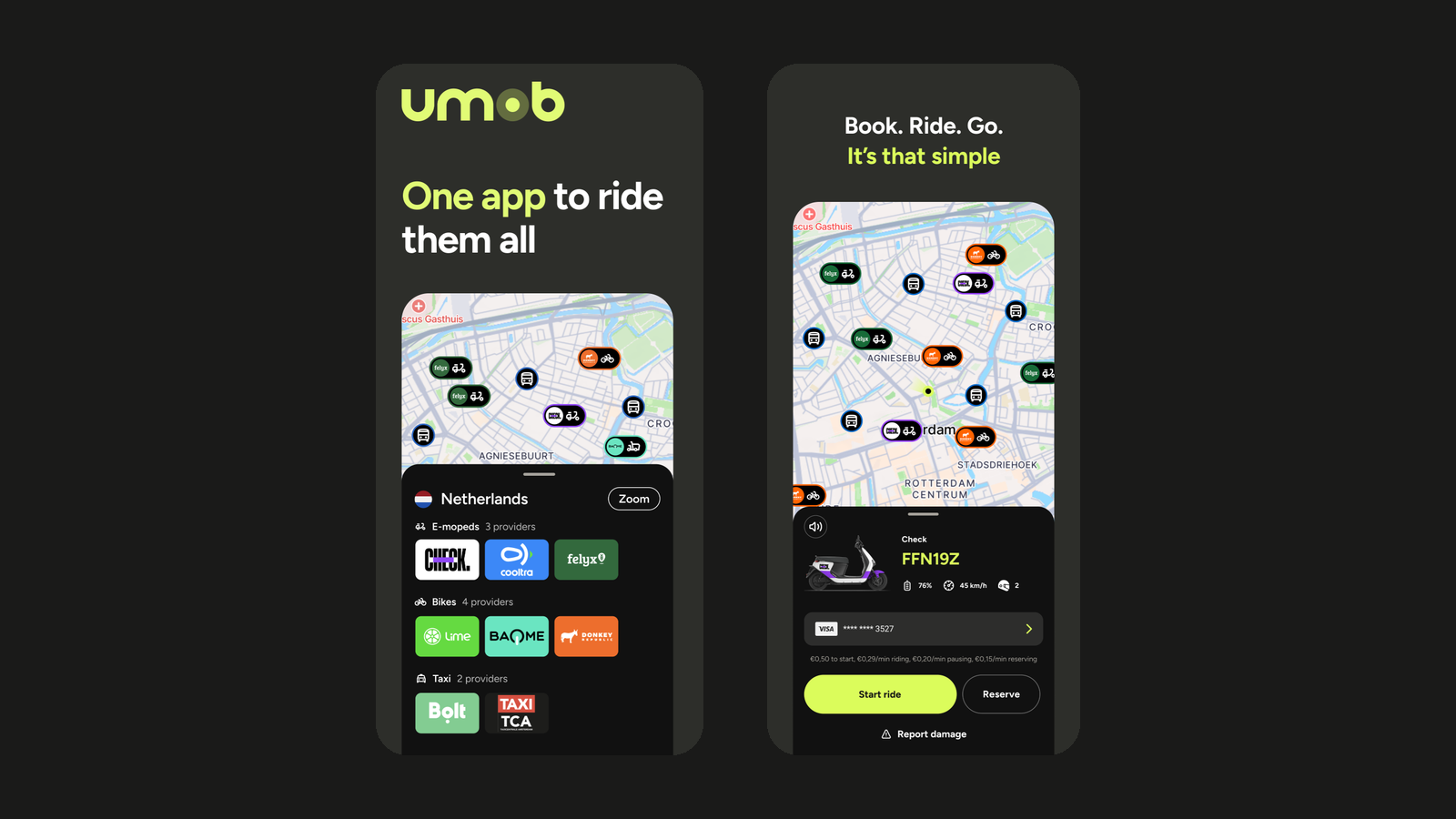
🌍 يمكنك الوصول إلى المزيد من الركاب مع ATOM Mobility وUmob. يمنح هذا التكامل مشغلي التنقل المشترك قناة توزيع إضافية، مما يساعد في جذب عملاء جدد، وزيادة الحجوزات، وتحسين معدلات استخدام الأسطول.
مستقبل التنقل لا يقتصر فقط على تشغيل المركبات، بل يتعلق بابتكار رحلات مريحة تجمع بين خيارات النقل المختلفة في تجربة مستخدم واحدة بسيطة.
ولهذا السبب يسعدنا تسليط الضوء على شراكتنا مع Umob، مما يساعد مشغلي التنقل على توسيع نطاق وصولهم وأن يصبحوا جزءاً من منظومة تنقل متعددة الوسائط متنامية.
سواء كنت تدير سيارات أو سكوترات أو دراجات هوائية أو دراجات نارية مشتركة عبر منصة ATOM Mobility، فإن التكامل مع Umob يجعل خدمتك متاحة لـ آلاف مستخدمي Umob الباحثين عن وسيلة تنقل مريحة.
يتوقع مستخدمو اليوم مرونة عالية؛ فهم لا يفكرون في مزودي خدمات التنقل بشكل منفصل، بل يريدون ببساطة أسرع وأسهل وأكثر الطرق ملاءمة للانتقال من النقطة (أ) إلى النقطة (ب).
تجمع Umob بين مختلف مزودي خدمات التنقل وخيارات النقل في تطبيق واحد. يمكن للمستخدمين العثور على خيارات التنقل المختلفة ومقارنتها وحجزها والدفع مقابلها دون الحاجة إلى تنزيل تطبيق منفصل أو إنشاء حساب جديد لكل مزود خدمة.
من خلال ربط أسطولك بـ Umob، يمكن للمشغلين:
بالنسبة لعملاء ATOM Mobility، صُمم هذا التكامل لتوفير طريقة مباشرة لفتح فرص توزيع جديدة مع الاستمرار في إدارة عملياتهم الأساسية من خلال منصة ATOM Mobility.
من خلال منصة ATOM Mobility، يمكن للمشغلين المشاركين ربط أساطيلهم بـ Umob، مما يتيح للمستخدمين اكتشاف المركبات المتاحة واستخدامها مباشرة عبر تطبيق Umob.
بمجرد الربط، ستظهر مركبات المشغلين المشاركين في Umob إلى جانب خيارات التنقل الأخرى المتاحة، مما يمنح المستخدمين نظرة عامة واضحة على الطرق المختلفة التي يمكنهم من خلالها الانتقال من النقطة (أ) إلى النقطة (ب).
يمكن للمستخدمين العثور على مركبة متاحة، وحجزها وفتح قفلها، وبدء رحلتهم وإنهائها، والدفع مباشرة من خلال تطبيق Umob.
صُمم هذا التكامل لدعم:
يواصل المشغلون إدارة أساطيلهم، وتسعيرهم، ومناطق الخدمة، والعمليات اليومية من خلال منصة ATOM Mobility، بينما توفر Umob قناة إضافية يمكن للمستخدمين من خلالها العثور على المركبات والوصول إليها.
بالنسبة لمشغلي التنقل، يتيح الربط مع Umob قناة توزيع إضافية دون تغيير الطريقة التي يديرون بها عملياتهم اليومية عبر ATOM Mobility.
من خلال إتاحة المركبات لآلاف مستخدمي Umob، يمكن للمشغلين زيادة ظهورهم في اللحظة التي يبحث فيها الأشخاص بنشاط عن وسيلة تنقل. وهذا يخلق إمكانية لجذب مستخدمين جدد، وتحقيق المزيد من الحجوزات، وتحسين معدل استخدام الأسطول بمرور الوقت.
يختلف كل سوق عن الآخر، لكن العديد من المشغلين يرون في شراكات "التنقل كخدمة" (MaaS) جزءاً مهماً من استراتيجية نموهم طويلة الأمد.
أحد أوائل مشغلي ATOM Mobility الذين انطلقوا من خلال تكامل Umob هو ZEUS Mobility، وهو مزود أوروبي طموح لخدمات مشاركة السكوتر الكهربائي، يركز بقوة على الابتكار، ويتبنى نهجاً ديناميكياً، ويسعى لمنافسة اللاعبين الراسخين في السوق.
ومن المناسب أن الشراكة بحد ذاتها بدأت من خلال شبكة ATOM Mobility.
التقت ZEUS وUmob لأول مرة في فعالية ATOM Mobility في ريغا. وعلى الرغم من أن التعارف الأولي حدث أثناء الفعالية، إلا أن المحادثة الجدية بدأت فعلياً خلال جلسة غير رسمية في وقت لاحق من ذلك المساء.
كانت ZEUS قد صادفت علامة Umob التجارية على مركبات التنقل أثناء السفر، وقد أُعجبت بالنهج المهني الذي تتبعه الشركة. وسرعان ما تحول ذلك التعرف إلى محادثة حول كيفية تعزيز الشركتين لعروضهما من خلال العمل معاً.
ومن هناك، تقدمت عملية التكامل بسرعة. وتصف ZEUS عملية الإعداد والتكامل حتى الآن بأنها "نظيفة واحترافية وسلسة."
بالنسبة لشركة ZEUS، تمثل هذه الشراكة فرصة لتعزيز حضور علامتها التجارية، والوصول إلى عملاء جدد، ودعم طموحاتها التوسعية في أوروبا.
عقب استحواذها على Superpedestrian في مايو 2026، تتطلع ZEUS إلى تسريع وتيرة نموها خلال عامي 2026 و2027، وتعد شراكتها مع Umob جزءاً من هذا الطموح.
"نحن في ZEUS سعداء للغاية بالشراكة مع Umob في الأسواق الأوروبية. فبعد استحواذنا على Superpedestrian في مايو 2026، نسعى في ZEUS إلى تحقيق نمو سريع خلال عامي 2026 و2027. ستساعدنا هذه الشراكة في دفع عجلة هذا النمو والوصول إلى عملاء جدد في أسواق جديدة. نتطلع إلى شراكة مثمرة." - داميان يونغ، ZEUS Mobility
تطبيق واحد لكل تنقلاتك. Umob هي منصة تنقل شاملة تجمع بين مختلف مزودي خدمات التنقل وخيارات النقل في تطبيق واحد.
يمكن للمستخدمين العثور على الدراجات المشتركة، والدراجات الكهربائية، والسكوتر، والدراجات النارية، ووسائل النقل العام، وسيارات الأجرة، وغيرها من خيارات التنقل المتاحة، ومقارنتها وحجزها والدفع مقابلها من خلال حساب واحد وتجربة دفع موحدة. فبدلاً من تنزيل تطبيق منفصل والتسجيل فيه لكل مزود خدمة أو في كل مدينة جديدة، يمكن للمستخدمين فتح تطبيق Umob والاطلاع على خيارات التنقل المتاحة من حولهم.
تتوفر Umob اليوم في أكثر من 28 دولة و300 مدينة، مما يتيح لآلاف المستخدمين طريقة أسهل للوصول إلى مختلف وسائل التنقل سواء في مدنهم أو أثناء السفر.
حقائق رئيسية
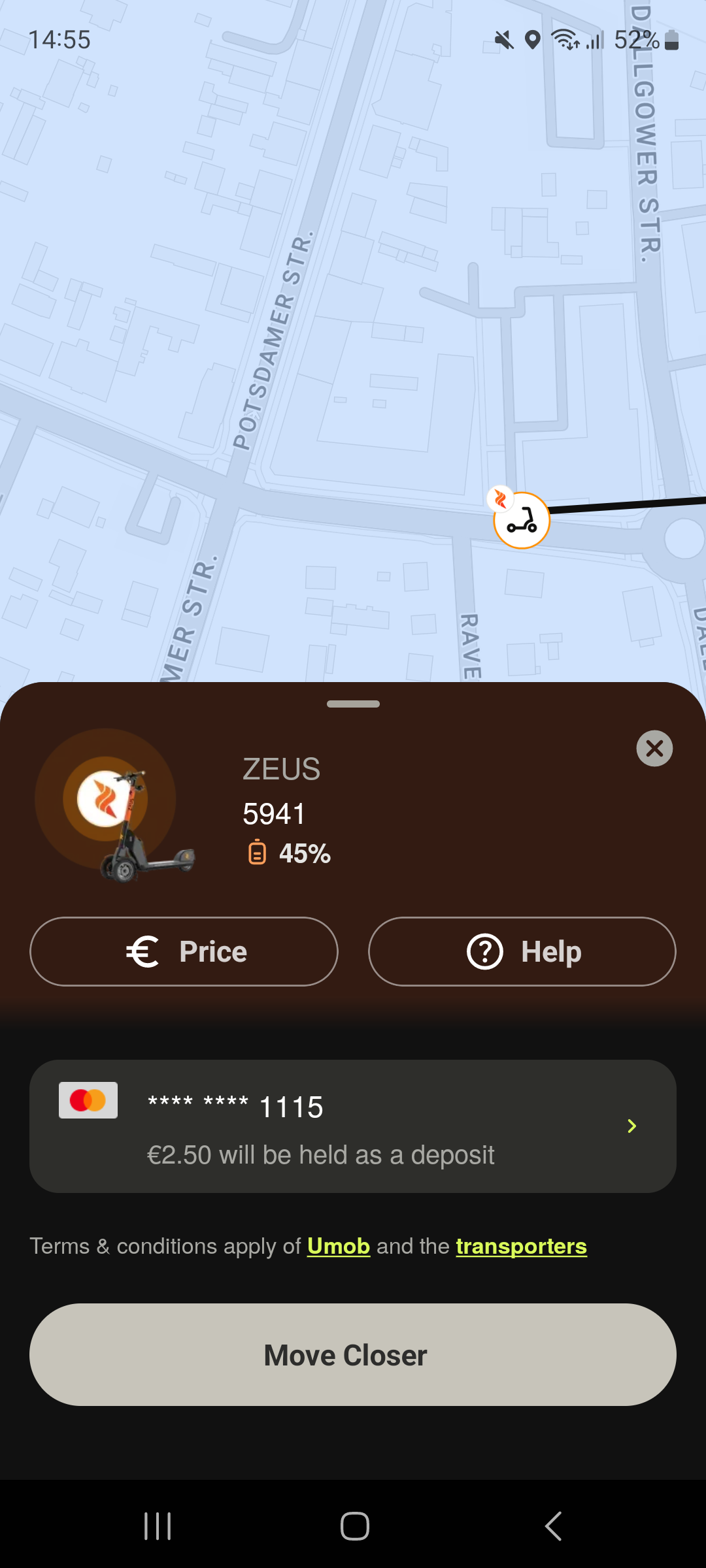
إذا كنت تدير بالفعل خدمة التنقل المشترك الخاصة بك على منصة ATOM Mobility، فإن الربط مع Umob قد يكون الخطوة التالية نحو الوصول إلى المزيد من المستخدمين وأن تصبح جزءاً من منظومة تنقل مترابطة حقاً.
إذا كنت مهتماً بتفعيل هذا التكامل أو معرفة المزيد حول كيفية عمله، تواصل مع فريقنا. نحن نتطلع إلى مساعدة المزيد من المشغلين على التواصل والتعاون وجعل التنقل المستدام أسهل للجميع.
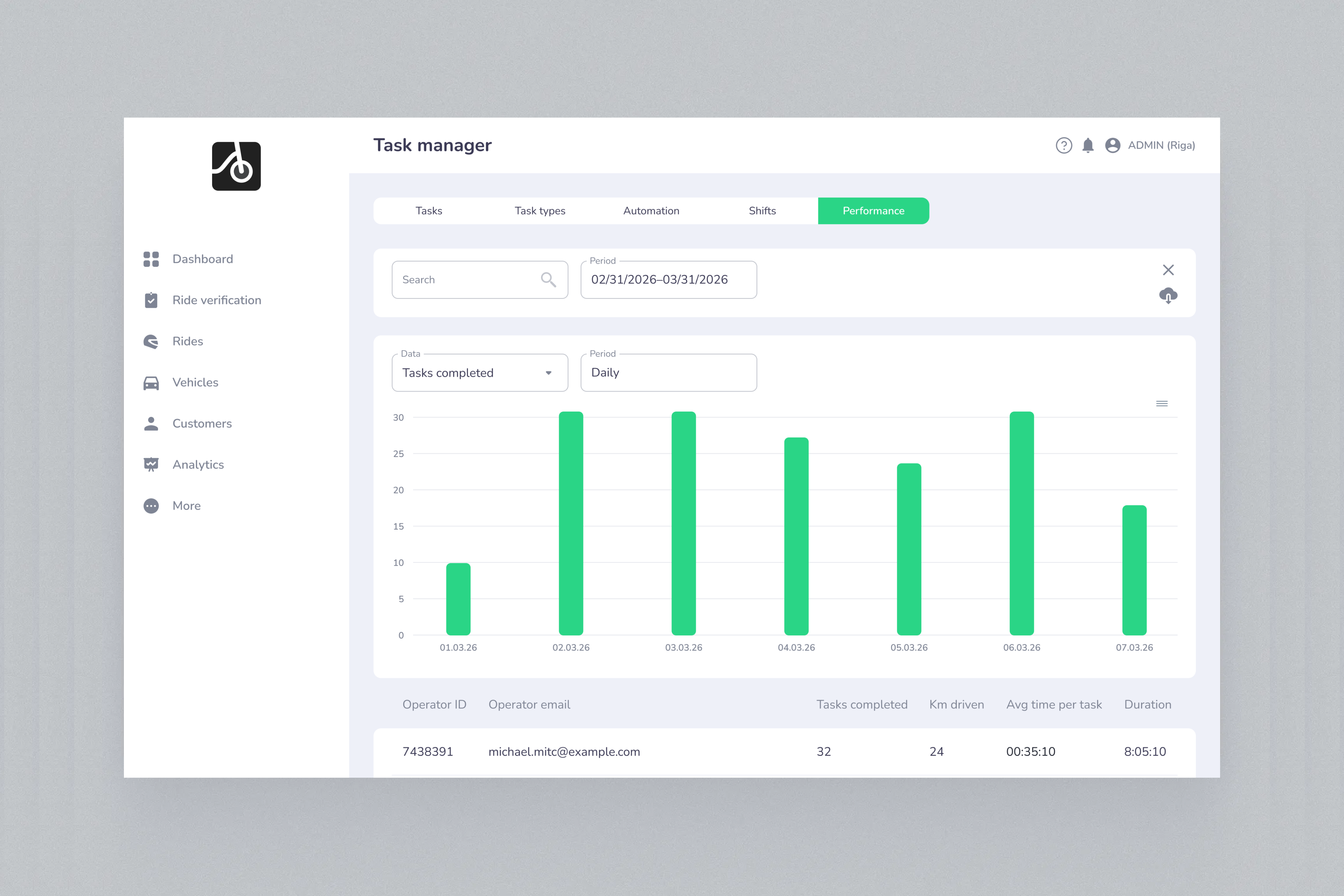
👷📊 يتجاوز مدير مهام ATOM الآن مجرد توزيع المهام بفضل وظائف الورديات وأداء المشغلين الجديدة. تتبع مسارات الورديات، والمسافة المقطوعة، والمهام المنجزة، والوقت المستغرق لكل مهمة، وأداء كل مشغل على حدة، مما يمنح مديري الأساطيل رؤية أوضح بكثير للعمليات الميدانية ومستوى الكفاءة.
لا تقتصر إدارة أسطول كبير للتنقل المشترك أو التأجير على معرفة المهام التي تم إنجازهافحسب، بل تتعلق أيضاً بفهم مدى كفاءة عمل الفرق الميدانية. لقد قمنا بتوسيع مدير مهام ATOM Mobility بشكل كبير بإضافة وظائف الورديات والأداء، مما يمنح مديري الأساطيل رؤية أفضل بكثير لنشاط المشغلين، وعبء العمل، والمسارات، ومستوى الأداء.
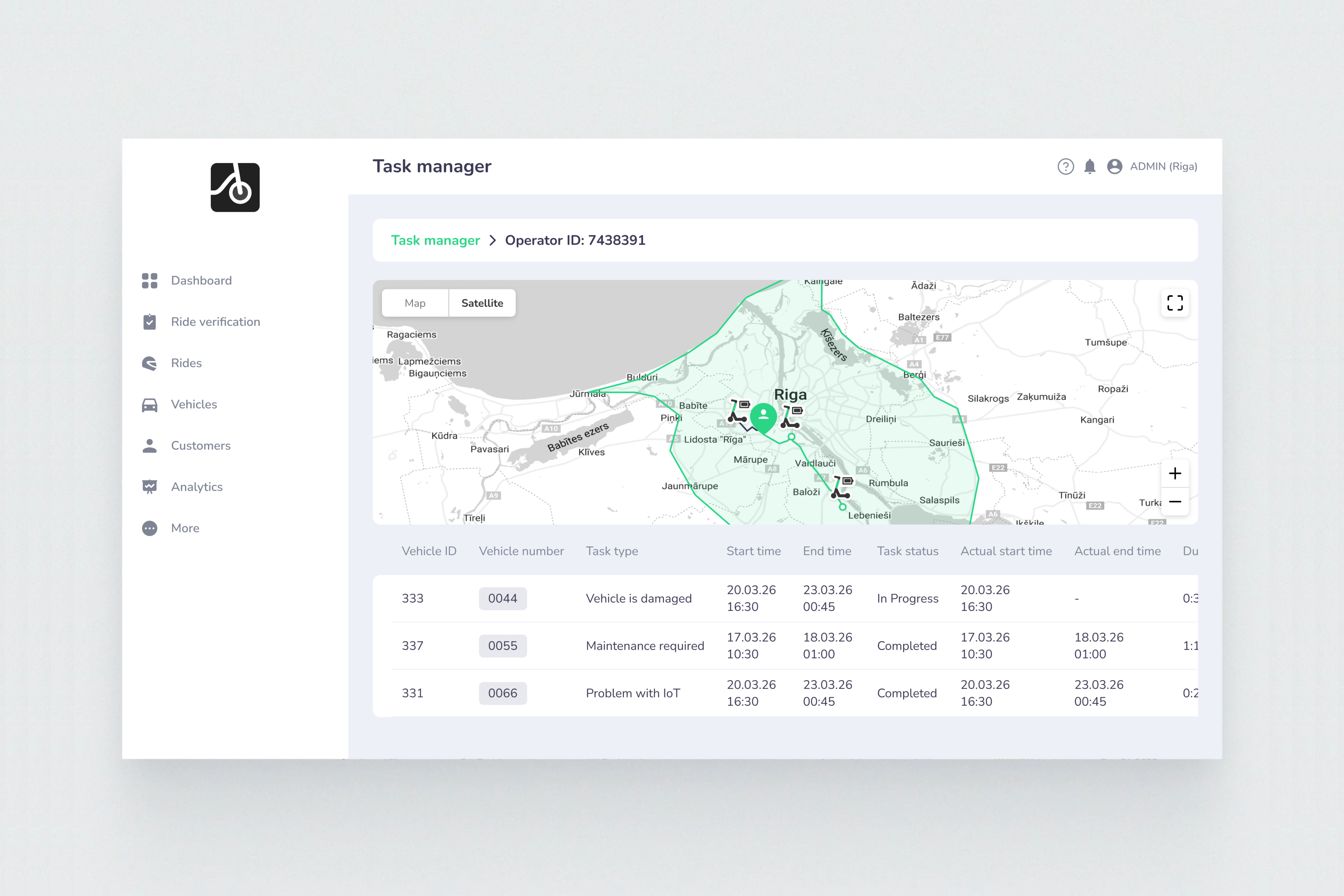
تمنحك علامة التبويب الورديات الجديدة للمديرين نظرة عامة مركزية على جميع ورديات المشغلين، بما في ذلك:
يمكن للمديرين فتح أي وردية فردية للاطلاع على الصورة التشغيلية الكاملة. فلكل مهمة، يمكنك رؤية المركبة، ونوع المهمة، ووقت البدء المخطط له والموعد النهائي، وأوقات البدء والانتهاء الفعلية، والحالة، والمدة الإجمالية للمهمة.
تتضمن كل وردية أيضاً خريطة توضح حركة المشغل الكاملة أثناء الوردية والمواقع التي تم تنفيذ المهام الفردية فيهابالنسبة للنوبات الجارية حالياً، يمكن للمديرين أيضاً الاطلاع على الموقع الحالي للمشغل.
وهذا يسهل كثيراً فهم المسار الفعلي، وحجم العمل، والقرارات المتخذة خلال كل نوبة، بالإضافة إلى تحديد فرص تحسين كيفية إدارة فرق العمل الميدانية لصيانة الأسطول وعملياته.
علامة التبويب الأداء الجديدة تجمع النتائج التشغيلية لكل مشغل خلال فترة زمنية محددة.
يمكن للمديرين تتبع:
بدلاً من مراجعة مئات المهام الفردية، يمكن للمديرين مقارنة المشغلين بسرعة، وتحديد أصحاب الأداء المتميز، ورصد المجالات التي قد تحتاج إلى تدريب إضافي أو تحسينات تشغيلية.
لجعل بيانات الأداء دقيقة ومفيدة، قدمنا أيضاً سير عمل جديد للنوبات والمهام في تطبيق ATOM للمشغلين. يبدأ المشغلون الآن نوبات عملهم وينهونها مباشرة من خلال التطبيق، بينما يتم تسجيل أوقات بدء المهام الفردية وإتمامها تلقائياً.
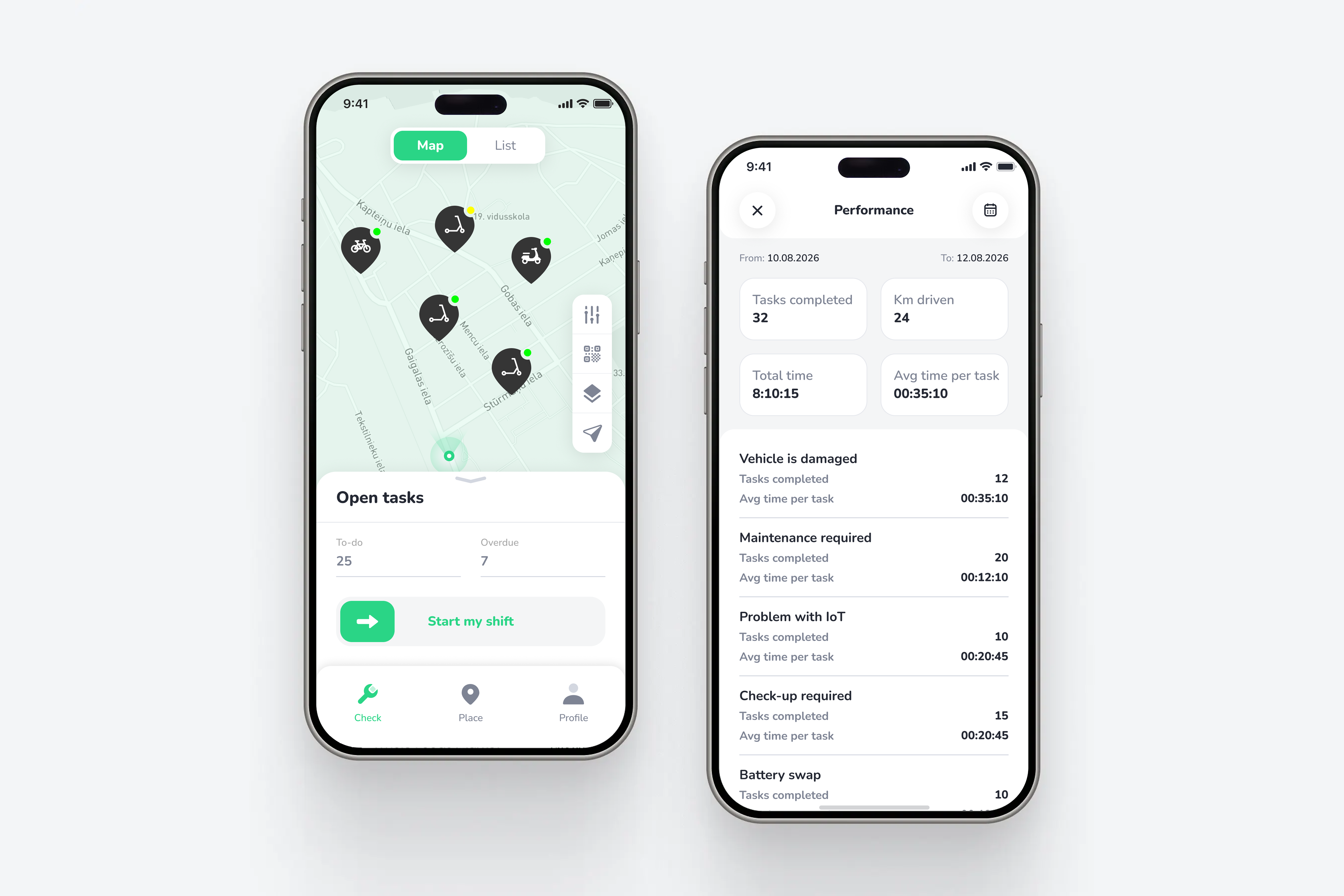
لقد أضفنا أيضاً:
معاً، تحول هذه التحديثات ATOM Task Manager من مجرد أداة لتوزيع المهام إلى نظام أكثر تكاملاً لأداء وتحسين العمليات الميدانية. يحصل المشغلون على سير عمل أوضح ورؤية أفضل لأدائهم الشخصي، بينما يحصل المديرون على البيانات التي يحتاجونها لفهم كيفية سير عملياتهم الميدانية فعلياً وتحديد مجالات تحسين الكفاءة.
الوظائف الجديدة متاحة لوحدات مشاركة المركبات و التأجير الرقمي في ATOM Mobility.
👉 اقرأ المزيد عن آخر تحديثات منصتنا:
https://www.atommobility.com/atomupdates
استخدم بيانات اعتماد الاختبار لتسجيل الدخول - رقم الهاتف: +1 123123123، الكود: 777777


بيانات اعتماد الإصدار التجريبي من تطبيق Driver - البريد الإلكتروني: test@atom.com، كلمة المرور: برنامج التشغيل