Come sviluppare una strategia di marketing efficace per la tua attività di car sharing
December 28, 2023
lettura minima

.jpg)
Il marketing nel settore della mobilità è unico perché le tue flotte, che si tratti di scooter, biciclette, auto o ciclomotori, sono come un cartellone pubblicitario flessibile che si sposta in tutta la città. Ogni volta che qualcuno sceglie il vostro servizio, fondamentalmente lo porta in giro per la città come ambasciatore del marchio e, anche quando la vostra flotta è ferma, attira una notevole attenzione poiché la gente la vede costantemente per strada.
In altre parole, le aziende di mobilità urbana godono di un'elevata notorietà del marchio.
Tuttavia, per gli imprenditori della mobilità, questa è la norma. Vale a dire, è una base di settore da cui tutti traggono vantaggio e non ti aiuterà necessariamente ad acquisire più clienti, superare i concorrenti e incrementare il business.
Per fare tutte queste cose, hai ancora bisogno di una strategia di marketing efficace che raggiunga il pubblico giusto e attivi gli utenti.

I clienti che utilizzano i servizi di car sharing sono diversi, così come le motivazioni che li spingono a utilizzare i servizi. Poiché probabilmente operi in un mercato molto specifico, ad esempio una particolare città o regione, è fondamentale identificare e comprendere il pubblico di destinazione e i diversi segmenti non solo per raggiungere e parlare con le persone giuste, ma anche per evitare inutili spese pubblicitarie.
Determinare a chi ti rivolgi le tue attività di marketing ti aiuterà anche a definire i messaggi e i canali che utilizzi, fondamentali per campagne di successo.
Le categorie più ampie sono business-to-consumer (B2C) e business-to-business (B2B). Sebbene la maggior parte delle persone associ la condivisione dei veicoli al B2C, ad esempio una persona che sfreccia su uno scooter lungo una pista ciclabile per fissare un appuntamento, la realtà è che il segmento B2B, molto meno visibile, prospera con iniziative come sistemi di car sharing aziendale.
Il messaggio per questi due, l'individuo sullo scooter e il CEO che cerca di offrire una comoda soluzione di mobilità ai propri dipendenti, varierà notevolmente. I diversi punti deboli, motivazioni e casi d'uso comportano la necessità di adattare il modo in cui si parla a ciascun segmento e di distinguerli sin dall'inizio. Cioè, se stai cercando di scegliere come target entrambi.
Che tu ti stia concentrando su B2C, B2B o entrambi, dovresti cercare chi sono le persone che utilizzano/acquistano i tuoi servizi. L'obiettivo è far sì che le tue iniziative di marketing raggiungano le persone giuste e, approfondendo il background dei tuoi clienti, comprenderai chi sono.
Per farlo, approfondisci i dati demografici (età, sesso), i casi d'uso (come, quando e perché viaggiano) e la sensibilità al prezzo (quanto spendono, gli sconti influiscono sulle loro decisioni), tra le altre cose. Le aziende spesso creano profili utente mettendo insieme tutte queste informazioni e creando un profilo del cliente medio, che poi utilizzano per sviluppare la loro messaggistica.
Tieni presente che se emergono più categorie dominanti, è del tutto normale avere 2-3 personaggi utente. Inoltre, queste possono evolversi nel tempo, quindi assicuratevi di condurre ricerche continue e perfezionarle in base a nuovi dati.

Una volta che sai a chi ti rivolgi, è importante scoprire dove si trovano queste persone per raggiungerle nel modo più efficace possibile. Se i tuoi clienti principali sono studenti universitari, è improbabile che li trovi su Facebook.
In generale, possiamo suddividere i canali di marketing in due categorie: online e offline.
Al giorno d'oggi, il marketing digitale è il luogo in cui avviene la maggior parte delle azioni.
Piattaforme di social media offrono una fantastica opportunità per raggiungere il tuo pubblico specifico, poiché in genere consentono un targeting avanzato. Restringendo vari parametri, come la località, i dati demografici e persino le preferenze correlate (i fattori che abbiamo definito durante la creazione dei personaggi degli utenti), è possibile avere annunci molto convenienti che generalmente raggiungono le persone con maggiori probabilità di conversione. Anche la collaborazione con gli influencer è una strategia sempre più efficace.
Tuttavia, devi considerare attentamente su quali piattaforme fare pubblicità. I contenuti B2C prospereranno in luoghi come Instagram, ma, se ti rivolgi a CEO e CPO per servizi B2B, LinkedIn potrebbe rivelarsi la soluzione migliore. È estremamente difficile prevedere con precisione quale piattaforma funzionerà meglio, quindi è consigliabile essere presenti su più piattaforme e allocare i budget in base ai rendimenti osservati.
Motori di ricerca e content marketing è un'altra strada che vale la pena esplorare: immagina che la tua azienda venga visualizzata come primo risultato quando qualcuno cerca una parola chiave pertinente alla tua attività, ad esempio «miglior car sharing in (città)». Questa opzione può essere a pagamento, se il tuo sito web o la tua app appaiono come risultato sponsorizzato. Oppure può essere organico, in cui produci contenuti di valore che si posizionano in alto nelle pagine dei risultati dei motori di ricerca.
I contenuti organici possono richiedere più tempo per produrre risultati, tuttavia possono offrire un maggiore ritorno sull'investimento (ROI) a lungo termine. Ad esempio, se la tua città è una fiorente destinazione turistica, puoi creare una guida su come spostarti in città e includere i tuoi servizi come uno dei modi migliori per farlo.
Pubblicità display è un altro canale a pagamento e, in sostanza, prevede che i partner paganti inseriscano pubblicità/banner dei tuoi servizi sul loro sito web. Affinché la pubblicità display abbia successo, è fondamentale trovare i partner giusti. Ad esempio, potrebbe avere più senso che il banner del servizio di car sharing appaia su una pagina turistica locale o sul sito web di un club studentesco piuttosto che su un negozio di e-commerce di abbigliamento.
Troverai ulteriori opportunità di marketing digitale con email marketing, programmi di referral, notifiche push e altro ancora. Con la pubblicità online, la sperimentazione è fondamentale: prova vari metodi e piattaforme per scoprire cosa porta il massimo ROI.
I canali offline includono elementi come i media tradizionali (TV, radio, stampa), la pubblicità esterna, nonché le partnership e le sponsorizzazioni. Questi possono integrare una solida strategia di marketing digitale, in particolare per quanto riguarda la distinzione dalla concorrenza.
Promuovere la consapevolezza del marchio è il suo punto di forza, poiché la pubblicità offline in genere ha difficoltà a generare conversioni dirette. In altre parole, la locandina di una fermata dell'autobus potrebbe non consentire il download immediato dell'app, ma il suo valore principale sta nel fatto che la tua azienda sia al primo posto quando il potenziale cliente è alla ricerca di una soluzione di mobilità.
Ovviamente, non devi, né dovresti, puntare tutto su un singolo canale. Piuttosto dovresti dilettarti con più canali per vedere cosa funziona, e poi raddoppiare i canali più efficaci.
L'obiettivo di qualsiasi iniziativa di marketing è investire $1 e ottenere più di $1 in cambio. Lavorare con un budget limitato significa che devi gestire attentamente la spesa pubblicitaria per ottenere il massimo da essa.
Innanzitutto, dovresti definire obiettivi misurabili per le tue campagne di marketing. L'impostazione degli indicatori chiave di performance (KPI) ti consente di misurare il successo della tua campagna. Questi KPI, ad esempio download dell'app, visita al sito Web, creazione di account, first ride, attivazione dell'utente, possono variare a seconda dei canali, delle piattaforme e delle campagne, tuttavia dovrebbero sempre favorire il raggiungimento degli obiettivi aziendali.
Con obiettivi chiari, puoi valutare le prestazioni. Investendo in vari canali e verificando il loro rendimento, otterrai informazioni su quali canali dovrebbero essere lasciati soli e quali sono quelli più redditizi che richiedono un'assegnazione delle priorità.
Tuttavia, ecco alcune cose da tenere a mente:
L'allocazione efficace del budget pubblicitario è un gioco di bilanciamento in cui migliorerai con l'esperienza. All'inizio, si tratta di definire obiettivi raggiungibili e trovare il modo più semplice per raggiungerli.
Le migliori piattaforme software per la mobilità, come ATOM Mobility, dovrebbero offrire vari strumenti che ti aiutino nel tuo percorso di marketing.
Ad esempio, ATOM Mobility può informare la tua strategia generale con analisi complete gli imprenditori possono trovare nella loro dashboard. I dati sulle corse e sui clienti, le statistiche e le mappe di calore, i report e gli approfondimenti possono aiutarti a capire meglio chi sta utilizzando i tuoi servizi e dove. Questo, a sua volta, può aiutare a definire le personalità degli utenti e garantire che non sia necessario iniziare il marketing da zero.
Più direttamente, ATOM Mobility offre anche soluzioni integrate strumenti di marketing avanzati:
Questo articolo si è concentrato principalmente sull'acquisizione dei clienti, tuttavia anche la fidelizzazione e l'attivazione dovrebbero avere un posto di primo piano nella tua strategia. Sfruttando i tuoi canali di comunicazione organici (app, abbonati e-mail, social media) puoi aumentare il valore della vita del cliente, incrementando le entrate a basso costo per te stesso.
Una strategia di marketing ben eseguita può elevare la tua attività. Metterne insieme una richiede impegno e risorse, ma può fare la differenza tra la difficoltà di far quadrare i conti e una fiorente impresa di mobilità.
Quindi, identificate i vostri clienti, indirizzateli dove si trovano, iterate e ottimizzate. E assicurati di utilizzare strumenti e piattaforme che ti aiutino lungo il percorso.
Fai clic qui sotto per saperne di più o richiedere una demo.

The micromobility industry doesn’t need another generic mobility conference. 🚫🎤 It needs real conversations between operators who are actually in the field. ⚙️ That’s exactly what ATOM Connect 2026 is built for. 🎯🤝
The shared mobility industry is evolving rapidly. Operators are navigating scaling challenges, regulatory complexity, hardware decisions, fleet optimization, and new integration models, all while aiming for sustainable growth.
That’s exactly why ATOM Mobility is organizing ATOM Connect 2026.
Our previous edition of ATOM Connect brought together professionals from the car sharing and rental industry for focused, high-quality discussions and networking. This year, we are narrowing the focus and dedicating the entire event to one fast-moving segment of the industry: shared micromobility.
ATOM Connect 2026 is designed specifically for operators, partners, and decision-makers working in shared micromobility. It is not a broad mobility conference or a public exhibition. It is a curated space for industry professionals to exchange practical experience, insights, and lessons learned.
On May 14th, 2026 in Riga, we will once again bring the community together, this time with a clear focus on micromobility.
This year’s agenda will address the real operational and strategic questions shaping shared micromobility today:
As usual, we aim to host both local and international operators from smaller, fast-growing fleets to established large-scale players alongside hardware providers and ecosystem partners.
On stage, you’ll hear from leading shared mobility companies - including Segway on hardware partnerships, Umob on MaaS integration, Anadue on data-driven fleet intelligence, Elerent on multi-vehicle operational realities and more insightful discussions.
The goal is simple: meaningful discussions with people who understand the operational realities of the industry.
ATOM Connect is free to attend, but participation is industry-focused (each submission is manually reviewed and verified). We are intentionally keeping the audience relevant and aligned to ensure high-quality conversations and valuable networking.
If you work in shared micromobility and would like to join the event, you can find the full agenda and register here:
👉 https://www.atommobility.com/atom-connect-2026
In the coming weeks, we will be revealing more speakers and additional agenda updates. We look forward to bringing the industry together again.
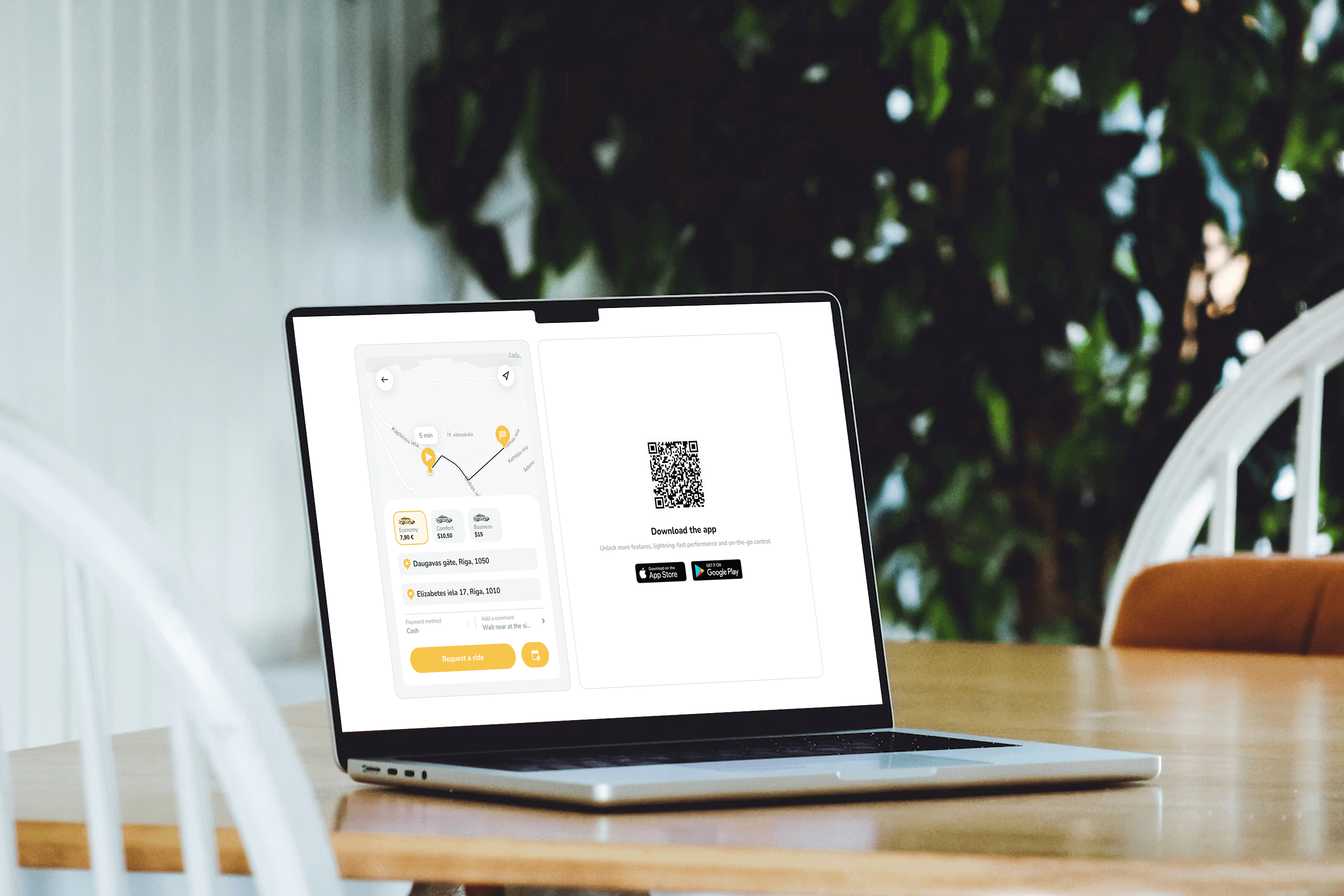
🚕 Web-booker is a lightweight ride-hail widget that lets users book rides directly from a website or mobile browser - no app install required. It reduces booking friction, supports hotel and partner demand, and keeps every ride fully synced with the taxi operator’s app and dashboard.
What if ordering a taxi was as easy as booking a room or clicking “Reserve table” on a website?
Meet Web-booker - a lightweight ride-hail booking widget that lets users request a cab directly from a website, without installing or opening the mobile app.
Perfect for hotels, business centers, event venues, airports, and corporate partners.
👉 Live demo: https://app.atommobility.com/taxi-widget
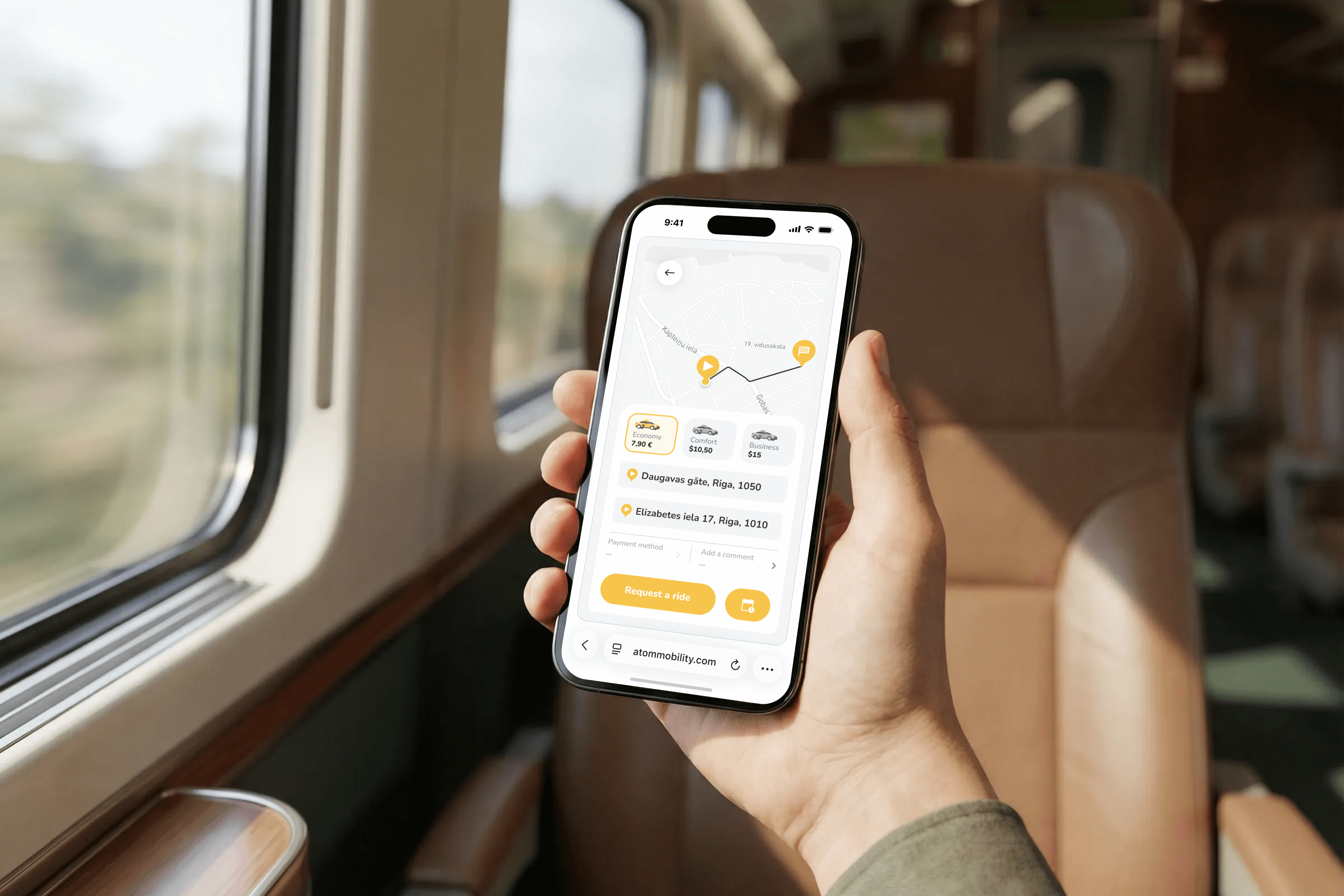
Web-booker is a browser-based ride-hail widget that operators can embed or link to from any website.
The booking happens on the web, but the ride is fully synchronized with the mobile app and operator dashboard.
No redirects. No app-store friction. No lost users.
This keeps fraud low while preserving conversion.
Web-booker addresses one of the most common friction points in ride-hailing: users who need a ride now but are not willing to download an app first. By allowing bookings directly from a website, operators can capture high-intent demand at the exact moment it occurs - whether that is on a hotel website, an event page, or a partner landing page.
At the same time, Web-booker makes partnerships with hotels and venues significantly easier. Instead of complex integrations or manual ordering flows, partners can simply place a button or link and immediately enable ride ordering for their guests. Importantly, this approach does not block long-term app growth. The booking flow still promotes the mobile app through QR codes and store links, allowing operators to convert web users into app users over time - without forcing the install upfront.
Web-booker is not designed to replace the mobile app. It extends the acquisition funnel by adding a low-friction entry point, while keeping all bookings fully synchronized with the operator’s app and dashboard.
👉 Try the demo
https://app.atommobility.com/taxi-widget
Want to explore a ride-hail or taxi solution for your business - or migrate to a more flexible platform? Visit: https://www.atommobility.com/products/ride-hailing
Credenziali demo dell'app Driver - Email: test@atom.com, Password: autista

