إطلاق شركة لخدمات نقل الركاب من 0 في 90 يومًا
8/4/2025
الحد الأدنى للقراءة


قد يبدو بدء مشروع نقل الركاب أو مشروع التنقل المشترك أمرًا مربكًا، ولكن مع وجود خطة واضحة، يمكن إطلاقه في غضون 90 يومًا فقط. يحدد هذا الدليل عملية من ثلاث مراحل: وضع الأساس وبناء منتجك وفريقك والإطلاق - بالإضافة إلى نصائح للنمو بعد اليوم 90. من خلال اتباع خارطة الطريق هذه، ستقوم بالتحقق من صحة فكرتك، وضمان الامتثال القانوني، وإنشاء علامتك التجارية والتكنولوجيا، وتوظيف السائقين، والوصول إلى السوق جاهزًا.
اليوم 0-30: التأسيس
العثور على مكانة
ابدأ بالتحقق من صحة السوق والإعداد القانوني. ابحث في المنطقة المستهدفة لتحديد احتياجات النقل غير الملباة. ربما لا يخدم مقدمو الخدمات الكبار مناطق معينة، أو هناك طلب على الخدمات الصديقة للبيئة أو المتميزة أو المتخصصة مثل ركوب الخيل للسيدات فقط.
هل تتطلع إلى التميز في سوق ركوب الخيل التنافسي؟ تحقق من هاتين القراءتين الثاقبتين:
- العثور على مكانة في سوق ركوب الخيل التنافسي: https://www.atommobility.com/blog/how-to-find-your-niche-in-the-competitive-ride-hail-market-real-world-examples-of-businesses-that-resonate
- اكتشف كيف تدعم نقابة سيارات الأجرة المحلية في السويد منصة جديدة لإعادة تشكيل معايير الصناعة وبناء نظام بيئي أكثر عدلاً: https://www.atommobility.com/blog/driving-change-with-fair-how-a-small-platform-is-redefining-the-taxi-industry-in-sweden
من المفترض أن يساعدك هذا في تحديد مكانتك أو وضعك الفريد أو زاويتك، وفي النهاية عرض البيع الفريد الخاص بك للتميز عن اللاعبين الآخرين في السوق.
الامتثال القانوني
ستكون الخطوة التالية هي تشكيل عملك (على سبيل المثال، LLC) لحماية المسؤولية وجذب المستثمرين لاحقًا. تقدم بطلب للحصول على التصاريح اللازمة، مثل تراخيص الشركات عبر الوطنية، واستشر اللوائح المحلية. التأمين ضروري - ستحتاج إلى تغطية المسؤولية التجارية التي تشمل أيضًا السائقين. قم بإجراء فحوصات الخلفية لضمان السلامة والامتثال.
قائمة التحقق من الامتثال القانوني:
إعداد الميزانية لإطلاق MVP
حدد التكاليف الأساسية: البرامج والتراخيص والتأمين والتسويق وحوافز السائقين ودعم العملاء وخدمات المحاسبة وبعض الاحتياطيات. استخدم برنامجًا ذا علامة بيضاء مثل أتوم موبيليتي لتجنب الإنشاءات المخصصة المكلفة. توفر هذه المنصات تطبيقات الراكب/السائق وأنظمة الواجهة الخلفية مقابل جزء بسيط من تكاليف التطوير.
خطط لميزانية تسويق أولية (على سبيل المثال، 1000 يورو - 5000 يورو) وخصص مكافآت تسجيل السائق (100 يورو لـ 20 رحلة، على سبيل المثال). قم بتضمين النفقات الصغيرة مثل حسابات مطوري Apple أو مكان في العمل المشترك للعمل منه. حافظ على انخفاض التكاليف وقم بإعداد ميزانية مفصلة لأول 6-12 شهرًا.
التمويل: Bootstrapping مقابل المستثمرين
بمجرد إعداد ميزانية تتراوح من 6 إلى 12 شهرًا، يمكنك الاختيار بين التمويل الشخصي أو المستثمرين الملاك أو التمويل الجماعي. يوفر Bootstrapping (باستخدام رأس المال الشخصي الخاص بك) التحكم ولكنه يحد من الحجم. يمكن للمجموعة المحلية من المستثمرين الملاك المساهمة بمبلغ 50 ألف يورو - 500 ألف يورو في الإرشاد الإجمالي والإضافي. يساعد التمويل الجماعي في جمع الأموال أثناء بناء قاعدة داعمين محلية. على سبيل المثال، يمكنك إشراك السائقين للاستثمار من خلال التمويل الجماعي مقابل حصة صغيرة من الأسهم في شركتك والاستخدام المجاني للمنصة لفترة معينة.
إليك موردًا مفيدًا حول استخدام التمويل الجماعي لبدء مشروعك والحصول على الإلهام: https://www.atommobility.com/blog/crowdfunding-for-your-vehicle-sharing-business
إذا أظهر تحليل ميزانيتك أنك بحاجة إلى تمويل خارجي، فحاول على الأقل إطلاق نموذج أولي صغير الحجم يعمل بأموال شخصية أو جولة FFF (تمويل الأصدقاء والعائلة والحمقى) قبل الدخول في عملية الاستثمار. إن إظهار قوة جذب متواضعة يعزز بشكل كبير فرصك في الحصول على زيادة ناجحة.
يرجى ملاحظة أن تأمين الجولة الأولى من التمويل - سواء من التمويل الجماعي أو ملائكة الأعمال - يستغرق عادةً ستة أشهر أو أكثر. للحفاظ على الزخم، أطلق إصدارًا أوليًا من منتجك أو خدمتك، ثم ابدأ عملية جمع التبرعات.

اليوم 30-60: البناء والتكامل
برامج
يمكن أن يؤدي اختيار شريك البرنامج المناسب إلى نجاح مشروعك الجديد في مجال ركوب الخيل أو كسره. من كفاءة التكلفة وسرعة الوصول إلى السوق إلى الموثوقية والمعرفة المتخصصة في الصناعة، غالبًا ما تفوق فوائد حل العلامة البيضاء تعقيدات وتكلفة البناء من الصفر. تأكد من تقييم ميزات النظام الأساسي لكل مزود - تطبيقات الراكب والسائق ونظام الإرسال وأدوات الدفع - جنبًا إلى جنب مع سجلهم الحافل في التوسع والدخول إلى أسواق مختلفة. تأكد من قدرات التخصيص وشفافية التسعير والقدرة على التوسع في مناطق خدمة جديدة مع نمو عملك. في النهاية، اختر شريكًا يقدم كل من التكنولوجيا والدعم الاستراتيجي الذي تحتاجه. لمزيد من الأفكار حول عملية صنع القرار هذه، استكشف حلول العلامة البيضاء مقابل البناء من الصفر واكتشف لماذا أتوم للتعمق في اختيار الشريك التقني المناسب.
إنشاء هوية واضحة للعلامة التجارية
ابدأ باختيار اسم لا يُنسى يعكس مكانتك ومدينتك - يمكن للأدوات التي تعمل بالذكاء الاصطناعي مثل ChatGPT تسريع عملية العصف الذهني. بعد ذلك، صمم شعارًا بسيطًا واختر الألوان الأساسية باستخدام منصات سهلة الاستخدام مثل Canva أو لوكا. الاتساق هو المفتاح، لذا استخدم عناصر التصميم هذه عبر موقع الويب الخاص بك والقنوات الاجتماعية.
عندما يحين وقت إطلاق تواجدك عبر الإنترنت، اختر منصات خالية من التعليمات البرمجية مثل Squarespace أو Carrd لإنشاء صفحة مقصودة بسيطة في دقائق - دون الحاجة إلى مطورين. اعرض رسالتك الأساسية بوضوح (على سبيل المثال، «سيارات مرسيدس المميزة ذات اللون الأسود بالكامل في [المدينة].»)، وقم بتضمين روابط لتطبيقات الراكب/السائق الخاصة بك، وقدم نموذج تسجيل السائق. يساعد هذا النهج المباشر المستخدمين والسائقين المحتملين على فهم علامتك التجارية والثقة بها بسرعة.
تأهيل السائق (أول 50 سائقًا)
لا يمكن تشغيل خدمتك بدون سائقين، لذا اجعل تجربة تأهيلهم سلسة وجذابة قدر الإمكان. ابدأ بتحديد الفوائد الملموسة - مثل عمولات 0% للأشهر الثلاثة الأولى، أو الامتيازات المتخصصة، أو الشراكات المحلية - التي تميزك. تواصل عبر وسائل التواصل الاجتماعي والمجتمعات عبر الإنترنت والرسائل المباشرة لتوظيف قاعدة السائقين الأوليين المخلصين. استضف ندوات عبر الإنترنت أو جلسات معلومات للحفاظ على تفاعلهم ومعالجة أي مخاوف.
ضع في اعتبارك أن برامج التشغيل الأولى ضرورية لرضا المستخدم: فهي وجه خدمتك وتؤثر بشكل كبير على جودة كل رحلة. ضع في اعتبارك تقديم سلع تحمل علامة تجارية وإرشادات واضحة - مثل تقديم الحلوى المجانية أو المياه المعبأة في زجاجات أو فتح الأبواب أو أي لفتة أخرى تتماشى مع عرض البيع الفريد الخاص بك (USP).
لتبسيط عملية الإعداد، قم بإنشاء نموذج موقع ويب بسيط للاشتراكات، وضمان التحقق السريع من المستندات، وإجراء عمليات التحقق من الخلفية، وتقديم وحدات تدريبية موجزة. يمكن أن تساعدك الحوافز مثل مكافآت التسجيل أو فترة العمولة الصفرية في تجنيد مجموعتك الأولى من السائقين بسرعة. يمكنك أيضًا ضمان الأرباح الأولية (التي تغطي الرسوم الثابتة من ميزانيتك) لبناء ثقة السائق أثناء تنمية قاعدة المستخدمين.
الهدف: بحلول اليوم 60، احرص على أن يكون لديك ما لا يقل عن 50 سائقًا مسجلين وجاهزين لخدمة منطقة الإطلاق الخاصة بك، ووضع أساس متين لنجاح منصتك.
اليوم 60-90: الاختبار والإطلاق
اختبار بيتا مغلق
قبل الإطلاق الكامل، قم بدعوة مجموعة صغيرة من الأصدقاء أو العائلة أو الداعمين الأوائل لاختبار تطبيقك ومحاكاة سيناريوهات العالم الحقيقي. ركز على الأساسيات: طلبات الركوب ومعالجة الدفع ودقة GPS وتدفقات الإلغاء - بشكل مثالي في أوقات مختلفة من اليوم وعلى أجهزة مختلفة. قم ببعض الجولات الفعلية مع سائقين حقيقيين لترى كيف يتبعون الإجراءات المحددة ويتفاعلون مع الركاب. اجمع الملاحظات للكشف عن أي مشكلات تتعلق بقابلية الاستخدام أو سلوكيات السائق غير المتوقعة.
خلال هذه المرحلة، قم بتحسين عملياتك الداخلية أيضًا. حدد كيفية التعامل مع استفسارات العملاء - سواء عبر بريد إلكتروني مخصص للمساعدة أو دعم الدردشة أو كليهما - واستجب على الفور لبناء الثقة. إذا كان لديك فريق، فتأكد من أن الجميع على وفاق تام بشأن المسؤوليات وإرشادات الاتصال وكيفية معالجة مخاوف الراكب أو السائق. يساعدك هذا النهج المستهدف على حل المشكلات المحتملة وتحسين تجربة المستخدم وإنشاء بروتوكولات دعم قوية قبل طرحها للجمهور.
الإطلاق العام
قرر ما إذا كنت تريد طرحه بهدوء (أ) إطلاق ناعم) للتخلص من أي أخطاء في اللحظة الأخيرة أو صنع إعلان كبير مع بيان صحفي. إذا اخترت الخيار الأخير، فقم بعرض قصتك على وسائل الإعلام المحلية، مع التركيز على نهج المجتمع أولاً للتنقل. يُعد إطلاق العروض الترويجية - مثل خصم 50٪ على المشاوير الأولى أو رصيد الاشتراك بقيمة 5 يورو - طريقة رائعة لجذب المستخدمين الأوائل وإثارة ضجة.
تأكد من أن مجموعة السائقين جاهزة للتعامل مع الطلب من خلال تنسيق الجداول الزمنية والتوافر. ضع في اعتبارك التكتيكات غير المتصلة بالإنترنت أيضًا: يمكن أن يساعدك توزيع النشرات في المناطق ذات الازدحام الشديد أو إنشاء أكشاك في الحرم الجامعي أو رعاية الأحداث المجتمعية في اكتساب شهرة محلية. بعد بدء البث المباشر، راقب عن كثب تعليقات الركاب (على سبيل المثال، تقييمات المشاوير ومراجعات متجر التطبيقات) وعالج المشكلات بسرعة للحفاظ على تجربة مستخدم إيجابية.
التسويق والنمو إلى 1,000 رحلة
كن شريكًا مع المؤثرين المحليين للترويج لتطبيقك، وتقديم رحلات مجانية أو مدفوعات صغيرة مقابل منشورات حقيقية على وسائل التواصل الاجتماعي. ركز على المؤثرين الذين يثق بهم جمهورك المستهدف. نفّذ برامج إحالة التطبيقات - كافئ المستخدمين وأصدقائهم بأرصدة المشاوير لتحفيز نمو الكلام الشفهي.
حافظ على مستوى عالٍ من المشاركة من خلال مشاركة المعالم وقصص نجاح المستخدم عبر الإنترنت. يمكنك المشاركة في الأحداث المحلية وتقديم أكواد ترويجية حصرية لجذب الدراجين الجدد. ابدأ بالإعلانات الرقمية على نطاق صغير، وأعد الاستثمار أثناء تحقيق الإيرادات وتعرف على القنوات التي تعمل بشكل أفضل. يمكنك تتبع المقاييس الأساسية مثل عمليات الاشتراك وحجم المشاوير وأوقات الانتظار حتى تتمكن من اتخاذ قرارات تعتمد على البيانات وتحسين استراتيجيتك في الوقت الفعلي.
بعد 90 يومًا: التحجيم
دعم العملاء والعمليات
مع نمو النظام الأساسي الخاص بك، فكر في الاستعانة بمصادر خارجية أو التشغيل الآلي لجوانب دعم العملاء. أنشئ مركز مساعدة أو أسئلة وأجوبة لتوجيه المستخدمين إلى الحلول السريعة، واحتفظ بالعمليات اليومية تحت المراقبة عن كثب حتى تتمكن من حل أي مشكلات بسرعة. للحفاظ على الكفاءة، قم بتعيين مساعد بدوام جزئي (على سبيل المثال، المسوقين أو مديري الأساطيل) الذين يمكنهم التعامل مع المهام المتخصصة دون تضخيم النفقات العامة.
جمع التبرعات
مع وجود قوة دفع أولية، فأنت في وضع قوي لتأمين تمويل إضافي. قدم بيانات واضحة حول حجم الرحلات والاحتفاظ بالمستخدمين ونمو الإيرادات للمستثمرين الملاك المحتملين أو منصات التمويل الجماعي. قد تكون المنح الحكومية متاحة أيضًا لمبادرات النقل المستدام، لذا استكشف هذه الفرص. كن محددًا بشأن كيفية استخدام الأموال - على سبيل المثال، «نحتاج إلى 100 ألف يورو للتوسع في مدينتين جديدتين والوصول إلى 10000 رحلة شهريًا.»
الجدول الزمني لمدة 90 يومًا
على الرغم من أن إطلاق منصة ركوب الخيل في 90 يومًا يعد أمرًا طموحًا، إلا أن الإستراتيجية المركزة والأدوات المرنة يمكن أن تجعل ذلك ممكنًا. حافظ على رشاقتك وحافظ على جودة الخدمة في المقدمة وحدد معالم ملموسة لكل مرحلة. من خلال الرؤى المحلية القوية والتنفيذ المتسق، يمكنك تحقيق حضور دائم في مساحة التنقل.
النمو والتوسع
قبل الانتقال إلى مدن جديدة، عزز مركزك في السوق الأولي. استمر في توظيف السائقين والوصول إلى شرائح ركاب جديدة من خلال الشراكات المستهدفة وبرامج الولاء. إذا قررت التوسع أكثر، فاستخدم دليل التشغيل الخاص بك لمدة 90 يومًا مرة أخرى، وقم بتعديله ليتناسب مع التحديات والفرص الفريدة لكل منطقة جديدة. حظا سعيدا!
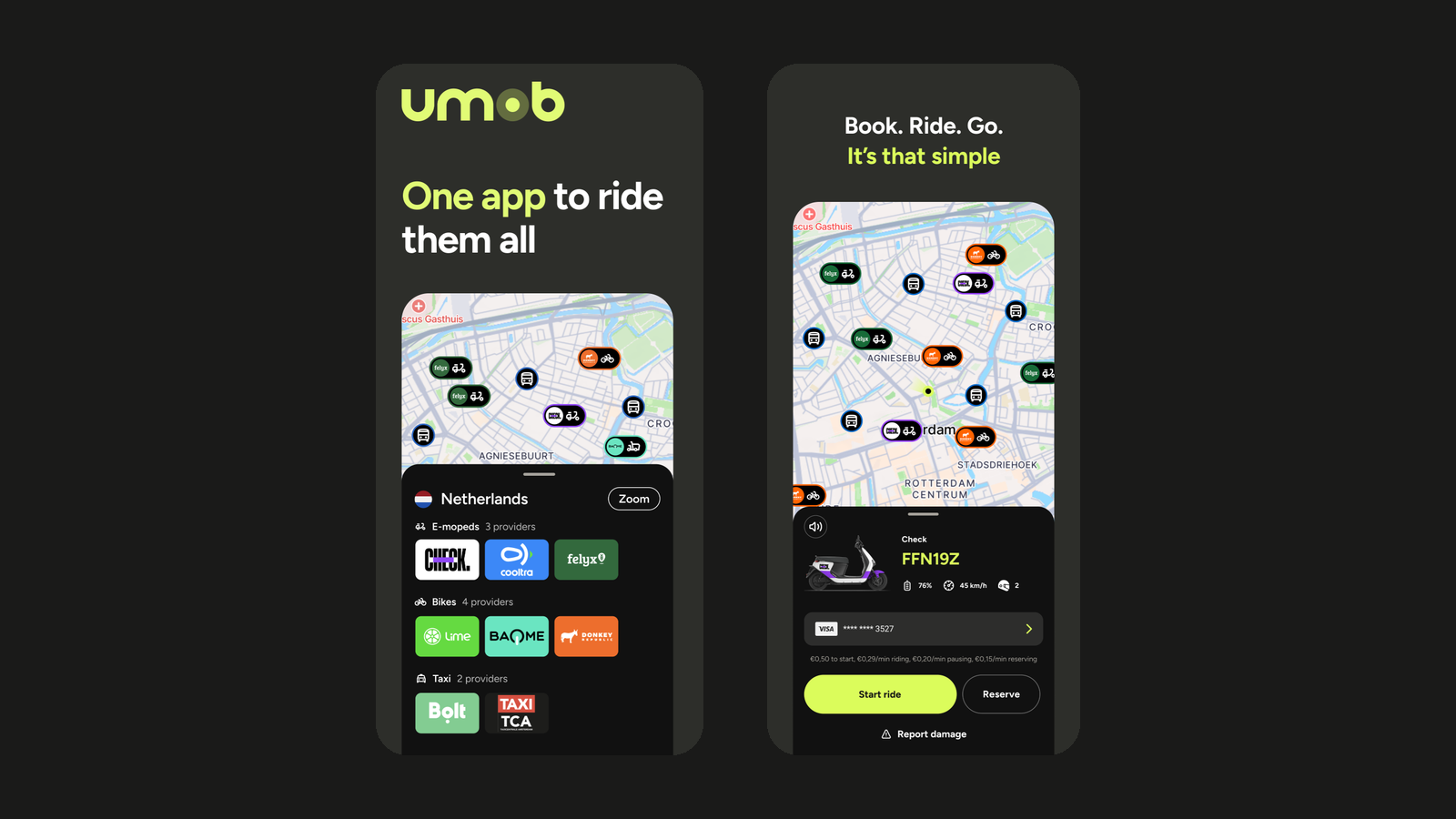
🌍 يمكنك الوصول إلى المزيد من الركاب مع ATOM Mobility وUmob. يمنح هذا التكامل مشغلي التنقل المشترك قناة توزيع إضافية، مما يساعد في جذب عملاء جدد، وزيادة الحجوزات، وتحسين معدلات استخدام الأسطول.
مستقبل التنقل لا يقتصر فقط على تشغيل المركبات، بل يتعلق بابتكار رحلات مريحة تجمع بين خيارات النقل المختلفة في تجربة مستخدم واحدة بسيطة.
ولهذا السبب يسعدنا تسليط الضوء على شراكتنا مع Umob، مما يساعد مشغلي التنقل على توسيع نطاق وصولهم وأن يصبحوا جزءاً من منظومة تنقل متعددة الوسائط متنامية.
سواء كنت تدير سيارات أو سكوترات أو دراجات هوائية أو دراجات نارية مشتركة عبر منصة ATOM Mobility، فإن التكامل مع Umob يجعل خدمتك متاحة لـ آلاف مستخدمي Umob الباحثين عن وسيلة تنقل مريحة.
يتوقع مستخدمو اليوم مرونة عالية؛ فهم لا يفكرون في مزودي خدمات التنقل بشكل منفصل، بل يريدون ببساطة أسرع وأسهل وأكثر الطرق ملاءمة للانتقال من النقطة (أ) إلى النقطة (ب).
تجمع Umob بين مختلف مزودي خدمات التنقل وخيارات النقل في تطبيق واحد. يمكن للمستخدمين العثور على خيارات التنقل المختلفة ومقارنتها وحجزها والدفع مقابلها دون الحاجة إلى تنزيل تطبيق منفصل أو إنشاء حساب جديد لكل مزود خدمة.
من خلال ربط أسطولك بـ Umob، يمكن للمشغلين:
بالنسبة لعملاء ATOM Mobility، صُمم هذا التكامل لتوفير طريقة مباشرة لفتح فرص توزيع جديدة مع الاستمرار في إدارة عملياتهم الأساسية من خلال منصة ATOM Mobility.
من خلال منصة ATOM Mobility، يمكن للمشغلين المشاركين ربط أساطيلهم بـ Umob، مما يتيح للمستخدمين اكتشاف المركبات المتاحة واستخدامها مباشرة عبر تطبيق Umob.
بمجرد الربط، ستظهر مركبات المشغلين المشاركين في Umob إلى جانب خيارات التنقل الأخرى المتاحة، مما يمنح المستخدمين نظرة عامة واضحة على الطرق المختلفة التي يمكنهم من خلالها الانتقال من النقطة (أ) إلى النقطة (ب).
يمكن للمستخدمين العثور على مركبة متاحة، وحجزها وفتح قفلها، وبدء رحلتهم وإنهائها، والدفع مباشرة من خلال تطبيق Umob.
صُمم هذا التكامل لدعم:
يواصل المشغلون إدارة أساطيلهم، وتسعيرهم، ومناطق الخدمة، والعمليات اليومية من خلال منصة ATOM Mobility، بينما توفر Umob قناة إضافية يمكن للمستخدمين من خلالها العثور على المركبات والوصول إليها.
بالنسبة لمشغلي التنقل، يتيح الربط مع Umob قناة توزيع إضافية دون تغيير الطريقة التي يديرون بها عملياتهم اليومية عبر ATOM Mobility.
من خلال إتاحة المركبات لآلاف مستخدمي Umob، يمكن للمشغلين زيادة ظهورهم في اللحظة التي يبحث فيها الأشخاص بنشاط عن وسيلة تنقل. وهذا يخلق إمكانية لجذب مستخدمين جدد، وتحقيق المزيد من الحجوزات، وتحسين معدل استخدام الأسطول بمرور الوقت.
يختلف كل سوق عن الآخر، لكن العديد من المشغلين يرون في شراكات "التنقل كخدمة" (MaaS) جزءاً مهماً من استراتيجية نموهم طويلة الأمد.
أحد أوائل مشغلي ATOM Mobility الذين انطلقوا من خلال تكامل Umob هو ZEUS Mobility، وهو مزود أوروبي طموح لخدمات مشاركة السكوتر الكهربائي، يركز بقوة على الابتكار، ويتبنى نهجاً ديناميكياً، ويسعى لمنافسة اللاعبين الراسخين في السوق.
ومن المناسب أن الشراكة بحد ذاتها بدأت من خلال شبكة ATOM Mobility.
التقت ZEUS وUmob لأول مرة في فعالية ATOM Mobility في ريغا. وعلى الرغم من أن التعارف الأولي حدث أثناء الفعالية، إلا أن المحادثة الجدية بدأت فعلياً خلال جلسة غير رسمية في وقت لاحق من ذلك المساء.
كانت ZEUS قد صادفت علامة Umob التجارية على مركبات التنقل أثناء السفر، وقد أُعجبت بالنهج المهني الذي تتبعه الشركة. وسرعان ما تحول ذلك التعرف إلى محادثة حول كيفية تعزيز الشركتين لعروضهما من خلال العمل معاً.
ومن هناك، تقدمت عملية التكامل بسرعة. وتصف ZEUS عملية الإعداد والتكامل حتى الآن بأنها "نظيفة واحترافية وسلسة."
بالنسبة لشركة ZEUS، تمثل هذه الشراكة فرصة لتعزيز حضور علامتها التجارية، والوصول إلى عملاء جدد، ودعم طموحاتها التوسعية في أوروبا.
عقب استحواذها على Superpedestrian في مايو 2026، تتطلع ZEUS إلى تسريع وتيرة نموها خلال عامي 2026 و2027، وتعد شراكتها مع Umob جزءاً من هذا الطموح.
"نحن في ZEUS سعداء للغاية بالشراكة مع Umob في الأسواق الأوروبية. فبعد استحواذنا على Superpedestrian في مايو 2026، نسعى في ZEUS إلى تحقيق نمو سريع خلال عامي 2026 و2027. ستساعدنا هذه الشراكة في دفع عجلة هذا النمو والوصول إلى عملاء جدد في أسواق جديدة. نتطلع إلى شراكة مثمرة." - داميان يونغ، ZEUS Mobility
تطبيق واحد لكل تنقلاتك. Umob هي منصة تنقل شاملة تجمع بين مختلف مزودي خدمات التنقل وخيارات النقل في تطبيق واحد.
يمكن للمستخدمين العثور على الدراجات المشتركة، والدراجات الكهربائية، والسكوتر، والدراجات النارية، ووسائل النقل العام، وسيارات الأجرة، وغيرها من خيارات التنقل المتاحة، ومقارنتها وحجزها والدفع مقابلها من خلال حساب واحد وتجربة دفع موحدة. فبدلاً من تنزيل تطبيق منفصل والتسجيل فيه لكل مزود خدمة أو في كل مدينة جديدة، يمكن للمستخدمين فتح تطبيق Umob والاطلاع على خيارات التنقل المتاحة من حولهم.
تتوفر Umob اليوم في أكثر من 28 دولة و300 مدينة، مما يتيح لآلاف المستخدمين طريقة أسهل للوصول إلى مختلف وسائل التنقل سواء في مدنهم أو أثناء السفر.
حقائق رئيسية
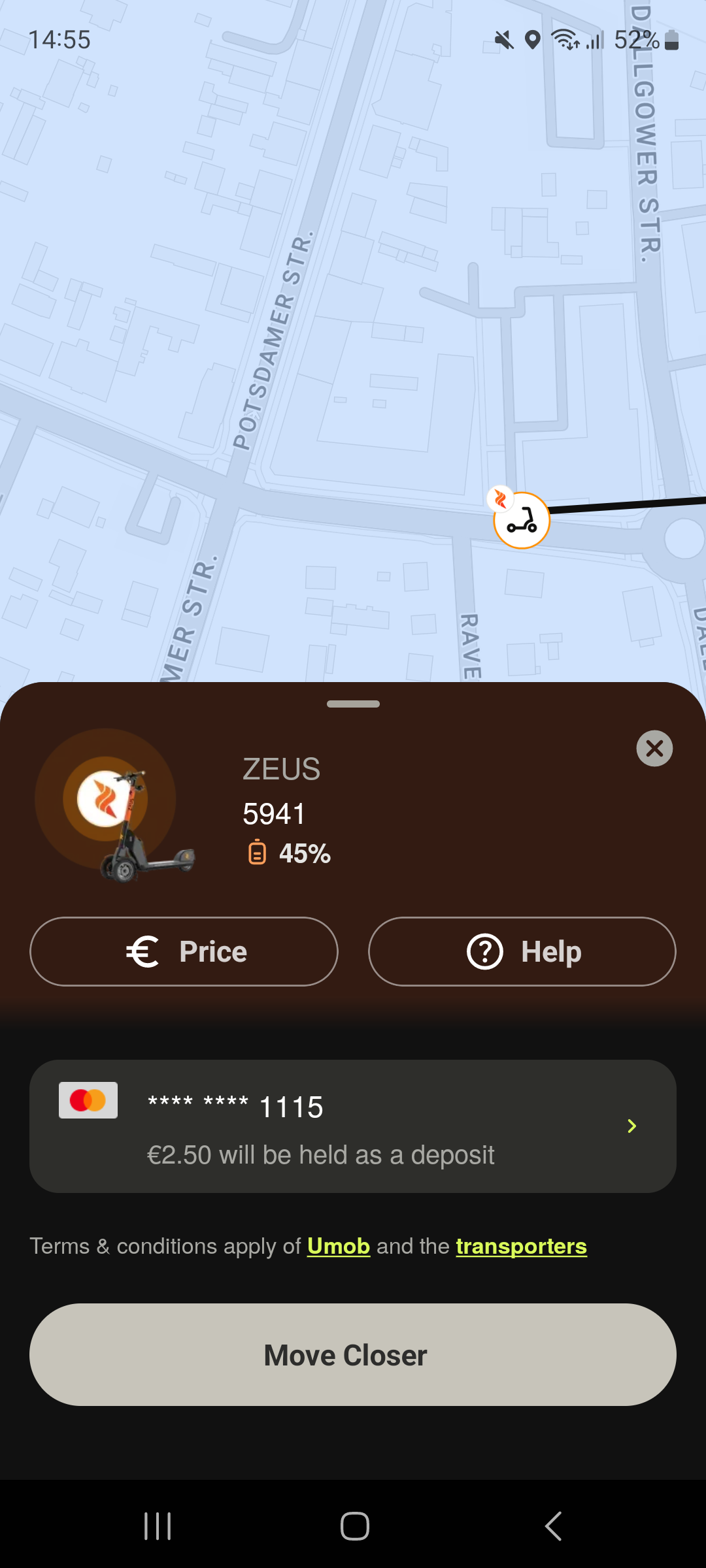
إذا كنت تدير بالفعل خدمة التنقل المشترك الخاصة بك على منصة ATOM Mobility، فإن الربط مع Umob قد يكون الخطوة التالية نحو الوصول إلى المزيد من المستخدمين وأن تصبح جزءاً من منظومة تنقل مترابطة حقاً.
إذا كنت مهتماً بتفعيل هذا التكامل أو معرفة المزيد حول كيفية عمله، تواصل مع فريقنا. نحن نتطلع إلى مساعدة المزيد من المشغلين على التواصل والتعاون وجعل التنقل المستدام أسهل للجميع.
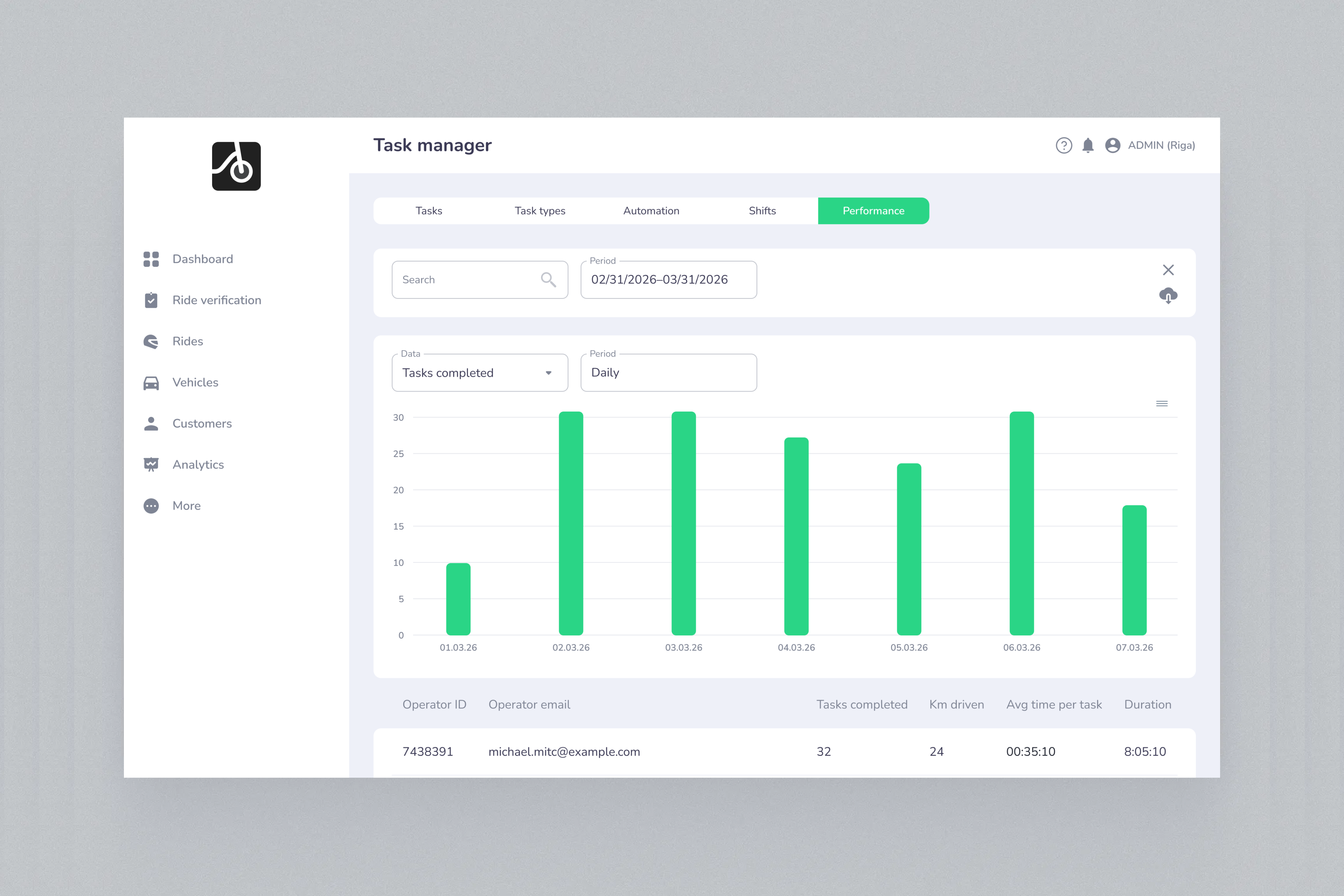
👷📊 يتجاوز مدير مهام ATOM الآن مجرد توزيع المهام بفضل وظائف الورديات وأداء المشغلين الجديدة. تتبع مسارات الورديات، والمسافة المقطوعة، والمهام المنجزة، والوقت المستغرق لكل مهمة، وأداء كل مشغل على حدة، مما يمنح مديري الأساطيل رؤية أوضح بكثير للعمليات الميدانية ومستوى الكفاءة.
لا تقتصر إدارة أسطول كبير للتنقل المشترك أو التأجير على معرفة المهام التي تم إنجازهافحسب، بل تتعلق أيضاً بفهم مدى كفاءة عمل الفرق الميدانية. لقد قمنا بتوسيع مدير مهام ATOM Mobility بشكل كبير بإضافة وظائف الورديات والأداء، مما يمنح مديري الأساطيل رؤية أفضل بكثير لنشاط المشغلين، وعبء العمل، والمسارات، ومستوى الأداء.
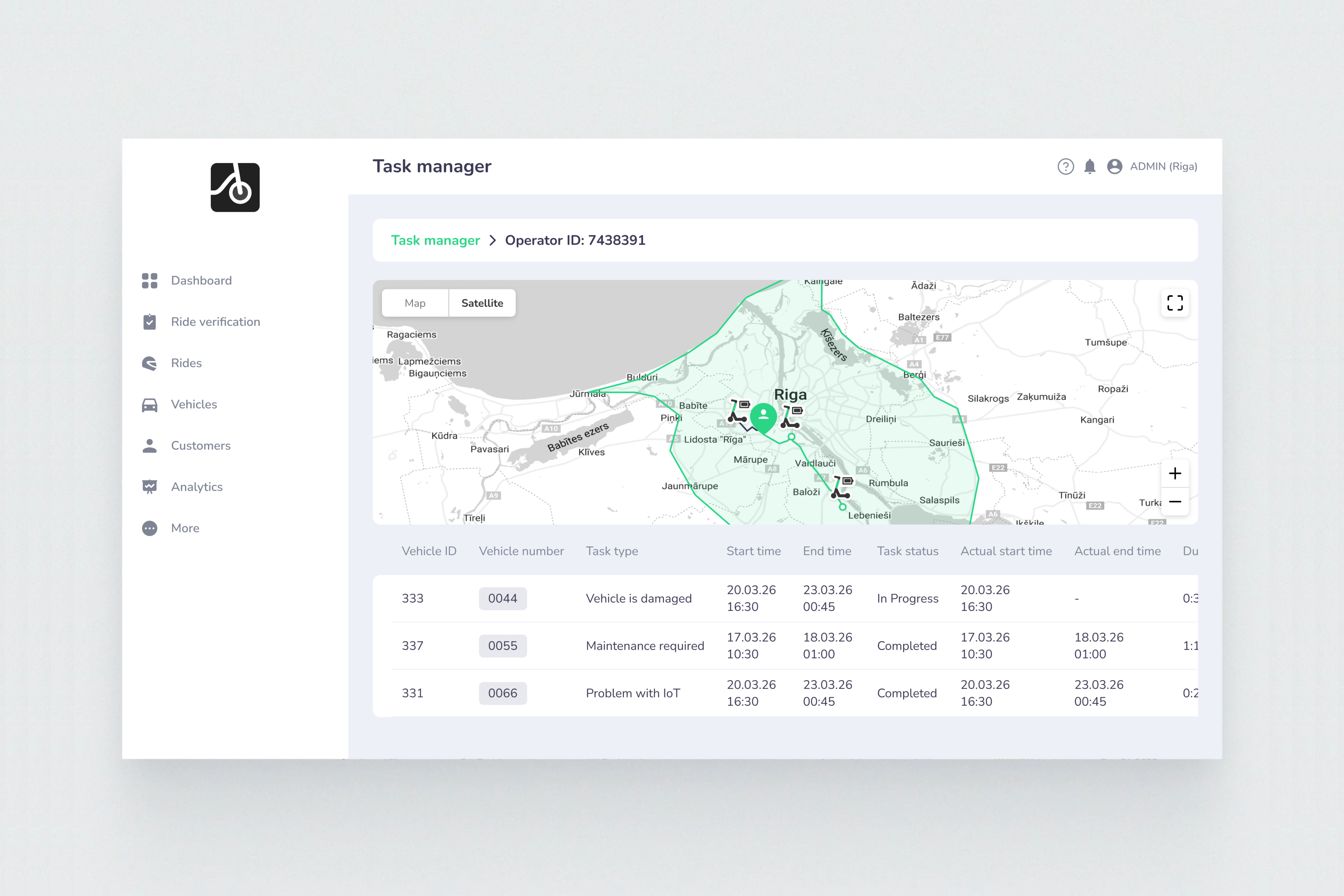
تمنحك علامة التبويب الورديات الجديدة للمديرين نظرة عامة مركزية على جميع ورديات المشغلين، بما في ذلك:
يمكن للمديرين فتح أي وردية فردية للاطلاع على الصورة التشغيلية الكاملة. فلكل مهمة، يمكنك رؤية المركبة، ونوع المهمة، ووقت البدء المخطط له والموعد النهائي، وأوقات البدء والانتهاء الفعلية، والحالة، والمدة الإجمالية للمهمة.
تتضمن كل وردية أيضاً خريطة توضح حركة المشغل الكاملة أثناء الوردية والمواقع التي تم تنفيذ المهام الفردية فيهابالنسبة للنوبات الجارية حالياً، يمكن للمديرين أيضاً الاطلاع على الموقع الحالي للمشغل.
وهذا يسهل كثيراً فهم المسار الفعلي، وحجم العمل، والقرارات المتخذة خلال كل نوبة، بالإضافة إلى تحديد فرص تحسين كيفية إدارة فرق العمل الميدانية لصيانة الأسطول وعملياته.
علامة التبويب الأداء الجديدة تجمع النتائج التشغيلية لكل مشغل خلال فترة زمنية محددة.
يمكن للمديرين تتبع:
بدلاً من مراجعة مئات المهام الفردية، يمكن للمديرين مقارنة المشغلين بسرعة، وتحديد أصحاب الأداء المتميز، ورصد المجالات التي قد تحتاج إلى تدريب إضافي أو تحسينات تشغيلية.
لجعل بيانات الأداء دقيقة ومفيدة، قدمنا أيضاً سير عمل جديد للنوبات والمهام في تطبيق ATOM للمشغلين. يبدأ المشغلون الآن نوبات عملهم وينهونها مباشرة من خلال التطبيق، بينما يتم تسجيل أوقات بدء المهام الفردية وإتمامها تلقائياً.
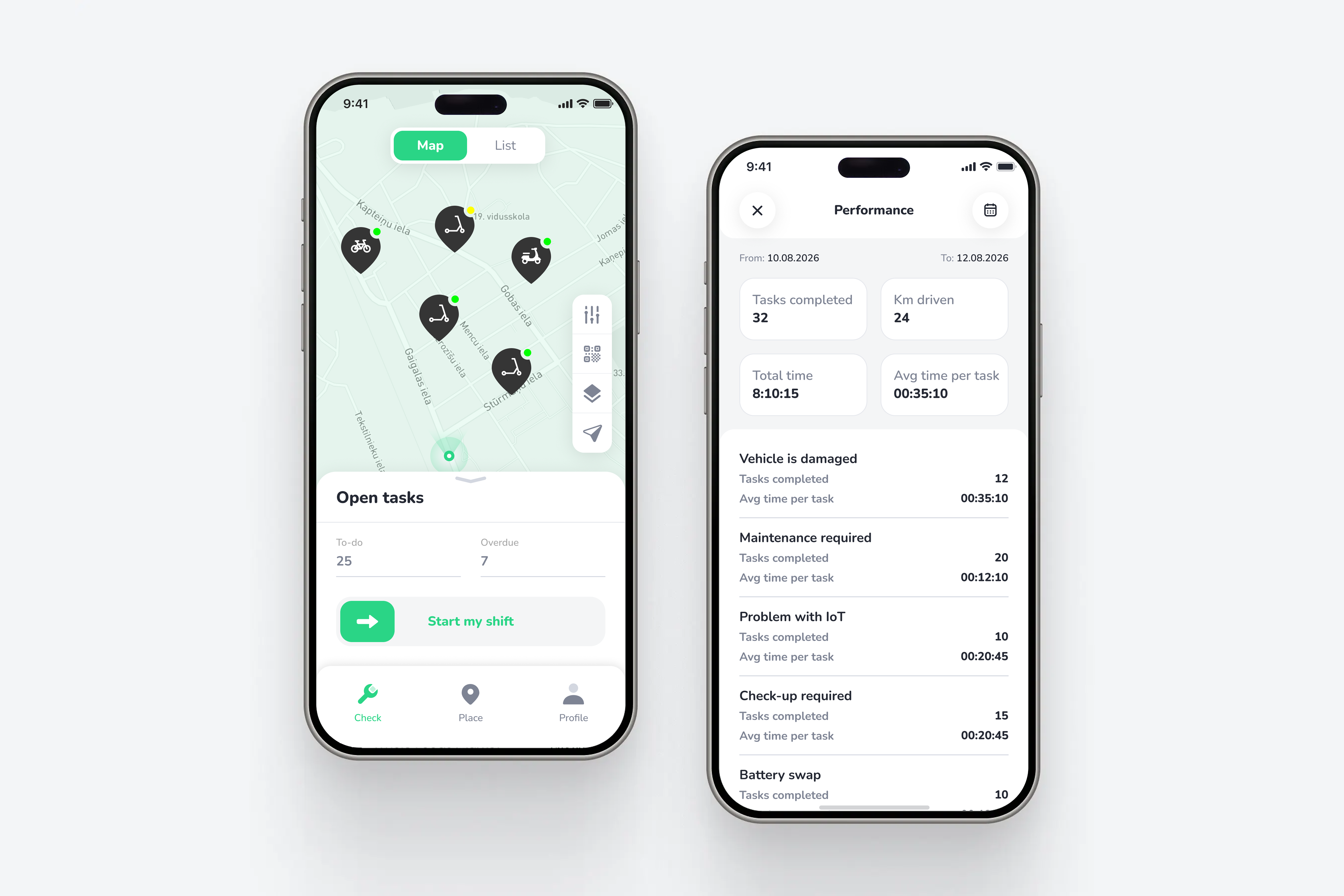
لقد أضفنا أيضاً:
معاً، تحول هذه التحديثات ATOM Task Manager من مجرد أداة لتوزيع المهام إلى نظام أكثر تكاملاً لأداء وتحسين العمليات الميدانية. يحصل المشغلون على سير عمل أوضح ورؤية أفضل لأدائهم الشخصي، بينما يحصل المديرون على البيانات التي يحتاجونها لفهم كيفية سير عملياتهم الميدانية فعلياً وتحديد مجالات تحسين الكفاءة.
الوظائف الجديدة متاحة لوحدات مشاركة المركبات و التأجير الرقمي في ATOM Mobility.
👉 اقرأ المزيد عن آخر تحديثات منصتنا:
https://www.atommobility.com/atomupdates
استخدم بيانات اعتماد الاختبار لتسجيل الدخول - رقم الهاتف: +1 123123123، الكود: 777777


بيانات اعتماد الإصدار التجريبي من تطبيق Driver - البريد الإلكتروني: test@atom.com، كلمة المرور: برنامج التشغيل