The hidden costs of running a shared mobility business
June 17, 2026
min. read

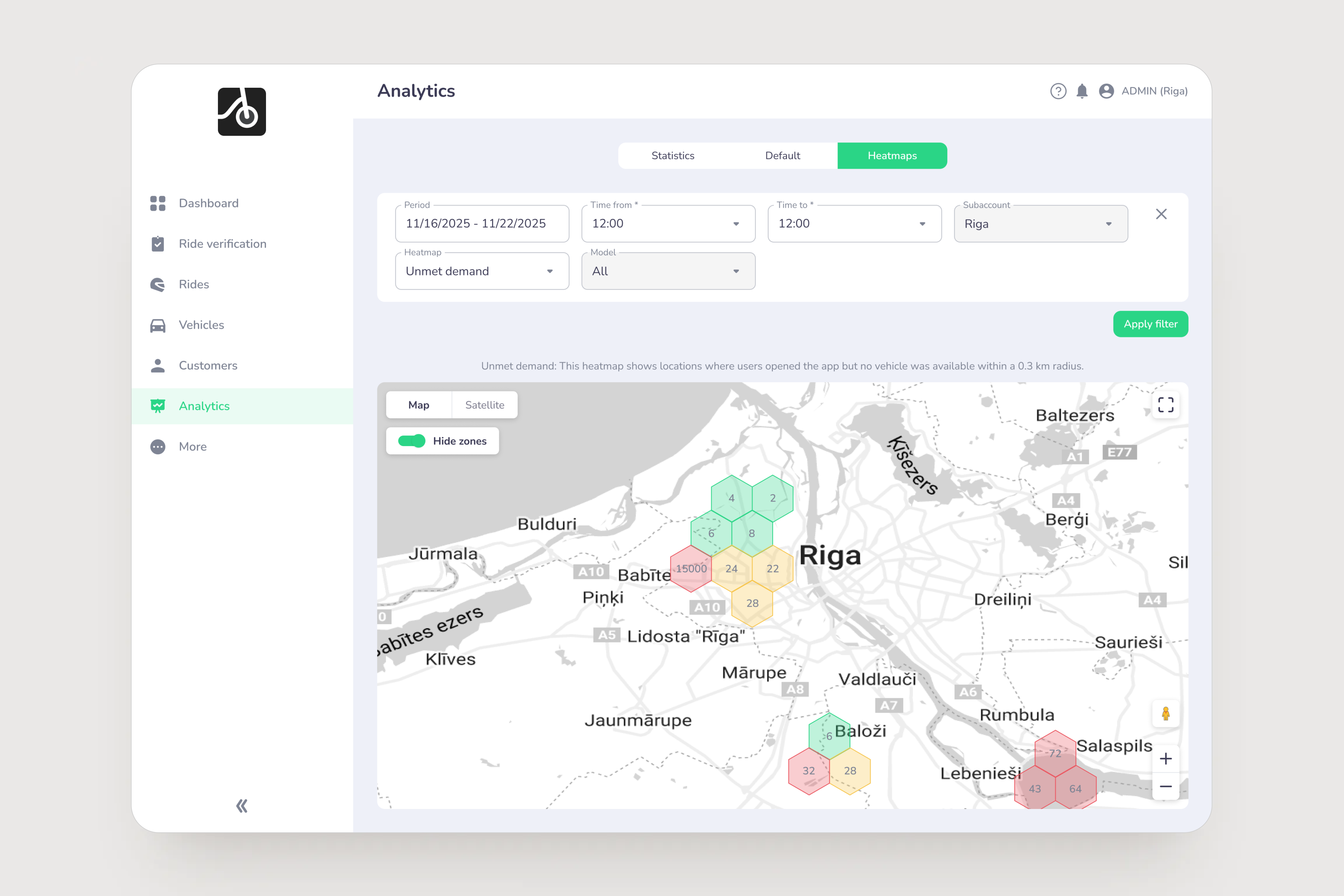
Shared mobility often looks simple from the outside. A user opens an app, unlocks a vehicle, completes a trip, and moves on with their day. But not everybody knows that the system behind every ride is a bit more complex and can be quite expensive. For many operators, the biggest expenses are not always the most obvious ones.
As shared mobility continues to grow across Europe, operators face increasing pressure to improve efficiency while maintaining service quality. According to the latest European Shared Mobility Index, shared mobility services generated more than 700 million trips across Europe in 2025, reflecting continued demand for alternative transportation options. At the same time, profitability remains one of the industry's biggest challenges.
Across more than 300 shared mobility projects worldwide, one pattern appears consistently: operators often underestimate operational costs during launch planning while focusing primarily on fleet acquisition, permits, and launch activities. The largest challenges often emerge later through day-to-day operations, where downtime, fleet balancing, maintenance, customer support, and compliance costs gradually impact profitability.
Every shared vehicle is an asset that only generates revenue when it is available to users. A scooter waiting for repairs, a bike with a flat tire, or a car that has not been inspected after damage generates no revenue at all. For example, a scooter generating an average of two rides per day at €3 per ride produces roughly €2,200 in annual revenue. If recurring maintenance issues keep that vehicle unavailable for two weeks each quarter, the shared mobility operator could lose more than €250 in annual revenue from that vehicle alone. Across hundreds or thousands of vehicles, downtime quickly becomes a significant operational cost.
Yet the costs continue to build up – insurance, depreciation, financing, storage, and operational overhead do not stop simply because a vehicle is unavailable.
This becomes particularly noticeable as fleets grow. A single inactive vehicle may not seem significant but hundreds of inactive vehicles spread across multiple cities quickly become a major financial problem.
That is why many operators invest heavily in fleet visibility and operational tools. Platforms such as ATOM Mobility's vehicle sharing software help operators monitor vehicle status in real time and identify issues before they affect large parts of the fleet.
One of the least visible costs in shared mobility is fleet redistribution. Users naturally travel between different parts of a city. Over time, vehicles begin clustering in some areas while disappearing from others. The result is familiar to most operators – too many vehicles where demand is low and not enough where demand is highest. Solving this problem requires people, vehicles, planning, and technology. Large operators often maintain dedicated teams responsible for things like fleet redistribution, battery swapping, charging operations, station monitoring and demand forecasting.
Academic studies of bike-sharing systems consistently identify balancing and redistribution as some of the biggest operational challenges because they directly affect both utilisation and customer satisfaction. When users cannot find a vehicle nearby, they often choose another transport option instead. It’s even more difficult during big events, tourist seasons, weather changes, and rush hours when demand patterns shift rapidly.
For operators managing electric scooters, bikes, and mopeds, battery charging creates another layer of operational complexity. Vehicles must be collected, charged, swapped, and returned to high-demand locations. Labour, logistics, warehouse space, charging infrastructure, and electricity costs all contribute to the overall cost of fleet operations.
As fleets grow, charging efficiency becomes increasingly important. Poor battery management can increase downtime, reduce vehicle availability, and create unnecessary operational costs. For operators managing thousands of electric vehicles, charging and battery-swapping operations can require dedicated teams, warehouses, charging infrastructure, and specialised software to coordinate daily tasks efficiently.
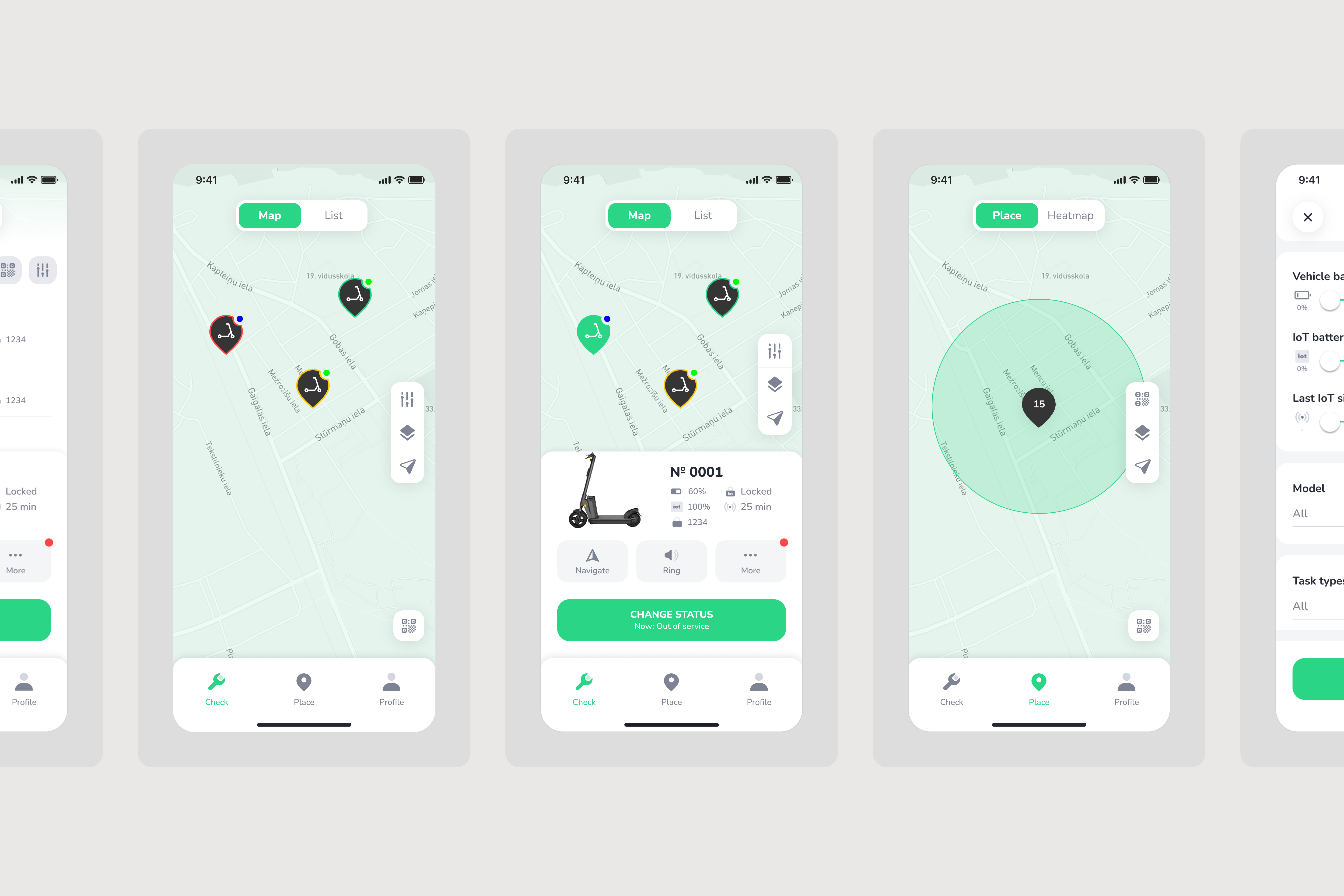
Most vehicle problems start as minor issues but then become a bigger problem. A slightly damaged brake, a worn tire, a loose component, or a battery performing below normal levels may not immediately remove a vehicle from service. Left unresolved, however, these issues often become larger repairs that require more time, more money, and more operational effort.
For this reason, maintenance is no longer viewed as a reactive task by many successful operators. Instead, it is becoming an ongoing operational process supported by automation, diagnostics, and task management systems. So it’s important to identify problems before users do.
Many operators are moving toward more structured maintenance workflows, similar to the approaches discussed in ATOM Mobility's fleet management automation insights.
Customer support is often not thought enough about during launch planning. Founders typically focus on vehicles, apps, and pricing. Few spend enough time calculating the operational cost of helping users when things go wrong.
Support requests usually involve payment issues, failed unlock attempts, damaged vehicles, parking questions, account verification, trip disputes and other day to day problems. A fleet generating 100,000 monthly rides may receive hundreds or even thousands of support requests related to payments, parking violations, damaged vehicles, or account verification.
The cost of poor support is often higher than the cost of support itself because unresolved issues directly affect retention and reviews.
The shared mobility industry has grown significantly. A decade ago, many cities welcomed operators with relatively few requirements. Today, most cities expect detailed reporting, parking compliance, safety measures, accessibility standards, and operational transparency.
Operators increasingly need to invest in:
These requirements create additional costs, but they are quickly becoming part of doing business in the sector. At the same time, cities are becoming more selective about which operators receive permits and long-term partnerships, making operational quality an increasingly important competitive advantage.
Hidden costs rarely appear in business plans or launch announcements. They emerge gradually through downtime, maintenance, balancing, customer support, charging operations, and compliance requirements. Individually, each cost may seem manageable. Together, they often determine whether a mobility business becomes profitable.
Shared mobility businesses often talk about fleet size, market expansion, and trip volume. The operators that build sustainable businesses tend to focus on a different set of metrics, including vehicle utilisation, downtime, maintenance efficiency, and operational automation. Growth still matters, but it becomes expensive quickly when operational control is lacking.
Across the shared mobility industry, operational excellence is increasingly becoming a stronger competitive advantage than fleet size alone.
Many of the hidden costs discussed in this article can be reduced through better operational visibility and automation. Modern mobility management platforms help operators monitor fleet health, detect issues before they lead to downtime, automate maintenance workflows, prioritise field operations, optimise redistribution using real-time demand data, coordinate charging and battery-swapping activities, automate refunds for unsuccessful rides, and generate compliance reports with no manual effort.
At ATOM Mobility, we've seen these challenges across more than 300 shared mobility projects worldwide. While every market is different, operators that invest in operational efficiency early are often better positioned to achieve sustainable growth and profitability.
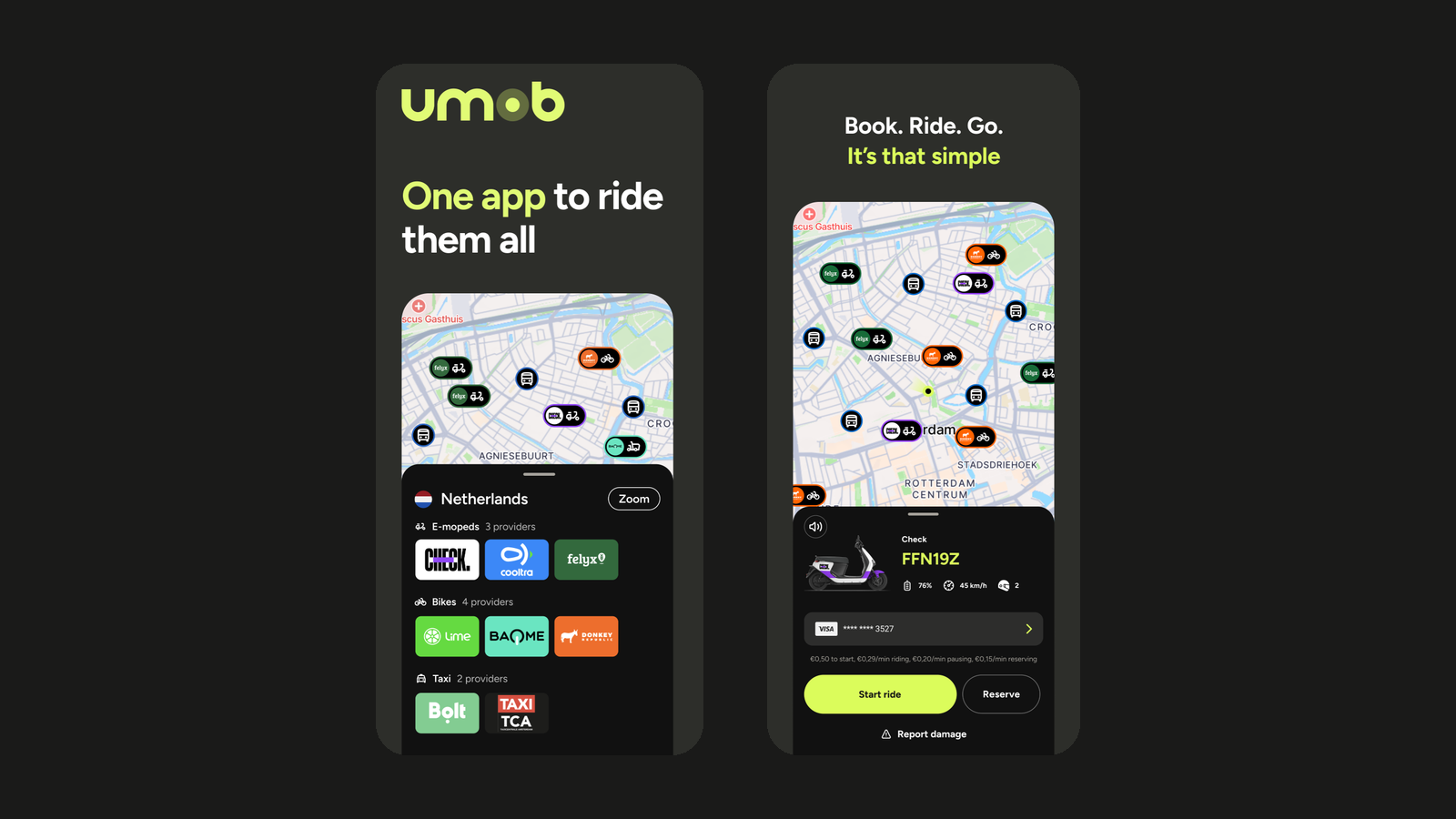
🌍 Reach more riders with ATOM Mobility and Umob. The integration gives shared mobility operators an additional distribution channel, helping attract new customers, generate more bookings and improve fleet utilization.
The future of mobility is not just about operating vehicles. It is about creating convenient journeys that bring different transportation options together in one simple customer experience.
That is why we are excited to highlight our partnership with Umob, helping mobility operators expand their reach and become part of a growing multimodal mobility ecosystem.
Whether you operate shared cars, scooters, bikes or mopeds through the ATOM Mobility platform, integrating with Umob allows your service to become accessible to thousands of Umob users looking for a convenient way to travel.
Today's users expect flexibility. They don't think in terms of individual mobility providers, they simply want the fastest, easiest, and most convenient route from A to B.
Umob brings different mobility providers and transport options together in one app. Users can find, compare, book and pay for different mobility options without having to download a separate app or create a new account for every provider.
By connecting your fleet to Umob, operators can:
For ATOM Mobility customers, the integration is designed to provide a straightforward way to unlock new distribution opportunities while continuing to manage their core operations through the ATOM Mobility platform.
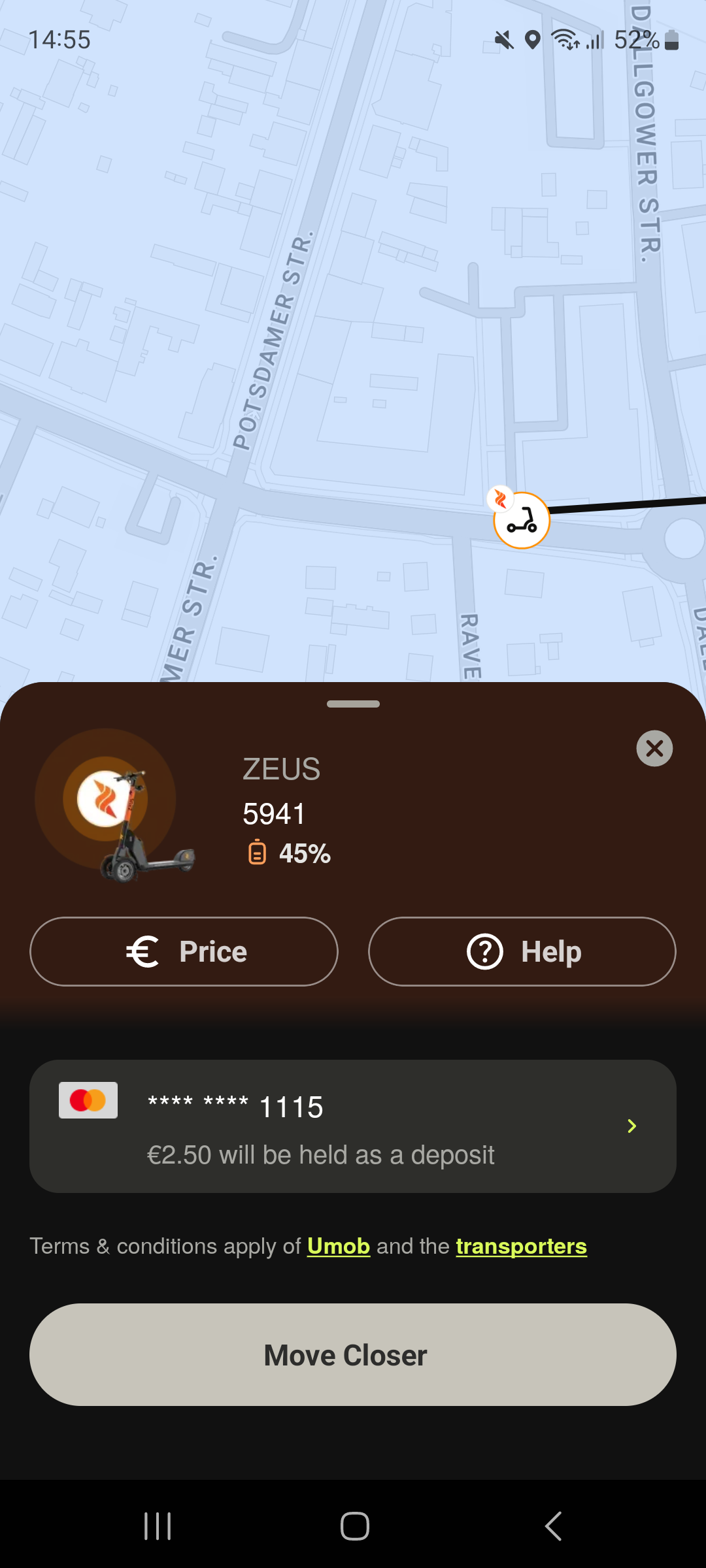
Through the ATOM Mobility platform, participating operators can connect their fleets with Umob, enabling users to discover and use available vehicles directly through the Umob app.
Once connected, vehicles from participating operators can appear in Umob alongside other available mobility options, giving users one clear overview of the different ways they can get from A to B.
Users can discover an available vehicle, reserve and unlock it, start and end their ride, and pay directly through Umob.
The integration is designed to support:
Operators continue to manage their fleet, pricing, service areas and day-to-day operations through the ATOM Mobility platform, while Umob provides an additional channel through which users can discover and access their vehicles.
For mobility operators, connecting with Umob creates an additional distribution channel without changing the way they manage their day-to-day operations through ATOM Mobility.
By making vehicles available to thousands of Umob users, operators can increase their visibility at the moment people are actively looking for a ride. This creates the potential to attract new users, generate additional bookings and improve fleet utilization over time.
Every market is different, but many operators see MaaS partnerships as an important part of their long-term growth strategy.
One of the first ATOM Mobility operators to launch through the Umob integration is ZEUS Mobility, an ambitious European e-scooter sharing provider with a strong focus on innovation, a dynamic approach and challenging the established players in the market.
Fittingly, the partnership itself started through the ATOM Mobility network.
ZEUS and Umob first met at an ATOM Mobility event in Riga. While the initial introduction happened during the event, it was over drinks later that evening that the conversation really started.
ZEUS had already come across the Umob brand on mobility vehicles while travelling and had been impressed by the professional approach the company was taking. That recognition quickly turned into a conversation about how both companies could strengthen their propositions by working together.
From there, the integration moved forward quickly. ZEUS describes the preparation and integration process so far as “clean, professional and smooth.”
For ZEUS, the partnership creates an opportunity to strengthen the visibility of its brand, reach new customers and support its wider European growth ambitions.
Following its acquisition of Superpedestrian in May 2026, ZEUS is looking to accelerate its growth throughout 2026 and 2027, with the Umob partnership forming part of that ambition.
“ZEUS is thrilled to be partnering with Umob in European markets. Following our acquisition of Superpedestrian in May 2026, ZEUS is seeking to rapidly grow through 2026 and 2027. This partnership can help to drive this growth and reach new customers in new markets. We look forward to a rewarding partnership.” - Damian Young, ZEUS Mobility
One app to ride them all. Umob is an all-in-one mobility platform that brings different mobility providers and transport options together in one app.
Users can find, compare, book and pay for shared bikes, e-bikes, scooters, mopeds, public transport, taxis and other available mobility options through one account and one payment experience. Instead of downloading and registering with a separate app for every provider or every new city, users can open Umob and see the available mobility options around them.
Today, Umob is available in 28+ countries and 300+ cities, giving thousands of users an easier way to access different forms of mobility both at home and while travelling.
Key facts
If you're already operating your shared mobility service on the ATOM Mobility platform, connecting with Umob could be the next step toward reaching more users and becoming part of a truly connected mobility ecosystem.
If you're interested in enabling the integration or learning more about how it works, get in touch with our team. We look forward to helping more operators connect, collaborate, and make sustainable mobility easier for everyone.
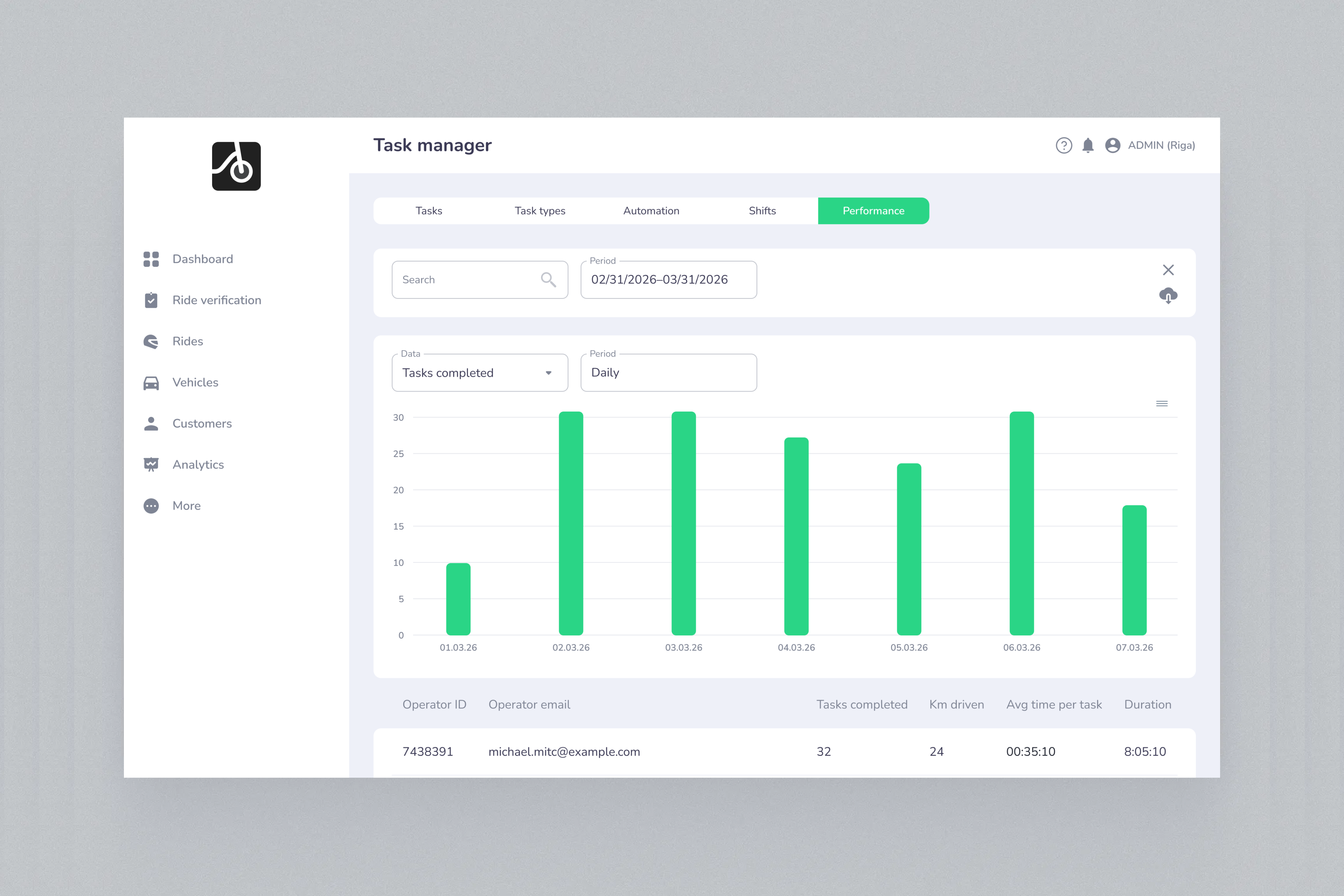
👷📊 ATOM Task Manager now goes beyond task distribution with new Shifts and Operator Performance functionality. Track shift routes, distance, completed tasks, time per task and individual operator performance - giving fleet managers a much clearer picture of field operations and efficiency.
Managing a large shared mobility or rental fleet isn't only about knowing which tasks were completed. It's also about understanding how efficiently field teams are working. We've significantly expanded ATOM Mobility Task Manager with new Shifts and Performance functionality, giving fleet managers much better visibility into operator activity, workload, routes and performance.
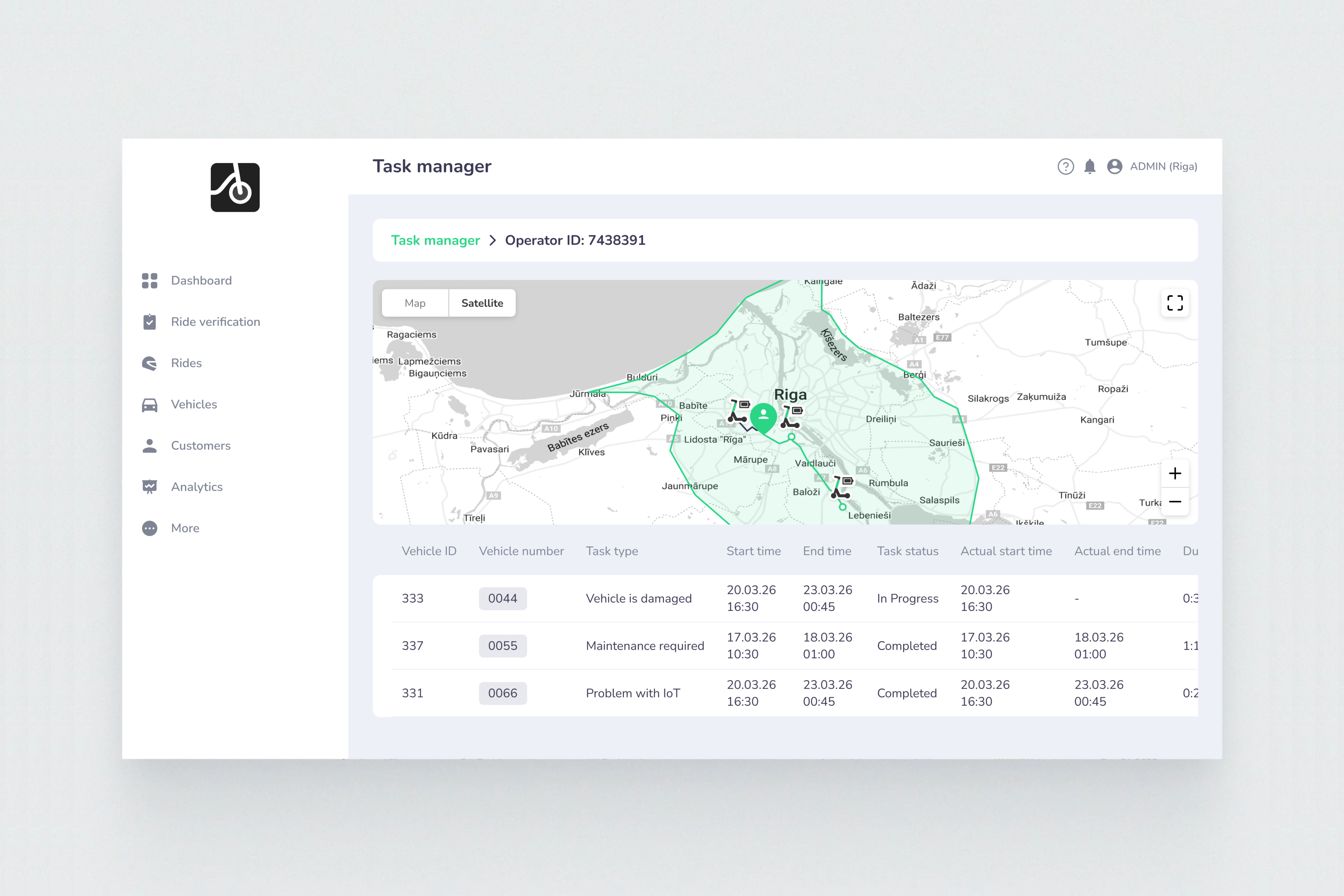
The new Shifts tab gives managers a centralized overview of all operator shifts, including:
Managers can open any individual shift to see the complete operational picture. For every task, you can see the vehicle, task type, planned start and deadline, actual start and completion times, status and total task duration.
Each shift also includes a map showing the operator's complete movement during the shift and where individual tasks were performed. For shifts currently in progress, managers can also see the operator's current location.
This makes it much easier to understand the actual route, workload and decisions behind each shift — and identify opportunities to improve how field teams manage fleet maintenance and operations.
The new Performance tab aggregates operational results for every operator over a selected period.
Managers can track:
Instead of reviewing hundreds of individual tasks, managers can quickly compare operators, identify top performers and spot areas where additional training or operational improvements may be needed.
To make performance data accurate and useful, we've also introduced a new shift and task workflow in the ATOM Operator app. Operators now start and end their shifts directly in the app, while individual task start and completion times are recorded automatically.
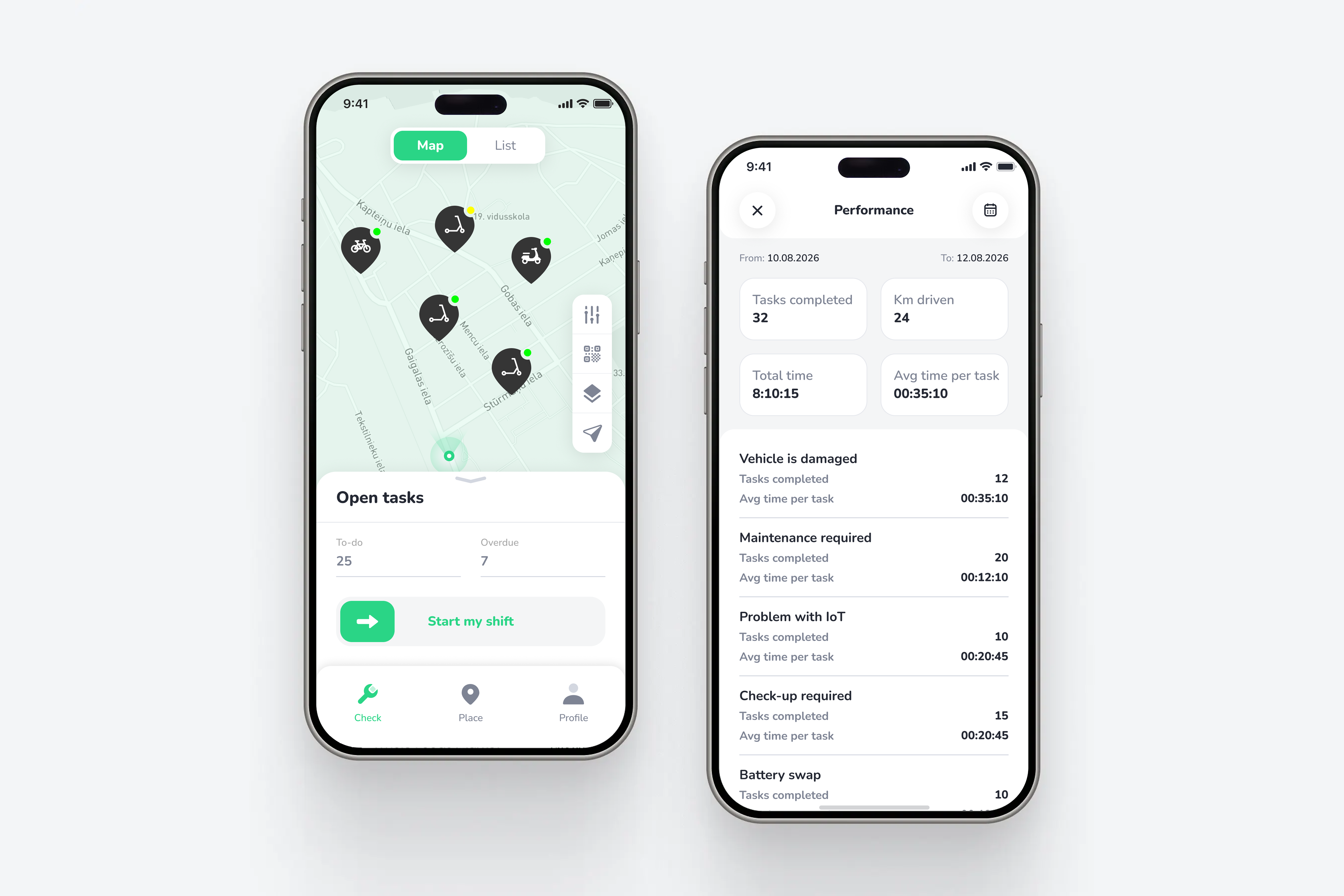
We've also added:
Together, these updates turn ATOM Task Manager from a task distribution tool into a much more complete field operations performance and optimization system. Operators get a clearer workflow and visibility into their own performance, while managers get the data they need to understand how their field operations actually work and where they can become more efficient.
The new functionality is available for ATOM Mobility's Vehicle sharing and Digital rental modules.
👉 Read more about our latest platform updates:
https://www.atommobility.com/atomupdates
Use test credentials to log in - Phone number: +1 123123123, Code: 777777


Driver App demo credentials - Email: test@atom.com, Password: driver