ATOM Mobility ofrece una superaplicación de movilidad todo en uno con su nuevo módulo de alquiler
November 10, 2022
lectura mínima


ATOM Mobility ha ampliado el alcance de sus servicios añadiendo software de alquiler a su plataforma. El nuevo módulo permite a las empresas de alquiler de coches, bicicletas y scooters automatizar y digitalizar sus negocios de alquiler con la plataforma de ATOM Mobility, que incluye la verificación digital de la identidad, el acceso sin llave al vehículo, la reserva con calendario y el pago anticipado, la inspección automática de las entregas y mucho más.
Esto permite de manera efectiva a los clientes de ATOM Mobility crear una superaplicación integral para el mercado de la movilidad bajo demanda, después de que la empresa también agregó software de transporte y taxi a su plataforma a principios de año, lo que ofrece a las empresas solución fácil de usar para administrar sus clientes, conductores y operaciones, todo desde un solo lugar. La plataforma puede facilitar prácticamente cualquier tipo de vehículo, ya sea un scooter, una bicicleta, un coche, un ciclomotor o incluso un carrito de golf, para viajes puntuales y de corta duración bajo demanda, así como para alquileres de un mes y todo lo demás.
Además de ofrecer a los alquileres de vehículos tradicionales una forma sencilla y altamente eficiente de digitalizar sus operaciones y mejorar la experiencia del cliente, la integración de un módulo de alquiler también sirve para abrir nuevas oportunidades comerciales.
Los propietarios de flotas pueden tener todos los diferentes modos en una sola aplicación, para ofrecer a turistas y lugareños los tipos de vehículos y servicios que necesitan en cada momento, por ejemplo, una moto para un viaje corto en un día soleado, un taxi en un día lluvioso y un coche de alquiler para una escapada de fin de semana. Los proveedores de servicios de movilidad pueden combinar los distintos módulos para adaptarlos a sus ofertas. Por ejemplo, los nuevos participantes en el mercado pueden empezar con un modelo operativo y diversificar sus servicios a medida que crecen añadiendo otros módulos a su aplicación actual.
El modelo de negocio de alquiler no requiere necesariamente agregar vehículos nuevos, sino que tiene el potencial de maximizar los ingresos de los servicios existentes. Por ejemplo, las empresas de alquiler de bicicletas pueden beneficiarse de la adición de opciones de alquiler junto con su modelo flotante y bajo demanda, al destinar parte de su flota a fines de alquiler. Por ejemplo, según la ubicación, una bicicleta eléctrica puede costar entre 15 y 25 euros si se alquila durante un día completo, en comparación con una media de 3 euros por viaje bajo demanda, con uno a cinco usos al día. En consecuencia, el modelo de alquiler puede resultar más rentable para el operador y más cómodo para el usuario, ya que se queda con la bicicleta durante todo el día.
Otro de los principales benefactores del nuevo módulo de alquiler son las empresas tradicionales de alquiler de vehículos. Por un lado, pueden digitalizar sus operaciones y ofrecer a sus clientes una fantástica experiencia de autoservicio totalmente digital, lo que facilita la recogida y devolución de los vehículos. La digitalización de los servicios también permite a las empresas de alquiler de vehículos abrir sucursales remotas automatizadas al asociarse con hoteles, propietarios de aparcamientos, gasolineras, etc. Esto puede aportar una mayor comodidad a sus operaciones, ya que los clientes no tienen que recorrer la mitad de la ciudad solo para recoger su vehículo.
Al igual que con los productos anteriores, el módulo de alquiler es totalmente de marca blanca, lo que permite personalizar la aplicación con el diseño y los colores de su marca. Todo ello sin dejar de ofrecer a sus clientes una experiencia de alquiler cómoda y fluida desde la aplicación.
Con el módulo de alquiler de ATOM Mobility, los operadores también tendrán acceso a un potente panel de control para gestionar sus flotas, reservas y clientes. En él, puede:
La plataforma todo en uno de ATOM Mobility es la primera de su tipo y ofrece a los operadores la oportunidad de brindar un excelente servicio de movilidad a su comunidad local y a los turistas visitantes. Al escuchar a sus clientes y mantenerse unos pasos por delante del mercado, ATOM pudo crear una SuperApp completa y con todo incluido. En consecuencia, todos los componentes se integran a la perfección, lo que garantiza una experiencia fluida, sin contratiempos y fácil de usar tanto para los operadores como para sus clientes.
Obtenga más información sobre las diferentes soluciones y módulos:
Módulo de vehículos compartidos (bajo demanda, en su mayoría viajes cortos): https://atommobility.com/products-share
Módulo de alquiler (reserva previa, principalmente alquileres semanales y mensuales): https://atommobility.com/products-rent
Módulo de transporte y taxi: https://ride.atommobility.com
Permítanos mostrarle cómo funciona todo: dirígete aquí para solicitar una demostración y nos pondremos en contacto con usted lo antes posible.
Haga clic a continuación para obtener más información o solicitar una demostración.

The micromobility industry doesn’t need another generic mobility conference. 🚫🎤 It needs real conversations between operators who are actually in the field. ⚙️ That’s exactly what ATOM Connect 2026 is built for. 🎯🤝
The shared mobility industry is evolving rapidly. Operators are navigating scaling challenges, regulatory complexity, hardware decisions, fleet optimization, and new integration models, all while aiming for sustainable growth.
That’s exactly why ATOM Mobility is organizing ATOM Connect 2026.
Our previous edition of ATOM Connect brought together professionals from the car sharing and rental industry for focused, high-quality discussions and networking. This year, we are narrowing the focus and dedicating the entire event to one fast-moving segment of the industry: shared micromobility.
ATOM Connect 2026 is designed specifically for operators, partners, and decision-makers working in shared micromobility. It is not a broad mobility conference or a public exhibition. It is a curated space for industry professionals to exchange practical experience, insights, and lessons learned.
On May 14th, 2026 in Riga, we will once again bring the community together, this time with a clear focus on micromobility.
This year’s agenda will address the real operational and strategic questions shaping shared micromobility today:
As usual, we aim to host both local and international operators from smaller, fast-growing fleets to established large-scale players alongside hardware providers and ecosystem partners.
On stage, you’ll hear from leading shared mobility companies - including Segway on hardware partnerships, Umob on MaaS integration, Anadue on data-driven fleet intelligence, Elerent on multi-vehicle operational realities and more insightful discussions.
The goal is simple: meaningful discussions with people who understand the operational realities of the industry.
ATOM Connect is free to attend, but participation is industry-focused (each submission is manually reviewed and verified). We are intentionally keeping the audience relevant and aligned to ensure high-quality conversations and valuable networking.
If you work in shared micromobility and would like to join the event, you can find the full agenda and register here:
👉 https://www.atommobility.com/atom-connect-2026
In the coming weeks, we will be revealing more speakers and additional agenda updates. We look forward to bringing the industry together again.
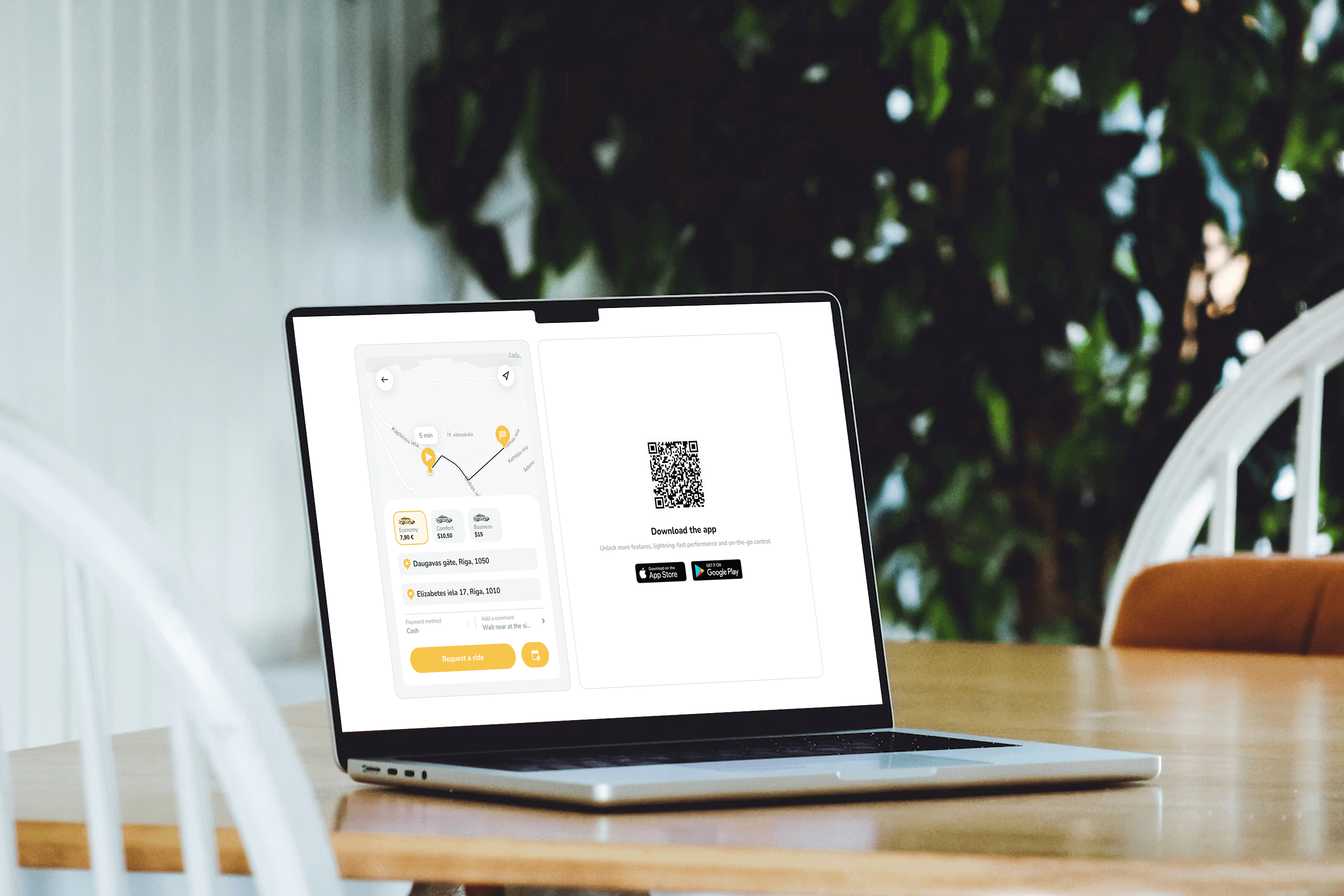
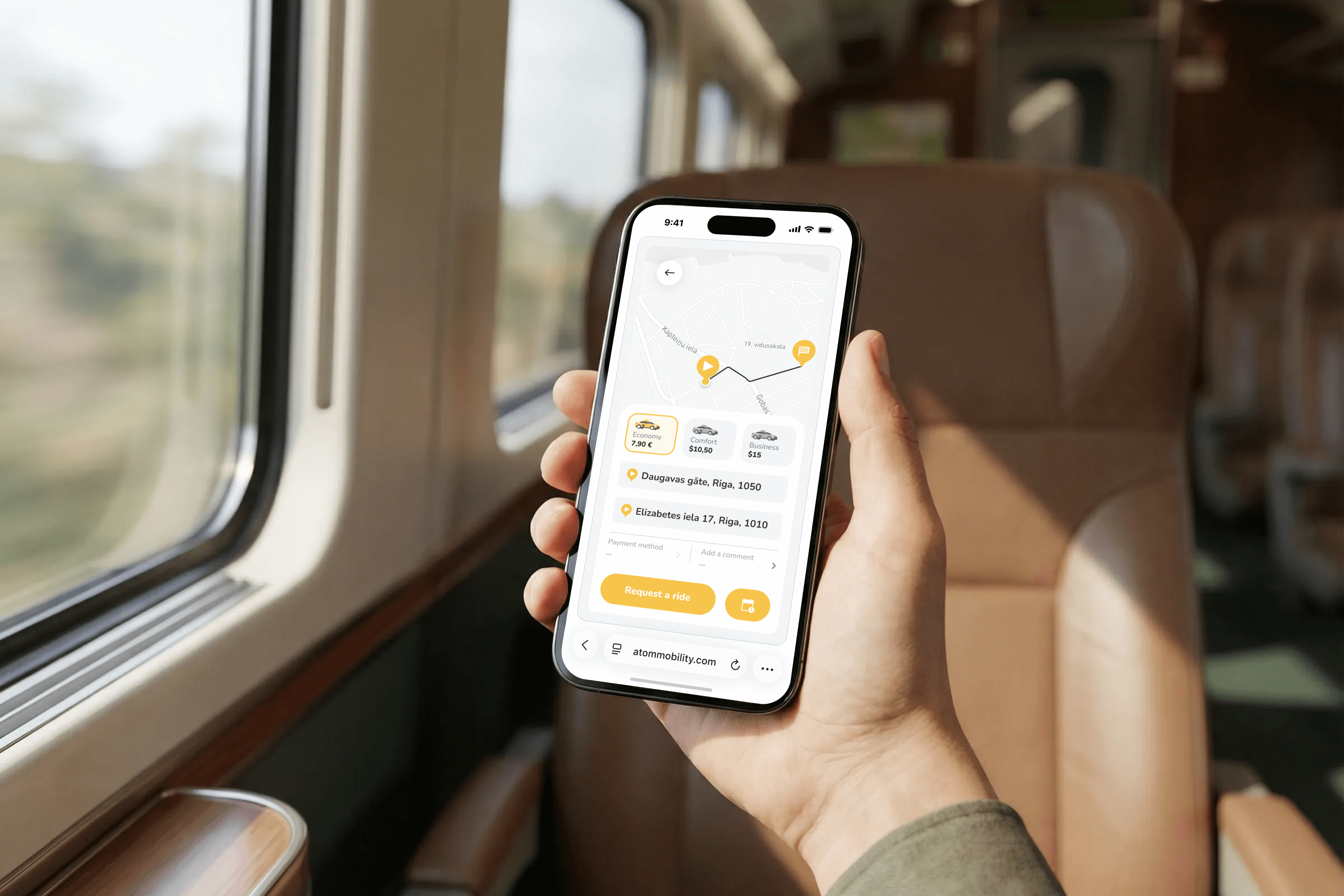
🚕 Web-booker is a lightweight ride-hail widget that lets users book rides directly from a website or mobile browser - no app install required. It reduces booking friction, supports hotel and partner demand, and keeps every ride fully synced with the taxi operator’s app and dashboard.
What if ordering a taxi was as easy as booking a room or clicking “Reserve table” on a website?
Meet Web-booker - a lightweight ride-hail booking widget that lets users request a cab directly from a website, without installing or opening the mobile app.
Perfect for hotels, business centers, event venues, airports, and corporate partners.
👉 Live demo: https://app.atommobility.com/taxi-widget
Web-booker is a browser-based ride-hail widget that operators can embed or link to from any website.
The booking happens on the web, but the ride is fully synchronized with the mobile app and operator dashboard.
No redirects. No app-store friction. No lost users.
This keeps fraud low while preserving conversion.
Web-booker addresses one of the most common friction points in ride-hailing: users who need a ride now but are not willing to download an app first. By allowing bookings directly from a website, operators can capture high-intent demand at the exact moment it occurs - whether that is on a hotel website, an event page, or a partner landing page.
At the same time, Web-booker makes partnerships with hotels and venues significantly easier. Instead of complex integrations or manual ordering flows, partners can simply place a button or link and immediately enable ride ordering for their guests. Importantly, this approach does not block long-term app growth. The booking flow still promotes the mobile app through QR codes and store links, allowing operators to convert web users into app users over time - without forcing the install upfront.
Web-booker is not designed to replace the mobile app. It extends the acquisition funnel by adding a low-friction entry point, while keeping all bookings fully synchronized with the operator’s app and dashboard.
👉 Try the demo
https://app.atommobility.com/taxi-widget
Want to explore a ride-hail or taxi solution for your business - or migrate to a more flexible platform? Visit: https://www.atommobility.com/products/ride-hailing
Credenciales de demostración de Driver App - Correo electrónico: test@atom.com, contraseña: conductor

