ATOM Mobility offre una super app di mobilità all-in-one con il suo nuovissimo modulo di noleggio
November 10, 2022
lettura minima


ATOM Mobility ha ampliato l'ambito dei suoi servizi aggiungendo software a noleggio alla sua piattaforma. Il nuovo modulo consente alle società di noleggio di auto, bici e scooter di automatizzare e digitalizzare la propria attività di noleggio con la piattaforma di ATOM Mobility, che offre verifica digitale dell'identità, accesso senza chiave ai veicoli, prenotazione e pagamento anticipato tramite calendario, ispezione automatica e molto altro.
Ciò consente efficacemente ai clienti di ATOM Mobility di creare una Superapp all-in-one per il mercato della mobilità su richiesta, anche dopo l'azienda ha aggiunto il software di ride-hailing/taxi alla sua piattaforma all'inizio dell'anno che offre alle aziende soluzione facile da usare per gestire clienti, autisti e operazioni, tutto da un unico posto. La piattaforma può agevolare praticamente qualsiasi veicolo, che si tratti di scooter, bici, auto, ciclomotori o persino golf cart, per viaggi singoli e su richiesta a breve termine, nonché per noleggi di un mese e tutto il resto.
Oltre a offrire ai tradizionali noleggi di veicoli un modo semplice e altamente efficiente per digitalizzare le proprie operazioni e migliorare l'esperienza del cliente, l'integrazione di un modulo di noleggio serve anche a sbloccare nuove opportunità di business.
I proprietari di flotte possono avere tutte le diverse modalità in un'unica app, offrendo a turisti e residenti i tipi di veicoli e servizi di cui hanno bisogno in un dato momento, ad esempio uno scooter per un breve viaggio in una giornata di sole, un taxi in caso di pioggia e un'auto a noleggio per un weekend. I fornitori di servizi di mobilità possono combinare e abbinare i vari moduli per adattarli alle loro offerte. Ad esempio, i nuovi operatori del mercato possono iniziare con un modello operativo e diversificare i propri servizi man mano che crescono aggiungendo altri moduli all'app esistente.
Il modello di business del noleggio non richiede necessariamente l'aggiunta di nuovi veicoli: ha il potenziale per massimizzare le entrate derivanti dai servizi esistenti. Ad esempio, i noleggiatori di biciclette possono trarre vantaggio dall'aggiunta di opzioni di noleggio al modello su richiesta e a fluttuazione libera, destinando parte della propria flotta a scopi di noleggio. Ad esempio, a seconda della località, una bici elettrica può costare 15-25 EUR se noleggiata per un giorno intero, rispetto a una media di 3 EUR per corsa su richiesta, con un utilizzo da uno a cinque volte al giorno. Di conseguenza, il modello di noleggio può essere più redditizio per l'operatore, oltre che più conveniente per l'utente, che riceve la bici per l'intera giornata.
Un altro principale benefattore del nuovo modulo di noleggio sono le società di autonoleggio tradizionali. Ad esempio, possono digitalizzare le loro operazioni e offrire una fantastica esperienza self-service completamente digitale ai propri clienti, facilitando il ritiro e la riconsegna dei veicoli. La digitalizzazione dei servizi consente inoltre agli autonoleggi di aprire filiali automatizzate remote collaborando con hotel, proprietari di parcheggi, distributori di benzina, ecc. Ciò può conferire maggiore comodità alle vostre operazioni, in quanto i clienti non devono attraversare metà città solo per ritirare il veicolo.
Come per i prodotti precedenti, il modulo di noleggio è completamente white label, consentendo di personalizzare l'app con il design e i colori del marchio. Il tutto offrendo un'esperienza di noleggio in-app fluida e conveniente per i tuoi clienti.
Con il modulo di noleggio di ATOM Mobility, gli operatori avranno anche accesso a una potente dashboard per la gestione delle loro flotte, prenotazioni e clienti. In esso, puoi:
La piattaforma all-in-one di ATOM Mobility è la prima del suo genere e offre agli operatori l'opportunità di fornire un eccellente servizio di mobilità alla comunità locale e ai turisti in visita. Ascoltando i propri clienti e rimanendo qualche passo avanti rispetto al mercato, ATOM è stata in grado di creare una SuperApp completa e completa. Di conseguenza, tutti i componenti si integrano perfettamente garantendo un'esperienza fluida, senza intoppi e facile da usare sia per gli operatori che per i loro clienti.
Scopri di più sulle diverse soluzioni e moduli:
Modulo di condivisione dei veicoli (su richiesta, per lo più viaggi brevi): https://atommobility.com/products-share
Modulo di noleggio (prenotazione anticipata, per lo più affitti settimanali e mensili): https://atommobility.com/products-rent
Modulo Ride-Hailing/taxi: https://ride.atommobility.com
Lascia che ti mostriamo come funziona il tutto — vai qui per richiedere una demo e ti risponderemo il prima possibile.
Fai clic qui sotto per saperne di più o richiedere una demo.

The micromobility industry doesn’t need another generic mobility conference. 🚫🎤 It needs real conversations between operators who are actually in the field. ⚙️ That’s exactly what ATOM Connect 2026 is built for. 🎯🤝
The shared mobility industry is evolving rapidly. Operators are navigating scaling challenges, regulatory complexity, hardware decisions, fleet optimization, and new integration models, all while aiming for sustainable growth.
That’s exactly why ATOM Mobility is organizing ATOM Connect 2026.
Our previous edition of ATOM Connect brought together professionals from the car sharing and rental industry for focused, high-quality discussions and networking. This year, we are narrowing the focus and dedicating the entire event to one fast-moving segment of the industry: shared micromobility.
ATOM Connect 2026 is designed specifically for operators, partners, and decision-makers working in shared micromobility. It is not a broad mobility conference or a public exhibition. It is a curated space for industry professionals to exchange practical experience, insights, and lessons learned.
On May 14th, 2026 in Riga, we will once again bring the community together, this time with a clear focus on micromobility.
This year’s agenda will address the real operational and strategic questions shaping shared micromobility today:
As usual, we aim to host both local and international operators from smaller, fast-growing fleets to established large-scale players alongside hardware providers and ecosystem partners.
On stage, you’ll hear from leading shared mobility companies - including Segway on hardware partnerships, Umob on MaaS integration, Anadue on data-driven fleet intelligence, Elerent on multi-vehicle operational realities and more insightful discussions.
The goal is simple: meaningful discussions with people who understand the operational realities of the industry.
ATOM Connect is free to attend, but participation is industry-focused (each submission is manually reviewed and verified). We are intentionally keeping the audience relevant and aligned to ensure high-quality conversations and valuable networking.
If you work in shared micromobility and would like to join the event, you can find the full agenda and register here:
👉 https://www.atommobility.com/atom-connect-2026
In the coming weeks, we will be revealing more speakers and additional agenda updates. We look forward to bringing the industry together again.
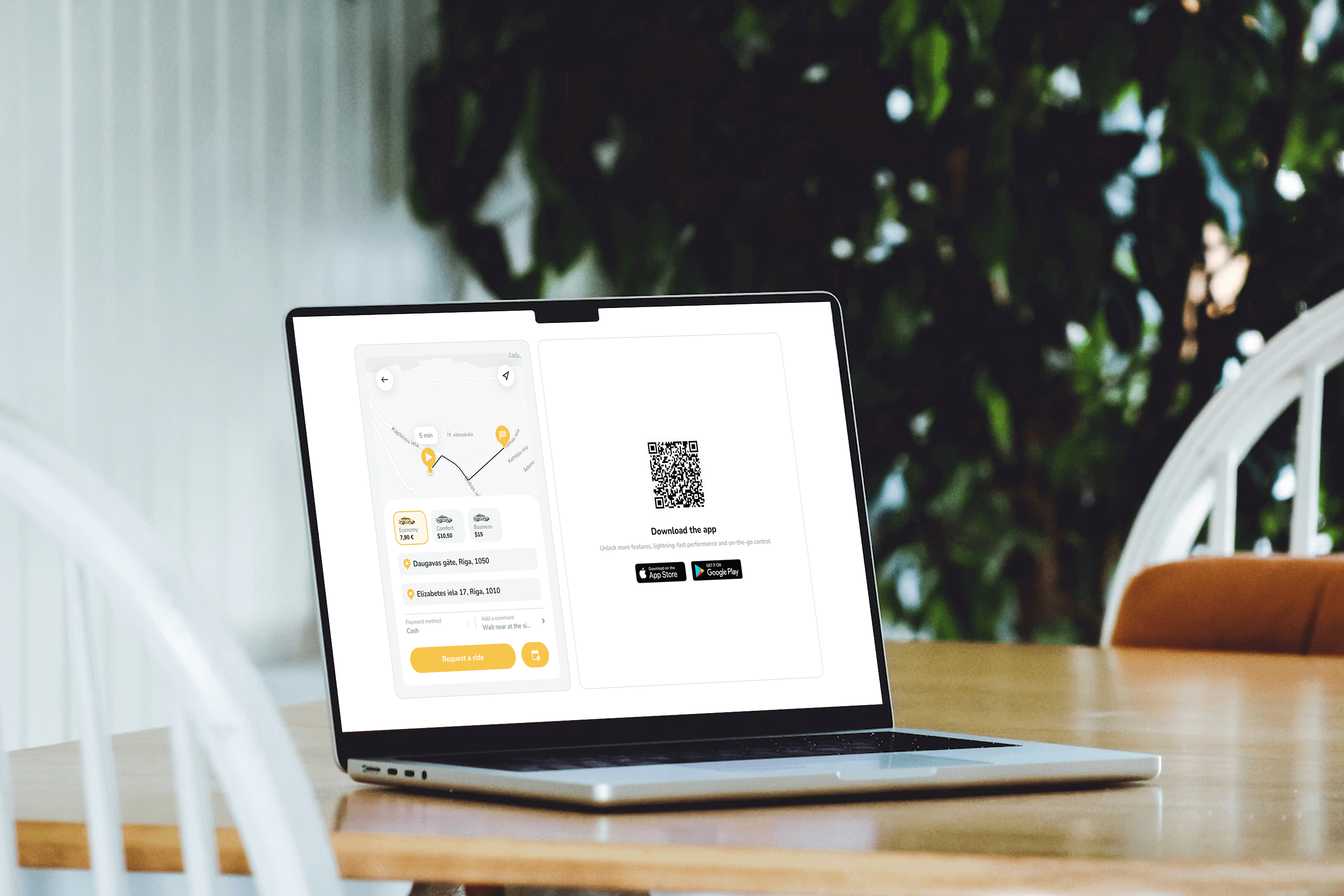
🚕 Web-booker is a lightweight ride-hail widget that lets users book rides directly from a website or mobile browser - no app install required. It reduces booking friction, supports hotel and partner demand, and keeps every ride fully synced with the taxi operator’s app and dashboard.
What if ordering a taxi was as easy as booking a room or clicking “Reserve table” on a website?
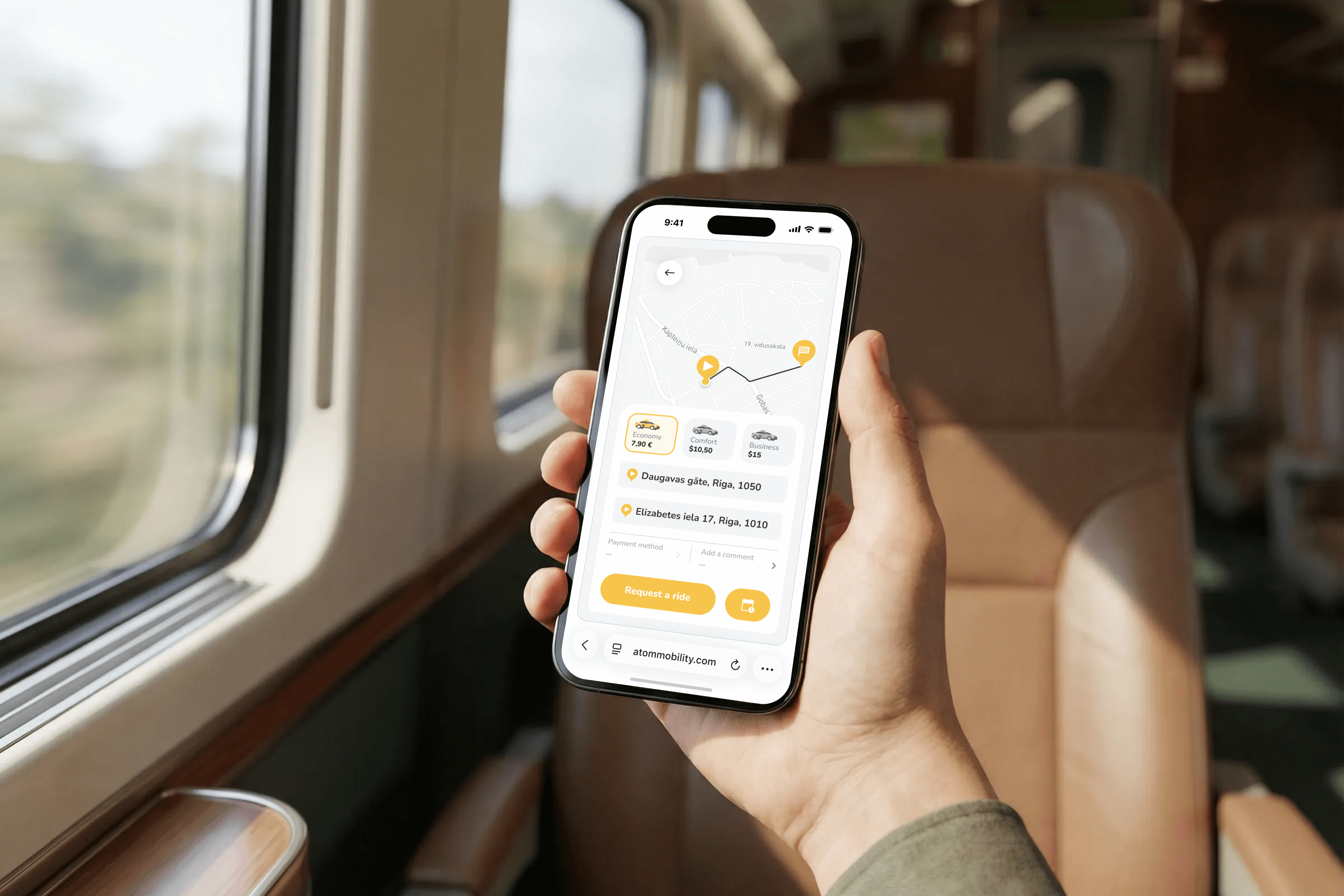
Meet Web-booker - a lightweight ride-hail booking widget that lets users request a cab directly from a website, without installing or opening the mobile app.
Perfect for hotels, business centers, event venues, airports, and corporate partners.
👉 Live demo: https://app.atommobility.com/taxi-widget
Web-booker is a browser-based ride-hail widget that operators can embed or link to from any website.
The booking happens on the web, but the ride is fully synchronized with the mobile app and operator dashboard.
No redirects. No app-store friction. No lost users.
This keeps fraud low while preserving conversion.
Web-booker addresses one of the most common friction points in ride-hailing: users who need a ride now but are not willing to download an app first. By allowing bookings directly from a website, operators can capture high-intent demand at the exact moment it occurs - whether that is on a hotel website, an event page, or a partner landing page.
At the same time, Web-booker makes partnerships with hotels and venues significantly easier. Instead of complex integrations or manual ordering flows, partners can simply place a button or link and immediately enable ride ordering for their guests. Importantly, this approach does not block long-term app growth. The booking flow still promotes the mobile app through QR codes and store links, allowing operators to convert web users into app users over time - without forcing the install upfront.
Web-booker is not designed to replace the mobile app. It extends the acquisition funnel by adding a low-friction entry point, while keeping all bookings fully synchronized with the operator’s app and dashboard.
👉 Try the demo
https://app.atommobility.com/taxi-widget
Want to explore a ride-hail or taxi solution for your business - or migrate to a more flexible platform? Visit: https://www.atommobility.com/products/ride-hailing
Credenziali demo dell'app Driver - Email: test@atom.com, Password: autista

