A ATOM Mobility oferece um superaplicativo de mobilidade tudo-em-um com seu novo módulo de aluguel
November 10, 2022
leitura mínima


A ATOM Mobility ampliou o escopo de seus serviços adicionando software de aluguel para sua plataforma. O novo módulo permite que as locadoras de carros, bicicletas e scooters automatizem e digitalizem seus negócios de aluguel com a plataforma da ATOM Mobility, que oferece verificação digital de identidade, acesso a veículos sem chave, reserva e pré-pagamento de calendário, inspeção automática de entrega e muito mais.
Isso permite efetivamente que os clientes da ATOM Mobility criem um Superapp tudo-em-um para o mercado de mobilidade sob demanda, depois da empresa também adicionou software de carona/táxi à sua plataforma no início do ano, o que dá às empresas solução fácil de usar para gerenciar seus clientes, motoristas e operações, tudo em um só lugar. A plataforma pode facilitar praticamente qualquer veículo, seja scooter, bicicleta, carro, ciclomotor ou até mesmo carrinho de golfe, para viagens pontuais e de curto prazo sob demanda, bem como para aluguéis de um mês e tudo mais.
Além de oferecer ao aluguel de veículos tradicionais uma maneira simples e altamente eficiente de digitalizar suas operações e melhorar a experiência do cliente, a integração de um módulo de aluguel também serve para desbloquear novas oportunidades de negócios.
Os proprietários de frotas podem ter todos os modos diferentes em um aplicativo, atendendo turistas e moradores locais com os tipos de veículos e serviços necessários a qualquer momento, por exemplo, uma scooter para uma viagem curta em um dia ensolarado, um táxi em um dia chuvoso e um carro alugado para uma escapada de fim de semana. Os provedores de serviços de mobilidade podem combinar os vários módulos de acordo com suas ofertas. Por exemplo, novos participantes do mercado podem começar com um modelo operacional e diversificar seus serviços à medida que crescem adicionando outros módulos ao aplicativo existente.
O modelo de negócios de aluguel não exige necessariamente a adição de novos veículos — ele tem o potencial de maximizar a receita dos serviços existentes. Por exemplo, o aluguel de bicicletas pode se beneficiar da adição de opções de aluguel ao modelo sob demanda e flutuante, alocando parte de sua frota para fins de aluguel. Para ilustrar, dependendo da localização, uma bicicleta elétrica pode render de 15 a 25 euros quando alugada por um dia inteiro, em comparação com uma média de 3 euros por viagem sob demanda, com um a cinco usos por dia. Assim, o modelo de aluguel pode ser mais lucrativo para o operador, além de mais conveniente para o usuário, pois ele recebe a bicicleta por um dia inteiro.
Outro grande benfeitor do novo módulo de aluguel são as locadoras de veículos tradicionais. Por um lado, eles podem digitalizar suas operações e oferecer uma experiência de autoatendimento fantástica e totalmente digital para seus clientes, facilitando a retirada e entrega de veículos. A digitalização do serviço também permite que o aluguel de carros abra filiais automatizadas remotas por meio de parcerias com hotéis, proprietários de estacionamentos, postos de gasolina etc. Isso pode proporcionar maior comodidade às suas operações, pois os clientes não precisam viajar até a metade da cidade apenas para pegar o veículo.
Como nos produtos anteriores, o módulo de aluguel é totalmente branco, permitindo que o aplicativo seja personalizado com o design e as cores da sua marca. Tudo isso ao mesmo tempo em que oferece uma experiência de aluguel no aplicativo tranquila e conveniente para seus clientes.
Com o módulo de aluguel da ATOM Mobility, as operadoras também terão acesso a um painel poderoso para gerenciar suas frotas, reservas e clientes. Nele, você pode:
A plataforma tudo-em-um da ATOM Mobility é a primeira desse tipo, oferecendo às operadoras a oportunidade de fornecer um excelente serviço de mobilidade à comunidade local e aos turistas visitantes. Ao ouvir seus clientes e ficar alguns passos à frente do mercado, a ATOM conseguiu criar um SuperApp abrangente e com tudo incluído. Assim, todos os componentes se integram perfeitamente, garantindo uma experiência suave, sem problemas e fácil de usar para os operadores e seus clientes.
Saiba mais sobre diferentes soluções e módulos:
Módulo de compartilhamento de veículos (sob demanda, principalmente viagens curtas): https://atommobility.com/products-share
Módulo de aluguel (pré-reserva, principalmente aluguéis semanais e mensais): https://atommobility.com/products-rent
Módulo de carona ou táxi: https://ride.atommobility.com
Vamos mostrar como tudo funciona — acesse aqui para solicitar uma demonstração e entraremos em contato com você o mais rápido possível.
Clique abaixo para saber mais ou solicitar uma demonstração.

The micromobility industry doesn’t need another generic mobility conference. 🚫🎤 It needs real conversations between operators who are actually in the field. ⚙️ That’s exactly what ATOM Connect 2026 is built for. 🎯🤝
The shared mobility industry is evolving rapidly. Operators are navigating scaling challenges, regulatory complexity, hardware decisions, fleet optimization, and new integration models, all while aiming for sustainable growth.
That’s exactly why ATOM Mobility is organizing ATOM Connect 2026.
Our previous edition of ATOM Connect brought together professionals from the car sharing and rental industry for focused, high-quality discussions and networking. This year, we are narrowing the focus and dedicating the entire event to one fast-moving segment of the industry: shared micromobility.
ATOM Connect 2026 is designed specifically for operators, partners, and decision-makers working in shared micromobility. It is not a broad mobility conference or a public exhibition. It is a curated space for industry professionals to exchange practical experience, insights, and lessons learned.
On May 14th, 2026 in Riga, we will once again bring the community together, this time with a clear focus on micromobility.
This year’s agenda will address the real operational and strategic questions shaping shared micromobility today:
As usual, we aim to host both local and international operators from smaller, fast-growing fleets to established large-scale players alongside hardware providers and ecosystem partners.
On stage, you’ll hear from leading shared mobility companies - including Segway on hardware partnerships, Umob on MaaS integration, Anadue on data-driven fleet intelligence, Elerent on multi-vehicle operational realities and more insightful discussions.
The goal is simple: meaningful discussions with people who understand the operational realities of the industry.
ATOM Connect is free to attend, but participation is industry-focused (each submission is manually reviewed and verified). We are intentionally keeping the audience relevant and aligned to ensure high-quality conversations and valuable networking.
If you work in shared micromobility and would like to join the event, you can find the full agenda and register here:
👉 https://www.atommobility.com/atom-connect-2026
In the coming weeks, we will be revealing more speakers and additional agenda updates. We look forward to bringing the industry together again.
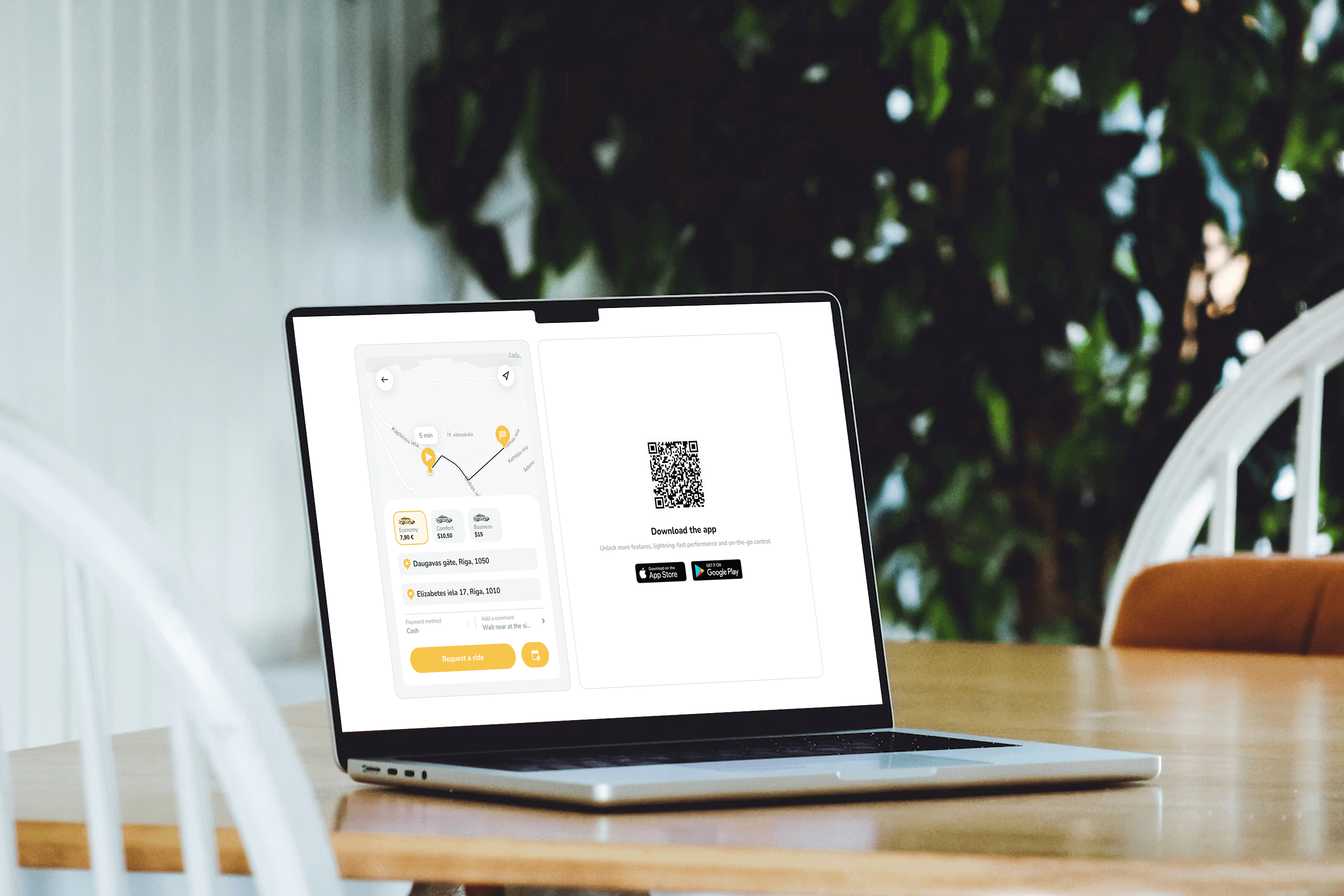
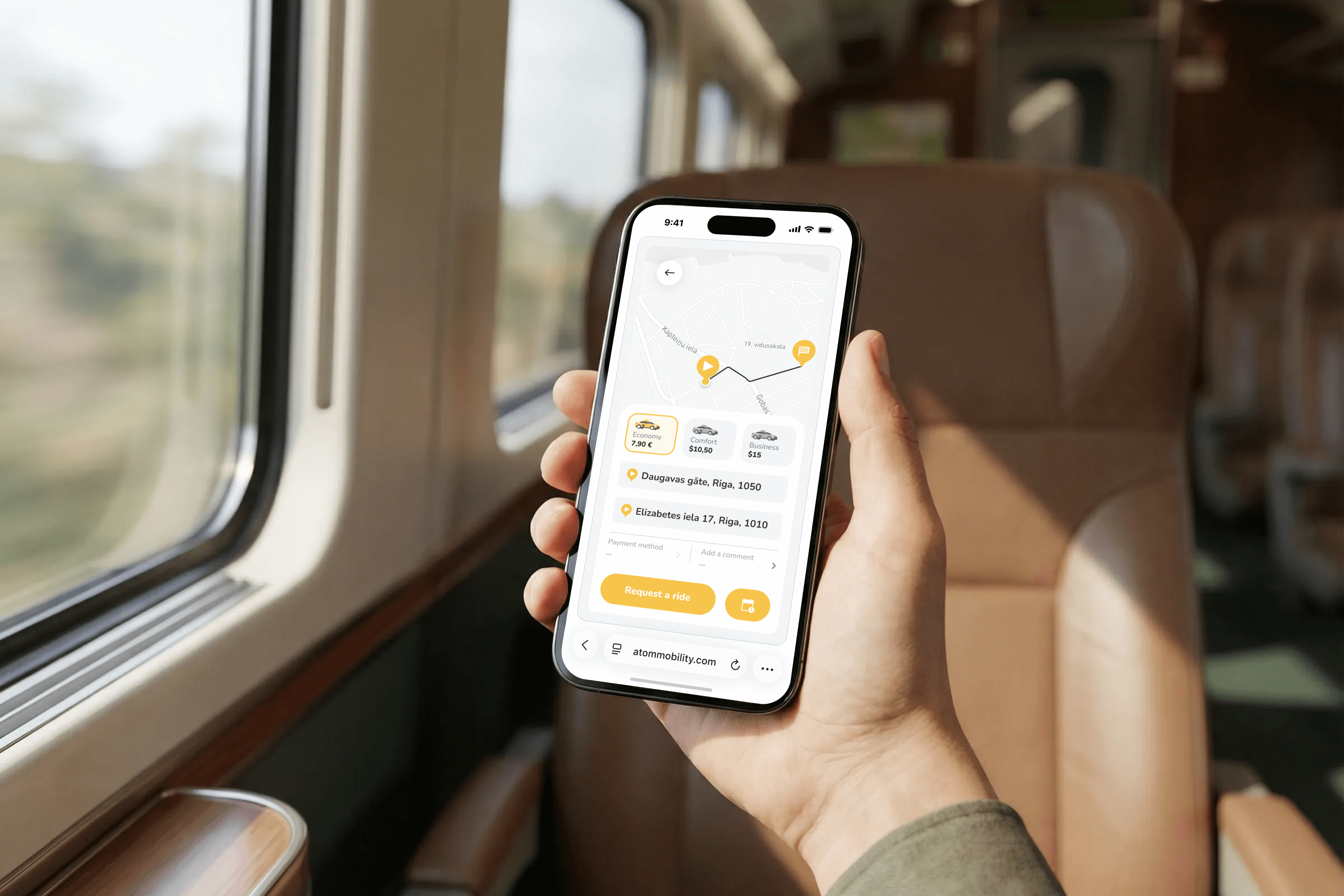
🚕 Web-booker is a lightweight ride-hail widget that lets users book rides directly from a website or mobile browser - no app install required. It reduces booking friction, supports hotel and partner demand, and keeps every ride fully synced with the taxi operator’s app and dashboard.
What if ordering a taxi was as easy as booking a room or clicking “Reserve table” on a website?
Meet Web-booker - a lightweight ride-hail booking widget that lets users request a cab directly from a website, without installing or opening the mobile app.
Perfect for hotels, business centers, event venues, airports, and corporate partners.
👉 Live demo: https://app.atommobility.com/taxi-widget
Web-booker is a browser-based ride-hail widget that operators can embed or link to from any website.
The booking happens on the web, but the ride is fully synchronized with the mobile app and operator dashboard.
No redirects. No app-store friction. No lost users.
This keeps fraud low while preserving conversion.
Web-booker addresses one of the most common friction points in ride-hailing: users who need a ride now but are not willing to download an app first. By allowing bookings directly from a website, operators can capture high-intent demand at the exact moment it occurs - whether that is on a hotel website, an event page, or a partner landing page.
At the same time, Web-booker makes partnerships with hotels and venues significantly easier. Instead of complex integrations or manual ordering flows, partners can simply place a button or link and immediately enable ride ordering for their guests. Importantly, this approach does not block long-term app growth. The booking flow still promotes the mobile app through QR codes and store links, allowing operators to convert web users into app users over time - without forcing the install upfront.
Web-booker is not designed to replace the mobile app. It extends the acquisition funnel by adding a low-friction entry point, while keeping all bookings fully synchronized with the operator’s app and dashboard.
👉 Try the demo
https://app.atommobility.com/taxi-widget
Want to explore a ride-hail or taxi solution for your business - or migrate to a more flexible platform? Visit: https://www.atommobility.com/products/ride-hailing
Credenciais de demonstração do Driver App - E-mail: test@atom.com, Senha: motorista

