Cómo las revisiones fotográficas impulsadas por inteligencia artificial de Captur reducen la carga del cumplimiento de las normas de estacionamiento para los operadores de micromovilidad
July 11, 2023
lectura mínima


La micromovilidad está transformando el transporte urbano, ofreciendo alternativas convenientes, asequibles y ecológicas a los modos tradicionales de transporte. Sin embargo, con la creciente popularidad de los patinetes eléctricos, las bicicletas y otros microvehículos, también hay una creciente demanda por parte de las ciudades para garantizar el cumplimiento de las normas viales.
Uno de los mayores desafíos a los que se enfrentan los operadores de micromovilidad es cumplimiento de normas de estacionamiento.
Garantizar que los patinetes estén estacionados correctamente y en las áreas designadas sin obstruir los espacios públicos y a otros usuarios de la carretera es un desafío interminable. El incumplimiento puede conllevar no solo sanciones, sino incluso medidas drásticas, como prohibir las soluciones de micromovilidad en ciertos lugares para siempre.
Para controlar el cumplimiento de las normas de estacionamiento, se suele pedir a los usuarios que suban una foto del vehículo después de cada viaje. Luego, estas imágenes se revisan manualmente para identificar situaciones de estacionamiento inadecuadas y, a continuación, se envían al usuario algunos materiales educativos o, en otros casos, una advertencia.
¿El problema?
Esta revisión manual de fotografías lleva mucho tiempo y es ineficiente. La identificación y localización de los vehículos mal estacionados puede llevar varios días. Para cuando se localice el vehículo estacionado incorrectamente, es posible que el operador ya haya recibido una multa.
Además, es una oportunidad perdida para que el operador eduque eficazmente a su cliente: si el usuario recibe una amonestación o algún material educativo varios días después del incidente, es posible que no sea eficiente. Estos mensajes pueden ignorarse, ya que es probable que el cliente ya haya olvidado la situación en particular.
Aquí es donde entra en juego Captur.ai.
Captur.ai es una solución basada en inteligencia artificial para el análisis de imágenes en tiempo real que ayuda a los operadores de micromovilidad a garantizar el cumplimiento de las normas de estacionamiento. La empresa ya trabaja con algunos de los principales operadores de movilidad de todo el mundo.
Para los usuarios de ATOM Mobility, la solución de Captur.ai ya está disponible como integración en la aplicación. Así es como funciona:
Cuando un usuario toma una foto al final del viaje, ATOM Mobility la envía a Captur.ai, que usa inteligencia artificial para analizarla. En un plazo de 3 a 5 segundos, el usuario recibe información sobre si el vehículo está estacionado correctamente o no.
Si el algoritmo detecta que el patinete está mal estacionado, la imagen está borrosa o el vehículo no se ve claramente en la foto, la opción de terminar el viaje está desactivada. Se pide al usuario que vuelva a aparcar o vuelva a tomar la foto.
Los usuarios tienen tres intentos para enviar una foto satisfactoria, o el cuarto intento se aprueba automáticamente. A continuación, la última foto se envía al panel de control del cliente, marcada como buen estacionamiento, mal estacionamiento, o estacionamiento mejorable. Gracias a esta categorización, los operadores pueden detectar e identificar rápidamente los vehículos estacionados incorrectamente y tomar medidas.
«¿La primera impresión? Captur.ai funciona muy bien y ahorra mucho tiempo», afirma Holger Ollema, fundador de Alta movilidad.
Los beneficios de las revisiones fotográficas impulsadas por la inteligencia artificial de Captur.ai son múltiples, pero principalmente tienen que ver con la reducción de los costos operativos, el crecimiento del negocio y la prestación de un mejor servicio a los clientes.
El tiempo es dinero. Por lo tanto, la automatización eficaz del trabajo manual puede afectar significativamente a los resultados de la empresa.
Con Captur.ai, los operadores de micromovilidad ya no necesitan inspeccionar manualmente todos los vehículos estacionados para verificar su cumplimiento. Los clientes que ya trabajan con Captur.ai afirman que han podido automatizar El 95% del trabajo manual anteriormente subcontratado, ahorrando horas de su tiempo.
Esto es especialmente importante para quienes recién comienzan. Como propietario de un nuevo negocio, puede ser muy cauteloso en lo que respecta a los gastos. Al automatizar la supervisión del cumplimiento de las normas de estacionamiento, puedes mantener el dinero en la empresa sin aumentar tu carga de trabajo.
A pesar de que los estudios muestran que solo 1,1% Si los patinetes eléctricos infringen las normas de estacionamiento, la preocupación por el estacionamiento de vehículos que cumplan con las normas es una de las principales razones por las que las ciudades retrasan o prohíben la entrada de nuevas soluciones de micromovilidad.
ATOM Mobility + Captur.ai se ocupa desde el primer día de garantizar el cumplimiento de las normas de estacionamiento. Este argumento puede aliviar las preocupaciones de los municipios a la hora de conceder permisos para nuevas soluciones de micromovilidad.
De hecho, los operadores que ya utilizan Captur.ai afirman que esta solución les ha facilitado la expansión de sus negocios a nuevas ciudades y mercados.
Los patinetes eléctricos mal estacionados que bloquean las aceras o carreteras son una de las principales razones por las que otros usuarios de la carretera pueden tener actitudes negativas hacia ellos. Según investigación, si se forman actitudes negativas hacia los patinetes eléctricos, esto puede afectar a la disposición de la persona a intentar usarlos alguna vez. Esto significa perder clientes potenciales y beneficios.
Captur.ai proporciona a los usuarios de patinetes eléctricos comentarios en tiempo real y contenido educativo para mejorar sus hábitos de estacionamiento. De hecho, Captur.ai reduce 10 veces el tiempo necesario para dar su opinión a los clientes, lo que garantiza que se reduzca al mínimo el número de patinetes estacionados de forma inadecuada en las calles.
¿Qué significa esto para tu marca? Una oportunidad para crear una imagen de marca responsable y segura. Esto puede ayudarlo a atraer nuevos clientes y a aumentar la lealtad de los clientes existentes.
Olvídate de revisar manualmente miles de fotos para detectar aparcamientos incorrectos. Ahora, esto se puede hacer automáticamente gracias a la solución basada en la IA de Captur.ai.
Para los usuarios de ATOM Mobility, esta integración ofrece una solución eficaz al acuciante problema del cumplimiento de las normas de estacionamiento. Esa es una cosa menos de la que deben preocuparse los operadores de micromovilidad a la hora de iniciar o expandir su negocio.
Haga clic a continuación para obtener más información o solicitar una demostración.

The micromobility industry doesn’t need another generic mobility conference. 🚫🎤 It needs real conversations between operators who are actually in the field. ⚙️ That’s exactly what ATOM Connect 2026 is built for. 🎯🤝
The shared mobility industry is evolving rapidly. Operators are navigating scaling challenges, regulatory complexity, hardware decisions, fleet optimization, and new integration models, all while aiming for sustainable growth.
That’s exactly why ATOM Mobility is organizing ATOM Connect 2026.
Our previous edition of ATOM Connect brought together professionals from the car sharing and rental industry for focused, high-quality discussions and networking. This year, we are narrowing the focus and dedicating the entire event to one fast-moving segment of the industry: shared micromobility.
ATOM Connect 2026 is designed specifically for operators, partners, and decision-makers working in shared micromobility. It is not a broad mobility conference or a public exhibition. It is a curated space for industry professionals to exchange practical experience, insights, and lessons learned.
On May 14th, 2026 in Riga, we will once again bring the community together, this time with a clear focus on micromobility.
This year’s agenda will address the real operational and strategic questions shaping shared micromobility today:
As usual, we aim to host both local and international operators from smaller, fast-growing fleets to established large-scale players alongside hardware providers and ecosystem partners.
On stage, you’ll hear from leading shared mobility companies - including Segway on hardware partnerships, Umob on MaaS integration, Anadue on data-driven fleet intelligence, Elerent on multi-vehicle operational realities and more insightful discussions.
The goal is simple: meaningful discussions with people who understand the operational realities of the industry.
ATOM Connect is free to attend, but participation is industry-focused (each submission is manually reviewed and verified). We are intentionally keeping the audience relevant and aligned to ensure high-quality conversations and valuable networking.
If you work in shared micromobility and would like to join the event, you can find the full agenda and register here:
👉 https://www.atommobility.com/atom-connect-2026
In the coming weeks, we will be revealing more speakers and additional agenda updates. We look forward to bringing the industry together again.
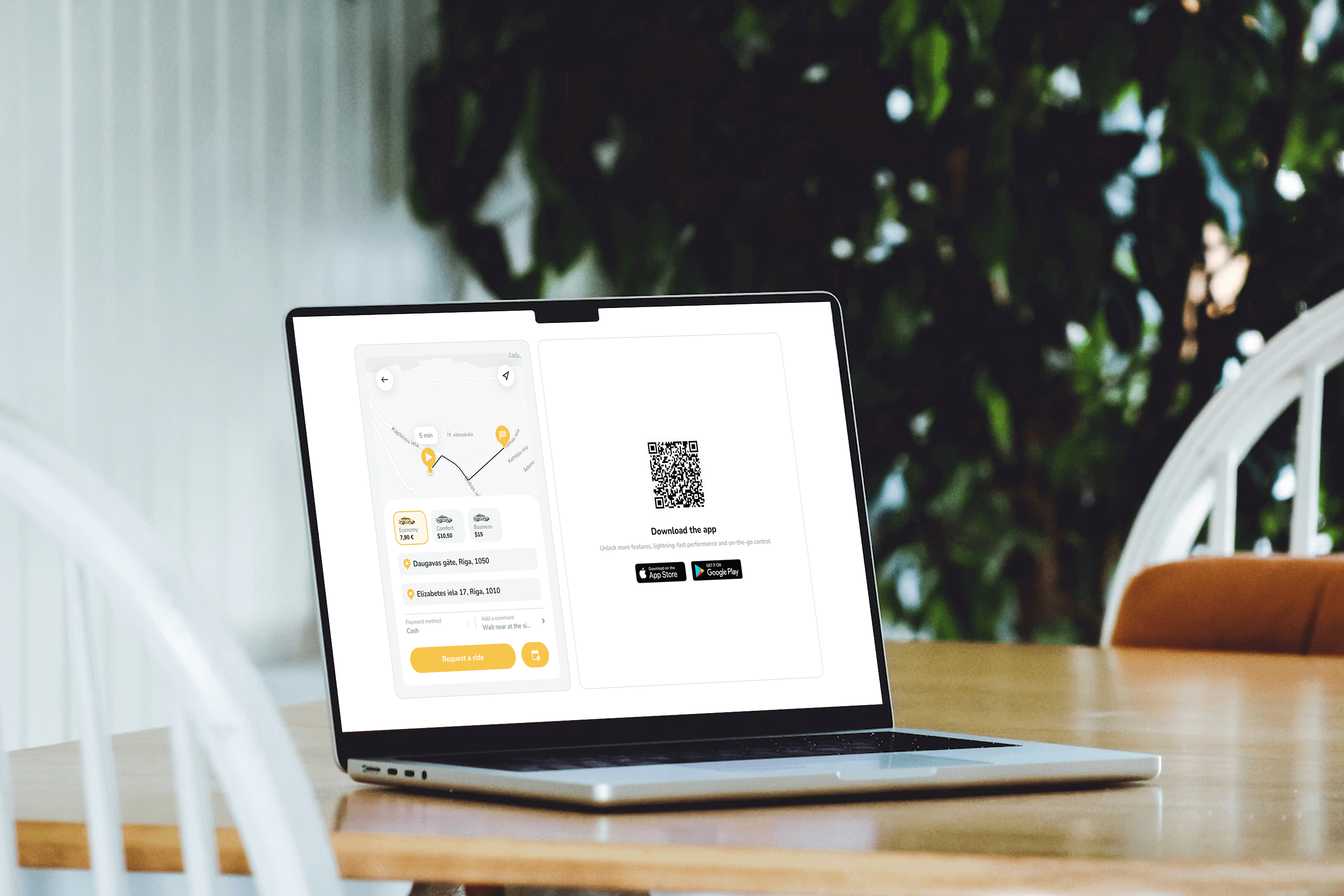
🚕 Web-booker is a lightweight ride-hail widget that lets users book rides directly from a website or mobile browser - no app install required. It reduces booking friction, supports hotel and partner demand, and keeps every ride fully synced with the taxi operator’s app and dashboard.
What if ordering a taxi was as easy as booking a room or clicking “Reserve table” on a website?
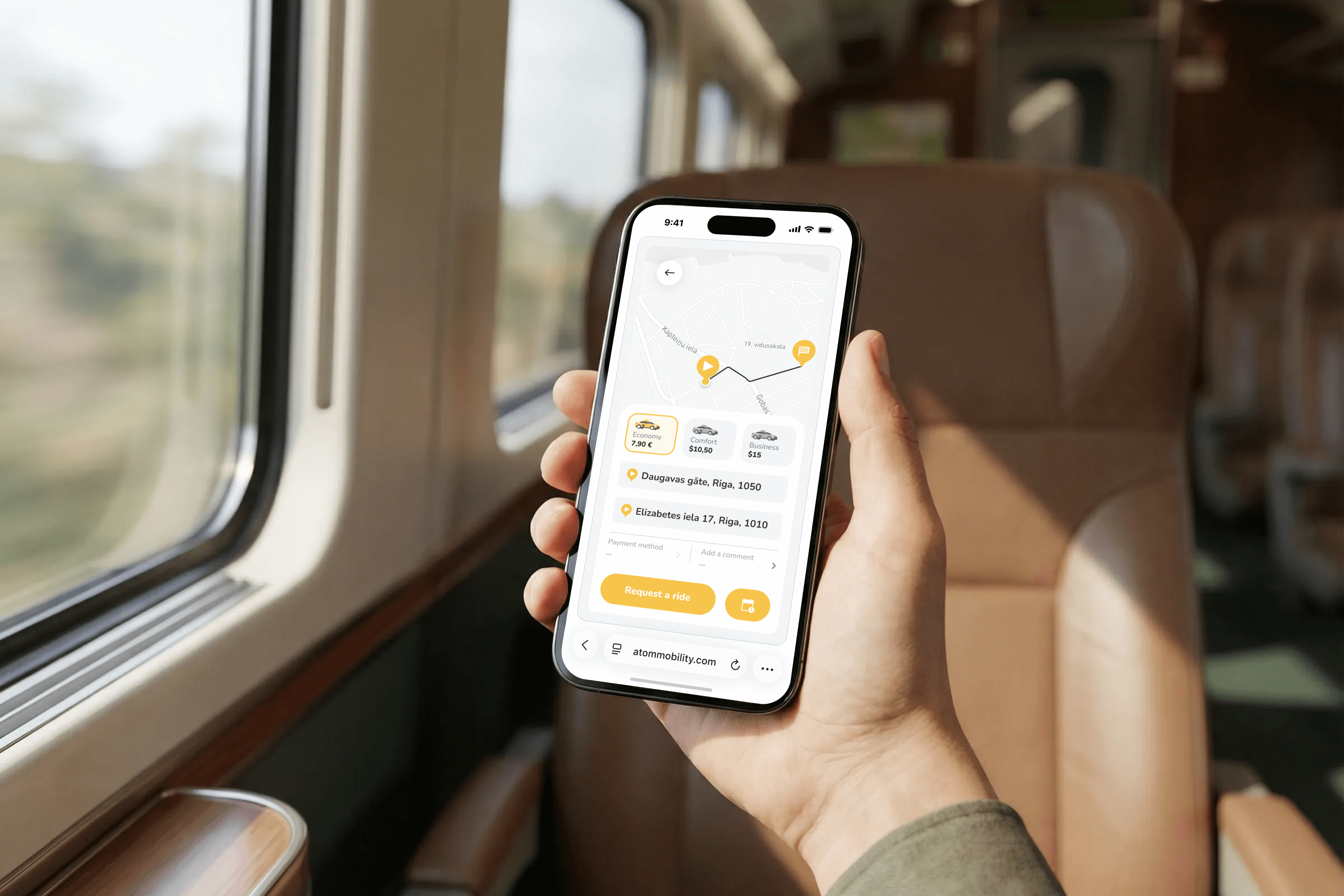
Meet Web-booker - a lightweight ride-hail booking widget that lets users request a cab directly from a website, without installing or opening the mobile app.
Perfect for hotels, business centers, event venues, airports, and corporate partners.
👉 Live demo: https://app.atommobility.com/taxi-widget
Web-booker is a browser-based ride-hail widget that operators can embed or link to from any website.
The booking happens on the web, but the ride is fully synchronized with the mobile app and operator dashboard.
No redirects. No app-store friction. No lost users.
This keeps fraud low while preserving conversion.
Web-booker addresses one of the most common friction points in ride-hailing: users who need a ride now but are not willing to download an app first. By allowing bookings directly from a website, operators can capture high-intent demand at the exact moment it occurs - whether that is on a hotel website, an event page, or a partner landing page.
At the same time, Web-booker makes partnerships with hotels and venues significantly easier. Instead of complex integrations or manual ordering flows, partners can simply place a button or link and immediately enable ride ordering for their guests. Importantly, this approach does not block long-term app growth. The booking flow still promotes the mobile app through QR codes and store links, allowing operators to convert web users into app users over time - without forcing the install upfront.
Web-booker is not designed to replace the mobile app. It extends the acquisition funnel by adding a low-friction entry point, while keeping all bookings fully synchronized with the operator’s app and dashboard.
👉 Try the demo
https://app.atommobility.com/taxi-widget
Want to explore a ride-hail or taxi solution for your business - or migrate to a more flexible platform? Visit: https://www.atommobility.com/products/ride-hailing
Credenciales de demostración de Driver App - Correo electrónico: test@atom.com, contraseña: conductor

