In che modo le recensioni fotografiche basate sull'intelligenza artificiale di Captur riducono l'onere della conformità dei parcheggi per gli operatori di micromobilità
July 11, 2023
lettura minima


La micromobilità sta trasformando il trasporto urbano, offrendo alternative convenienti, economiche ed ecologiche alle modalità tradizionali di pendolarismo. Tuttavia, con la crescente popolarità di scooter elettrici, biciclette e altri microveicoli, le città richiedono sempre più spesso di garantire la conformità alle normative stradali.
Una delle maggiori sfide che devono affrontare gli operatori di micromobilità è conformità dei parcheggi.
È una sfida senza fine garantire che gli scooter siano parcheggiati correttamente e in aree designate senza ostruire gli spazi pubblici e gli altri utenti della strada. La non conformità può comportare non solo sanzioni, ma anche misure drastiche come vietare le soluzioni di micromobilità in determinate località per sempre.
Al fine di controllare il rispetto delle regole di parcheggio, agli utenti viene generalmente chiesto di caricare una foto del veicolo dopo ogni viaggio. Queste immagini vengono quindi esaminate manualmente per identificare le cattive situazioni di parcheggio, quindi inviano all'utente del materiale didattico o, in altri casi, un avviso.
Il problema?
Tale revisione manuale delle foto è estremamente dispendiosa in termini di tempo e inefficiente. L'identificazione e la localizzazione dei veicoli parcheggiati male possono richiedere diversi giorni. Nel momento in cui il veicolo parcheggiato erroneamente viene localizzato, l'operatore potrebbe aver già ricevuto una multa.
Inoltre, è un'occasione persa per l'operatore di istruire efficacemente il proprio cliente: se l'utente riceve un rimprovero o del materiale didattico diversi giorni dopo l'incidente, potrebbe non essere efficiente. Questi messaggi possono essere ignorati, poiché probabilmente il cliente ha già dimenticato la situazione particolare.
È qui che entra in gioco Captur.ai.
Captur.ai è una soluzione basata sull'intelligenza artificiale per l'analisi delle immagini in tempo reale per aiutare gli operatori di micromobilità a garantire la conformità dei parcheggi. L'azienda collabora già con alcuni dei principali operatori di mobilità in tutto il mondo.
Per gli utenti di ATOM Mobility, la soluzione di Captur.ai è ora disponibile come integrazione in-app. Ecco come funziona:
Quando un utente scatta una foto alla fine del viaggio, ATOM Mobility la invia a Captur.ai, che utilizza l'intelligenza artificiale per analizzarla. Entro 3-5 secondi, l'utente riceve un feedback sul fatto che il veicolo sia parcheggiato correttamente o meno.
Se l'algoritmo rileva che lo scooter è parcheggiato male, l'immagine è sfocata o il veicolo non è chiaramente visibile nella foto, l'opzione per terminare la corsa è disabilitata. All'utente viene chiesto di parcheggiare nuovamente e/o scattare nuovamente la foto.
Agli utenti vengono concessi tre tentativi per inviare una foto soddisfacente, oppure il quarto tentativo viene approvato automaticamente. Quindi, l'ultima foto viene inviata alla dashboard del cliente, contrassegnata come buon parcheggio, pessimo parcheggio, oppure parcheggio migliorabile. Grazie a questa categorizzazione, gli operatori possono notare e identificare rapidamente i veicoli parcheggiati in modo improprio e agire.
«La prima impressione? Captur.ai funziona alla grande ed è un fantastico risparmio di tempo», afferma Holger Ollema, fondatore di Alta mobilità.
I vantaggi delle recensioni fotografiche basate sull'intelligenza artificiale di Captur.ai sono molteplici, ma riguardano principalmente la riduzione dei costi operativi, la crescita del business e la fornitura di un servizio migliore ai clienti.
Il tempo è denaro. Pertanto, un'efficace automazione del lavoro manuale può influire in modo significativo sui profitti dell'azienda.
Con Captur.ai, gli operatori di micromobilità non devono più ispezionare manualmente ogni veicolo parcheggiato per verificarne la conformità. I clienti che già lavorano con Captur.ai affermano di essere stati in grado di automatizzare 95% del lavoro manuale precedentemente esternalizzato, risparmiando ore del loro tempo.
Questo è particolarmente importante per chi è appena agli inizi. Come nuovo imprenditore, potresti essere molto cauto quando si tratta di spese. Automatizzando il monitoraggio della conformità dei parcheggi, puoi mantenere i soldi in azienda senza aumentare il carico di lavoro.
Nonostante il fatto che gli studi dimostrino solo 1,1% se gli scooter elettrici violano le normative sui parcheggi, le preoccupazioni relative al parcheggio conforme dei veicoli sono uno dei motivi principali per cui le città ritardano o vietano l'ingresso di nuove soluzioni di micromobilità.
Garantire la conformità dei parcheggi è qualcosa di cui ATOM Mobility + Captur.ai si occupa sin dal primo giorno. Questa argomentazione può alleviare le preoccupazioni dei comuni quando concedono autorizzazioni a nuove soluzioni di micromobilità.
In effetti, gli operatori che già utilizzano Captur.ai affermano che questa soluzione ha facilitato l'espansione delle proprie attività in nuove città e mercati.
Gli scooter elettrici parcheggiati in modo improprio che bloccano marciapiedi o strade sono uno dei motivi principali per cui gli altri utenti della strada possono avere atteggiamenti negativi nei loro confronti. Secondo ricerca, se si formano atteggiamenti negativi nei confronti degli scooter elettrici, ciò può influire sulla volontà della persona di provare a usarne uno. Ciò significa perdere potenziali clienti e profitti.
Captur.ai fornisce agli utenti di e-scooter feedback in tempo reale e contenuti didattici per migliorare le loro abitudini di parcheggio. In effetti, Captur.ai riduce di 10 volte il tempo necessario per fornire feedback ai clienti, garantendo che il numero di scooter parcheggiati in modo improprio sulle strade sia ridotto al minimo.
Cosa significa questo per il tuo marchio? Un'opportunità per creare l'immagine di un marchio responsabile e sicuro. Questo può aiutarti ad attirare nuovi clienti e ad aumentare la fidelizzazione dei clienti esistenti.
Dimentica lo spostamento manuale tra migliaia di foto per rilevare parcheggi difettosi: ora è possibile farlo automaticamente grazie alla soluzione basata sull'intelligenza artificiale di Captur.ai.
Per gli utenti di ATOM Mobility, questa integrazione offre una soluzione efficace al pressante problema della conformità dei parcheggi. Questa è una cosa in meno di cui gli operatori di micromobilità devono preoccuparsi quando avviano o espandono la propria attività.
Fai clic qui sotto per saperne di più o richiedere una demo.

The micromobility industry doesn’t need another generic mobility conference. 🚫🎤 It needs real conversations between operators who are actually in the field. ⚙️ That’s exactly what ATOM Connect 2026 is built for. 🎯🤝
The shared mobility industry is evolving rapidly. Operators are navigating scaling challenges, regulatory complexity, hardware decisions, fleet optimization, and new integration models, all while aiming for sustainable growth.
That’s exactly why ATOM Mobility is organizing ATOM Connect 2026.
Our previous edition of ATOM Connect brought together professionals from the car sharing and rental industry for focused, high-quality discussions and networking. This year, we are narrowing the focus and dedicating the entire event to one fast-moving segment of the industry: shared micromobility.
ATOM Connect 2026 is designed specifically for operators, partners, and decision-makers working in shared micromobility. It is not a broad mobility conference or a public exhibition. It is a curated space for industry professionals to exchange practical experience, insights, and lessons learned.
On May 14th, 2026 in Riga, we will once again bring the community together, this time with a clear focus on micromobility.
This year’s agenda will address the real operational and strategic questions shaping shared micromobility today:
As usual, we aim to host both local and international operators from smaller, fast-growing fleets to established large-scale players alongside hardware providers and ecosystem partners.
On stage, you’ll hear from leading shared mobility companies - including Segway on hardware partnerships, Umob on MaaS integration, Anadue on data-driven fleet intelligence, Elerent on multi-vehicle operational realities and more insightful discussions.
The goal is simple: meaningful discussions with people who understand the operational realities of the industry.
ATOM Connect is free to attend, but participation is industry-focused (each submission is manually reviewed and verified). We are intentionally keeping the audience relevant and aligned to ensure high-quality conversations and valuable networking.
If you work in shared micromobility and would like to join the event, you can find the full agenda and register here:
👉 https://www.atommobility.com/atom-connect-2026
In the coming weeks, we will be revealing more speakers and additional agenda updates. We look forward to bringing the industry together again.
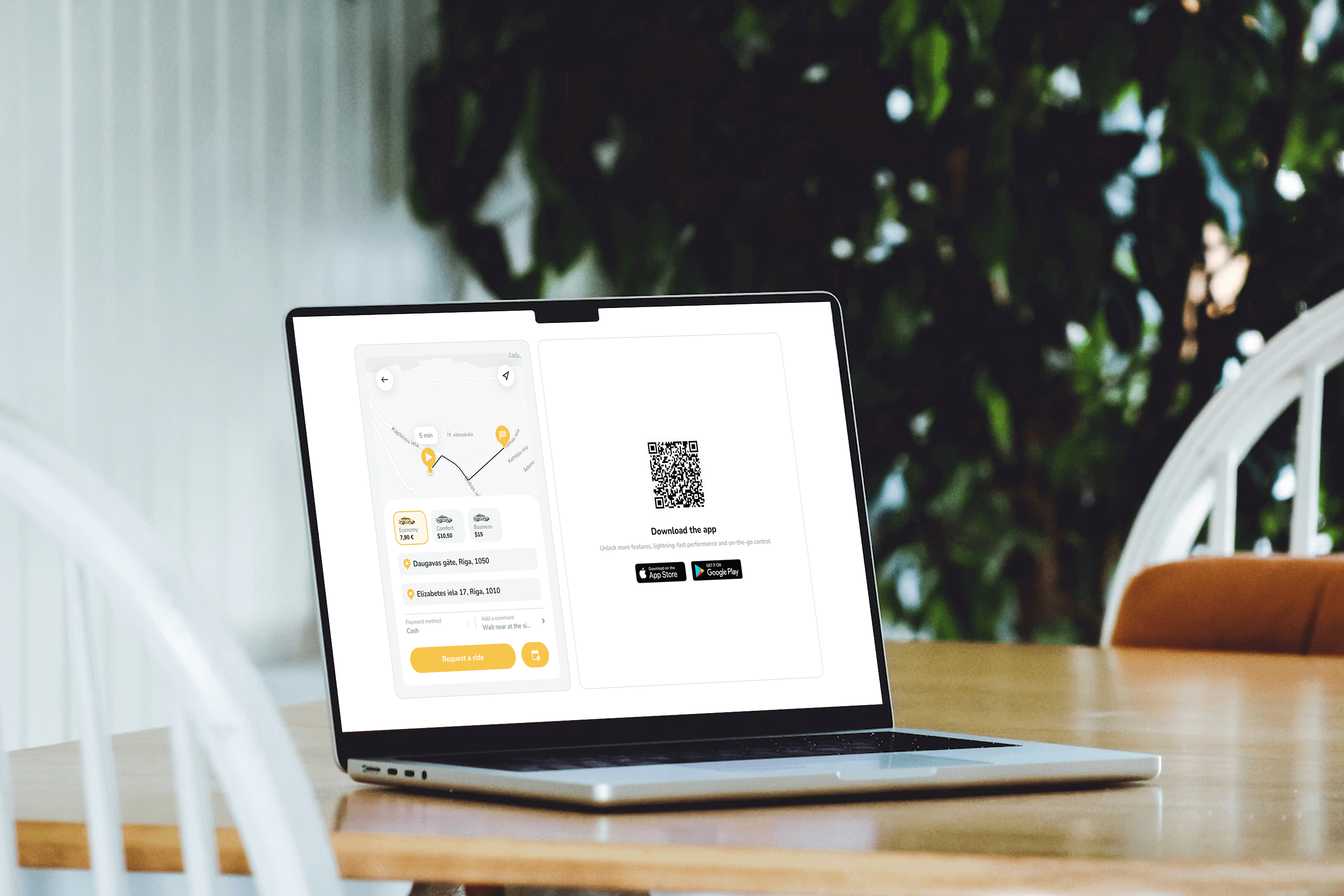
🚕 Web-booker is a lightweight ride-hail widget that lets users book rides directly from a website or mobile browser - no app install required. It reduces booking friction, supports hotel and partner demand, and keeps every ride fully synced with the taxi operator’s app and dashboard.
What if ordering a taxi was as easy as booking a room or clicking “Reserve table” on a website?
Meet Web-booker - a lightweight ride-hail booking widget that lets users request a cab directly from a website, without installing or opening the mobile app.
Perfect for hotels, business centers, event venues, airports, and corporate partners.
👉 Live demo: https://app.atommobility.com/taxi-widget
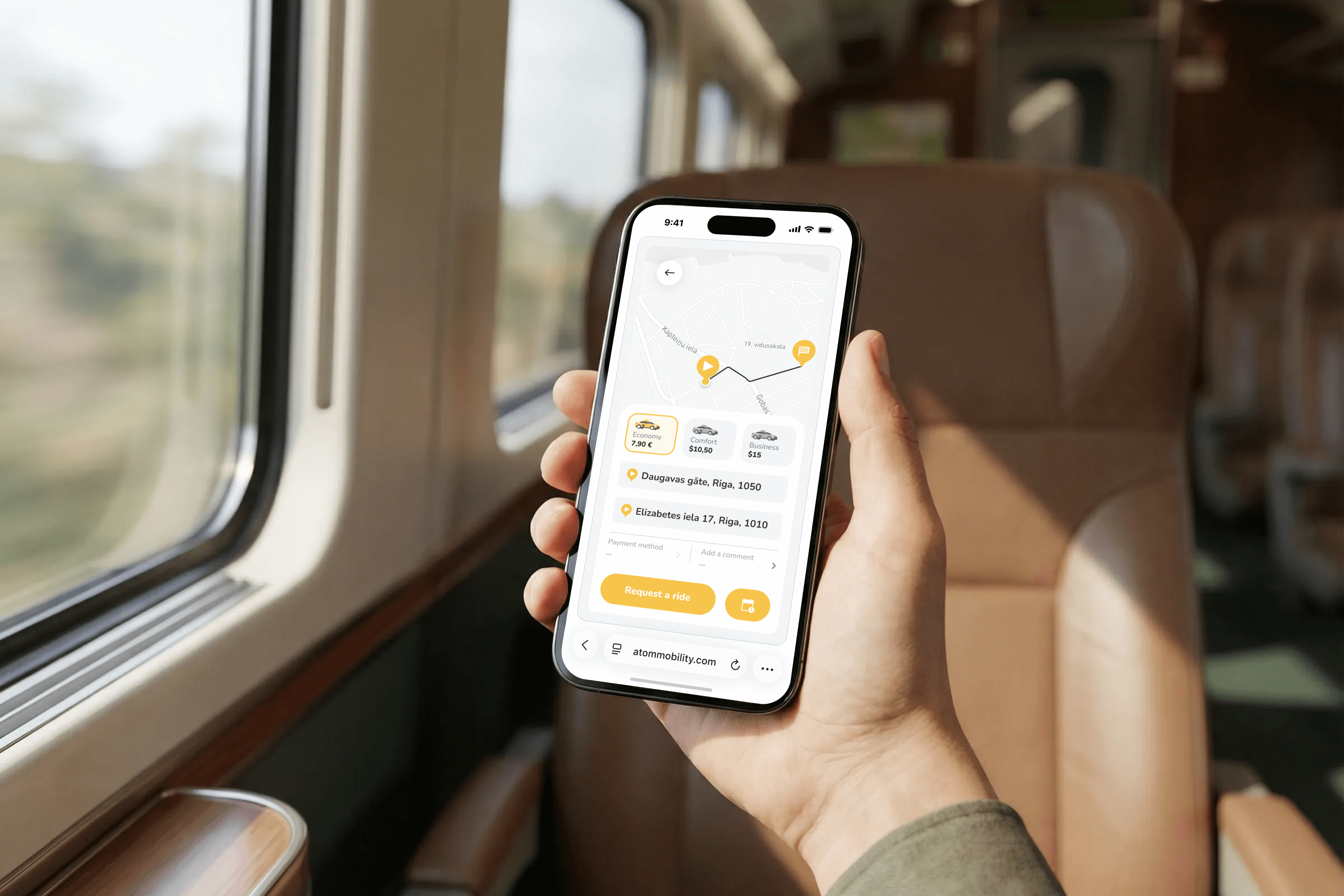
Web-booker is a browser-based ride-hail widget that operators can embed or link to from any website.
The booking happens on the web, but the ride is fully synchronized with the mobile app and operator dashboard.
No redirects. No app-store friction. No lost users.
This keeps fraud low while preserving conversion.
Web-booker addresses one of the most common friction points in ride-hailing: users who need a ride now but are not willing to download an app first. By allowing bookings directly from a website, operators can capture high-intent demand at the exact moment it occurs - whether that is on a hotel website, an event page, or a partner landing page.
At the same time, Web-booker makes partnerships with hotels and venues significantly easier. Instead of complex integrations or manual ordering flows, partners can simply place a button or link and immediately enable ride ordering for their guests. Importantly, this approach does not block long-term app growth. The booking flow still promotes the mobile app through QR codes and store links, allowing operators to convert web users into app users over time - without forcing the install upfront.
Web-booker is not designed to replace the mobile app. It extends the acquisition funnel by adding a low-friction entry point, while keeping all bookings fully synchronized with the operator’s app and dashboard.
👉 Try the demo
https://app.atommobility.com/taxi-widget
Want to explore a ride-hail or taxi solution for your business - or migrate to a more flexible platform? Visit: https://www.atommobility.com/products/ride-hailing
Credenziali demo dell'app Driver - Email: test@atom.com, Password: autista

