Nueva función que aumentará el tiempo de actividad de su flota y la satisfacción del cliente: gestión de daños en vehículos
March 9, 2024
lectura mínima


¿Hay algo más frustrante para un usuario de movilidad que necesitar un acceso rápido a un vehículo y no tener ninguno disponible cerca?
Sí: encontrar un vehículo en la aplicación, dirigirse a él y descubrir que está roto.
Los daños en los vehículos se presentan de todas las formas y tamaños, desde la rotura de los soportes y los faros de los patinetes hasta los códigos QR de los ciclomotores dañados y los problemas con el motor del automóvil. Incluso un daño leve en un vehículo puede afectar gravemente a su usabilidad y dejarlo fuera de servicio hasta que un equipo de operaciones terrestres detecte el problema y lo resuelva.
Lo peor de todo es que a menudo es el cliente el que se encuentra por primera vez con el problema y lo hace durante una de las partes más delicadas del viaje del usuario, es decir, cuando tiene una necesidad urgente de transporte.
Como resultado, los problemas de mantenimiento no resueltos no solo perjudican directamente tus resultados al sacar uno de tus vehículos de la carretera, sino que también pueden afectar gravemente a la satisfacción del cliente.
Esa es la razón el equipo de ATOM Mobility ha agregado una nueva solución a los módulos de alquiler y uso compartido de vehículos: la gestión de daños en los vehículos.
Analicemos más de cerca esta nueva función, exploremos por qué es importante y comprendamos cómo funciona desde la perspectiva del usuario y del operador.
En pocas palabras, la nueva función permite a los usuarios informar fácilmente de cualquier problema con el vehículo a través de la aplicación, y a su equipo de operaciones responder y gestionar los informes de forma eficaz. Esto ayuda a su empresa de movilidad de varias maneras.
Función de notificación de daños al vehículo de ATOM Mobility:
Al unísono, le ayudan a garantizar el máximo tiempo de actividad de su flota, además de ofrecer otros beneficios. Entre ellas se incluyen:
En pocas palabras, esta nueva función es positiva para todos los involucrados. Todo lo que tienes que hacer es configurarla. Vamos a averiguar cómo.
A primera vista, es simple: el cliente informa de algún daño y tú lo arreglas. Pero bajo el capó, es... aún así de sencillo. Así es como funciona la nueva funcionalidad desde la perspectiva de sus clientes y operadores.
En la aplicación de usuario, cualquier persona puede denunciar un problema haciendo clic en el botón «Denunciar» que se encuentra en la tarjeta del vehículo. En el caso del módulo para compartir, se encuentra en el menú «Más», mientras que en el módulo de alquiler, el botón «Denunciar» aparece directamente en la tarjeta del vehículo.
Tras pulsar el botón, tus clientes podrán indicar la pieza defectuosa, incluir una descripción más detallada en el campo de comentarios y añadir hasta tres imágenes del problema en cuestión.
Las etiquetas que ve el usuario se pueden personalizar en el Panel de control

Tu cliente puede completar el proceso de notificación de daños de forma rápida y sencilla, y termina con un amable mensaje de agradecimiento que le informa de que tu equipo está preparado para resolver el problema. El sistema destacará los daños previamente aprobados para mayor comodidad del usuario.
Una vez que un usuario envíe un informe, aparecerá en tu panel de control. Puedes encontrar los «Informes de daños» en la sección «Más» del menú de la izquierda.

Aquí el operador puede verificar, aprobar y/o modificar los informes. Una vez que se comprueba un informe, el operador puede aprobarlo y, a continuación, pasarlo al equipo de mantenimiento y a su aplicación de servicio. El administrador también puede añadir los daños de forma manual a través del panel de control, por ejemplo, si observa algún problema adicional en las imágenes de los usuarios.
En la aplicación Servicio, los informes aprobados aparecen como una tarea. Cuando tu equipo haya terminado con las reparaciones o el mantenimiento, pueden marcar los daños como corregidos haciendo clic en «Marcar como terminados».

Una función muy útil es la capacidad de rastrear los informes de daños y las correcciones, así como quién los solucionó y con qué rapidez; todos estos datos se pueden exportar fácilmente. Esto le permite comprender mejor el estado de su flota y de sus vehículos individuales y tomar decisiones basadas en datos, por ejemplo, sobre qué vehículos elegir o evitar al ampliar su flota.
ATOM Mobility es una superaplicación de movilidad que proporciona a las empresas de movilidad una solución sólida para todas sus necesidades tecnológicas, desde una aplicación de usuario moderna hasta una plataforma funcional para la gestión de flotas y más. Esto te permite lanzar y ampliar tu negocio de movilidad con una rapidez increíble, sin importar el tipo de vehículo.
Más que eso, una de las principales razones por las que muchos emprendedores de movilidad eligen ATOM Mobility a largo plazo es que se benefician de las mejoras continuas de la aplicación, como la función que se analiza en este artículo. Además de nuestro continuo desarrollo de la aplicación, nuestro equipo recibe con frecuencia solicitudes de varias funciones adicionales personalizadas y, cuando vemos que su aplicabilidad es más amplia, también la ponemos a disposición del resto de nuestros clientes.
Pero no se fíe de nuestras palabras: escúchelo de nuestros clientes en nuestro último estudio de caso.
Haga clic a continuación para obtener más información o solicitar una demostración.

The micromobility industry doesn’t need another generic mobility conference. 🚫🎤 It needs real conversations between operators who are actually in the field. ⚙️ That’s exactly what ATOM Connect 2026 is built for. 🎯🤝
The shared mobility industry is evolving rapidly. Operators are navigating scaling challenges, regulatory complexity, hardware decisions, fleet optimization, and new integration models, all while aiming for sustainable growth.
That’s exactly why ATOM Mobility is organizing ATOM Connect 2026.
Our previous edition of ATOM Connect brought together professionals from the car sharing and rental industry for focused, high-quality discussions and networking. This year, we are narrowing the focus and dedicating the entire event to one fast-moving segment of the industry: shared micromobility.
ATOM Connect 2026 is designed specifically for operators, partners, and decision-makers working in shared micromobility. It is not a broad mobility conference or a public exhibition. It is a curated space for industry professionals to exchange practical experience, insights, and lessons learned.
On May 14th, 2026 in Riga, we will once again bring the community together, this time with a clear focus on micromobility.
This year’s agenda will address the real operational and strategic questions shaping shared micromobility today:
As usual, we aim to host both local and international operators from smaller, fast-growing fleets to established large-scale players alongside hardware providers and ecosystem partners.
On stage, you’ll hear from leading shared mobility companies - including Segway on hardware partnerships, Umob on MaaS integration, Anadue on data-driven fleet intelligence, Elerent on multi-vehicle operational realities and more insightful discussions.
The goal is simple: meaningful discussions with people who understand the operational realities of the industry.
ATOM Connect is free to attend, but participation is industry-focused (each submission is manually reviewed and verified). We are intentionally keeping the audience relevant and aligned to ensure high-quality conversations and valuable networking.
If you work in shared micromobility and would like to join the event, you can find the full agenda and register here:
👉 https://www.atommobility.com/atom-connect-2026
In the coming weeks, we will be revealing more speakers and additional agenda updates. We look forward to bringing the industry together again.
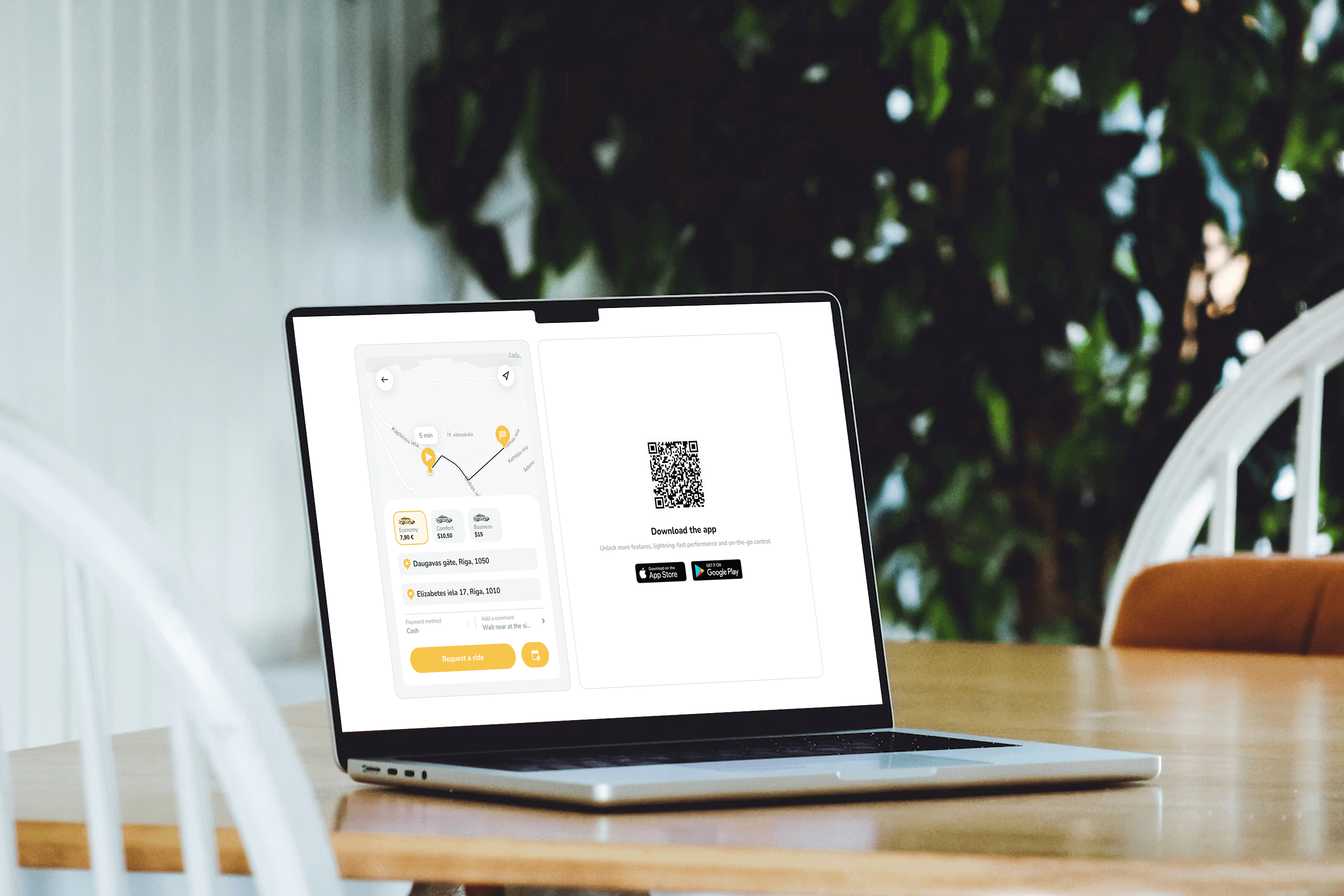
🚕 Web-booker is a lightweight ride-hail widget that lets users book rides directly from a website or mobile browser - no app install required. It reduces booking friction, supports hotel and partner demand, and keeps every ride fully synced with the taxi operator’s app and dashboard.
What if ordering a taxi was as easy as booking a room or clicking “Reserve table” on a website?
Meet Web-booker - a lightweight ride-hail booking widget that lets users request a cab directly from a website, without installing or opening the mobile app.
Perfect for hotels, business centers, event venues, airports, and corporate partners.
👉 Live demo: https://app.atommobility.com/taxi-widget
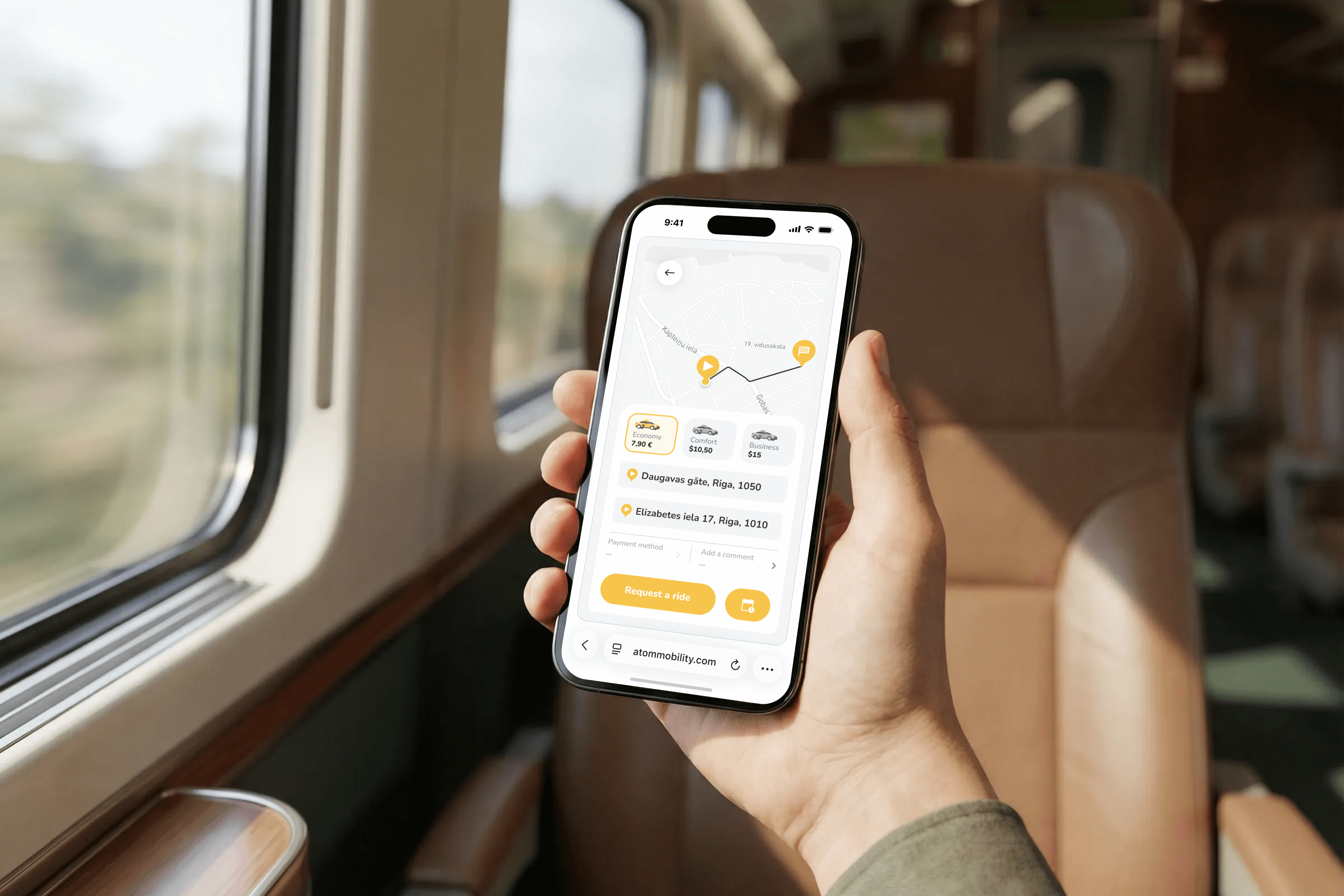
Web-booker is a browser-based ride-hail widget that operators can embed or link to from any website.
The booking happens on the web, but the ride is fully synchronized with the mobile app and operator dashboard.
No redirects. No app-store friction. No lost users.
This keeps fraud low while preserving conversion.
Web-booker addresses one of the most common friction points in ride-hailing: users who need a ride now but are not willing to download an app first. By allowing bookings directly from a website, operators can capture high-intent demand at the exact moment it occurs - whether that is on a hotel website, an event page, or a partner landing page.
At the same time, Web-booker makes partnerships with hotels and venues significantly easier. Instead of complex integrations or manual ordering flows, partners can simply place a button or link and immediately enable ride ordering for their guests. Importantly, this approach does not block long-term app growth. The booking flow still promotes the mobile app through QR codes and store links, allowing operators to convert web users into app users over time - without forcing the install upfront.
Web-booker is not designed to replace the mobile app. It extends the acquisition funnel by adding a low-friction entry point, while keeping all bookings fully synchronized with the operator’s app and dashboard.
👉 Try the demo
https://app.atommobility.com/taxi-widget
Want to explore a ride-hail or taxi solution for your business - or migrate to a more flexible platform? Visit: https://www.atommobility.com/products/ride-hailing
Credenciales de demostración de Driver App - Correo electrónico: test@atom.com, contraseña: conductor

