Novo recurso que aumentará o tempo de atividade de sua frota e a satisfação do cliente — gerenciamento de danos em veículos
March 9, 2024
leitura mínima


Existe algo mais frustrante para um usuário de mobilidade do que precisar de acesso rápido a um veículo e não ter nenhum disponível nas proximidades?
Sim, encontrar um veículo no aplicativo, ir até ele e descobrir que ele está quebrado.
Os danos no veículo ocorrem em todas as formas e tamanhos, desde suportes e faróis de scooters quebrados até códigos QR de ciclomotores danificados e problemas no motor do carro. Mesmo pequenos danos a um veículo podem afetar gravemente sua usabilidade, deixando-o fora de serviço até que uma equipe de operações terrestres detecte e resolva o problema.
O pior de tudo é que geralmente é o cliente que encontra o problema pela primeira vez e o faz durante uma das partes mais sensíveis da jornada do usuário, ou seja, quando ele tem uma necessidade aguda de transporte.
Como resultado, problemas de manutenção não resolvidos não estão apenas prejudicando diretamente seus resultados ao tirar um de seus veículos da estrada, mas também podem afetar gravemente a satisfação do cliente.
É por isso que a equipe da ATOM Mobility adicionou uma nova solução aos módulos de compartilhamento e aluguel de veículos — gerenciamento de danos em veículos.
Vamos examinar mais de perto esse novo recurso, explorar por que ele é importante e entender como ele funciona do ponto de vista do usuário e do operador.
Em termos mais simples, o novo recurso permite que os usuários relatem facilmente qualquer problema no veículo por meio do aplicativo — e que sua equipe de operações responda e gerencie os relatórios com eficácia. Isso ajuda sua empresa de mobilidade de várias maneiras.
Recurso de relatório de danos em veículos da ATOM Mobility:
Em uníssono, eles ajudam a garantir o máximo de tempo de atividade para sua frota, além de oferecer vários outros benefícios. Isso inclui:
Simplificando, esse novo recurso é positivo para todos os envolvidos. Tudo o que você precisa fazer é configurá-lo — vamos descobrir como.
Na superfície, é simples: o cliente relata alguns danos e você os corrige. Mas por baixo do capô, é... ainda simples. Veja como a nova funcionalidade funciona do ponto de vista de seus clientes e operadores.
No aplicativo do usuário, qualquer pessoa pode denunciar um problema clicando no botão “Denunciar” encontrado no cartão do veículo. Para o módulo Compartilhamento, ele está localizado no menu “Mais”, enquanto para o módulo de aluguel, o botão “Denunciar” está visível diretamente no cartão do veículo.
Depois de pressionar o botão, seus clientes poderão indicar a peça com defeito, incluir uma descrição mais detalhada no campo de comentários e adicionar até três imagens do problema em questão.
As tags que o usuário vê podem ser personalizadas no painel

Seu cliente pode concluir o processo de relatório de danos de forma rápida e indolor, e ele termina com uma mensagem de agradecimento amigável que informa que sua equipe está pronta para resolver o problema. O sistema destacará os danos previamente aprovados para conveniência do usuário.
Depois que um usuário enviar um relatório, ele aparecerá no seu painel. Você pode encontrar “Relatórios de danos” em “Mais” no menu à esquerda.

Aqui, o operador pode verificar, aprovar e/ou modificar os relatórios. Depois que um relatório é verificado, o operador pode aprová-lo e, em seguida, ele é passado para a equipe de manutenção e seu aplicativo de serviço. O administrador também pode adicionar danos manualmente por meio do painel, por exemplo, se notar algum problema adicional nas fotos do usuário.
No aplicativo Service, os relatórios aprovados aparecem como uma tarefa. Quando sua equipe terminar os reparos ou a manutenção, ela poderá marcar os danos como corrigidos clicando em “Marcar como concluído”.

Um recurso muito útil é a capacidade de rastrear relatórios e correções de danos, bem como quem os corrigiu e com que rapidez — todos esses dados podem ser facilmente exportados. Isso permite que você obtenha uma compreensão mais ampla da saúde de sua frota e de seus veículos individuais e tome decisões com base em dados, por exemplo, sobre quais veículos escolher/evitar ao aumentar sua frota.
O ATOM Mobility é um superaplicativo de mobilidade que equipa as empresas de mobilidade com uma solução robusta para todas as suas necessidades tecnológicas, desde um aplicativo de usuário moderno até uma plataforma funcional para gerenciamento de frotas e muito mais. Isso permite que você lance e expanda seu negócio de mobilidade de forma incrivelmente rápida, independentemente do tipo de veículo.
Mais do que isso, a principal razão pela qual muitos empreendedores de mobilidade escolhem o ATOM Mobility a longo prazo é que eles se beneficiam das melhorias contínuas do aplicativo, como o recurso discutido neste artigo. Além de nossos próprios desenvolvimentos contínuos do aplicativo, nossa equipe frequentemente recebe solicitações de vários recursos adicionais personalizados e, quando vemos uma aplicabilidade mais ampla, também o disponibilizamos para nossos outros clientes.
Mas não acredite apenas na nossa palavra — ouça a opinião de nossos clientes em nosso último estudo de caso.
Clique abaixo para saber mais ou solicitar uma demonstração.

The micromobility industry doesn’t need another generic mobility conference. 🚫🎤 It needs real conversations between operators who are actually in the field. ⚙️ That’s exactly what ATOM Connect 2026 is built for. 🎯🤝
The shared mobility industry is evolving rapidly. Operators are navigating scaling challenges, regulatory complexity, hardware decisions, fleet optimization, and new integration models, all while aiming for sustainable growth.
That’s exactly why ATOM Mobility is organizing ATOM Connect 2026.
Our previous edition of ATOM Connect brought together professionals from the car sharing and rental industry for focused, high-quality discussions and networking. This year, we are narrowing the focus and dedicating the entire event to one fast-moving segment of the industry: shared micromobility.
ATOM Connect 2026 is designed specifically for operators, partners, and decision-makers working in shared micromobility. It is not a broad mobility conference or a public exhibition. It is a curated space for industry professionals to exchange practical experience, insights, and lessons learned.
On May 14th, 2026 in Riga, we will once again bring the community together, this time with a clear focus on micromobility.
This year’s agenda will address the real operational and strategic questions shaping shared micromobility today:
As usual, we aim to host both local and international operators from smaller, fast-growing fleets to established large-scale players alongside hardware providers and ecosystem partners.
On stage, you’ll hear from leading shared mobility companies - including Segway on hardware partnerships, Umob on MaaS integration, Anadue on data-driven fleet intelligence, Elerent on multi-vehicle operational realities and more insightful discussions.
The goal is simple: meaningful discussions with people who understand the operational realities of the industry.
ATOM Connect is free to attend, but participation is industry-focused (each submission is manually reviewed and verified). We are intentionally keeping the audience relevant and aligned to ensure high-quality conversations and valuable networking.
If you work in shared micromobility and would like to join the event, you can find the full agenda and register here:
👉 https://www.atommobility.com/atom-connect-2026
In the coming weeks, we will be revealing more speakers and additional agenda updates. We look forward to bringing the industry together again.
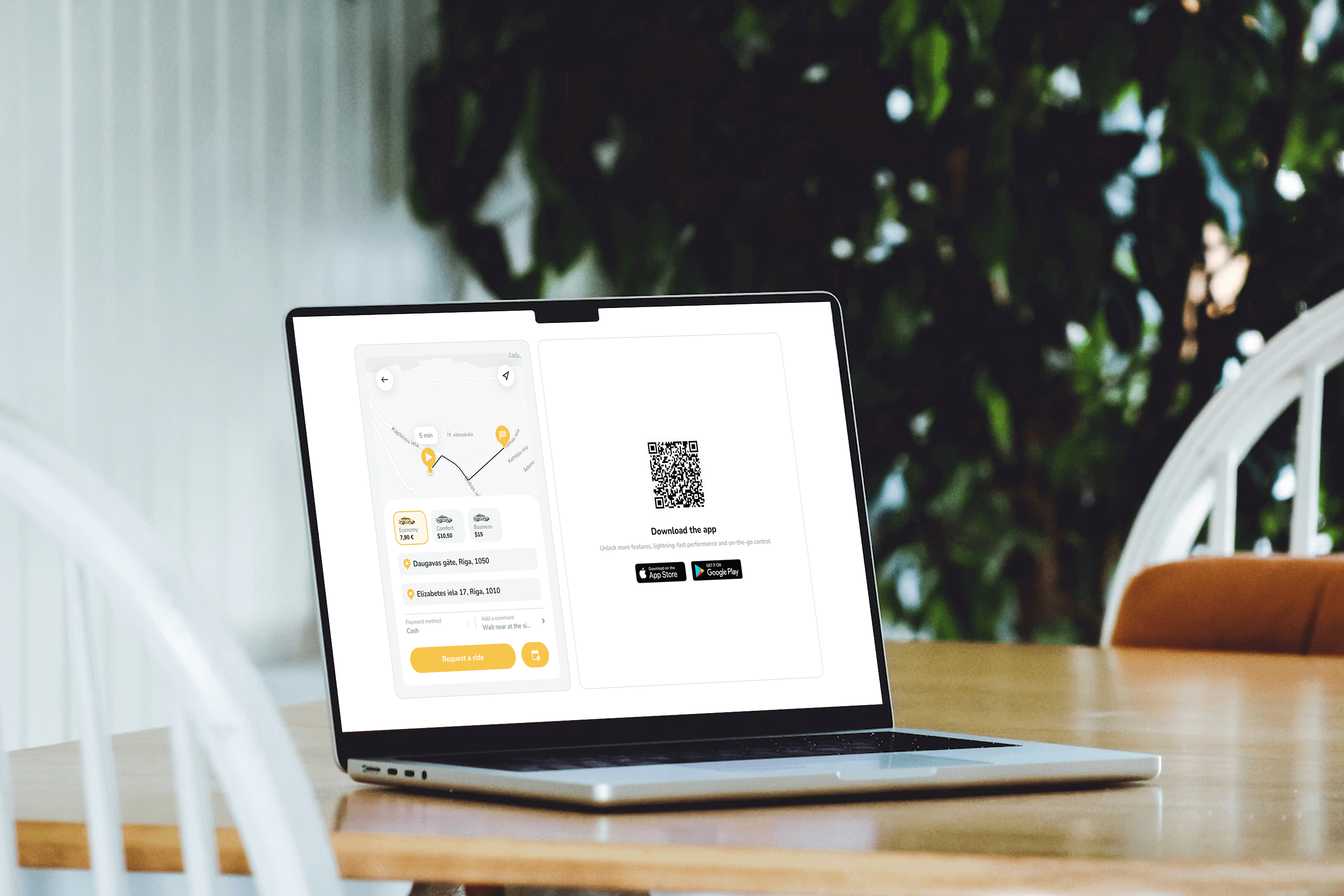
🚕 Web-booker is a lightweight ride-hail widget that lets users book rides directly from a website or mobile browser - no app install required. It reduces booking friction, supports hotel and partner demand, and keeps every ride fully synced with the taxi operator’s app and dashboard.
What if ordering a taxi was as easy as booking a room or clicking “Reserve table” on a website?
Meet Web-booker - a lightweight ride-hail booking widget that lets users request a cab directly from a website, without installing or opening the mobile app.
Perfect for hotels, business centers, event venues, airports, and corporate partners.
👉 Live demo: https://app.atommobility.com/taxi-widget
Web-booker is a browser-based ride-hail widget that operators can embed or link to from any website.
The booking happens on the web, but the ride is fully synchronized with the mobile app and operator dashboard.
No redirects. No app-store friction. No lost users.
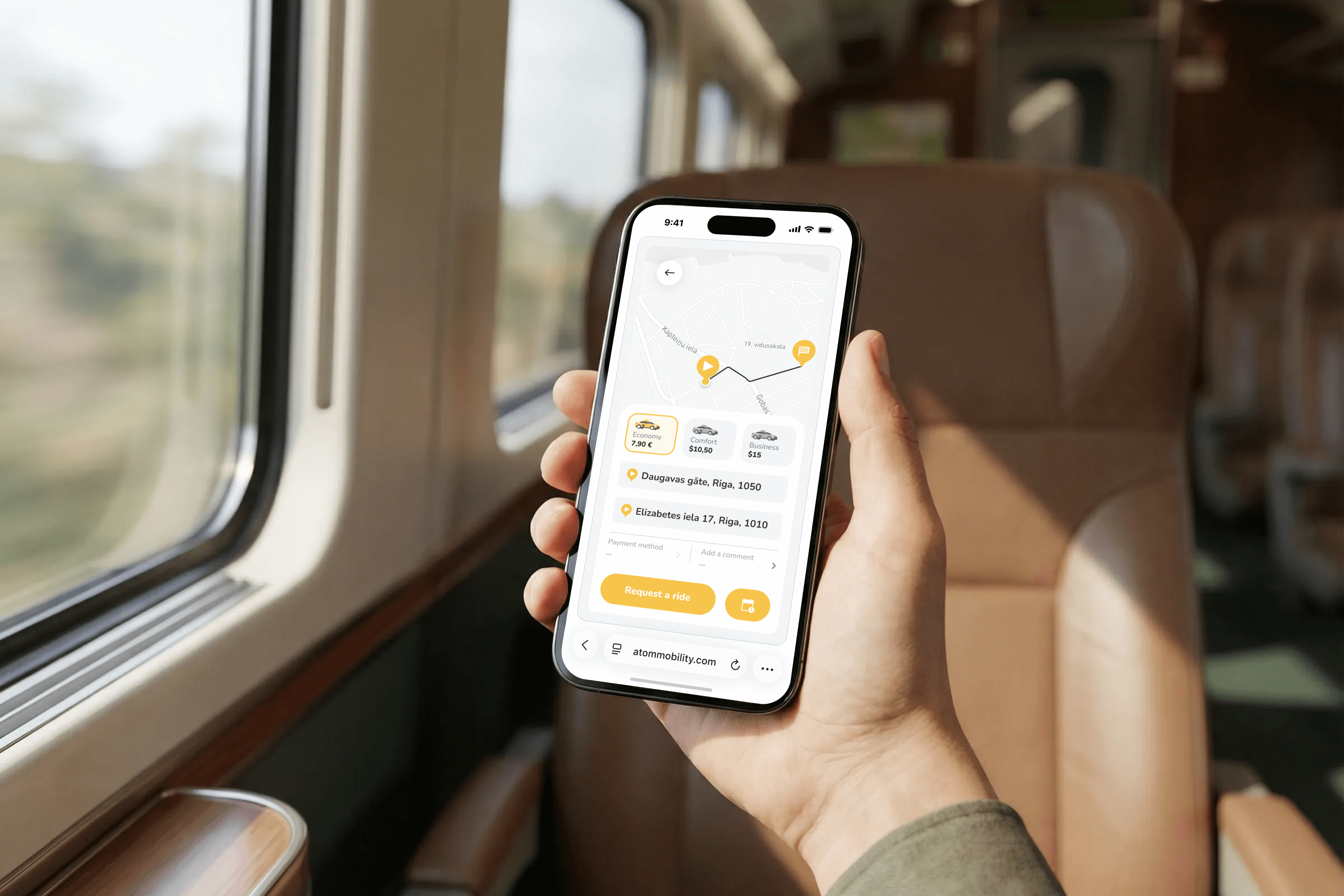
This keeps fraud low while preserving conversion.
Web-booker addresses one of the most common friction points in ride-hailing: users who need a ride now but are not willing to download an app first. By allowing bookings directly from a website, operators can capture high-intent demand at the exact moment it occurs - whether that is on a hotel website, an event page, or a partner landing page.
At the same time, Web-booker makes partnerships with hotels and venues significantly easier. Instead of complex integrations or manual ordering flows, partners can simply place a button or link and immediately enable ride ordering for their guests. Importantly, this approach does not block long-term app growth. The booking flow still promotes the mobile app through QR codes and store links, allowing operators to convert web users into app users over time - without forcing the install upfront.
Web-booker is not designed to replace the mobile app. It extends the acquisition funnel by adding a low-friction entry point, while keeping all bookings fully synchronized with the operator’s app and dashboard.
👉 Try the demo
https://app.atommobility.com/taxi-widget
Want to explore a ride-hail or taxi solution for your business - or migrate to a more flexible platform? Visit: https://www.atommobility.com/products/ride-hailing
Credenciais de demonstração do Driver App - E-mail: test@atom.com, Senha: motorista

