Marca blanca frente a franquicias: ¿qué modelo es el adecuado para su negocio de movilidad?
April 25, 2025
lectura mínima


Iniciar un nuevo negocio de movilidad implica muchas decisiones, pero una de las más importantes es elegir el modelo adecuado para el crecimiento. Ya sea que estés pensando en lanzar una flota de patinetes eléctricos, una aplicación de transporte o compartir vehículos en tu ciudad, hay dos caminos principales que debes considerar: unirte a una franquicia o crear tu propia marca con una solución de marca blanca.
Ambos modelos ofrecen beneficios claros, y ambos tienen desventajas. Lo que funcione mejor depende de tus objetivos, experiencia y visión a largo plazo.
Franquiciar significa unirse a una marca existente y operar bajo su nombre, sistemas y tecnología. Por ejemplo, una flota local de taxis podría convertirse en un socio de transporte compartido de Bolt y tener acceso a la tecnología, la base de usuarios y la reputación de Bolt. Del mismo modo, en el ámbito de la micromovilidad, algunas marcas permiten a los empresarios locales lanzar servicios de patinetes eléctricos o bicicletas compartidas como franquiciados.
Este modelo es popular porque puede reducir significativamente el tiempo y el esfuerzo necesarios para el lanzamiento. En lugar de desarrollar tu propia tecnología, marca, estrategia de marketing y sistemas operativos, obtienes un paquete, un negocio «listo para usar», de una marca que ya conoce los entresijos.
La principal ventaja de las franquicias es la rapidez y la sencillez. No es necesario construir todo desde cero. Opera con un nombre reconocido, lo que puede facilitar la comercialización. A menudo, también recibes apoyo operativo y un manual claro a seguir.
Pero también hay desventajas. Como franquiciado, no tienes el control total de la marca, los clientes y la tecnología. Es posible que tenga una flexibilidad limitada para experimentar o adaptar el servicio a sus necesidades locales. Las tarifas de franquicia o los modelos de reparto de ingresos también pueden reducir tu margen de beneficio. Y si la marca tiene problemas de reputación en otros lugares, esto puede afectar a tu negocio local, incluso si lo estás haciendo todo bien.
GRAVAMEN, una empresa estadounidense de uso compartido de patinetes eléctricos, se ha expandido con éxito a través de un modelo de franquicia al asociarse con operadores locales en todo EE. UU. Los emprendedores pueden lanzar y operar los servicios de la marca Levy en sus ciudades, aprovechando el software, el hardware y los conocimientos operativos probados de LEVY. Este modelo ha ayudado a LEVY a crecer rápidamente y, al mismo tiempo, a mantener una calidad de marca y servicio constante.
Próxima bicicleta, con sede en Alemania, es uno de los principales proveedores públicos de bicicletas compartidas del mundo. Trabaja con ciudades y socios similares a franquicias para operar servicios locales bajo la marca Nextbike. Estos socios se encargan de las operaciones sobre el terreno, como el mantenimiento y el servicio al cliente, al tiempo que se benefician de la plataforma, la marca y la experiencia internacional establecidas de Nextbike. Con presencia en más de 300 ciudades, es un claro ejemplo de cómo una empresa de micromovilidad puede crecer a través de asociaciones distribuidas.
Una solución de marca blanca le permite lanzar su propia plataforma de movilidad, con su propia marca, utilizando la tecnología ya preparada de otra persona. Esto significa que puedes crear una aplicación de transporte, un servicio de vehículos compartidos o una flota de scooters que se vea y se sienta al 100% tuya, pero sin necesidad de crear el software desde cero.
Si no está familiarizado con el funcionamiento de la etiqueta blanca, aquí tienes una buena explicación.
Con la marca blanca, usted asume la propiedad de su marca y sus operaciones, al tiempo que aprovecha un software confiable y probado que se ha utilizado en docenas de mercados. No eres solo un operador local, eres el propietario de la marca.
El mayor beneficio de un enfoque de marca blanca es la independencia. Tú controlas la marca, el marketing, los precios, las asociaciones, todo. Puede crear un negocio único que refleje su visión y las necesidades del mercado local. No hay reparto de ingresos ni cuotas de franquicia continuas.
Sin embargo, la etiqueta blanca también significa más responsabilidad. Tienes que gestionar tú mismo el marketing, la atención al cliente, las asociaciones locales y las operaciones. Mientras se proporciona el software, el negocio es suyo. Requiere una mayor participación, pero también brinda más recompensas potenciales.

Si quieres una forma rápida y de bajo riesgo de entrar en el mercado con apoyo y sistemas claros, las franquicias pueden ser una buena opción, especialmente si eres nuevo en el mundo de la movilidad o quieres probar el terreno.
Si desea construir un negocio a largo plazo con su propia marca, con un control total y mayores márgenes potenciales, la marca blanca es probablemente la mejor opción. Te da espacio para crecer y adaptarte sin estar atado a las reglas de otra persona.
Muchas empresas exitosas comienzan con software de marca blanca para acelerar su lanzamiento y luego se centran en construir una marca local sólida y una base de usuarios. Con el tiempo, este enfoque puede ofrecer más libertad estratégica y mejores retornos.
Una ventaja de elegir un proveedor de marca blanca como ATOM Mobility es que no solo estás creando para ti. Con la plataforma de ATOM, también puedes expandirte invitando a socios a operar con tu marca en otras ciudades o regiones.
Esto significa que puedes lanzarte como operador independiente y, con el tiempo, crear tu propia red tipo franquicia. El software de ATOM le permite añadir socios a su plataforma, asignarles territorios específicos, limitar el acceso a los datos y gestionar las operaciones desde un sistema central. Tus socios operan bajo tu marca y tú mantienes el control del panorama general.
Así es exactamente como han crecido varios de nuestros clientes. Comenzaron a nivel local, probaron el modelo y luego se expandieron asociándose con otros, todo ello sin renunciar a su marca ni a su independencia.
Tanto la franquicia como la marca blanca son formas válidas de lanzar un negocio de movilidad, y ambas tienen claras ventajas. Pero si tu objetivo es tener una marca propia a largo plazo, ser flexible y tener la capacidad de crecer según tus propias condiciones, la marca blanca suele ser la opción más inteligente.
Con ATOM Mobility plataforma, puede lanzarse rápidamente, operar de manera eficiente e incluso crear su propia red de socios bajo su marca, creando un modelo de franquicia que funcione para usted.
Haga clic a continuación para obtener más información o solicitar una demostración.

The micromobility industry doesn’t need another generic mobility conference. 🚫🎤 It needs real conversations between operators who are actually in the field. ⚙️ That’s exactly what ATOM Connect 2026 is built for. 🎯🤝
The shared mobility industry is evolving rapidly. Operators are navigating scaling challenges, regulatory complexity, hardware decisions, fleet optimization, and new integration models, all while aiming for sustainable growth.
That’s exactly why ATOM Mobility is organizing ATOM Connect 2026.
Our previous edition of ATOM Connect brought together professionals from the car sharing and rental industry for focused, high-quality discussions and networking. This year, we are narrowing the focus and dedicating the entire event to one fast-moving segment of the industry: shared micromobility.
ATOM Connect 2026 is designed specifically for operators, partners, and decision-makers working in shared micromobility. It is not a broad mobility conference or a public exhibition. It is a curated space for industry professionals to exchange practical experience, insights, and lessons learned.
On May 14th, 2026 in Riga, we will once again bring the community together, this time with a clear focus on micromobility.
This year’s agenda will address the real operational and strategic questions shaping shared micromobility today:
As usual, we aim to host both local and international operators from smaller, fast-growing fleets to established large-scale players alongside hardware providers and ecosystem partners.
On stage, you’ll hear from leading shared mobility companies - including Segway on hardware partnerships, Umob on MaaS integration, Anadue on data-driven fleet intelligence, Elerent on multi-vehicle operational realities and more insightful discussions.
The goal is simple: meaningful discussions with people who understand the operational realities of the industry.
ATOM Connect is free to attend, but participation is industry-focused (each submission is manually reviewed and verified). We are intentionally keeping the audience relevant and aligned to ensure high-quality conversations and valuable networking.
If you work in shared micromobility and would like to join the event, you can find the full agenda and register here:
👉 https://www.atommobility.com/atom-connect-2026
In the coming weeks, we will be revealing more speakers and additional agenda updates. We look forward to bringing the industry together again.
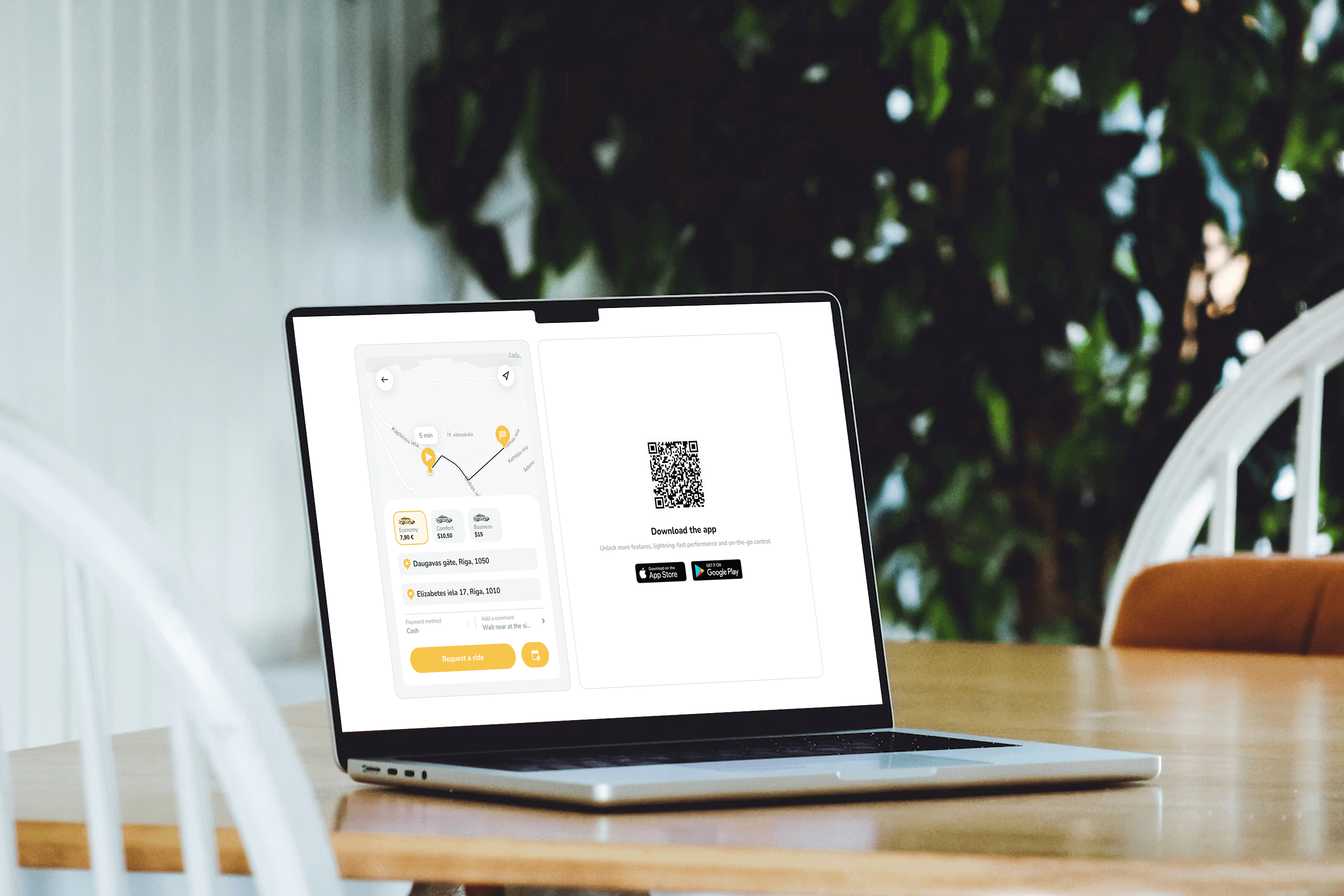
🚕 Web-booker is a lightweight ride-hail widget that lets users book rides directly from a website or mobile browser - no app install required. It reduces booking friction, supports hotel and partner demand, and keeps every ride fully synced with the taxi operator’s app and dashboard.
What if ordering a taxi was as easy as booking a room or clicking “Reserve table” on a website?
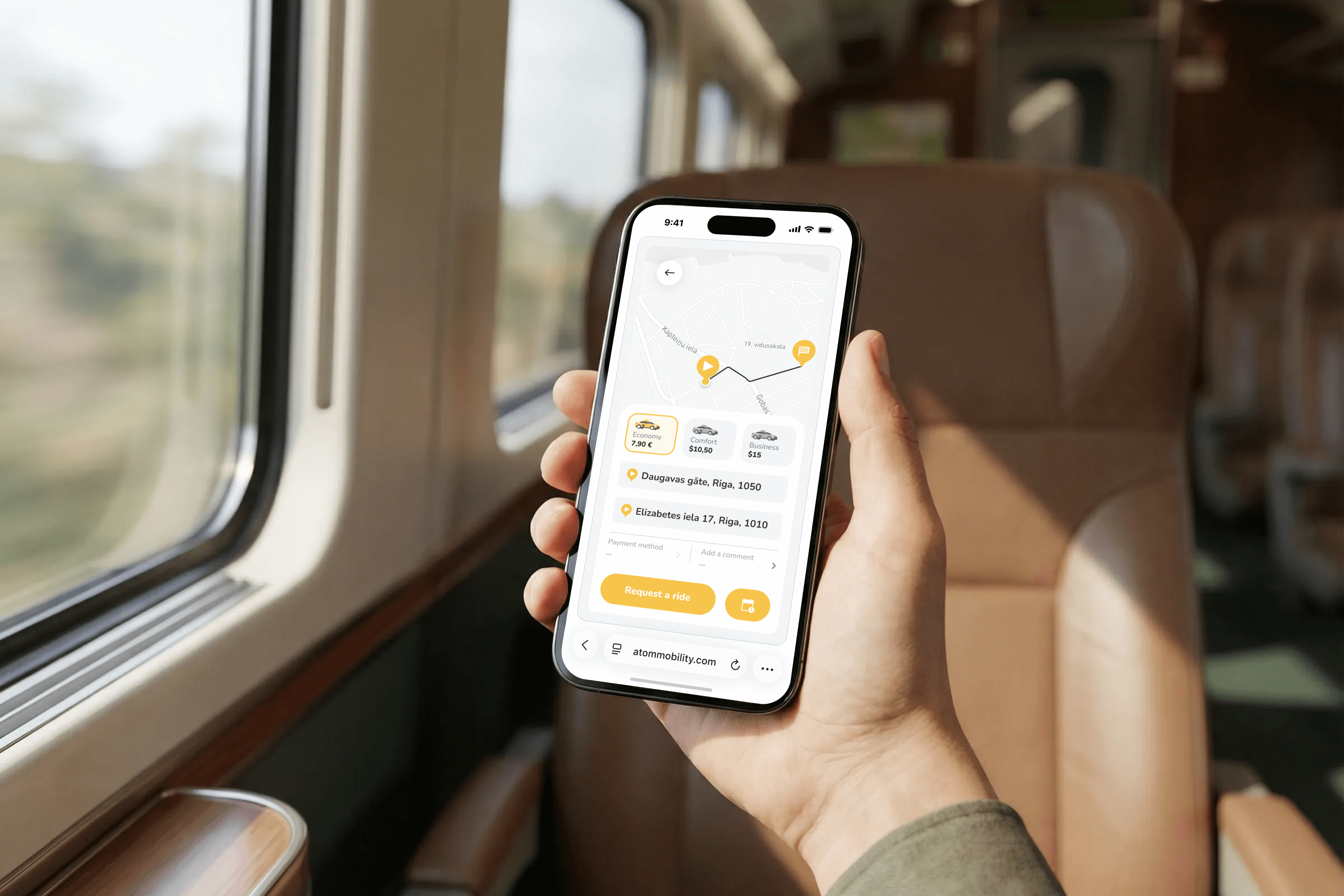
Meet Web-booker - a lightweight ride-hail booking widget that lets users request a cab directly from a website, without installing or opening the mobile app.
Perfect for hotels, business centers, event venues, airports, and corporate partners.
👉 Live demo: https://app.atommobility.com/taxi-widget
Web-booker is a browser-based ride-hail widget that operators can embed or link to from any website.
The booking happens on the web, but the ride is fully synchronized with the mobile app and operator dashboard.
No redirects. No app-store friction. No lost users.
This keeps fraud low while preserving conversion.
Web-booker addresses one of the most common friction points in ride-hailing: users who need a ride now but are not willing to download an app first. By allowing bookings directly from a website, operators can capture high-intent demand at the exact moment it occurs - whether that is on a hotel website, an event page, or a partner landing page.
At the same time, Web-booker makes partnerships with hotels and venues significantly easier. Instead of complex integrations or manual ordering flows, partners can simply place a button or link and immediately enable ride ordering for their guests. Importantly, this approach does not block long-term app growth. The booking flow still promotes the mobile app through QR codes and store links, allowing operators to convert web users into app users over time - without forcing the install upfront.
Web-booker is not designed to replace the mobile app. It extends the acquisition funnel by adding a low-friction entry point, while keeping all bookings fully synchronized with the operator’s app and dashboard.
👉 Try the demo
https://app.atommobility.com/taxi-widget
Want to explore a ride-hail or taxi solution for your business - or migrate to a more flexible platform? Visit: https://www.atommobility.com/products/ride-hailing
Credenciales de demostración de Driver App - Correo electrónico: test@atom.com, contraseña: conductor

