White label o franchising: qual è il modello giusto per la tua attività di mobilità?
April 25, 2025
lettura minima


L'avvio di una nuova attività di mobilità comporta molte decisioni, ma una delle più importanti è scegliere il modello giusto per la crescita. Che tu stia pensando di lanciare una flotta di scooter elettrici, un'app di ride-hailing o il car sharing nella tua città, ci sono due strade principali da prendere in considerazione: entrare in franchising o creare il tuo marchio utilizzando una soluzione white label.
Entrambi i modelli offrono evidenti vantaggi ed entrambi presentano aspetti negativi. Ciò che funziona meglio dipende dai tuoi obiettivi, dalla tua esperienza e dalla tua visione a lungo termine.
Franchising significa entrare a far parte di un marchio esistente e operare con il suo nome, i suoi sistemi e la sua tecnologia. Ad esempio, una flotta di taxi locale potrebbe diventare un partner per il ride-hailing di Bolt, ottenendo così l'accesso alla tecnologia, alla base di utenti e alla reputazione di Bolt. Analogamente, nel settore della micromobilità, alcuni marchi consentono agli imprenditori locali di lanciare servizi di condivisione di scooter elettrici o bici in franchising.
Questo modello è popolare perché può ridurre significativamente il tempo e gli sforzi necessari per il lancio. Invece di sviluppare la propria tecnologia, il proprio marchio, la propria strategia di marketing e i propri sistemi operativi, si ottiene un pacchetto, un'attività «pronta all'uso», da un marchio che conosce già le basi.
Il principale vantaggio del franchising è la velocità e la semplicità. Non è necessario costruire tutto da zero. Operate con un nome riconosciuto, il che può facilitare il marketing. Spesso, ricevi anche supporto operativo e una guida chiara da seguire.
Ma ci sono anche aspetti negativi. In qualità di franchisee, non hai il pieno controllo del marchio, dei clienti e della tecnologia. Potresti avere una flessibilità limitata per sperimentare o adattare il servizio alle tue esigenze locali. Anche le commissioni di franchising o i modelli di compartecipazione alle entrate possono ridurre il margine di profitto. E se il marchio ha problemi di reputazione altrove, ciò può avere un impatto sulla tua attività locale, anche se stai facendo tutto nel modo giusto.
PRELIEVO, una società di condivisione di scooter elettrici con sede negli Stati Uniti, si è espansa con successo attraverso un modello di franchising collaborando con operatori locali in tutti gli Stati Uniti. Gli imprenditori possono lanciare e gestire servizi a marchio LEVY nelle loro città, sfruttando il software, l'hardware e il know-how operativo collaudati di LEVY. Questo modello ha aiutato LEVY a espandersi rapidamente mantenendo una qualità costante del marchio e del servizio.
Prossima bici, con sede in Germania, è uno dei principali fornitori di bike sharing pubblici al mondo. Collabora con città e partner in franchising per gestire servizi locali con il marchio Nextbike. Questi partner gestiscono le operazioni sul campo, come la manutenzione e il servizio clienti, beneficiando al contempo della piattaforma consolidata, del marchio e dell'esperienza internazionale di Nextbike. Con una presenza in oltre 300 città, è un chiaro esempio di come un'azienda di micromobilità possa crescere attraverso partnership distribuite.
Una soluzione white label ti consente di lanciare la tua piattaforma di mobilità, con il tuo marchio, utilizzando la tecnologia già pronta di qualcun altro. Ciò significa che puoi creare un'app di ride-hailing, un servizio di car sharing o una flotta di scooter che sembri e si senta al 100% tua, ma senza dover creare il software da zero.
Se non conosci il funzionamento del white label, ecco una buona spiegazione.
Con white label, assumi la proprietà del tuo marchio e delle tue attività, sfruttando al contempo un software affidabile e testato utilizzato in dozzine di mercati. Non sei solo un operatore locale, sei il proprietario del marchio.
Il principale vantaggio di un approccio white label è l'indipendenza. Tu controlli il marchio, il marketing, i prezzi, le partnership, tutto. Puoi creare un'attività unica che rifletta la tua visione e le esigenze del mercato locale. Non sono previste compartecipazioni alle entrate o commissioni di franchising continue.
Tuttavia, l'etichetta bianca significa anche maggiore responsabilità. Devi gestire tu stesso il marketing, l'assistenza clienti, le partnership locali e le operazioni. Mentre il software viene fornito, l'attività è tua. Richiede un maggiore coinvolgimento ma comporta anche una maggiore ricompensa potenziale.

Se desideri un modo rapido e a basso rischio per entrare nel mercato con supporto e sistemi chiari, il franchising potrebbe essere una buona soluzione, soprattutto se sei nuovo nella mobilità o vuoi testare le acque.
Se desideri creare un'attività a lungo termine con il tuo marchio, con il pieno controllo e margini potenziali più elevati, il white label è probabilmente l'opzione migliore. Ti dà spazio per crescere e adattarti senza essere vincolato alle regole di qualcun altro.
Molte aziende di successo iniziano con software white label per velocizzare il lancio, quindi si concentrano sulla creazione di un marchio e di una base di utenti locali forti. Nel tempo, questo approccio può offrire maggiore libertà strategica e rendimenti migliori.
Uno dei vantaggi di scegliere un fornitore white label come ATOM Mobility è che non stai costruendo solo per te stesso. Con la piattaforma ATOM, puoi espanderti anche invitando i partner a operare con il tuo marchio in altre città o regioni.
Ciò significa che puoi lanciarti come operatore indipendente e, nel tempo, creare la tua rete in stile franchising. Il software ATOM ti consente di aggiungere partner alla tua piattaforma, assegnare loro territori specifici, limitare l'accesso ai dati e gestire le operazioni da un unico sistema centrale. I tuoi partner operano con il tuo marchio e tu mantieni il controllo del quadro generale.
Questo è esattamente il modo in cui molti dei nostri clienti sono cresciuti. Hanno iniziato localmente, hanno dimostrato il modello, poi si sono ampliati collaborando con altri, il tutto senza rinunciare al loro marchio o alla loro indipendenza.
Sia il franchising che il white label sono modi validi per avviare un'attività di mobilità ed entrambi presentano evidenti vantaggi. Ma se il tuo obiettivo è la proprietà a lungo termine del marchio, la flessibilità e la capacità di scalare alle tue condizioni, il white label è spesso la strada più intelligente.
Con ATOM Mobility piattaforma, puoi lanciarti rapidamente, operare in modo efficiente e persino creare la tua rete di partner con il tuo marchio, creando un modello di franchising adatto a te.
Fai clic qui sotto per saperne di più o richiedere una demo.

The micromobility industry doesn’t need another generic mobility conference. 🚫🎤 It needs real conversations between operators who are actually in the field. ⚙️ That’s exactly what ATOM Connect 2026 is built for. 🎯🤝
The shared mobility industry is evolving rapidly. Operators are navigating scaling challenges, regulatory complexity, hardware decisions, fleet optimization, and new integration models, all while aiming for sustainable growth.
That’s exactly why ATOM Mobility is organizing ATOM Connect 2026.
Our previous edition of ATOM Connect brought together professionals from the car sharing and rental industry for focused, high-quality discussions and networking. This year, we are narrowing the focus and dedicating the entire event to one fast-moving segment of the industry: shared micromobility.
ATOM Connect 2026 is designed specifically for operators, partners, and decision-makers working in shared micromobility. It is not a broad mobility conference or a public exhibition. It is a curated space for industry professionals to exchange practical experience, insights, and lessons learned.
On May 14th, 2026 in Riga, we will once again bring the community together, this time with a clear focus on micromobility.
This year’s agenda will address the real operational and strategic questions shaping shared micromobility today:
As usual, we aim to host both local and international operators from smaller, fast-growing fleets to established large-scale players alongside hardware providers and ecosystem partners.
On stage, you’ll hear from leading shared mobility companies - including Segway on hardware partnerships, Umob on MaaS integration, Anadue on data-driven fleet intelligence, Elerent on multi-vehicle operational realities and more insightful discussions.
The goal is simple: meaningful discussions with people who understand the operational realities of the industry.
ATOM Connect is free to attend, but participation is industry-focused (each submission is manually reviewed and verified). We are intentionally keeping the audience relevant and aligned to ensure high-quality conversations and valuable networking.
If you work in shared micromobility and would like to join the event, you can find the full agenda and register here:
👉 https://www.atommobility.com/atom-connect-2026
In the coming weeks, we will be revealing more speakers and additional agenda updates. We look forward to bringing the industry together again.
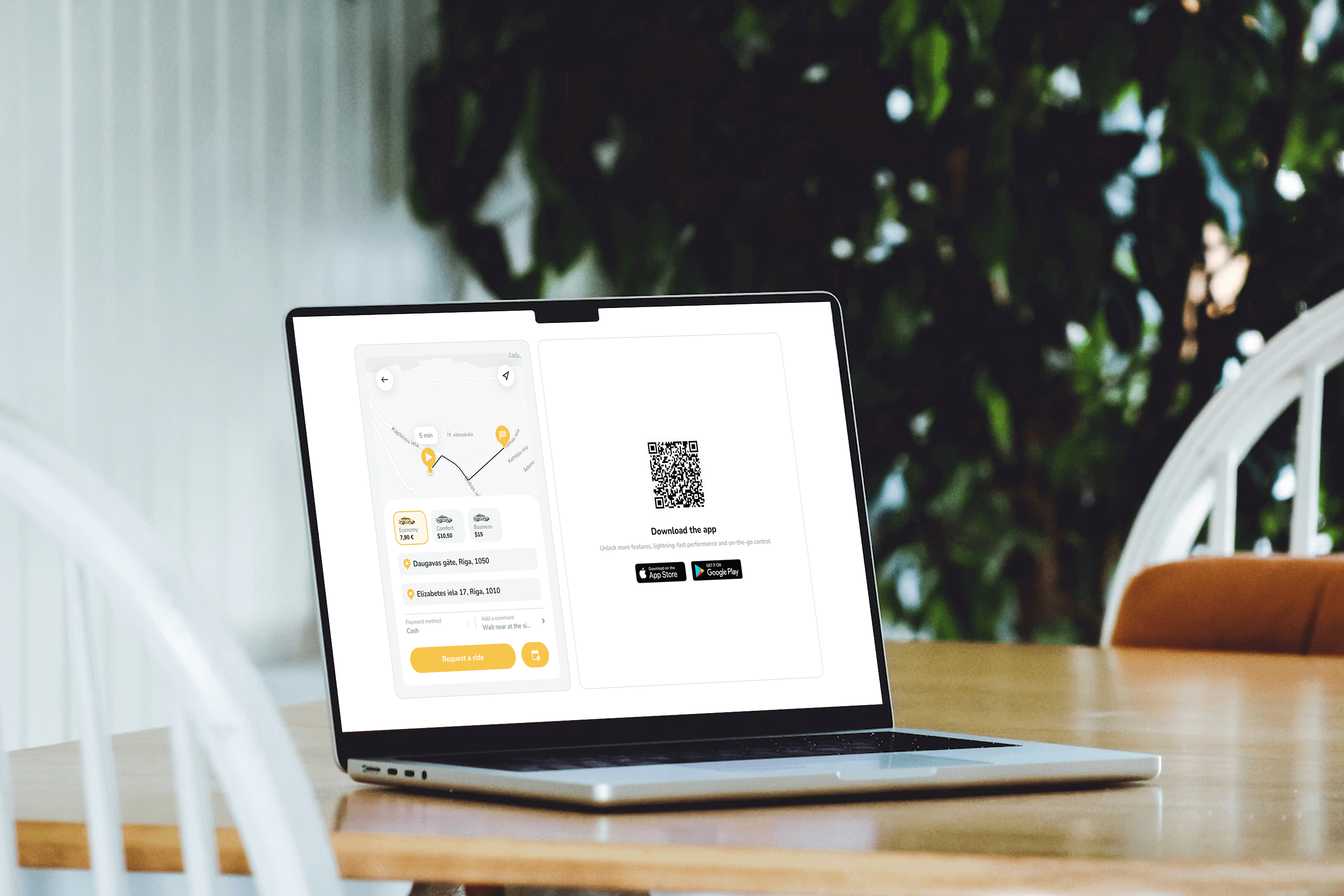
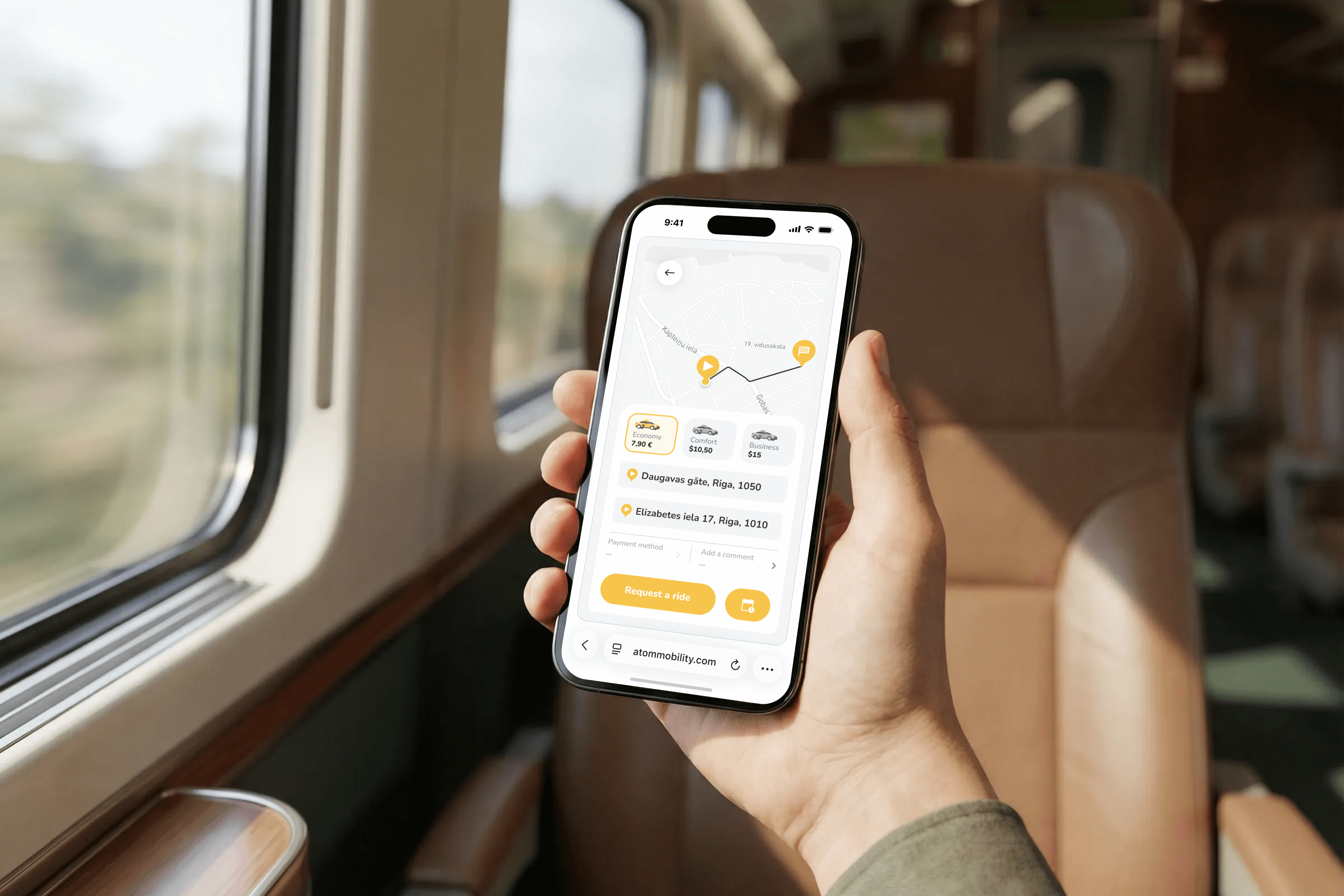
🚕 Web-booker is a lightweight ride-hail widget that lets users book rides directly from a website or mobile browser - no app install required. It reduces booking friction, supports hotel and partner demand, and keeps every ride fully synced with the taxi operator’s app and dashboard.
What if ordering a taxi was as easy as booking a room or clicking “Reserve table” on a website?
Meet Web-booker - a lightweight ride-hail booking widget that lets users request a cab directly from a website, without installing or opening the mobile app.
Perfect for hotels, business centers, event venues, airports, and corporate partners.
👉 Live demo: https://app.atommobility.com/taxi-widget
Web-booker is a browser-based ride-hail widget that operators can embed or link to from any website.
The booking happens on the web, but the ride is fully synchronized with the mobile app and operator dashboard.
No redirects. No app-store friction. No lost users.
This keeps fraud low while preserving conversion.
Web-booker addresses one of the most common friction points in ride-hailing: users who need a ride now but are not willing to download an app first. By allowing bookings directly from a website, operators can capture high-intent demand at the exact moment it occurs - whether that is on a hotel website, an event page, or a partner landing page.
At the same time, Web-booker makes partnerships with hotels and venues significantly easier. Instead of complex integrations or manual ordering flows, partners can simply place a button or link and immediately enable ride ordering for their guests. Importantly, this approach does not block long-term app growth. The booking flow still promotes the mobile app through QR codes and store links, allowing operators to convert web users into app users over time - without forcing the install upfront.
Web-booker is not designed to replace the mobile app. It extends the acquisition funnel by adding a low-friction entry point, while keeping all bookings fully synchronized with the operator’s app and dashboard.
👉 Try the demo
https://app.atommobility.com/taxi-widget
Want to explore a ride-hail or taxi solution for your business - or migrate to a more flexible platform? Visit: https://www.atommobility.com/products/ride-hailing
Credenziali demo dell'app Driver - Email: test@atom.com, Password: autista

