Présentation du matériel pour une micro-mobilité partagée (3/3) : serrures intelligentes et stations d'accueil
June 7, 2020
min. de lecture


Chez ATOM Mobility, nous savons qu'il y a de nombreux éléments à prendre en compte lors de la création d'une entreprise de mobilité. Pour faciliter le processus, nous avons dressé une liste des fabricants de serrures intelligentes et de stations d'accueil les plus fréquemment recommandés sur le marché. Contactez-nous si vous avez besoin de conseils ou de plus amples informations.

Spin a testé des bornes de recharge à énergie solaire par Swiftmile dans le cadre d'un programme pilote
Alors que le modèle flottant (où les scooters et les vélos peuvent être garés n'importe où dans la zone de stationnement) connaît une demande croissante, il est également confronté à certains défis tels que le problème des véhicules déchargés, le vandalisme et les pressions exercées par la municipalité. Dans certains cas, les serrures intelligentes ou même une station d'accueil/de recharge sont une bonne option à envisager. Dans ce court article, nous donnerons un bref aperçu des fabricants qui, à notre avis, peuvent fournir une solution de qualité à ce problème.
Serrures intelligentes
Omni est l'un des principaux fournisseurs de serrures intelligentes pour le partage de vélos. Il est utilisé par des entreprises comme Ofo, Mobike et bien d'autres. Un prix abordable et un GPS intégré constituent une combinaison gagnante. La capacité de recharge solaire en option signifie une durée de veille illimitée et vous n'avez pas à vous soucier de l'autonomie de la batterie.
Convient pour: vélos et vélos électriques
Prix : 50-70 USD/45-65 EUR selon le modèle et la quantité. Nécessite une carte SIM avec des données pour suivre la localisation

Serrure intelligente Omni
Linka a deux modèles principaux : Original et Leo. La différence est que Original Lock n'a pas de GPS intégré, ce qui signifie que vous vous fierez aux données du téléphone de l'utilisateur et que vous ne disposerez pas d'informations en temps réel sur la localisation du vélo. C'est pourquoi nous préférons Linka Leo, un produit de haute qualité au design exceptionnel.
Convient pour: vélos et vélos électriques
Prix : 169 - 269 USD/150 - 250 EUR en fonction du modèle et de la quantité. Le modèle Leo nécessite une carte SIM avec des données pour suivre la localisation
Lattis propose un verrou de type U avec étui spécial et chaîne pour scooters. C'est un produit de haute qualité, mais comme le Linka original, il n'a pas de GPS intégré. Cependant, nous pensons que cela peut constituer une bonne couche de sécurité supplémentaire pour le partage de scooters (où vous disposez déjà de l'IoT avec des données GPS).
Convient pour: scooters, vélos et vélos électriques
Prix : 150 - 199 USD/160 - 180 EUR en fonction des accessoires et de la quantité

Serrure intelligente Lattis
La société néerlandaise Axa est présente sur le marché depuis un certain temps et ses serrures sont utilisées par Donkey Republic et Zagster. Malheureusement, ces serrures ne disposent pas non plus de GPS, vous devrez donc vous fier aux données du téléphone de l'utilisateur.
Convient pour: vélos et vélos électriques
Prix : 130 USD/115 EUR
Bornes d'accueil et de recharge
Si vous êtes intéressé par une station de recharge/d'accueil, vous devez tenir compte du fait que le prix moyen d'un chargeur pour 1 scooter est d'environ 650 à 1100 USD/600 à 1000 EUR. Donc, si vous possédez une petite flotte de 100 scooters et que vous souhaitez disposer d'une place d'amarrage/recharge pour 30 % d'entre eux, votre budget sera d'environ 30 000 euros.
Swiftmile est le leader des stations de recharge et d'accueil pour scooters. Ses projets pilotes ont été couronnés de succès avec de grands opérateurs de mobilité partagée. Ils prennent en charge les systèmes de trottinettes avec ou sans station d'accueil et fonctionnent à l'aide de systèmes d'alimentation solaire, alimentés par batterie ou rechargeables. Leur logiciel est adapté à l'intégration via API. Vous pouvez connecter 4, 8, 12 ou 16 scooters/ports à une seule station.
La solution de recharge et d'accueil modulaire Duckt est une œuvre d'art, elle est petite et compacte et sera visuellement attrayante presque partout. C'est pourquoi nous l'adorons. Un autre avantage est que la solution est flexible et que vous pouvez placer ces modules un par un (1,2,3 et ainsi de suite).
Knot est un acteur européen qui fournit des bornes de recharge pour les scooters Segway. Il est abordable et en utilisant 1 borne, vous pouvez recharger jusqu'à 8 scooters.
La borne de recharge Kuhmute fonctionne avec de nombreux types de scooters, de vélos électriques et même de skateboards. Un autre avantage est qu'ils proposent des abonnements mensuels si vous ne voulez pas payer les stations à l'avance.
Meredot propose un concept très intéressant pour recharger les trottinettes sans fil (mais aucune station d'accueil n'est fournie). À l'heure actuelle, la start-up mène peu de projets pilotes avec ses premiers clients.
Contactez ATOM Mobility pour toute question ou demande supplémentaire concernant les produits et fournisseurs disponibles.
ATOM Mobility - Nous donnons aux entrepreneurs les moyens de lancer des plateformes de partage de véhicules.
Cliquez ci-dessous pour en savoir plus ou demander une démonstration.

The micromobility industry doesn’t need another generic mobility conference. 🚫🎤 It needs real conversations between operators who are actually in the field. ⚙️ That’s exactly what ATOM Connect 2026 is built for. 🎯🤝
The shared mobility industry is evolving rapidly. Operators are navigating scaling challenges, regulatory complexity, hardware decisions, fleet optimization, and new integration models, all while aiming for sustainable growth.
That’s exactly why ATOM Mobility is organizing ATOM Connect 2026.
Our previous edition of ATOM Connect brought together professionals from the car sharing and rental industry for focused, high-quality discussions and networking. This year, we are narrowing the focus and dedicating the entire event to one fast-moving segment of the industry: shared micromobility.
ATOM Connect 2026 is designed specifically for operators, partners, and decision-makers working in shared micromobility. It is not a broad mobility conference or a public exhibition. It is a curated space for industry professionals to exchange practical experience, insights, and lessons learned.
On May 14th, 2026 in Riga, we will once again bring the community together, this time with a clear focus on micromobility.
This year’s agenda will address the real operational and strategic questions shaping shared micromobility today:
As usual, we aim to host both local and international operators from smaller, fast-growing fleets to established large-scale players alongside hardware providers and ecosystem partners.
On stage, you’ll hear from leading shared mobility companies - including Segway on hardware partnerships, Umob on MaaS integration, Anadue on data-driven fleet intelligence, Elerent on multi-vehicle operational realities and more insightful discussions.
The goal is simple: meaningful discussions with people who understand the operational realities of the industry.
ATOM Connect is free to attend, but participation is industry-focused (each submission is manually reviewed and verified). We are intentionally keeping the audience relevant and aligned to ensure high-quality conversations and valuable networking.
If you work in shared micromobility and would like to join the event, you can find the full agenda and register here:
👉 https://www.atommobility.com/atom-connect-2026
In the coming weeks, we will be revealing more speakers and additional agenda updates. We look forward to bringing the industry together again.
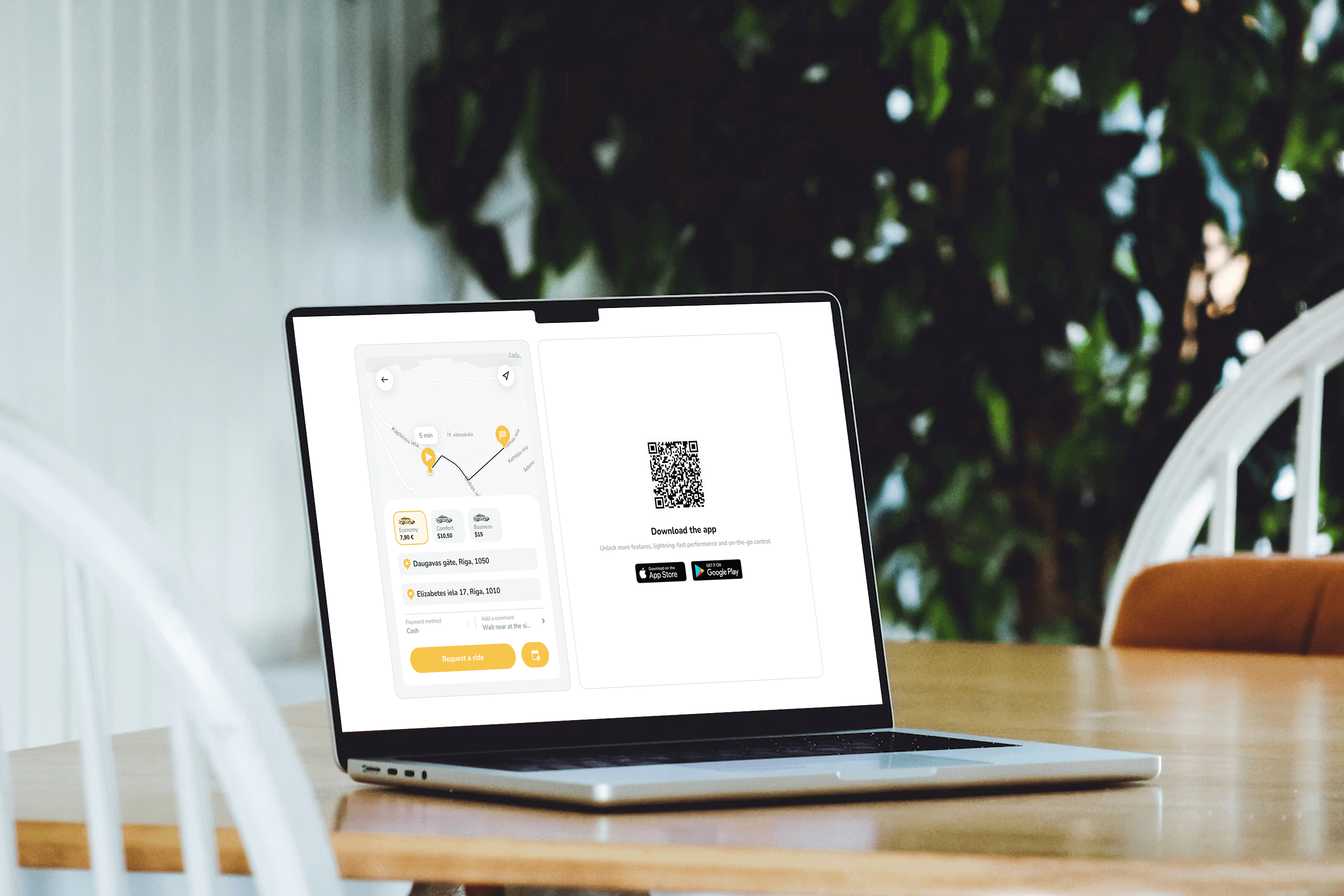
🚕 Web-booker is a lightweight ride-hail widget that lets users book rides directly from a website or mobile browser - no app install required. It reduces booking friction, supports hotel and partner demand, and keeps every ride fully synced with the taxi operator’s app and dashboard.
What if ordering a taxi was as easy as booking a room or clicking “Reserve table” on a website?
Meet Web-booker - a lightweight ride-hail booking widget that lets users request a cab directly from a website, without installing or opening the mobile app.
Perfect for hotels, business centers, event venues, airports, and corporate partners.
👉 Live demo: https://app.atommobility.com/taxi-widget
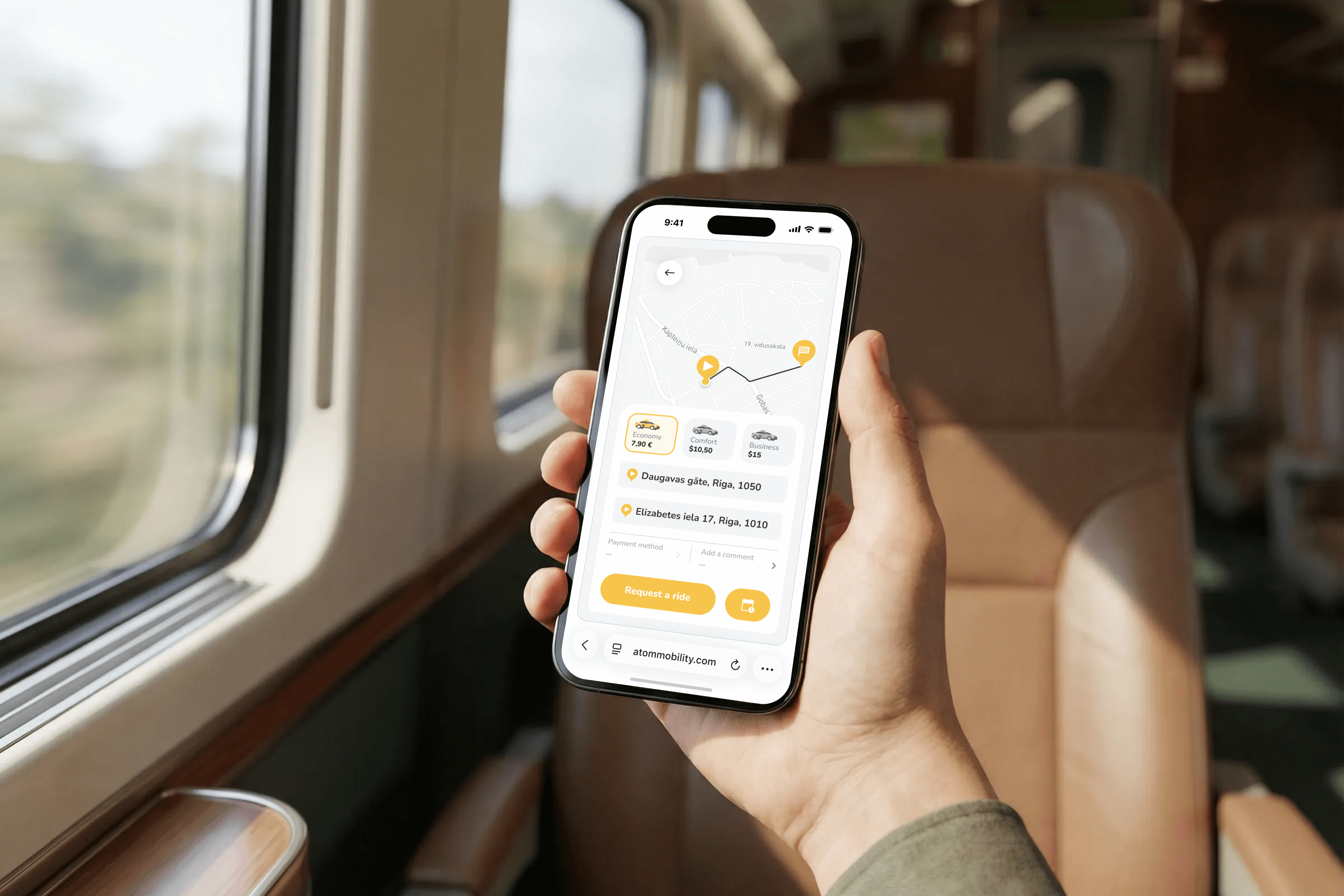
Web-booker is a browser-based ride-hail widget that operators can embed or link to from any website.
The booking happens on the web, but the ride is fully synchronized with the mobile app and operator dashboard.
No redirects. No app-store friction. No lost users.
This keeps fraud low while preserving conversion.
Web-booker addresses one of the most common friction points in ride-hailing: users who need a ride now but are not willing to download an app first. By allowing bookings directly from a website, operators can capture high-intent demand at the exact moment it occurs - whether that is on a hotel website, an event page, or a partner landing page.
At the same time, Web-booker makes partnerships with hotels and venues significantly easier. Instead of complex integrations or manual ordering flows, partners can simply place a button or link and immediately enable ride ordering for their guests. Importantly, this approach does not block long-term app growth. The booking flow still promotes the mobile app through QR codes and store links, allowing operators to convert web users into app users over time - without forcing the install upfront.
Web-booker is not designed to replace the mobile app. It extends the acquisition funnel by adding a low-friction entry point, while keeping all bookings fully synchronized with the operator’s app and dashboard.
👉 Try the demo
https://app.atommobility.com/taxi-widget
Want to explore a ride-hail or taxi solution for your business - or migrate to a more flexible platform? Visit: https://www.atommobility.com/products/ride-hailing
Informations d'identification pour la démonstration de Driver App - E-mail : test@atom.com, mot de passe : chauffeur

