Descripción general del hardware para la micromovilidad compartida (3/3): cerraduras inteligentes y estaciones de acoplamiento
June 7, 2020
lectura mínima


En ATOM Mobility, sabemos que hay mucho que tener en cuenta a la hora de crear una empresa de movilidad. Para facilitar el proceso, hemos recopilado un desglose de algunos de los fabricantes de cerraduras inteligentes y estaciones de acoplamiento más recomendados en el mercado. Ponte en contacto con nosotros en caso de que necesites orientación o más información.

Swiftmile probó estaciones de carga alimentadas por energía solar en Spin en un programa piloto
Si bien el modelo flotante (en el que los patinetes y las bicicletas se pueden estacionar en cualquier lugar dentro de la zona de estacionamiento) está experimentando una demanda creciente, también enfrenta algunos desafíos, como el problema de los vehículos descargados, el vandalismo y la presión por parte del municipio. En algunos casos, las cerraduras inteligentes o incluso las estaciones de carga o acoplamiento son una buena opción. En este breve artículo daremos una breve descripción de los fabricantes que, en nuestra opinión, pueden ofrecer una solución de calidad para este problema.
Cerraduras inteligentes
Omni es uno de los principales proveedores de candados inteligentes para compartir bicicletas, y es utilizado por empresas como Ofo, Mobike y muchas otras. El precio asequible y el GPS incorporado son una combinación ganadora. La capacidad de recarga solar opcional significa tiempo de espera ilimitado y no hay necesidad de preocuparse por la duración de la batería.
Apto para: bicicletas y bicicletas eléctricas
Precio: 50-70 USD/ 45-65 EUR según modelo y cantidad. Necesitará una tarjeta SIM con datos para rastrear la ubicación

Cerradura inteligente Omni
Linka tiene dos modelos principales: Original y Leo. La diferencia es que Original Lock no tiene GPS incorporado, lo que significa que te basarás en los datos del teléfono del usuario y no tendrás información en tiempo real sobre la ubicación de la bicicleta. Por eso preferimos Linka Leo, que es un producto de alta calidad con un gran diseño.
Apto para: bicicletas y bicicletas eléctricas
Precio: 169 - 269 USD/150 - 250 EUR según modelo y cantidad. El modelo Leo requiere una tarjeta SIM con datos para rastrear la ubicación
Lattis ofrece un candado tipo U con funda y cadena especiales para patinetes. Es un producto de alta calidad, pero al igual que el Linka original, no tiene GPS incorporado. Sin embargo, creemos que puede ser una buena capa de seguridad adicional para compartir patinetes (cuando ya tienes IoT con datos de GPS).
Apto para: patinetes, bicicletas y bicicletas eléctricas
Precio: 150 - 199 USD/160 - 180 EUR según los accesorios y la cantidad

Cerradura inteligente Lattis
Axa, de los Países Bajos, lleva un tiempo en el mercado y Donkey Republic y Zagster utilizan sus candados. Desafortunadamente, estas cerraduras tampoco tienen GPS, por lo que tendrás que confiar en los datos del teléfono del usuario.
Apto para: bicicletas y bicicletas eléctricas
Precio: 130 USD/115 EUR
Estaciones de carga y acoplamiento
Si está interesado en una estación de carga o acoplamiento, debe tener en cuenta que el precio promedio de 1 bote de carga para 1 scooter es de aproximadamente 650 a 1100 USD, 600 a 1000 EUR. Por lo tanto, si tienes una flota pequeña de 100 patinetes y quieres tener un punto de carga para el 30% de ellos, tu presupuesto rondará los 30 000 euros.
Swiftmile es el líder en estaciones de carga y acoplamiento para scooters, con pilotos exitosos con operadores de movilidad compartida más grandes. Son compatibles con sistemas de patinetes acoplados y sin muelle y funcionan con sistemas de energía solar, alimentados por baterías o enchufables. Su software es adecuado para la integración mediante API. Puedes conectar 4, 8, 12 o 16 patinetes o puertos a una estación.
La solución modular de carga y acoplamiento de Duckt es una obra de arte, es pequeña y compacta y tendrá un aspecto atractivo visual en casi todas partes. Por eso nos encanta. Otra cosa interesante es que la solución es flexible y puedes colocar estos módulos uno por uno (1,2,3 y así sucesivamente).
Knot es una empresa europea que ofrece estaciones de carga para patinetes Segway. Es asequible y al usar 1 estación puedes cargar hasta 8 patinetes.
La estación de carga Kuhmute funciona con muchos tipos de patinetes, bicicletas eléctricas e incluso monopatines. Otra cosa interesante es que ofrecen suscripciones mensuales si no quieres pagar las estaciones por adelantado.
Meredot tiene un concepto muy interesante para la carga inalámbrica de patinetes (sin embargo, no se proporciona una base). Por el momento, la startup lleva a cabo pocos proyectos piloto con los primeros clientes.
Póngase en contacto con ATOM Mobility para cualquier pregunta o consulta adicional que pueda tener sobre los productos y proveedores disponibles.
ATOM Mobility: capacitamos a los emprendedores para que lancen plataformas para compartir vehículos.
Haga clic a continuación para obtener más información o solicitar una demostración.

The micromobility industry doesn’t need another generic mobility conference. 🚫🎤 It needs real conversations between operators who are actually in the field. ⚙️ That’s exactly what ATOM Connect 2026 is built for. 🎯🤝
The shared mobility industry is evolving rapidly. Operators are navigating scaling challenges, regulatory complexity, hardware decisions, fleet optimization, and new integration models, all while aiming for sustainable growth.
That’s exactly why ATOM Mobility is organizing ATOM Connect 2026.
Our previous edition of ATOM Connect brought together professionals from the car sharing and rental industry for focused, high-quality discussions and networking. This year, we are narrowing the focus and dedicating the entire event to one fast-moving segment of the industry: shared micromobility.
ATOM Connect 2026 is designed specifically for operators, partners, and decision-makers working in shared micromobility. It is not a broad mobility conference or a public exhibition. It is a curated space for industry professionals to exchange practical experience, insights, and lessons learned.
On May 14th, 2026 in Riga, we will once again bring the community together, this time with a clear focus on micromobility.
This year’s agenda will address the real operational and strategic questions shaping shared micromobility today:
As usual, we aim to host both local and international operators from smaller, fast-growing fleets to established large-scale players alongside hardware providers and ecosystem partners.
On stage, you’ll hear from leading shared mobility companies - including Segway on hardware partnerships, Umob on MaaS integration, Anadue on data-driven fleet intelligence, Elerent on multi-vehicle operational realities and more insightful discussions.
The goal is simple: meaningful discussions with people who understand the operational realities of the industry.
ATOM Connect is free to attend, but participation is industry-focused (each submission is manually reviewed and verified). We are intentionally keeping the audience relevant and aligned to ensure high-quality conversations and valuable networking.
If you work in shared micromobility and would like to join the event, you can find the full agenda and register here:
👉 https://www.atommobility.com/atom-connect-2026
In the coming weeks, we will be revealing more speakers and additional agenda updates. We look forward to bringing the industry together again.
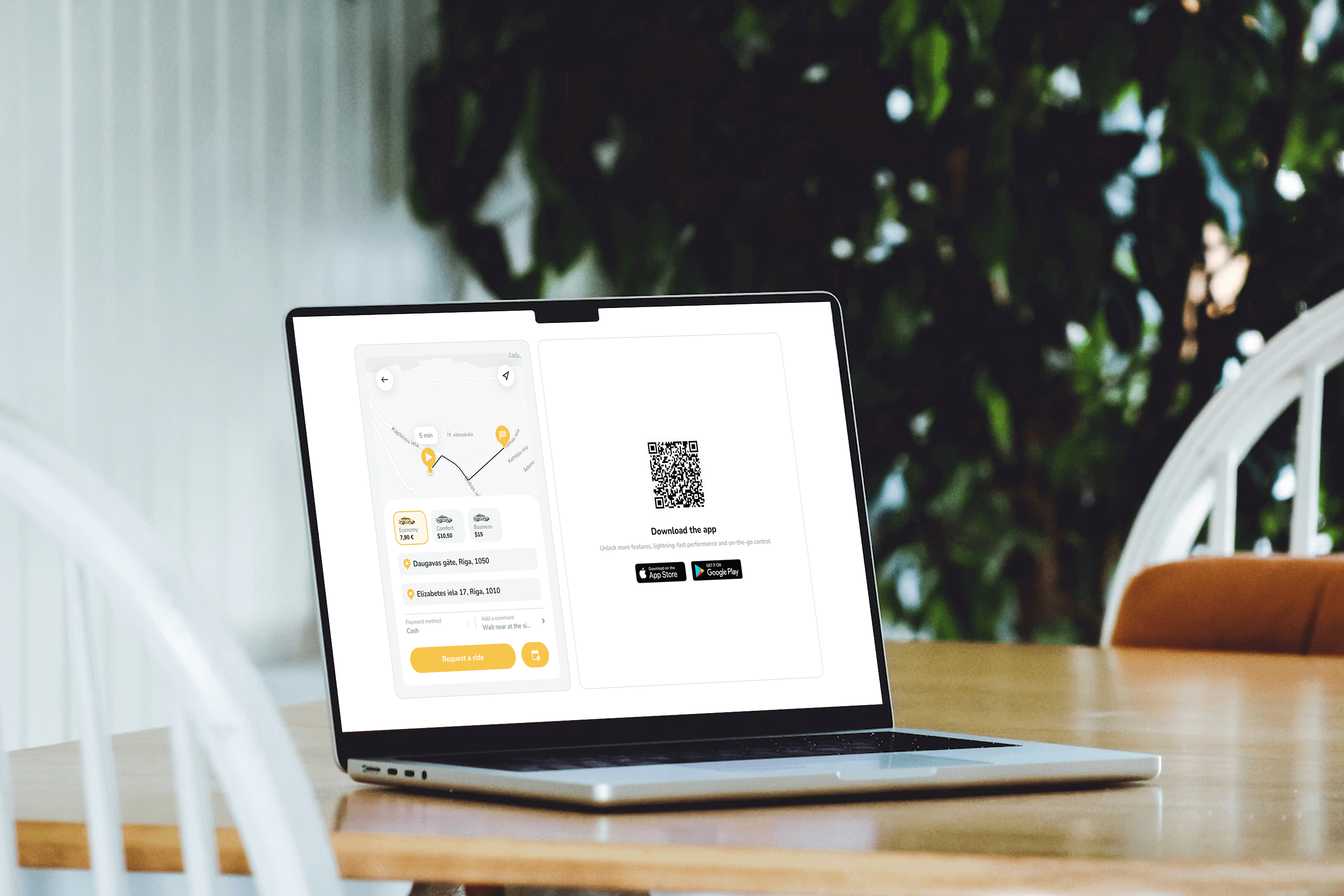
🚕 Web-booker is a lightweight ride-hail widget that lets users book rides directly from a website or mobile browser - no app install required. It reduces booking friction, supports hotel and partner demand, and keeps every ride fully synced with the taxi operator’s app and dashboard.
What if ordering a taxi was as easy as booking a room or clicking “Reserve table” on a website?
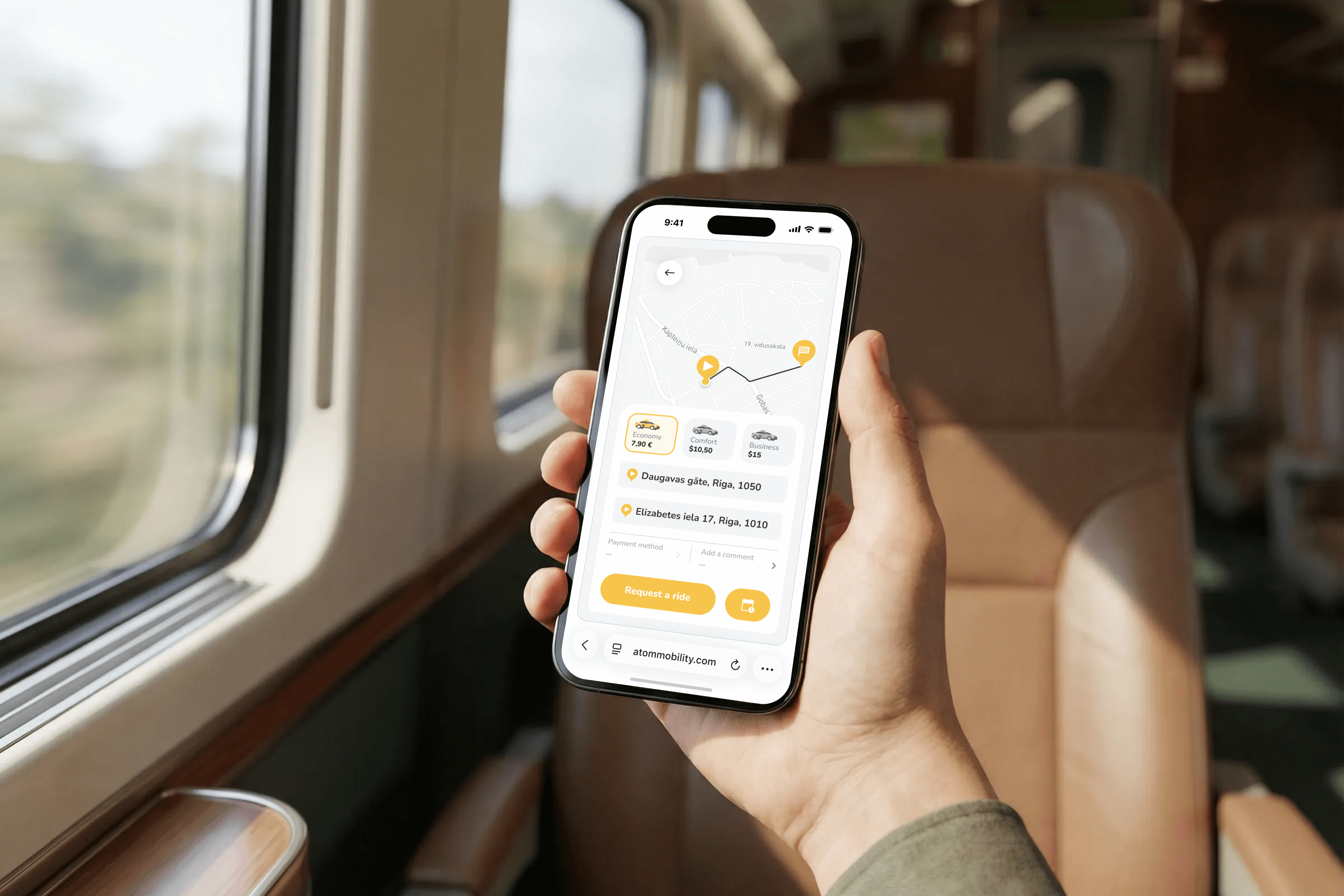
Meet Web-booker - a lightweight ride-hail booking widget that lets users request a cab directly from a website, without installing or opening the mobile app.
Perfect for hotels, business centers, event venues, airports, and corporate partners.
👉 Live demo: https://app.atommobility.com/taxi-widget
Web-booker is a browser-based ride-hail widget that operators can embed or link to from any website.
The booking happens on the web, but the ride is fully synchronized with the mobile app and operator dashboard.
No redirects. No app-store friction. No lost users.
This keeps fraud low while preserving conversion.
Web-booker addresses one of the most common friction points in ride-hailing: users who need a ride now but are not willing to download an app first. By allowing bookings directly from a website, operators can capture high-intent demand at the exact moment it occurs - whether that is on a hotel website, an event page, or a partner landing page.
At the same time, Web-booker makes partnerships with hotels and venues significantly easier. Instead of complex integrations or manual ordering flows, partners can simply place a button or link and immediately enable ride ordering for their guests. Importantly, this approach does not block long-term app growth. The booking flow still promotes the mobile app through QR codes and store links, allowing operators to convert web users into app users over time - without forcing the install upfront.
Web-booker is not designed to replace the mobile app. It extends the acquisition funnel by adding a low-friction entry point, while keeping all bookings fully synchronized with the operator’s app and dashboard.
👉 Try the demo
https://app.atommobility.com/taxi-widget
Want to explore a ride-hail or taxi solution for your business - or migrate to a more flexible platform? Visit: https://www.atommobility.com/products/ride-hailing
Credenciales de demostración de Driver App - Correo electrónico: test@atom.com, contraseña: conductor

