Hardwareübersicht für gemeinsam genutzte Mikromobilität (3/3): Intelligente Schlösser und Dockingstationen
June 7, 2020
min. Lesedauer


Wir bei ATOM Mobility wissen, dass es bei der Gründung eines Mobilitätsunternehmens viel zu beachten gibt. Um den Prozess zu vereinfachen, haben wir eine Aufschlüsselung der am häufigsten empfohlenen Hersteller von intelligenten Schlössern und Dockingstationen auf dem Markt zusammengestellt. Kontaktieren Sie uns, falls Sie eine Anleitung oder weitere Informationen benötigen.

In einem Pilotprogramm testete Swiftmile solarbetriebene Ladestationen
Das freischwebende Modell (bei dem Roller und Fahrräder überall innerhalb der Parkzone geparkt werden können) erfreut sich zwar wachsender Nachfrage, steht aber auch vor einigen Herausforderungen wie dem Problem entladener Fahrzeuge, Vandalismus und Druck durch die Gemeinde. In einigen Fällen sind intelligente Schlösser oder sogar Lade-/Ladestationen eine gute Option, die Sie sich ansehen sollten. In diesem kurzen Artikel geben wir einen kurzen Überblick über Hersteller, die unserer Meinung nach eine qualitativ hochwertige Lösung für dieses Problem bieten können.
Intelligente Schlösser
Omni ist einer der führenden Anbieter von intelligenten Schlössern für das Teilen von Fahrrädern. Es wird von Unternehmen wie Ofo, Mobike und vielen anderen genutzt. Erschwinglicher Preis und integriertes GPS sind eine gewinnbringende Kombination. Die optionale Solarladekapazität bedeutet eine unbegrenzte Bereitschaftszeit, sodass Sie sich keine Gedanken über die Akkulaufzeit machen müssen.
Geeignet für: Fahrräder und E-Bikes
Preis: 50-70 USD/ 45-65 EUR je nach Modell und Menge. Benötigt eine SIM-Karte mit Daten, um den Standort zu verfolgen

Omni Smart Lock
Linka hat zwei Hauptmodelle - Original und Leo. Der Unterschied besteht darin, dass das Originalschloss kein integriertes GPS hat, was bedeutet, dass Sie sich auf die Telefondaten des Benutzers verlassen und keine Echtzeitinformationen über den Standort des Fahrrads erhalten. Deshalb bevorzugen wir Linka Leo — ein qualitativ hochwertiges Produkt mit tollem Design.
Geeignet für: Fahrräder und E-Bikes
Preis: 169 - 269 USD/150 - 250 EUR je nach Modell und Menge. Das Leo-Modell benötigt eine SIM-Karte mit Daten, um den Standort zu verfolgen
Lattis bietet U-Schloss mit Spezialgehäuse und Kette für Roller an. Es ist ein qualitativ hochwertiges Produkt, aber ähnlich wie beim Linka-Original hat es kein eingebautes GPS. Wir glauben jedoch, dass es eine gute zusätzliche Sicherheitsebene für das Teilen von Rollern sein kann (wo Sie bereits IoT-Geräte mit GPS-Daten haben).
Geeignet für: Roller, Fahrräder und E-Bikes
Preis: 150 - 199 USD/160 - 180 EUR je nach Zubehör und Menge

Lattis Smart Lock
Axa aus den Niederlanden ist schon eine Weile auf dem Markt und ihre Schlösser werden von Donkey Republic und Zagster verwendet. Leider haben diese Schlösser auch kein GPS, sodass Sie sich auf die Telefondaten des Benutzers verlassen müssen.
Geeignet für: Fahrräder und E-Bikes
Preis: 130 USD/115 EUR
Docking- und Ladestationen
Wenn Sie an einer Lade-/Dockingstation interessiert sind, müssen Sie berücksichtigen, dass der Durchschnittspreis für 1 Ladestation für 1 Roller ungefähr 650 - 1100 USD/600 - 1000 EUR beträgt. Wenn Sie also eine kleine Flotte von 100 Rollern haben und eine Lade-/Ladestation für 30% davon haben möchten, liegt Ihr Budget bei etwa 30.000 EUR.
Swiftmile ist der führende Anbieter von Lade- und Dockingstationen für Roller und hat erfolgreiche Pilotprojekte mit größeren Betreibern von Shared Mobility durchgeführt. Sie unterstützen sowohl angedockte als auch ohne Dock betriebene Rollersysteme und werden entweder mit Solar-, Batterie- oder Plug-in-Stromversorgungssystemen betrieben. Ihre Software ist für die Integration per API geeignet. Sie können 4, 8, 12 oder 16 Roller/Anschlüsse an eine Station anschließen.
Die modulare Lade- und Docking-Lösung von Duckt ist ein Kunstwerk. Sie ist klein und kompakt und sieht fast überall optisch ansprechend aus. Deshalb lieben wir es. Eine weitere coole Sache ist, dass die Lösung flexibel ist und Sie diese Module einzeln platzieren können (1,2,3 usw.).
Knot ist ein europäischer Anbieter, der Ladestationen für Segway-Scooter anbietet. Es ist erschwinglich und mit einer Station können Sie bis zu 8 Roller aufladen.
Die Kuhmute-Ladestation funktioniert mit vielen Rollertypen, E-Bikes und sogar Skateboards. Eine weitere coole Sache ist, dass sie monatliche Abonnements anbieten, wenn Sie die Stationen nicht im Voraus bezahlen möchten.
Meredot hat ein sehr interessantes Konzept für das kabellose Laden von Rollern (es ist jedoch kein Docking vorgesehen). Im Moment führt das Startup nur wenige Pilotprojekte mit ersten Kunden durch.
Wenden Sie sich an ATOM Mobility, wenn Sie weitere Fragen oder Anfragen zu verfügbaren Produkten und Lieferanten haben.
ATOM Mobility - Wir ermöglichen Unternehmern, Plattformen für die gemeinsame Nutzung von Fahrzeugen auf den Markt zu bringen.
Klicken Sie unten, um mehr zu erfahren oder eine Demo anzufordern.

The micromobility industry doesn’t need another generic mobility conference. 🚫🎤 It needs real conversations between operators who are actually in the field. ⚙️ That’s exactly what ATOM Connect 2026 is built for. 🎯🤝
The shared mobility industry is evolving rapidly. Operators are navigating scaling challenges, regulatory complexity, hardware decisions, fleet optimization, and new integration models, all while aiming for sustainable growth.
That’s exactly why ATOM Mobility is organizing ATOM Connect 2026.
Our previous edition of ATOM Connect brought together professionals from the car sharing and rental industry for focused, high-quality discussions and networking. This year, we are narrowing the focus and dedicating the entire event to one fast-moving segment of the industry: shared micromobility.
ATOM Connect 2026 is designed specifically for operators, partners, and decision-makers working in shared micromobility. It is not a broad mobility conference or a public exhibition. It is a curated space for industry professionals to exchange practical experience, insights, and lessons learned.
On May 14th, 2026 in Riga, we will once again bring the community together, this time with a clear focus on micromobility.
This year’s agenda will address the real operational and strategic questions shaping shared micromobility today:
As usual, we aim to host both local and international operators from smaller, fast-growing fleets to established large-scale players alongside hardware providers and ecosystem partners.
On stage, you’ll hear from leading shared mobility companies - including Segway on hardware partnerships, Umob on MaaS integration, Anadue on data-driven fleet intelligence, Elerent on multi-vehicle operational realities and more insightful discussions.
The goal is simple: meaningful discussions with people who understand the operational realities of the industry.
ATOM Connect is free to attend, but participation is industry-focused (each submission is manually reviewed and verified). We are intentionally keeping the audience relevant and aligned to ensure high-quality conversations and valuable networking.
If you work in shared micromobility and would like to join the event, you can find the full agenda and register here:
👉 https://www.atommobility.com/atom-connect-2026
In the coming weeks, we will be revealing more speakers and additional agenda updates. We look forward to bringing the industry together again.
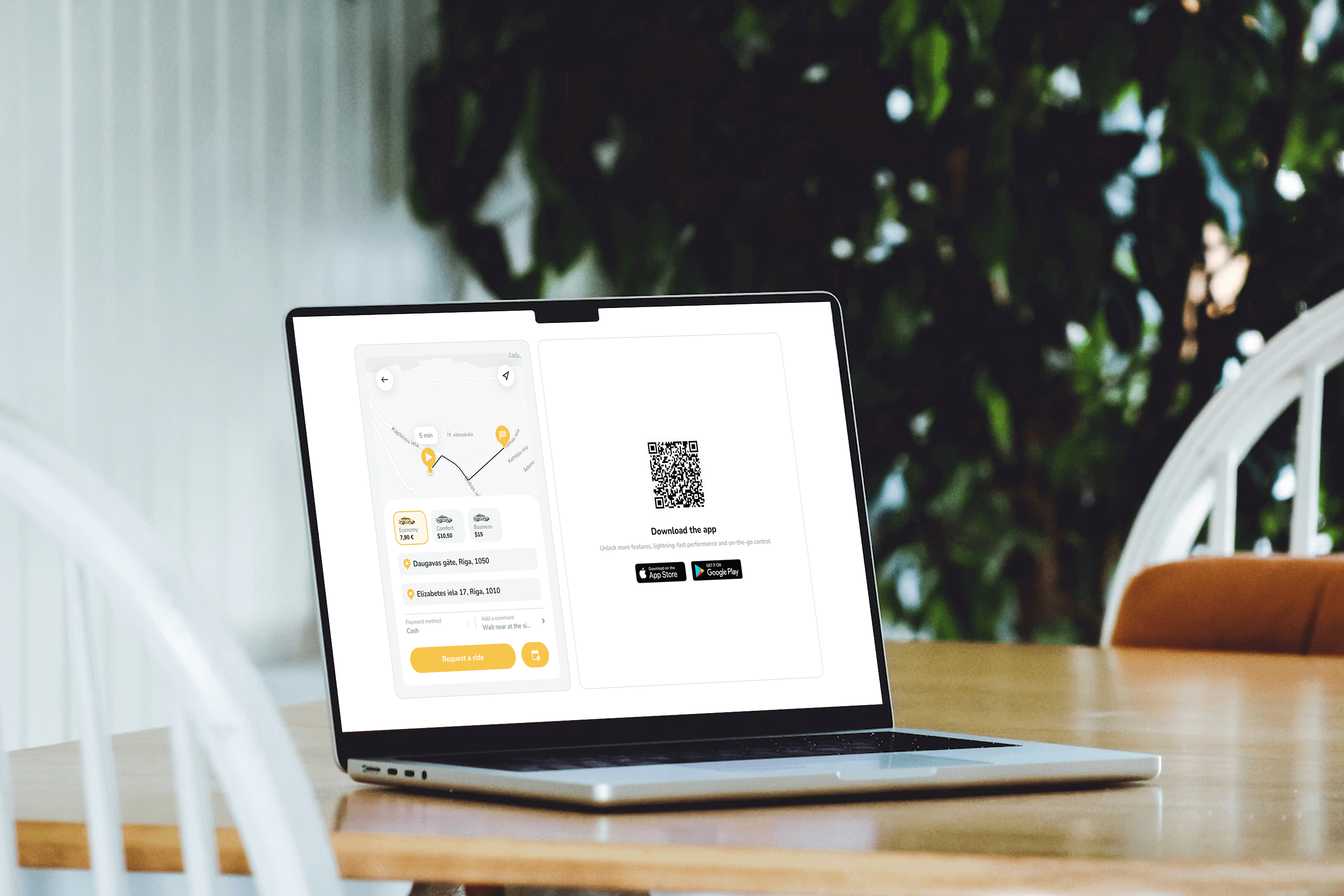
🚕 Web-booker is a lightweight ride-hail widget that lets users book rides directly from a website or mobile browser - no app install required. It reduces booking friction, supports hotel and partner demand, and keeps every ride fully synced with the taxi operator’s app and dashboard.
What if ordering a taxi was as easy as booking a room or clicking “Reserve table” on a website?
Meet Web-booker - a lightweight ride-hail booking widget that lets users request a cab directly from a website, without installing or opening the mobile app.
Perfect for hotels, business centers, event venues, airports, and corporate partners.
👉 Live demo: https://app.atommobility.com/taxi-widget
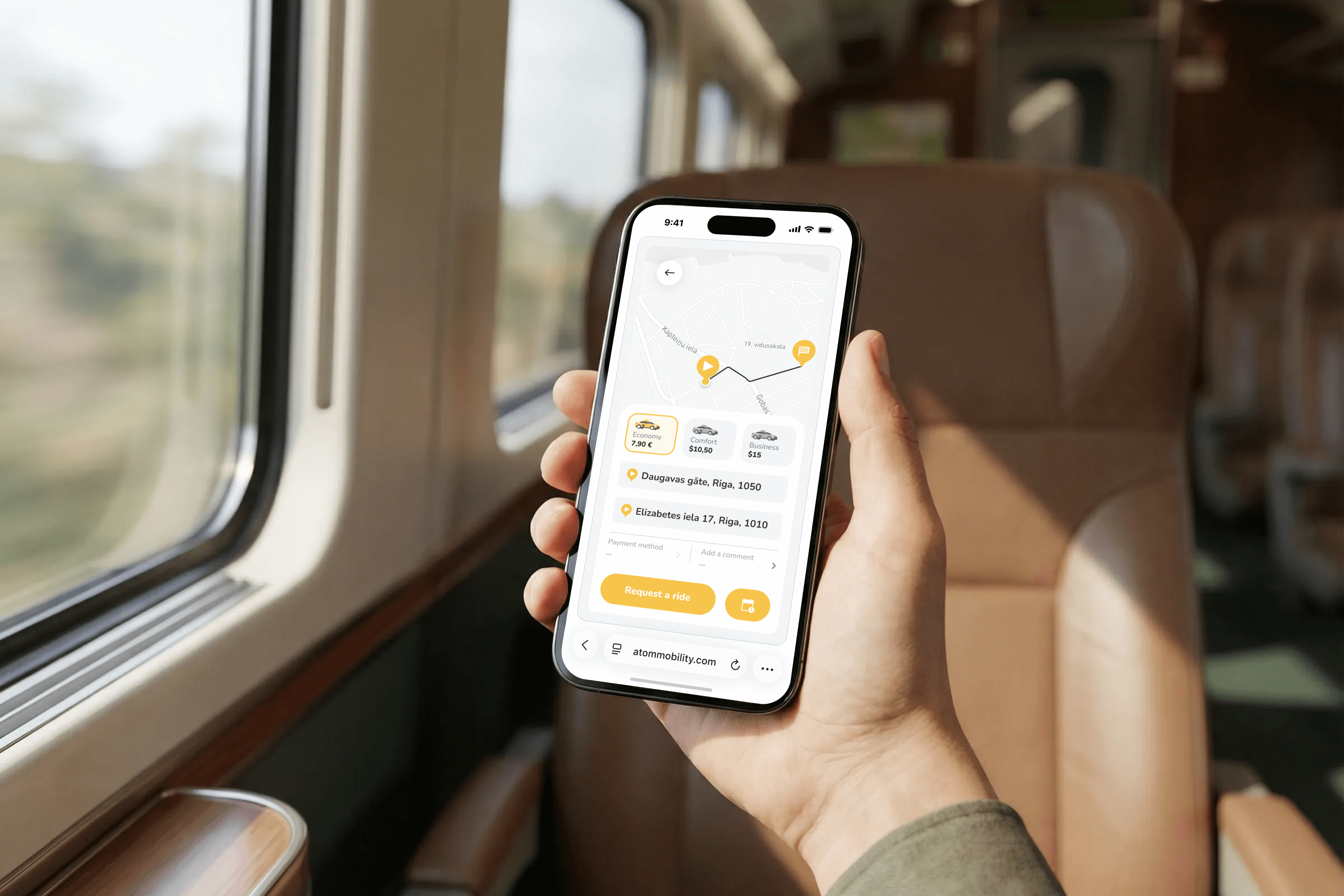
Web-booker is a browser-based ride-hail widget that operators can embed or link to from any website.
The booking happens on the web, but the ride is fully synchronized with the mobile app and operator dashboard.
No redirects. No app-store friction. No lost users.
This keeps fraud low while preserving conversion.
Web-booker addresses one of the most common friction points in ride-hailing: users who need a ride now but are not willing to download an app first. By allowing bookings directly from a website, operators can capture high-intent demand at the exact moment it occurs - whether that is on a hotel website, an event page, or a partner landing page.
At the same time, Web-booker makes partnerships with hotels and venues significantly easier. Instead of complex integrations or manual ordering flows, partners can simply place a button or link and immediately enable ride ordering for their guests. Importantly, this approach does not block long-term app growth. The booking flow still promotes the mobile app through QR codes and store links, allowing operators to convert web users into app users over time - without forcing the install upfront.
Web-booker is not designed to replace the mobile app. It extends the acquisition funnel by adding a low-friction entry point, while keeping all bookings fully synchronized with the operator’s app and dashboard.
👉 Try the demo
https://app.atommobility.com/taxi-widget
Want to explore a ride-hail or taxi solution for your business - or migrate to a more flexible platform? Visit: https://www.atommobility.com/products/ride-hailing
Anmeldedaten für die Driver App-Demo - E-Mail: test@atom.com, Passwort: Treiber

