Di quanto capitale hai bisogno per avviare la tua attività di mobilità condivisa?
June 28, 2023
lettura minima


Poiché la mobilità condivisa continua a registrare una rapida crescita, si prevede che genererà fino a 1 trilione di dollari nella spesa dei consumatori entro il 2030: non c'è da meravigliarsi che gli imprenditori siano attratti dall'esplorare le opportunità in questo fiorente mercato.
Tuttavia, nonostante le prospettive ottimistiche del mercato, il settore della mobilità condivisa non fornisce una scorciatoia magica per ritorni sugli investimenti massicci e immediati, nonostante ciò che alcuni attori del settore potrebbero affermare. In questo post del blog, offriremo una valutazione realistica e basata sull'esperienza degli investimenti necessari per far decollare un'iniziativa di mobilità condivisa.
Esploreremo la quantità di capitale di cui hai bisogno avvia la tua attività di mobilità condivisa. Con esperienza nel supporto oltre 100 imprenditori di tutto il mondo, ATOM Mobility è in una buona posizione per comprendere i dettagli finanziari.
Discuteremo delle spese essenziali coinvolte, inclusi veicoli, software, assicurazione e costi operativi: l'obiettivo è aiutarti a prendere decisioni informate e dare il via al tuo viaggio imprenditoriale con fiducia.
Il costo più significativo per avviare un'attività di mobilità condivisa deriva dall'acquisto dei veicoli.
Ecco quanto puoi aspettarti di pagare per un singolo veicolo:
Considerando i costi più elevati associati a veicoli come ciclomotori e automobili, anche il leasing è un'opzione praticabile. Tuttavia, garantire partnership di leasing è più difficile per gli operatori che non hanno un'attività consolidata.
La scelta dei veicoli dipenderà in ultima analisi dal tuo modello di business, sia che tu voglia fornire opzioni convenienti o di fascia alta. Ad esempio, se opti per scooter top di gamma di marchi come Segway e Äike, aspettati di pagare oltre 1000 EUR per veicolo. Il rovescio della medaglia è che sul mercato cinese si possono trovare scooter a partire da 400 euro, ma un prezzo del genere comporta una serie di rischi.
Supponendo che tu abbia preso una decisione sul modello e sulla marca, la domanda successiva è: quanti veicoli dovresti acquistare? Qual è la dimensione ideale della flotta da cui partire?
Ci concentreremo sugli scooter: con il loro prezzo accessibile, sono diventati la scelta preferita per coloro che desiderano avventurarsi nel settore della mobilità condivisa.
Sulla base di ciò che abbiamo visto, gli operatori avviano le loro iniziative con flotte di diverse dimensioni. Alcuni iniziano con una modesta flotta di 20 scooter nella prima stagione e poi crescono costantemente fino a oltre 100 veicoli nelle stagioni successive, diversificandosi persino in auto e altri modi di trasporto.
Tuttavia, iniziare con una flotta più grande offre notevoli vantaggi. Avere una flotta più grande significa che più persone noteranno il tuo marchio, portando a una più rapida adozione della mobilità condivisa all'interno della comunità locale. In altre parole, una flotta più grande accelera il processo di integrazione della mobilità condivisa nella routine quotidiana degli spostamenti quotidiani delle persone.
Un altro punto cruciale è che i costi operativi rimangono relativamente costanti per una flotta fino a 200 veicoli. Oltre a ciò, probabilmente dovrai espandere il tuo team, acquistare più furgoni, proteggere un magazzino più grande e assumere un tecnico aggiuntivo. Tuttavia, se iniziate con piccole dimensioni, 20 veicoli anziché 100-200 non porteranno a risparmi significativi nelle spese operative. Pertanto, è più conveniente iniziare con un numero maggiore di veicoli sin dall'inizio.

Anche i costi di manutenzione sono una considerazione importante. In media, circa Il 10-15% della tua flotta richiederà una manutenzione continua, a seconda della marca e del modello dei veicoli. Con una flotta più piccola di 20 scooter, è statisticamente probabile che 2-3 unità vengano riparate in un dato momento. Nel caso in cui la tua flotta subisca una serie di incidenti spiacevoli, questa percentuale può aumentare rapidamente, portando a una diminuzione del numero di scooter che generano entrate.
Garantire un'assicurazione di responsabilità civile verso terzi per le flotte più piccole, richiesta dalla legge per proteggere pedoni e motociclisti in caso di incidenti, può essere un compito impegnativo. Indipendentemente dalle dimensioni della flotta, gli operatori sono tenuti a pagare un premio annuale. Ciò significa che le flotte più piccole, come quelle con solo 20 scooter, potrebbero finire per pagare lo stesso premio delle flotte con 150 scooter. Per un'azienda di piccole dimensioni, questa spesa può essere piuttosto proibitiva e difficile da gestire. Pertanto, i costi assicurativi sono un altro motivo per considerare di iniziare con una flotta più grande.
In media, l'assicurazione costa circa 8 EUR per scooter al mese (pagato annualmente) per flotte che vanno da 100 a 200 scooter. Questi costi possono variare in base ai requisiti di copertura specifici stabiliti dalle autorità locali.
Se prendiamo in considerazione la visibilità del marchio, la manutenzione e l'assicurazione, è consigliabile che i nuovi operatori puntino a una flotta di dimensioni pari a almeno 50 scooter. È una scelta economica, soprattutto in un luogo con una forte domanda di mercato. Una flotta di queste dimensioni può anche fungere da test di mercato.
Tuttavia, per un inizio più solido, una dimensione ideale della flotta sarebbe di 100 scooter. Come accennato in precedenza, i costi operativi per 50 e 100 veicoli sarebbero più o meno gli stessi. Tuttavia, optare per 100 veicoli anziché 50 comporterebbe il doppio delle entrate. Questo aumento delle entrate renderebbe più facile sostenere ed espandere il business. Avere più veicoli contribuirebbe anche a migliorare la visibilità del marchio a lungo termine.
Una volta ordinata la flotta, il passo successivo è mettere le mani su un software.
Quando si tratta di dare forma all'identità del tuo marchio, il software che utilizzi è fondamentale tanto quanto i veicoli che offri. Avere una flotta di prim'ordine è fantastico, ma non farà differenza se trascuri il lato software del tuo servizio di mobilità condivisa. Vuoi che gli utenti trovino, prenotino e paghino facilmente le tue corse senza problemi.
Quando si tratta di software white label prezzo, di solito comporta un costo di installazione una tantum più un canone di abbonamento mensile in base al numero di veicoli o un modello di prezzo dinamico per utilizzo.
I costi di installazione per il software white-label sono in genere compresi tra 4-10 mila euro, a seconda del provider e delle funzionalità. Le tariffe mensili varieranno in base alle dimensioni della flotta o all'utilizzo.
Mobilità ATOM il software white-label offre un'ampia scelta di opzioni di configurazione, adatte a flotte di tutte le dimensioni, a partire dalle più piccole fino a oltre 5.000 veicoli. C'è anche un piano speciale per coloro che vogliono immergersi in acqua con 20 o meno veicoli, che non richiede costi di installazione. È un ottimo modo per testare il mercato e iniziare senza spendere una fortuna.

Ora che abbiamo capito le nozioni di base, elaboriamo alcuni numeri e calcoliamo la somma di denaro necessaria per avviare la tua attività di condivisione di scooter.
Tenendo conto dei costi dei veicoli, del software, dell'assicurazione e di altre spese, stiamo esaminando 70.000 EURO.
Ecco cosa ti serve per avviare la tua attività e mantenerla attiva per almeno una stagione:
Inoltre, è necessario considerare i costi operativi correnti, che varieranno in base alle dimensioni della flotta. Se disponi di una flotta di 50-150 scooter, può essere gestita in modo efficiente da due proprietari, oppure da un proprietario e un paio di dipendenti part-time. Il costo della ricarica dei veicoli dipenderà dai prezzi locali nella tua zona.
Quindi, con circa 70.000 dollari in tasca, avrai un budget decente per far sì che le cose accadano nel primo anno. Puoi dimostrare la tua idea, testare il mercato e imparare le basi lungo il percorso. E una volta che hai una base solida, crescere nel secondo anno diventa molto più semplice. Gli investitori si sentiranno più sicuri quando vedranno che il vostro modello di business è effettivamente fattibile.
Ovviamente, la cifra di 70.000 non è scolpita nella pietra. Le spese effettive varieranno in base alla tua posizione e alla tua disponibilità ad assumerti rischi aggiuntivi. Abbiamo avuto operatori che hanno raggiunto il successo con solo la metà del budget, ma di conseguenza il loro viaggio è stato sicuramente più snervante.
Con il nostro budget suggerito, avrai anche un po' di spazio per tentativi ed errori mentre inizi la tua avventura. Questo tipo di denaro consente un lancio più agevole e meno stressante, aumentando anche le possibilità di una crescita costante nella prossima stagione.
Se sei interessato ad avviare la tua iniziativa di mobilità condivisa, unisciti al nostro Accademia ATOM GRATIS per saperne di più e vedere se è l'attività giusta per te.
Se desideri esplorare in dettaglio i costi del software, pianifica una demo con il nostro team oggi.
Fai clic qui sotto per saperne di più o richiedere una demo.

The micromobility industry doesn’t need another generic mobility conference. 🚫🎤 It needs real conversations between operators who are actually in the field. ⚙️ That’s exactly what ATOM Connect 2026 is built for. 🎯🤝
The shared mobility industry is evolving rapidly. Operators are navigating scaling challenges, regulatory complexity, hardware decisions, fleet optimization, and new integration models, all while aiming for sustainable growth.
That’s exactly why ATOM Mobility is organizing ATOM Connect 2026.
Our previous edition of ATOM Connect brought together professionals from the car sharing and rental industry for focused, high-quality discussions and networking. This year, we are narrowing the focus and dedicating the entire event to one fast-moving segment of the industry: shared micromobility.
ATOM Connect 2026 is designed specifically for operators, partners, and decision-makers working in shared micromobility. It is not a broad mobility conference or a public exhibition. It is a curated space for industry professionals to exchange practical experience, insights, and lessons learned.
On May 14th, 2026 in Riga, we will once again bring the community together, this time with a clear focus on micromobility.
This year’s agenda will address the real operational and strategic questions shaping shared micromobility today:
As usual, we aim to host both local and international operators from smaller, fast-growing fleets to established large-scale players alongside hardware providers and ecosystem partners.
On stage, you’ll hear from leading shared mobility companies - including Segway on hardware partnerships, Umob on MaaS integration, Anadue on data-driven fleet intelligence, Elerent on multi-vehicle operational realities and more insightful discussions.
The goal is simple: meaningful discussions with people who understand the operational realities of the industry.
ATOM Connect is free to attend, but participation is industry-focused (each submission is manually reviewed and verified). We are intentionally keeping the audience relevant and aligned to ensure high-quality conversations and valuable networking.
If you work in shared micromobility and would like to join the event, you can find the full agenda and register here:
👉 https://www.atommobility.com/atom-connect-2026
In the coming weeks, we will be revealing more speakers and additional agenda updates. We look forward to bringing the industry together again.
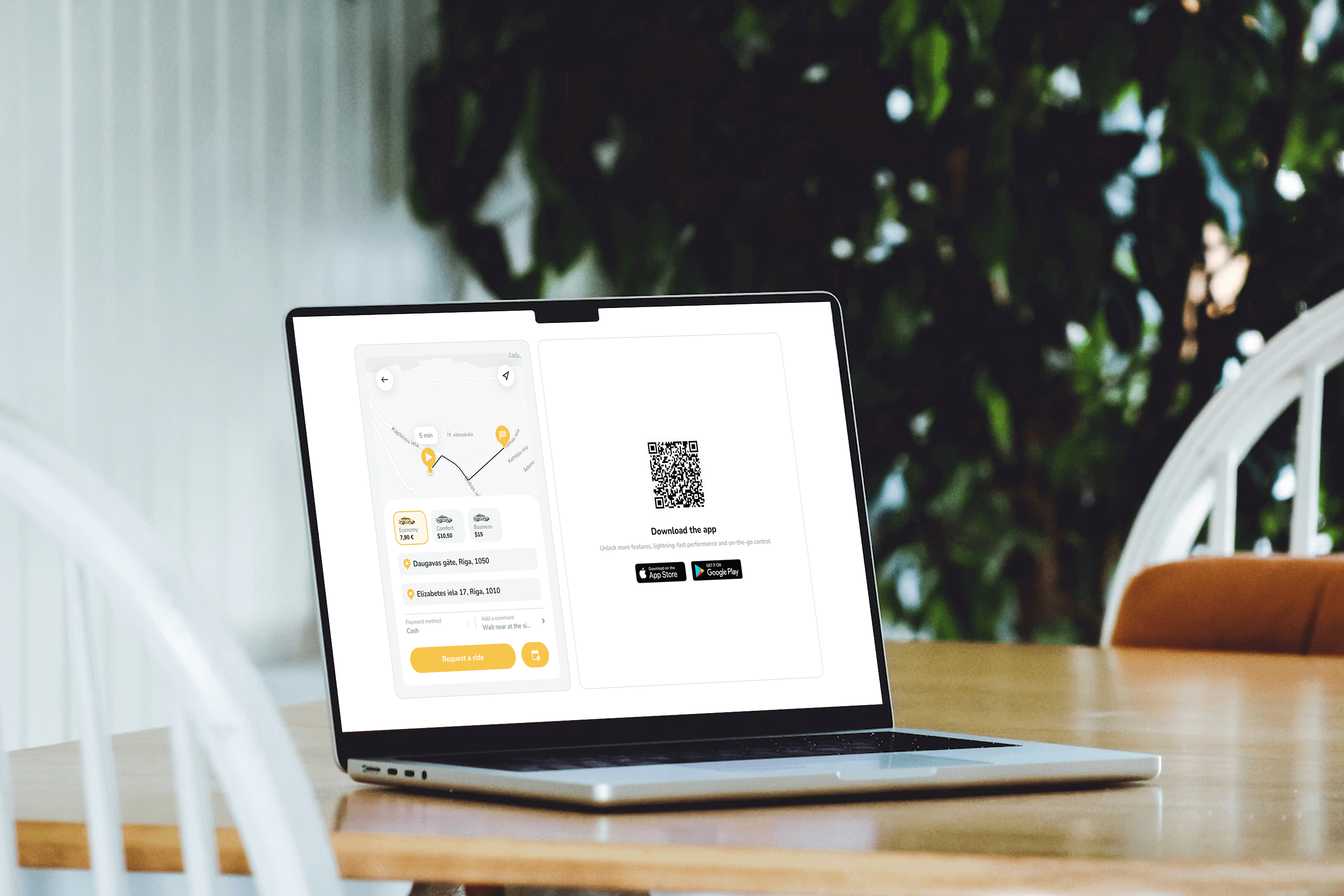
🚕 Web-booker is a lightweight ride-hail widget that lets users book rides directly from a website or mobile browser - no app install required. It reduces booking friction, supports hotel and partner demand, and keeps every ride fully synced with the taxi operator’s app and dashboard.
What if ordering a taxi was as easy as booking a room or clicking “Reserve table” on a website?
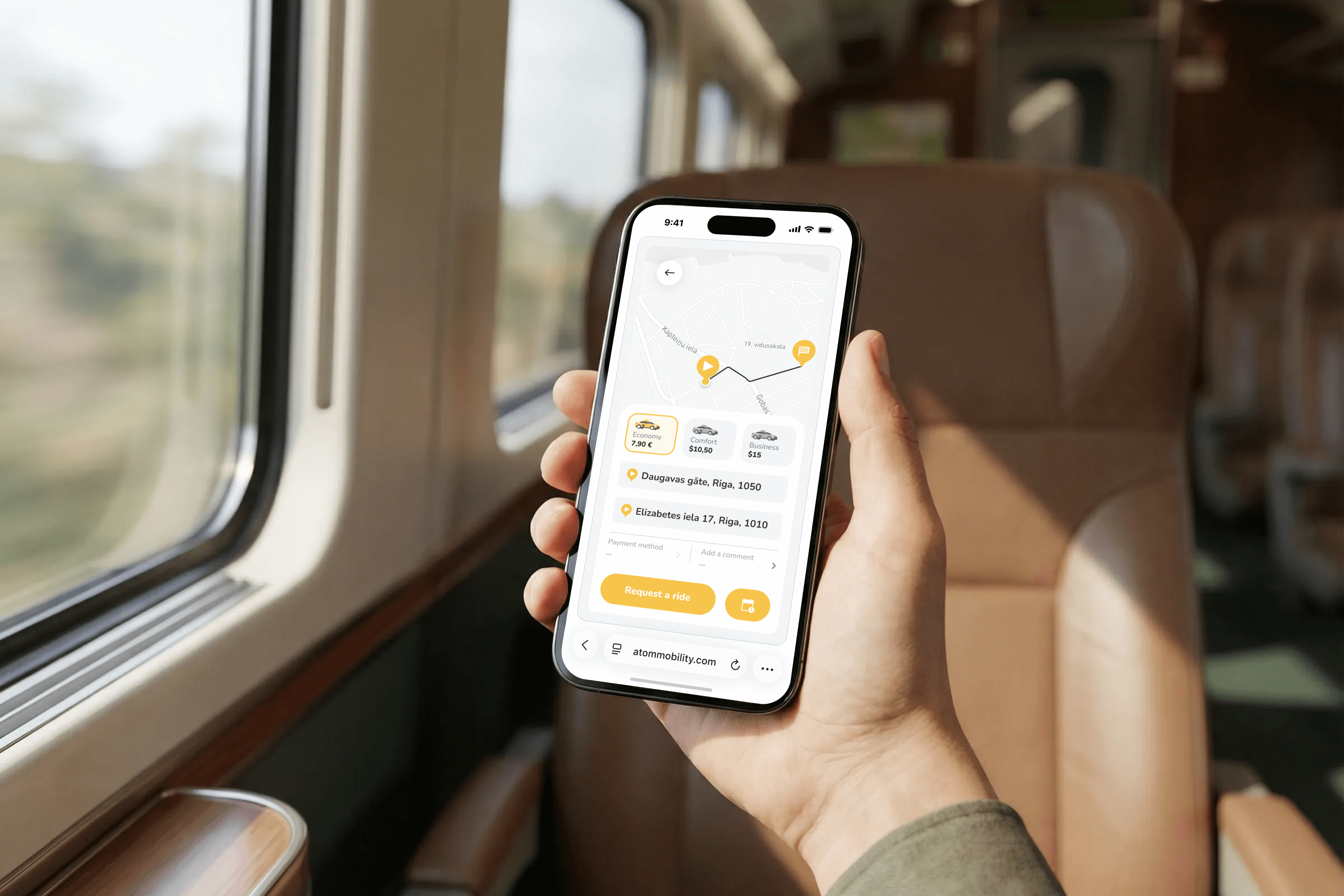
Meet Web-booker - a lightweight ride-hail booking widget that lets users request a cab directly from a website, without installing or opening the mobile app.
Perfect for hotels, business centers, event venues, airports, and corporate partners.
👉 Live demo: https://app.atommobility.com/taxi-widget
Web-booker is a browser-based ride-hail widget that operators can embed or link to from any website.
The booking happens on the web, but the ride is fully synchronized with the mobile app and operator dashboard.
No redirects. No app-store friction. No lost users.
This keeps fraud low while preserving conversion.
Web-booker addresses one of the most common friction points in ride-hailing: users who need a ride now but are not willing to download an app first. By allowing bookings directly from a website, operators can capture high-intent demand at the exact moment it occurs - whether that is on a hotel website, an event page, or a partner landing page.
At the same time, Web-booker makes partnerships with hotels and venues significantly easier. Instead of complex integrations or manual ordering flows, partners can simply place a button or link and immediately enable ride ordering for their guests. Importantly, this approach does not block long-term app growth. The booking flow still promotes the mobile app through QR codes and store links, allowing operators to convert web users into app users over time - without forcing the install upfront.
Web-booker is not designed to replace the mobile app. It extends the acquisition funnel by adding a low-friction entry point, while keeping all bookings fully synchronized with the operator’s app and dashboard.
👉 Try the demo
https://app.atommobility.com/taxi-widget
Want to explore a ride-hail or taxi solution for your business - or migrate to a more flexible platform? Visit: https://www.atommobility.com/products/ride-hailing
Credenziali demo dell'app Driver - Email: test@atom.com, Password: autista

