ما مقدار رأس المال الذي تحتاجه لبدء أعمال التنقل المشتركة الخاصة بك؟
28/6/2023
الحد الأدنى للقراءة


مع استمرار التنقل المشترك في تحقيق نمو سريع - من المتوقع أن يولد ما يصل إلى 1 تريليون دولار في الإنفاق الاستهلاكي بحلول عام 2030 - فلا عجب أن ينجذب رواد الأعمال لاستكشاف الفرص في هذا السوق المزدهر.
ومع ذلك، على الرغم من توقعات السوق المتفائلة، لا توفر صناعة التنقل المشتركة اختصارًا سحريًا لعوائد ضخمة وفورية على الاستثمار - على الرغم مما قد يدعيه بعض اللاعبين في الصناعة. في منشور المدونة هذا، سنقدم تقييمًا واقعيًا وقائمًا على الخبرة للاستثمار اللازم لبدء مشروع التنقل المشترك.
سوف نستكشف مقدار رأس المال الذي تحتاجه ابدأ أعمال التنقل المشتركة الخاصة بك. مع خبرة في الدعم أكثر من 100 رواد الأعمال في جميع أنحاء العالم، ATOM Mobility في وضع جيد لفهم التفاصيل المالية.
سنناقش النفقات الأساسية المعنية، بما في ذلك المركبات والبرامج والتأمين والتكاليف التشغيلية - الهدف هو مساعدتك على اتخاذ قرارات مستنيرة وبدء رحلة ريادة الأعمال بثقة.
تأتي التكلفة الأكثر أهمية في بدء أعمال التنقل المشتركة من الحصول على المركبات.
إليك ما يمكنك توقع دفعه مقابل سيارة واحدة:
بالنظر إلى التكاليف المرتفعة المرتبطة بالمركبات مثل الدراجات والسيارات، يعد التأجير أيضًا خيارًا قابلاً للتطبيق. ومع ذلك، فإن تأمين شراكات التأجير يمثل تحديًا أكبر للمشغلين الذين ليس لديهم نشاط تجاري راسخ.
يعتمد اختيار المركبات في النهاية على نموذج عملك - سواء كنت ترغب في توفير خيارات بأسعار معقولة أو عالية الجودة. على سبيل المثال، إذا اخترت الدراجات البخارية الأفضل من نوعها من علامات تجارية مثل Segway و Äike، فتوقع أن تدفع أكثر من 1000 يورو لكل مركبة. على الجانب الآخر، يمكنك العثور على دراجات بخارية منخفضة تصل قيمتها إلى 400 يورو في السوق الصينية، ولكن مثل هذا السعر يأتي مع مجموعة المخاطر الخاصة به.
على افتراض أنك اتخذت قرارك بشأن الطراز والعلامة التجارية، فإن السؤال التالي هو: كم عدد المركبات التي يجب أن تشتريها؟ ما هو حجم الأسطول المثالي للبدء به؟
سنركز على الدراجات البخارية - بسعرها المعقول، أصبحت الخيار المفضل لأولئك الذين يتطلعون إلى المغامرة في صناعة التنقل المشترك.
بناءً على ما رأيناه، يبدأ المشغلون مشاريعهم بأساطيل بأحجام مختلفة. يبدأ البعض بأسطول متواضع من 20 دراجة بخارية في موسمهم الأول ثم ينمو بشكل مطرد إلى أكثر من 100 مركبة في المواسم التالية، حتى أنهم يتنوعون في السيارات ووسائل النقل الأخرى.
ومع ذلك، فإن البدء بأسطول أكبر يوفر مزايا مميزة. إن امتلاك أسطول أكبر يعني أن المزيد من الناس سيلاحظون علامتك التجارية، مما يؤدي إلى اعتماد أسرع للتنقل المشترك داخل المجتمع المحلي. بعبارة أخرى - يعمل الأسطول الأكبر على تسريع عملية جعل التنقل المشترك جزءًا من إجراءات التنقل اليومية للأشخاص.
نقطة مهمة أخرى هي أن تكاليف التشغيل تظل ثابتة نسبيًا لأسطول يصل إلى 200 مركبة. علاوة على ذلك، ستحتاج على الأرجح إلى توسيع فريقك والحصول على المزيد من الشاحنات وتأمين مستودع أكبر وتوظيف فني إضافي. ولكن، إذا كنت تبدأ صغيرًا، فلن تؤدي 20 مركبة بدلاً من 100-200 إلى وفورات كبيرة في التكاليف في نفقات التشغيل. لذلك، من الأكثر فعالية من حيث التكلفة البدء بعدد أكبر من المركبات منذ البداية.

تعتبر تكاليف الصيانة أيضًا من الاعتبارات المهمة. في المتوسط، حوالي سيتطلب 10-15٪ من أسطولك صيانة مستمرة، اعتمادًا على العلامة التجارية وطراز المركبات. مع وجود أسطول أصغر من 20 دراجة بخارية، فمن المحتمل إحصائيًا أن 2-3 وحدات ستخضع للإصلاحات في أي وقت. في حالة تعرض أسطولك لسلسلة من الحوادث المؤسفة، يمكن أن تتصاعد هذه النسبة بسرعة، مما يؤدي إلى انخفاض عدد الدراجات البخارية التي تحقق إيرادات.
يمكن أن يكون تأمين المسؤولية العامة من طرف ثالث للأساطيل الصغيرة، وهو أمر مطلوب بموجب القانون لحماية المشاة والركاب في حالة وقوع حوادث، مهمة صعبة. بغض النظر عن حجم الأسطول، يتعين على المشغلين دفع قسط سنوي. هذا يعني أن الأساطيل الصغيرة، مثل تلك التي تحتوي على 20 دراجة بخارية فقط، يمكن أن ينتهي بها الأمر بدفع نفس قسط الأساطيل التي تحتوي على 150 دراجة بخارية. بالنسبة للشركات الصغيرة، يمكن أن تكون هذه النفقات باهظة للغاية ويصعب إدارتها. وبالتالي، فإن تكاليف التأمين هي سبب آخر للنظر في البدء بأسطول أكبر.
في المتوسط، تبلغ تكاليف التأمين حوالي 8 يورو لكل سكوتر شهريًا (تدفع سنويًا) لأساطيل تتراوح من 100 إلى 200 دراجة بخارية. قد تختلف هذه التكاليف اعتمادًا على متطلبات التغطية المحددة التي تحددها السلطات المحلية.
إذا أخذنا في الاعتبار رؤية العلامة التجارية والصيانة والتأمين، فمن المستحسن أن يستهدف المشغلون الجدد حجم أسطول يصل إلى ما لا يقل عن 50 دراجة بخارية. إنه اختيار مناسب للميزانية، خاصة في موقع يتمتع بطلب قوي في السوق. يمكن أيضًا استخدام أسطول بهذا الحجم بمثابة اختبار للسوق.
ومع ذلك، من أجل بداية أكثر قوة، سيكون حجم الأسطول المثالي 100 دراجة بخارية. كما ذكرنا سابقًا، ستكون تكاليف التشغيل لكل من 50 و 100 مركبة هي نفسها تقريبًا. ومع ذلك، فإن اختيار 100 مركبة بدلاً من 50 سيؤدي إلى مضاعفة الإيرادات. هذه الزيادة في الإيرادات ستجعل من السهل الحفاظ على الأعمال التجارية وتوسيعها. إن امتلاك المزيد من المركبات سيساهم أيضًا في تحسين رؤية العلامة التجارية على المدى الطويل.
بمجرد الانتهاء من فرز الأسطول، فإن الخطوة التالية هي الحصول على بعض البرامج.
عندما يتعلق الأمر بتشكيل هوية علامتك التجارية، فإن البرنامج الذي تستخدمه لا يقل أهمية عن المركبات التي تقدمها. يعد امتلاك أسطول من الدرجة الأولى أمرًا رائعًا، ولكنه لن يحدث فرقًا إذا أهملت الجانب البرمجي لخدمة التنقل المشتركة. تريد أن يتمكن المستخدمون من العثور بسهولة على مشاويرك وحجزها ودفع ثمنها دون أي مشاكل.
عندما يتعلق الأمر بـ برنامج العلامة البيضاء التسعير، عادةً ما يتضمن رسوم إعداد لمرة واحدة بالإضافة إلى رسوم اشتراك شهرية بناءً على عدد المركبات - أو نموذج تسعير ديناميكي لكل استخدام.
عادةً ما تكون رسوم الإعداد لبرامج العلامة البيضاء بين 4-10 آلاف يورو، اعتمادًا على الموفر والميزات. تختلف الرسوم الشهرية بناءً على حجم الأسطول أو الاستخدام.
أتوم موبيليتي يوفر برنامج العلامة البيضاء مجموعة واسعة من خيارات الإعداد، التي تلبي احتياجات الأساطيل من جميع الأحجام، بدءًا من الأصغر وحتى أكثر من 5 آلاف مركبة. هناك أيضًا خطة خاصة لأولئك الذين يرغبون في غمس أصابع قدمهم في الماء باستخدام 20 مركبة أو أقل، الأمر الذي لا يتطلب رسوم الإعداد. إنها طريقة رائعة لاختبار السوق والبدء دون إفلاس نفسك.

الآن بعد أن قمنا بتغطية الأساسيات، دعنا نحلل بعض الأرقام ونحسب مبلغ المال الذي ستحتاجه لبدء أعمال مشاركة السكوتر.
مع الأخذ في الاعتبار تكاليف المركبات والبرامج والتأمين والنفقات الأخرى، فإننا نبحث في 70,000 يورو.
إليك ما ستحتاج إليه لبدء نشاطك التجاري والاستمرار في تشغيله لموسم واحد على الأقل:
علاوة على ذلك، تحتاج إلى النظر في تكاليف التشغيل الجارية، والتي ستتقلب بناءً على حجم أسطولك. إذا كان لديك أسطول من 50-150 دراجة بخارية، فيمكن إدارته بكفاءة من قبل مالكين - أو مالك واحد واثنين من الموظفين بدوام جزئي. تعتمد تكلفة شحن المركبات على الأسعار المحلية في منطقتك.
لذلك، مع وجود حوالي 70 ألفًا في جيبك، سيكون لديك ميزانية مناسبة لتحقيق الأشياء في السنة الأولى. يمكنك إثبات مفهومك واختبار السوق وتعلم أصول العمل على طول الطريق. وبمجرد حصولك على أساس متين، يصبح التوسع في السنة الثانية أسهل كثيرًا. سيشعر المستثمرون بمزيد من الثقة عند القفز على متن الطائرة عندما يرون أن نموذج عملك قابل للتطبيق بالفعل.
بالطبع، الرقم 70 ألفًا ليس ثابتًا. ستختلف النفقات الفعلية بناءً على موقعك واستعدادك لتحمل مخاطر إضافية. لدينا مشغلون حققوا نجاحًا بنصف تلك الميزانية فقط - لكن رحلتهم كانت بالتأكيد أكثر إثارة للأعصاب نتيجة لذلك.
من خلال ميزانيتنا المقترحة، سيكون لديك أيضًا مساحة للتنفس للتجربة والخطأ عند بدء مشروعك. يسمح هذا النوع من المال بإطلاق أكثر سلاسة وأقل إرهاقًا - مما يزيد أيضًا من فرص النمو المطرد في الموسم المقبل.
إذا كنت مهتمًا ببدء مشروع التنقل المشترك الخاص بك، انضم إلينا أكاديمية أتوم مجانًا لمعرفة المزيد ومعرفة ما إذا كان هذا هو النشاط التجاري المناسب لك.
إذا كنت ترغب في استكشاف تكاليف البرنامج بالتفصيل، جدولة عرض توضيحي مع فريقنا اليوم.
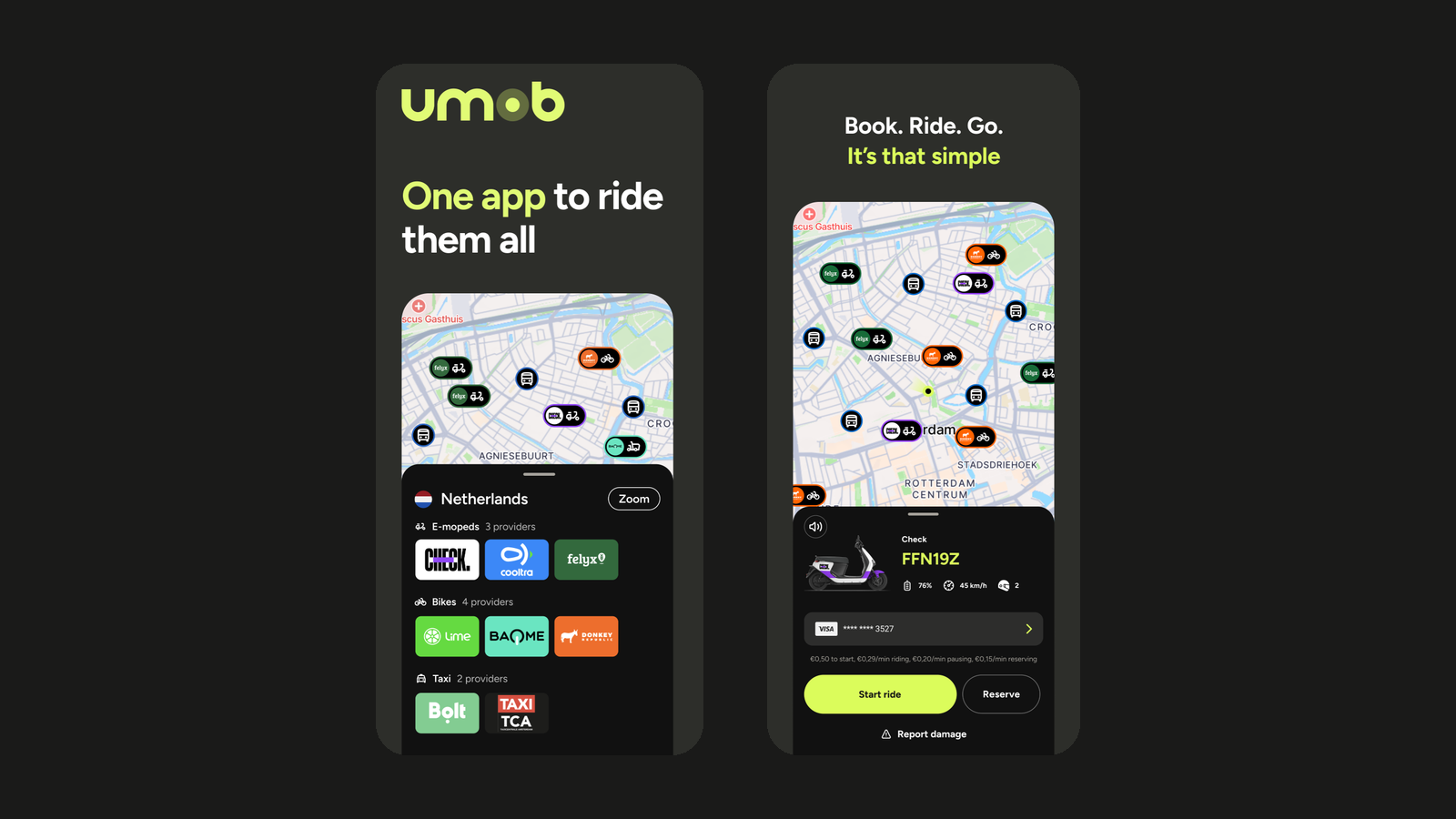
🌍 يمكنك الوصول إلى المزيد من الركاب مع ATOM Mobility وUmob. يمنح هذا التكامل مشغلي التنقل المشترك قناة توزيع إضافية، مما يساعد في جذب عملاء جدد، وزيادة الحجوزات، وتحسين معدلات استخدام الأسطول.
مستقبل التنقل لا يقتصر فقط على تشغيل المركبات، بل يتعلق بابتكار رحلات مريحة تجمع بين خيارات النقل المختلفة في تجربة مستخدم واحدة بسيطة.
ولهذا السبب يسعدنا تسليط الضوء على شراكتنا مع Umob، مما يساعد مشغلي التنقل على توسيع نطاق وصولهم وأن يصبحوا جزءاً من منظومة تنقل متعددة الوسائط متنامية.
سواء كنت تدير سيارات أو سكوترات أو دراجات هوائية أو دراجات نارية مشتركة عبر منصة ATOM Mobility، فإن التكامل مع Umob يجعل خدمتك متاحة لـ آلاف مستخدمي Umob الباحثين عن وسيلة تنقل مريحة.
يتوقع مستخدمو اليوم مرونة عالية؛ فهم لا يفكرون في مزودي خدمات التنقل بشكل منفصل، بل يريدون ببساطة أسرع وأسهل وأكثر الطرق ملاءمة للانتقال من النقطة (أ) إلى النقطة (ب).
تجمع Umob بين مختلف مزودي خدمات التنقل وخيارات النقل في تطبيق واحد. يمكن للمستخدمين العثور على خيارات التنقل المختلفة ومقارنتها وحجزها والدفع مقابلها دون الحاجة إلى تنزيل تطبيق منفصل أو إنشاء حساب جديد لكل مزود خدمة.
من خلال ربط أسطولك بـ Umob، يمكن للمشغلين:
بالنسبة لعملاء ATOM Mobility، صُمم هذا التكامل لتوفير طريقة مباشرة لفتح فرص توزيع جديدة مع الاستمرار في إدارة عملياتهم الأساسية من خلال منصة ATOM Mobility.
من خلال منصة ATOM Mobility، يمكن للمشغلين المشاركين ربط أساطيلهم بـ Umob، مما يتيح للمستخدمين اكتشاف المركبات المتاحة واستخدامها مباشرة عبر تطبيق Umob.
بمجرد الربط، ستظهر مركبات المشغلين المشاركين في Umob إلى جانب خيارات التنقل الأخرى المتاحة، مما يمنح المستخدمين نظرة عامة واضحة على الطرق المختلفة التي يمكنهم من خلالها الانتقال من النقطة (أ) إلى النقطة (ب).
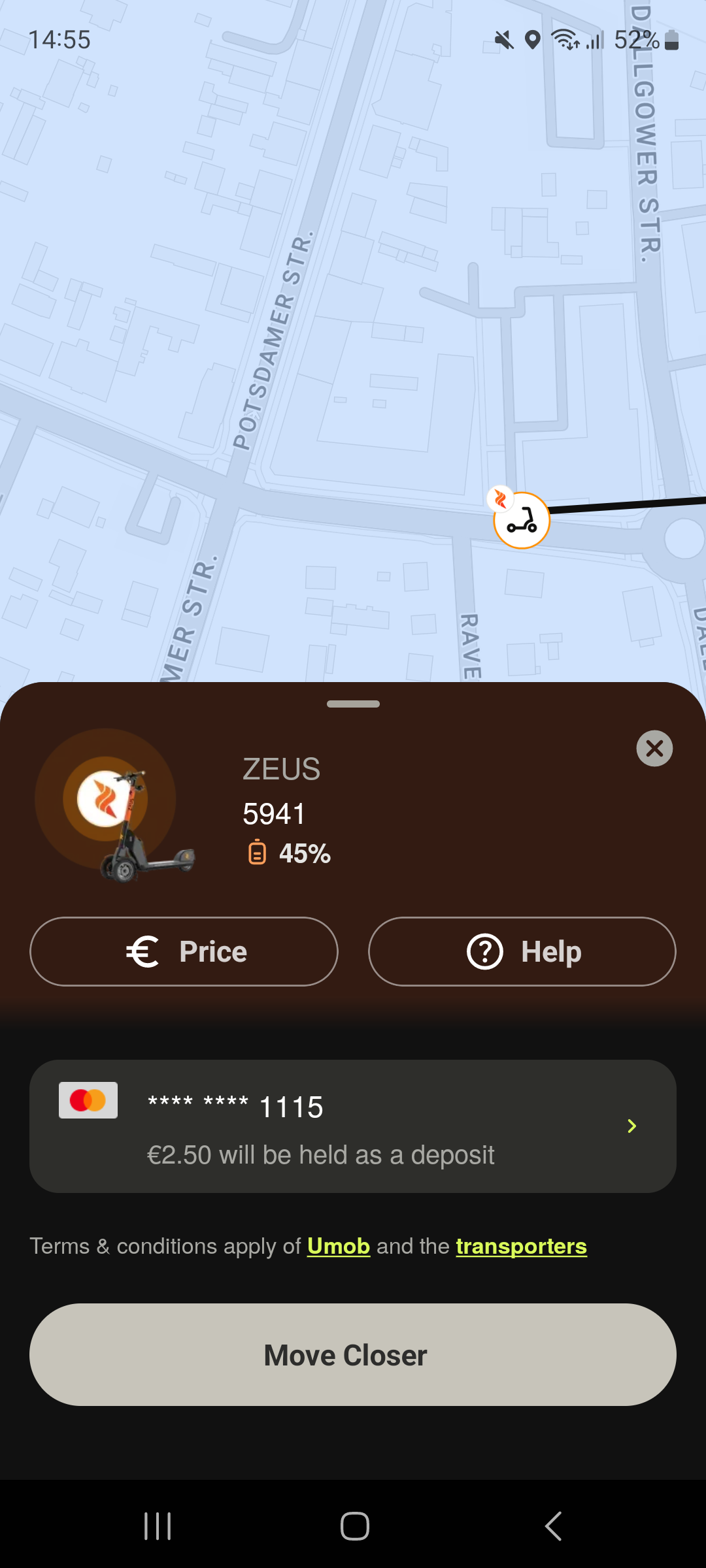
يمكن للمستخدمين العثور على مركبة متاحة، وحجزها وفتح قفلها، وبدء رحلتهم وإنهائها، والدفع مباشرة من خلال تطبيق Umob.
صُمم هذا التكامل لدعم:
يواصل المشغلون إدارة أساطيلهم، وتسعيرهم، ومناطق الخدمة، والعمليات اليومية من خلال منصة ATOM Mobility، بينما توفر Umob قناة إضافية يمكن للمستخدمين من خلالها العثور على المركبات والوصول إليها.
بالنسبة لمشغلي التنقل، يتيح الربط مع Umob قناة توزيع إضافية دون تغيير الطريقة التي يديرون بها عملياتهم اليومية عبر ATOM Mobility.
من خلال إتاحة المركبات لآلاف مستخدمي Umob، يمكن للمشغلين زيادة ظهورهم في اللحظة التي يبحث فيها الأشخاص بنشاط عن وسيلة تنقل. وهذا يخلق إمكانية لجذب مستخدمين جدد، وتحقيق المزيد من الحجوزات، وتحسين معدل استخدام الأسطول بمرور الوقت.
يختلف كل سوق عن الآخر، لكن العديد من المشغلين يرون في شراكات "التنقل كخدمة" (MaaS) جزءاً مهماً من استراتيجية نموهم طويلة الأمد.
أحد أوائل مشغلي ATOM Mobility الذين انطلقوا من خلال تكامل Umob هو ZEUS Mobility، وهو مزود أوروبي طموح لخدمات مشاركة السكوتر الكهربائي، يركز بقوة على الابتكار، ويتبنى نهجاً ديناميكياً، ويسعى لمنافسة اللاعبين الراسخين في السوق.
ومن المناسب أن الشراكة بحد ذاتها بدأت من خلال شبكة ATOM Mobility.
التقت ZEUS وUmob لأول مرة في فعالية ATOM Mobility في ريغا. وعلى الرغم من أن التعارف الأولي حدث أثناء الفعالية، إلا أن المحادثة الجدية بدأت فعلياً خلال جلسة غير رسمية في وقت لاحق من ذلك المساء.
كانت ZEUS قد صادفت علامة Umob التجارية على مركبات التنقل أثناء السفر، وقد أُعجبت بالنهج المهني الذي تتبعه الشركة. وسرعان ما تحول ذلك التعرف إلى محادثة حول كيفية تعزيز الشركتين لعروضهما من خلال العمل معاً.
ومن هناك، تقدمت عملية التكامل بسرعة. وتصف ZEUS عملية الإعداد والتكامل حتى الآن بأنها "نظيفة واحترافية وسلسة."
بالنسبة لشركة ZEUS، تمثل هذه الشراكة فرصة لتعزيز حضور علامتها التجارية، والوصول إلى عملاء جدد، ودعم طموحاتها التوسعية في أوروبا.
عقب استحواذها على Superpedestrian في مايو 2026، تتطلع ZEUS إلى تسريع وتيرة نموها خلال عامي 2026 و2027، وتعد شراكتها مع Umob جزءاً من هذا الطموح.
"نحن في ZEUS سعداء للغاية بالشراكة مع Umob في الأسواق الأوروبية. فبعد استحواذنا على Superpedestrian في مايو 2026، نسعى في ZEUS إلى تحقيق نمو سريع خلال عامي 2026 و2027. ستساعدنا هذه الشراكة في دفع عجلة هذا النمو والوصول إلى عملاء جدد في أسواق جديدة. نتطلع إلى شراكة مثمرة." - داميان يونغ، ZEUS Mobility
تطبيق واحد لكل تنقلاتك. Umob هي منصة تنقل شاملة تجمع بين مختلف مزودي خدمات التنقل وخيارات النقل في تطبيق واحد.
يمكن للمستخدمين العثور على الدراجات المشتركة، والدراجات الكهربائية، والسكوتر، والدراجات النارية، ووسائل النقل العام، وسيارات الأجرة، وغيرها من خيارات التنقل المتاحة، ومقارنتها وحجزها والدفع مقابلها من خلال حساب واحد وتجربة دفع موحدة. فبدلاً من تنزيل تطبيق منفصل والتسجيل فيه لكل مزود خدمة أو في كل مدينة جديدة، يمكن للمستخدمين فتح تطبيق Umob والاطلاع على خيارات التنقل المتاحة من حولهم.
تتوفر Umob اليوم في أكثر من 28 دولة و300 مدينة، مما يتيح لآلاف المستخدمين طريقة أسهل للوصول إلى مختلف وسائل التنقل سواء في مدنهم أو أثناء السفر.
حقائق رئيسية
إذا كنت تدير بالفعل خدمة التنقل المشترك الخاصة بك على منصة ATOM Mobility، فإن الربط مع Umob قد يكون الخطوة التالية نحو الوصول إلى المزيد من المستخدمين وأن تصبح جزءاً من منظومة تنقل مترابطة حقاً.
إذا كنت مهتماً بتفعيل هذا التكامل أو معرفة المزيد حول كيفية عمله، تواصل مع فريقنا. نحن نتطلع إلى مساعدة المزيد من المشغلين على التواصل والتعاون وجعل التنقل المستدام أسهل للجميع.
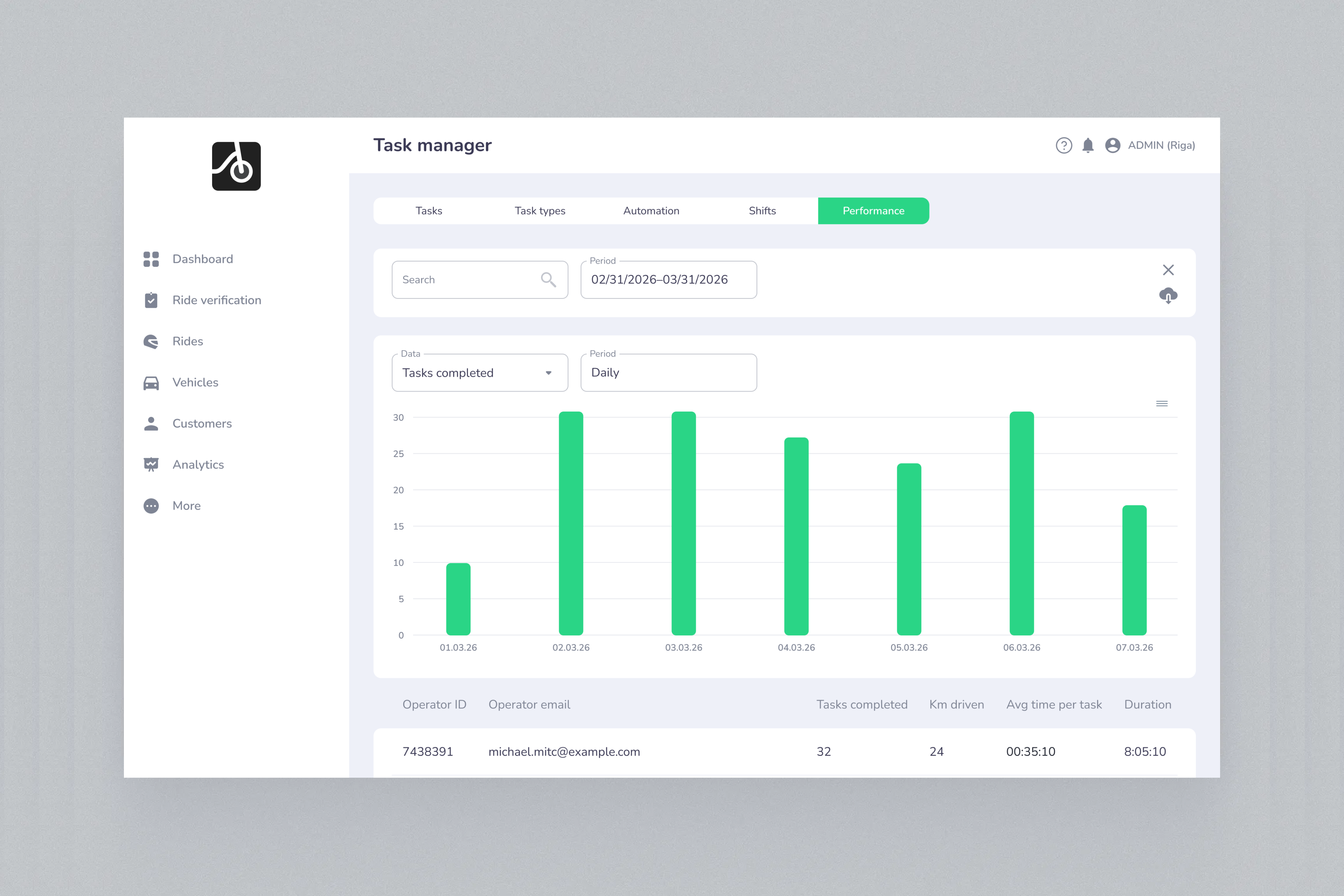
👷📊 يتجاوز مدير مهام ATOM الآن مجرد توزيع المهام بفضل وظائف الورديات وأداء المشغلين الجديدة. تتبع مسارات الورديات، والمسافة المقطوعة، والمهام المنجزة، والوقت المستغرق لكل مهمة، وأداء كل مشغل على حدة، مما يمنح مديري الأساطيل رؤية أوضح بكثير للعمليات الميدانية ومستوى الكفاءة.
لا تقتصر إدارة أسطول كبير للتنقل المشترك أو التأجير على معرفة المهام التي تم إنجازهافحسب، بل تتعلق أيضاً بفهم مدى كفاءة عمل الفرق الميدانية. لقد قمنا بتوسيع مدير مهام ATOM Mobility بشكل كبير بإضافة وظائف الورديات والأداء، مما يمنح مديري الأساطيل رؤية أفضل بكثير لنشاط المشغلين، وعبء العمل، والمسارات، ومستوى الأداء.
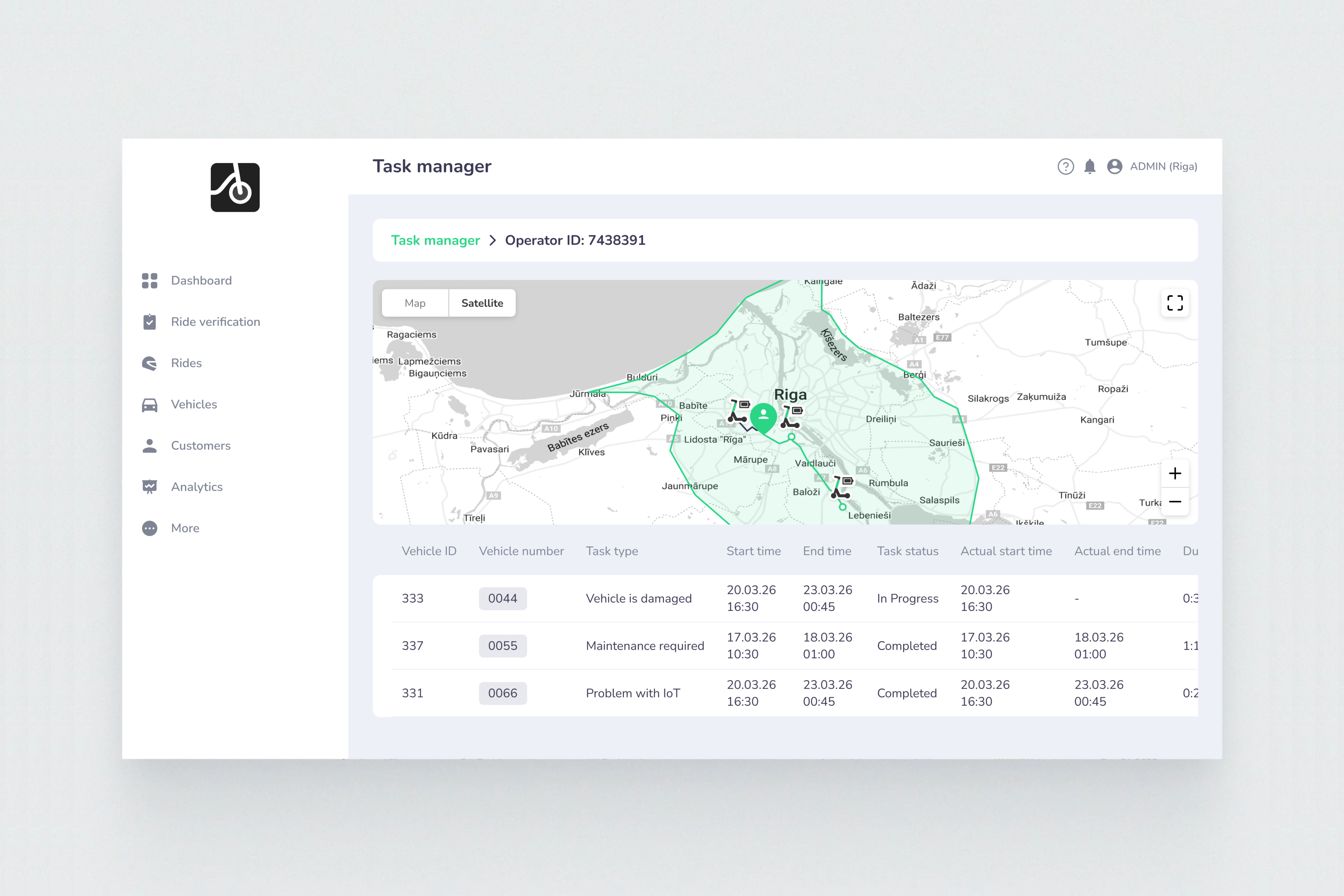
تمنحك علامة التبويب الورديات الجديدة للمديرين نظرة عامة مركزية على جميع ورديات المشغلين، بما في ذلك:
يمكن للمديرين فتح أي وردية فردية للاطلاع على الصورة التشغيلية الكاملة. فلكل مهمة، يمكنك رؤية المركبة، ونوع المهمة، ووقت البدء المخطط له والموعد النهائي، وأوقات البدء والانتهاء الفعلية، والحالة، والمدة الإجمالية للمهمة.
تتضمن كل وردية أيضاً خريطة توضح حركة المشغل الكاملة أثناء الوردية والمواقع التي تم تنفيذ المهام الفردية فيهابالنسبة للنوبات الجارية حالياً، يمكن للمديرين أيضاً الاطلاع على الموقع الحالي للمشغل.
وهذا يسهل كثيراً فهم المسار الفعلي، وحجم العمل، والقرارات المتخذة خلال كل نوبة، بالإضافة إلى تحديد فرص تحسين كيفية إدارة فرق العمل الميدانية لصيانة الأسطول وعملياته.
علامة التبويب الأداء الجديدة تجمع النتائج التشغيلية لكل مشغل خلال فترة زمنية محددة.
يمكن للمديرين تتبع:
بدلاً من مراجعة مئات المهام الفردية، يمكن للمديرين مقارنة المشغلين بسرعة، وتحديد أصحاب الأداء المتميز، ورصد المجالات التي قد تحتاج إلى تدريب إضافي أو تحسينات تشغيلية.
لجعل بيانات الأداء دقيقة ومفيدة، قدمنا أيضاً سير عمل جديد للنوبات والمهام في تطبيق ATOM للمشغلين. يبدأ المشغلون الآن نوبات عملهم وينهونها مباشرة من خلال التطبيق، بينما يتم تسجيل أوقات بدء المهام الفردية وإتمامها تلقائياً.
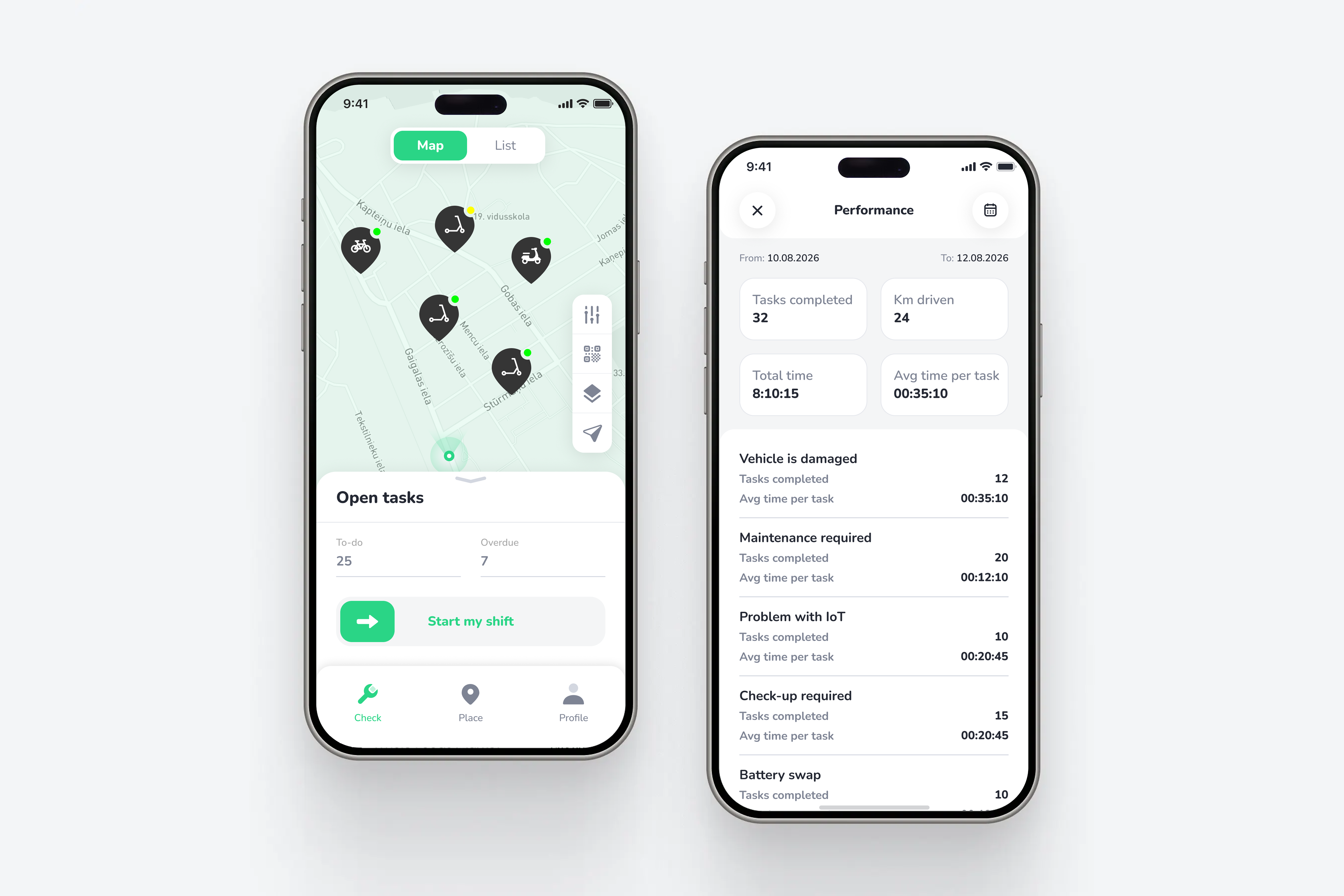
لقد أضفنا أيضاً:
معاً، تحول هذه التحديثات ATOM Task Manager من مجرد أداة لتوزيع المهام إلى نظام أكثر تكاملاً لأداء وتحسين العمليات الميدانية. يحصل المشغلون على سير عمل أوضح ورؤية أفضل لأدائهم الشخصي، بينما يحصل المديرون على البيانات التي يحتاجونها لفهم كيفية سير عملياتهم الميدانية فعلياً وتحديد مجالات تحسين الكفاءة.
الوظائف الجديدة متاحة لوحدات مشاركة المركبات و التأجير الرقمي في ATOM Mobility.
👉 اقرأ المزيد عن آخر تحديثات منصتنا:
https://www.atommobility.com/atomupdates
استخدم بيانات اعتماد الاختبار لتسجيل الدخول - رقم الهاتف: +1 123123123، الكود: 777777


بيانات اعتماد الإصدار التجريبي من تطبيق Driver - البريد الإلكتروني: test@atom.com، كلمة المرور: برنامج التشغيل