Organizza la tua flotta come un professionista: ATOM Mobility lancia la funzionalità Task manager

Organizza la tua flotta come un professionista: ATOM Mobility lancia la funzionalità Task manager

Se gestisci una flotta, sai che tenere traccia di tutte le parti in movimento può sembrare come tenere una dozzina di piastre che girano contemporaneamente. Ecco perché l'ultima funzionalità di ATOM Mobility sta per diventare il tuo nuovo migliore amico: saluta il Task Manager per i gestori di flotte!

Stiamo ascoltando i nostri clienti

La nuova funzionalità Task Manager si basa sul feedback diretto dei nostri clienti di Sharing and Rental. Avevano bisogno di un modo più efficiente per organizzare i team in loco e gestire le attività. Abbiamo ascoltato le loro richieste in modo forte e chiaro e abbiamo sviluppato uno strumento che semplifica le operazioni e riduce i problemi.

Quindi, cos'è esattamente il Task Manager?

Invece di affogare in un mare di note adesive e fogli di calcolo, ora hai un Task Manager elegante e intuitivo che ti consente di:

  1. Crea attività per il tuo team operativo direttamente dalla dashboard.
  2. Collega ogni attività a un veicolo specifico, quindi non c'è confusione su cosa deve essere fatto e dove.
  3. Indicare il tipo di attività, che si tratti di manutenzione, pulizia, ricarica o semplice controllo.
  4. Imposta le date di inizio e fine per ogni attività, garantendo un'esecuzione tempestiva.
  5. Assegna un livello di priorità (alto, medio o basso) per aiutare il tuo team a concentrarsi su ciò che è più importante.
  6. Monitora il completamento delle attività in tempo reale, sapendo esattamente chi sta lavorando su cosa e se è sulla buona strada.

Perché è un punto di svolta

Analizziamo i principali vantaggi:

  1. Gestione centralizzata
    • Tutta la tua flotta e le attività operative sono gestite da un'unica dashboard. Non è più necessario passare da un'app all'altra, da una scheda o da una nota fisica all'altra. È come avere un coltellino svizzero per la gestione della flotta.
  2. Coordinamento del team migliorato
    • Assegnando attività con dettagli e scadenze chiari, il tuo team sa esattamente cosa ci si aspetta. Addio ai problemi di comunicazione e benvenuto all'efficienza.
  3. monitoraggio in tempo reale
    • Tieni d'occhio chi fa cosa e quando viene fatto. È come avere gli occhi puntati sul terreno senza dover essere ovunque contemporaneamente.
  4. Migliore soddisfazione del cliente
    • Con operazioni più organizzate ed efficienti, l'operatività della flotta aumenta e la soddisfazione dei clienti aumenta vertiginosamente. Clienti soddisfatti significano affari ripetuti e ottime recensioni.
  5. Prioritizzazione personalizzabile
    • Non tutte le attività sono uguali. Grazie alla possibilità di impostare livelli di priorità, ti assicuri che le attività più critiche ricevano l'attenzione che meritano.

Uno scenario reale

Vediamo come potrebbe apparire nella vita reale. Immagina di gestire una flotta di auto. Uno dei membri del tuo team ha notato che uno pneumatico è sgonfio. Utilizzando il Task Manager, può creare rapidamente un'attività, collegarla all'auto specifica, impostare una priorità elevata (perché a nessuno piace una gomma sgonfia) e assegnarla al membro del team responsabile della manutenzione.

Puoi quindi monitorare questa attività dalla dashboard, assicurandoti che sia completata in tempo. Il risultato? Un cliente soddisfatto che non ha avuto a che fare con una gomma sgonfia e un team che sa esattamente cosa ci si aspetta da lui.

Pronto per iniziare?

Non vedi l'ora di provare tu stesso il Task Manager? Accedi alla dashboard di ATOM Mobility e inizia a esplorare questa funzionalità rivoluzionaria. È progettato per essere intuitivo e facile da usare in modo da poter iniziare subito.

In ATOM Mobility, ci impegniamo a rendere la gestione della flotta il più semplice ed efficiente possibile. Il nuovo Task Manager è perfetto uno dei tanti modi ti aiutiamo a rimanere all'avanguardia. Centralizzando la creazione, l'assegnazione e il monitoraggio delle attività, ti forniamo gli strumenti per operare come una macchina ben oliata.

Quindi, indossa il tuo mantello da supereroe (o semplicemente la tua camicia da lavoro preferita) e lascia che il Task Manager porti le operazioni della tua flotta al livello successivo. ‍

Sei interessato a lanciare la tua piattaforma di mobilità?

Fai clic qui sotto per saperne di più o richiedere una demo.

Post correlati

Altri case study

Visualizza tuttoVisualizza tutti i case study
Blog
🚀 New feature alert: Web-booker for ride-hail

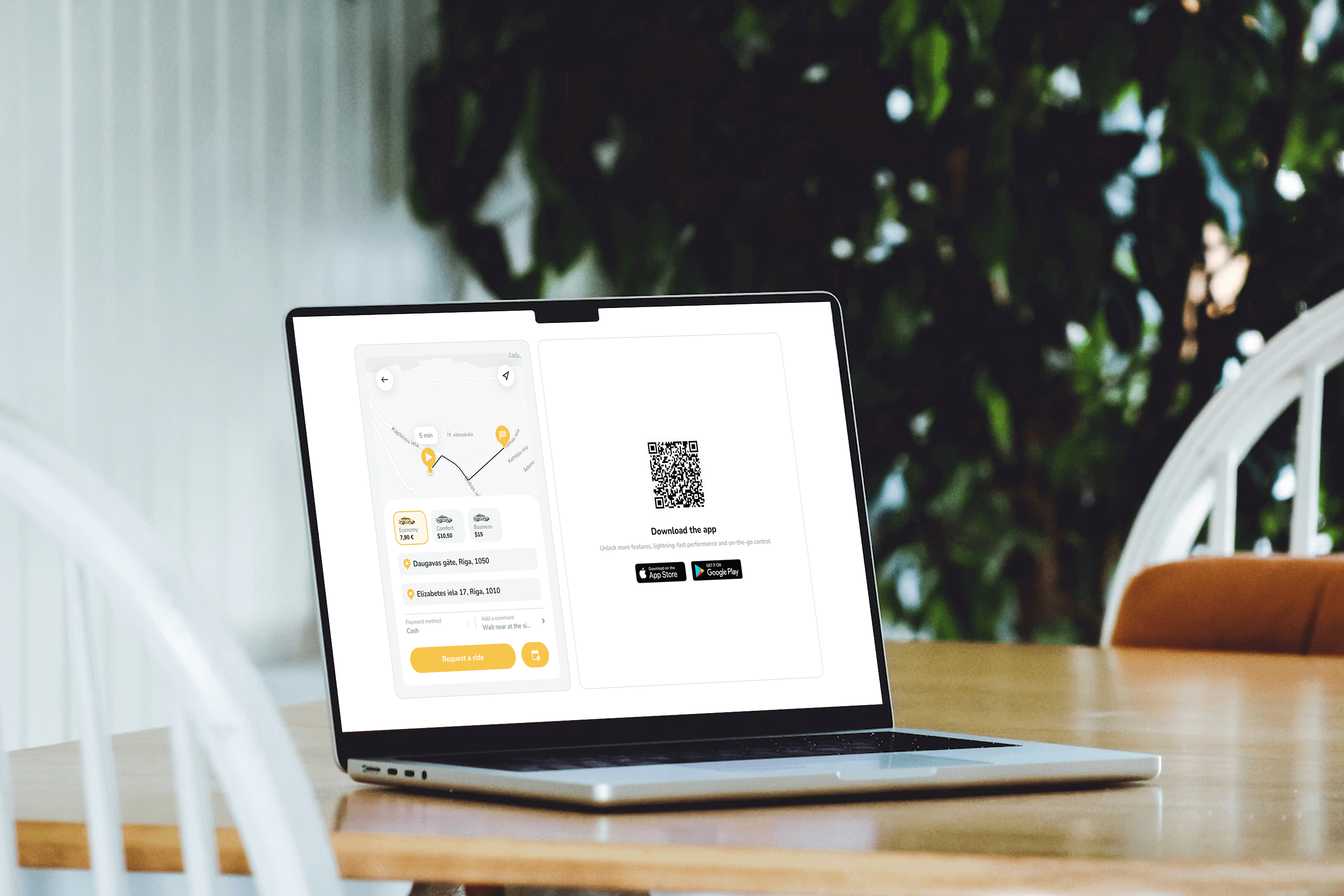
🚕 Web-booker is a lightweight ride-hail widget that lets users book rides directly from a website or mobile browser - no app install required. It reduces booking friction, supports hotel and partner demand, and keeps every ride fully synced with the taxi operator’s app and dashboard.

Leggi il post

What if ordering a taxi was as easy as booking a room or clicking “Reserve table” on a website?

Meet Web-booker - a lightweight ride-hail booking widget that lets users request a cab directly from a website, without installing or opening the mobile app.
Perfect for hotels, business centers, event venues, airports, and corporate partners.

👉 Live demo: https://app.atommobility.com/taxi-widget

What is Web-booker?

Web-booker is a browser-based ride-hail widget that operators can embed or link to from any website.
The booking happens on the web, but the ride is fully synchronized with the mobile app and operator dashboard.

How it works (simple by design)
  • Client places a button or link on their website
  • Clicking it opens a new window with the ride-hail widget
  • The widget is branded, localized, and connected directly to the operator’s system
  • Booking instantly appears in the dashboard and mobile app

No redirects. No app-store friction. No lost users.
Key capabilities operators care about
🎨 Branded & consistent
  • Widget color automatically matches the client’s app branding
  • Feels like a natural extension of the operator’s ecosystem
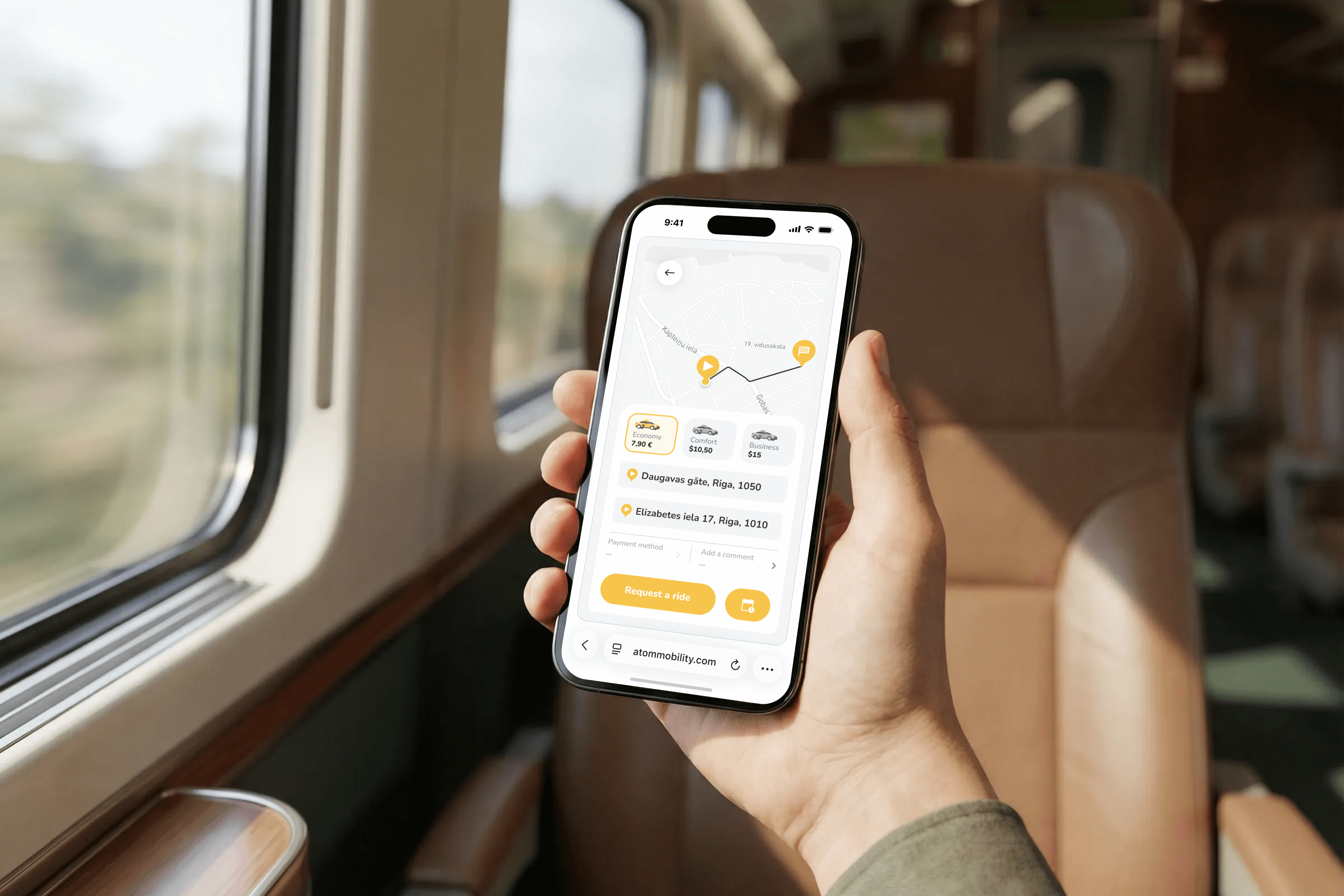
  • Fully responsive and optimized for mobile browsers, so users can book a ride directly from their phone without installing the app
📱 App growth built in
  • QR code and App Store / Google Play links shown directly in the widget
  • Smooth upgrade path from web → app
🔄 Fully synced ecosystem
  • Country code auto-selected based on user location
  • Book via web → see the ride in the app (same user credentials)
  • Dashboard receives booking data instantly
  • Every booking is tagged with Source:
    - App
    - Web (dashboard bookings)
    - Booker (website widget)
    - API
🔐 Clean & secure session handling
  • User is logged out automatically when leaving the page
  • No persistent browser sessions
💵 Payments logic
  • New users: cash only
  • Existing users: can choose saved payment methods
  • If cash is not enabled → clear message prompts booking via the app

This keeps fraud low while preserving conversion.

✅ Default rollout
  • Enabled by default for all ride-hail merchants
  • No extra setup required
  • Operators decide where and how to use it (hotel partners, landing pages, QR posters, etc.)
Why this matters in practice

Web-booker addresses one of the most common friction points in ride-hailing: users who need a ride now but are not willing to download an app first. By allowing bookings directly from a website, operators can capture high-intent demand at the exact moment it occurs - whether that is on a hotel website, an event page, or a partner landing page.

At the same time, Web-booker makes partnerships with hotels and venues significantly easier. Instead of complex integrations or manual ordering flows, partners can simply place a button or link and immediately enable ride ordering for their guests. Importantly, this approach does not block long-term app growth. The booking flow still promotes the mobile app through QR codes and store links, allowing operators to convert web users into app users over time - without forcing the install upfront.

Web-booker is not designed to replace the mobile app. It extends the acquisition funnel by adding a low-friction entry point, while keeping all bookings fully synchronized with the operator’s app and dashboard.

👉 Try the demo
https://app.atommobility.com/taxi-widget

Blog
How bike-sharing apps encourage eco-friendly urban travel

🚲 Cleaner air, less traffic, and better city living - bike-sharing apps are making it happen. With seamless apps, smart integration, and the right infrastructure, shared bikes are becoming a real alternative to cars in cities across Europe.💡 See how bike-sharing supports sustainable mobility and what cities and operators can do to get it right.

Leggi il post

Bike-sharing apps are reshaping urban mobility. What began as a practical way to get around without owning a bike is now part of a bigger shift toward sustainable transport. 

These services are doing more than replacing short car trips. They help cities cut emissions, reduce congestion, improve health, and connect better with public transport. 

As more cities rethink how people move, bike sharing continues to grow as one of the fastest and most affordable tools to support this change.

Why bike sharing is important

Bike-sharing services now operate in over 150 European cities, with more than 438,000 bikes in circulation. These systems help prevent around 46,000 tonnes of CO₂ emissions annually and reduce reliance on private cars in dense urban areas. They also improve air quality, lower noise levels, and make cities more pleasant to live in.

A recent study by EIT Urban Mobility and Cycling Industries Europe, carried out by EY, found that bike-sharing services generate around €305 million in annual benefits across Europe. This includes reduced emissions, lower healthcare costs, time saved from less congestion, and broader access to jobs and services.

For cities, the numbers speak for themselves: every euro invested yields a 10% annual return, generating €1.10 in positive externalities. By 2030, these benefits could triple to €1 billion if bike-sharing is prioritized.

Connecting with public transport

Bike sharing works best when it fits into the wider transport system. Most car trips that bike sharing replaces are short and often happen when public transport doesn’t quite reach the destination. That last kilometer between a bus stop and your home or office can be enough to make people choose the car instead.

Placing shared bikes near metro stations, tram stops, or bus terminals makes it easier for people to leave their cars behind. This “last-mile” connection helps more people use public transport for the long part of their trip and hop on a bike for the short part. Over time, that encourages more consistent use of both bikes and transit.

In cities where bike sharing is integrated into travel passes or mobility platforms, users can combine modes in a single journey. That flexibility supports wider access and makes shared bikes part of everyday mobility, not just something used occasionally.

What the app brings to the experience

The digital experience behind bike sharing is a big part of why it works. People can check availability, unlock a bike, pay, and end their trip – all in one app. This makes it quick, simple, and consistent.

Good bike-sharing apps also offer:

  • Real-time vehicle status
  • Contactless ID verification and onboarding
  • Support for short trips and subscriptions
  • Usage history and cost tracking
  • Optional features like carbon savings or route suggestions

When users don’t need to think twice about how the system works, they’re more likely to build regular habits around it. That habit shift is what makes a long-term difference for both users and cities.

Wider city-level benefits

Bike sharing isn’t just a transport service. It helps cities meet public goals – cleaner air, lower traffic, healthier residents, and better access to services. When someone chooses a bike instead of a car, it reduces the demand for fuel, parking, and space on the road.

The €305 million annual benefit includes health savings due to increased physical activity, avoided emissions, time gained from reduced congestion, and the creation of jobs tied to fleet operations. Many bike-sharing schemes also improve equity by giving people access to mobility in areas that are underserved by public transport or where car ownership isn’t affordable.

Shared bikes are especially useful in mid-sized cities where distances are manageable and car traffic still dominates. With the right policy support, even small fleets can have a noticeable impact on mobility patterns and public health.

What makes a system work well

Not every bike-sharing system succeeds. To be reliable and scalable, a few things must work together:

  • Safe, protected bike lanes
  • Well-placed stations near high-demand areas
  • Bikes that are easy to maintain and manage
  • Operators that monitor usage and shift bikes to where they’re needed
  • City policies that support cycling and reduce reliance on cars

Successful systems often grow in partnership with city governments, public transport agencies, and private operators who bring technology, logistics, and know-how.

The role of software and operations

Reliable software is what keeps all parts of the system connected. From unlocking a bike to seeing usage trends across the city, operators need tools that are stable, flexible, and easy to manage. For those launching or scaling a fleet, platforms like ATOM Mobility offer ready-made solutions that handle booking, payments, ID checks, live tracking, and fleet control in one place.

The platform supports both electric and mechanical bikes, offers branded apps, and integrates with smart locks or IoT modules for remote vehicle access. It also lets operators adjust pricing, monitor vehicle health, and manage customer support in real time. That means smaller teams can launch faster and scale smarter, without having to build every tool from scratch.

A small change with a big effect

Bike sharing won’t replace all car trips, but even a small shift makes a difference. A few short rides per week can reduce emissions, improve fitness, and save time spent in traffic. When these trips are supported by good infrastructure, public awareness, and seamless apps, the impact grows.

As cities continue to prioritise sustainability, shared micromobility will play a bigger role in helping people move in cleaner, healthier, and more flexible ways. With the right technology and planning, bike sharing becomes more than a service – it becomes a habit that supports better cities for everyone.

Lancia la tua piattaforma di mobilità in 20 giorni!

Veicolo multiplo. Scalabile. Comprovato.