Organisieren Sie Ihre Flotte wie ein Profi: ATOM Mobility bringt die Task-Manager-Funktion auf den Markt
July 23, 2024
min. Lesedauer

.png)
Wenn Sie eine Flotte verwalten, wissen Sie, dass es sich anfühlen kann, als würden Sie ein Dutzend Teller gleichzeitig drehen, wenn Sie den Überblick über alle beweglichen Teile behalten. Deshalb wird das neueste Feature von ATOM Mobility bald dein neuer bester Freund werden: Sag Hallo zum Task Manager für Flottenbetreiber!
Die neue Task-Manager-Funktion basiert auf direktem Feedback unserer Sharing- und Rental-Kunden. Sie brauchten eine effizientere Methode, um ihre Teams vor Ort zu organisieren und Aufgaben zu verwalten. Wir haben ihre Anfragen laut und deutlich gehört und ein Tool entwickelt, das Abläufe rationalisiert und Kopfschmerzen reduziert.
Anstatt in einem Meer von Haftnotizen und Tabellen zu ertrinken, steht Ihnen jetzt ein schlanker, intuitiver Task-Manager zur Verfügung, der Ihnen Folgendes ermöglicht:
.png)
Lassen Sie uns die wichtigsten Vorteile aufschlüsseln:
Mal sehen, wie das im wirklichen Leben aussehen könnte. Stellen Sie sich vor, Sie verwalten eine Flotte von Autos. Eines Ihrer Teammitglieder hat festgestellt, dass ein Reifen platt ist. Mithilfe des Task-Managers können sie schnell eine Aufgabe erstellen, sie mit dem spezifischen Auto verknüpfen, eine hohe Priorität festlegen (weil niemand einen platten Reifen mag) und sie dem Teammitglied zuweisen, das für die Wartung verantwortlich ist.
Sie können diese Aufgabe dann vom Dashboard aus überwachen und sicherstellen, dass sie rechtzeitig abgeschlossen wird. Das Ergebnis? Ein zufriedener Kunde, der sich nicht mit einem platten Reifen auseinandersetzen musste, und ein Team, das genau weiß, was von ihm erwartet wird.
Freust du dich darauf, den Task Manager selbst auszuprobieren? Gehen Sie zu Ihrem ATOM Mobility-Dashboard und erkunden Sie diese bahnbrechende Funktion. Es ist so konzipiert, dass es intuitiv und benutzerfreundlich ist, damit Sie sofort loslegen können.
Bei ATOM Mobility setzen wir uns dafür ein, das Flottenmanagement so reibungslos und effizient wie möglich zu gestalten. Der neue Task Manager ist einfach eine der vielen Möglichkeiten Wir helfen Ihnen, der Konkurrenz immer einen Schritt voraus zu sein. Indem wir die Erstellung, Zuweisung und Überwachung von Aufgaben zentralisieren, geben wir Ihnen die Tools an die Hand, mit denen Sie wie eine gut geölte Maschine arbeiten können.
Ziehen Sie also Ihren Superheldenumhang an (oder einfach Ihr Lieblings-Arbeitshemd) und lassen Sie den Task Manager Ihren Flottenbetrieb auf die nächste Stufe heben.
Klicken Sie unten, um mehr zu erfahren oder eine Demo anzufordern.

The micromobility industry doesn’t need another generic mobility conference. 🚫🎤 It needs real conversations between operators who are actually in the field. ⚙️ That’s exactly what ATOM Connect 2026 is built for. 🎯🤝
The shared mobility industry is evolving rapidly. Operators are navigating scaling challenges, regulatory complexity, hardware decisions, fleet optimization, and new integration models, all while aiming for sustainable growth.
That’s exactly why ATOM Mobility is organizing ATOM Connect 2026.
Our previous edition of ATOM Connect brought together professionals from the car sharing and rental industry for focused, high-quality discussions and networking. This year, we are narrowing the focus and dedicating the entire event to one fast-moving segment of the industry: shared micromobility.
ATOM Connect 2026 is designed specifically for operators, partners, and decision-makers working in shared micromobility. It is not a broad mobility conference or a public exhibition. It is a curated space for industry professionals to exchange practical experience, insights, and lessons learned.
On May 14th, 2026 in Riga, we will once again bring the community together, this time with a clear focus on micromobility.
This year’s agenda will address the real operational and strategic questions shaping shared micromobility today:
As usual, we aim to host both local and international operators from smaller, fast-growing fleets to established large-scale players alongside hardware providers and ecosystem partners.
On stage, you’ll hear from leading shared mobility companies - including Segway on hardware partnerships, Umob on MaaS integration, Anadue on data-driven fleet intelligence, Elerent on multi-vehicle operational realities and more insightful discussions.
The goal is simple: meaningful discussions with people who understand the operational realities of the industry.
ATOM Connect is free to attend, but participation is industry-focused (each submission is manually reviewed and verified). We are intentionally keeping the audience relevant and aligned to ensure high-quality conversations and valuable networking.
If you work in shared micromobility and would like to join the event, you can find the full agenda and register here:
👉 https://www.atommobility.com/atom-connect-2026
In the coming weeks, we will be revealing more speakers and additional agenda updates. We look forward to bringing the industry together again.
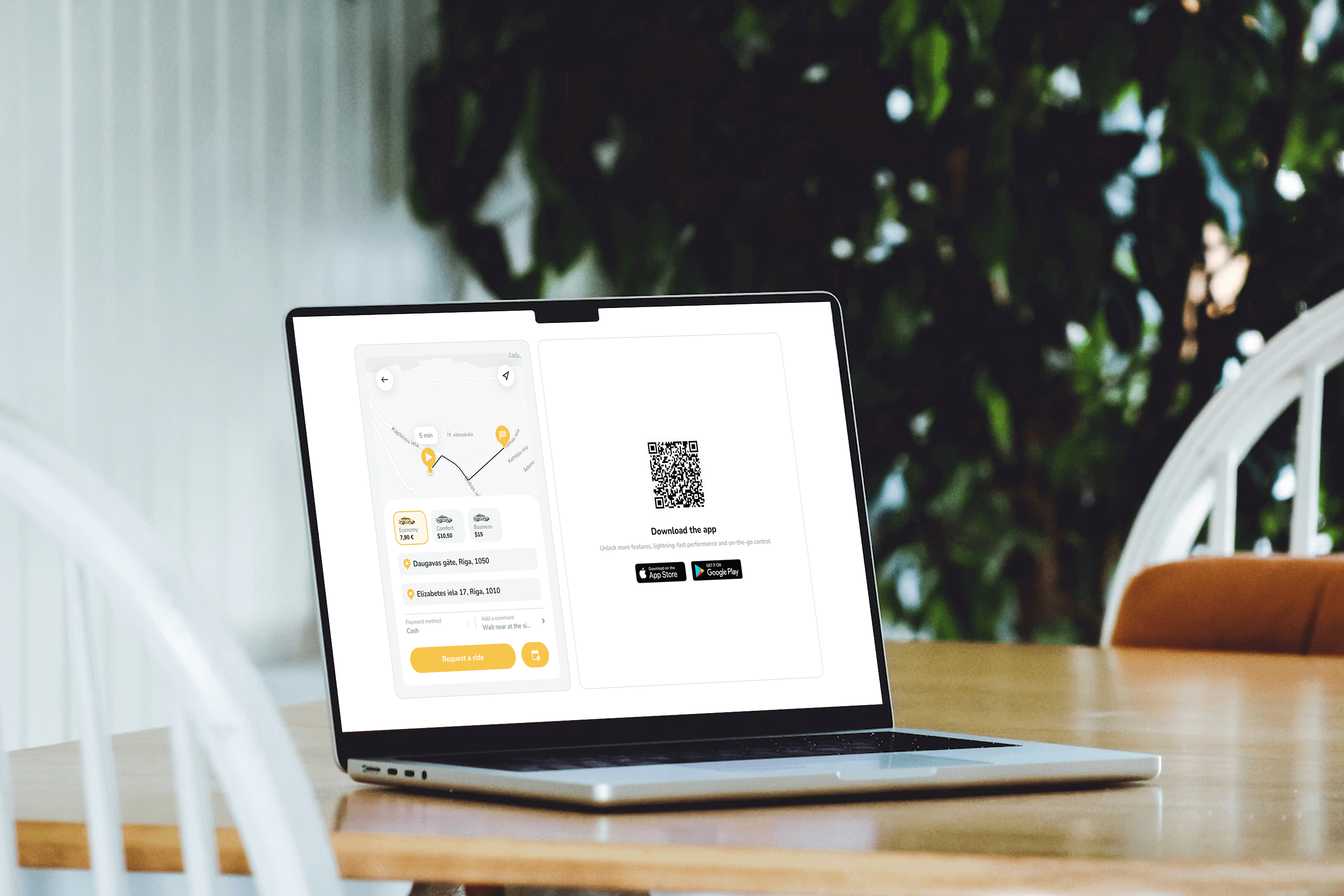
🚕 Web-booker is a lightweight ride-hail widget that lets users book rides directly from a website or mobile browser - no app install required. It reduces booking friction, supports hotel and partner demand, and keeps every ride fully synced with the taxi operator’s app and dashboard.
What if ordering a taxi was as easy as booking a room or clicking “Reserve table” on a website?
Meet Web-booker - a lightweight ride-hail booking widget that lets users request a cab directly from a website, without installing or opening the mobile app.
Perfect for hotels, business centers, event venues, airports, and corporate partners.
👉 Live demo: https://app.atommobility.com/taxi-widget
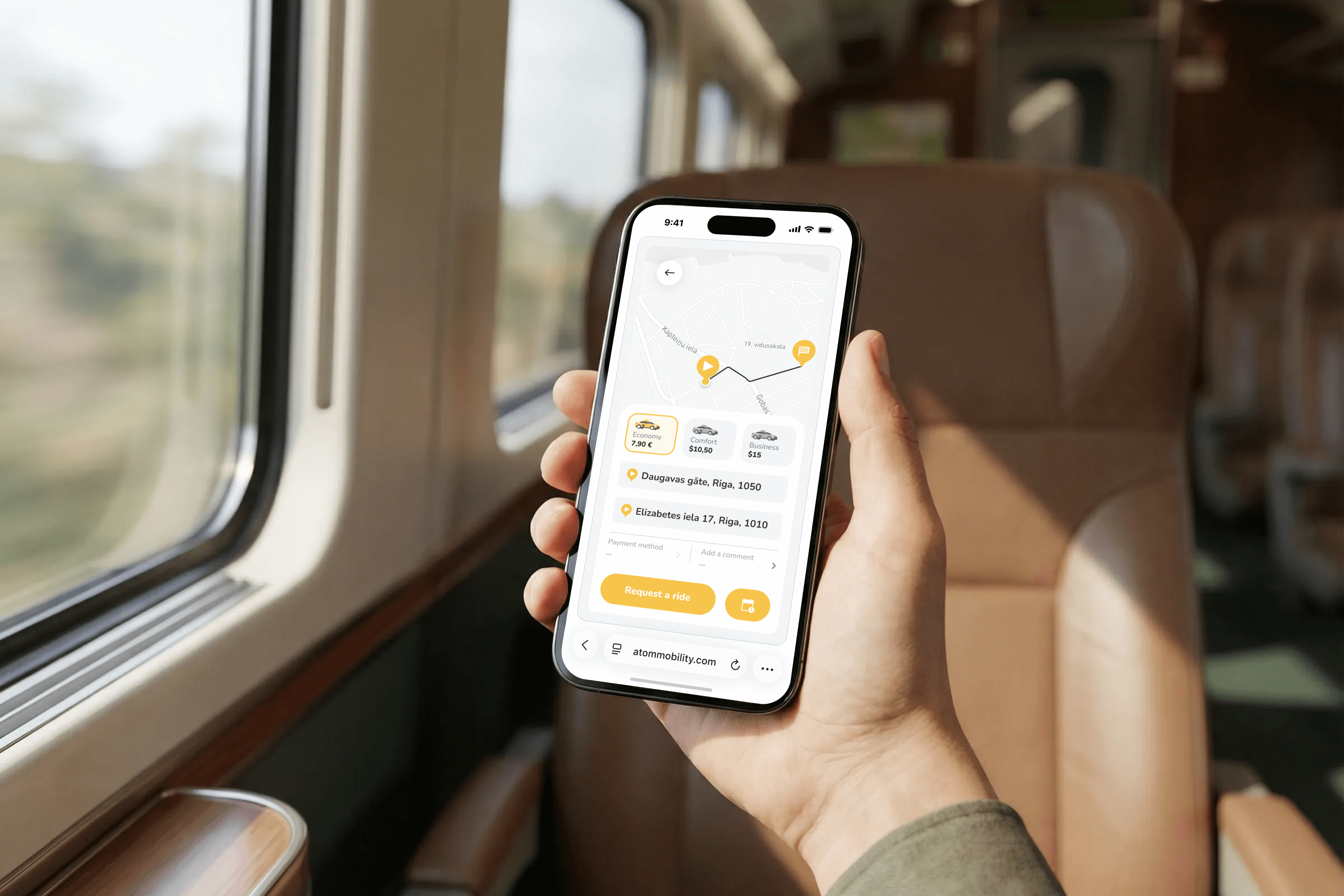
Web-booker is a browser-based ride-hail widget that operators can embed or link to from any website.
The booking happens on the web, but the ride is fully synchronized with the mobile app and operator dashboard.
No redirects. No app-store friction. No lost users.
This keeps fraud low while preserving conversion.
Web-booker addresses one of the most common friction points in ride-hailing: users who need a ride now but are not willing to download an app first. By allowing bookings directly from a website, operators can capture high-intent demand at the exact moment it occurs - whether that is on a hotel website, an event page, or a partner landing page.
At the same time, Web-booker makes partnerships with hotels and venues significantly easier. Instead of complex integrations or manual ordering flows, partners can simply place a button or link and immediately enable ride ordering for their guests. Importantly, this approach does not block long-term app growth. The booking flow still promotes the mobile app through QR codes and store links, allowing operators to convert web users into app users over time - without forcing the install upfront.
Web-booker is not designed to replace the mobile app. It extends the acquisition funnel by adding a low-friction entry point, while keeping all bookings fully synchronized with the operator’s app and dashboard.
👉 Try the demo
https://app.atommobility.com/taxi-widget
Want to explore a ride-hail or taxi solution for your business - or migrate to a more flexible platform? Visit: https://www.atommobility.com/products/ride-hailing
Anmeldedaten für die Driver App-Demo - E-Mail: test@atom.com, Passwort: Treiber

