Una soluzione white label o la creazione di un software personalizzato: cosa scegliere per la tua attività di car sharing?
May 21, 2021
lettura minima


Il software è una parte essenziale della tua attività di condivisione di veicoli. E non importa quali veicoli condivideranno i tuoi clienti. Lo faranno tramite l'app mobile. Quindi ecco la decisione da prendere: creerai il software di condivisione dei veicoli da zero o sceglierai una delle soluzioni esistenti sul mercato. Speriamo che questo articolo ti aiuti in questa decisione.
Quale di queste due opzioni scegliere? Non esiste una risposta corretta e entrambe presentano vantaggi e punti deboli.
Immagina che questa sia la tua prima attività di car sharing e di aver deciso di fare tutto da solo. Siete pieni di entusiasmo e vi rivolgete al vostro CTO o partner IT e promettete di elaborare il brief. Il compito non sembra troppo complicato per il software di cui hai bisogno. Tuttavia, è l'attività di condivisione di veicoli a rendere così complicata la creazione del brief. Ci sono molti piccoli dettagli da considerare.
Primo passo: una ricerca lunga e costosa
Se hai davvero deciso di iniziare a sviluppare software da zero, dovresti fare un passo indietro. Il vostro CTO o partner IT deve iniziare con l'analisi delle funzioni di cui potreste aver bisogno e di come una cosa possa portare a un'altra. Questa operazione potrebbe richiedere molto tempo e denaro. Inoltre, a volte è possibile avere un'idea di ciò di cui i clienti hanno bisogno solo operando sul mercato. Ad esempio, ATOM opera in 23 paesi. Il loro software, che è anche una soluzione white label per le aziende di car sharing, include già oltre 100 diverse funzionalità e impostazioni di cui gli utenti potrebbero aver bisogno. E queste funzionalità sono una raccolta di suggerimenti forniti dagli utenti nel corso di diversi anni in quei mercati.
Tuttavia, lo scopo della ricerca è capire come potrebbe essere il software di condivisione dei veicoli. Una volta completata l'indagine, puoi iniziare a preparare il brief e la documentazione per gli sviluppatori. Ecco un elenco di altre cose che dovresti considerare prima di iniziare a lavorare su una soluzione tecnica:
- backend e frontend della soluzione: entrambi devono essere sviluppati e supportati in modo che il team possa gestire le operazioni;
- dovrebbero esserci due versioni dell'app mobile, una per gli utenti con un dispositivo che funziona su iOS. Altro: per i possessori di dispositivi che funzionano su Android;
- ogni volta che Apple o Android aggiornano i propri sistemi operativi o altre terze parti effettuano un aggiornamento, dovresti essere pronto a verificare se tutto funziona sulle tue app;
- le app dovrebbero essere compatibili con le serrature intelligenti nel caso di biciclette o con le soluzioni IoT nel caso di scooter, ciclomotori, auto utilizzate sul veicolo;
- la soluzione IT deve essere adeguatamente testata e sottoposta a debug: la media del settore mostra che il test dell'app richiede circa due-tre mesi;
- se la tua flotta di veicoli ha più di 100 veicoli, molto probabilmente avrai un team di assistenza. Il modo più comodo per il team di assistenza di operare è utilizzare l'app del telefono. Ciò significa che dovrebbe esserci un'altra app per il team di assistenza. E i membri del tuo team potrebbero avere anche sistemi operativi iOS e Android sui loro dispositivi. Quindi, ancora una volta, ci sono altre due app da creare;
- inoltre, è necessario disporre di un'opzione di fatturazione e anche dell'opzione per creare report, visualizzare statistiche, analizzare percorsi, distribuire promozioni, avviare programmi di riferimento, ecc. E questo elenco può continuare all'infinito.
Lo sviluppo del software di solito costa da 100.000 a 400.000 EUR a seconda della complessità e delle funzionalità che potresti voler includere. Inoltre, devi tenere presente che nulla finisce con lo sviluppo. Il software richiede test, avvio privato, debug e supporto. E solo allora il software sarà pronto per il lancio pubblico. Tuttavia, probabilmente dovrebbero essere apportate ulteriori correzioni di bug.
Un anno e sei pronto per partire!
L'intero processo sopra menzionato richiede circa un anno. Ovviamente, incrociamo le dita sul fatto che la soluzione e l'integrazione con serrature intelligenti o soluzioni IoT funzionino. C'è solo un problema: il settore del car sharing sta cambiando molto rapidamente: nuovi attori stanno entrando, altri si stanno espandendo, nuovi mezzi di trasporto vengono utilizzati per la condivisione dei veicoli. E ci sono molte cose che potrebbero succedere e cambiare in un anno. Potrebbe essere difficile recuperare il ritardo.
Inoltre, i concorrenti offrono e creano costantemente nuove funzionalità che prima non erano presenti sul mercato, come gli abbonamenti, che attualmente è una nuova tendenza. Ad esempio, ATOM Mobility ha creato una soluzione white label per il mercato della condivisione di veicoli che raccoglie costantemente le conoscenze dei propri clienti e aggiunge nuove funzionalità. Successivamente queste funzionalità vengono integrate nelle soluzioni offerte ad altri clienti in modo che tutti siano aggiornati. Nel caso di una soluzione su misura, tutto dipende da te: potrebbero essere necessari più tempo e denaro.
Un'altra cosa che parla a favore della soluzione white label: immaginiamo che la tua attività abbia molto successo. Hai sviluppato un software di condivisione di veicoli per il tipo a veicolo singolo e vorresti crescere aggiungendo altri tipi di veicoli. Siamo spiacenti, non è possibile. Dovrai apportare modifiche significative al software esistente o svilupparne uno nuovo. Quindi probabilmente dovrai ricominciare da capo.
Lo stesso problema potrebbe applicarsi all'ampliamento della flotta. Se la tua azienda diventa scalabile, il software potrebbe non essere appropriato per una flotta di 20.000 veicoli. I fornitori di soluzioni white label sono in genere pronti a riscuotere un tale successo dai propri clienti, in quanto forniscono assistenza a migliaia di veicoli già da qualche tempo.
Quando conviene sviluppare una soluzione personalizzata?
Tuttavia, a volte vale la pena prendere in considerazione lo sviluppo di una soluzione personalizzata: il tuo software per la tua attività di condivisione di veicoli. Vale la pena farlo se:
1) Sai già che potresti aver bisogno di alcune funzionalità molto specifiche, ma l'azienda che offre soluzioni white label non può fornirtele. Ad esempio, vuoi che il tuo software di car sharing funzioni sulla blockchain. Oppure vuoi creare un servizio di condivisione decentralizzato. Tuttavia, vale la pena investire in una soluzione così specifica solo se è un vero punto di svolta per te e hai i dati che lo dimostrano;
2) Hai 500.000 EUR o più disponibili in finanziamenti e hai un team di sviluppatori molto forte che vorresti continuare a lavorare per la tua azienda. Li consideri una tua risorsa. Poi, se siete fortunati, dopo qualche tempo, qualcuno potrebbe essere interessato ad acquistare la vostra azienda solo per il team e, ovviamente, per la soluzione che avete sviluppato;
3) Il co-fondatore dell'azienda è un ottimo CTO con competenze tecniche di alto livello e capacità di guidare il team. Allora probabilmente vale la pena creare una squadra. Tuttavia, molto probabilmente alla fine costruirai una società tecnologica e non una società di condivisione di veicoli e spenderai di più per lo sviluppo che per i veicoli.
4) Per qualche motivo uno dei requisiti è avere un codice sorgente. Le aziende che offrono soluzioni white label non saranno in grado di aiutarti in questo senso.
C'è un potere nella condivisione e questo non vale solo per la condivisione dei veicoli. Hai sempre accesso a una rete solida quando lavori a stretto contatto con i leader del settore. Questo è ciò che noi di ATOM sottolineiamo in collaborazione con i nostri clienti. Siamo pronti a condividere il più possibile perché ci sta davvero a cuore il business dei nostri clienti. Per noi è importante che crescano e abbiano costantemente accesso alle ultime conquiste del settore.
Fai clic qui sotto per saperne di più o richiedere una demo.

The micromobility industry doesn’t need another generic mobility conference. 🚫🎤 It needs real conversations between operators who are actually in the field. ⚙️ That’s exactly what ATOM Connect 2026 is built for. 🎯🤝
The shared mobility industry is evolving rapidly. Operators are navigating scaling challenges, regulatory complexity, hardware decisions, fleet optimization, and new integration models, all while aiming for sustainable growth.
That’s exactly why ATOM Mobility is organizing ATOM Connect 2026.
Our previous edition of ATOM Connect brought together professionals from the car sharing and rental industry for focused, high-quality discussions and networking. This year, we are narrowing the focus and dedicating the entire event to one fast-moving segment of the industry: shared micromobility.
ATOM Connect 2026 is designed specifically for operators, partners, and decision-makers working in shared micromobility. It is not a broad mobility conference or a public exhibition. It is a curated space for industry professionals to exchange practical experience, insights, and lessons learned.
On May 14th, 2026 in Riga, we will once again bring the community together, this time with a clear focus on micromobility.
This year’s agenda will address the real operational and strategic questions shaping shared micromobility today:
As usual, we aim to host both local and international operators from smaller, fast-growing fleets to established large-scale players alongside hardware providers and ecosystem partners.
On stage, you’ll hear from leading shared mobility companies - including Segway on hardware partnerships, Umob on MaaS integration, Anadue on data-driven fleet intelligence, Elerent on multi-vehicle operational realities and more insightful discussions.
The goal is simple: meaningful discussions with people who understand the operational realities of the industry.
ATOM Connect is free to attend, but participation is industry-focused (each submission is manually reviewed and verified). We are intentionally keeping the audience relevant and aligned to ensure high-quality conversations and valuable networking.
If you work in shared micromobility and would like to join the event, you can find the full agenda and register here:
👉 https://www.atommobility.com/atom-connect-2026
In the coming weeks, we will be revealing more speakers and additional agenda updates. We look forward to bringing the industry together again.
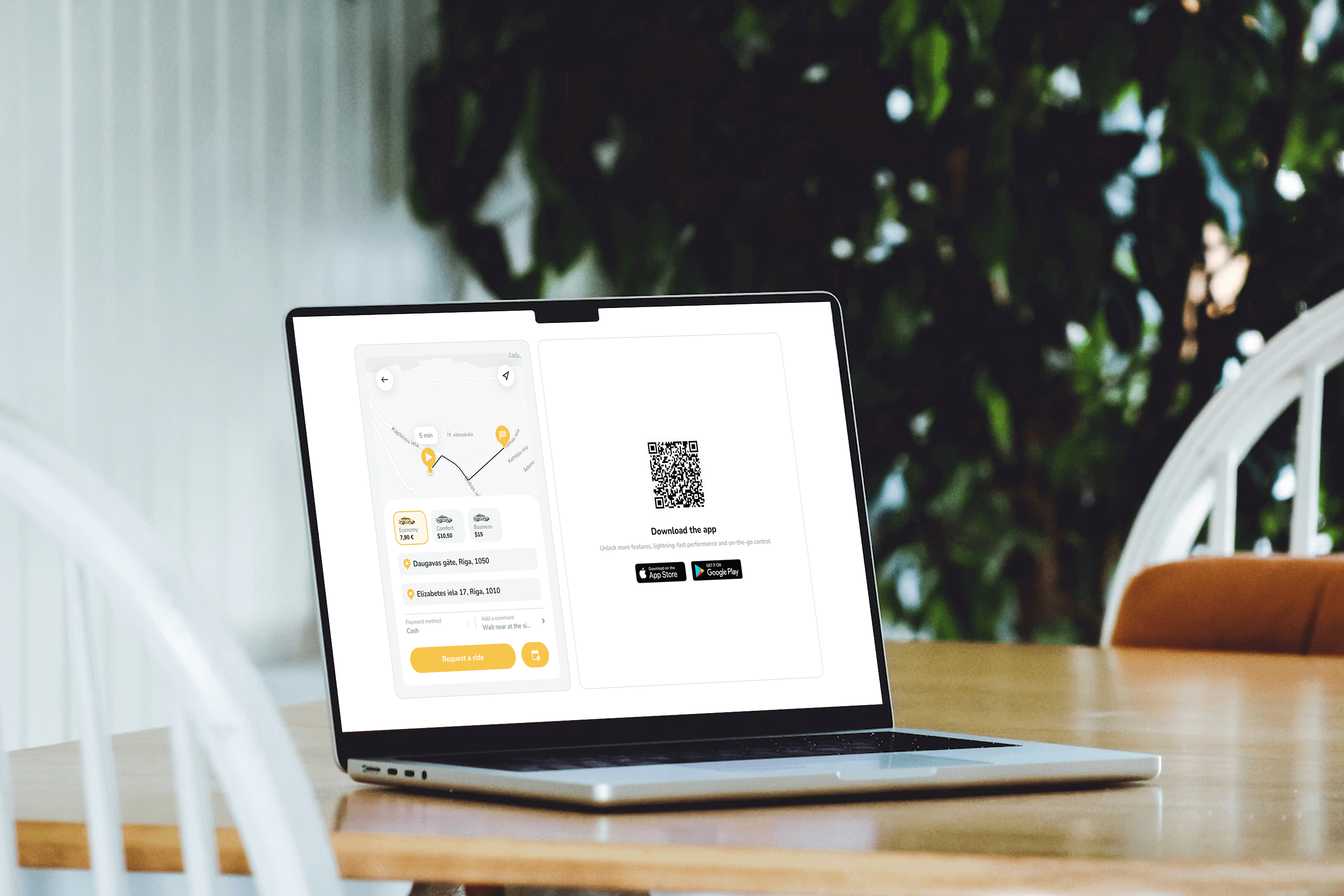
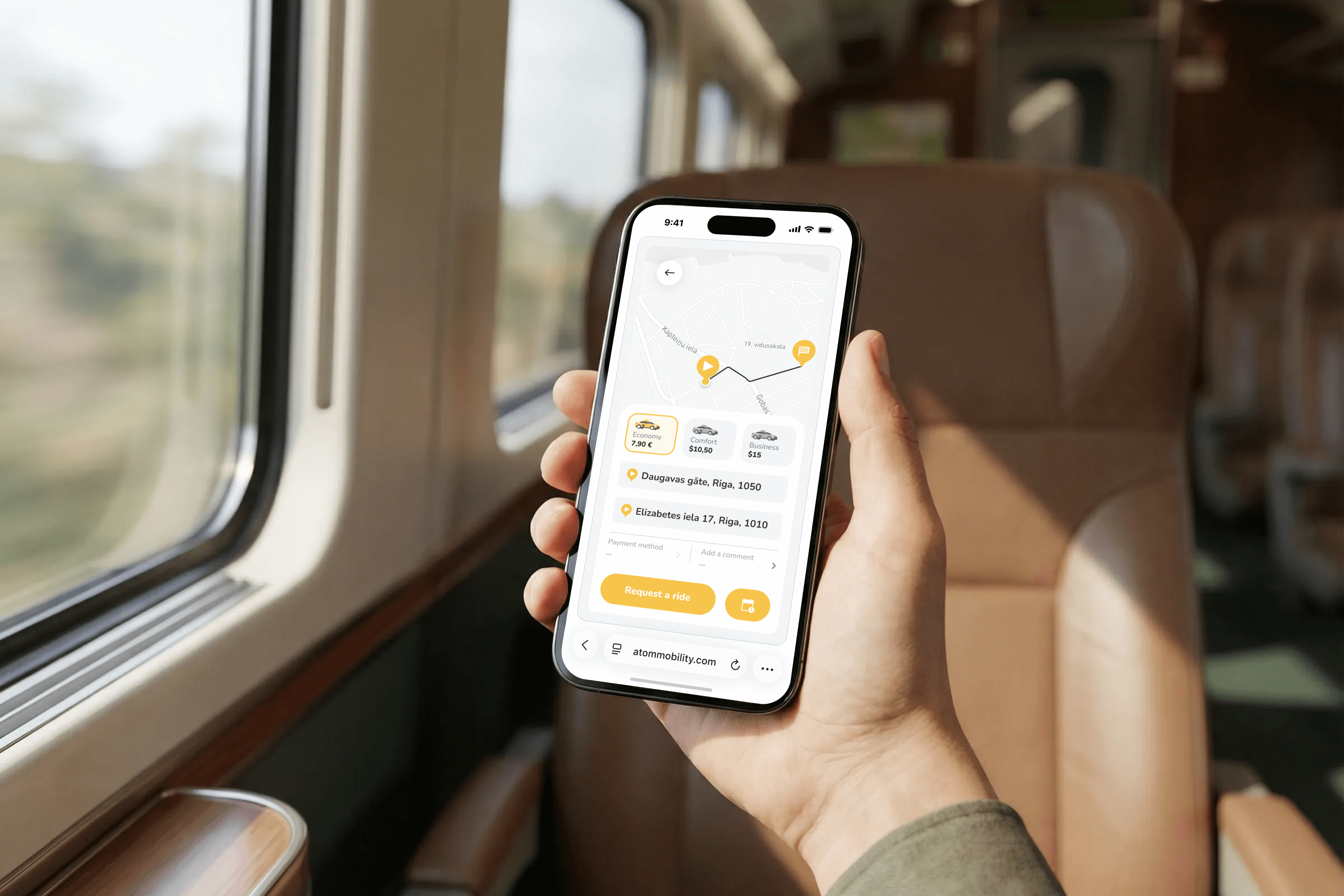
🚕 Web-booker is a lightweight ride-hail widget that lets users book rides directly from a website or mobile browser - no app install required. It reduces booking friction, supports hotel and partner demand, and keeps every ride fully synced with the taxi operator’s app and dashboard.
What if ordering a taxi was as easy as booking a room or clicking “Reserve table” on a website?
Meet Web-booker - a lightweight ride-hail booking widget that lets users request a cab directly from a website, without installing or opening the mobile app.
Perfect for hotels, business centers, event venues, airports, and corporate partners.
👉 Live demo: https://app.atommobility.com/taxi-widget
Web-booker is a browser-based ride-hail widget that operators can embed or link to from any website.
The booking happens on the web, but the ride is fully synchronized with the mobile app and operator dashboard.
No redirects. No app-store friction. No lost users.
This keeps fraud low while preserving conversion.
Web-booker addresses one of the most common friction points in ride-hailing: users who need a ride now but are not willing to download an app first. By allowing bookings directly from a website, operators can capture high-intent demand at the exact moment it occurs - whether that is on a hotel website, an event page, or a partner landing page.
At the same time, Web-booker makes partnerships with hotels and venues significantly easier. Instead of complex integrations or manual ordering flows, partners can simply place a button or link and immediately enable ride ordering for their guests. Importantly, this approach does not block long-term app growth. The booking flow still promotes the mobile app through QR codes and store links, allowing operators to convert web users into app users over time - without forcing the install upfront.
Web-booker is not designed to replace the mobile app. It extends the acquisition funnel by adding a low-friction entry point, while keeping all bookings fully synchronized with the operator’s app and dashboard.
👉 Try the demo
https://app.atommobility.com/taxi-widget
Want to explore a ride-hail or taxi solution for your business - or migrate to a more flexible platform? Visit: https://www.atommobility.com/products/ride-hailing
Credenziali demo dell'app Driver - Email: test@atom.com, Password: autista

