5 أشياء يجب وضعها في الاعتبار عند اختيار أسطول مشاركة المركبات لموسم 2023
20/3/2023
الحد الأدنى للقراءة


سواء كنت خبيرًا في مجال التنقل أو رائد أعمال لأول مرة، فهناك العديد من الأشياء التي تحتاج إلى وضعها في الاعتبار عند اختيار أسطولك أو ترقيته لموسم 2023 - سواء كان ذلك سيارات أو دراجات إلكترونية أو دراجات بخارية.
في عام 2023، سنرى المدن والبلدان تنفذ لوائح أكثر صرامة لإدارة التنقل ومتطلبات السلامة الجديدة. ستستمر توقعات العملاء في النمو جنبًا إلى جنب مع المنافسة المتزايدة. وستدفع التطورات التكنولوجية صناعة التنقل الكهربائي إلى آفاق جديدة.
للحفاظ على القدرة التنافسية وتلبية طلب العملاء من حيث الجودة والكمية، من الضروري ليس فقط اختيار الأسطول المناسب لعملك، ولكن أيضًا إدارة القرارات ذات الصلة التي تأتي مع هذا الطلب بعناية. سيساعدك هذا على تجنب الوقوع في مفاجآت غير مرحب بها على المدى القصير والطويل.
فيما يلي الجوانب التي يجب وضعها في الاعتبار عند اختيار أسطولك هذا العام:
بعد عام 2022 المحموم للخدمات اللوجستية، يحمل عام 2023 أخبارًا جيدة للشركات - فقد انخفضت أسعار الشحن بشكل كبير وبدأت سلاسل التوريد أخيرًا في إظهار بعض الاستقرار.
الأبحاث الحديثة يشير إلى حدوث انخفاض كبير في أسعار الشحن، مما أدى إلى خفض تكاليف الشحن بنسبة تصل إلى 50٪ مقارنة بقمم العام الماضي. يوفر انخفاض تكلفة الشحن لشركات التنقل الفرصة للاستفادة بشكل أفضل من مواردها ويمكن أن تحدث فرقًا كبيرًا في جدوى الأعمال.
ومع ذلك، من الصعب التنبؤ بدقة بمسار أسعار الشحن في المستقبل. تميزت السنوات السابقة بعدم الاستقرار الدائم وهناك احتمال أن ترتفع التكاليف مرة أخرى بسبب الأحداث العالمية. وبالتالي، يجب أن تكون نفقات الشحن في مقدمة أولوياتنا عند التفكير في طلب مركبات جديدة، خاصة من الخارج.
قد تكون فكرة ذكية إعادة استثمار المدخرات من انخفاض تكاليف الشحن في المركبات نفسها. في حين أن العلامات التجارية الأرخص قد تبدو جذابة، ضع في اعتبارك أنها تتطلب عادةً صيانة أكثر من نظيراتها الأكثر تكلفة.
وفقًا لذلك، فإن الاستثمار المسبق الأكبر في المركبات الأكثر متانة وذات السمعة الطيبة قد يؤتي ثماره على المدى الطويل، حيث تستفيد من انخفاض الحاجة إلى الصيانة والعمالة التي تأتي معها. تعني المتانة الأفضل أيضًا عمرًا أطول للمركبة.
على سبيل المثال، تشتري بعض أكبر شركات التنقل الإلكتروني المشتركة أسطولها من OKAI، وهي المركبات المعروفة بمتانتها ويمكن طلبها من مرافق التخزين التابعة للشركة في أوروبا. Segway و Feishen هما مصنعان صينيان آخران يوفران أيضًا مخزونًا من مستودعاتهما الأوروبية. إذا كنت تفضل المركبات المصنعة في الاتحاد الأوروبي، فقد ترغب في التفكير في الشركة المصنعة للدراجات البخارية الإستونية Äike.
قد تظل النماذج الأرخص خيارًا رائعًا لرواد الأعمال المتنقلين لأول مرة الذين يهدفون إلى التحقق من صحة فكرة أعمالهم. ومع ذلك، يجب على أي شخص يعمل في مجال تكنولوجيا المعلومات على المدى الطويل أن يوازن بعناية مخاطر وفوائد الاستثمارات الكبيرة في النماذج منخفضة التكلفة.
ومع ذلك، إذا كان شراء أسطول جديد أمرًا مكلفًا للغاية بالنسبة لعملك، ففكر في المركبات المستعملة التي كانت مملوكة سابقًا لمشغلين آخرين في الاتحاد الأوروبي. يمكن أن يكون بديلاً أكثر فعالية من حيث التكلفة للمشغلين الذين بدأوا للتو. تحقق من موقعنا سوق المركباتتواصل معنا وسنساعدك في تجميع أسطولك معًا.
لطالما تم تنظيم صناعة التنقل الدقيق بشكل فضفاض، ولكن هذا يتغير الآن بسرعة. هذا العام، يمكننا أن نتوقع متطلبات جديدة وأكثر صرامة، خاصة عندما يتعلق الأمر بالدراجات البخارية. ويجب أن تكون مستعدًا لتكييف أسطولك لتلبية هذه المتطلبات الناشئة.
بعبارة أخرى، إلى جانب البطاريات القابلة للتبديل والتصميم المتين، ستصبح أشياء مثل نمطية السكوتر والقدرة على التكيف أكثر أهمية من أي وقت مضى. هذه الميزات ضرورية ليس فقط لدمج التقنيات الجديدة عند ظهورها، ولكن أيضًا في قدرتها على الامتثال للوائح المقدمة حديثًا.
على سبيل المثال، الحركة المتنامية إلى اجعل الخوذات مطلبًا مع الدراجات البخارية يجب أن تقودك إلى التفكير في النماذج التي تحتوي على هذه الأقفال، أو يمكن تعديلها لإضافتها. وإلا، قد تجد نفسك مع أسطول غير قابل للاستخدام.
يمكن أن يساعد البحث عن بطاريات إضافية وقطع الغيار الموصى بها وشرائها مسبقًا في تقليل وقت التوقف عن العمل والتأكد من أن أسطولك جاهز دائمًا للأداء بأقصى قدر من الكفاءة. يقترح دومينيك غراف، المستشار في: «الحصول على حصة 50٪ على الأقل من البطاريات الاحتياطية جنبًا إلى جنب مع الطلب الأولي فكرة جيدة» التنقل الجديد من FEISHEN.
يسلط دومينيك الضوء أيضًا على أنه عندما يتعلق الأمر بقطع الغيار، فمن الأفضل تخزين قطع إضافية، بدلاً من أن تجد نفسك مع أسطول عاجز لعدة أشهر بينما تنتظر شحن الأجزاء المهمة. أفضل طريقة لتحديد الأجزاء التي تحتاجها وعددها هي أن تسأل الشركة المصنعة التي تختارها.
عادةً ما يكون لدى المصنّعين مقاييس شاملة حول أداء منتجاتهم - فهم يعرفون نقاط الضعف، ويعرفون العمر، ويعرفون المشكلات الأكثر شيوعًا. وفقًا لذلك، فهي في وضع فريد لتقديم توصيات جيدة بشأن قطع الغيار وغالبًا ما تقدم حزمًا مسبقة الصنع جنبًا إلى جنب مع الطلب الأولي. يمكنك توقع أن تكون تكلفة قطع الغيار حوالي 2-5٪ من قيمة السكوتر.
إذا كنت تبحث عن الشركات المصنعة وأسعارها، فمن المحتمل أن تكون قد توصلت إلى استنتاج مفاده أن الطلب من الخارج أرخص من الشراء محليًا. هناك اختلافات كبيرة في الأسعار، على سبيل المثال، بين شراء الدراجات البخارية في الاتحاد الأوروبي مقابل آسيا، حتى عند الشراء من نفس الشركة المصنعة.
لكن سعر السيارة هو نصف القصة فقط.
وفقًا لـ Dominik Graaf، فإن سبب اختلاف السعر هو التكاليف المرتبطة بالاستيراد - عند الطلب من آسيا، سيتعين عليك تحمل جميع تكاليف الشحن والجمارك والتسليم. ناهيك عن متاعب إدارة العملية بأكملها. بينما عندما تشتري من مستودع أوروبي، فإن الجزء الأكبر من هذه التكاليف قد تم دفعه بالفعل من قبل الشركة المصنعة ويتم تسعيره وفقًا لذلك في السكوتر أو أي مركبة أخرى.
بمجرد حساب ذلك، ينخفض فرق السعر بشكل حاد.
علاوة على ذلك، فإن الشراء في أوروبا يمنح العديد من المزايا الأخرى، وأهمها تقصير المهل الزمنية بشكل كبير، مما يقلل الوقت حتى ترى الدراجات البخارية الأولى من أشهر إلى أسابيع. بالإضافة إلى ذلك، فإنه يوفر لك نقطة اتصال محلية، بالإضافة إلى تبسيط العمليات المحاسبية والإدارية الأخرى.
لاحظ أنه في نهاية المطاف، قد يكون الشراء من الخارج أرخص. ومع ذلك، ما لم تكن لديك الخبرة والمثابرة للتعامل مع الشحن الدولي والمشاكل المرتبطة به، فإننا نوصي بالبدء محليًا قدر الإمكان.
للتلخيص - نحن في وقت فريد يتيح فيه انخفاض التكاليف لمزيد من الشركات خيار التفكير في استثمارات طويلة الأجل. سواء كانت دراجات بخارية أكثر متانة أو أجزاء احتياطية جيدة التجهيز، فقد حان الوقت الآن للتفكير في المستقبل.
مع الأسطول المناسب والتنقل المناسب منصة وبرمجيات، ستكون شركتك في وضع جيد لمواجهة التحديات والفرص في موسم 2023.
إذا كنت تبحث عن شراء مركبات لنشاطك التجاري في مجال مشاركة التنقل، فابدأ بالاستكشاف سوق مركبات ATOM Mobility.
هل تحتاج إلى مساعدة أو مشورة بشأن الأعمال أو البرامج أو المركبات؟ دعونا نتحدث!
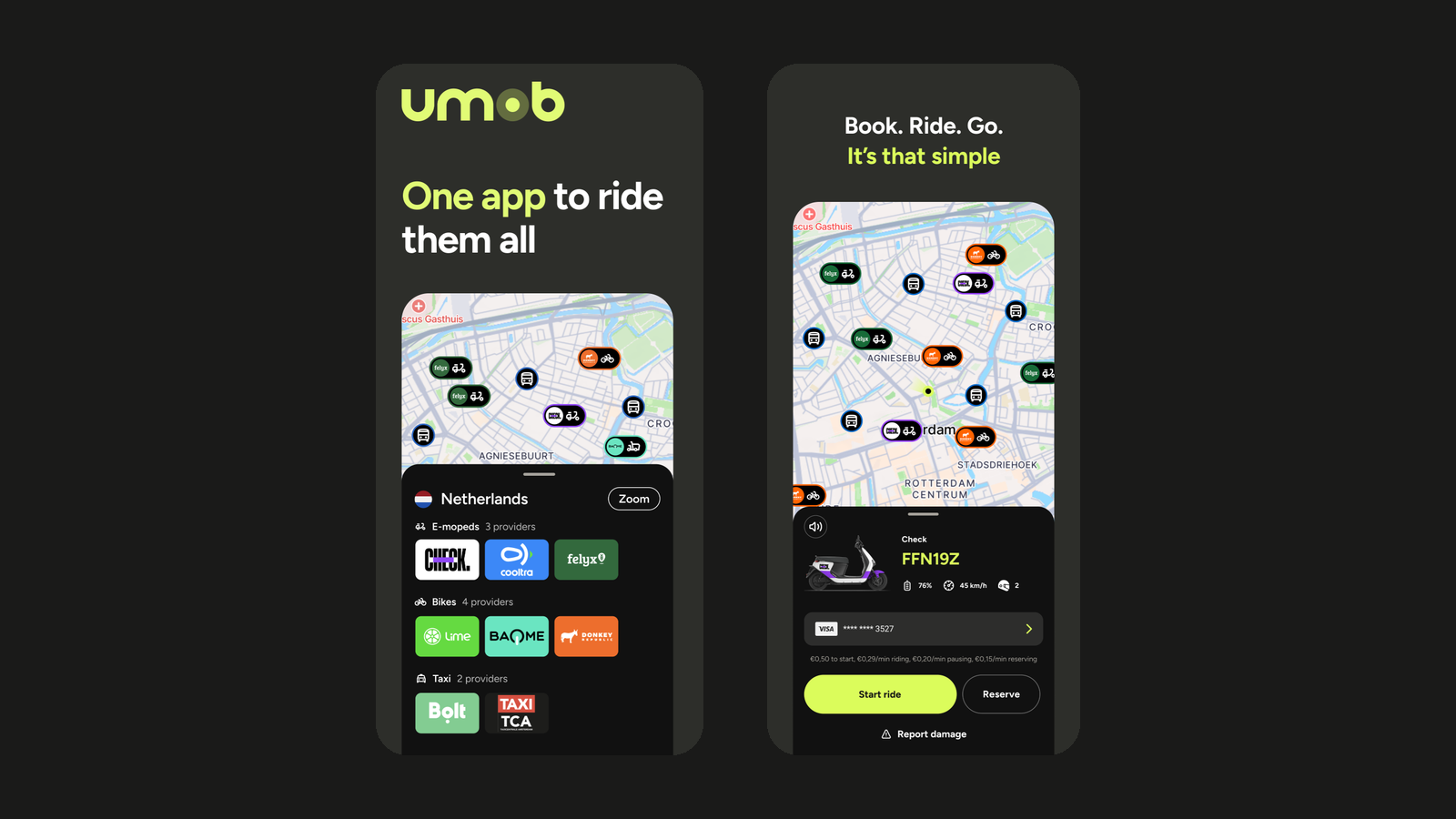
🌍 يمكنك الوصول إلى المزيد من الركاب مع ATOM Mobility وUmob. يمنح هذا التكامل مشغلي التنقل المشترك قناة توزيع إضافية، مما يساعد في جذب عملاء جدد، وزيادة الحجوزات، وتحسين معدلات استخدام الأسطول.
مستقبل التنقل لا يقتصر فقط على تشغيل المركبات، بل يتعلق بابتكار رحلات مريحة تجمع بين خيارات النقل المختلفة في تجربة مستخدم واحدة بسيطة.
ولهذا السبب يسعدنا تسليط الضوء على شراكتنا مع Umob، مما يساعد مشغلي التنقل على توسيع نطاق وصولهم وأن يصبحوا جزءاً من منظومة تنقل متعددة الوسائط متنامية.
سواء كنت تدير سيارات أو سكوترات أو دراجات هوائية أو دراجات نارية مشتركة عبر منصة ATOM Mobility، فإن التكامل مع Umob يجعل خدمتك متاحة لـ آلاف مستخدمي Umob الباحثين عن وسيلة تنقل مريحة.
يتوقع مستخدمو اليوم مرونة عالية؛ فهم لا يفكرون في مزودي خدمات التنقل بشكل منفصل، بل يريدون ببساطة أسرع وأسهل وأكثر الطرق ملاءمة للانتقال من النقطة (أ) إلى النقطة (ب).
تجمع Umob بين مختلف مزودي خدمات التنقل وخيارات النقل في تطبيق واحد. يمكن للمستخدمين العثور على خيارات التنقل المختلفة ومقارنتها وحجزها والدفع مقابلها دون الحاجة إلى تنزيل تطبيق منفصل أو إنشاء حساب جديد لكل مزود خدمة.
من خلال ربط أسطولك بـ Umob، يمكن للمشغلين:
بالنسبة لعملاء ATOM Mobility، صُمم هذا التكامل لتوفير طريقة مباشرة لفتح فرص توزيع جديدة مع الاستمرار في إدارة عملياتهم الأساسية من خلال منصة ATOM Mobility.
من خلال منصة ATOM Mobility، يمكن للمشغلين المشاركين ربط أساطيلهم بـ Umob، مما يتيح للمستخدمين اكتشاف المركبات المتاحة واستخدامها مباشرة عبر تطبيق Umob.
بمجرد الربط، ستظهر مركبات المشغلين المشاركين في Umob إلى جانب خيارات التنقل الأخرى المتاحة، مما يمنح المستخدمين نظرة عامة واضحة على الطرق المختلفة التي يمكنهم من خلالها الانتقال من النقطة (أ) إلى النقطة (ب).
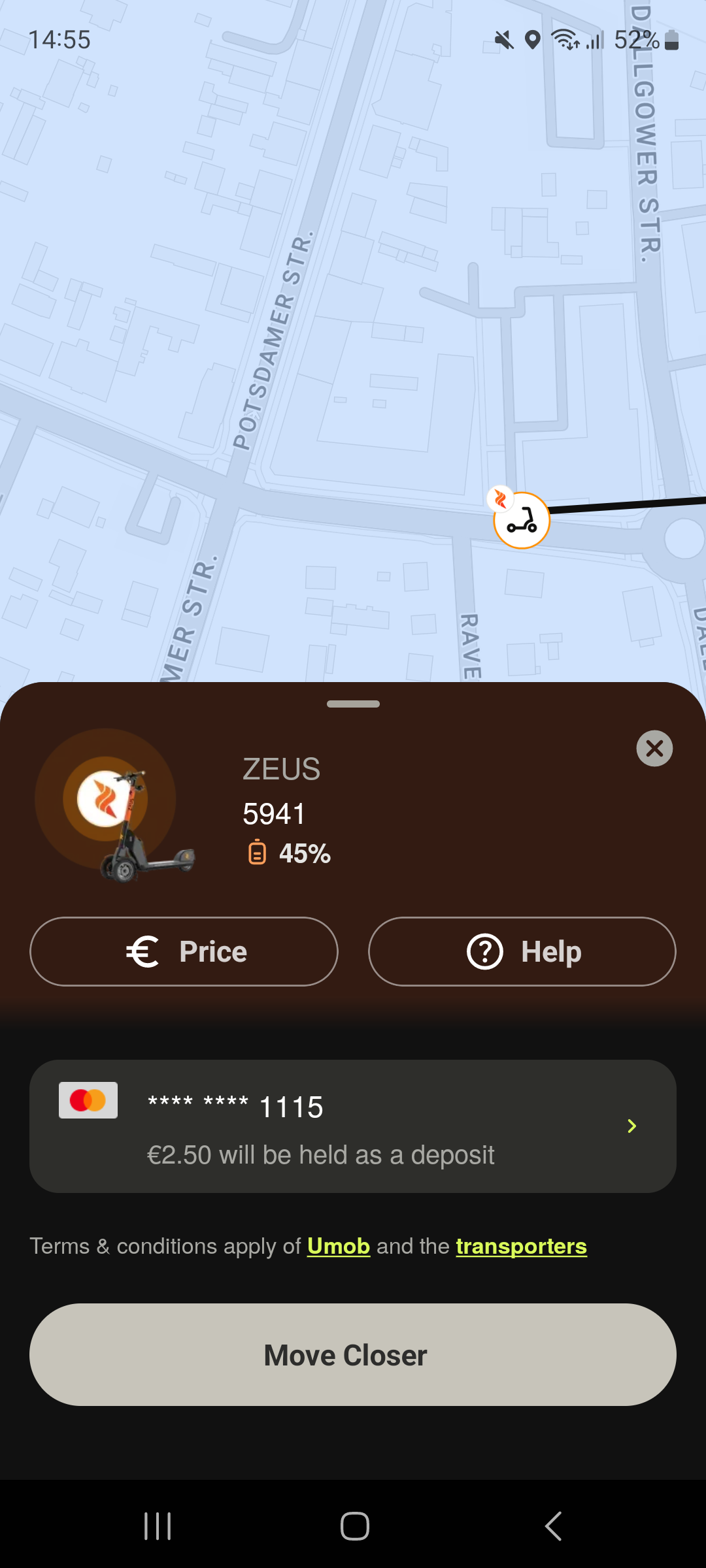
يمكن للمستخدمين العثور على مركبة متاحة، وحجزها وفتح قفلها، وبدء رحلتهم وإنهائها، والدفع مباشرة من خلال تطبيق Umob.
صُمم هذا التكامل لدعم:
يواصل المشغلون إدارة أساطيلهم، وتسعيرهم، ومناطق الخدمة، والعمليات اليومية من خلال منصة ATOM Mobility، بينما توفر Umob قناة إضافية يمكن للمستخدمين من خلالها العثور على المركبات والوصول إليها.
بالنسبة لمشغلي التنقل، يتيح الربط مع Umob قناة توزيع إضافية دون تغيير الطريقة التي يديرون بها عملياتهم اليومية عبر ATOM Mobility.
من خلال إتاحة المركبات لآلاف مستخدمي Umob، يمكن للمشغلين زيادة ظهورهم في اللحظة التي يبحث فيها الأشخاص بنشاط عن وسيلة تنقل. وهذا يخلق إمكانية لجذب مستخدمين جدد، وتحقيق المزيد من الحجوزات، وتحسين معدل استخدام الأسطول بمرور الوقت.
يختلف كل سوق عن الآخر، لكن العديد من المشغلين يرون في شراكات "التنقل كخدمة" (MaaS) جزءاً مهماً من استراتيجية نموهم طويلة الأمد.
أحد أوائل مشغلي ATOM Mobility الذين انطلقوا من خلال تكامل Umob هو ZEUS Mobility، وهو مزود أوروبي طموح لخدمات مشاركة السكوتر الكهربائي، يركز بقوة على الابتكار، ويتبنى نهجاً ديناميكياً، ويسعى لمنافسة اللاعبين الراسخين في السوق.
ومن المناسب أن الشراكة بحد ذاتها بدأت من خلال شبكة ATOM Mobility.
التقت ZEUS وUmob لأول مرة في فعالية ATOM Mobility في ريغا. وعلى الرغم من أن التعارف الأولي حدث أثناء الفعالية، إلا أن المحادثة الجدية بدأت فعلياً خلال جلسة غير رسمية في وقت لاحق من ذلك المساء.
كانت ZEUS قد صادفت علامة Umob التجارية على مركبات التنقل أثناء السفر، وقد أُعجبت بالنهج المهني الذي تتبعه الشركة. وسرعان ما تحول ذلك التعرف إلى محادثة حول كيفية تعزيز الشركتين لعروضهما من خلال العمل معاً.
ومن هناك، تقدمت عملية التكامل بسرعة. وتصف ZEUS عملية الإعداد والتكامل حتى الآن بأنها "نظيفة واحترافية وسلسة."
بالنسبة لشركة ZEUS، تمثل هذه الشراكة فرصة لتعزيز حضور علامتها التجارية، والوصول إلى عملاء جدد، ودعم طموحاتها التوسعية في أوروبا.
عقب استحواذها على Superpedestrian في مايو 2026، تتطلع ZEUS إلى تسريع وتيرة نموها خلال عامي 2026 و2027، وتعد شراكتها مع Umob جزءاً من هذا الطموح.
"نحن في ZEUS سعداء للغاية بالشراكة مع Umob في الأسواق الأوروبية. فبعد استحواذنا على Superpedestrian في مايو 2026، نسعى في ZEUS إلى تحقيق نمو سريع خلال عامي 2026 و2027. ستساعدنا هذه الشراكة في دفع عجلة هذا النمو والوصول إلى عملاء جدد في أسواق جديدة. نتطلع إلى شراكة مثمرة." - داميان يونغ، ZEUS Mobility
تطبيق واحد لكل تنقلاتك. Umob هي منصة تنقل شاملة تجمع بين مختلف مزودي خدمات التنقل وخيارات النقل في تطبيق واحد.
يمكن للمستخدمين العثور على الدراجات المشتركة، والدراجات الكهربائية، والسكوتر، والدراجات النارية، ووسائل النقل العام، وسيارات الأجرة، وغيرها من خيارات التنقل المتاحة، ومقارنتها وحجزها والدفع مقابلها من خلال حساب واحد وتجربة دفع موحدة. فبدلاً من تنزيل تطبيق منفصل والتسجيل فيه لكل مزود خدمة أو في كل مدينة جديدة، يمكن للمستخدمين فتح تطبيق Umob والاطلاع على خيارات التنقل المتاحة من حولهم.
تتوفر Umob اليوم في أكثر من 28 دولة و300 مدينة، مما يتيح لآلاف المستخدمين طريقة أسهل للوصول إلى مختلف وسائل التنقل سواء في مدنهم أو أثناء السفر.
حقائق رئيسية
إذا كنت تدير بالفعل خدمة التنقل المشترك الخاصة بك على منصة ATOM Mobility، فإن الربط مع Umob قد يكون الخطوة التالية نحو الوصول إلى المزيد من المستخدمين وأن تصبح جزءاً من منظومة تنقل مترابطة حقاً.
إذا كنت مهتماً بتفعيل هذا التكامل أو معرفة المزيد حول كيفية عمله، تواصل مع فريقنا. نحن نتطلع إلى مساعدة المزيد من المشغلين على التواصل والتعاون وجعل التنقل المستدام أسهل للجميع.
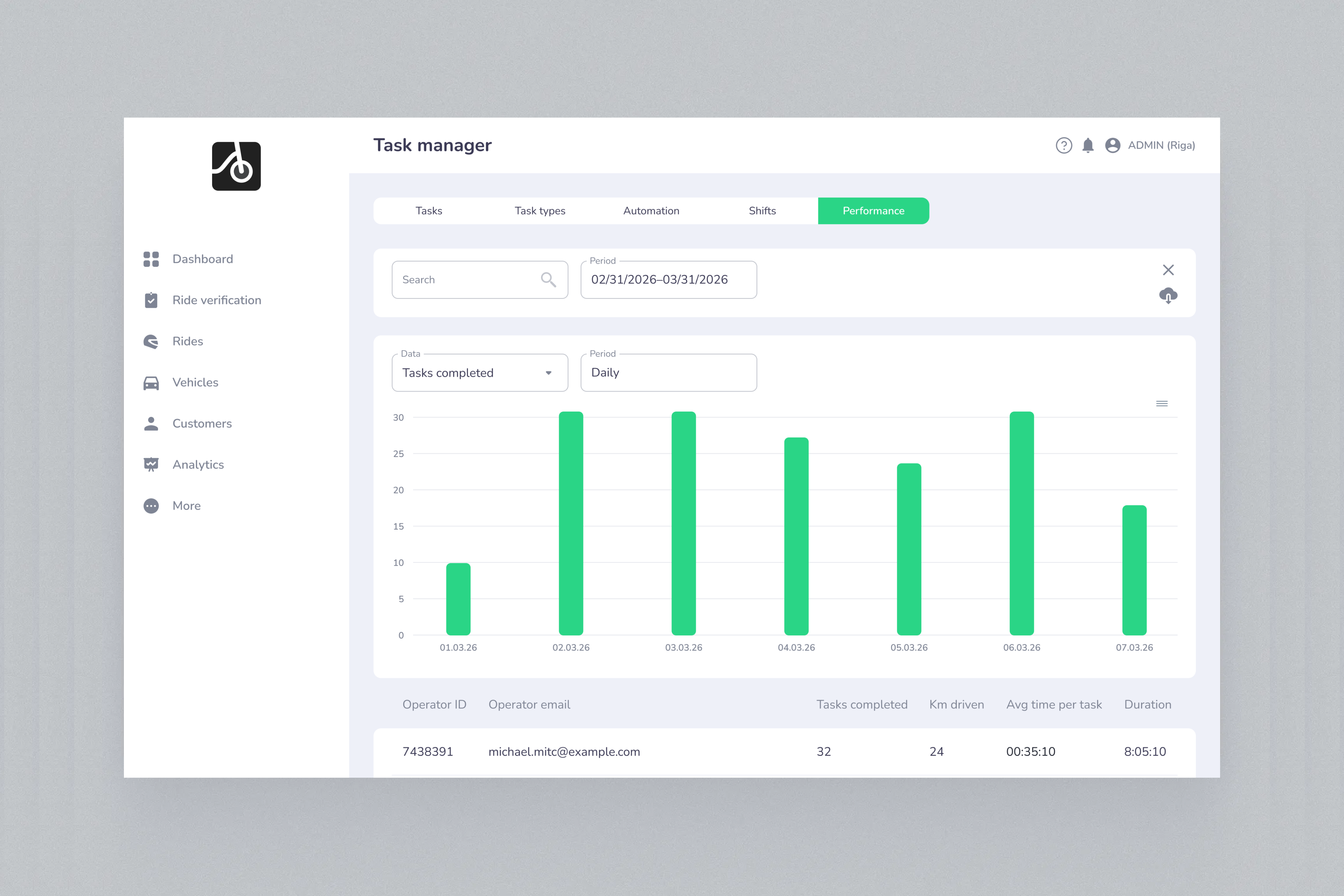
👷📊 يتجاوز مدير مهام ATOM الآن مجرد توزيع المهام بفضل وظائف الورديات وأداء المشغلين الجديدة. تتبع مسارات الورديات، والمسافة المقطوعة، والمهام المنجزة، والوقت المستغرق لكل مهمة، وأداء كل مشغل على حدة، مما يمنح مديري الأساطيل رؤية أوضح بكثير للعمليات الميدانية ومستوى الكفاءة.
لا تقتصر إدارة أسطول كبير للتنقل المشترك أو التأجير على معرفة المهام التي تم إنجازهافحسب، بل تتعلق أيضاً بفهم مدى كفاءة عمل الفرق الميدانية. لقد قمنا بتوسيع مدير مهام ATOM Mobility بشكل كبير بإضافة وظائف الورديات والأداء، مما يمنح مديري الأساطيل رؤية أفضل بكثير لنشاط المشغلين، وعبء العمل، والمسارات، ومستوى الأداء.
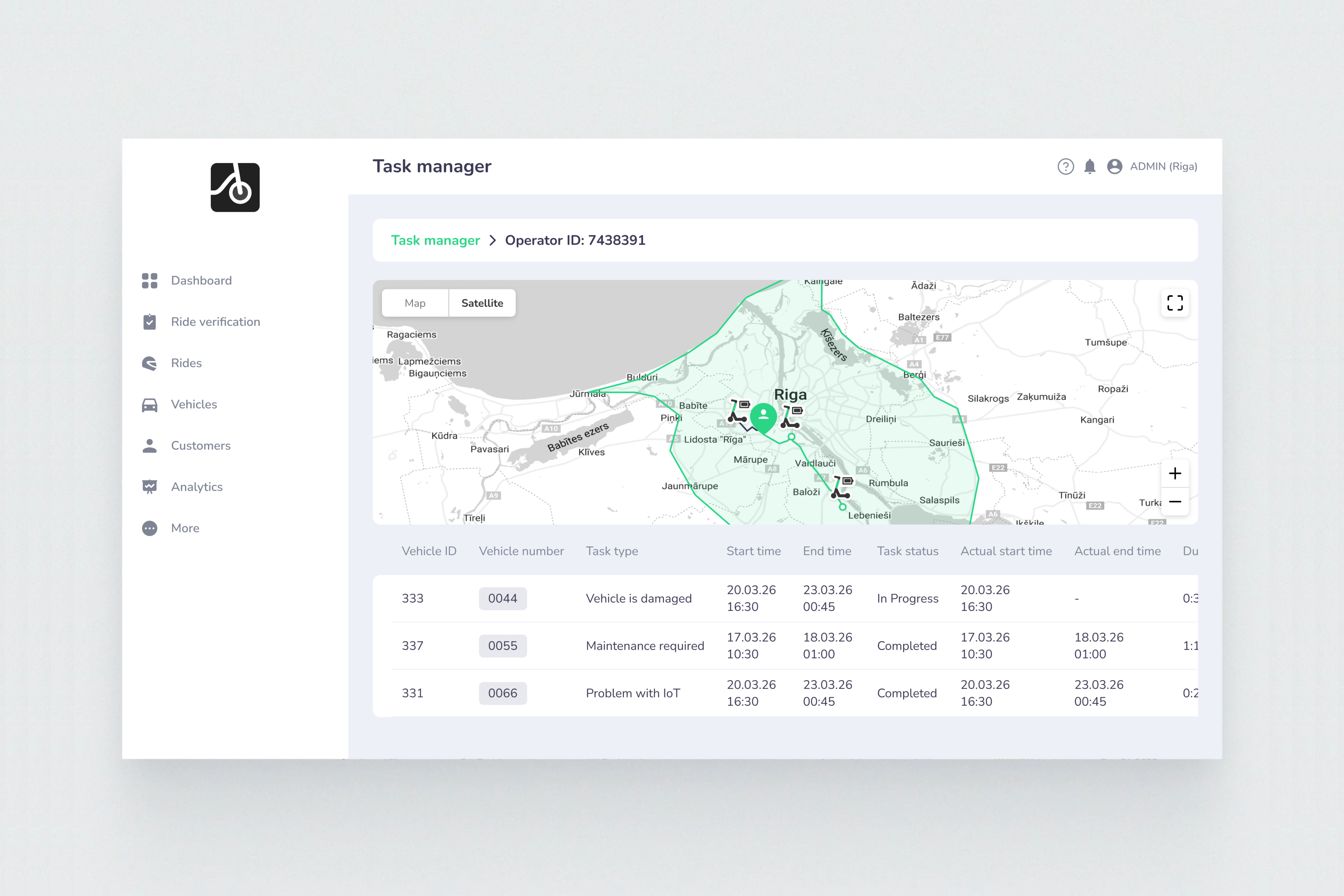
تمنحك علامة التبويب الورديات الجديدة للمديرين نظرة عامة مركزية على جميع ورديات المشغلين، بما في ذلك:
يمكن للمديرين فتح أي وردية فردية للاطلاع على الصورة التشغيلية الكاملة. فلكل مهمة، يمكنك رؤية المركبة، ونوع المهمة، ووقت البدء المخطط له والموعد النهائي، وأوقات البدء والانتهاء الفعلية، والحالة، والمدة الإجمالية للمهمة.
تتضمن كل وردية أيضاً خريطة توضح حركة المشغل الكاملة أثناء الوردية والمواقع التي تم تنفيذ المهام الفردية فيهابالنسبة للنوبات الجارية حالياً، يمكن للمديرين أيضاً الاطلاع على الموقع الحالي للمشغل.
وهذا يسهل كثيراً فهم المسار الفعلي، وحجم العمل، والقرارات المتخذة خلال كل نوبة، بالإضافة إلى تحديد فرص تحسين كيفية إدارة فرق العمل الميدانية لصيانة الأسطول وعملياته.
علامة التبويب الأداء الجديدة تجمع النتائج التشغيلية لكل مشغل خلال فترة زمنية محددة.
يمكن للمديرين تتبع:
بدلاً من مراجعة مئات المهام الفردية، يمكن للمديرين مقارنة المشغلين بسرعة، وتحديد أصحاب الأداء المتميز، ورصد المجالات التي قد تحتاج إلى تدريب إضافي أو تحسينات تشغيلية.
لجعل بيانات الأداء دقيقة ومفيدة، قدمنا أيضاً سير عمل جديد للنوبات والمهام في تطبيق ATOM للمشغلين. يبدأ المشغلون الآن نوبات عملهم وينهونها مباشرة من خلال التطبيق، بينما يتم تسجيل أوقات بدء المهام الفردية وإتمامها تلقائياً.
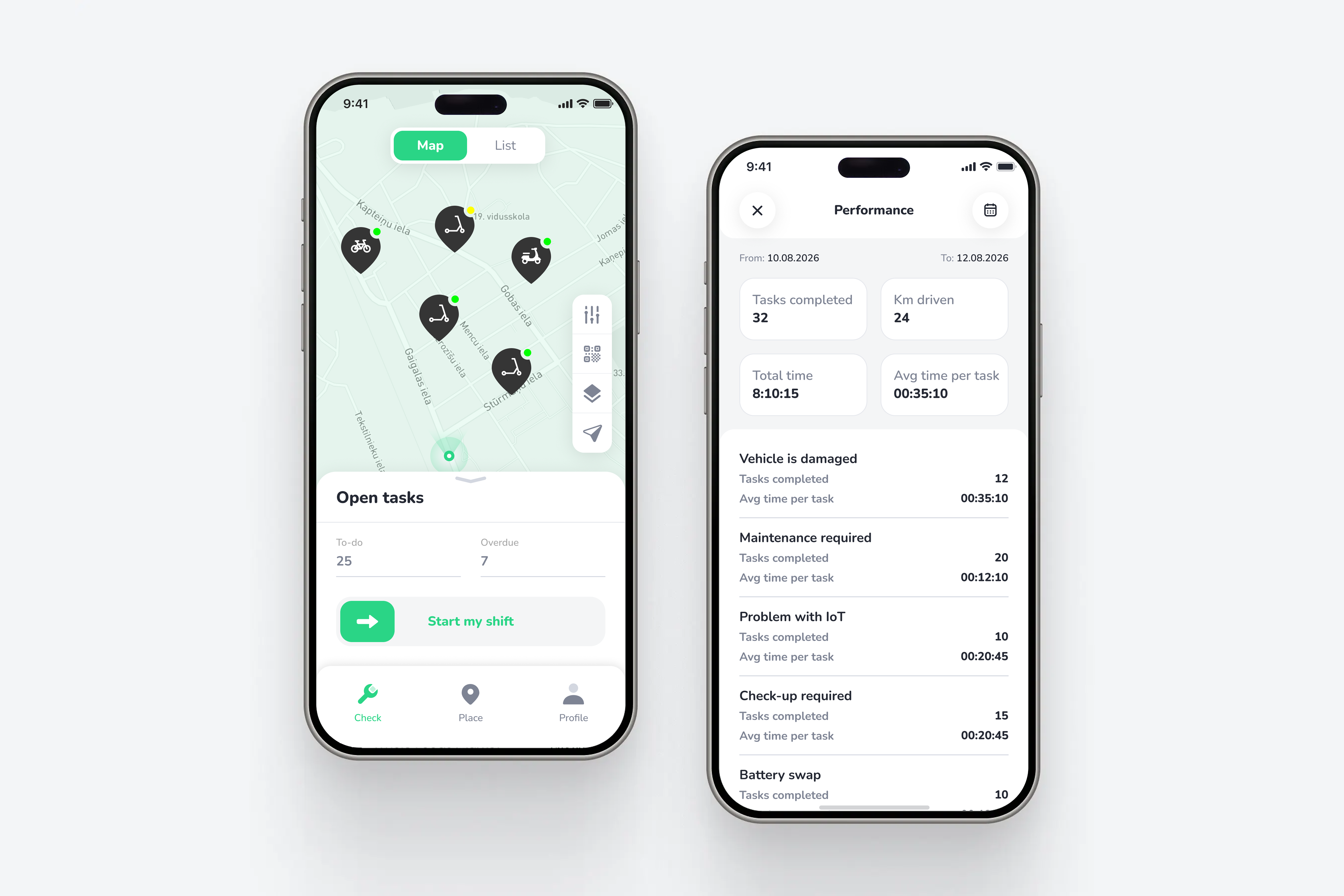
لقد أضفنا أيضاً:
معاً، تحول هذه التحديثات ATOM Task Manager من مجرد أداة لتوزيع المهام إلى نظام أكثر تكاملاً لأداء وتحسين العمليات الميدانية. يحصل المشغلون على سير عمل أوضح ورؤية أفضل لأدائهم الشخصي، بينما يحصل المديرون على البيانات التي يحتاجونها لفهم كيفية سير عملياتهم الميدانية فعلياً وتحديد مجالات تحسين الكفاءة.
الوظائف الجديدة متاحة لوحدات مشاركة المركبات و التأجير الرقمي في ATOM Mobility.
👉 اقرأ المزيد عن آخر تحديثات منصتنا:
https://www.atommobility.com/atomupdates
استخدم بيانات اعتماد الاختبار لتسجيل الدخول - رقم الهاتف: +1 123123123، الكود: 777777


بيانات اعتماد الإصدار التجريبي من تطبيق Driver - البريد الإلكتروني: test@atom.com، كلمة المرور: برنامج التشغيل