5 coisas a ter em mente ao escolher sua frota de compartilhamento de veículos para a temporada de 2023
March 20, 2023
leitura mínima


Seja você um veterano experiente em mobilidade ou um empreendedor iniciante, há várias coisas que você precisa ter em mente ao escolher ou atualizar sua frota para a temporada de 2023, sejam carros, bicicletas elétricas ou scooters.
Em 2023, veremos cidades e países implementarem regulamentações mais rígidas de gerenciamento de mobilidade e novos requisitos de segurança. As expectativas dos clientes continuarão a crescer em conjunto com o aumento da concorrência. E os avanços tecnológicos levarão o setor de mobilidade elétrica a novos patamares.
Para se manter competitivo e atender à demanda do cliente em termos de qualidade e quantidade, é crucial não apenas escolher a frota certa para sua empresa, mas também gerenciar cuidadosamente as decisões relacionadas que acompanham esse pedido. Isso o ajudará a evitar surpresas indesejadas tanto a curto quanto a longo prazo.
Aqui estão os aspectos que você deve ter em mente ao escolher sua frota este ano:
Após um agitado 2022 para a logística, 2023 traz boas notícias para as empresas: os preços do frete caíram significativamente e as cadeias de suprimentos estão finalmente começando a mostrar alguma estabilidade.
Pesquisa recente indica que houve um declínio significativo nas taxas de frete, reduzindo os custos de envio em até 50% em comparação com os picos do ano passado. A queda do custo do transporte oferece às empresas de mobilidade a oportunidade de fazer melhor uso de seus recursos e pode até mesmo fazer uma diferença significativa na viabilidade dos negócios.
Dito isso, é difícil prever com precisão a trajetória dos preços do frete daqui para frente. Os anos anteriores foram caracterizados por uma instabilidade perpétua e existe a possibilidade de que os custos aumentem novamente devido a eventos globais. Portanto, as despesas de envio devem ser uma prioridade ao considerar a compra de veículos novos, especialmente do exterior.
Pode ser uma ideia inteligente reinvestir as economias da queda dos custos de envio nos próprios veículos. Embora marcas mais baratas possam parecer atraentes, lembre-se de que elas normalmente exigem mais manutenção do que suas contrapartes mais caras.
Consequentemente, um maior investimento inicial em veículos mais duráveis e confiáveis pode valer a pena a longo prazo, pois você se beneficia da redução da necessidade de manutenção e da mão de obra que a acompanha. Maior durabilidade também significa maior vida útil do veículo.
Por exemplo, algumas das maiores operadoras de mobilidade eletrônica compartilhada compram sua frota da OKAI, cujos veículos são conhecidos por sua durabilidade e podem ser encomendados nas instalações de armazenamento da empresa na Europa. Segway e Feishen são outros dois fabricantes chineses que também fornecem estoque de seus armazéns europeus. Se você preferir veículos fabricados na UE, considere o fabricante estoniano de scooters Äike.
Modelos mais baratos ainda podem ser uma opção fantástica para empreendedores de mobilidade iniciantes que desejam validar sua ideia de negócio. No entanto, qualquer pessoa que trabalhe nisso a longo prazo deve avaliar cuidadosamente os riscos e benefícios de grandes investimentos em modelos de baixo custo.
Dito isso, se comprar uma frota totalmente nova for muito caro para sua empresa, considere veículos usados que antes pertenciam a outras operadoras na UE. Pode ser uma alternativa mais econômica para operadoras que estão começando. Confira nosso mercado de veículos, entre em contato conosco e ajudaremos você a montar sua frota.
O setor de micromobilidade há muito tempo é regulamentado de forma frouxa, mas agora isso está mudando rapidamente. Este ano, podemos esperar requisitos novos e mais rigorosos, especialmente quando se trata de patinetes. E você deve estar pronto para adaptar sua frota para atender a esses requisitos emergentes.
Em outras palavras, junto com baterias substituíveis e um design durável, coisas como modularidade e adaptabilidade de scooters se tornarão mais importantes do que nunca. Esses recursos são cruciais não apenas para integrar novas tecnologias à medida que elas surgem, mas também para sua capacidade de cumprir os regulamentos recém-introduzidos.
Por exemplo, o crescente movimento para faça dos capacetes um requisito com patinetes, você deve considerar modelos que tenham essas travas ou possam ser adaptados para adicioná-las. Caso contrário, você poderá se deparar com uma frota inutilizável.
Pesquisar e comprar baterias extras e peças de reposição recomendadas com antecedência pode ajudar a reduzir o tempo de inatividade e garantir que sua frota esteja sempre pronta para funcionar com a máxima eficiência. “Conseguir pelo menos 50% das baterias sobressalentes junto com o pedido inicial é uma boa ideia”, sugere Dominik Graaf, consultor da FEISHEN Nova mobilidade.
Dominik também destaca que, quando se trata de peças de reposição, é melhor estocar peças extras do que ficar com uma frota incapacitada por meses enquanto espera o envio de peças críticas. A melhor maneira de determinar quais e quantas peças você precisa é perguntar ao fabricante de sua escolha.
Os fabricantes geralmente têm métricas abrangentes sobre o desempenho de seus próprios produtos — eles conhecem os pontos fracos, conhecem a vida útil e conhecem os problemas mais comuns. Portanto, eles estão em uma posição única para fazer boas recomendações sobre peças de reposição e geralmente oferecem pacotes pré-fabricados junto com o pedido inicial. Você pode esperar que o custo das peças de reposição seja de cerca de 2 a 5% do valor da scooter.
Se você está pesquisando fabricantes e seus preços, provavelmente chegou à conclusão de que é mais barato fazer pedidos no exterior do que comprar localmente. Existem diferenças de preço significativas entre, por exemplo, comprar scooters na UE e na Ásia, mesmo comprando do mesmo fabricante.
Mas o preço do veículo é apenas metade da história.
De acordo com Dominik Graaf, o motivo da diferença de preço são os custos associados à importação — ao fazer pedidos da Ásia, você terá que arcar com todos os custos de envio, alfândega e entrega. Sem falar no incômodo de gerenciar todo o processo. Já quando você compra em um armazém europeu, a maior parte desses custos já foi paga pelo fabricante e, portanto, está incluída na scooter ou em outro veículo.
Uma vez contabilizado isso, a diferença de preço cai drasticamente.
Além disso, comprar na Europa confere várias outras vantagens, sendo a mais importante a redução drástica dos prazos de entrega, reduzindo o tempo até você ver as primeiras scooters de meses para semanas. Além disso, oferece um ponto de contato local, além de simplificar a contabilidade e outros processos gerenciais.
Observe que, no final das contas, ainda pode ser mais barato comprar no exterior. No entanto, a menos que você tenha a experiência e a tenacidade para lidar com remessas internacionais e suas dores de cabeça relacionadas, recomendamos começar o mais localmente possível.
Resumindo: estamos em um momento único em que a queda dos custos oferece a mais empresas a opção de considerar investimentos de longo prazo. Sejam scooters mais duráveis ou peças de backup bem abastecidas, agora é um bom momento para pensar no futuro.
Com a frota certa e a mobilidade certa plataforma e software, sua empresa estará bem posicionada para enfrentar os desafios e oportunidades da temporada de 2023.
Se você deseja comprar veículos para seu negócio de compartilhamento de mobilidade, comece explorando Mercado de veículos da ATOM Mobility.
Precisa de ajuda ou aconselhamento sobre negócios, software ou veículos? Vamos conversar!
Clique abaixo para saber mais ou solicitar uma demonstração.

The micromobility industry doesn’t need another generic mobility conference. 🚫🎤 It needs real conversations between operators who are actually in the field. ⚙️ That’s exactly what ATOM Connect 2026 is built for. 🎯🤝
The shared mobility industry is evolving rapidly. Operators are navigating scaling challenges, regulatory complexity, hardware decisions, fleet optimization, and new integration models, all while aiming for sustainable growth.
That’s exactly why ATOM Mobility is organizing ATOM Connect 2026.
Our previous edition of ATOM Connect brought together professionals from the car sharing and rental industry for focused, high-quality discussions and networking. This year, we are narrowing the focus and dedicating the entire event to one fast-moving segment of the industry: shared micromobility.
ATOM Connect 2026 is designed specifically for operators, partners, and decision-makers working in shared micromobility. It is not a broad mobility conference or a public exhibition. It is a curated space for industry professionals to exchange practical experience, insights, and lessons learned.
On May 14th, 2026 in Riga, we will once again bring the community together, this time with a clear focus on micromobility.
This year’s agenda will address the real operational and strategic questions shaping shared micromobility today:
As usual, we aim to host both local and international operators from smaller, fast-growing fleets to established large-scale players alongside hardware providers and ecosystem partners.
On stage, you’ll hear from leading shared mobility companies - including Segway on hardware partnerships, Umob on MaaS integration, Anadue on data-driven fleet intelligence, Elerent on multi-vehicle operational realities and more insightful discussions.
The goal is simple: meaningful discussions with people who understand the operational realities of the industry.
ATOM Connect is free to attend, but participation is industry-focused (each submission is manually reviewed and verified). We are intentionally keeping the audience relevant and aligned to ensure high-quality conversations and valuable networking.
If you work in shared micromobility and would like to join the event, you can find the full agenda and register here:
👉 https://www.atommobility.com/atom-connect-2026
In the coming weeks, we will be revealing more speakers and additional agenda updates. We look forward to bringing the industry together again.
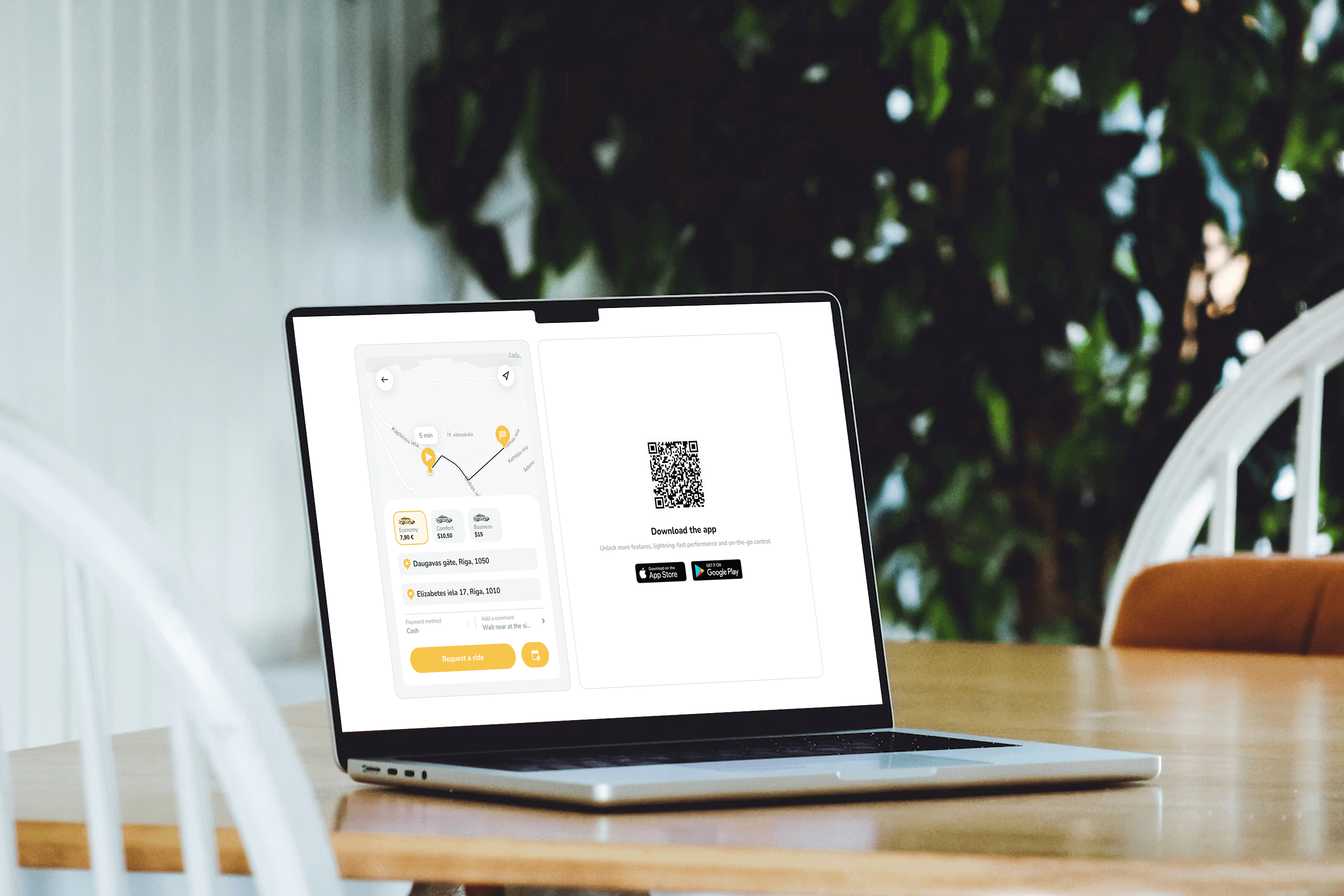
🚕 Web-booker is a lightweight ride-hail widget that lets users book rides directly from a website or mobile browser - no app install required. It reduces booking friction, supports hotel and partner demand, and keeps every ride fully synced with the taxi operator’s app and dashboard.
What if ordering a taxi was as easy as booking a room or clicking “Reserve table” on a website?
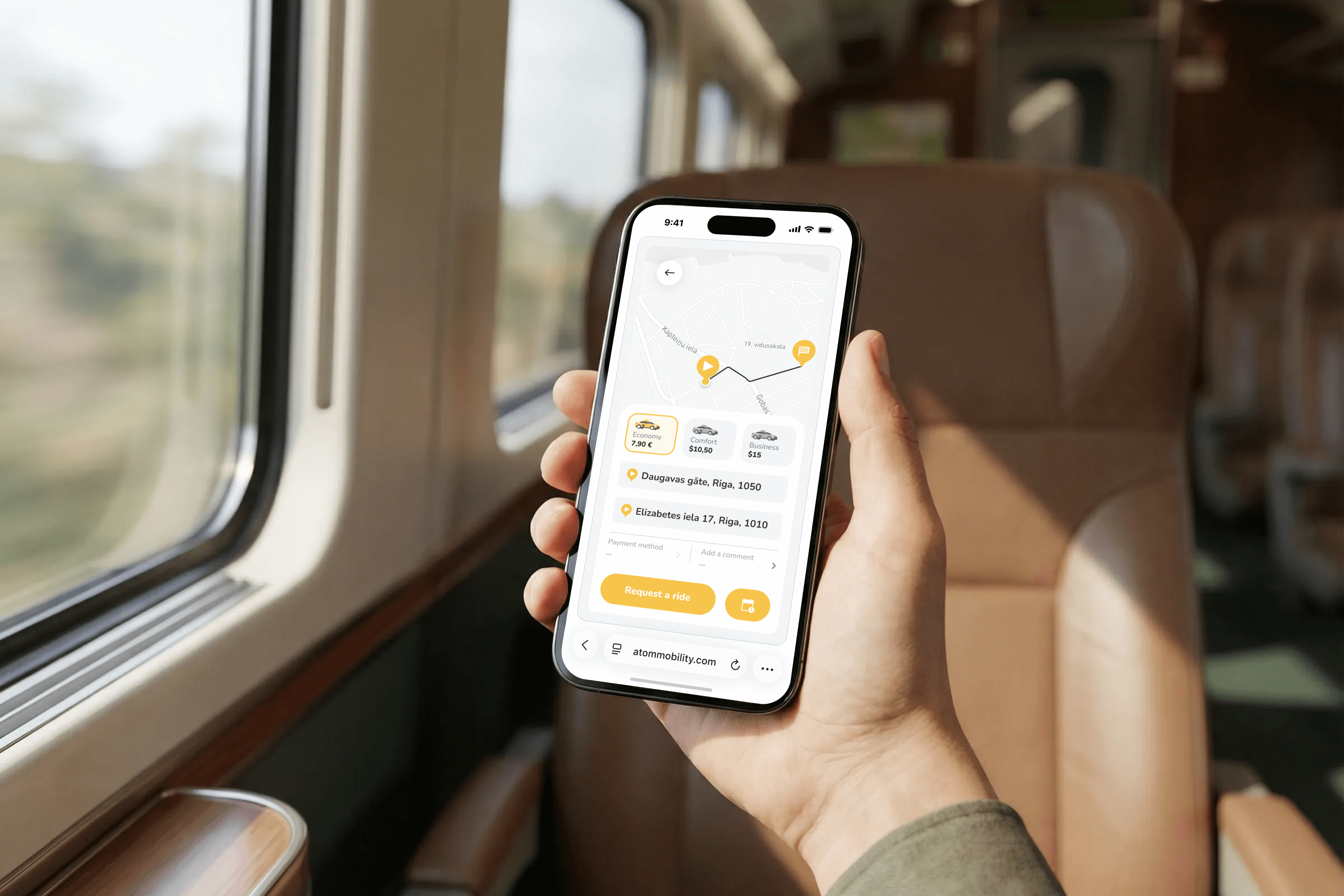
Meet Web-booker - a lightweight ride-hail booking widget that lets users request a cab directly from a website, without installing or opening the mobile app.
Perfect for hotels, business centers, event venues, airports, and corporate partners.
👉 Live demo: https://app.atommobility.com/taxi-widget
Web-booker is a browser-based ride-hail widget that operators can embed or link to from any website.
The booking happens on the web, but the ride is fully synchronized with the mobile app and operator dashboard.
No redirects. No app-store friction. No lost users.
This keeps fraud low while preserving conversion.
Web-booker addresses one of the most common friction points in ride-hailing: users who need a ride now but are not willing to download an app first. By allowing bookings directly from a website, operators can capture high-intent demand at the exact moment it occurs - whether that is on a hotel website, an event page, or a partner landing page.
At the same time, Web-booker makes partnerships with hotels and venues significantly easier. Instead of complex integrations or manual ordering flows, partners can simply place a button or link and immediately enable ride ordering for their guests. Importantly, this approach does not block long-term app growth. The booking flow still promotes the mobile app through QR codes and store links, allowing operators to convert web users into app users over time - without forcing the install upfront.
Web-booker is not designed to replace the mobile app. It extends the acquisition funnel by adding a low-friction entry point, while keeping all bookings fully synchronized with the operator’s app and dashboard.
👉 Try the demo
https://app.atommobility.com/taxi-widget
Want to explore a ride-hail or taxi solution for your business - or migrate to a more flexible platform? Visit: https://www.atommobility.com/products/ride-hailing
Credenciais de demonstração do Driver App - E-mail: test@atom.com, Senha: motorista

