مزايا وعيوب مشاركة الدراجات - ما الذي يجب أخذه في الاعتبار؟
19/4/2024
الحد الأدنى للقراءة


شهدت صناعة التنقل المشترك نموًا هائلاً خلال السنوات القليلة الماضية، ومركبات التنقل الدقيقة المشتركة، مثل الدراجات المشتركة، ليست استثناءً. تقارير مختلفة عن سوق التنقل المشترك شددوا على أنه من المتوقع أن تستمر الإيرادات من مشاركة الدراجات في الارتفاع، حيث من المتوقع أن يصل القطاع إلى 12.68 مليار دولار أمريكي بحلول عام 2027.
البيانات والإحصاءات تتحدث عن نفسها - مستقبل سوق مشاركة الدراجات مشرق ولامع. ولكن هل هناك أي عيوب لمشاركة الدراجات؟ وما هي أكبر فوائد هذا النوع من التنقل الدقيق؟ اقرأ هذه المقالة لمعرفة ذلك.
قبل أن نناقش إيجابيات وسلبيات مشاركة الدراجات، دعونا نحدد ما يعنيه هذا المصطلح في الواقع.
تُعرف مشاركة الدراجات أيضًا باسم تأجير الدراجات أو مشاركة الدراجات العامة، وهي نظام يمكن للأفراد من خلاله استخدام الدراجات على المدى القصير. عادةً ما يتم وضع الدراجات المتاحة للمشاركة في مناطق مخصصة أو محطات إرساء، خاصة في البيئات الحضرية. يقوم مستخدمو الدراجات بتأجير وإعادة مركبات التنقل الصغيرة مقابل رسوم معينة، اعتمادًا على مزود خدمة مشاركة الدراجات.
جزء مهم بنفس القدر من نظام مشاركة الدراجات هو العديد من تطبيقات الهاتف المحمول وأنظمة الدفع التي تمكن المستخدمين من الحصول على دراجة مشتركة عند الحاجة والدفع بسهولة مقابل الخدمة.
كما يمكنك أن تتخيل على الأرجح، فإن مشاركة الدراجات هي في الأساس ظاهرة حضرية. لقد أصبح أحد المكونات الرئيسية لاستراتيجيات النقل المستدام في المدن حول العالم. بالإضافة إلى ذلك، إنه مريح ورائع و... حسنًا، استمر في القراءة لمزيد من المحترفين.
إلى جانب جعل المناطق الحضرية تبدو عصرية، تتمتع أنظمة مشاركة الدراجات بمجموعة من المزايا التي تتراوح من راحة المستخدم إلى الاستدامة وما بعدها.
أولئك الذين يهتمون بالاستدامة لديهم جميع الأسباب التي تجعلهم يحبون مشاركة الدراجات. إنه يوفر وسيلة نقل بديلة صديقة للبيئة أيضًا. يساعد الوصول إلى مشاركة الدراجات على اتخاذ خيارات أكثر مراعاة للبيئة (اقرأ - قيادة السيارات بمعدل أقل)، مما يساعد على تقليل تلوث الهواء وانبعاثات الكربون. علاوة على ذلك، يعد ركوب الدراجة في رحلة قصيرة حول المدينة طريقة رائعة لتقليل بصمتك الكربونية الشخصية.
يعد الازدحام المروري مشكلة شائعة في العديد من المدن والمناطق الحضرية. يمكن أن تساعد أنظمة مشاركة الدراجات بشكل كبير في التعامل مع هذه المشكلة، لأنها توفر طريقة ملائمة لإكمال الرحلات القصيرة في جميع أنحاء المدينة. ركوب الدراجات بدلاً من قيادة السيارة أو ركوب وسائل النقل العام أو الدفع مقابل سيارة أجرة خلال ساعات الذروة يقلل أيضًا من الوقت المستغرق على الطريق ويحسن تدفق حركة المرور بشكل عام.
ركوب الدراجات ليس فقط وسيلة ملائمة للتجول ولكنه يفيد أيضًا صحة الفرد. فقط فكر في الأمر - أنت تتنقل أثناء ممارسة بعض التمارين في نفس الوقت. ما مدى روعة ذلك؟ أنظمة مشاركة الدراجات جيدة التصميم مثل تريتي يمكن أن يشجع الناس على ركوب الدراجات في كثير من الأحيان، مما يساهم في الصحة العامة نتيجة لذلك.
وفعالة من حيث التكلفة ليس فقط لمشاركي الدراجات ولكن أيضًا لمقدمي خدمات التنقل الدقيق. يُظهر الطلب المتزايد على مركبات التنقل الدقيقة المشتركة، بما في ذلك الدراجات، بوضوح أنها مكانة مربحة. بالإضافة إلى ذلك، هناك اليوم العديد من الطرق لبدء أعمال مشاركة الدراجات بسرعة وسهولة. على سبيل المثال، مع ATOM Mobility، يمكنك إطلاق منصة مشاركة الدراجات في 20 يومًا. نحن نقدم حل العلامة البيضاء القابل للتخصيص بالكامل لجميع أنواع الشركات المشاركة. ستحبها، وسيحبها مشاركي الدراجات أيضًا.
ميزة أخرى لمشاركة الدراجات من منظور شركات التنقل الصغير أو الشركات المستقبلية - إنها قابلة للتطوير ولها تكاليف تشغيلية منخفضة نسبيًا. تتطلب الدراجات صيانة أقل من الدراجات البخارية الإلكترونية على سبيل المثال وليس لها نفقات وقود، على عكس مشاركة السيارة. علاوة على ذلك، يمكن توسيع أعمال مشاركة الدراجات بسهولة إلى مواقع جديدة - مدن أو حتى بلدان، ومن السهل نسبيًا تنمية أسطول الدراجات استجابة لطلب المستخدم.
كما هو الحال مع جميع الأشياء التي تبدو مثالية، هناك دائمًا بعض الجوانب السلبية لها على الأقل، ومشاركة الدراجات ليست استثناءً. ما هي عيوبها؟ انتقل لأسفل.
على الرغم من كونها طريقة آمنة نسبيًا للتجول في المدينة، إلا أن الدراجات تثير بعض المخاوف المتعلقة بالسلامة، خاصة عند التفاعل مع المركبات الآلية. لا تحتوي جميع الطرق على ممرات للدراجات، ولا يعتاد جميع السائقين على مشاركة الطريق مع راكبي الدراجات، مما قد يؤدي إلى زيادة مخاطر الحوادث. علاوة على ذلك، قد يكون الأشخاص الجدد في ركوب الدراجات عرضة بشكل خاص للحوادث والإصابات.
تتطلب زيادة السلامة لراكبي الدراجات مشاركة السلطات العامة. ومع ذلك، إذا كنت مزودًا لخدمات التنقل الدقيق، فيمكنك تخصيص التطبيق الخاص بك وأضف معلومات حول مخاوف السلامة والأشياء التي يجب تذكرها عند ركوب الدراجات حول المبنى.
ليس سراً أن الدراجات هي مشكلة يحبها اللصوص والمخربون. حتى أفضل أقفال الأمان وأنظمة الإرساء يمكن أن تتعرض للاختراق في بعض الأحيان، مما يؤدي إلى خسائر مالية للمشغلين وإزعاج لمشاركي الدراجات. ما يمكن فعله هو إضافة تتبع GPS إلى الدراجات المشتركة، واختيار أقفال مقاومة إضافية، ووضع كاميرات مراقبة حول أرصفة الدراجات لمنع السرقة والأضرار المتعمدة.
بالطبع، هناك راكبي دراجات يركبون دراجاتهم في المطر أو الرعد، ولكن العميل المعتاد لمشاركة الدراجات قد لا يكون جاهزًا لركوب الدراجات في عاصفة ثلجية أو هطول أمطار أو حرارة شديدة. وبالتالي، يمكن أن يؤدي سوء الأحوال الجوية إلى تقليل مشاركة الدراجات، وإذا استمر الأمر لفترة طويلة، فقد يشعر مالكو أسطول الدراجات بذلك ماليًا.
سواء كنت بلدية تفكر في تنفيذ نظام مشاركة الدراجات أو صاحب شركة ميكروموبيليتي تتطلع إلى الدراجات، ضع في اعتبارك الطقس في موقعك. بهذه البساطة.
نعم، ذكرنا تكاليف الصيانة المنخفضة من بين مزايا مشاركة الدراجات. ومع ذلك، تتطلب صيانة أسطول الدراجات الكثير من العمل. الدراجة ليست رحلة معقدة، ولكن إذا تم استخدام الأسطول باستمرار، فإن الركوب يتلاشى بسرعة. تعتبر الفحوصات المنتظمة - التنظيف والتفتيش والإصلاح واستبدال الأجزاء - ضرورية لمنع الأعطال الميكانيكية وضمان تجربة مستخدم إيجابية. يتطلب القيام بذلك موارد بشرية ومالية.
الآن بعد أن أصبحت على دراية بالمزايا والعيوب الرئيسية لمشاركة الدراجات، يمكنك اتخاذ الخطوة التالية والبحث عن طرق لبدء خدمة micromobility أو تحسين الخدمة الموجودة بالفعل عن طريق إضافة دراجات إلى اللعبة.
لكن ركوب الدراجات القوي ليس الشيء الوحيد المهم - يحب مشاركو الدراجات تطبيقات مشاركة الدراجات المريحة أيضًا. وهنا يأتي دور ATOM Mobility. برنامجنا مناسب لأي نوع من أنواع مشاركة المركبات ولديه أكثر من 200 ميزة لتأخذك إلى قمة لعبة مشاركة الدراجات. ما الذي لا تزال تنتظره؟
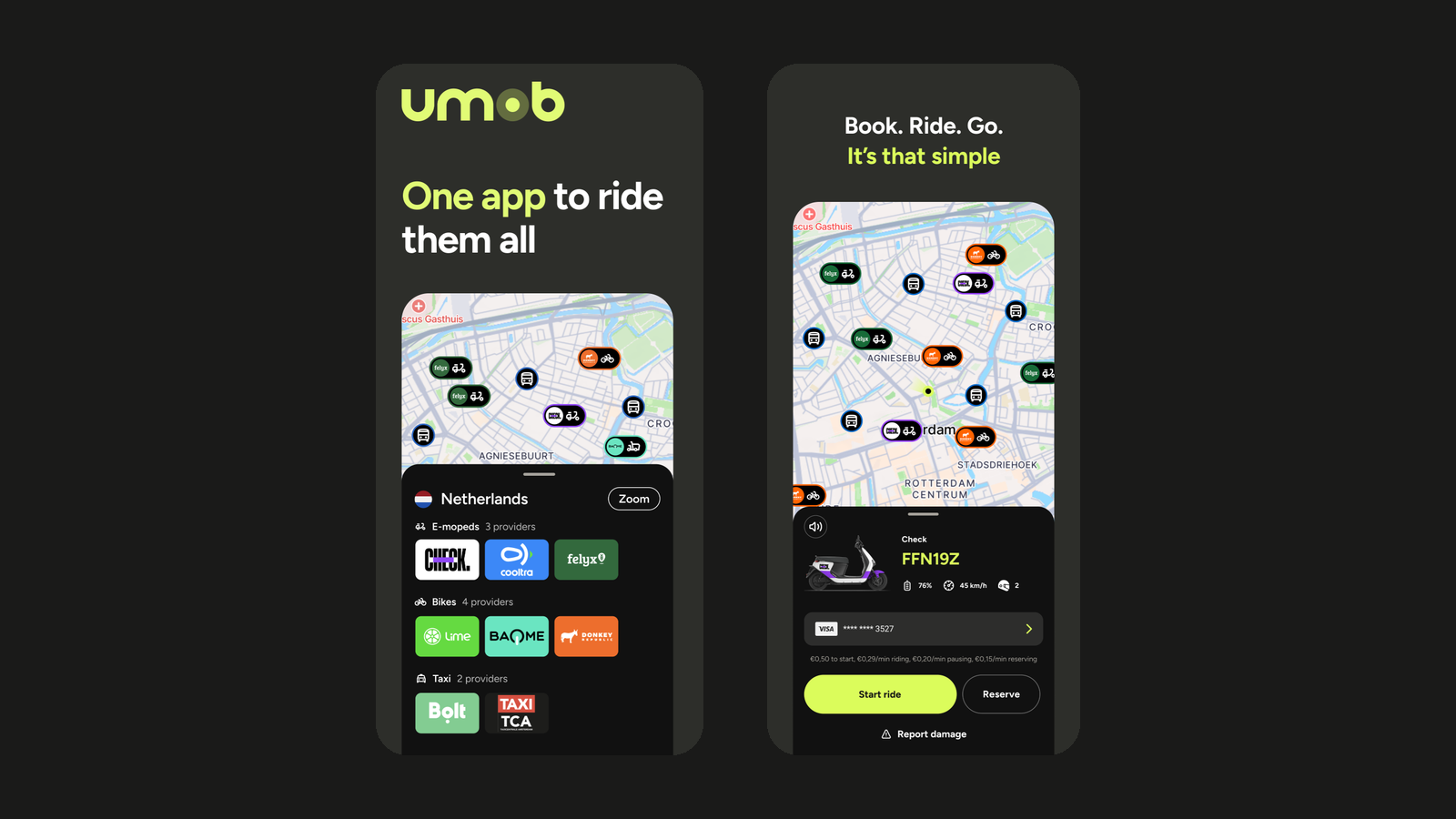
🌍 يمكنك الوصول إلى المزيد من الركاب مع ATOM Mobility وUmob. يمنح هذا التكامل مشغلي التنقل المشترك قناة توزيع إضافية، مما يساعد في جذب عملاء جدد، وزيادة الحجوزات، وتحسين معدلات استخدام الأسطول.
مستقبل التنقل لا يقتصر فقط على تشغيل المركبات، بل يتعلق بابتكار رحلات مريحة تجمع بين خيارات النقل المختلفة في تجربة مستخدم واحدة بسيطة.
ولهذا السبب يسعدنا تسليط الضوء على شراكتنا مع Umob، مما يساعد مشغلي التنقل على توسيع نطاق وصولهم وأن يصبحوا جزءاً من منظومة تنقل متعددة الوسائط متنامية.
سواء كنت تدير سيارات أو سكوترات أو دراجات هوائية أو دراجات نارية مشتركة عبر منصة ATOM Mobility، فإن التكامل مع Umob يجعل خدمتك متاحة لـ آلاف مستخدمي Umob الباحثين عن وسيلة تنقل مريحة.
يتوقع مستخدمو اليوم مرونة عالية؛ فهم لا يفكرون في مزودي خدمات التنقل بشكل منفصل، بل يريدون ببساطة أسرع وأسهل وأكثر الطرق ملاءمة للانتقال من النقطة (أ) إلى النقطة (ب).
تجمع Umob بين مختلف مزودي خدمات التنقل وخيارات النقل في تطبيق واحد. يمكن للمستخدمين العثور على خيارات التنقل المختلفة ومقارنتها وحجزها والدفع مقابلها دون الحاجة إلى تنزيل تطبيق منفصل أو إنشاء حساب جديد لكل مزود خدمة.
من خلال ربط أسطولك بـ Umob، يمكن للمشغلين:
بالنسبة لعملاء ATOM Mobility، صُمم هذا التكامل لتوفير طريقة مباشرة لفتح فرص توزيع جديدة مع الاستمرار في إدارة عملياتهم الأساسية من خلال منصة ATOM Mobility.
من خلال منصة ATOM Mobility، يمكن للمشغلين المشاركين ربط أساطيلهم بـ Umob، مما يتيح للمستخدمين اكتشاف المركبات المتاحة واستخدامها مباشرة عبر تطبيق Umob.
بمجرد الربط، ستظهر مركبات المشغلين المشاركين في Umob إلى جانب خيارات التنقل الأخرى المتاحة، مما يمنح المستخدمين نظرة عامة واضحة على الطرق المختلفة التي يمكنهم من خلالها الانتقال من النقطة (أ) إلى النقطة (ب).
يمكن للمستخدمين العثور على مركبة متاحة، وحجزها وفتح قفلها، وبدء رحلتهم وإنهائها، والدفع مباشرة من خلال تطبيق Umob.
صُمم هذا التكامل لدعم:
يواصل المشغلون إدارة أساطيلهم، وتسعيرهم، ومناطق الخدمة، والعمليات اليومية من خلال منصة ATOM Mobility، بينما توفر Umob قناة إضافية يمكن للمستخدمين من خلالها العثور على المركبات والوصول إليها.
بالنسبة لمشغلي التنقل، يتيح الربط مع Umob قناة توزيع إضافية دون تغيير الطريقة التي يديرون بها عملياتهم اليومية عبر ATOM Mobility.
من خلال إتاحة المركبات لآلاف مستخدمي Umob، يمكن للمشغلين زيادة ظهورهم في اللحظة التي يبحث فيها الأشخاص بنشاط عن وسيلة تنقل. وهذا يخلق إمكانية لجذب مستخدمين جدد، وتحقيق المزيد من الحجوزات، وتحسين معدل استخدام الأسطول بمرور الوقت.
يختلف كل سوق عن الآخر، لكن العديد من المشغلين يرون في شراكات "التنقل كخدمة" (MaaS) جزءاً مهماً من استراتيجية نموهم طويلة الأمد.
أحد أوائل مشغلي ATOM Mobility الذين انطلقوا من خلال تكامل Umob هو ZEUS Mobility، وهو مزود أوروبي طموح لخدمات مشاركة السكوتر الكهربائي، يركز بقوة على الابتكار، ويتبنى نهجاً ديناميكياً، ويسعى لمنافسة اللاعبين الراسخين في السوق.
ومن المناسب أن الشراكة بحد ذاتها بدأت من خلال شبكة ATOM Mobility.
التقت ZEUS وUmob لأول مرة في فعالية ATOM Mobility في ريغا. وعلى الرغم من أن التعارف الأولي حدث أثناء الفعالية، إلا أن المحادثة الجدية بدأت فعلياً خلال جلسة غير رسمية في وقت لاحق من ذلك المساء.
كانت ZEUS قد صادفت علامة Umob التجارية على مركبات التنقل أثناء السفر، وقد أُعجبت بالنهج المهني الذي تتبعه الشركة. وسرعان ما تحول ذلك التعرف إلى محادثة حول كيفية تعزيز الشركتين لعروضهما من خلال العمل معاً.
ومن هناك، تقدمت عملية التكامل بسرعة. وتصف ZEUS عملية الإعداد والتكامل حتى الآن بأنها "نظيفة واحترافية وسلسة."
بالنسبة لشركة ZEUS، تمثل هذه الشراكة فرصة لتعزيز حضور علامتها التجارية، والوصول إلى عملاء جدد، ودعم طموحاتها التوسعية في أوروبا.
عقب استحواذها على Superpedestrian في مايو 2026، تتطلع ZEUS إلى تسريع وتيرة نموها خلال عامي 2026 و2027، وتعد شراكتها مع Umob جزءاً من هذا الطموح.
"نحن في ZEUS سعداء للغاية بالشراكة مع Umob في الأسواق الأوروبية. فبعد استحواذنا على Superpedestrian في مايو 2026، نسعى في ZEUS إلى تحقيق نمو سريع خلال عامي 2026 و2027. ستساعدنا هذه الشراكة في دفع عجلة هذا النمو والوصول إلى عملاء جدد في أسواق جديدة. نتطلع إلى شراكة مثمرة." - داميان يونغ، ZEUS Mobility
تطبيق واحد لكل تنقلاتك. Umob هي منصة تنقل شاملة تجمع بين مختلف مزودي خدمات التنقل وخيارات النقل في تطبيق واحد.
يمكن للمستخدمين العثور على الدراجات المشتركة، والدراجات الكهربائية، والسكوتر، والدراجات النارية، ووسائل النقل العام، وسيارات الأجرة، وغيرها من خيارات التنقل المتاحة، ومقارنتها وحجزها والدفع مقابلها من خلال حساب واحد وتجربة دفع موحدة. فبدلاً من تنزيل تطبيق منفصل والتسجيل فيه لكل مزود خدمة أو في كل مدينة جديدة، يمكن للمستخدمين فتح تطبيق Umob والاطلاع على خيارات التنقل المتاحة من حولهم.
تتوفر Umob اليوم في أكثر من 28 دولة و300 مدينة، مما يتيح لآلاف المستخدمين طريقة أسهل للوصول إلى مختلف وسائل التنقل سواء في مدنهم أو أثناء السفر.
حقائق رئيسية
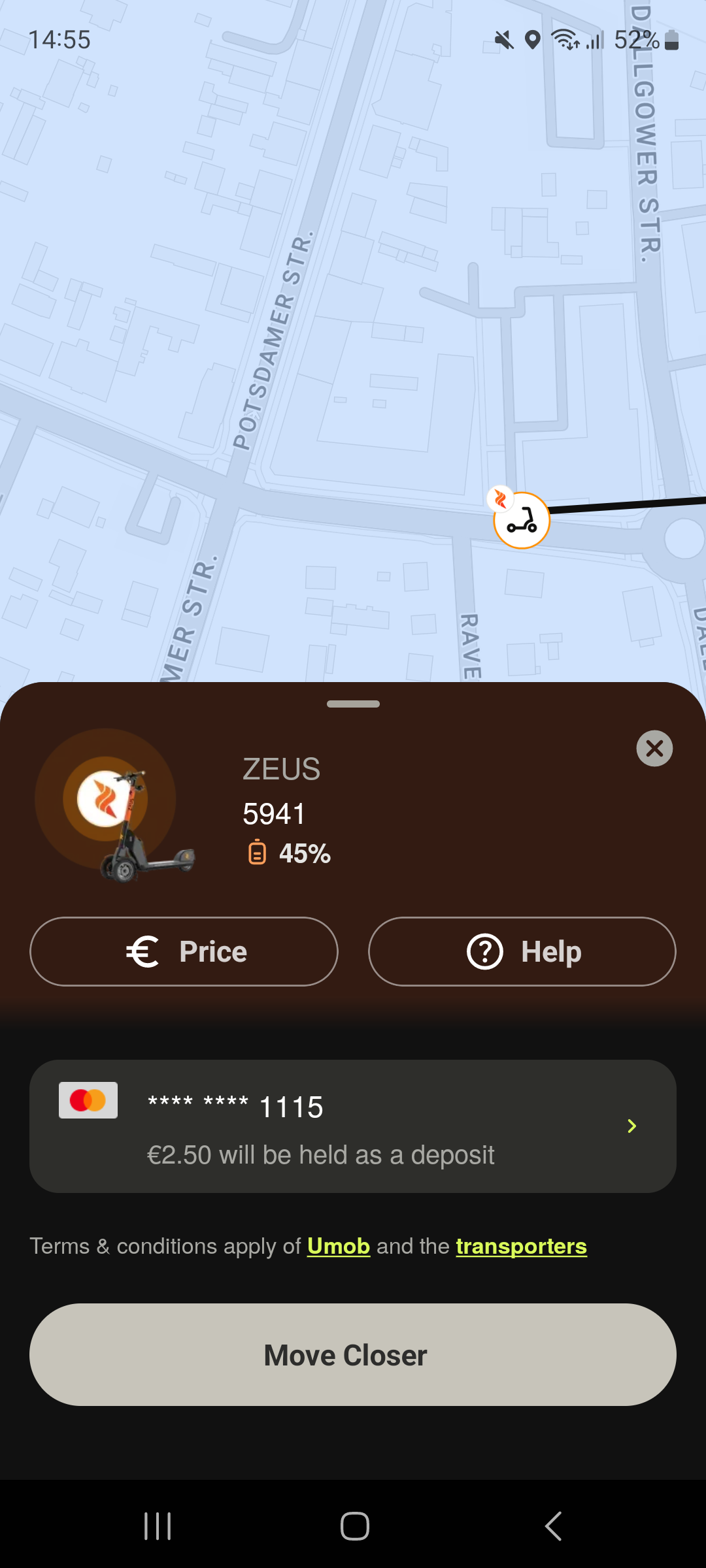
إذا كنت تدير بالفعل خدمة التنقل المشترك الخاصة بك على منصة ATOM Mobility، فإن الربط مع Umob قد يكون الخطوة التالية نحو الوصول إلى المزيد من المستخدمين وأن تصبح جزءاً من منظومة تنقل مترابطة حقاً.
إذا كنت مهتماً بتفعيل هذا التكامل أو معرفة المزيد حول كيفية عمله، تواصل مع فريقنا. نحن نتطلع إلى مساعدة المزيد من المشغلين على التواصل والتعاون وجعل التنقل المستدام أسهل للجميع.
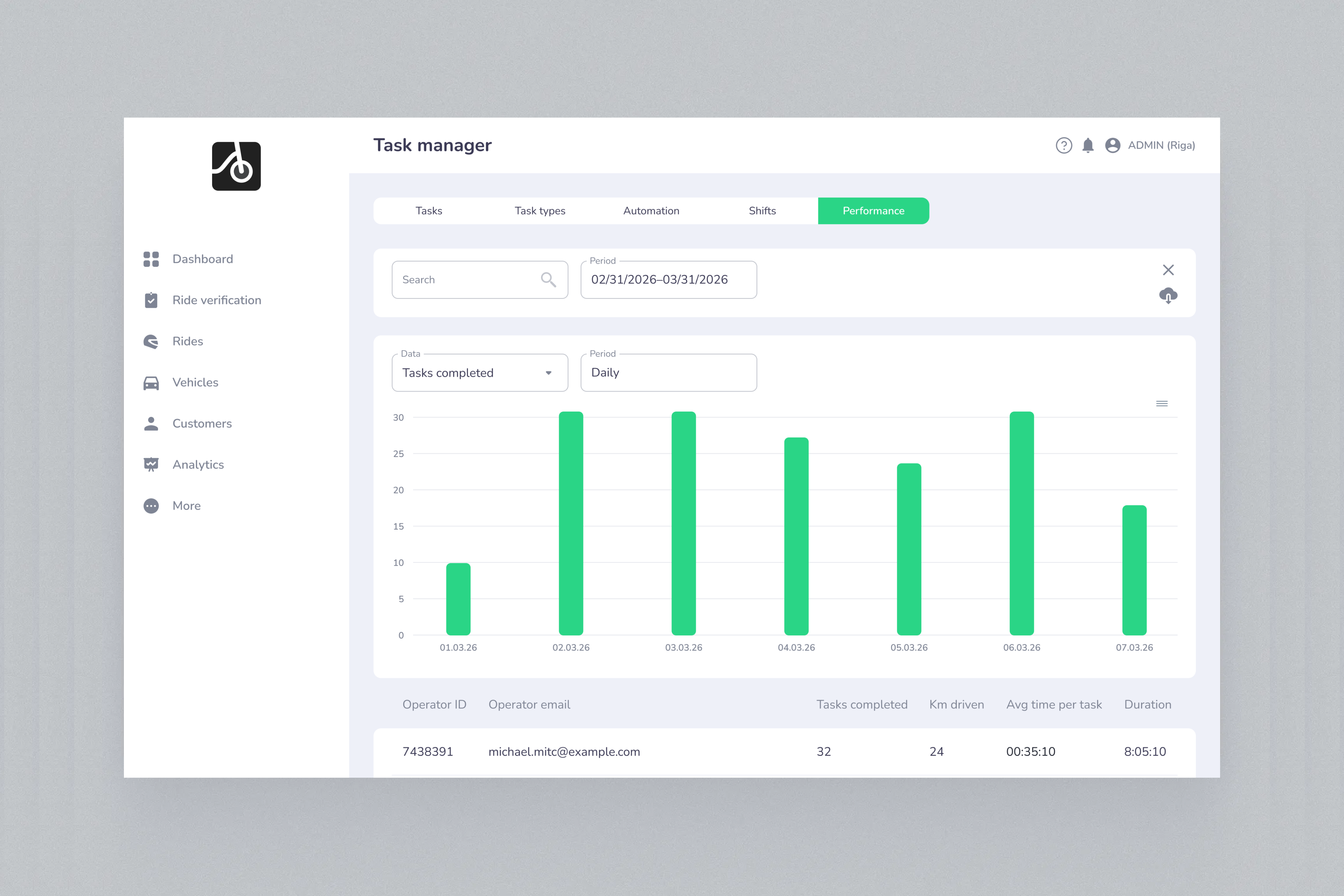
👷📊 يتجاوز مدير مهام ATOM الآن مجرد توزيع المهام بفضل وظائف الورديات وأداء المشغلين الجديدة. تتبع مسارات الورديات، والمسافة المقطوعة، والمهام المنجزة، والوقت المستغرق لكل مهمة، وأداء كل مشغل على حدة، مما يمنح مديري الأساطيل رؤية أوضح بكثير للعمليات الميدانية ومستوى الكفاءة.
لا تقتصر إدارة أسطول كبير للتنقل المشترك أو التأجير على معرفة المهام التي تم إنجازهافحسب، بل تتعلق أيضاً بفهم مدى كفاءة عمل الفرق الميدانية. لقد قمنا بتوسيع مدير مهام ATOM Mobility بشكل كبير بإضافة وظائف الورديات والأداء، مما يمنح مديري الأساطيل رؤية أفضل بكثير لنشاط المشغلين، وعبء العمل، والمسارات، ومستوى الأداء.
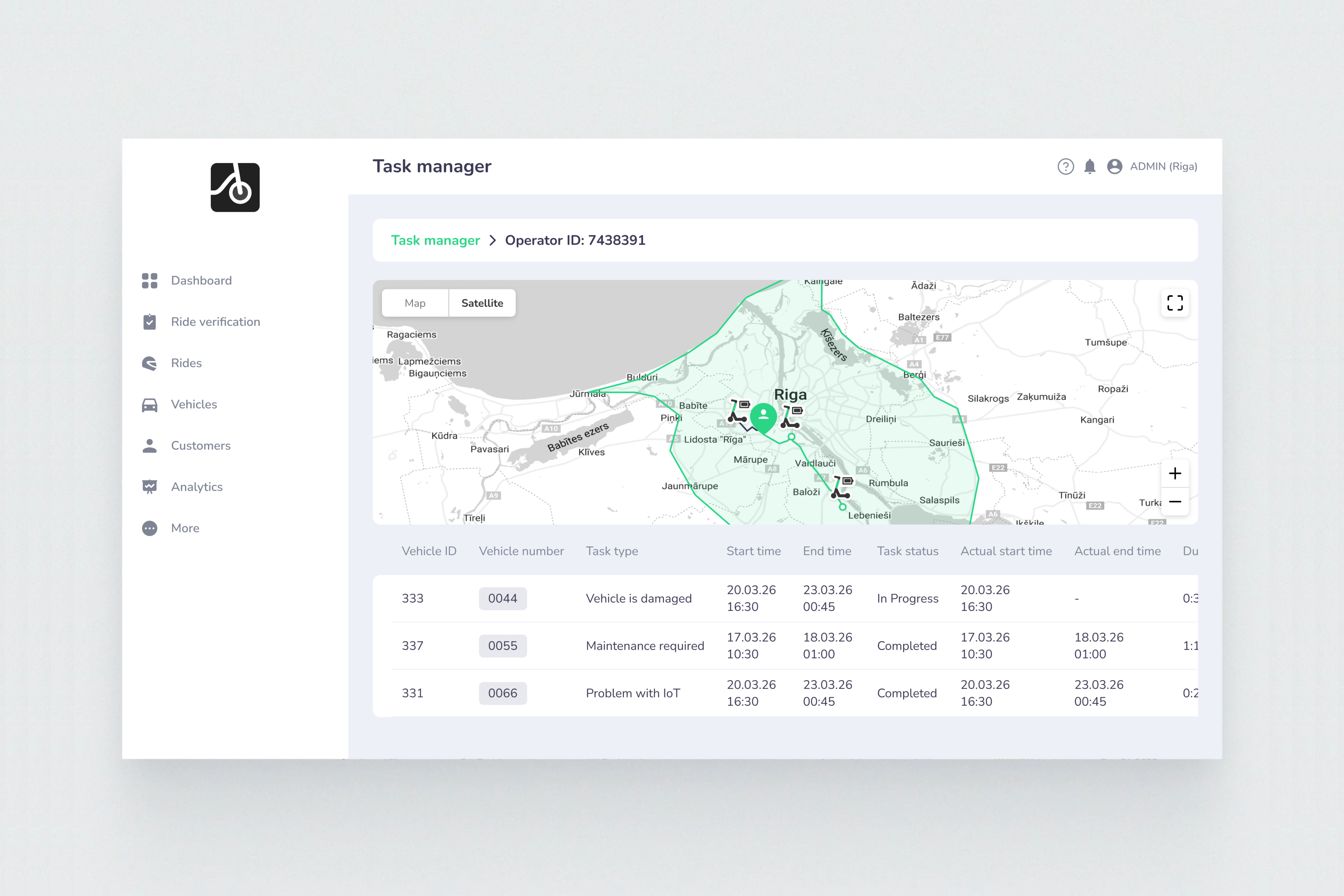
تمنحك علامة التبويب الورديات الجديدة للمديرين نظرة عامة مركزية على جميع ورديات المشغلين، بما في ذلك:
يمكن للمديرين فتح أي وردية فردية للاطلاع على الصورة التشغيلية الكاملة. فلكل مهمة، يمكنك رؤية المركبة، ونوع المهمة، ووقت البدء المخطط له والموعد النهائي، وأوقات البدء والانتهاء الفعلية، والحالة، والمدة الإجمالية للمهمة.
تتضمن كل وردية أيضاً خريطة توضح حركة المشغل الكاملة أثناء الوردية والمواقع التي تم تنفيذ المهام الفردية فيهابالنسبة للنوبات الجارية حالياً، يمكن للمديرين أيضاً الاطلاع على الموقع الحالي للمشغل.
وهذا يسهل كثيراً فهم المسار الفعلي، وحجم العمل، والقرارات المتخذة خلال كل نوبة، بالإضافة إلى تحديد فرص تحسين كيفية إدارة فرق العمل الميدانية لصيانة الأسطول وعملياته.
علامة التبويب الأداء الجديدة تجمع النتائج التشغيلية لكل مشغل خلال فترة زمنية محددة.
يمكن للمديرين تتبع:
بدلاً من مراجعة مئات المهام الفردية، يمكن للمديرين مقارنة المشغلين بسرعة، وتحديد أصحاب الأداء المتميز، ورصد المجالات التي قد تحتاج إلى تدريب إضافي أو تحسينات تشغيلية.
لجعل بيانات الأداء دقيقة ومفيدة، قدمنا أيضاً سير عمل جديد للنوبات والمهام في تطبيق ATOM للمشغلين. يبدأ المشغلون الآن نوبات عملهم وينهونها مباشرة من خلال التطبيق، بينما يتم تسجيل أوقات بدء المهام الفردية وإتمامها تلقائياً.
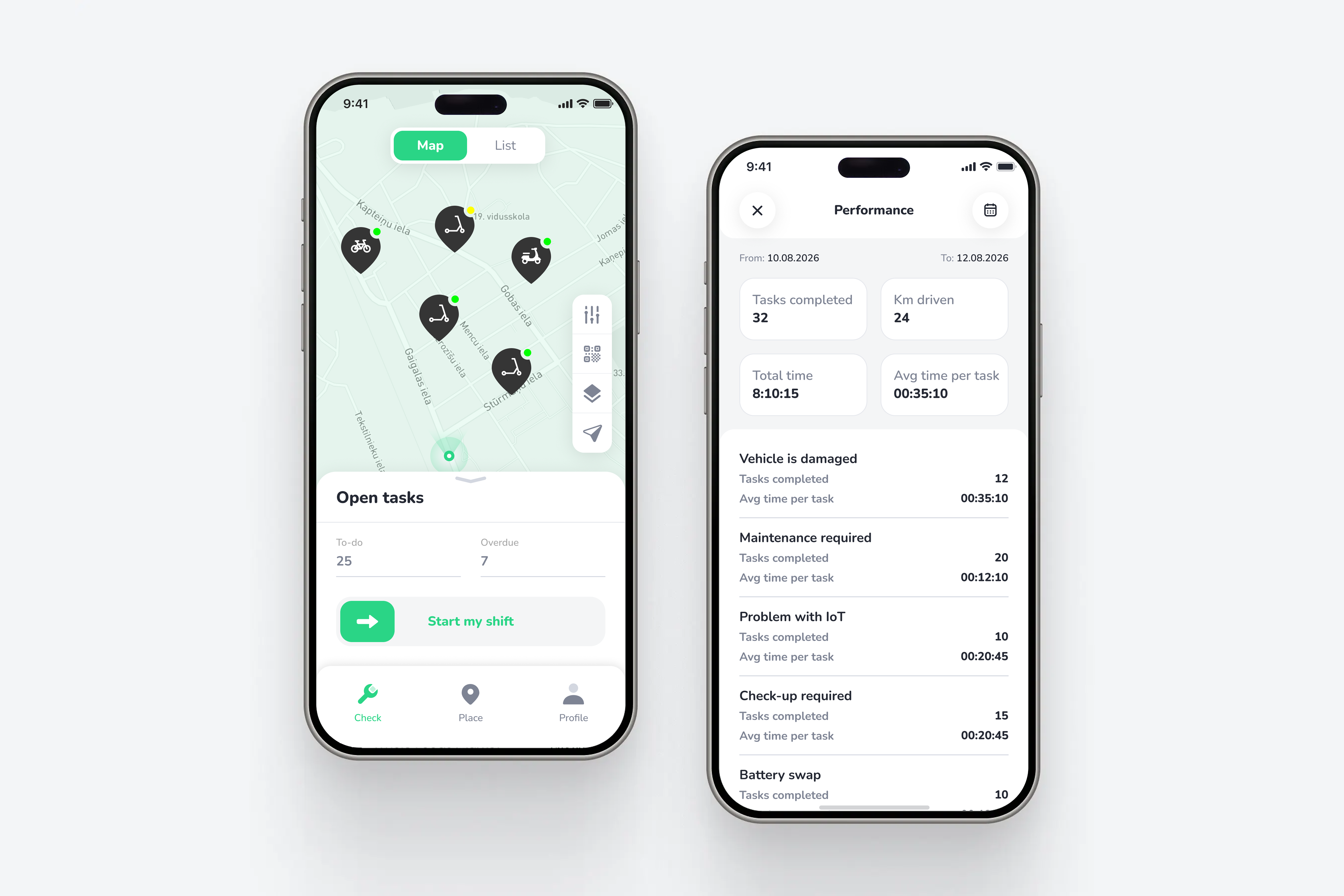
لقد أضفنا أيضاً:
معاً، تحول هذه التحديثات ATOM Task Manager من مجرد أداة لتوزيع المهام إلى نظام أكثر تكاملاً لأداء وتحسين العمليات الميدانية. يحصل المشغلون على سير عمل أوضح ورؤية أفضل لأدائهم الشخصي، بينما يحصل المديرون على البيانات التي يحتاجونها لفهم كيفية سير عملياتهم الميدانية فعلياً وتحديد مجالات تحسين الكفاءة.
الوظائف الجديدة متاحة لوحدات مشاركة المركبات و التأجير الرقمي في ATOM Mobility.
👉 اقرأ المزيد عن آخر تحديثات منصتنا:
https://www.atommobility.com/atomupdates
استخدم بيانات اعتماد الاختبار لتسجيل الدخول - رقم الهاتف: +1 123123123، الكود: 777777


بيانات اعتماد الإصدار التجريبي من تطبيق Driver - البريد الإلكتروني: test@atom.com، كلمة المرور: برنامج التشغيل