صناعة مشاركة الدراجات في عام 2021 وما بعده
26/8/2021
الحد الأدنى للقراءة


صناعة مشاركة الدراجات آخذة في الارتفاع. إنها صناعة التنقل الوحيدة التي تشير الإحصاءات إلى أنها لم تتعرض لخسائر كبيرة أثناء الوباء. المستقبل مشرق أيضًا حيث توجد مبادرات حكومية حول العالم لدعم مشاركة الدراجات. ومع ذلك، هناك أشياء يمكن للوافدين الجدد في العمل تعلمها من القادة السابقين - النجاح في الصناعة مع ارتفاع الطلب لا يضمن نجاح الشركة.
تعتبر الدراجة وسيلة نقل مريحة في المناطق التي تستخدم فيها المركبات الآلية على نطاق واسع ولكنها تخلق اختناقات مرورية شديدة وتلوث الهواء. هذه مشكلة في مناطق مثل آسيا والمحيط الهادئ وأمريكا الشمالية وأوروبا. وهذا هو المكان ولماذا أصبحت مشاركة الدراجات شائعة. وفقًا لتوقعات Statista Mobility Outlook، كانت مشاركة الدراجات قطاع التنقل الوحيد الذي نما إيراداته العالمية خلال الوباء بنسبة الثلث في عام 2020. إن الإعداد الفردي وطبيعة ركوب الدراجات في الهواء الطلق جعلتها وسيلة النقل المثالية للوباء.

مشاركة الدراجات هي خدمة نقل مشتركة يتم فيها توفير الدراجات الحرارية أو الدراجات الكهربائية للاستخدام المشترك للأفراد على أساس قصير الأجل مقابل سعر أو مجانًا. تطوير برمجيات، أدت تقنيات GPS والمدفوعات عبر الهاتف المحمول وأجهزة إنترنت الأشياء، بالإضافة إلى انخفاض تكاليف نظام القفل والتتبع للدراجات، مؤخرًا إلى شعبية نظام مشاركة الدراجات بدون رصيف يتيح للمستخدمين ترك الدراجة في أي مكان مناسب.
وفقًا لشركة موردور إنتليجنس، بلغت قيمة سوق مشاركة الدراجات 3 مليارات دولار أمريكي في عام 2020، ومن المتوقع أن تصل إلى 4 مليارات دولار أمريكي بحلول عام 2026. أثر جائحة COVID-19 على قطاع مشاركة الدراجات في العديد من البلدان. كانت العواقب الأكثر سلبية هي الانخفاض اليومي في حجوزات الدراجات.

الطلب على الدراجات مدفوع بشكل رئيسي بالبلدان النامية، مثل الصين والهند التي تركز بشكل خاص على الدراجات الإلكترونية. لطالما كانت الصين أكبر مصدر للدراجات الإلكترونية. وفقًا لوزارة الصناعة وتكنولوجيا المعلومات الصينية، بلغ إنتاج البلاد من الدراجات الكهربائية 25.48 مليون خلال الأشهر العشرة الأولى من عام 2020، بزيادة سنوية قدرها 33.4٪. خلال هذه الفترة، بلغت إيرادات شركات تصنيع الدراجات الكبرى حوالي 22 مليار دولار أمريكي، بزيادة قدرها 16.8٪. وفقًا لجمعية الدراجات الصينية، من يناير إلى سبتمبر 2020، ارتفع حجم صادرات الدراجات بنسبة 12٪ عن نفس الفترة من العام الماضي، حيث ارتفع إلى 2.43 مليار دولار أمريكي.
ومع ذلك، فإن مشاركة الدراجات من المتوقع نمو السوق في أوروبا لتكون الأسرع في جميع أنحاء العالم، حيث من المتوقع أن يغامر عدد كبير من مزودي الخدمة بدخول المنطقة في السنوات القادمة. في البلدان الإقليمية، يتم توفير الدراجات بسرعة بالقرب من مراكز النقل الرئيسية، مثل محطات السكك الحديدية، مما يوفر للمستخدمين الراحة وسهولة السفر. بالإضافة إلى ذلك، يروج الاتحاد الأوروبي أيضًا لهذه الخدمات، لأنها صديقة للبيئة وتساعد على تقليل حركة المرور.
حجم سوق خدمات مشاركة الدراجات العالمية بين عامي 2020 و 2026 بمليارات الدولارات الأمريكية وفقًا لـ Statista:

حاليًا، اللاعبون الرئيسيون في سوق مشاركة الدراجات هم:
- شركة أوبر تكنولوجيز. - يوفر فرصًا لـ استئجار دراجة في شراكة مع Lime. تتوفر دراجات Jump التجارية بعد استحواذ Lime على شركة Jump.
- شركة ليفت - في نوفمبر 2018، استحوذت Lyft على Motivate، وهو نظام لمشاركة الدراجات ومشغل Capital Bikeshare و Citi Bike. وهكذا أصبح أكبر خدمة مشاركة للدراجات في الولايات المتحدة.
- هيلوبايك - منصة خدمة نقل مقرها في شنغهاي، الصين. تأسست الشركة في عام 2016، واندمجت مع Youon Bike في العام التالي. في سلسلة من جولات جمع التبرعات التي يعود تاريخها إلى عام 2016، جمعت Hellobike أكثر من 1.8 مليار دولار أمريكي من المستثمرين.
- دراجة ديدي - شركة ديدي تشوكسينغ للتكنولوجيا هي شركة سيارات صينية للتأجير مقرها الرئيسي في بكين مع أكثر من 550 مليون مستخدم وعشرات الملايين من السائقين. توفر الشركة خدمات النقل القائمة على التطبيقات، بما في ذلك مشاركة الدراجات.
ترتبط أكبر الشركات في السوق بالصين وكذلك أكبر الصفقات. بالنظر إلى أكبر الصفقات الأخيرة في مشاركة الدراجات، فإن الأولى الجديرة بالذكر تضمنت ذراع مشاركة الدراجات التابع لشركة Didi Chuxing Qingju. لقد جمعت 600 مليون دولار أمريكي في جولة لجمع التبرعات من السلسلة B وسيتم منح 400 مليون دولار إضافية في شكل قروض.
الأمر المثير للاهتمام أيضًا هو أنه في نهاية عام 2020، أصبح تطبيق الهاتف المحمول الخاص بـ Mobike، أحد أقدم وأكبر مزودي خدمة مشاركة الدراجات في الصين، غير متصل بالإنترنت بعد استحواذ Meituan عليه قبل ثلاث سنوات. استحوذت Meituan على Mobike مقابل 2.7 مليار دولار أمريكي في أبريل 2018. في يناير 2019، في رسالة داخلية إلى الموظفين، أبلغهم وانغ هويون، المؤسس المشارك ونائب الرئيس الأول لشركة Meituan، أنه سيتم تغيير اسم Mobike إلى Meituan Bike وأن الشركة ستصبح وحدة من قسم الخدمة القائم على الموقع التابع للوالد الجديد.
الاهتمام المتزايد بالدراجات الإلكترونية
أحد الاتجاهات التي ستؤثر بالتأكيد على الصناعة في المستقبل القريب هو الاهتمام المتزايد بمشاركة الدراجات الإلكترونية. بيديليكس أو أصبحت الدورات الكهربائية الدواسة أو EPAC (الدورات المدعومة بالطاقة الإلكترونية) شائعة بشكل متزايد. هذا هو نوع من الدراجات الكهربائية حيث يتم مساعدة دواسة الراكب بواسطة محرك كهربائي صغير. هذه المركبات قادرة على سرعات أعلى مقارنة بالدراجات التي تعمل يدويًا. مع زيادة الطلب على السرعات العالية للسفر لمسافات قصيرة، وكذلك تفضيل الدراجات الإلكترونية. يتجاهل الناس حقيقة أن مشاركة الخدمات على الدراجات التي تعمل بالدواسة أرخص من الدراجات الإلكترونية، حيث توفر هذه الأخيرة قيادة سهلة، والمزيد من الراحة، وقوة محرك متغيرة، فضلاً عن سرعات أعلى.
تضمنت إحدى الصفقات الاستثمارية الأكثر إثارة للاهتمام في عام 2020 والتي تؤكد الاهتمام بالدراجات الإلكترونية شركة الدراجات الكهربائية المشتركة المجانية الاستخدام ومقرها لندن غابة بشرية. وأعلنت في سبتمبر أنها جمعت 1.8 مليون جنيه إسترليني. تقدم HumanForest 20 دقيقة مجانًا يوميًا وخدمة اشتراك الشركات. تم إطلاقه في يونيو 2020. في غضون أربعة أشهر فقط من عمليات الشركة، قام 14,000 راكب بإجراء ما يقرب من 42,000 رحلة مع زيادة عدد الرحلات بأكثر من 100٪ شهريًا!
في وقت لاحق من ذلك العام، جمعت الشركة 1.27 مليون جنيه إسترليني من خلال التمويل الجماعي بدعم من أكثر من 520 مستثمرًا، منهم ما يقرب من 30٪ من المستخدمين التجريبيين. تقول الشركة إنها أجرت تجربة ناجحة خلال صيف 2020 في لندن باستخدام 200 دراجة إلكترونية. سيتم استخدام الأموال الجديدة لتوسيع الأسطول إلى 1500 دراجة إلكترونية.
يعتمد نموذج أعمال HumanForest على ثلاثة مصادر للإيرادات - يدفع المستخدمون 15 بنسًا في الدقيقة بعد انتهاء رحلتهم اليومية المجانية التي تبلغ 10 دقائق، بينما تدفع الشركات الشريكة للإعلان عن علامتها التجارية على منصة HumanForest الرقمية وتدفع الشركات لمنح موظفيها دقائق إضافية لأسطول HumanForest.
مشاركة الدراجات - أكثر إيجابية من الجوانب السلبية
إذا قمنا بتحليل الجوانب الإيجابية والسلبية التي يمكن أن تؤثر على مستقبل مشاركة الدراجات، فإن الجوانب الإيجابية تتجاوز بكثير الجوانب السلبية. الجوانب السلبية الوحيدة هي ارتفاع تكاليف الاستثمار الأولية، فضلاً عن ارتفاع تخريب الدراجات والسرقة. تتمثل الجوانب الإيجابية التي يمكن أن تحفز أعمال مشاركة الدراجات في المستقبل في زيادة استثمارات رأس المال الاستثماري، وزيادة إدراج الدراجات الإلكترونية في أسطول المشاركة، فضلاً عن التقدم التكنولوجي في أنظمة مشاركة الدراجات.
هناك أيضًا اهتمام متزايد من الحكومات بمبادرات مختلفة لتطوير البنية التحتية لمشاركة الدراجات. علاوة على ذلك، تقدم الحكومات إعانات لمقدمي الخدمات لتطوير المحطات وتوسيع نطاق وصولها إلى عدد كبير من الركاب. على سبيل المثال، في عام 2018، قامت الحكومات البلدية الصينية دعم برنامج مشاركة الدراجات العامة التطوير لتشجيع النقل غير الآلي وتقديم خيارات تنقل مريحة ومرنة ومنخفضة التكلفة. وفي الوقت نفسه، في أوروبا، تم إطلاق نظام مشاركة الدراجات العام الجديد في بلدية تريست الإيطالية في فبراير 2020. يتم تنفيذ النظام، المعروف باسم BITs، كجزء من خطة التنمية الحضرية المستدامة المتكاملة للمدينة بتكلفة 390 ألف يورو، بهدف تطوير التنقل المستدام من خلال تشجيع المشي وركوب الدراجات للحد من التلوث الحضري.
على الرغم من حقيقة أن الاهتمام بمشاركة الدراجات آخذ في الازدياد وسيستمر في ذلك، فمن المهم بنفس القدر التعلم وعدم نسيان أخطاء رواد الصناعة. على سبيل المثال، تأسست شركة Ofo في عام 2014 كمشروع جامعي، ولكن بعد فترة وجيزة جمعت 866 مليون دولار من المستثمرين بقيادة عملاق التجارة الإلكترونية الصيني علي بابا. كانت Ofo عبارة عن منصة لمشاركة الدراجات خالية من المحطات يتم تشغيلها عبر تطبيق الهاتف المحمول عبر الإنترنت. في المجموع، على مدار تسع جولات استثمارية، جمعت الشركة 2.2 مليار دولار أمريكي ولكنها لا تزال تعاني باستمرار من مشاكل التدفق النقدي التي كانت مدفوعة إلى حد كبير بالمنافسة الشديدة في سوق لم يثبت بعد أنه قابل للتطبيق التجاري. وفقًا للمحللين الذين قابلتهم مجلة فوربس.
انخفضت الرسوم إلى 1 يوان (0.14 دولار) لكل ساعة من الاستخدام وأحيانًا كانت مجانية. على الرغم من هذه الحقيقة، تمكنت Ofo من الوصول إلى تقييم قدره 2 مليار دولار في جولة تمويل 2017 و حوالي 3 مليارات دولار في أعلى نقطة، وفي وقت من الأوقات، نشرت الشركة أكثر من 10 ملايين دراجة على مستوى العالم وجذبت ما يصل إلى 200 مليون مستخدم. كتب فوربس: «تضافرت عمليات حرق الأموال في الشركة والتقييم المرتفع لردع المستثمرين المحتملين، وعندما أصبح رأس المال نادرًا، لم تعد الشركة الناشئة قادرة على تغطية عملياتها المترامية الأطراف».
في عام 2018، أعلنت Ofo عن انخفاض كبير في العمليات، وبحلول عام 2020 واجهت مبلغًا كبيرًا من الديون غير القابلة للسداد، ونتيجة لذلك كانت الشركة لم تعد تعمل في مجال تأجير الدراجات. «لا تزال التفسيرات للخطأ الذي حدث بالضبط تتطور، ولكن يبدو من المرجح أن المبالغ النقدية المذهلة التي تم ضخها في ما لم يكن في الأساس نموذجًا «لمشاركة الدراجات»، بل بالأحرى شركة تأجير مدعومة بتطبيق هاتف ذكي، كان لها علاقة بذلك. نعم، اشترت الشركة الدراجات ووضعتها في الشوارع بدون أرصفة ليستخدمها أي شخص، وكان ذلك جديدًا إلى حد ما. ونعم، كان تطبيق الهاتف الذكي بمثابة المفتاح. لكن الشركة امتلكت الدراجات، تمامًا مثل أي متجر تأجير قديم، وتكبدت تكاليف صيانة ضخمة «، أوضح محللون من شركة Roland Berger Strategy Consultants، الذين نُقل عنهم في مجلتها «امتلك المستقبل».
لذلك بغض النظر عن حجم الطلب على الخدمة، يجب عليك دائمًا تطبيق مبادئ العمل البسيطة على عملك.
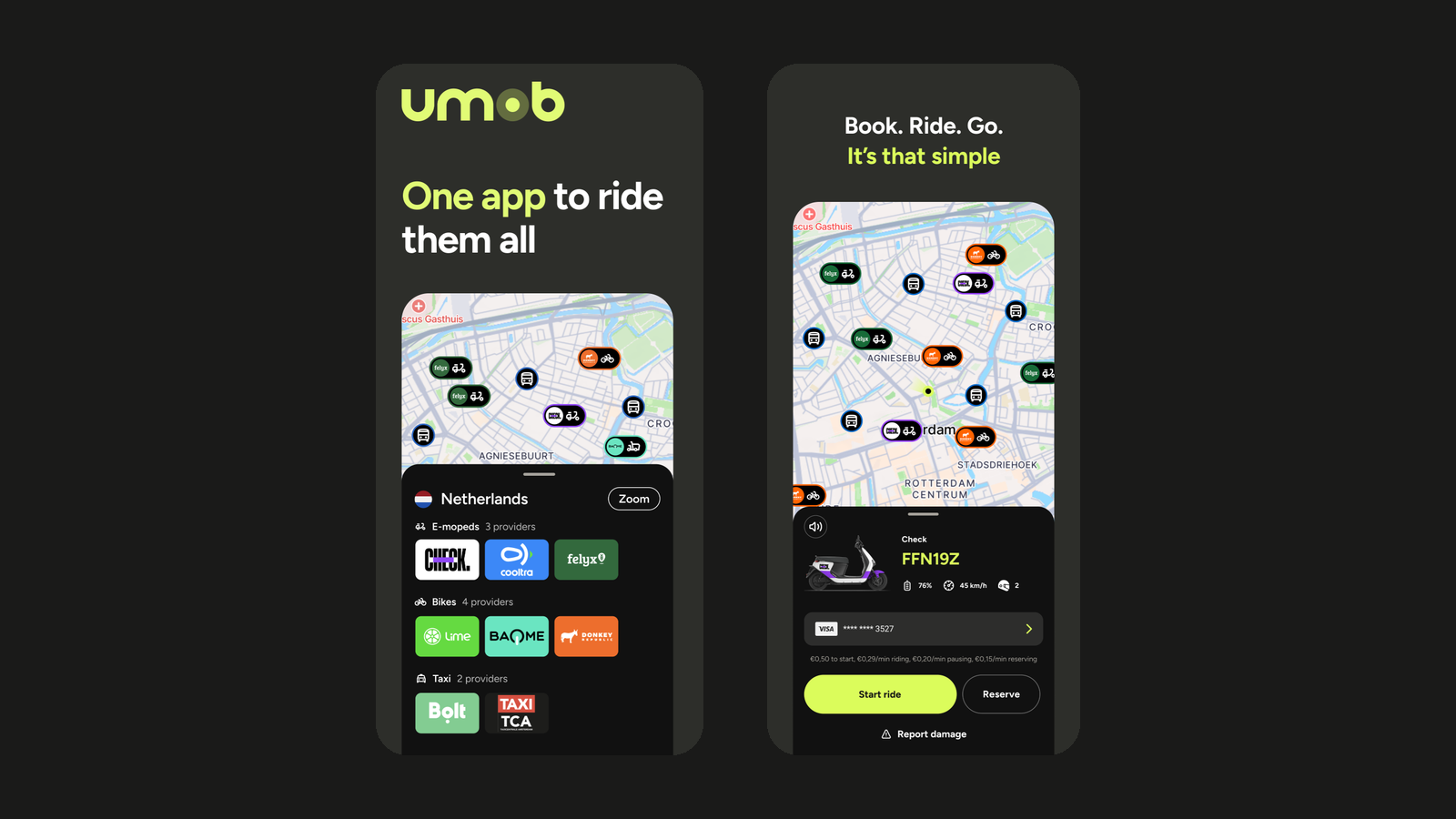
🌍 يمكنك الوصول إلى المزيد من الركاب مع ATOM Mobility وUmob. يمنح هذا التكامل مشغلي التنقل المشترك قناة توزيع إضافية، مما يساعد في جذب عملاء جدد، وزيادة الحجوزات، وتحسين معدلات استخدام الأسطول.
مستقبل التنقل لا يقتصر فقط على تشغيل المركبات، بل يتعلق بابتكار رحلات مريحة تجمع بين خيارات النقل المختلفة في تجربة مستخدم واحدة بسيطة.
ولهذا السبب يسعدنا تسليط الضوء على شراكتنا مع Umob، مما يساعد مشغلي التنقل على توسيع نطاق وصولهم وأن يصبحوا جزءاً من منظومة تنقل متعددة الوسائط متنامية.
سواء كنت تدير سيارات أو سكوترات أو دراجات هوائية أو دراجات نارية مشتركة عبر منصة ATOM Mobility، فإن التكامل مع Umob يجعل خدمتك متاحة لـ آلاف مستخدمي Umob الباحثين عن وسيلة تنقل مريحة.
يتوقع مستخدمو اليوم مرونة عالية؛ فهم لا يفكرون في مزودي خدمات التنقل بشكل منفصل، بل يريدون ببساطة أسرع وأسهل وأكثر الطرق ملاءمة للانتقال من النقطة (أ) إلى النقطة (ب).
تجمع Umob بين مختلف مزودي خدمات التنقل وخيارات النقل في تطبيق واحد. يمكن للمستخدمين العثور على خيارات التنقل المختلفة ومقارنتها وحجزها والدفع مقابلها دون الحاجة إلى تنزيل تطبيق منفصل أو إنشاء حساب جديد لكل مزود خدمة.
من خلال ربط أسطولك بـ Umob، يمكن للمشغلين:
بالنسبة لعملاء ATOM Mobility، صُمم هذا التكامل لتوفير طريقة مباشرة لفتح فرص توزيع جديدة مع الاستمرار في إدارة عملياتهم الأساسية من خلال منصة ATOM Mobility.
من خلال منصة ATOM Mobility، يمكن للمشغلين المشاركين ربط أساطيلهم بـ Umob، مما يتيح للمستخدمين اكتشاف المركبات المتاحة واستخدامها مباشرة عبر تطبيق Umob.
بمجرد الربط، ستظهر مركبات المشغلين المشاركين في Umob إلى جانب خيارات التنقل الأخرى المتاحة، مما يمنح المستخدمين نظرة عامة واضحة على الطرق المختلفة التي يمكنهم من خلالها الانتقال من النقطة (أ) إلى النقطة (ب).
يمكن للمستخدمين العثور على مركبة متاحة، وحجزها وفتح قفلها، وبدء رحلتهم وإنهائها، والدفع مباشرة من خلال تطبيق Umob.
صُمم هذا التكامل لدعم:
يواصل المشغلون إدارة أساطيلهم، وتسعيرهم، ومناطق الخدمة، والعمليات اليومية من خلال منصة ATOM Mobility، بينما توفر Umob قناة إضافية يمكن للمستخدمين من خلالها العثور على المركبات والوصول إليها.
بالنسبة لمشغلي التنقل، يتيح الربط مع Umob قناة توزيع إضافية دون تغيير الطريقة التي يديرون بها عملياتهم اليومية عبر ATOM Mobility.
من خلال إتاحة المركبات لآلاف مستخدمي Umob، يمكن للمشغلين زيادة ظهورهم في اللحظة التي يبحث فيها الأشخاص بنشاط عن وسيلة تنقل. وهذا يخلق إمكانية لجذب مستخدمين جدد، وتحقيق المزيد من الحجوزات، وتحسين معدل استخدام الأسطول بمرور الوقت.
يختلف كل سوق عن الآخر، لكن العديد من المشغلين يرون في شراكات "التنقل كخدمة" (MaaS) جزءاً مهماً من استراتيجية نموهم طويلة الأمد.
أحد أوائل مشغلي ATOM Mobility الذين انطلقوا من خلال تكامل Umob هو ZEUS Mobility، وهو مزود أوروبي طموح لخدمات مشاركة السكوتر الكهربائي، يركز بقوة على الابتكار، ويتبنى نهجاً ديناميكياً، ويسعى لمنافسة اللاعبين الراسخين في السوق.
ومن المناسب أن الشراكة بحد ذاتها بدأت من خلال شبكة ATOM Mobility.
التقت ZEUS وUmob لأول مرة في فعالية ATOM Mobility في ريغا. وعلى الرغم من أن التعارف الأولي حدث أثناء الفعالية، إلا أن المحادثة الجدية بدأت فعلياً خلال جلسة غير رسمية في وقت لاحق من ذلك المساء.
كانت ZEUS قد صادفت علامة Umob التجارية على مركبات التنقل أثناء السفر، وقد أُعجبت بالنهج المهني الذي تتبعه الشركة. وسرعان ما تحول ذلك التعرف إلى محادثة حول كيفية تعزيز الشركتين لعروضهما من خلال العمل معاً.
ومن هناك، تقدمت عملية التكامل بسرعة. وتصف ZEUS عملية الإعداد والتكامل حتى الآن بأنها "نظيفة واحترافية وسلسة."
بالنسبة لشركة ZEUS، تمثل هذه الشراكة فرصة لتعزيز حضور علامتها التجارية، والوصول إلى عملاء جدد، ودعم طموحاتها التوسعية في أوروبا.
عقب استحواذها على Superpedestrian في مايو 2026، تتطلع ZEUS إلى تسريع وتيرة نموها خلال عامي 2026 و2027، وتعد شراكتها مع Umob جزءاً من هذا الطموح.
"نحن في ZEUS سعداء للغاية بالشراكة مع Umob في الأسواق الأوروبية. فبعد استحواذنا على Superpedestrian في مايو 2026، نسعى في ZEUS إلى تحقيق نمو سريع خلال عامي 2026 و2027. ستساعدنا هذه الشراكة في دفع عجلة هذا النمو والوصول إلى عملاء جدد في أسواق جديدة. نتطلع إلى شراكة مثمرة." - داميان يونغ، ZEUS Mobility
تطبيق واحد لكل تنقلاتك. Umob هي منصة تنقل شاملة تجمع بين مختلف مزودي خدمات التنقل وخيارات النقل في تطبيق واحد.
يمكن للمستخدمين العثور على الدراجات المشتركة، والدراجات الكهربائية، والسكوتر، والدراجات النارية، ووسائل النقل العام، وسيارات الأجرة، وغيرها من خيارات التنقل المتاحة، ومقارنتها وحجزها والدفع مقابلها من خلال حساب واحد وتجربة دفع موحدة. فبدلاً من تنزيل تطبيق منفصل والتسجيل فيه لكل مزود خدمة أو في كل مدينة جديدة، يمكن للمستخدمين فتح تطبيق Umob والاطلاع على خيارات التنقل المتاحة من حولهم.
تتوفر Umob اليوم في أكثر من 28 دولة و300 مدينة، مما يتيح لآلاف المستخدمين طريقة أسهل للوصول إلى مختلف وسائل التنقل سواء في مدنهم أو أثناء السفر.
حقائق رئيسية
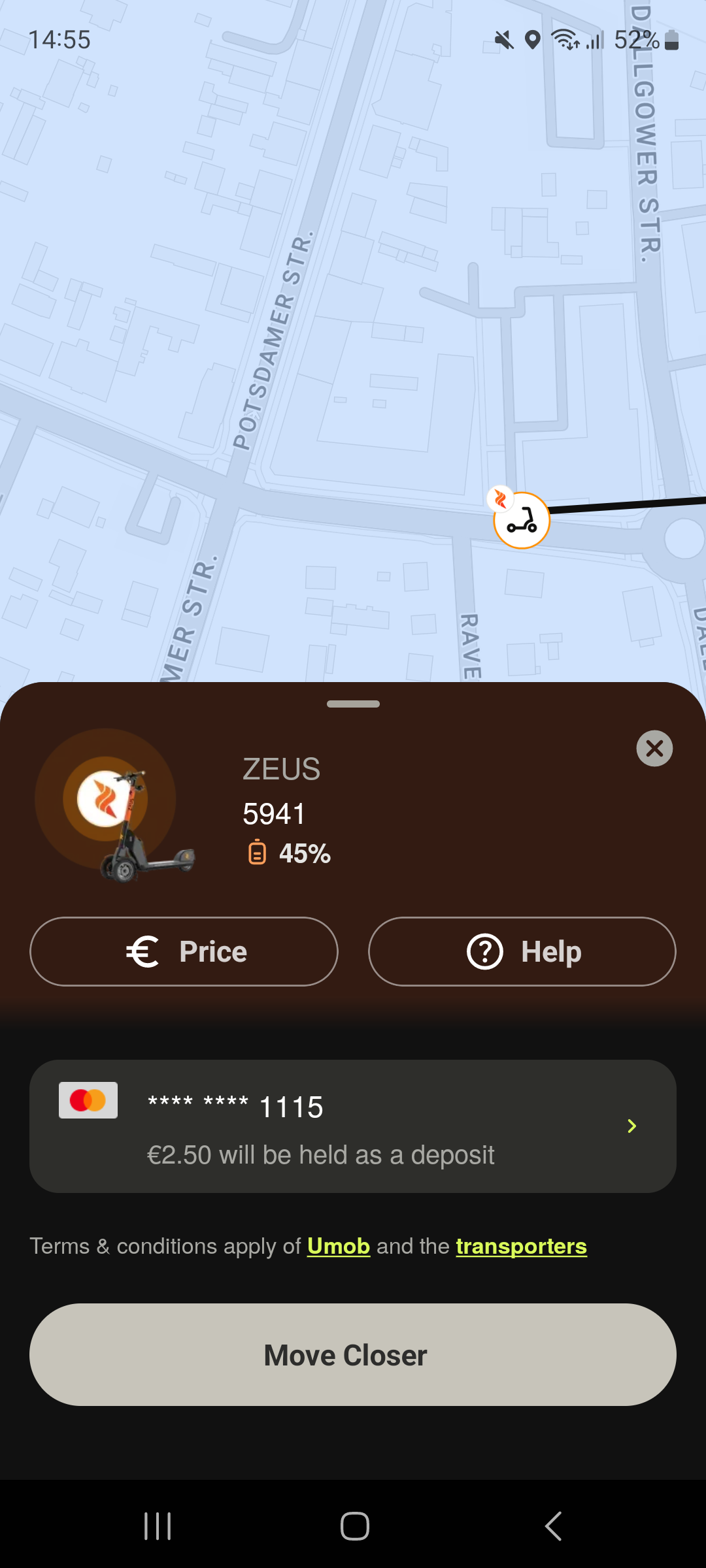
إذا كنت تدير بالفعل خدمة التنقل المشترك الخاصة بك على منصة ATOM Mobility، فإن الربط مع Umob قد يكون الخطوة التالية نحو الوصول إلى المزيد من المستخدمين وأن تصبح جزءاً من منظومة تنقل مترابطة حقاً.
إذا كنت مهتماً بتفعيل هذا التكامل أو معرفة المزيد حول كيفية عمله، تواصل مع فريقنا. نحن نتطلع إلى مساعدة المزيد من المشغلين على التواصل والتعاون وجعل التنقل المستدام أسهل للجميع.
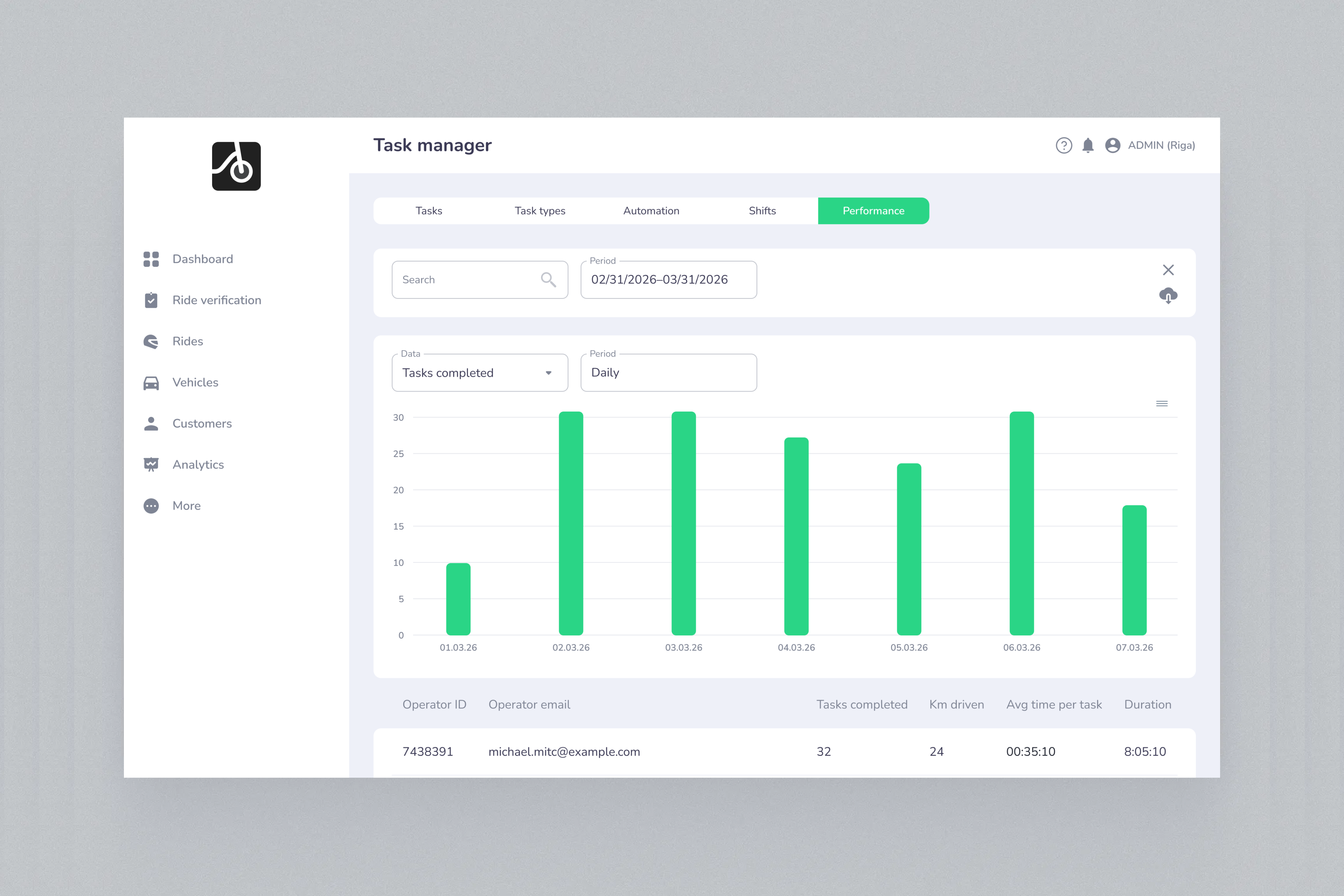
👷📊 يتجاوز مدير مهام ATOM الآن مجرد توزيع المهام بفضل وظائف الورديات وأداء المشغلين الجديدة. تتبع مسارات الورديات، والمسافة المقطوعة، والمهام المنجزة، والوقت المستغرق لكل مهمة، وأداء كل مشغل على حدة، مما يمنح مديري الأساطيل رؤية أوضح بكثير للعمليات الميدانية ومستوى الكفاءة.
لا تقتصر إدارة أسطول كبير للتنقل المشترك أو التأجير على معرفة المهام التي تم إنجازهافحسب، بل تتعلق أيضاً بفهم مدى كفاءة عمل الفرق الميدانية. لقد قمنا بتوسيع مدير مهام ATOM Mobility بشكل كبير بإضافة وظائف الورديات والأداء، مما يمنح مديري الأساطيل رؤية أفضل بكثير لنشاط المشغلين، وعبء العمل، والمسارات، ومستوى الأداء.
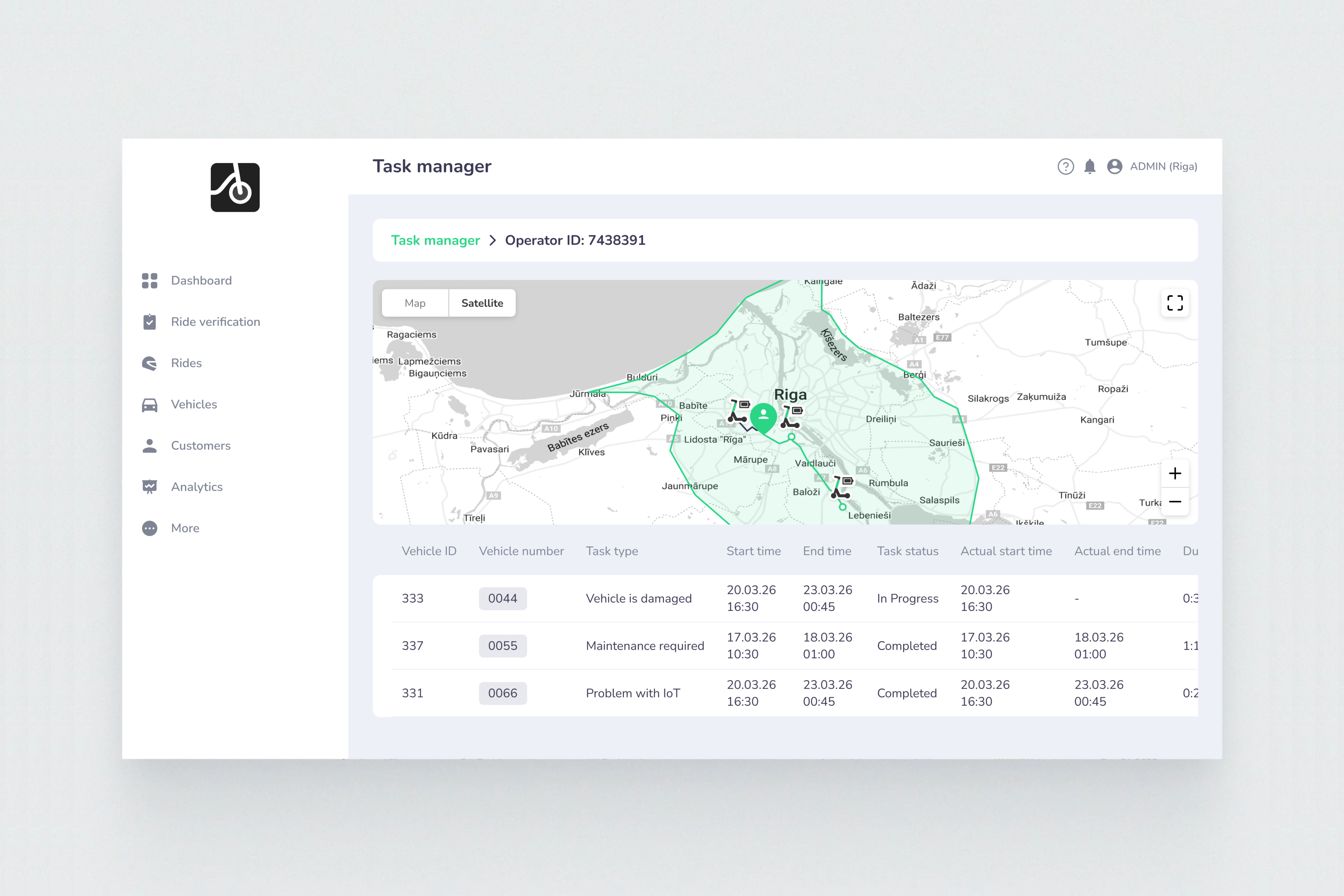
تمنحك علامة التبويب الورديات الجديدة للمديرين نظرة عامة مركزية على جميع ورديات المشغلين، بما في ذلك:
يمكن للمديرين فتح أي وردية فردية للاطلاع على الصورة التشغيلية الكاملة. فلكل مهمة، يمكنك رؤية المركبة، ونوع المهمة، ووقت البدء المخطط له والموعد النهائي، وأوقات البدء والانتهاء الفعلية، والحالة، والمدة الإجمالية للمهمة.
تتضمن كل وردية أيضاً خريطة توضح حركة المشغل الكاملة أثناء الوردية والمواقع التي تم تنفيذ المهام الفردية فيهابالنسبة للنوبات الجارية حالياً، يمكن للمديرين أيضاً الاطلاع على الموقع الحالي للمشغل.
وهذا يسهل كثيراً فهم المسار الفعلي، وحجم العمل، والقرارات المتخذة خلال كل نوبة، بالإضافة إلى تحديد فرص تحسين كيفية إدارة فرق العمل الميدانية لصيانة الأسطول وعملياته.
علامة التبويب الأداء الجديدة تجمع النتائج التشغيلية لكل مشغل خلال فترة زمنية محددة.
يمكن للمديرين تتبع:
بدلاً من مراجعة مئات المهام الفردية، يمكن للمديرين مقارنة المشغلين بسرعة، وتحديد أصحاب الأداء المتميز، ورصد المجالات التي قد تحتاج إلى تدريب إضافي أو تحسينات تشغيلية.
لجعل بيانات الأداء دقيقة ومفيدة، قدمنا أيضاً سير عمل جديد للنوبات والمهام في تطبيق ATOM للمشغلين. يبدأ المشغلون الآن نوبات عملهم وينهونها مباشرة من خلال التطبيق، بينما يتم تسجيل أوقات بدء المهام الفردية وإتمامها تلقائياً.
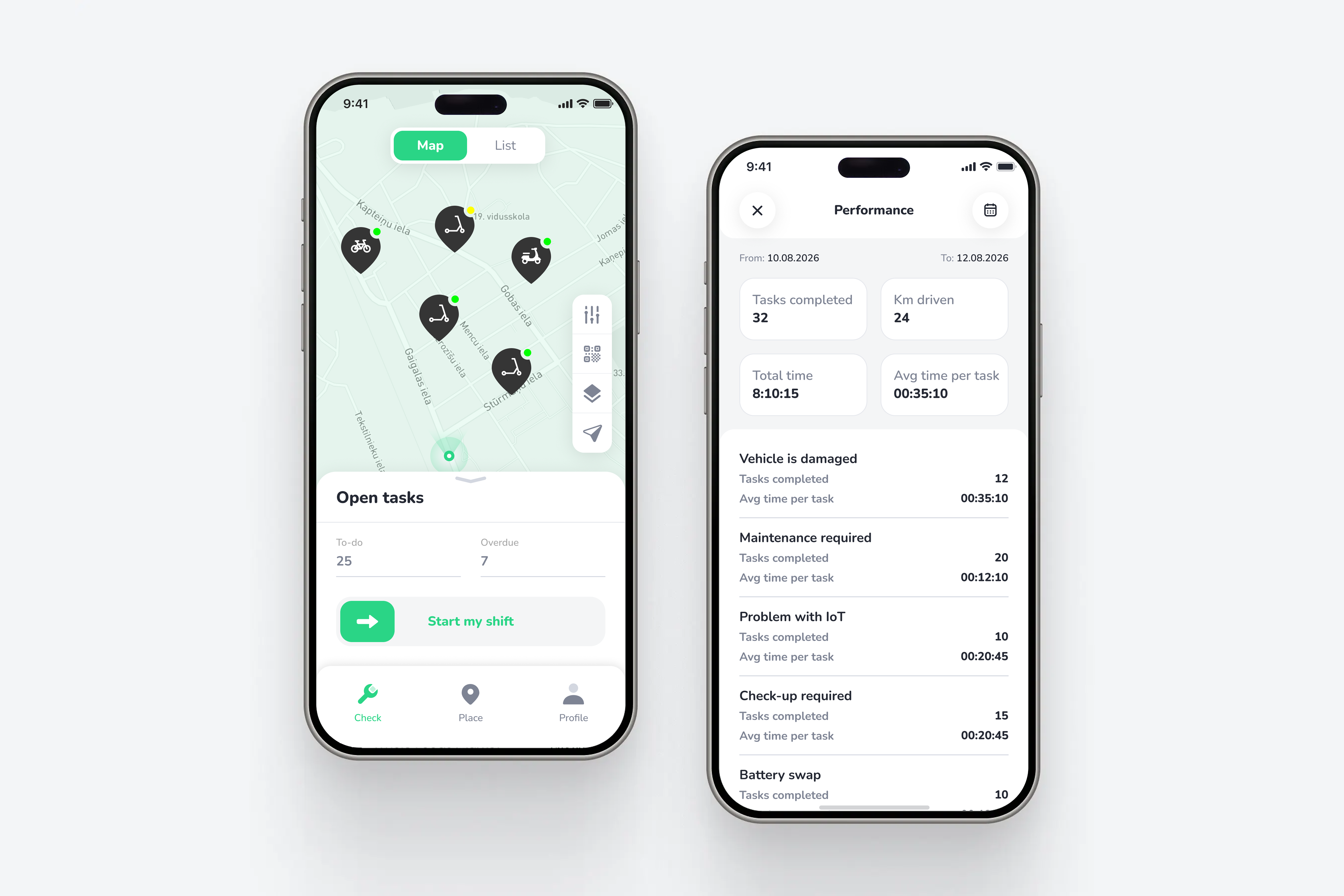
لقد أضفنا أيضاً:
معاً، تحول هذه التحديثات ATOM Task Manager من مجرد أداة لتوزيع المهام إلى نظام أكثر تكاملاً لأداء وتحسين العمليات الميدانية. يحصل المشغلون على سير عمل أوضح ورؤية أفضل لأدائهم الشخصي، بينما يحصل المديرون على البيانات التي يحتاجونها لفهم كيفية سير عملياتهم الميدانية فعلياً وتحديد مجالات تحسين الكفاءة.
الوظائف الجديدة متاحة لوحدات مشاركة المركبات و التأجير الرقمي في ATOM Mobility.
👉 اقرأ المزيد عن آخر تحديثات منصتنا:
https://www.atommobility.com/atomupdates
استخدم بيانات اعتماد الاختبار لتسجيل الدخول - رقم الهاتف: +1 123123123، الكود: 777777


بيانات اعتماد الإصدار التجريبي من تطبيق Driver - البريد الإلكتروني: test@atom.com، كلمة المرور: برنامج التشغيل