لا تفوت موسم عملك القادم!
6/12/2021
الحد الأدنى للقراءة


أصبحت حلول التنقل المختلفة في جميع أنحاء العالم أكثر شيوعًا. ومع ذلك، فإن النقص العالمي في أشباه الموصلات والعديد من الأجزاء الأخرى المطلوبة لإنتاج المركبات، فضلاً عن التحديات في مجال الخدمات اللوجستية أصبح واضحًا بشكل متزايد. حتى الشركات الكبيرة بما في ذلك شركات صناعة السيارات و تفاحة تم إجبارهم على الإعلان عن خفض الإنتاج. لذلك إذا كنت تخطط لإطلاق أو توسيع أعمال التنقل الخاصة بك خلال الموسم المقبل، فهذه هي اللحظة الأخيرة لطلب المركبات والاستعداد.
قبل البدء في أي عمل تجاري خاص بالتنقل، هناك ثلاثة جوانب يجب مراعاتها: أبحاث السوق، وتكامل البرامج، والأجهزة، بالإضافة إلى تصنيع المركبات وتسليمها. تعتمد أبحاث السوق كليًا على جهودك. يمكنك ترك البرنامج إلى أتوم. لن يستغرق تكييف برنامج ATOM مع فكرة عملك أكثر من 20 يومًا. ولكن التحدي الأكبر حاليًا في جميع أنحاء العالم هو تصنيع الأجهزة والمركبات وتسليمها.
بدأت القوة القاهرة بعد فترة وجيزة من الوباء، مع زيادة كبيرة في الطلب على المواد المختلفة التي كانت متوفرة سابقًا بكميات مناسبة. لسوء الحظ، واجهنا في ATOM مواقف كان فيها عملاؤنا مستعدين لبدء أعمال التنقل الخاصة بهم في مارس وأبريل 2020، ولكن لم نتمكن من إطلاقها قبل سبتمبر وحتى أكتوبر لسبب بسيط هو أن المركبات لم يتم تسليمها بعد. لذلك كان عليهم فقط أن يشاهدوا بالإحباط مع مرور الموسم الأكثر سخونة.
الأمر أسهل قليلاً في أوروبا
ما هي خيارات طلب المركبات التي لديك؟ إذا كنت مقيمًا في أوروبا، فإن أوروبا بالطبع هي أول ما يخطر ببالك. ومع ذلك، أظهر ربيع عام 2020 أن توافر المركبات في أوروبا محدود للغاية. إذا كنت لا تخطط لأسطول كبير، فمن المحتمل أن تتمكن من تدبير أمورك بطريقة أو بأخرى. ولكن إذا كنت تخطط لأسطول يضم أكثر من 100 وحدة، فهناك بعض الخيارات فقط.
الخيار الآخر هو الصين. يمكن لفريق ATOM مساعدتك في جهات الاتصال، ولكن مع ذلك، فإن المهمة ليست بسيطة. يستغرق الأمر وقتًا للتفاوض مع مزودي الأجهزة والمركبات. يجب عليك التحقق جيدًا والتأكد من أن جميع التفاصيل صحيحة، وجميع المستندات سليمة، وأن المركبات ستكون جاهزة، بالإضافة إلى شحنها في الوقت المحدد.
حتى 90 يومًا
في نهاية اليوم، بغض النظر عن الشركة المصنعة التي تختارها، تبدأ مهلة التصنيع من الدفعة الأولى. اعتمادًا على حجم الأسطول المطلوب، يجب أن تضع في اعتبارك أن المهلة قد تتراوح من 40 إلى 90 يومًا. أي منتجات مخصصة أو طلبات خاصة ستزيد من مهلة الإنتاج إلى 60-90 يومًا. ولا يزال الأمر يعتمد على عدد الطلبات المقدمة في نفس الوقت من قبل عملاء مختلفين.
كلما اقترب الموسم، يمكن تقديم المزيد من الطلبات. قد يؤثر هذا أيضًا على السعر - قد تقرر الشركة المصنعة فرض رسوم أكثر إذا كان الطلب مرتفعًا. هذا يعني نفقات غير متوقعة بالنسبة لك حتى قبل بدء عملك وتشغيله.
فيرناندو بريتو، مدير عمليات المبيعات في أكتون، إحدى الشركات الرائدة في تصنيع مركبات التنقل الصغيرة في السوق، تقول إنه يجب عليك بالتأكيد إضافة ستة أسابيع إلى الجدول الزمني قبل إجراء مكالمة اكتشاف إلى الشركة المصنعة واتخاذ قرارك النهائي. «عادة ما يستغرق الأمر عدة اجتماعات للتوصل إلى قرار. وفي أثناء الاجتماع الأول, أكتون عادة ما تقدم حلولها وتستمع إلى احتياجات العميل. الخطوة التالية هي تقديم عرض أسعار. بالطبع، عادةً ما يؤدي هذا أيضًا إلى بعض المناقشات ويثير مشكلات إضافية مثل تكاليف الشحن والضرائب ومهلة الإنتاج وأيضًا الاحتياجات المتعلقة بأي تنظيم محلي محدد. علاوة على ذلك، تؤدي هذه الخطوة عادةً إلى مكالمة تجريبية حيث يتم تغطية جميع التفاصيل الفنية والمواصفات الخاصة بالمركبات. إذا سارت الأمور على ما يرام، فسيتم اتخاذ قرار المتابعة ويمكن أن يبدأ الإنتاج. ومع ذلك، يمكن أن تستغرق المفاوضات المزيد من الوقت. بالإضافة إلى ذلك، يمكن أن يتطلب الامتثال التنظيمي المعقد اجتماعات إضافية حول الميزات المحددة حقًا للسيارة. يقول فرناندو: «لذلك من الأفضل بالطبع أن يكون لديك وقت إضافي حتى لا تجد نفسك مضطرًا إلى اتخاذ أي قرارات على عجل».
بالإضافة إلى ذلك، في بداية موسم الذروة، يمكن أن يصبح كل شيء مجنونًا بعض الشيء. «نحن نحاول التأكد من أن إنتاجنا يمكن أن يلبي هذا الطلب. علاوة على ذلك، مع نمونا، نعمل على زيادة قدرتنا التشغيلية في العديد من الأسواق - وبالتحديد أوروبا - من خلال مرافق جديدة وموظفين إضافيين. يوضح فرناندو: «في الوقت الحالي، لا نواجه أي قوائم انتظار للطلبات، لأننا خططنا لإنتاجنا وفقًا لذلك، وندير توقعات العملاء بنجاح». يقول ذلك أكتون لديها بعض مجموعات المركبات في المخزون حتى تكون الشركة جاهزة للطلبات الإضافية من المركبات القياسية - يمكن شحنها في غضون 2 إلى 3 أسابيع.
لوجستيات لا يمكن التنبؤ بها
لا تزال هناك مرحلة واحدة يجب مراعاتها وهي تسليم المنتج إلى المالك. لقد شكل Covid-19 تحديات جديدة للخدمات اللوجستية. وفقًا لممثل شريكنا اللوجستي إيس للخدمات اللوجستية، قد يكون تخطيط وتنفيذ الخدمات اللوجستية صراعًا حقيقيًا في الوقت الحالي: «كان للوباء تأثير كبير على سلاسل التوريد في جميع أنحاء العالم. كانت هناك فترات تم فيها إغلاق الموانئ الصينية الرئيسية لعدة أسابيع بسبب الحجر الصحي. كانت هناك قيود على الحركة في البلدان بسبب COVID-19. تعاني المصانع من نقص في الموظفين وبالتالي فإن تنفيذ الطلبات يخضع لتأخيرات طويلة. وفي الوقت نفسه، يتطلب ازدهار الاستهلاك العالمي والنمو الاقتصادي المزيد من السلع المصنعة».
ومع عدم وجود توقعات أكثر إشراقًا على المدى القريب والقصير، يجب أخذ ذلك في الاعتبار عند التخطيط لأي طلبات. وفقًا لـ إيس للخدمات اللوجستية، كان موسم ذروة الاستيراد من آسيا دائمًا وسيظل الفترة من الأسبوع الذهبي في أكتوبر إلى السنة الصينية الجديدة. خلال هذه الفترة من ثلاثة إلى أربعة أشهر، يتم تصدير كميات هائلة من السلع الصناعية والموسمية ومنتجات نمط الحياة من الصين. من الناحية التاريخية، يعد الربيع والصيف فترة أكثر هدوءًا من حيث أحجام الشحن، مما أدى أيضًا إلى بعض الركود وعدم النشاط. لسوء الحظ، لم يكن هذا هو الحال في عام 2021. «منذ نوفمبر 2020، واصلنا رؤية أسعار الشحن ترتفع عدة مرات في الشهر. لقد تجاوزت أوقات الانتظار للحاوية الفارغة والمساحة المتاحة على متن الطائرة بالفعل أربعة إلى خمسة أسابيع. كما وصلت كميات ضخمة من البضائع إلى سرعة التخليص الجمركي. بالإضافة إلى ذلك، نرى عملائنا يكافحون مع الشركات المصنعة، التي تتعرض أيضًا لضغوط. تترك أزمة الطاقة علامة قوية على جميع الأطراف المعنية. ويحذر من أن طفرة الاستهلاك العالمي تعمل بشكل كبير على تمديد المهلة المخطط لها أصلاً. إيس للخدمات اللوجستية ممثل.
هل أنت مستعد لربيع عام 2022؟
الاستعدادات لموسم الربيع تجري الآن على قدم وساق. إذا كان هدفك هو نقل البضائع إلى أوروبا بحلول بداية مارس 2022، فإن أوقات الانتظار للحاويات الفارغة والأرصفة تصل إلى شهر. بالإضافة إلى ذلك، تتراوح أوقات العبور البحري من الصين إلى الموانئ الأوروبية من أربعة إلى ستة أسابيع تقريبًا. حان الوقت الآن لتأمين الصفقات في الأسابيع المقبلة! ومع ذلك، من المهم أن تضع في اعتبارك أنه حتى أفضل التخطيط لا يضمن الوفاء بالمواعيد النهائية المطلوبة.
باختصار، يجب عليك اتخاذ قرار وتقديم طلب لتصنيع الأجهزة والمركبات لأعمال التنقل الخاصة بك في موعد لا يتجاوز منتصف ديسمبر قبل عطلة عيد الميلاد. ثم قد تحصل على طلبك بحلول بداية الموسم في مارس. تعتبر الطلبات من الشركات المصنعة في أوروبا أسهل قليلاً، ولكن توافر المركبات في الأسهم في أوروبا قد يكون محدودًا للغاية.
يجب أن تتم جميع الإجراءات الإضافية المطلوبة لبدء أعمال التنقل الخاصة بك عند وصول المركبات الخاصة بك في وقت واحد. يمكن لـ ATOM البدء في إعداد جميع التكوينات والتكاملات اللازمة لجهازك على الفور. سيكون جاهزًا في غضون 20 يومًا كحد أقصى. اتصل بنا هنا!
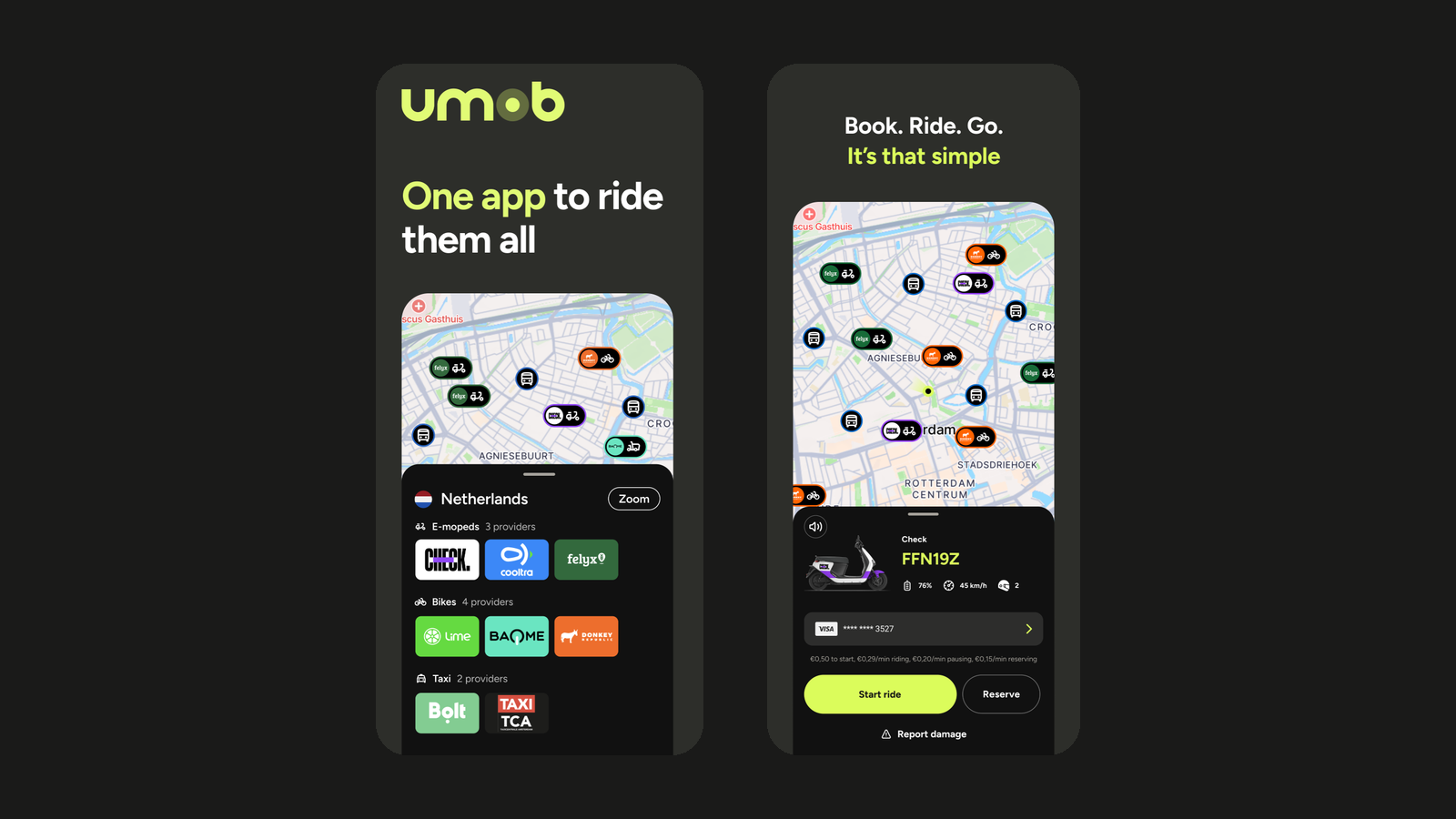
🌍 يمكنك الوصول إلى المزيد من الركاب مع ATOM Mobility وUmob. يمنح هذا التكامل مشغلي التنقل المشترك قناة توزيع إضافية، مما يساعد في جذب عملاء جدد، وزيادة الحجوزات، وتحسين معدلات استخدام الأسطول.
مستقبل التنقل لا يقتصر فقط على تشغيل المركبات، بل يتعلق بابتكار رحلات مريحة تجمع بين خيارات النقل المختلفة في تجربة مستخدم واحدة بسيطة.
ولهذا السبب يسعدنا تسليط الضوء على شراكتنا مع Umob، مما يساعد مشغلي التنقل على توسيع نطاق وصولهم وأن يصبحوا جزءاً من منظومة تنقل متعددة الوسائط متنامية.
سواء كنت تدير سيارات أو سكوترات أو دراجات هوائية أو دراجات نارية مشتركة عبر منصة ATOM Mobility، فإن التكامل مع Umob يجعل خدمتك متاحة لـ آلاف مستخدمي Umob الباحثين عن وسيلة تنقل مريحة.
يتوقع مستخدمو اليوم مرونة عالية؛ فهم لا يفكرون في مزودي خدمات التنقل بشكل منفصل، بل يريدون ببساطة أسرع وأسهل وأكثر الطرق ملاءمة للانتقال من النقطة (أ) إلى النقطة (ب).
تجمع Umob بين مختلف مزودي خدمات التنقل وخيارات النقل في تطبيق واحد. يمكن للمستخدمين العثور على خيارات التنقل المختلفة ومقارنتها وحجزها والدفع مقابلها دون الحاجة إلى تنزيل تطبيق منفصل أو إنشاء حساب جديد لكل مزود خدمة.
من خلال ربط أسطولك بـ Umob، يمكن للمشغلين:
بالنسبة لعملاء ATOM Mobility، صُمم هذا التكامل لتوفير طريقة مباشرة لفتح فرص توزيع جديدة مع الاستمرار في إدارة عملياتهم الأساسية من خلال منصة ATOM Mobility.
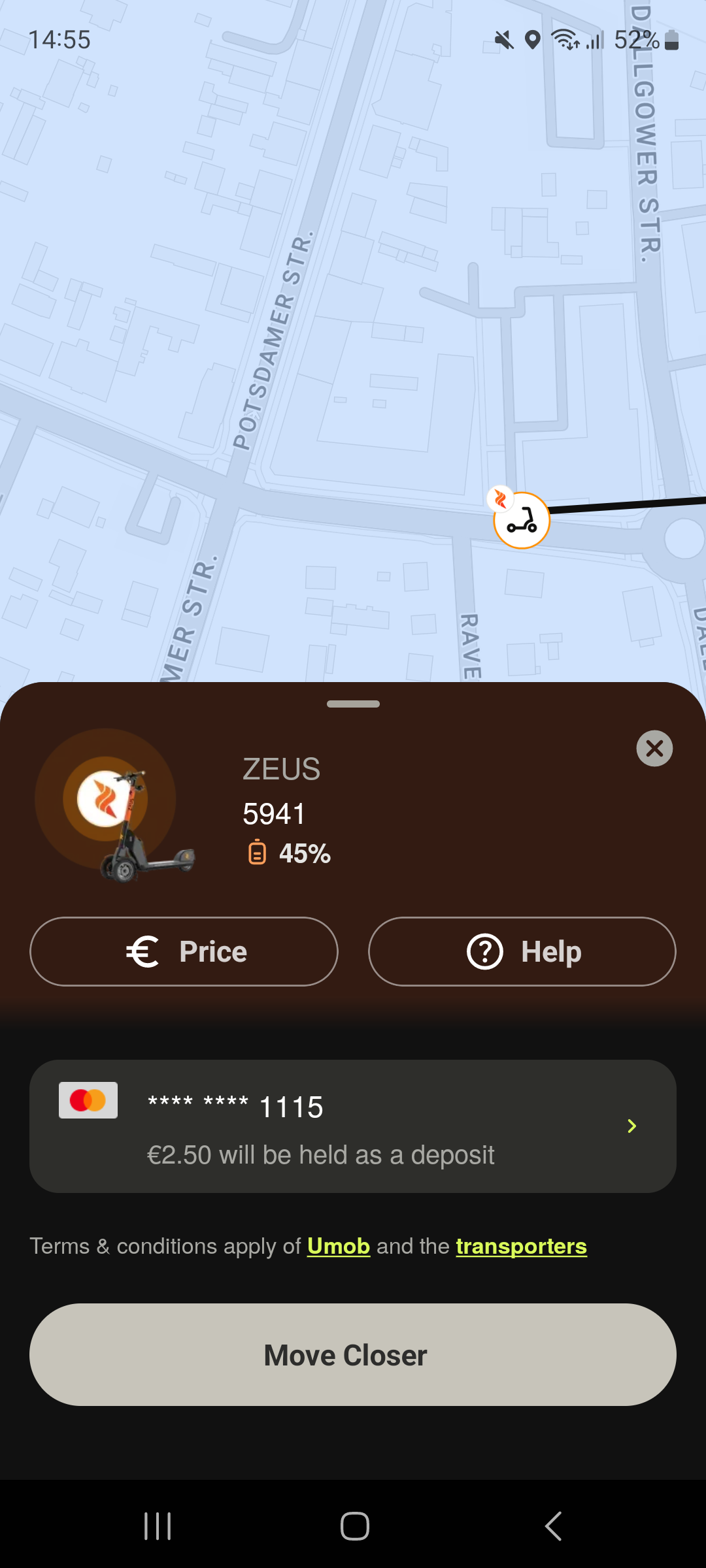
من خلال منصة ATOM Mobility، يمكن للمشغلين المشاركين ربط أساطيلهم بـ Umob، مما يتيح للمستخدمين اكتشاف المركبات المتاحة واستخدامها مباشرة عبر تطبيق Umob.
بمجرد الربط، ستظهر مركبات المشغلين المشاركين في Umob إلى جانب خيارات التنقل الأخرى المتاحة، مما يمنح المستخدمين نظرة عامة واضحة على الطرق المختلفة التي يمكنهم من خلالها الانتقال من النقطة (أ) إلى النقطة (ب).
يمكن للمستخدمين العثور على مركبة متاحة، وحجزها وفتح قفلها، وبدء رحلتهم وإنهائها، والدفع مباشرة من خلال تطبيق Umob.
صُمم هذا التكامل لدعم:
يواصل المشغلون إدارة أساطيلهم، وتسعيرهم، ومناطق الخدمة، والعمليات اليومية من خلال منصة ATOM Mobility، بينما توفر Umob قناة إضافية يمكن للمستخدمين من خلالها العثور على المركبات والوصول إليها.
بالنسبة لمشغلي التنقل، يتيح الربط مع Umob قناة توزيع إضافية دون تغيير الطريقة التي يديرون بها عملياتهم اليومية عبر ATOM Mobility.
من خلال إتاحة المركبات لآلاف مستخدمي Umob، يمكن للمشغلين زيادة ظهورهم في اللحظة التي يبحث فيها الأشخاص بنشاط عن وسيلة تنقل. وهذا يخلق إمكانية لجذب مستخدمين جدد، وتحقيق المزيد من الحجوزات، وتحسين معدل استخدام الأسطول بمرور الوقت.
يختلف كل سوق عن الآخر، لكن العديد من المشغلين يرون في شراكات "التنقل كخدمة" (MaaS) جزءاً مهماً من استراتيجية نموهم طويلة الأمد.
أحد أوائل مشغلي ATOM Mobility الذين انطلقوا من خلال تكامل Umob هو ZEUS Mobility، وهو مزود أوروبي طموح لخدمات مشاركة السكوتر الكهربائي، يركز بقوة على الابتكار، ويتبنى نهجاً ديناميكياً، ويسعى لمنافسة اللاعبين الراسخين في السوق.
ومن المناسب أن الشراكة بحد ذاتها بدأت من خلال شبكة ATOM Mobility.
التقت ZEUS وUmob لأول مرة في فعالية ATOM Mobility في ريغا. وعلى الرغم من أن التعارف الأولي حدث أثناء الفعالية، إلا أن المحادثة الجدية بدأت فعلياً خلال جلسة غير رسمية في وقت لاحق من ذلك المساء.
كانت ZEUS قد صادفت علامة Umob التجارية على مركبات التنقل أثناء السفر، وقد أُعجبت بالنهج المهني الذي تتبعه الشركة. وسرعان ما تحول ذلك التعرف إلى محادثة حول كيفية تعزيز الشركتين لعروضهما من خلال العمل معاً.
ومن هناك، تقدمت عملية التكامل بسرعة. وتصف ZEUS عملية الإعداد والتكامل حتى الآن بأنها "نظيفة واحترافية وسلسة."
بالنسبة لشركة ZEUS، تمثل هذه الشراكة فرصة لتعزيز حضور علامتها التجارية، والوصول إلى عملاء جدد، ودعم طموحاتها التوسعية في أوروبا.
عقب استحواذها على Superpedestrian في مايو 2026، تتطلع ZEUS إلى تسريع وتيرة نموها خلال عامي 2026 و2027، وتعد شراكتها مع Umob جزءاً من هذا الطموح.
"نحن في ZEUS سعداء للغاية بالشراكة مع Umob في الأسواق الأوروبية. فبعد استحواذنا على Superpedestrian في مايو 2026، نسعى في ZEUS إلى تحقيق نمو سريع خلال عامي 2026 و2027. ستساعدنا هذه الشراكة في دفع عجلة هذا النمو والوصول إلى عملاء جدد في أسواق جديدة. نتطلع إلى شراكة مثمرة." - داميان يونغ، ZEUS Mobility
تطبيق واحد لكل تنقلاتك. Umob هي منصة تنقل شاملة تجمع بين مختلف مزودي خدمات التنقل وخيارات النقل في تطبيق واحد.
يمكن للمستخدمين العثور على الدراجات المشتركة، والدراجات الكهربائية، والسكوتر، والدراجات النارية، ووسائل النقل العام، وسيارات الأجرة، وغيرها من خيارات التنقل المتاحة، ومقارنتها وحجزها والدفع مقابلها من خلال حساب واحد وتجربة دفع موحدة. فبدلاً من تنزيل تطبيق منفصل والتسجيل فيه لكل مزود خدمة أو في كل مدينة جديدة، يمكن للمستخدمين فتح تطبيق Umob والاطلاع على خيارات التنقل المتاحة من حولهم.
تتوفر Umob اليوم في أكثر من 28 دولة و300 مدينة، مما يتيح لآلاف المستخدمين طريقة أسهل للوصول إلى مختلف وسائل التنقل سواء في مدنهم أو أثناء السفر.
حقائق رئيسية
إذا كنت تدير بالفعل خدمة التنقل المشترك الخاصة بك على منصة ATOM Mobility، فإن الربط مع Umob قد يكون الخطوة التالية نحو الوصول إلى المزيد من المستخدمين وأن تصبح جزءاً من منظومة تنقل مترابطة حقاً.
إذا كنت مهتماً بتفعيل هذا التكامل أو معرفة المزيد حول كيفية عمله، تواصل مع فريقنا. نحن نتطلع إلى مساعدة المزيد من المشغلين على التواصل والتعاون وجعل التنقل المستدام أسهل للجميع.
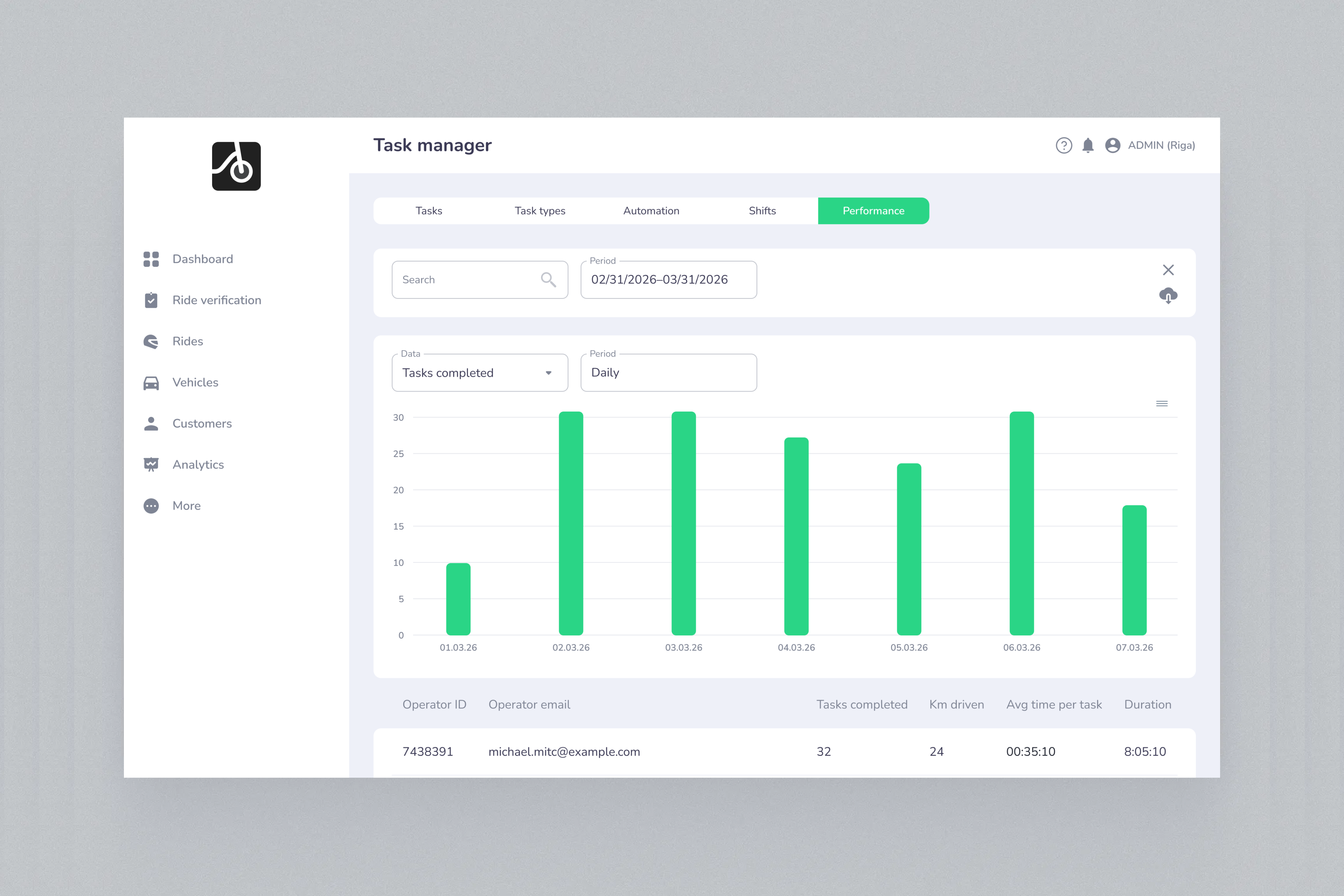
👷📊 يتجاوز مدير مهام ATOM الآن مجرد توزيع المهام بفضل وظائف الورديات وأداء المشغلين الجديدة. تتبع مسارات الورديات، والمسافة المقطوعة، والمهام المنجزة، والوقت المستغرق لكل مهمة، وأداء كل مشغل على حدة، مما يمنح مديري الأساطيل رؤية أوضح بكثير للعمليات الميدانية ومستوى الكفاءة.
لا تقتصر إدارة أسطول كبير للتنقل المشترك أو التأجير على معرفة المهام التي تم إنجازهافحسب، بل تتعلق أيضاً بفهم مدى كفاءة عمل الفرق الميدانية. لقد قمنا بتوسيع مدير مهام ATOM Mobility بشكل كبير بإضافة وظائف الورديات والأداء، مما يمنح مديري الأساطيل رؤية أفضل بكثير لنشاط المشغلين، وعبء العمل، والمسارات، ومستوى الأداء.
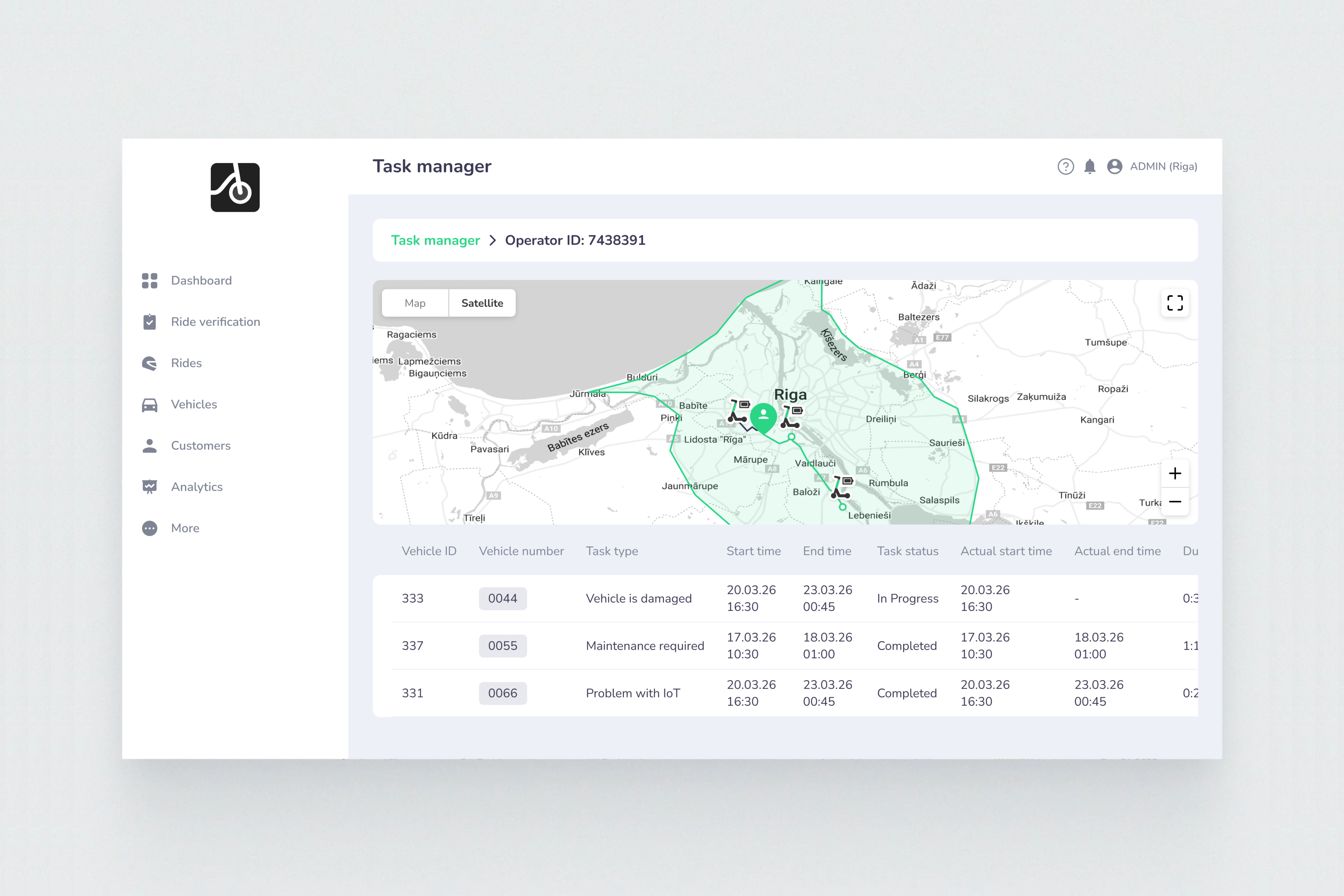
تمنحك علامة التبويب الورديات الجديدة للمديرين نظرة عامة مركزية على جميع ورديات المشغلين، بما في ذلك:
يمكن للمديرين فتح أي وردية فردية للاطلاع على الصورة التشغيلية الكاملة. فلكل مهمة، يمكنك رؤية المركبة، ونوع المهمة، ووقت البدء المخطط له والموعد النهائي، وأوقات البدء والانتهاء الفعلية، والحالة، والمدة الإجمالية للمهمة.
تتضمن كل وردية أيضاً خريطة توضح حركة المشغل الكاملة أثناء الوردية والمواقع التي تم تنفيذ المهام الفردية فيهابالنسبة للنوبات الجارية حالياً، يمكن للمديرين أيضاً الاطلاع على الموقع الحالي للمشغل.
وهذا يسهل كثيراً فهم المسار الفعلي، وحجم العمل، والقرارات المتخذة خلال كل نوبة، بالإضافة إلى تحديد فرص تحسين كيفية إدارة فرق العمل الميدانية لصيانة الأسطول وعملياته.
علامة التبويب الأداء الجديدة تجمع النتائج التشغيلية لكل مشغل خلال فترة زمنية محددة.
يمكن للمديرين تتبع:
بدلاً من مراجعة مئات المهام الفردية، يمكن للمديرين مقارنة المشغلين بسرعة، وتحديد أصحاب الأداء المتميز، ورصد المجالات التي قد تحتاج إلى تدريب إضافي أو تحسينات تشغيلية.
لجعل بيانات الأداء دقيقة ومفيدة، قدمنا أيضاً سير عمل جديد للنوبات والمهام في تطبيق ATOM للمشغلين. يبدأ المشغلون الآن نوبات عملهم وينهونها مباشرة من خلال التطبيق، بينما يتم تسجيل أوقات بدء المهام الفردية وإتمامها تلقائياً.
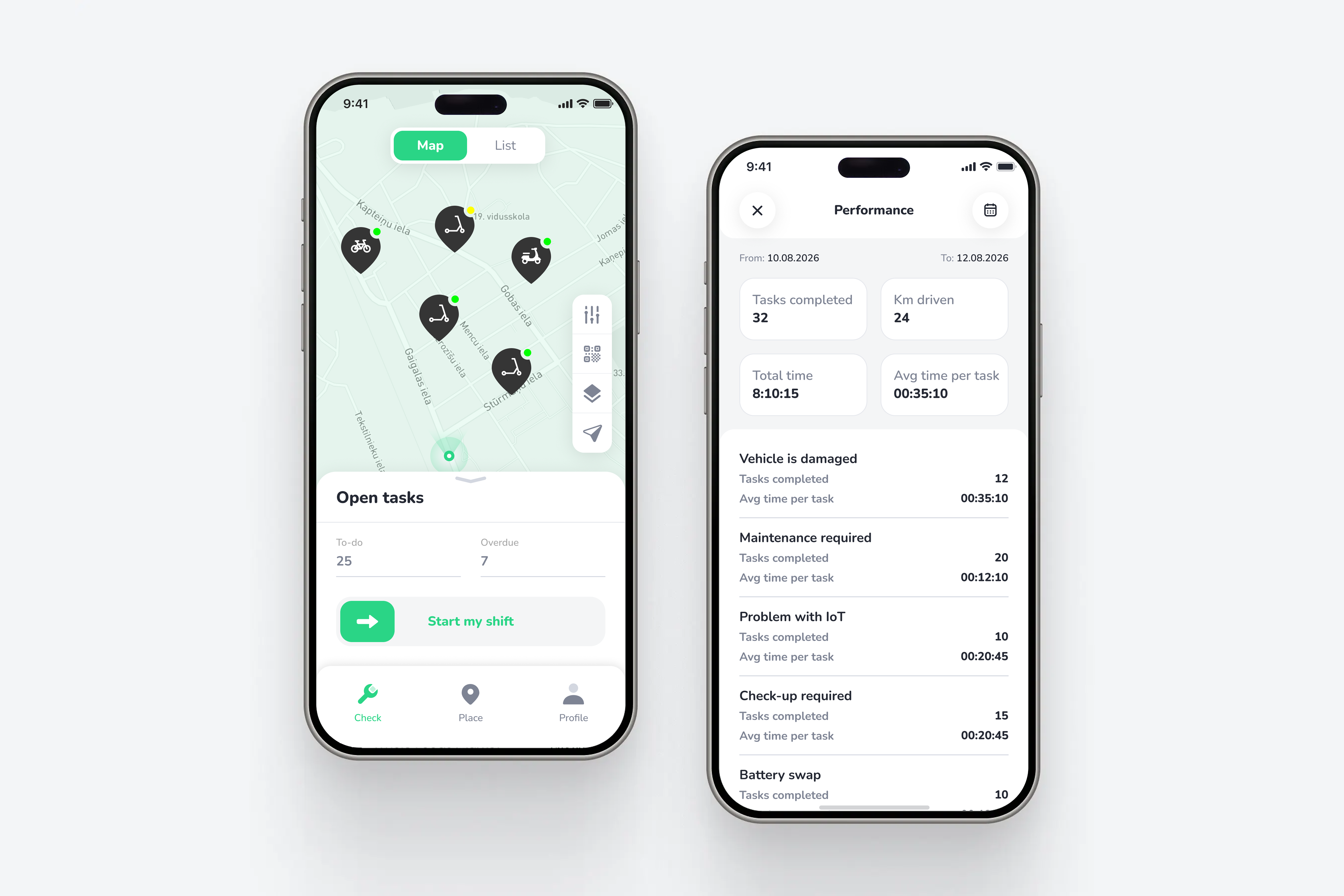
لقد أضفنا أيضاً:
معاً، تحول هذه التحديثات ATOM Task Manager من مجرد أداة لتوزيع المهام إلى نظام أكثر تكاملاً لأداء وتحسين العمليات الميدانية. يحصل المشغلون على سير عمل أوضح ورؤية أفضل لأدائهم الشخصي، بينما يحصل المديرون على البيانات التي يحتاجونها لفهم كيفية سير عملياتهم الميدانية فعلياً وتحديد مجالات تحسين الكفاءة.
الوظائف الجديدة متاحة لوحدات مشاركة المركبات و التأجير الرقمي في ATOM Mobility.
👉 اقرأ المزيد عن آخر تحديثات منصتنا:
https://www.atommobility.com/atomupdates
استخدم بيانات اعتماد الاختبار لتسجيل الدخول - رقم الهاتف: +1 123123123، الكود: 777777


بيانات اعتماد الإصدار التجريبي من تطبيق Driver - البريد الإلكتروني: test@atom.com، كلمة المرور: برنامج التشغيل