كيف تعمل التكنولوجيا على تشكيل مستقبل التنقل
3/2/2020
الحد الأدنى للقراءة


تساعد التكنولوجيا في تحويل مستقبل النقل الحضري من خلال التأثير على شكل التنقل، وكيف سيؤثر على مشهد المدينة الحديث. حديث مقالة أوضح مجلس فوربس للتكنولوجيا أن هناك إجماعًا مشتركًا حول السمات الرئيسية الأربعة للتنقل المستقبلي: المشتركة والهجينة والمستقلة والكهربائية. يصبح السؤال التالي، ما هي خدمات التنقل التي ستكون متاحة في السنوات القادمة؟ لقد أجرينا بعض الأبحاث للمساعدة في تفصيل وجهات النظر المختلفة حول التنقل المشترك كوسيلة نقل في المستقبل.
لماذا الكهرباء؟

بحلول عام 2040، ستتفوق السيارات الكهربائية على السيارات التي تعمل بالبنزين
حوّل المستهلكون مؤخرًا اهتمامهم نحو السيارات الكهربائية كخيار أكثر استدامة ووعيًا بالبيئة للسفر لمسافات طويلة. توقعات متوقعة السيارات الكهربائية لتتفوق على سيارات الاحتراق التقليدية في غضون العشرين عامًا القادمة، مع وصول 57٪ من سيارات الركاب وأكثر من 30٪ من مبيعات أسطول سيارات الركاب العالمي إلى الكهرباء بحلول عام 2040. مع هذا النمو تأتي أيضًا الحاجة إلى بنية تحتية إضافية للشحن للسماح للمركبات بالسفر لمسافات طويلة. يوجد حاليًا حوالي 13,000 محطة شحن سريع للسيارات الكهربائية في جميع أنحاء الولايات المتحدة، مقارنة بحوالي 332,000 محطة وقود. أعلنت شركات مثل Volkswagon و GM و Tesla أنها تعمل على إنشاء رسوم من شأنها أن تساعد في زيادة المبيعات في المستقبل. سيتطلب التوسع الناجح في السوق من المدن تطوير خطط ذكية تلبي احتياجات التنقل الكهربائي.
لماذا المشاركة؟
نمت التنقل المشترك على نطاق واسع منذ ذلك الحين دخلت أوبر (2009) وليفت (2012) السوق لأول مرة. يستمر المزيد والمزيد من المشغلين في الظهور في جميع أنحاء العالم، ويقدمون خدمة مشاركة واحدة على الأقل للأشخاص في أكثر من 700 مدينة. ومن المتوقع أن تتوسع هذه الخدمات أكثر في المستقبل نتيجة لزيادة التحضر، فضلاً عن المخاوف المتزايدة بشأن الاستدامة والاستقرار الاقتصادي والانبعاثات. أ أبلغ عن من قبل شركة محلل إنترنت الأشياء، Berg Insights، وجدت أن عدد مستخدمي خدمة مشاركة السيارات سينمو من 50.4 مليون شخص في عام 2018 إلى 227.1 مليون شخص في عام 2023. يساعد تقديم التنقل كخدمة على تقليل عدد المركبات ذات الاستخدام الواحد على الطريق، مما يفسح المجال لشكل أكثر فاعلية من السفر.
لماذا الحكم الذاتي؟
التحدي الرئيسي الذي يواجه السائقين في المناطق الحضرية هو قضية الازدحام والاختناقات المرورية. في بعض المدن الكبرى، مثل لندن، تؤدي المشكلة إلى إنفاذ رسوم الازدحام في أحيائهم الأكثر اكتظاظًا بالسكان. منذ عام 2003، ساعدت هذه الرسوم في تقليل حركة المرور بنسبة 30٪، وستؤدي في نفس الوقت إلى توليد الأموال للمدينة. ولكن هل هذا يكفي؟ يُعتقد أن المركبات المستقلة هي الخطوة التالية في الحد من الازدحام. أ دراسة وجد باحثون في جامعة كامبريدج أنه عندما يتواصل أسطول من المركبات المستقلة بشكل فعال، مما يحافظ على حركة المرور بسلاسة، يمكن تقليل معدلات الازدحام بنسبة 35٪.
لماذا الهجين؟
التنقل الجزئي هو استخدام أجهزة التنقل الصغيرة، المصممة لنقل شخص أو شخصين، أو عمليات التسليم «في الميل الأخير». يسير هذا جنبًا إلى جنب مع الاهتمام المتزايد بالدراجات البخارية الإلكترونية والدراجات الإلكترونية التي شهدت نموًا استثنائيًا في المبيعات في السنوات الأخيرة. من المتوقع أن يتجاوز الجمع بين المركبات الكهربائية والمركبات خفيفة الوزن ذات الاستخدام الواحد وسائط النقل التقليدية. في سنويتهم تنبؤات التكنولوجيا والإعلام والاتصالات، توقعت شركة Deloitte بيع أكثر من 130 مليون دراجة إلكترونية بين عامي 2020 و 2023. وبالمقارنة مع 1.8 مليون سيارة تم بيعها في أوروبا و185 ألف سيارة في الولايات المتحدة خلال عام 2013، تشير هذه الزيادة الكبيرة إلى أن الدراجات الإلكترونية وغيرها من التقنيات المشابهة لها هي مستقبل التنقل.
كيف يتم دعم المدينة؟
بدأت المدن في جميع أنحاء العالم في تكييف الاستراتيجيات للمساعدة في مستقبل التنقل الحضري. كونها رائدة في الحد من حركة المرور، قدمت سنغافورة مخطط ترخيص المنطقة في عام 1975، فرض رسوم يومية قدرها 3 دولارات أو 60 دولارًا شهريًا للسيارات التي تدخل منطقة مركزية خلال ساعات الذروة. شهدت المدينة نجاحًا أدى إلى دخول عدد أقل من السيارات إلى المنطقة خلال ساعات الذروة، وزيادة بنسبة 35 في المائة في عدد السيارات وتوفير 500 مليون دولار كحد أدنى من قبل المدينة والتي يمكن استخدامها في تحسين البنية التحتية. تم تحديث النظام منذ ذلك الحين إلى نظام تسعير الطرق الكهربائية من أجل مواكبة المتطلبات المتغيرة لجوهر المدينة.
لم تفرض سان فرانسيسكو بعد تسعير الازدحام في الأحياء ذات الازدحام المروري، ومع ذلك، يتم إجراء الأبحاث لتحديد أفضل الحلول للمدينة. ال تقرير تقييم التنقل الناشئ وجدت هيئة النقل في سان فرانسيسكو أن 90 في المائة من جميع حوادث تصادم السيارات ناتجة عن خطأ بشري، وحوالي 80 في المائة منها تنطوي على مستوى معين من عدم الانتباه. وقد أدى ذلك إلى التحول نحو أنماط بديلة للتنقل والمشاريع التجريبية المحتملة داخل قلب المدينة. أصبحت سان فرانسيسكو معروفة ببرامج مشاركة الدراجات ذات الدخل المنخفض. إطلاق في عام 2013 طيار مشاركة الدراجات في منطقة الخليج يتطلب وجود ما لا يقل عن 20٪ من المحطات في المجتمعات ذات الدخل المنخفض، مع ما يقدر بـ 320 محطة و 4500 في عام 2017. البيانات التي تم جمعها من قبل مدونة مشاركة الدراجات تشير التقديرات إلى أن هناك ضعف عدد برامج مشاركة الدراجات في العالم مقارنة بعام 2014، مع توفر ما يقرب من 20 مرة من الدراجات للاستخدام العام.
فُتحت الأبواب أمام قادة الصناعة للبدء في ابتكار ابتكارات في مجال التنقل التلقائي، مما يؤثر على مشهد المدينة الحديث. بالإضافة إلى فرض قيود على المناطق شديدة الازدحام، ركزت مدينة هلسنكي جهودها على تحسين البنية التحتية الحالية وخيارات النقل لتشجيع الناس على استخدام وسائل التنقل الأخرى. شركة رائدة في منصات التنقل كخدمة (MaaS)، تخطط المدينة لاستبدال 2.3 مليار رحلة سيارات خاصة حضرية سنويًا بحلول عام 2023. إحدى الطرق التي بدأت بها في تحقيق ذلك هي من خلال التطبيق. نزوة. تطبيق Whim تم تطويره خصيصًا لهلسينكي، ويوفر الوصول إلى جميع خيارات التنقل في المدينة من خلال اشتراك شهري. مستقبل التنقل في متناول الناس.
ما هي الخطوة التالية؟
بدأت المدن في جميع أنحاء العالم في استكشاف إمكانيات الدراجات البخارية الإلكترونية كوسيلة للسفر لمسافات قصيرة جدًا بحيث لا يمكن المشي بشكل مريح، بالإضافة إلى حل محتمل لتقليل الاعتماد على السيارات. أطلقت مدينة تالاهاسي برنامج تجريبي بالشراكة مع خمس شركات كبرى في مجال السكوتر الإلكتروني: بيرد، لايم، فيوريدي، سبين وجوتش. والغرض من ذلك هو تحديد حلول للمشاكل الرئيسية التي تواجهها، ولكن أيضًا تساعد في تطوير عادات ركوب جيدة. الشركات نشرت 200 دراجة بخارية إلكترونية، كل واحدة قادرة على السفر بسرعة 15 ميلاً في الساعة، بموجب تشريع جديد يسمح بمعاملتها مثل الدراجات. مع نجاح برامج مثل هذه، وتعهد الشركات بالحفاظ على المسؤولية الاجتماعية لسلامة المستخدم، فإن الدراجات البخارية الإلكترونية كوسيلة أساسية للتنقل آخذة في الارتفاع.
نورو، وهي شركة ناشئة تعمل في مجال القيادة الذاتية، هي واحدة من الشركات القليلة التي تمتلك حاليًا أسطولًا من المركبات ذاتية القيادة بالكامل التي تعمل على الطرق العامة. في فبراير 2019، حصلت الشركة على ما يقرب من مليار دولار إضافي تمويل من سوفت بنك مما يسمح لهم بالشراكة مع سلسلة متاجر البقالة Kroeger's لمشروع تجريبي. تقدم الخدمة التجريبية البقالة في هيوستن بولاية تكساس منذ مارس 2019، مع توسعات لتشمل سلعًا أخرى مثل دومينوز بيتزا و منتجات وول مارت. يبلغ حجم الأسطول حتى الآن حوالي 75 مركبة، مع خطط للاكتتاب العام في عام 2020. من خلال إدخال مركبات مؤتمتة بالكامل إلى السوق، سيتم تقليل عدد الأشخاص على الطريق، مما يؤدي إلى تحسين الكفاءة وتوفير حماية أكبر من التصادمات أو الحوادث المحتملة.

مركبة نورو ذاتية القيادة
بالإضافة إلى الحد من حركة المرور في المدن الكبرى، تركز شركات التنقل أيضًا مواردها على معالجة المخاوف المتعلقة باستهلاك الطاقة والانبعاثات. شركة التنقل بالسكوتر الذكي، جوجورو، يهدف إلى الاستفادة من قوة التكنولوجيا من أجل تغيير طريقة استهلاك التكنولوجيا وتحويل كيفية عمل المدن لتحسين الاستدامة. تم إطلاق أول أسطول من الدراجات البخارية الذكية في عام 2015، مما يوفر تجربة ركوب كهربائية عالية الأداء للاستخدامات في تايوان. كما أنشأت الشركة شبكة تعرف باسم شبكة Gogoro Energy في تايبيه، وتوفر أكثر من 1581 محطة تبديل بطاريات وتدعم أكثر من 199478 عملية تبادل للبطاريات يوميًا. في أوروبا، تم إطلاق أسطول مكون من 3500 دراجة بخارية ذكية بدون انبعاثات في ثلاث دول رئيسية في عام 2018، مما ساعد على تقليل انبعاثات ثاني أكسيد الكربون بمقدار 123,655 طنًا وإزاحة أكثر من 58,731,863 لترًا من البنزين. من خلال الاستفادة من التقدم التكنولوجي والابتكارات في البنية التحتية الحديثة، أصبحت Gogoro رائدة في حلول النقل.

سكوتر كهربائي Gogoro مع بطاريات قابلة للتبديل
الشركات، مثل سلحفاة، يتطلعون إلى توسيع قدرات الدراجات البخارية إلى أبعد من ذلك من خلال تقديم الأساطيل التي يمكنهم التحرك بشكل مستقل عبر المدينة وإعادة وضعهم، بدون راكب. الهدف هو معالجة التحدي الأكبر الذي يواجه المشغلين حاليًا: نقل الدراجات البخارية. تخطط Tortoise لاستخدام التكنولوجيا المستقلة جنبًا إلى جنب مع التشغيل عن بُعد لإعادة وضع وإعادة توازن الدراجات البخارية الإلكترونية المشتركة التي لا ترسو في المدن. سيشمل النشر الأولي ما بين 50 إلى 100 دراجة بخارية لكل مشغل في كل سوق بهدف تزويد كل أسطول بالقدرة على إعادة تموضع نفسه بشكل مستقل. يُعتقد أن التنقل الدقيق المستقل مثل الدراجات البخارية الإلكترونية والدراجات الإلكترونية هو البداية لإنشاء مدن أكثر ذكاءً وتقدمًا من الناحية التكنولوجية.
كيف يمكننا المساعدة؟
نظرًا لأن كل من قادة الصناعة والمدن في جميع أنحاء العالم يجدون طرقًا جديدة لدعم الاتجاه المتزايد للتنقل الصغير، فإننا في أتوم موبيليتي تريد مساعدة رواد الأعمال الذين يتطلعون إلى دخول السوق. نحن نؤمن بأن التنقل المشترك هو مستقبل النقل، ونقدم المساعدة في دمج المركبات الرائدة في الصناعة الجاهزة للتنقل المشترك، بما في ذلك الدراجات البخارية والدراجات البخارية والدراجات البخارية والدراجات البخارية والسيارات والمزيد. يتمتع عملاؤنا بفهم ممتاز للاحتياجات الحالية للأسواق المحلية، ونسمح لهم بالتركيز على التسويق والعمليات، مع الاهتمام بالتكنولوجيا.
المصادر:
https://www.bbc.com/news/technology-33183031
https://www.corporateknights.com/channels/transportation/sharing-road-canadian-cities-driving-progress-shared-mobility-15593076/
https://www.forbes.com/sites/forbestechcouncil/2019/11/22/four-keys-to-future-mobility-shared-hybrid-integrated-and-electric/#3feea979339d
https://edition.cnn.com/2019/07/18/cars/electric-car-market-sales/index.html
https://about.bnef.com/electric-vehicle-outlook/
https://www.businessinsider.com/ubers-history#june-2016-kalanick-proclaims-that-uber-was-profitable-in-hundreds-of-cities-globally-but-that-the-money-was-being-reinvested-in-its-war-against-chinese-rival-didi-the-company-said-at-the-time-that-it-was-losing-1-billion-each-year-in-its-fight-against-didi-34
https://www.cnbc.com/2019/11/08/top-ride-sharing-apps-in-europe-asia-south-america-africa-and-usa.html
https://iotbusinessnews.com/2019/11/14/60333-the-public-carsharing-fleet-reached-332000-vehicles-worldwide-in-2018/
https://www.bbc.com/news/world-us-canada-47874725
https://www.sciencedaily.com/releases/2019/05/190519191641.htm
https://assets.publishing.service.gov.uk/government/uploads/system/uploads/attachment_data/file/846593/future-of-mobility-strategy.pdf
https://www2.deloitte.com/content/dam/insights/us/articles/722835_tmt-predictions-2020/DI_TMT-Prediction-2020.pdf
https://eresources.nlb.gov.sg/infopedia/articles/SIP_777_2004-12-13.html
https://eresources.nlb.gov.sg/infopedia/articles/SIP_832__2009-01-05.html
http://sfcta.org/sites/default/files/2019-03/Emerging%20Mobility%20Studies_11.pdf
https://www.sfmta.com/getting-around/bike/bike-share
https://www.businessinsider.com/bike-sharing-programs-doubled-since-2014-public-bikes-charts-2018-7?IR=T
https://www.smartcitiesworld.net/news/news/helsinki-leads-in-mobility-as-a-service-3308
https://whimapp.com/
https://eu.tallahassee.com/story/news/2019/07/15/electric-scooters-tallahassee-florida-bird-scooters-rental-gotcha-lime-spin-veoride-escooters/1708270001/
https://www.wctv.tv/content/news/Five-companies-launch-e-scooters-in-Tallahassee-during-pilot-program-512748851.html
https://nuro.ai/product
https://www.wired.com/story/softbank-nuro-self-driving-investment/
https://qz.com/1644476/nuro-will-deliver-dominos-pizza-with-its-robots-in-houston/
https://www.theverge.com/2019/12/10/21004678/nuros-driverless-delivery-robots-walmart-houston
https://medium.com/nuro/new-rules-of-the-road-for-california-and-autonomous-vehicles-2fa26a1159cb
https://www.gogoro.com/about/
https://www.tortoise.dev/
https://www.theverge.com/2019/10/15/20910083/tortoise-autonomous-electric-scooters-self-driving-robotics
https://www.fastcompany.com/90417611/it-was-inevitable-the-scooters-are-now-driving-themselves
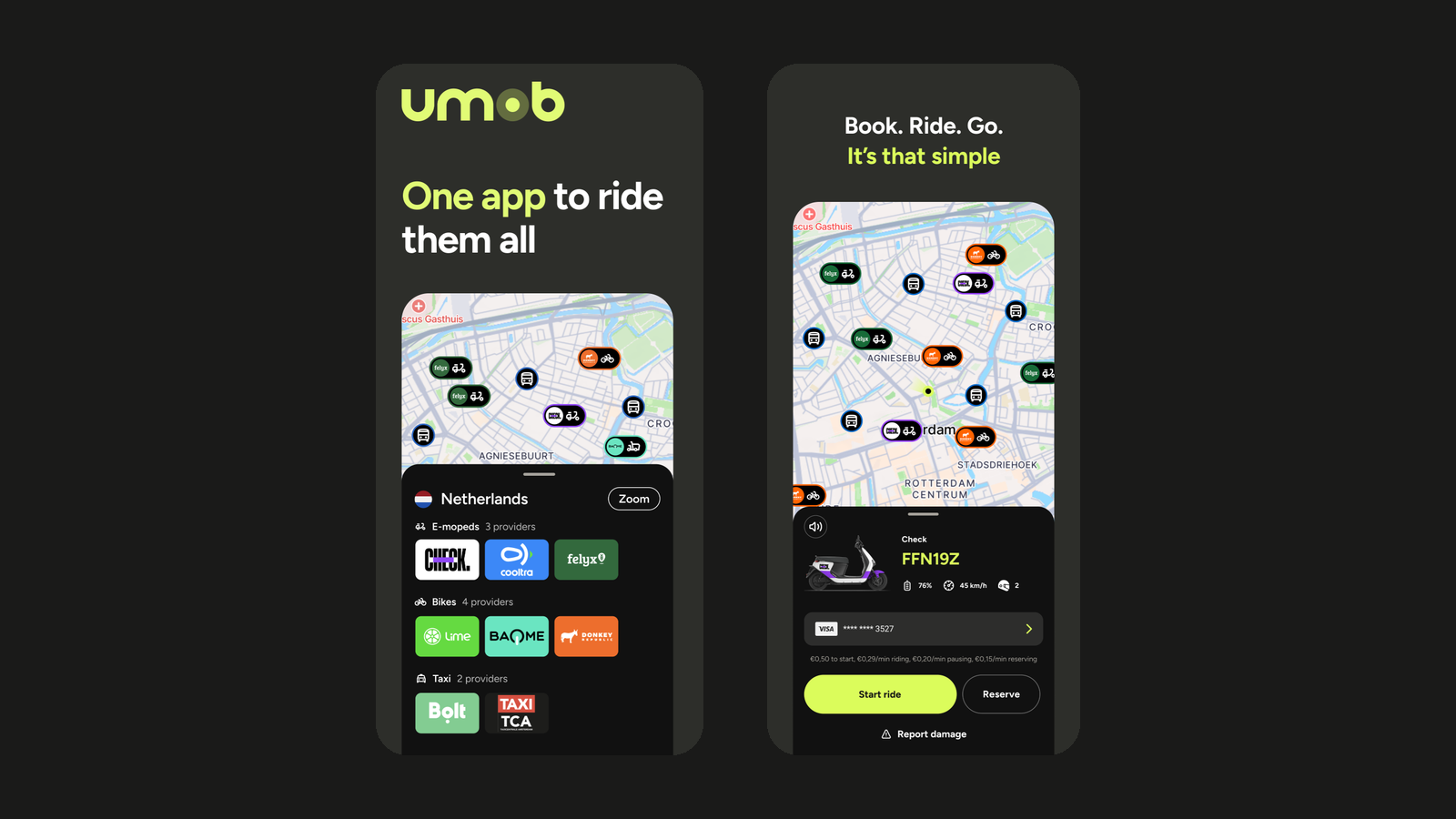
🌍 يمكنك الوصول إلى المزيد من الركاب مع ATOM Mobility وUmob. يمنح هذا التكامل مشغلي التنقل المشترك قناة توزيع إضافية، مما يساعد في جذب عملاء جدد، وزيادة الحجوزات، وتحسين معدلات استخدام الأسطول.
مستقبل التنقل لا يقتصر فقط على تشغيل المركبات، بل يتعلق بابتكار رحلات مريحة تجمع بين خيارات النقل المختلفة في تجربة مستخدم واحدة بسيطة.
ولهذا السبب يسعدنا تسليط الضوء على شراكتنا مع Umob، مما يساعد مشغلي التنقل على توسيع نطاق وصولهم وأن يصبحوا جزءاً من منظومة تنقل متعددة الوسائط متنامية.
سواء كنت تدير سيارات أو سكوترات أو دراجات هوائية أو دراجات نارية مشتركة عبر منصة ATOM Mobility، فإن التكامل مع Umob يجعل خدمتك متاحة لـ آلاف مستخدمي Umob الباحثين عن وسيلة تنقل مريحة.
يتوقع مستخدمو اليوم مرونة عالية؛ فهم لا يفكرون في مزودي خدمات التنقل بشكل منفصل، بل يريدون ببساطة أسرع وأسهل وأكثر الطرق ملاءمة للانتقال من النقطة (أ) إلى النقطة (ب).
تجمع Umob بين مختلف مزودي خدمات التنقل وخيارات النقل في تطبيق واحد. يمكن للمستخدمين العثور على خيارات التنقل المختلفة ومقارنتها وحجزها والدفع مقابلها دون الحاجة إلى تنزيل تطبيق منفصل أو إنشاء حساب جديد لكل مزود خدمة.
من خلال ربط أسطولك بـ Umob، يمكن للمشغلين:
بالنسبة لعملاء ATOM Mobility، صُمم هذا التكامل لتوفير طريقة مباشرة لفتح فرص توزيع جديدة مع الاستمرار في إدارة عملياتهم الأساسية من خلال منصة ATOM Mobility.
من خلال منصة ATOM Mobility، يمكن للمشغلين المشاركين ربط أساطيلهم بـ Umob، مما يتيح للمستخدمين اكتشاف المركبات المتاحة واستخدامها مباشرة عبر تطبيق Umob.
بمجرد الربط، ستظهر مركبات المشغلين المشاركين في Umob إلى جانب خيارات التنقل الأخرى المتاحة، مما يمنح المستخدمين نظرة عامة واضحة على الطرق المختلفة التي يمكنهم من خلالها الانتقال من النقطة (أ) إلى النقطة (ب).
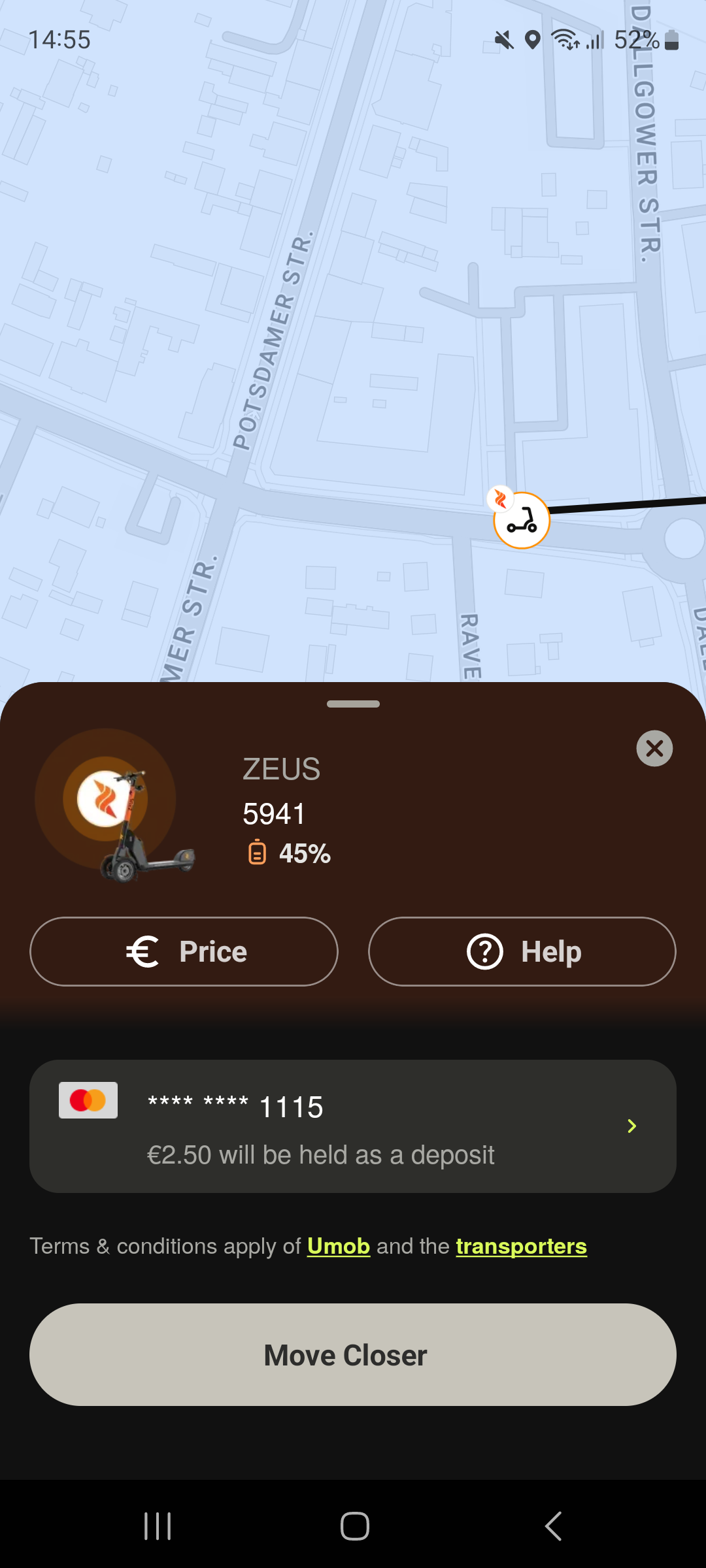
يمكن للمستخدمين العثور على مركبة متاحة، وحجزها وفتح قفلها، وبدء رحلتهم وإنهائها، والدفع مباشرة من خلال تطبيق Umob.
صُمم هذا التكامل لدعم:
يواصل المشغلون إدارة أساطيلهم، وتسعيرهم، ومناطق الخدمة، والعمليات اليومية من خلال منصة ATOM Mobility، بينما توفر Umob قناة إضافية يمكن للمستخدمين من خلالها العثور على المركبات والوصول إليها.
بالنسبة لمشغلي التنقل، يتيح الربط مع Umob قناة توزيع إضافية دون تغيير الطريقة التي يديرون بها عملياتهم اليومية عبر ATOM Mobility.
من خلال إتاحة المركبات لآلاف مستخدمي Umob، يمكن للمشغلين زيادة ظهورهم في اللحظة التي يبحث فيها الأشخاص بنشاط عن وسيلة تنقل. وهذا يخلق إمكانية لجذب مستخدمين جدد، وتحقيق المزيد من الحجوزات، وتحسين معدل استخدام الأسطول بمرور الوقت.
يختلف كل سوق عن الآخر، لكن العديد من المشغلين يرون في شراكات "التنقل كخدمة" (MaaS) جزءاً مهماً من استراتيجية نموهم طويلة الأمد.
أحد أوائل مشغلي ATOM Mobility الذين انطلقوا من خلال تكامل Umob هو ZEUS Mobility، وهو مزود أوروبي طموح لخدمات مشاركة السكوتر الكهربائي، يركز بقوة على الابتكار، ويتبنى نهجاً ديناميكياً، ويسعى لمنافسة اللاعبين الراسخين في السوق.
ومن المناسب أن الشراكة بحد ذاتها بدأت من خلال شبكة ATOM Mobility.
التقت ZEUS وUmob لأول مرة في فعالية ATOM Mobility في ريغا. وعلى الرغم من أن التعارف الأولي حدث أثناء الفعالية، إلا أن المحادثة الجدية بدأت فعلياً خلال جلسة غير رسمية في وقت لاحق من ذلك المساء.
كانت ZEUS قد صادفت علامة Umob التجارية على مركبات التنقل أثناء السفر، وقد أُعجبت بالنهج المهني الذي تتبعه الشركة. وسرعان ما تحول ذلك التعرف إلى محادثة حول كيفية تعزيز الشركتين لعروضهما من خلال العمل معاً.
ومن هناك، تقدمت عملية التكامل بسرعة. وتصف ZEUS عملية الإعداد والتكامل حتى الآن بأنها "نظيفة واحترافية وسلسة."
بالنسبة لشركة ZEUS، تمثل هذه الشراكة فرصة لتعزيز حضور علامتها التجارية، والوصول إلى عملاء جدد، ودعم طموحاتها التوسعية في أوروبا.
عقب استحواذها على Superpedestrian في مايو 2026، تتطلع ZEUS إلى تسريع وتيرة نموها خلال عامي 2026 و2027، وتعد شراكتها مع Umob جزءاً من هذا الطموح.
"نحن في ZEUS سعداء للغاية بالشراكة مع Umob في الأسواق الأوروبية. فبعد استحواذنا على Superpedestrian في مايو 2026، نسعى في ZEUS إلى تحقيق نمو سريع خلال عامي 2026 و2027. ستساعدنا هذه الشراكة في دفع عجلة هذا النمو والوصول إلى عملاء جدد في أسواق جديدة. نتطلع إلى شراكة مثمرة." - داميان يونغ، ZEUS Mobility
تطبيق واحد لكل تنقلاتك. Umob هي منصة تنقل شاملة تجمع بين مختلف مزودي خدمات التنقل وخيارات النقل في تطبيق واحد.
يمكن للمستخدمين العثور على الدراجات المشتركة، والدراجات الكهربائية، والسكوتر، والدراجات النارية، ووسائل النقل العام، وسيارات الأجرة، وغيرها من خيارات التنقل المتاحة، ومقارنتها وحجزها والدفع مقابلها من خلال حساب واحد وتجربة دفع موحدة. فبدلاً من تنزيل تطبيق منفصل والتسجيل فيه لكل مزود خدمة أو في كل مدينة جديدة، يمكن للمستخدمين فتح تطبيق Umob والاطلاع على خيارات التنقل المتاحة من حولهم.
تتوفر Umob اليوم في أكثر من 28 دولة و300 مدينة، مما يتيح لآلاف المستخدمين طريقة أسهل للوصول إلى مختلف وسائل التنقل سواء في مدنهم أو أثناء السفر.
حقائق رئيسية
إذا كنت تدير بالفعل خدمة التنقل المشترك الخاصة بك على منصة ATOM Mobility، فإن الربط مع Umob قد يكون الخطوة التالية نحو الوصول إلى المزيد من المستخدمين وأن تصبح جزءاً من منظومة تنقل مترابطة حقاً.
إذا كنت مهتماً بتفعيل هذا التكامل أو معرفة المزيد حول كيفية عمله، تواصل مع فريقنا. نحن نتطلع إلى مساعدة المزيد من المشغلين على التواصل والتعاون وجعل التنقل المستدام أسهل للجميع.
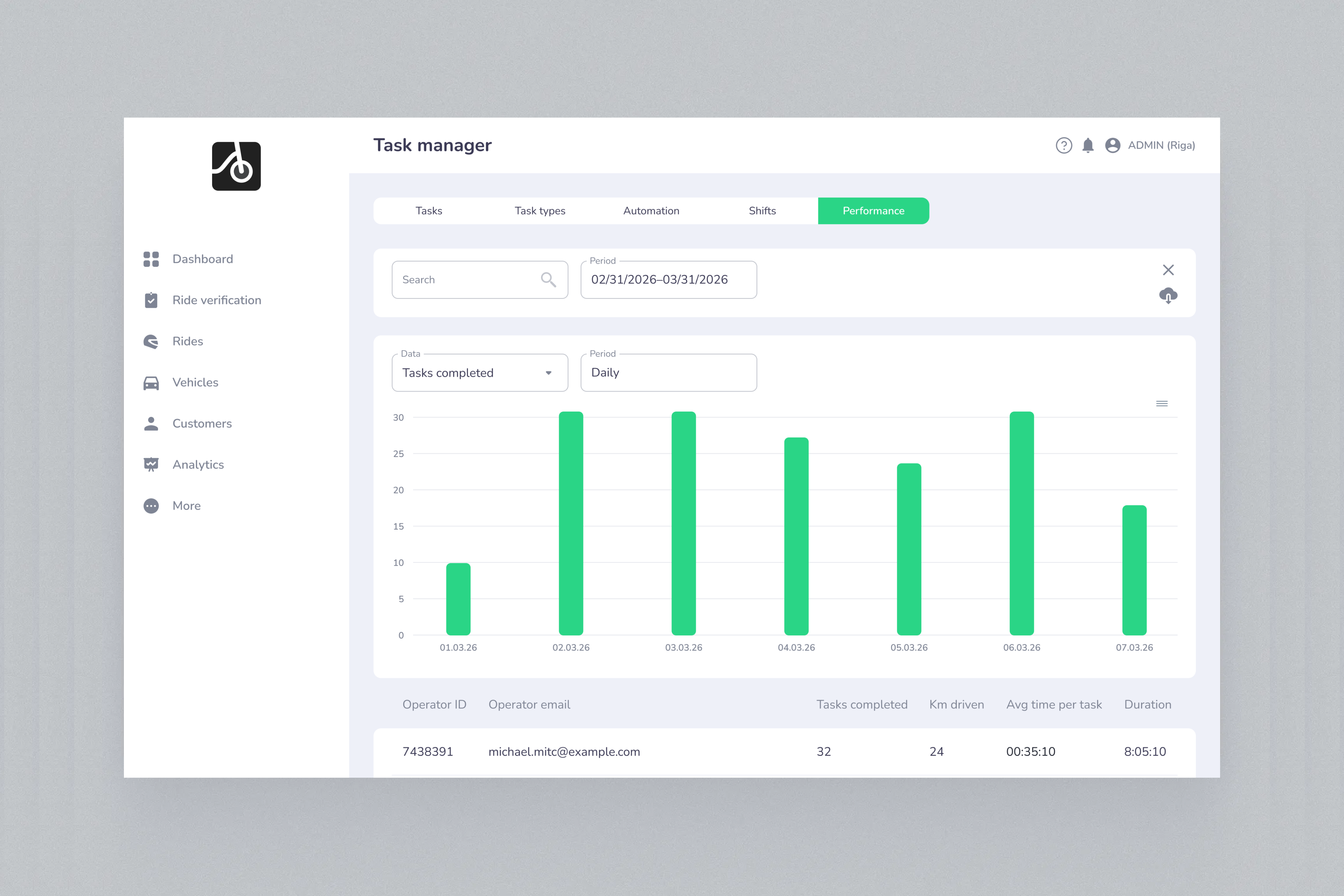
👷📊 يتجاوز مدير مهام ATOM الآن مجرد توزيع المهام بفضل وظائف الورديات وأداء المشغلين الجديدة. تتبع مسارات الورديات، والمسافة المقطوعة، والمهام المنجزة، والوقت المستغرق لكل مهمة، وأداء كل مشغل على حدة، مما يمنح مديري الأساطيل رؤية أوضح بكثير للعمليات الميدانية ومستوى الكفاءة.
لا تقتصر إدارة أسطول كبير للتنقل المشترك أو التأجير على معرفة المهام التي تم إنجازهافحسب، بل تتعلق أيضاً بفهم مدى كفاءة عمل الفرق الميدانية. لقد قمنا بتوسيع مدير مهام ATOM Mobility بشكل كبير بإضافة وظائف الورديات والأداء، مما يمنح مديري الأساطيل رؤية أفضل بكثير لنشاط المشغلين، وعبء العمل، والمسارات، ومستوى الأداء.
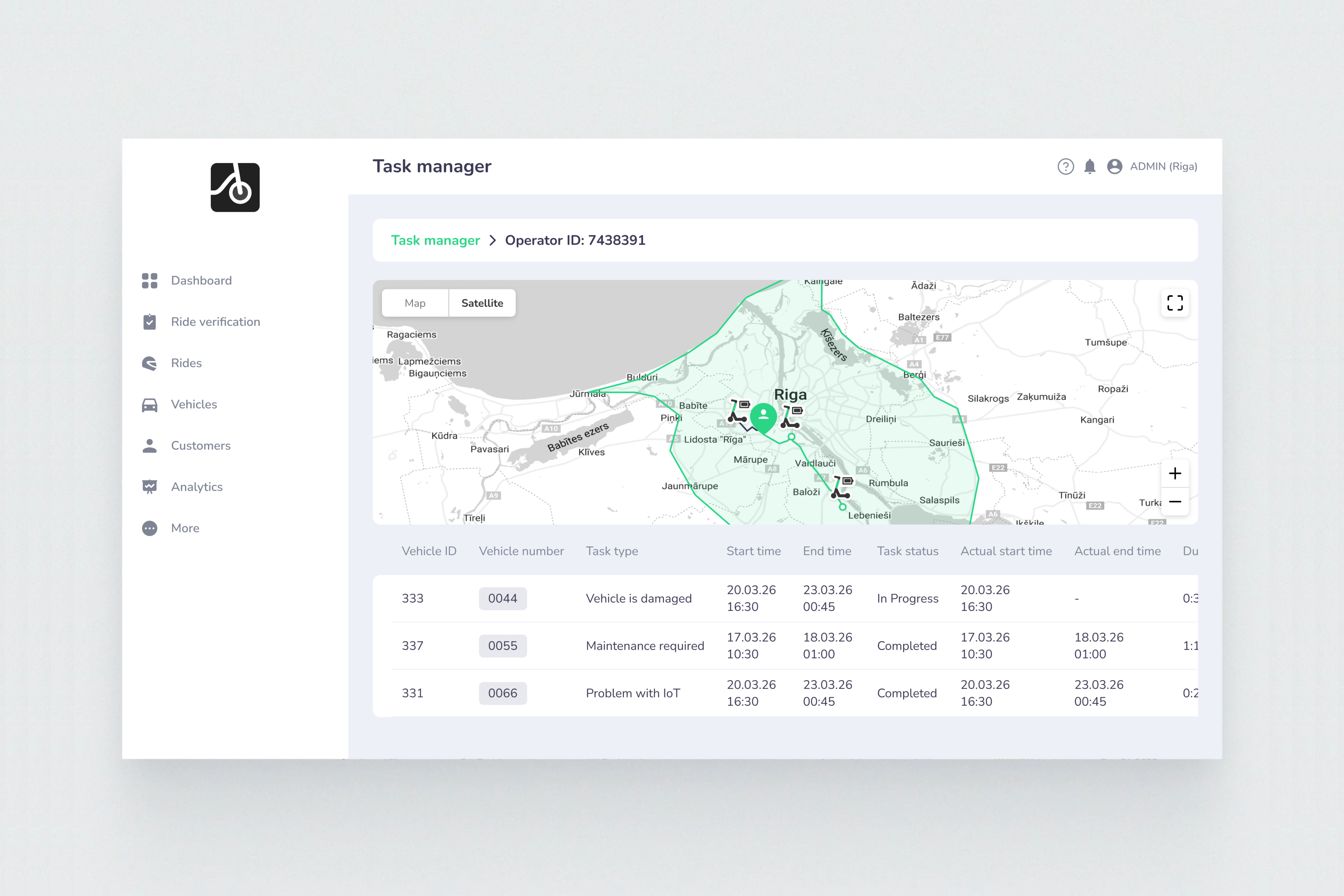
تمنحك علامة التبويب الورديات الجديدة للمديرين نظرة عامة مركزية على جميع ورديات المشغلين، بما في ذلك:
يمكن للمديرين فتح أي وردية فردية للاطلاع على الصورة التشغيلية الكاملة. فلكل مهمة، يمكنك رؤية المركبة، ونوع المهمة، ووقت البدء المخطط له والموعد النهائي، وأوقات البدء والانتهاء الفعلية، والحالة، والمدة الإجمالية للمهمة.
تتضمن كل وردية أيضاً خريطة توضح حركة المشغل الكاملة أثناء الوردية والمواقع التي تم تنفيذ المهام الفردية فيهابالنسبة للنوبات الجارية حالياً، يمكن للمديرين أيضاً الاطلاع على الموقع الحالي للمشغل.
وهذا يسهل كثيراً فهم المسار الفعلي، وحجم العمل، والقرارات المتخذة خلال كل نوبة، بالإضافة إلى تحديد فرص تحسين كيفية إدارة فرق العمل الميدانية لصيانة الأسطول وعملياته.
علامة التبويب الأداء الجديدة تجمع النتائج التشغيلية لكل مشغل خلال فترة زمنية محددة.
يمكن للمديرين تتبع:
بدلاً من مراجعة مئات المهام الفردية، يمكن للمديرين مقارنة المشغلين بسرعة، وتحديد أصحاب الأداء المتميز، ورصد المجالات التي قد تحتاج إلى تدريب إضافي أو تحسينات تشغيلية.
لجعل بيانات الأداء دقيقة ومفيدة، قدمنا أيضاً سير عمل جديد للنوبات والمهام في تطبيق ATOM للمشغلين. يبدأ المشغلون الآن نوبات عملهم وينهونها مباشرة من خلال التطبيق، بينما يتم تسجيل أوقات بدء المهام الفردية وإتمامها تلقائياً.
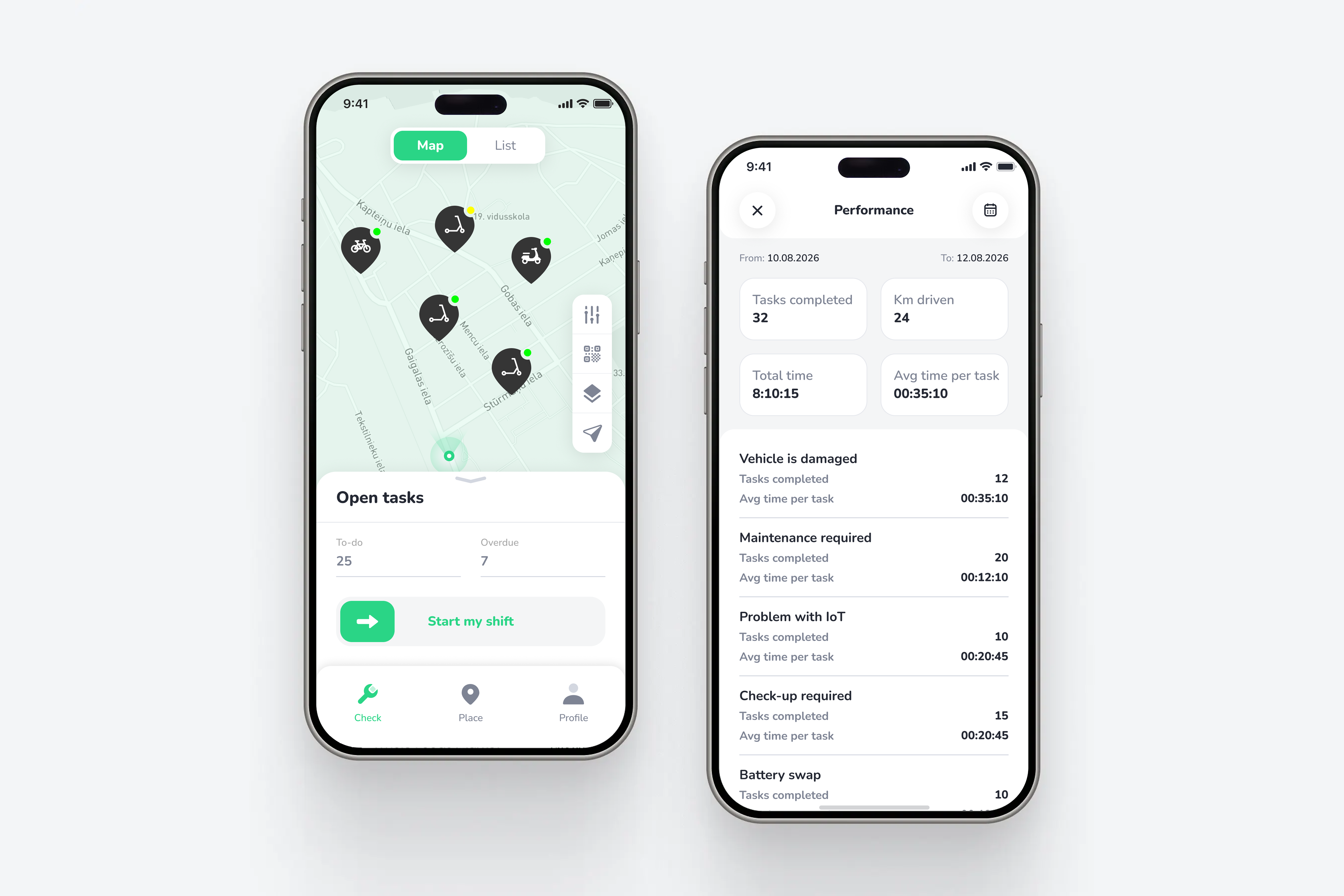
لقد أضفنا أيضاً:
معاً، تحول هذه التحديثات ATOM Task Manager من مجرد أداة لتوزيع المهام إلى نظام أكثر تكاملاً لأداء وتحسين العمليات الميدانية. يحصل المشغلون على سير عمل أوضح ورؤية أفضل لأدائهم الشخصي، بينما يحصل المديرون على البيانات التي يحتاجونها لفهم كيفية سير عملياتهم الميدانية فعلياً وتحديد مجالات تحسين الكفاءة.
الوظائف الجديدة متاحة لوحدات مشاركة المركبات و التأجير الرقمي في ATOM Mobility.
👉 اقرأ المزيد عن آخر تحديثات منصتنا:
https://www.atommobility.com/atomupdates
استخدم بيانات اعتماد الاختبار لتسجيل الدخول - رقم الهاتف: +1 123123123، الكود: 777777


بيانات اعتماد الإصدار التجريبي من تطبيق Driver - البريد الإلكتروني: test@atom.com، كلمة المرور: برنامج التشغيل