الشيء الكبير التالي في التنقل الدقيق - MaaS
31/1/2022
الحد الأدنى للقراءة


كلما زادت المساعدة التي نتوقعها من التقنيات، كلما كان علينا ضخها بالبيانات. على سبيل المثال، إذا أردنا أن نعرف بدقة متى ستكون وسائل النقل العام الأكثر ازدحامًا أو في أي وقت سيشهد شارع معين أكبر حركة مرور، يتعين علينا تزويد الخوارزميات بأكبر قدر ممكن من البيانات حول تحركات الأشخاص. إذا كان لدينا ما يكفي من مصادر البيانات والمعلومات التي يمكن مشاركتها بسهولة، فهذه ليست مشكلة. سوف تساعد البيانات في جعل حياتنا أسهل.
حلول مشاركة المركبات والتنقل الصغير هي تصبح أكثر شهرة كل عام مع التوسع في المزيد والمزيد من المدن والبلدان في جميع أنحاء العالم. كل هذه المنصات والحلول تخلق كمية معينة من البيانات. عند استخدامه بشكل صحيح، يمكن أن يساعد في تحسين الحياة اليومية في المدينة.
تجمع حلول MaaS البيانات من العديد من مزودي الخدمة
يُعد موفرو التنقل كخدمة (MaaS) مصدرًا مثاليًا للبيانات. تتكامل حلول MaaS أشكال مختلفة من خدمات النقل في خدمة تنقل واحدة يمكن الوصول إليها عند الطلب. تشمل أشكال النقل المختلفة هذه وسائل النقل العام، بالإضافة إلى مشاركة الركوب والسيارات والدراجات. في بعض الحالات، قد يشمل ذلك بيانات حول سيارات الأجرة وخدمات تأجير السيارات.

المصدر - https://www.trafi.com/jelbi-tender
الفكرة وراء MaaS هي أن كل شيء متاح داخل تطبيق واحد. لذلك ليست هناك حاجة للدفع مقابل كل خدمة على حدة. علاوة على ذلك، هناك خطط دفع مختلفة متاحة - نموذج اشتراك شهري برسوم شهرية ثابتة أو»الدفع أولاً بأول»، حيث يتم تسعير كل مرحلة من الرحلة المحجوزة بشكل منفصل.
في عام 2021، تم الإعلان عن العديد من شراكات MaaS المثيرة للاهتمام والمهمة في أوروبا. مثال واحد هي الشراكة بين شركة النقل العام Arriva Nederland (جزء من مجموعة Arriva Group، وهي شركة تابعة لشركة Deutsche Bahn)، وشركة Moovit - المتخصصة في حلول MaaS المملوكة لشركة Intel. أدى هذا التعاون إلى إتاحة حل MaaS الجديد على مستوى البلاد لأصحاب العمل في هولندا مع فرصة تزويد موظفيهم بميزانية التنقل للتنقل والأعمال والرحلات الخاصة. يُطلق على تطبيق MaaS اسم بصيص وتخطط للتوسع في بلجيكا، وكذلك في أجزاء من ألمانيا.
في وقت سابق من العام الماضي، أنشأت السكك الحديدية الفيدرالية السويسرية - شركات النقل العام في زيورخ وبازل وبيرن - حل MaaS yumuv. إنها أول MaaS إقليمية مع اشتراكات ويتم تشغيلها بواسطة Trafi. في أقل من شهرين تم تنزيل yumuv من قبل ما يقرب من 1,000 شخص الذي قام بما يقرب من 2000 رحلة في زيوريخ وحدها. اختار ما يقرب من 200 مشترك حزم اشتراك مختلفة.

https://www.polisnetwork.eu/article/zurich-basel-bern-bring-new-maas-solutions
يوضح هذا الرسم البياني من تطبيق yumuv مقدار المعلومات التي يمكن الحصول عليها من مصدر واحد لحل MaaS. من الممكن متابعة حركة الأشخاص، والطرق الأكثر شيوعًا للانتقال من النقطة A إلى النقطة B، بالإضافة إلى اختيار المركبات على طول الطريق. لذلك لا غنى عن هذه البيانات.
كلما زاد استعداد المستخدم لمشاركة البيانات، كلما حصل على المزيد في المقابل. هذه الحالة ليست استثناء. مع تطوير MaaS، يحصل مستخدمو الحل على مزيد من الحرية في الاختيار أثناء التنقل في المدينة. في الأساس، يمكن للمستخدم أن يقرر بشروطه الخاصة دون الحاجة إلى تبديل التطبيقات أو المنصات. تتوفر خيارات المركبات المختلفة ومزودي الخدمة المختلفين على واجهة واحدة موحدة. الاختيار بين الخيار الأسرع أو الأرخص هو خلف المستخدم. نظرًا لأن كل شيء مدمج في تطبيق واحد (citymapper، Moovit)، فمن الفعال والسريع تضمين وسائل النقل العام أيضًا في الرحلة.
خرائط Google و Moovit - في طريقهما إلى أن يصبحا MaaS؟
في الآونة الأخيرة، انتقل جميع اللاعبين الكبار في سوق التنقل الصغير إلى حيث يبحث معظم الناس عن حلول التنقل. بدأ كل شيء بـ انضمام بيرد ولايم ووايبوتس (سكيب) وسبين إلى تطبيق ترانزيت في أبريل 2018. بعد ذلك، في أوروبا، أضافت CityMapper أكبر مشغلي الدراجات Ofo و Mobike في يونيو 2018. بعد فترة وجيزة، أعلنت CityMapper عن العديد من عمليات الدمج لمشغلي الدراجات والدراجات البخارية والسكوتر، مثل جامب ولايم (كانت منفصلة في ذلك الوقت) وNextbike وSpin وBird والدراجات البخارية من طراز Cooltra وCoup وZigZag.
الشيء الكبير التالي الذي حدث هو الشراكة الحصرية بين خرائط Google و Lime التي بدأت في نهاية عام 2018 واستمرت 2,5 عامًا. كان التكامل لرحلات المسافات القصيرة، بعد ثمانية أشهر فقط بدأت Lime في تقديم خدمات السكوتر الإلكتروني. أعلنت الشركة أن التطبيق يعرض الدراجات البخارية والدراجات القريبة في علامة تبويب «الترانزيت»، وكذلك عبر علامتي التبويب «المشي» و «ركوب الدراجات». يعرض التطبيق معلومات حول كل مركبة - المسافة والسعر ونطاق البطارية.
كان موفيت هو شركة ماس الأولى لإضافة مسارات لراكبي الدراجات وحدث ذلك في عام 2018. بدأت الشركة شراكاتها مع GoTo و Donkey Republic و Mimoto و Mobike and Bird و Circ و Hive والعديد من الشركات الأخرى في عام 2019. أضافت موفيت المزيد من الشراكات في عام 2021 - بيريل في فبراير، وبيم في مايو، وفوي، وتير، وسبين، وجيتراوند في الأشهر التالية التي تنتهي بـ Lime في يوليو. أثرت هذه الصفقة الأخيرة على 20 دولة و 117 مدينة مشتملاً الولايات المتحدة وأمريكا الجنوبية وأستراليا وأوروبا.
بدأت FreeNow أولاً بدمج علامتها التجارية Hive (التي لم تعد موجودة الآن)، بالإضافة إلى VOI و BOND و Emmy و MILES في عام 2020. في النصف الأول من عام 2021، استمرت في إضافة Tier و Cooltra، في عام 2022 - Zipp Mobility.
مع انضمام اللاعبين الكبار باستمرار إلى خرائط Google و Moovit، أصبحت هذه المنصات حلول MaaS لتخطيط الرحلات. الفرق الوحيد هو أنه لا يمكن الدفع مقابل الرحلة عبر هذه الخدمات، لذا فهي ليست حلول MaaS الكلاسيكية. ومع ذلك، فإنها تقدم فائدة كبيرة في شكل قاعدة بيانات واسعة للمستخدمين، بالإضافة إلى عادات المستخدمين للتخطيط لرحلاتهم عبر هذه المنصات. المزيد من الوصول يعني المزيد من العملاء. وهناك فائدة أخرى مهمة لمقدمي خدمات التنقل الصغير الذين يستخدمون حلول MaaS وهي إمكانيات الترويج المتبادل.
بيانات GBFS - مستقبل تخطيط المدينة
من مصلحة العديد من الأطراف المعنية إتاحة بيانات التنقل الجزئي، لذلك هناك منظمات تركز على ذلك. ماذا يعني هذا بالنسبة لك كمزود خدمة - يمكنك قضاء أسابيع في التكامل مع كل مجمّع تطبيقات مثل Google، أو يمكنك استخدام النهج القياسي من GBFS. يوفر هذا الفرصة للانضمام إلى أي مجمع تطبيقات (Google و Movit وتطبيقات المدينة) في غضون أيام قليلة دون أي ترميز على الإطلاق. ولا يهم خدمة التنقل الصغير التي تقدمها.
ما هو GBFS؟ إنها مبادرة عالمية رائدة أنشأتها NABSA - جمعية أمريكا الشمالية لمشاركة الدراجات والسكوترشير. GBFS هي المواصفات العامة لتغذية مشاركة الدراجات. قام فريق من مالكي ومشغلي أنظمة مشاركة الدراجات ومطوري التطبيقات وبائعي التكنولوجيا بتطوير GBFS وتم اعتماده لاحقًا من قبل أكثر من 600 نظام لمشاركة الدراجات والسكوتر في جميع أنحاء العالم. أحدث إصدار كان صدر في أبريل 2021.
يحدد GBFS تنسيق شائع لمشاركة حالة الوقت الفعلي لنظام التنقل المشترك. الغرض من مواصفات البيانات هو تمكين تبادل المعلومات بين أطراف متعددة بطريقة تضمن موافقة جميع الأطراف على ما تمثله المعلومات. يسمح تنسيق GBFS باستخدام بيانات التنقل من قبل مجموعة من التطبيقات البرمجية لتخطيط الرحلات والبحث والتحليل والتصور والتنظيم. تسمح هذه البيانات المتاحة للجمهور للمنظمين والباحثين وأفراد المجتمع باكتساب رؤى ساعدت البلديات على تحقيق أهدافها.
يتضمن GBFS معلومات حول المركبات (الدراجات والدراجات البخارية والدراجات البخارية والسيارات) والمحطات ومواقع الأرصفة والتوافر. هناك أيضًا معلومات حول خصائص السيارة بما في ذلك نوع الطاقة والمسافة التي يمكن قطعها على الشحنة المتبقية. يتم تضمين المناطق ذات السياج الجغرافي أيضًا في هذه المجموعة من المعلومات، أي بيانات حول القواعد المتعلقة بالسرعة ومواقف السيارات والمناطق المحظورة.
إذن ماذا يوجد في البيانات المتاحة للمدينة؟ إذا تحدثنا تحديدًا عن معلومات حول السيارات، فمن الممكن الآن تحويل رحلات السيارات بسرعة إلى رحلات المركبات الكهربائية. تُظهر بيانات الاستبيان في الولايات المتحدة أن هذا يحدث مع ما يقرب من 30٪ من جميع الرحلات. إذا كان هذا محددًا جدًا بالنسبة لك، فضع في اعتبارك أن أي رؤى من المحتمل أن توفر الفرصة لتحسين البنية التحتية للمدينة والمساعدة في جعل المدينة أكثر سهولة في الاستخدام واستدامة. وكما نعلم جميعًا، فإن هذا الابتكار وأي ابتكارات أخرى سيساعد على الأرجح على تنمية سمعة المدينة في جميع أنحاء العالم.
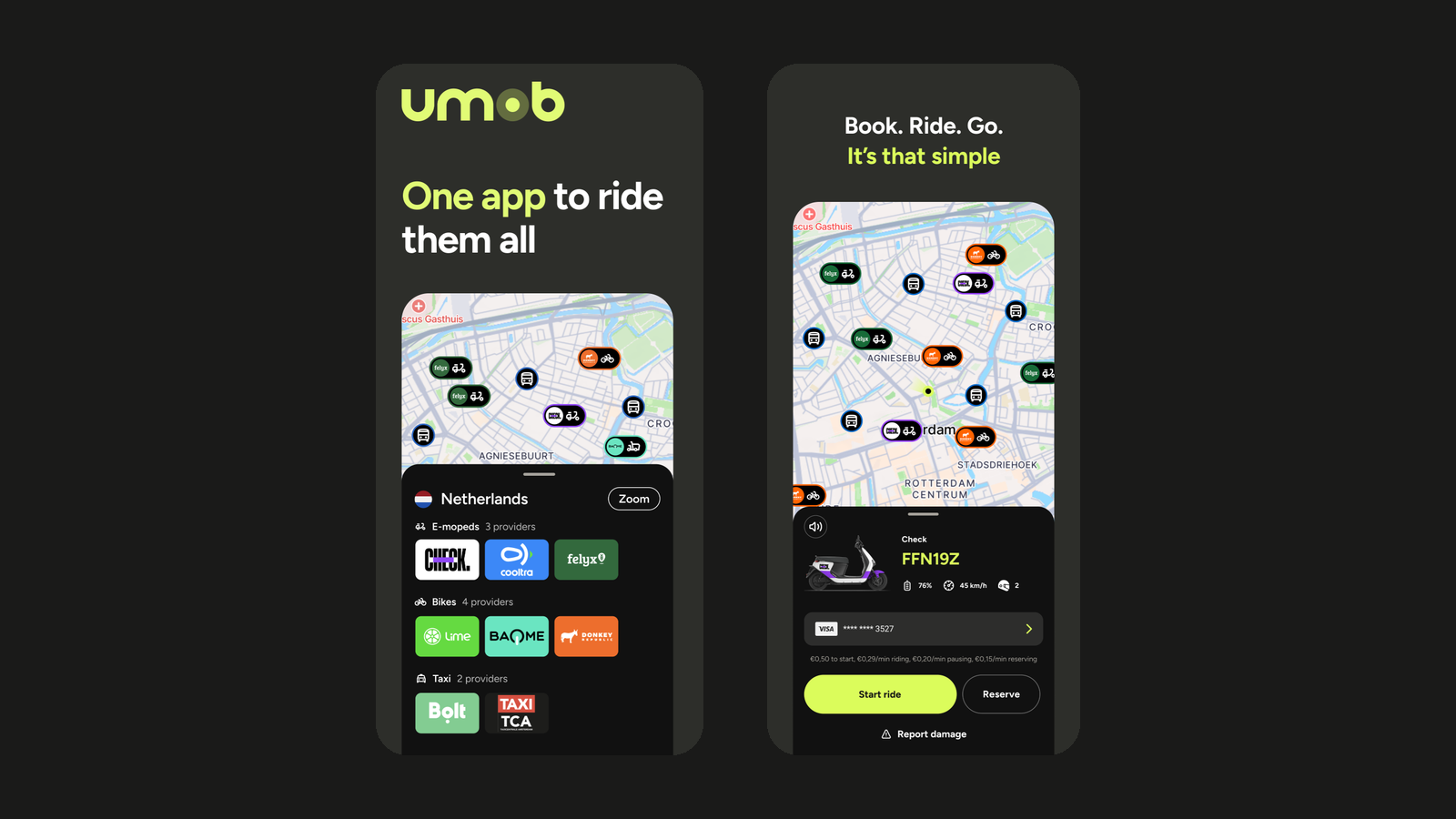
🌍 يمكنك الوصول إلى المزيد من الركاب مع ATOM Mobility وUmob. يمنح هذا التكامل مشغلي التنقل المشترك قناة توزيع إضافية، مما يساعد في جذب عملاء جدد، وزيادة الحجوزات، وتحسين معدلات استخدام الأسطول.
مستقبل التنقل لا يقتصر فقط على تشغيل المركبات، بل يتعلق بابتكار رحلات مريحة تجمع بين خيارات النقل المختلفة في تجربة مستخدم واحدة بسيطة.
ولهذا السبب يسعدنا تسليط الضوء على شراكتنا مع Umob، مما يساعد مشغلي التنقل على توسيع نطاق وصولهم وأن يصبحوا جزءاً من منظومة تنقل متعددة الوسائط متنامية.
سواء كنت تدير سيارات أو سكوترات أو دراجات هوائية أو دراجات نارية مشتركة عبر منصة ATOM Mobility، فإن التكامل مع Umob يجعل خدمتك متاحة لـ آلاف مستخدمي Umob الباحثين عن وسيلة تنقل مريحة.
يتوقع مستخدمو اليوم مرونة عالية؛ فهم لا يفكرون في مزودي خدمات التنقل بشكل منفصل، بل يريدون ببساطة أسرع وأسهل وأكثر الطرق ملاءمة للانتقال من النقطة (أ) إلى النقطة (ب).
تجمع Umob بين مختلف مزودي خدمات التنقل وخيارات النقل في تطبيق واحد. يمكن للمستخدمين العثور على خيارات التنقل المختلفة ومقارنتها وحجزها والدفع مقابلها دون الحاجة إلى تنزيل تطبيق منفصل أو إنشاء حساب جديد لكل مزود خدمة.
من خلال ربط أسطولك بـ Umob، يمكن للمشغلين:
بالنسبة لعملاء ATOM Mobility، صُمم هذا التكامل لتوفير طريقة مباشرة لفتح فرص توزيع جديدة مع الاستمرار في إدارة عملياتهم الأساسية من خلال منصة ATOM Mobility.
من خلال منصة ATOM Mobility، يمكن للمشغلين المشاركين ربط أساطيلهم بـ Umob، مما يتيح للمستخدمين اكتشاف المركبات المتاحة واستخدامها مباشرة عبر تطبيق Umob.
بمجرد الربط، ستظهر مركبات المشغلين المشاركين في Umob إلى جانب خيارات التنقل الأخرى المتاحة، مما يمنح المستخدمين نظرة عامة واضحة على الطرق المختلفة التي يمكنهم من خلالها الانتقال من النقطة (أ) إلى النقطة (ب).
يمكن للمستخدمين العثور على مركبة متاحة، وحجزها وفتح قفلها، وبدء رحلتهم وإنهائها، والدفع مباشرة من خلال تطبيق Umob.
صُمم هذا التكامل لدعم:
يواصل المشغلون إدارة أساطيلهم، وتسعيرهم، ومناطق الخدمة، والعمليات اليومية من خلال منصة ATOM Mobility، بينما توفر Umob قناة إضافية يمكن للمستخدمين من خلالها العثور على المركبات والوصول إليها.
بالنسبة لمشغلي التنقل، يتيح الربط مع Umob قناة توزيع إضافية دون تغيير الطريقة التي يديرون بها عملياتهم اليومية عبر ATOM Mobility.
من خلال إتاحة المركبات لآلاف مستخدمي Umob، يمكن للمشغلين زيادة ظهورهم في اللحظة التي يبحث فيها الأشخاص بنشاط عن وسيلة تنقل. وهذا يخلق إمكانية لجذب مستخدمين جدد، وتحقيق المزيد من الحجوزات، وتحسين معدل استخدام الأسطول بمرور الوقت.
يختلف كل سوق عن الآخر، لكن العديد من المشغلين يرون في شراكات "التنقل كخدمة" (MaaS) جزءاً مهماً من استراتيجية نموهم طويلة الأمد.
أحد أوائل مشغلي ATOM Mobility الذين انطلقوا من خلال تكامل Umob هو ZEUS Mobility، وهو مزود أوروبي طموح لخدمات مشاركة السكوتر الكهربائي، يركز بقوة على الابتكار، ويتبنى نهجاً ديناميكياً، ويسعى لمنافسة اللاعبين الراسخين في السوق.
ومن المناسب أن الشراكة بحد ذاتها بدأت من خلال شبكة ATOM Mobility.
التقت ZEUS وUmob لأول مرة في فعالية ATOM Mobility في ريغا. وعلى الرغم من أن التعارف الأولي حدث أثناء الفعالية، إلا أن المحادثة الجدية بدأت فعلياً خلال جلسة غير رسمية في وقت لاحق من ذلك المساء.
كانت ZEUS قد صادفت علامة Umob التجارية على مركبات التنقل أثناء السفر، وقد أُعجبت بالنهج المهني الذي تتبعه الشركة. وسرعان ما تحول ذلك التعرف إلى محادثة حول كيفية تعزيز الشركتين لعروضهما من خلال العمل معاً.
ومن هناك، تقدمت عملية التكامل بسرعة. وتصف ZEUS عملية الإعداد والتكامل حتى الآن بأنها "نظيفة واحترافية وسلسة."
بالنسبة لشركة ZEUS، تمثل هذه الشراكة فرصة لتعزيز حضور علامتها التجارية، والوصول إلى عملاء جدد، ودعم طموحاتها التوسعية في أوروبا.
عقب استحواذها على Superpedestrian في مايو 2026، تتطلع ZEUS إلى تسريع وتيرة نموها خلال عامي 2026 و2027، وتعد شراكتها مع Umob جزءاً من هذا الطموح.
"نحن في ZEUS سعداء للغاية بالشراكة مع Umob في الأسواق الأوروبية. فبعد استحواذنا على Superpedestrian في مايو 2026، نسعى في ZEUS إلى تحقيق نمو سريع خلال عامي 2026 و2027. ستساعدنا هذه الشراكة في دفع عجلة هذا النمو والوصول إلى عملاء جدد في أسواق جديدة. نتطلع إلى شراكة مثمرة." - داميان يونغ، ZEUS Mobility
تطبيق واحد لكل تنقلاتك. Umob هي منصة تنقل شاملة تجمع بين مختلف مزودي خدمات التنقل وخيارات النقل في تطبيق واحد.
يمكن للمستخدمين العثور على الدراجات المشتركة، والدراجات الكهربائية، والسكوتر، والدراجات النارية، ووسائل النقل العام، وسيارات الأجرة، وغيرها من خيارات التنقل المتاحة، ومقارنتها وحجزها والدفع مقابلها من خلال حساب واحد وتجربة دفع موحدة. فبدلاً من تنزيل تطبيق منفصل والتسجيل فيه لكل مزود خدمة أو في كل مدينة جديدة، يمكن للمستخدمين فتح تطبيق Umob والاطلاع على خيارات التنقل المتاحة من حولهم.
تتوفر Umob اليوم في أكثر من 28 دولة و300 مدينة، مما يتيح لآلاف المستخدمين طريقة أسهل للوصول إلى مختلف وسائل التنقل سواء في مدنهم أو أثناء السفر.
حقائق رئيسية
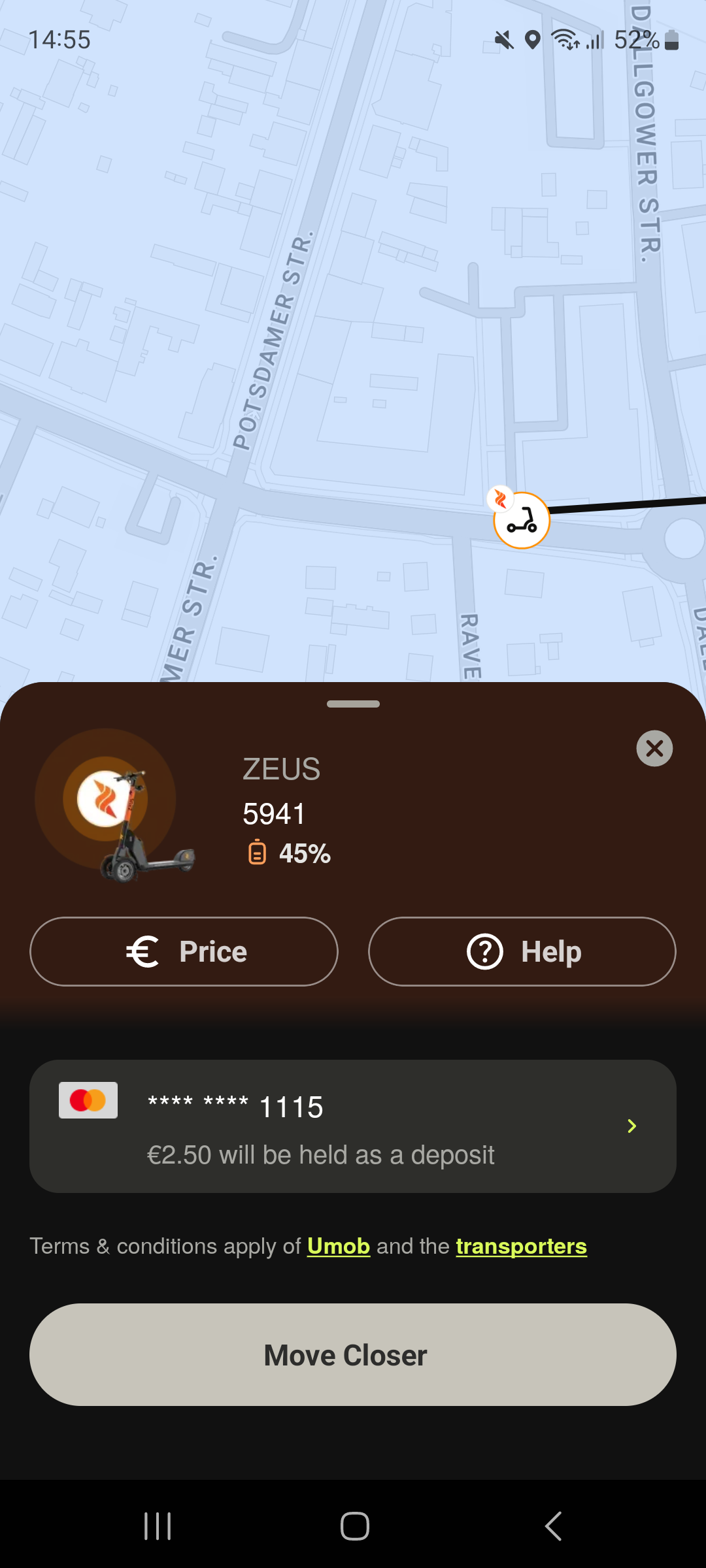
إذا كنت تدير بالفعل خدمة التنقل المشترك الخاصة بك على منصة ATOM Mobility، فإن الربط مع Umob قد يكون الخطوة التالية نحو الوصول إلى المزيد من المستخدمين وأن تصبح جزءاً من منظومة تنقل مترابطة حقاً.
إذا كنت مهتماً بتفعيل هذا التكامل أو معرفة المزيد حول كيفية عمله، تواصل مع فريقنا. نحن نتطلع إلى مساعدة المزيد من المشغلين على التواصل والتعاون وجعل التنقل المستدام أسهل للجميع.
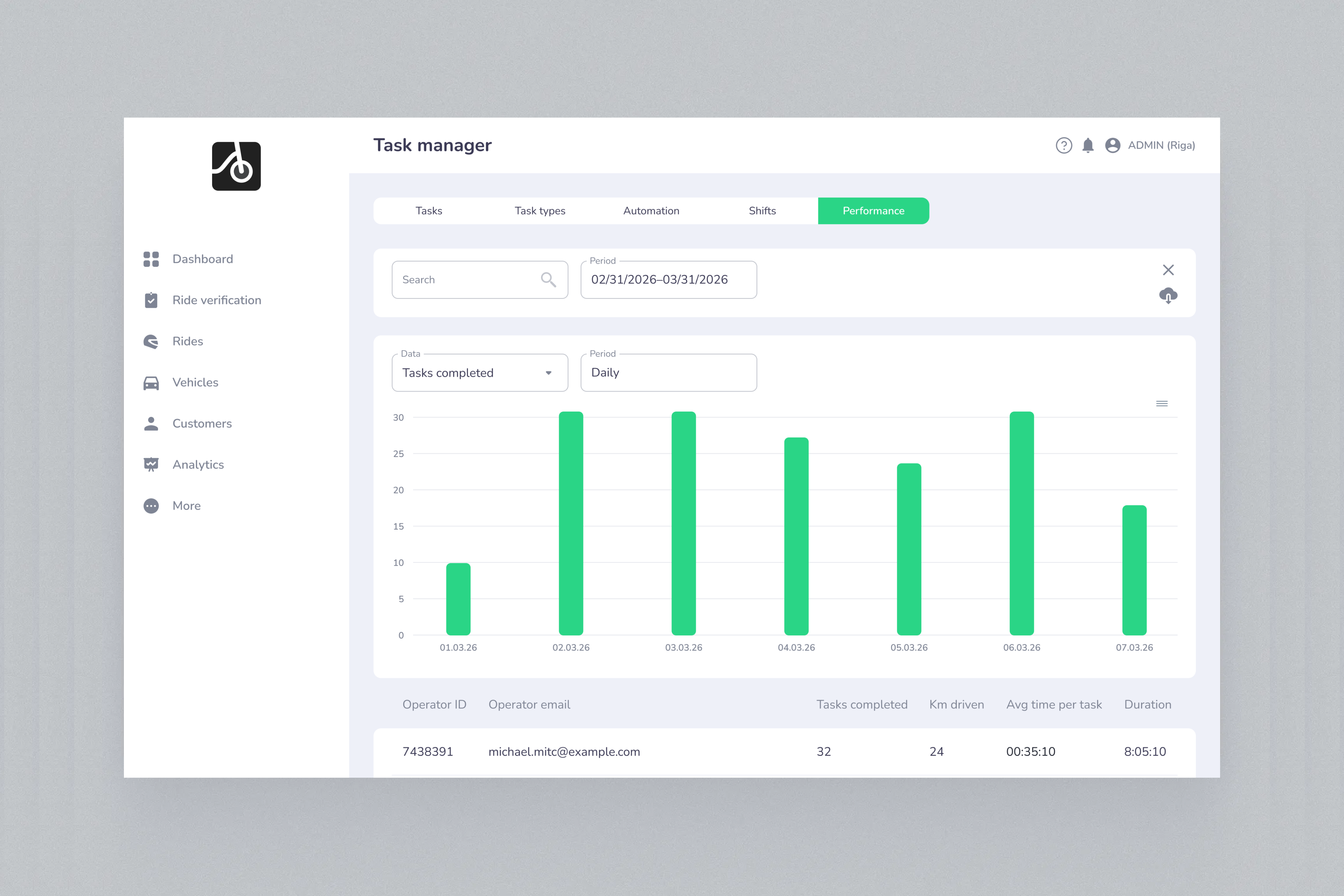
👷📊 يتجاوز مدير مهام ATOM الآن مجرد توزيع المهام بفضل وظائف الورديات وأداء المشغلين الجديدة. تتبع مسارات الورديات، والمسافة المقطوعة، والمهام المنجزة، والوقت المستغرق لكل مهمة، وأداء كل مشغل على حدة، مما يمنح مديري الأساطيل رؤية أوضح بكثير للعمليات الميدانية ومستوى الكفاءة.
لا تقتصر إدارة أسطول كبير للتنقل المشترك أو التأجير على معرفة المهام التي تم إنجازهافحسب، بل تتعلق أيضاً بفهم مدى كفاءة عمل الفرق الميدانية. لقد قمنا بتوسيع مدير مهام ATOM Mobility بشكل كبير بإضافة وظائف الورديات والأداء، مما يمنح مديري الأساطيل رؤية أفضل بكثير لنشاط المشغلين، وعبء العمل، والمسارات، ومستوى الأداء.
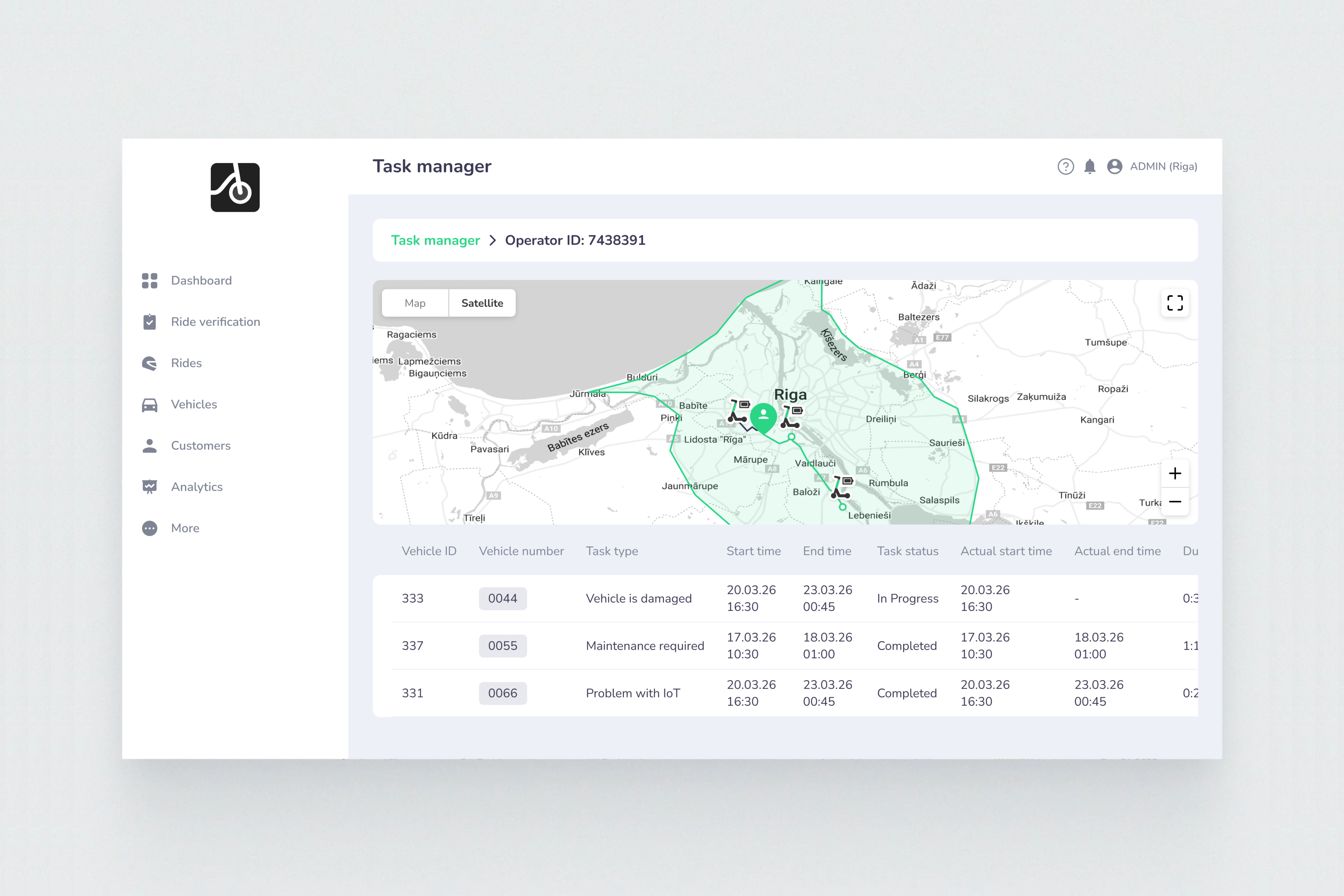
تمنحك علامة التبويب الورديات الجديدة للمديرين نظرة عامة مركزية على جميع ورديات المشغلين، بما في ذلك:
يمكن للمديرين فتح أي وردية فردية للاطلاع على الصورة التشغيلية الكاملة. فلكل مهمة، يمكنك رؤية المركبة، ونوع المهمة، ووقت البدء المخطط له والموعد النهائي، وأوقات البدء والانتهاء الفعلية، والحالة، والمدة الإجمالية للمهمة.
تتضمن كل وردية أيضاً خريطة توضح حركة المشغل الكاملة أثناء الوردية والمواقع التي تم تنفيذ المهام الفردية فيهابالنسبة للنوبات الجارية حالياً، يمكن للمديرين أيضاً الاطلاع على الموقع الحالي للمشغل.
وهذا يسهل كثيراً فهم المسار الفعلي، وحجم العمل، والقرارات المتخذة خلال كل نوبة، بالإضافة إلى تحديد فرص تحسين كيفية إدارة فرق العمل الميدانية لصيانة الأسطول وعملياته.
علامة التبويب الأداء الجديدة تجمع النتائج التشغيلية لكل مشغل خلال فترة زمنية محددة.
يمكن للمديرين تتبع:
بدلاً من مراجعة مئات المهام الفردية، يمكن للمديرين مقارنة المشغلين بسرعة، وتحديد أصحاب الأداء المتميز، ورصد المجالات التي قد تحتاج إلى تدريب إضافي أو تحسينات تشغيلية.
لجعل بيانات الأداء دقيقة ومفيدة، قدمنا أيضاً سير عمل جديد للنوبات والمهام في تطبيق ATOM للمشغلين. يبدأ المشغلون الآن نوبات عملهم وينهونها مباشرة من خلال التطبيق، بينما يتم تسجيل أوقات بدء المهام الفردية وإتمامها تلقائياً.
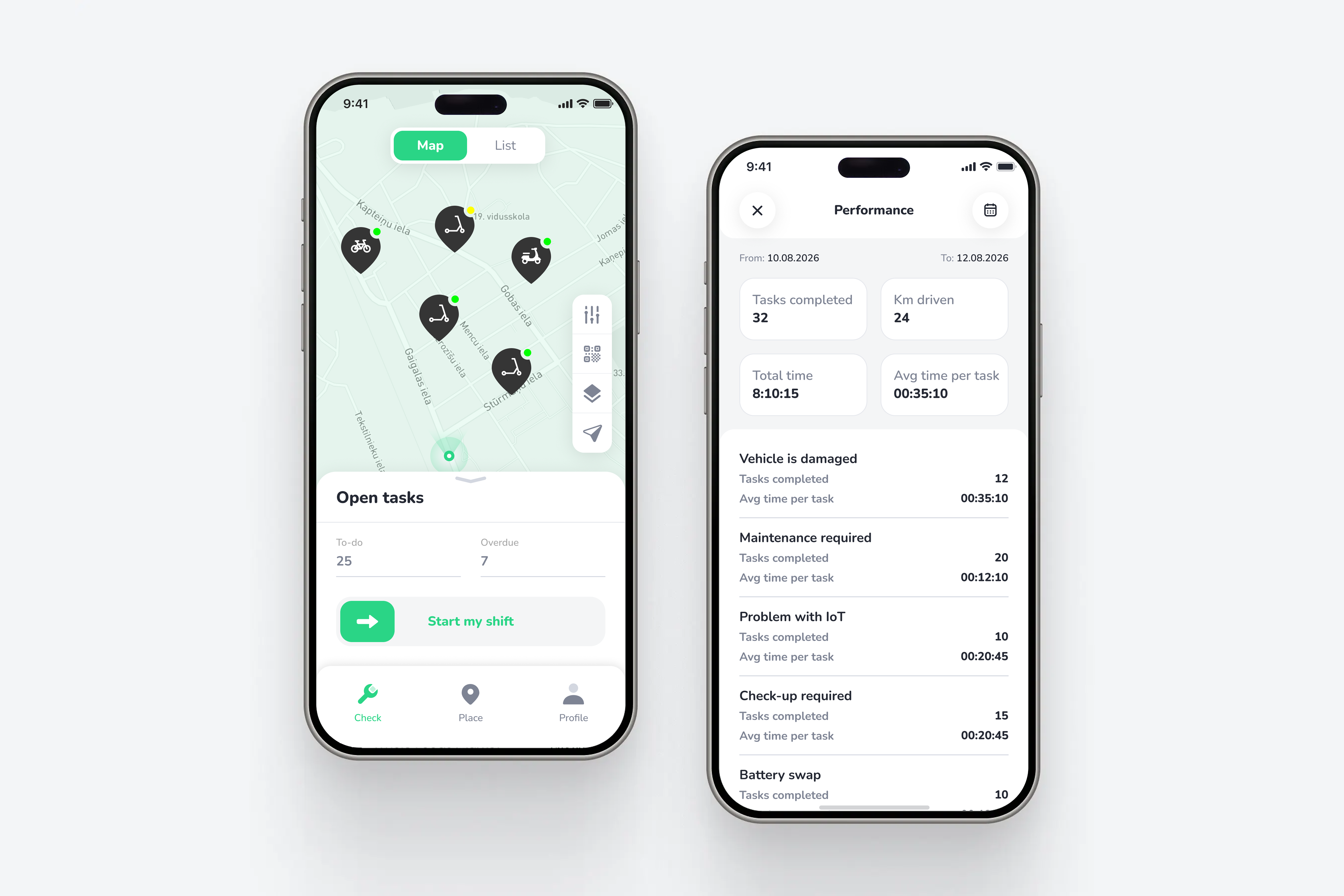
لقد أضفنا أيضاً:
معاً، تحول هذه التحديثات ATOM Task Manager من مجرد أداة لتوزيع المهام إلى نظام أكثر تكاملاً لأداء وتحسين العمليات الميدانية. يحصل المشغلون على سير عمل أوضح ورؤية أفضل لأدائهم الشخصي، بينما يحصل المديرون على البيانات التي يحتاجونها لفهم كيفية سير عملياتهم الميدانية فعلياً وتحديد مجالات تحسين الكفاءة.
الوظائف الجديدة متاحة لوحدات مشاركة المركبات و التأجير الرقمي في ATOM Mobility.
👉 اقرأ المزيد عن آخر تحديثات منصتنا:
https://www.atommobility.com/atomupdates
استخدم بيانات اعتماد الاختبار لتسجيل الدخول - رقم الهاتف: +1 123123123، الكود: 777777


بيانات اعتماد الإصدار التجريبي من تطبيق Driver - البريد الإلكتروني: test@atom.com، كلمة المرور: برنامج التشغيل