أصبح إعداد الفواتير في أعمال التنقل الصغير أمرًا بسيطًا الآن
20/12/2021
الحد الأدنى للقراءة


إن القيام بأعمال التنقل الصغير يعني القيام بأعمال تجارية مع مئات الآلاف من العملاء. من ناحية أخرى، فإن التوسع في أسواق جديدة يعني أن عملك يجب أن يتوافق مع الكثير من اللوائح المختلفة. وهذا ليس فقط من حيث التنقل الجزئي، ولكن أيضًا، على سبيل المثال، المحاسبة. ومع ذلك، قد لا يكون هذا معقدًا كما يبدو بشرط أن تختار الشريك المناسب. و فواتير الفضاء يمكن أن يكون الشريك الذي يجب اختياره عند التفكير في الفواتير المركزية.
»نشاطنا التجاري ليس مثيرًا في حد ذاته ونفهم أن الفواتير لن تكون أبدًا مثيرة للاهتمام. ومع ذلك، نحن مهتمون بابتكار حلول مفيدة لعملائنا. كلما قل اهتمامك بالفواتير، كلما قمنا بعملنا بشكل أفضل،«يقول الرئيس التنفيذي لشركة Space Invoices، بوستيان بيسلر. من خلال حل API الخاص بها، تساعد الشركة المطورين على التركيز على بناء البرامج بدلاً من التعامل مع الحسابات المالية وتشريعات الفواتير.
لدى Space Invoices نهجين لنموذج أعمالها. عندما يكون العميل شركة متعددة المستأجرين، تتقاضى الشركة رسومًا لكل عميل. ومع ذلك، إذا كان لدى العميل حجم كبير من الفواتير التي يتم إصدارها شهريًا، فسيتم إضافة رسوم بسيطة لكل فاتورة يتم إنشاؤها. يقول Boštjan أنه على الرغم من أن الشركة تعمل مع عدد صغير من العملاء، إلا أن خدمتها تستخدم بالفعل من قبل حوالي 8000 شركة في جميع أنحاء أوروبا وأستراليا. كما تخطط لإطلاقها في البرازيل والمكسيك في المستقبل القريب، بالإضافة إلى إضافة دعم لدول أمريكا الشمالية. يمكن إرسال المستندات حاليًا بـ 14 لغة مختلفة. »بصفتنا مزودًا للبرامج، نحتاج إلى التأكد أثناء ممارسة الأعمال التجارية في جميع تلك البلدان المختلفة من أننا نرسل أيضًا الفواتير إلى الحكومة إذا لزم الأمر. ومن المهم للشركات التي تعمل في هذه البلدان أن يكون لديها مزود خدمة يلبي جميع المتطلبات الحكومية.«وفقًا لبوشتيان، «نحن نفعل ذلك».
ينشئ واجهة برمجة تطبيقات تصبح نشاطًا تجاريًا ناجحًا
قامت Bostjan بتطوير واستخدام برنامج الفواتير الكلاسيكي عبر الإنترنت في السوق المحلية. هذا هو المكان الذي تأتي منه فكرة Space Invoices. يبدو أن هناك حاجة إلى واجهة برمجة تطبيقات الفواتير سهلة الدمج. استخدمت وكالة التطوير في Bostjan الكثير من واجهات برمجة التطبيقات المختلفة لأجزاء مختلفة من البرنامج الذي كانت تقوم ببنائه للعملاء،»لقد تمكنا من إنشاء واجهة برمجة تطبيقات فواتير جيدة حقًا للمطورين. لقد توصلت إلى فكرة إنشاء Space Invoices التي يمكن أن تكون حلاً، حيث توجد واجهة برمجة تطبيقات حالية ويمكن للمطورين تنفيذها على البرنامج لإنشاء الفواتير بسهولة باستخدام سطرين من التعليمات البرمجية. لدينا الآن نوع من النهج متعدد المستأجرين لواجهة برمجة التطبيقات. إذا قمت بمقارنة ذلك بالحلول التقليدية، والتي غالبًا ما تضيف واجهة برمجة التطبيقات إلى وظيفة الفواتير، فإننا نعيد بناء النظام بأكمله لدعم نهج متعدد المستأجرين مع وضع نهج API أولاً والمطورين في الاعتبار.»
هذه هي الطريقة التي يستخدم بها ATOM النظام أيضًا. إنه أمر بسيط لمستخدمي خدمة التنقل الصغير لأنهم يحتاجون فقط إلى توفير البيانات الأولية. بعد ذلك، يمكن لـ ATOM إنشاء حسابات تلقائيًا وربطها بالشركات. يتم أيضًا إنشاء الفواتير تلقائيًا. ومن ثم يعود الأمر إلى مزود الخدمة ليقرر كيف وفي أي مرحلة سيعالج الفواتير.
لوحة التحكم والميزات الإضافية
ما الذي يراه المستخدم النهائي على لوحة القيادة داخل النظام؟ يعتمد ذلك على كمية البيانات التي ترغب الشركة في إتاحتها. »لدينا عملاء لا يعرضون أي شيء من خلال لوحات المعلومات. ولكن في حالة ATOM، لدينا تنفيذ أكثر تعقيدًا. يقوم المستخدم النهائي بشكل أساسي بمشاهدة الفواتير الصادرة. تتوفر كل فاتورة أيضًا بشكل فردي بحيث يسهل معرفة السعر والخدمة وما إلى ذلك، ومن الممكن تنزيل نسخة أخرى من كل ملف pdf،«يكشف Boštjan قبل أن يضيف أن هناك الكثير من الخيارات المختلفة المتاحة. في هذه الحالة، يقوم نظام ATOM بتشغيل الوظيفة، ثم تقوم واجهة برمجة تطبيقات Space Invoices بمعالجة البيانات المتبقية.
في هذه الحالة، تتم تغطية تنفيذ بوابة الدفع بواسطة ATOM. تتم معالجة المدفوعات قبل الفاتورة في التطبيق. في حالة استرداد الأموال، يعود الأمر أيضًا إلى ATOM لتحديد ما إذا كانت هناك حاجة لإصدار فاتورة إشعار ائتمان. لذلك يتم تشغيل هذا أيضًا. تعمل Space Invoices حاليًا على حل يجعل من الممكن قبول المدفوعات عبر الفاتورة - إذا اختار العميل عدم دفع الفاتورة مباشرةً، فسيتلقى لاحقًا نموذجًا يمكّنه من الدفع عبر الإنترنت من خلال الفاتورة.
تستخدم ATOM نظام Space Invoices لإرسال المستندات إلى عملائها. »المرسل هو عنواننا، ولكن عنوان البريد الإلكتروني للردود هو العنوان الذي أشار إليه ATOM. لدينا قوالب متعددة أو ملفات PDF للاختيار من بينها. يمكن تحريرها حسب اللون والشعار وما إلى ذلك، ويمكن تخصيص تجربة التصميم بأكملها بالكامل«، يقول بوشتيان. تستخدم فواتير الفضاء Sendgrid لرسائل البريد الإلكتروني. يوضح Boštjan أن لديهم درجة مرسل بنسبة 99٪. علاوة على ذلك، فإن إرسال الفواتير لا يضر بخدمتهم. في معظم الأحيان، يكون المحتوى بسيطًا وبالتأكيد ليس ترويجيًا، لأنه يحتوي فقط على ملف pdf. لا تحتوي Space Invoices على أي تقارير عن البريد العشوائي، لأن العملاء لا يبلغون أبدًا عن الفاتورة كرسائل غير مرغوب فيها.
حلول خاصة بكل بلد
تتطلب معظم البلدان الفواتير على الرغم من أن الوضع قد يختلف من بلد إلى آخر. في كندا والولايات المتحدة، على سبيل المثال، تكون متطلبات الفواتير أقل صرامة قليلاً ولا تعتبر الفاتورة مستندًا مهمًا كما هو الحال في أمريكا الجنوبية وأوروبا. لذلك في بعض الأحيان يجب أن تظهر عبارات محددة على الفاتورة حتى يتمكن المستلم من جعل هذا المستند صالحًا. عند تطبيق ضريبة القيمة المضافة، من المهم أن تتمكن الشركة المتلقية من استنتاج ضريبة القيمة المضافة بشكل صحيح. تقوم Space Invoices أيضًا بالتخصيص فيما يتعلق بتقديم التقارير إلى الحكومات. »ما زلنا نعمل على ذلك ونضيف دائمًا خيارات إضافية. وبشكل عام، ليس لدينا الكثير من العملاء، لذا من الممكن التعاون الوثيق جنبًا إلى جنب مع نهج فردي لحل التحديات المختلفة،«يشرح بوشتيان.
تحدث إلى فريق ATOM Mobility لتفعيل الفواتير عبر الإنترنت لعملياتك: support@atommobility.com
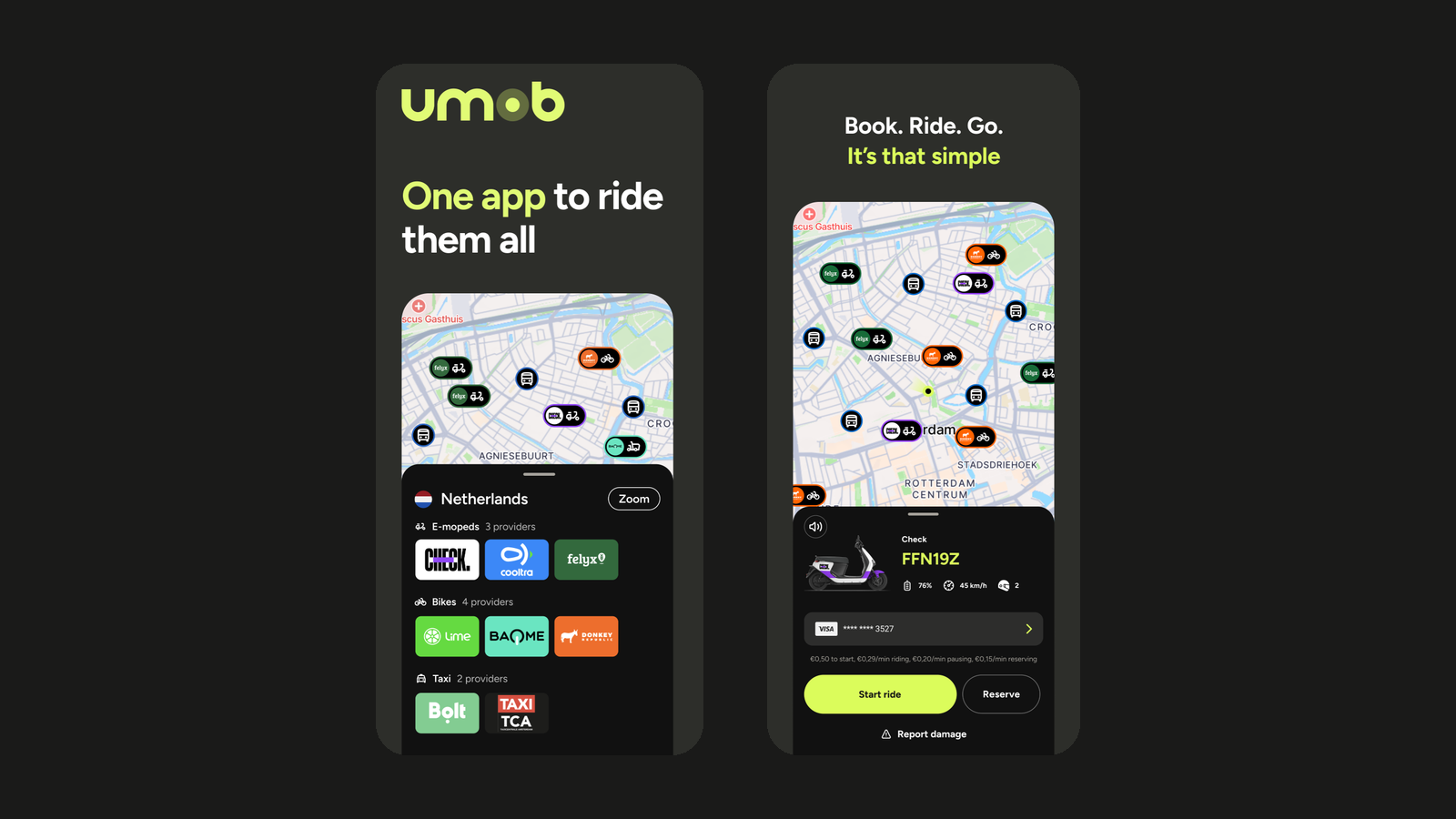
🌍 يمكنك الوصول إلى المزيد من الركاب مع ATOM Mobility وUmob. يمنح هذا التكامل مشغلي التنقل المشترك قناة توزيع إضافية، مما يساعد في جذب عملاء جدد، وزيادة الحجوزات، وتحسين معدلات استخدام الأسطول.
مستقبل التنقل لا يقتصر فقط على تشغيل المركبات، بل يتعلق بابتكار رحلات مريحة تجمع بين خيارات النقل المختلفة في تجربة مستخدم واحدة بسيطة.
ولهذا السبب يسعدنا تسليط الضوء على شراكتنا مع Umob، مما يساعد مشغلي التنقل على توسيع نطاق وصولهم وأن يصبحوا جزءاً من منظومة تنقل متعددة الوسائط متنامية.
سواء كنت تدير سيارات أو سكوترات أو دراجات هوائية أو دراجات نارية مشتركة عبر منصة ATOM Mobility، فإن التكامل مع Umob يجعل خدمتك متاحة لـ آلاف مستخدمي Umob الباحثين عن وسيلة تنقل مريحة.
يتوقع مستخدمو اليوم مرونة عالية؛ فهم لا يفكرون في مزودي خدمات التنقل بشكل منفصل، بل يريدون ببساطة أسرع وأسهل وأكثر الطرق ملاءمة للانتقال من النقطة (أ) إلى النقطة (ب).
تجمع Umob بين مختلف مزودي خدمات التنقل وخيارات النقل في تطبيق واحد. يمكن للمستخدمين العثور على خيارات التنقل المختلفة ومقارنتها وحجزها والدفع مقابلها دون الحاجة إلى تنزيل تطبيق منفصل أو إنشاء حساب جديد لكل مزود خدمة.
من خلال ربط أسطولك بـ Umob، يمكن للمشغلين:
بالنسبة لعملاء ATOM Mobility، صُمم هذا التكامل لتوفير طريقة مباشرة لفتح فرص توزيع جديدة مع الاستمرار في إدارة عملياتهم الأساسية من خلال منصة ATOM Mobility.
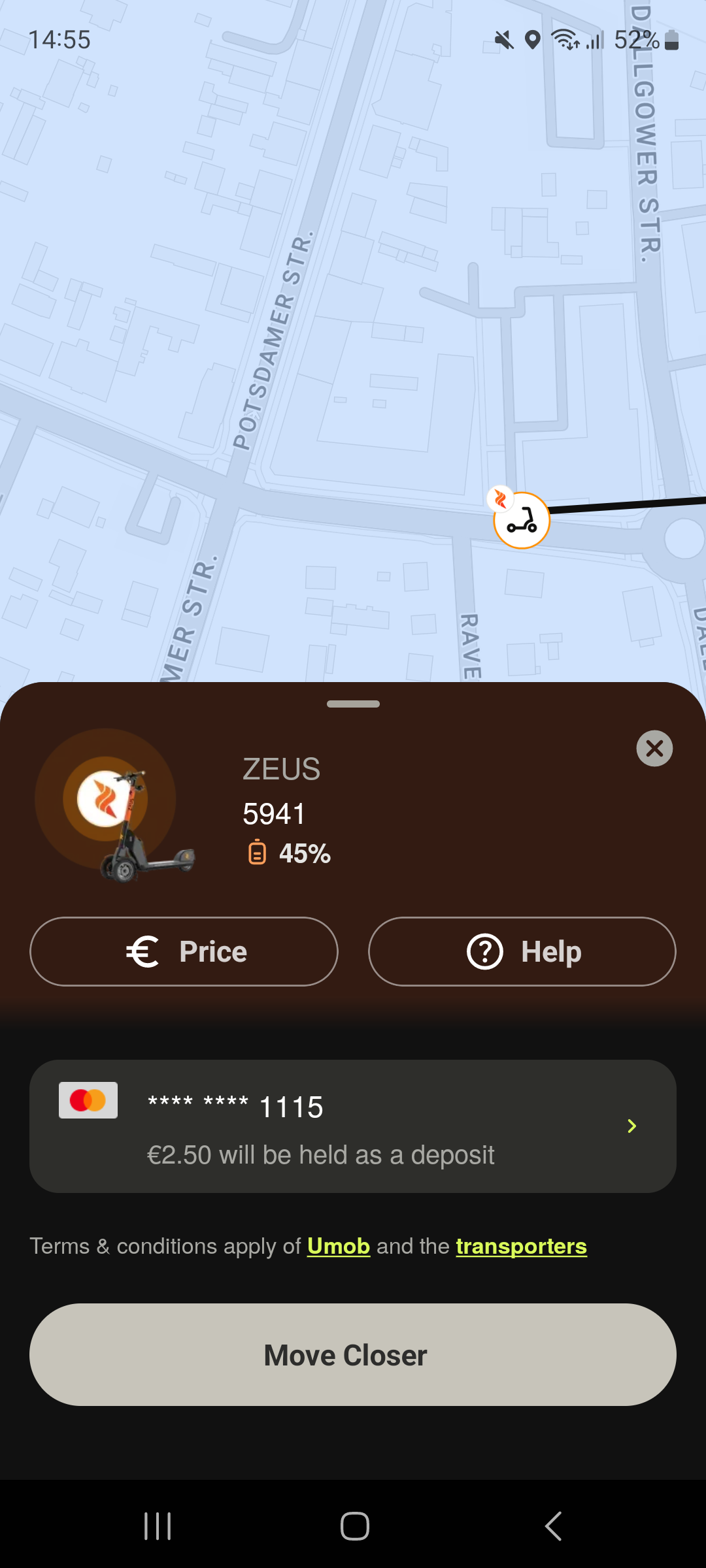
من خلال منصة ATOM Mobility، يمكن للمشغلين المشاركين ربط أساطيلهم بـ Umob، مما يتيح للمستخدمين اكتشاف المركبات المتاحة واستخدامها مباشرة عبر تطبيق Umob.
بمجرد الربط، ستظهر مركبات المشغلين المشاركين في Umob إلى جانب خيارات التنقل الأخرى المتاحة، مما يمنح المستخدمين نظرة عامة واضحة على الطرق المختلفة التي يمكنهم من خلالها الانتقال من النقطة (أ) إلى النقطة (ب).
يمكن للمستخدمين العثور على مركبة متاحة، وحجزها وفتح قفلها، وبدء رحلتهم وإنهائها، والدفع مباشرة من خلال تطبيق Umob.
صُمم هذا التكامل لدعم:
يواصل المشغلون إدارة أساطيلهم، وتسعيرهم، ومناطق الخدمة، والعمليات اليومية من خلال منصة ATOM Mobility، بينما توفر Umob قناة إضافية يمكن للمستخدمين من خلالها العثور على المركبات والوصول إليها.
بالنسبة لمشغلي التنقل، يتيح الربط مع Umob قناة توزيع إضافية دون تغيير الطريقة التي يديرون بها عملياتهم اليومية عبر ATOM Mobility.
من خلال إتاحة المركبات لآلاف مستخدمي Umob، يمكن للمشغلين زيادة ظهورهم في اللحظة التي يبحث فيها الأشخاص بنشاط عن وسيلة تنقل. وهذا يخلق إمكانية لجذب مستخدمين جدد، وتحقيق المزيد من الحجوزات، وتحسين معدل استخدام الأسطول بمرور الوقت.
يختلف كل سوق عن الآخر، لكن العديد من المشغلين يرون في شراكات "التنقل كخدمة" (MaaS) جزءاً مهماً من استراتيجية نموهم طويلة الأمد.
أحد أوائل مشغلي ATOM Mobility الذين انطلقوا من خلال تكامل Umob هو ZEUS Mobility، وهو مزود أوروبي طموح لخدمات مشاركة السكوتر الكهربائي، يركز بقوة على الابتكار، ويتبنى نهجاً ديناميكياً، ويسعى لمنافسة اللاعبين الراسخين في السوق.
ومن المناسب أن الشراكة بحد ذاتها بدأت من خلال شبكة ATOM Mobility.
التقت ZEUS وUmob لأول مرة في فعالية ATOM Mobility في ريغا. وعلى الرغم من أن التعارف الأولي حدث أثناء الفعالية، إلا أن المحادثة الجدية بدأت فعلياً خلال جلسة غير رسمية في وقت لاحق من ذلك المساء.
كانت ZEUS قد صادفت علامة Umob التجارية على مركبات التنقل أثناء السفر، وقد أُعجبت بالنهج المهني الذي تتبعه الشركة. وسرعان ما تحول ذلك التعرف إلى محادثة حول كيفية تعزيز الشركتين لعروضهما من خلال العمل معاً.
ومن هناك، تقدمت عملية التكامل بسرعة. وتصف ZEUS عملية الإعداد والتكامل حتى الآن بأنها "نظيفة واحترافية وسلسة."
بالنسبة لشركة ZEUS، تمثل هذه الشراكة فرصة لتعزيز حضور علامتها التجارية، والوصول إلى عملاء جدد، ودعم طموحاتها التوسعية في أوروبا.
عقب استحواذها على Superpedestrian في مايو 2026، تتطلع ZEUS إلى تسريع وتيرة نموها خلال عامي 2026 و2027، وتعد شراكتها مع Umob جزءاً من هذا الطموح.
"نحن في ZEUS سعداء للغاية بالشراكة مع Umob في الأسواق الأوروبية. فبعد استحواذنا على Superpedestrian في مايو 2026، نسعى في ZEUS إلى تحقيق نمو سريع خلال عامي 2026 و2027. ستساعدنا هذه الشراكة في دفع عجلة هذا النمو والوصول إلى عملاء جدد في أسواق جديدة. نتطلع إلى شراكة مثمرة." - داميان يونغ، ZEUS Mobility
تطبيق واحد لكل تنقلاتك. Umob هي منصة تنقل شاملة تجمع بين مختلف مزودي خدمات التنقل وخيارات النقل في تطبيق واحد.
يمكن للمستخدمين العثور على الدراجات المشتركة، والدراجات الكهربائية، والسكوتر، والدراجات النارية، ووسائل النقل العام، وسيارات الأجرة، وغيرها من خيارات التنقل المتاحة، ومقارنتها وحجزها والدفع مقابلها من خلال حساب واحد وتجربة دفع موحدة. فبدلاً من تنزيل تطبيق منفصل والتسجيل فيه لكل مزود خدمة أو في كل مدينة جديدة، يمكن للمستخدمين فتح تطبيق Umob والاطلاع على خيارات التنقل المتاحة من حولهم.
تتوفر Umob اليوم في أكثر من 28 دولة و300 مدينة، مما يتيح لآلاف المستخدمين طريقة أسهل للوصول إلى مختلف وسائل التنقل سواء في مدنهم أو أثناء السفر.
حقائق رئيسية
إذا كنت تدير بالفعل خدمة التنقل المشترك الخاصة بك على منصة ATOM Mobility، فإن الربط مع Umob قد يكون الخطوة التالية نحو الوصول إلى المزيد من المستخدمين وأن تصبح جزءاً من منظومة تنقل مترابطة حقاً.
إذا كنت مهتماً بتفعيل هذا التكامل أو معرفة المزيد حول كيفية عمله، تواصل مع فريقنا. نحن نتطلع إلى مساعدة المزيد من المشغلين على التواصل والتعاون وجعل التنقل المستدام أسهل للجميع.
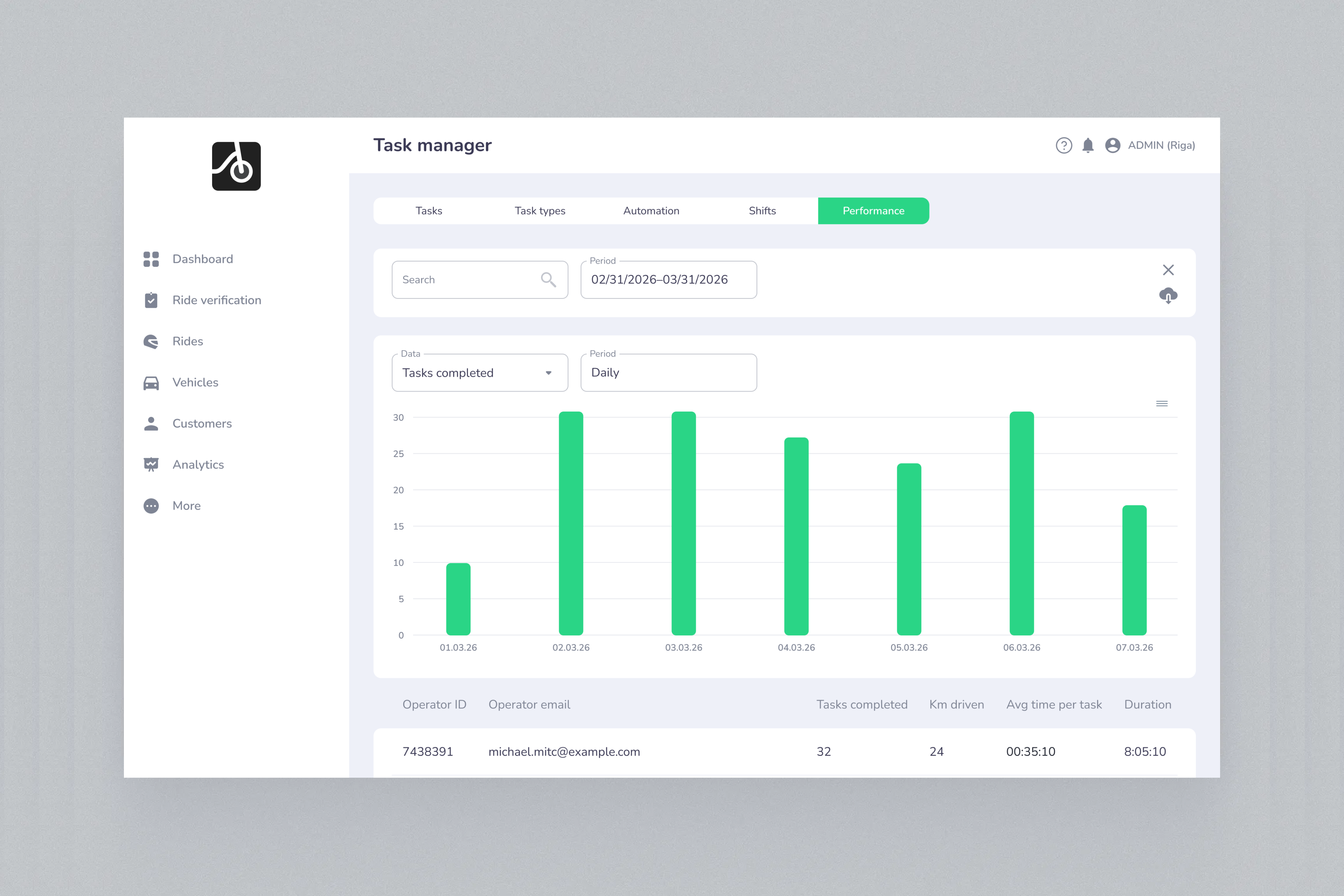
👷📊 يتجاوز مدير مهام ATOM الآن مجرد توزيع المهام بفضل وظائف الورديات وأداء المشغلين الجديدة. تتبع مسارات الورديات، والمسافة المقطوعة، والمهام المنجزة، والوقت المستغرق لكل مهمة، وأداء كل مشغل على حدة، مما يمنح مديري الأساطيل رؤية أوضح بكثير للعمليات الميدانية ومستوى الكفاءة.
لا تقتصر إدارة أسطول كبير للتنقل المشترك أو التأجير على معرفة المهام التي تم إنجازهافحسب، بل تتعلق أيضاً بفهم مدى كفاءة عمل الفرق الميدانية. لقد قمنا بتوسيع مدير مهام ATOM Mobility بشكل كبير بإضافة وظائف الورديات والأداء، مما يمنح مديري الأساطيل رؤية أفضل بكثير لنشاط المشغلين، وعبء العمل، والمسارات، ومستوى الأداء.
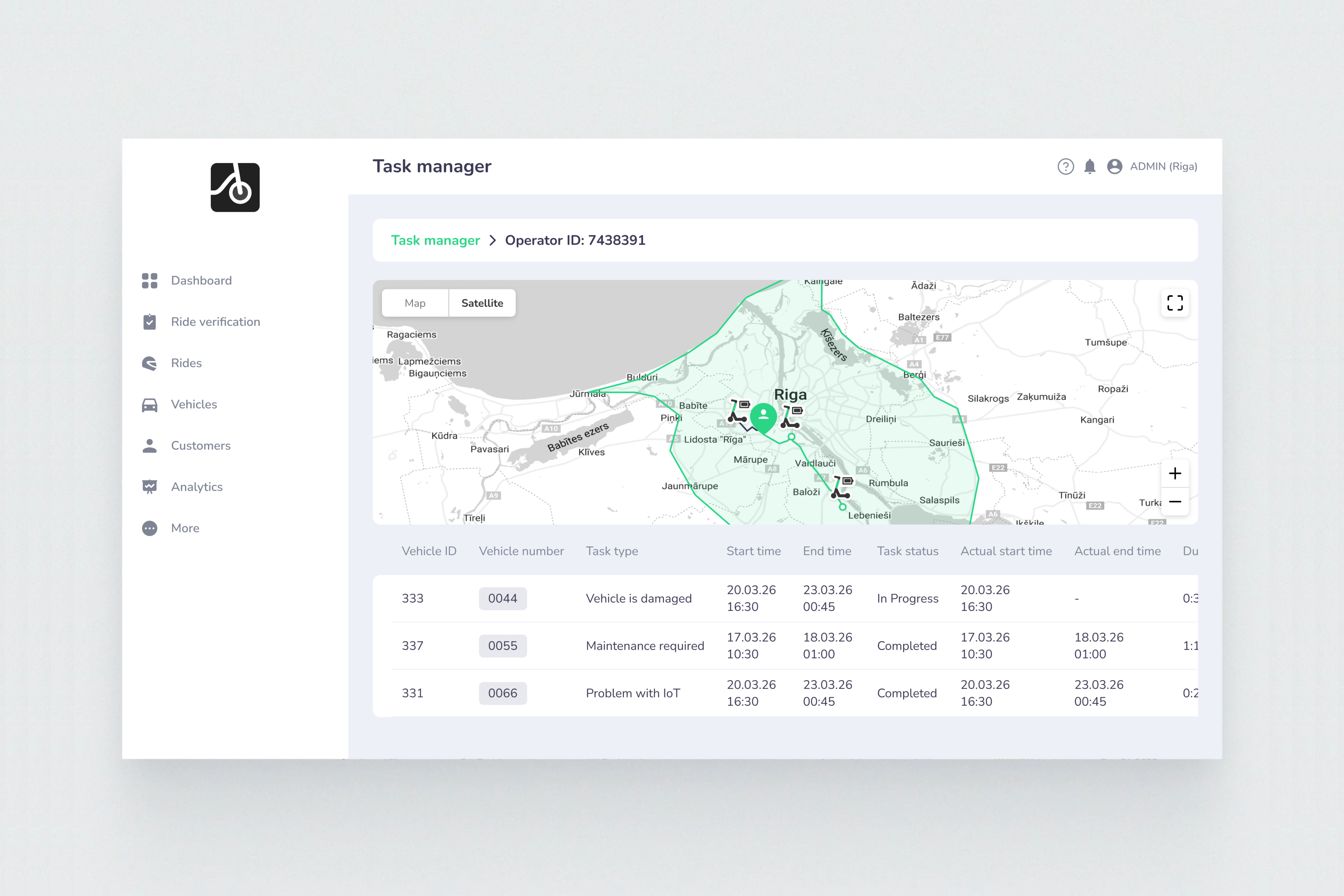
تمنحك علامة التبويب الورديات الجديدة للمديرين نظرة عامة مركزية على جميع ورديات المشغلين، بما في ذلك:
يمكن للمديرين فتح أي وردية فردية للاطلاع على الصورة التشغيلية الكاملة. فلكل مهمة، يمكنك رؤية المركبة، ونوع المهمة، ووقت البدء المخطط له والموعد النهائي، وأوقات البدء والانتهاء الفعلية، والحالة، والمدة الإجمالية للمهمة.
تتضمن كل وردية أيضاً خريطة توضح حركة المشغل الكاملة أثناء الوردية والمواقع التي تم تنفيذ المهام الفردية فيهابالنسبة للنوبات الجارية حالياً، يمكن للمديرين أيضاً الاطلاع على الموقع الحالي للمشغل.
وهذا يسهل كثيراً فهم المسار الفعلي، وحجم العمل، والقرارات المتخذة خلال كل نوبة، بالإضافة إلى تحديد فرص تحسين كيفية إدارة فرق العمل الميدانية لصيانة الأسطول وعملياته.
علامة التبويب الأداء الجديدة تجمع النتائج التشغيلية لكل مشغل خلال فترة زمنية محددة.
يمكن للمديرين تتبع:
بدلاً من مراجعة مئات المهام الفردية، يمكن للمديرين مقارنة المشغلين بسرعة، وتحديد أصحاب الأداء المتميز، ورصد المجالات التي قد تحتاج إلى تدريب إضافي أو تحسينات تشغيلية.
لجعل بيانات الأداء دقيقة ومفيدة، قدمنا أيضاً سير عمل جديد للنوبات والمهام في تطبيق ATOM للمشغلين. يبدأ المشغلون الآن نوبات عملهم وينهونها مباشرة من خلال التطبيق، بينما يتم تسجيل أوقات بدء المهام الفردية وإتمامها تلقائياً.
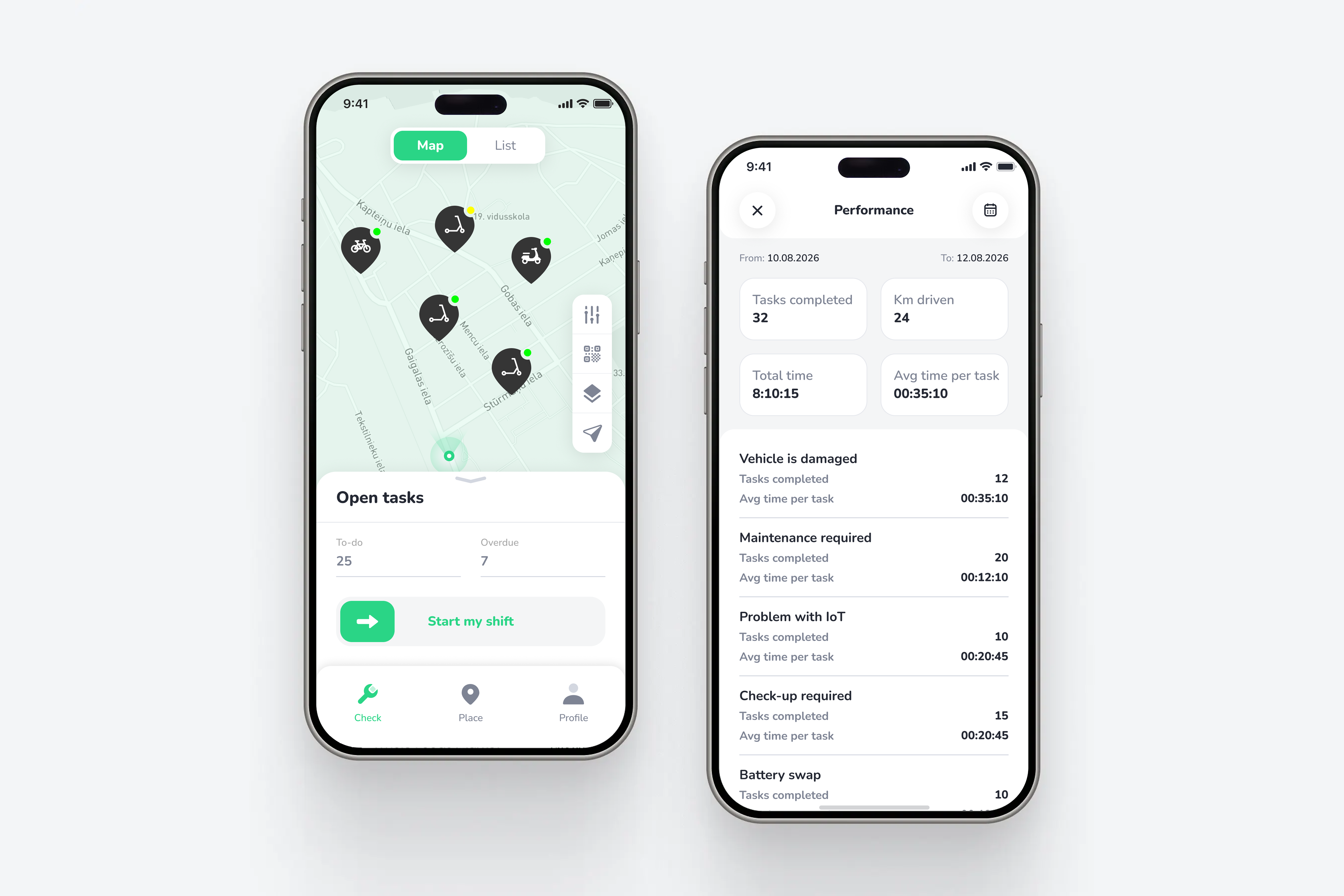
لقد أضفنا أيضاً:
معاً، تحول هذه التحديثات ATOM Task Manager من مجرد أداة لتوزيع المهام إلى نظام أكثر تكاملاً لأداء وتحسين العمليات الميدانية. يحصل المشغلون على سير عمل أوضح ورؤية أفضل لأدائهم الشخصي، بينما يحصل المديرون على البيانات التي يحتاجونها لفهم كيفية سير عملياتهم الميدانية فعلياً وتحديد مجالات تحسين الكفاءة.
الوظائف الجديدة متاحة لوحدات مشاركة المركبات و التأجير الرقمي في ATOM Mobility.
👉 اقرأ المزيد عن آخر تحديثات منصتنا:
https://www.atommobility.com/atomupdates
استخدم بيانات اعتماد الاختبار لتسجيل الدخول - رقم الهاتف: +1 123123123، الكود: 777777


بيانات اعتماد الإصدار التجريبي من تطبيق Driver - البريد الإلكتروني: test@atom.com، كلمة المرور: برنامج التشغيل