ATOM Mobility integriert Ride-Hailing-Dienste in die Software
March 23, 2022
min. Lesedauer


Beim Carsharing wird ein Fahrzeug an einem günstigen Ort abgeholt, zum Ziel gebracht und dort abgestellt, damit es von anderen Personen genutzt werden kann. Beim Ride-Hailing wird ein privater Fahrer eingesetzt, um das Ziel zu erreichen. Die einzige Ausnahme ist in diesem Fall, dass der Fahrer nicht immer ein Taxifahrer ist — es könnte die Person sein, die den Service in einem privaten Auto anbietet. Beide Dienste sind Beispiele für geteilte Mobilität. Der aktuelle Trend geht dahin, dass diejenigen, die einen auf den Markt gebracht haben, ihr Portfolio in irgendeiner Form um ein weiteres erweitern. Deshalb bewegen wir uns bei ATOM Mobility in Richtung Serviceintegration im Mikromobilitätsgeschäft.
Alles begann 2018 mit Uber, als das Unternehmen bekannt gab, dass das Bike-Sharing-Unternehmen ohne Anlegestelle Jump hatte begonnen, mit seiner Ride-Hail-App zusammenzuarbeiten. Für die Nutzer hat dieser Schritt es einfacher gemacht, die erste oder letzte Meile der Reise zu planen. Später in diesem Jahr Lyft erwarb Motivate (Citi Bike), der größte Bike-Share-Betreiber in Nordamerika, kündigte eine Investition von 100 Millionen US-Dollar in den dramatischen Ausbau von Citi Bike in New York City an, mit dem zusätzlichen Vorteil für die Nutzer, dass sie direkt über die Lyft-App auf Fahrräder zugreifen können. Ende 2020 erreichte dieser Trend Europa, als Bolt kündigte an, sich darauf vorzubereiten, 100 Millionen Euro in Elektroroller und Fahrräder zu investieren. Bolt hieß ursprünglich Taxify und wurde mit der Vision gegründet, alle Taxis in Tallinn und Riga auf einer Plattform zusammenzufassen. Später expandierte das Unternehmen auf andere Städte, konzentrierte sich jedoch zunächst nur auf Ride-Hailing.
Dieser Trend nimmt zu, da dies ein logischer nächster Schritt ist — die Synergie zwischen Ride-Hailing und Carsharing bietet Nutzern eine einfache und bequeme Möglichkeit, von A nach Punkt B zu gelangen. Für Betreiber ist dies jedoch eine perfekte Gelegenheit, ihre Dienste zu diversifizieren und ihre Position auf dem Markt zu stärken. Fahrzeugsharing ist nicht mehr nur ein Fortbewegungsmittel, das über die App bestellt wird. Es ist die Möglichkeit für Benutzer geworden, ihre Reisen zu planen. Aus Unternehmenssicht sollten Betreiber jedoch nicht die sich bietenden neuen Möglichkeiten nutzen und ihre Dienste ohne zusätzliche Finanzmittel zu früh diversifizieren. Die Markteinführung neuer Branchen sollte gut kalkuliert sein.
Diesem Trend folgend ATOM hat ein neues Produkt auf den Markt gebracht - eine Ride-Hailing- und Taxi-Plattform, die einfach in die bestehende Roller-, Fahrrad-, Moped- und Carsharing-Software integriert werden kann, die Kunden weltweit zur Verfügung steht. Die ATOM Ride-Hailing-Plattform kann auch als eigenständiges Unternehmen gegründet werden und ist nicht auf Autos oder Taxis beschränkt. Ein Ride-Hailing-Service kann von Lieferwagen, Rikschas, Booten sowie allen anderen Transportmitteln angeboten werden, die Sie sich vorstellen können. Und dies ist der schnellste Weg für potenzielle Kunden, einen neuen Markt zu erschließen oder die Idee einfach zu testen. Der von ATOM entwickelte Ansatz hilft dabei, neue Geschäftsbereiche zu niedrigen Kosten zu erschließen, und außerdem ist es einfacher, von dort aus zu skalieren. Darüber hinaus besteht eine logische Synergie zwischen Rollern, Fahrrädern, Carsharing-Nutzern und Ride-Hailing.

Software für die Ride-Hailing- und Taxibranche
Diese Entwicklung scheint ein perfekter nächster Schritt für ATOM Mobility zu sein — das Unternehmen, das sein Geschäft 2019 mit der Bereitstellung der ersten Möglichkeiten zur gemeinsamen Nutzung von Fahrzeugen in der lettischen Hauptstadt Riga begann. In der Folge konzentrierte sich ATOM Mobility auf die Softwareentwicklung und stellt nun anderen Unternehmen in mehr als 70 Städten weltweit die Software zur Verfügung, mit der sie ihre Carsharing-, Bike-, Scooter-, Gabelstapler-, Golfcart-, Boot- und andere Unternehmen betreiben können. Unsere Mission bei ATOM war es schon immer, verschiedene Arten von Unternehmen zu unterstützen und ihnen mit all dem Wissen, das wir durch unsere Kunden und uns selbst gewonnen haben, zum Erfolg zu verhelfen. Dies ist der Weg, den wir in Zukunft einschlagen werden, indem wir Trends folgen und unsere Kunden nicht zurücklassen.
Wenn Sie daran interessiert sind, Ihre eigene Ride-Hail- oder Taxi-Plattform zu starten, finden Sie hier weitere Informationen: https://ride.atommobility.com
Klicken Sie unten, um mehr zu erfahren oder eine Demo anzufordern.

The micromobility industry doesn’t need another generic mobility conference. 🚫🎤 It needs real conversations between operators who are actually in the field. ⚙️ That’s exactly what ATOM Connect 2026 is built for. 🎯🤝
The shared mobility industry is evolving rapidly. Operators are navigating scaling challenges, regulatory complexity, hardware decisions, fleet optimization, and new integration models, all while aiming for sustainable growth.
That’s exactly why ATOM Mobility is organizing ATOM Connect 2026.
Our previous edition of ATOM Connect brought together professionals from the car sharing and rental industry for focused, high-quality discussions and networking. This year, we are narrowing the focus and dedicating the entire event to one fast-moving segment of the industry: shared micromobility.
ATOM Connect 2026 is designed specifically for operators, partners, and decision-makers working in shared micromobility. It is not a broad mobility conference or a public exhibition. It is a curated space for industry professionals to exchange practical experience, insights, and lessons learned.
On May 14th, 2026 in Riga, we will once again bring the community together, this time with a clear focus on micromobility.
This year’s agenda will address the real operational and strategic questions shaping shared micromobility today:
As usual, we aim to host both local and international operators from smaller, fast-growing fleets to established large-scale players alongside hardware providers and ecosystem partners.
On stage, you’ll hear from leading shared mobility companies - including Segway on hardware partnerships, Umob on MaaS integration, Anadue on data-driven fleet intelligence, Elerent on multi-vehicle operational realities and more insightful discussions.
The goal is simple: meaningful discussions with people who understand the operational realities of the industry.
ATOM Connect is free to attend, but participation is industry-focused (each submission is manually reviewed and verified). We are intentionally keeping the audience relevant and aligned to ensure high-quality conversations and valuable networking.
If you work in shared micromobility and would like to join the event, you can find the full agenda and register here:
👉 https://www.atommobility.com/atom-connect-2026
In the coming weeks, we will be revealing more speakers and additional agenda updates. We look forward to bringing the industry together again.
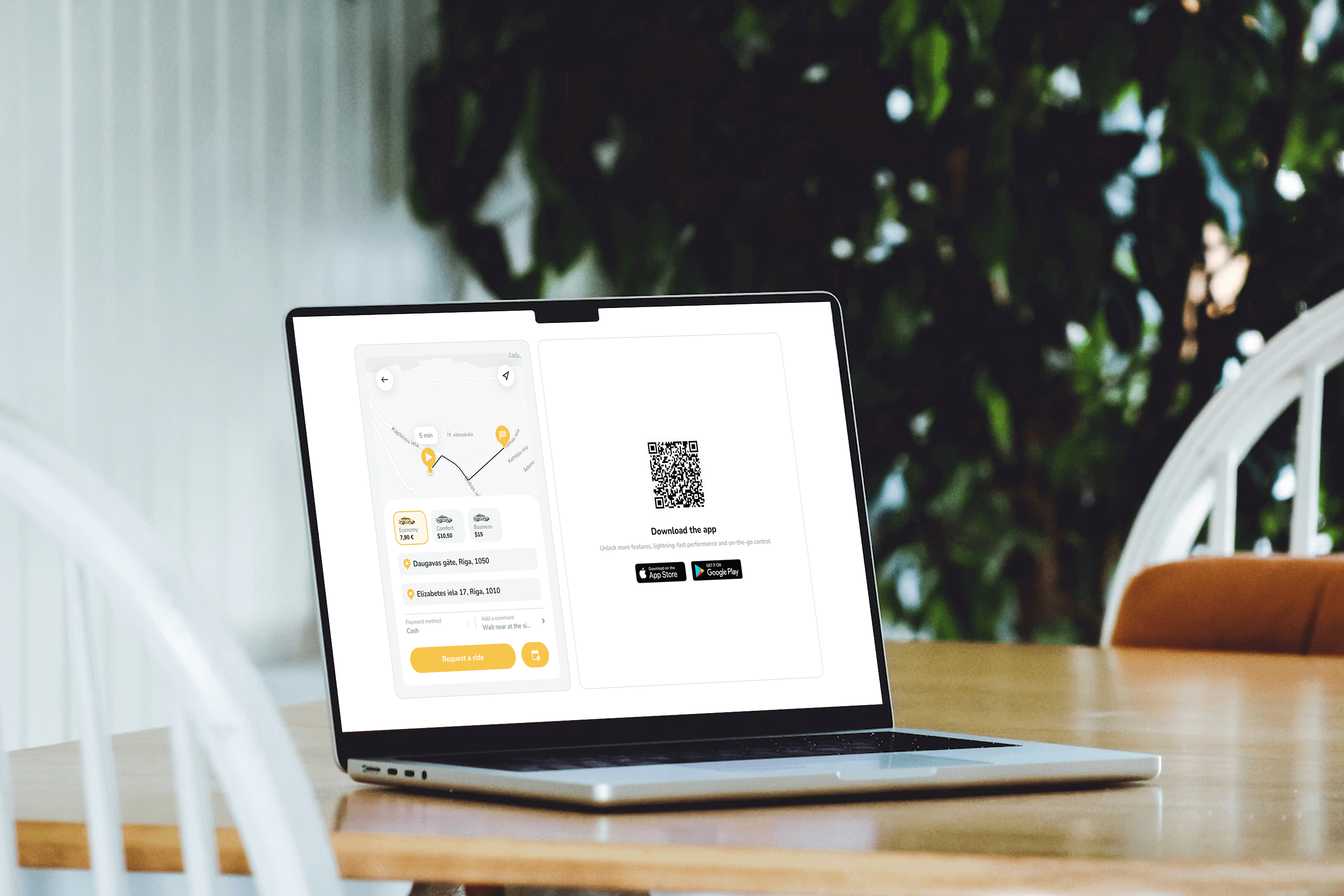
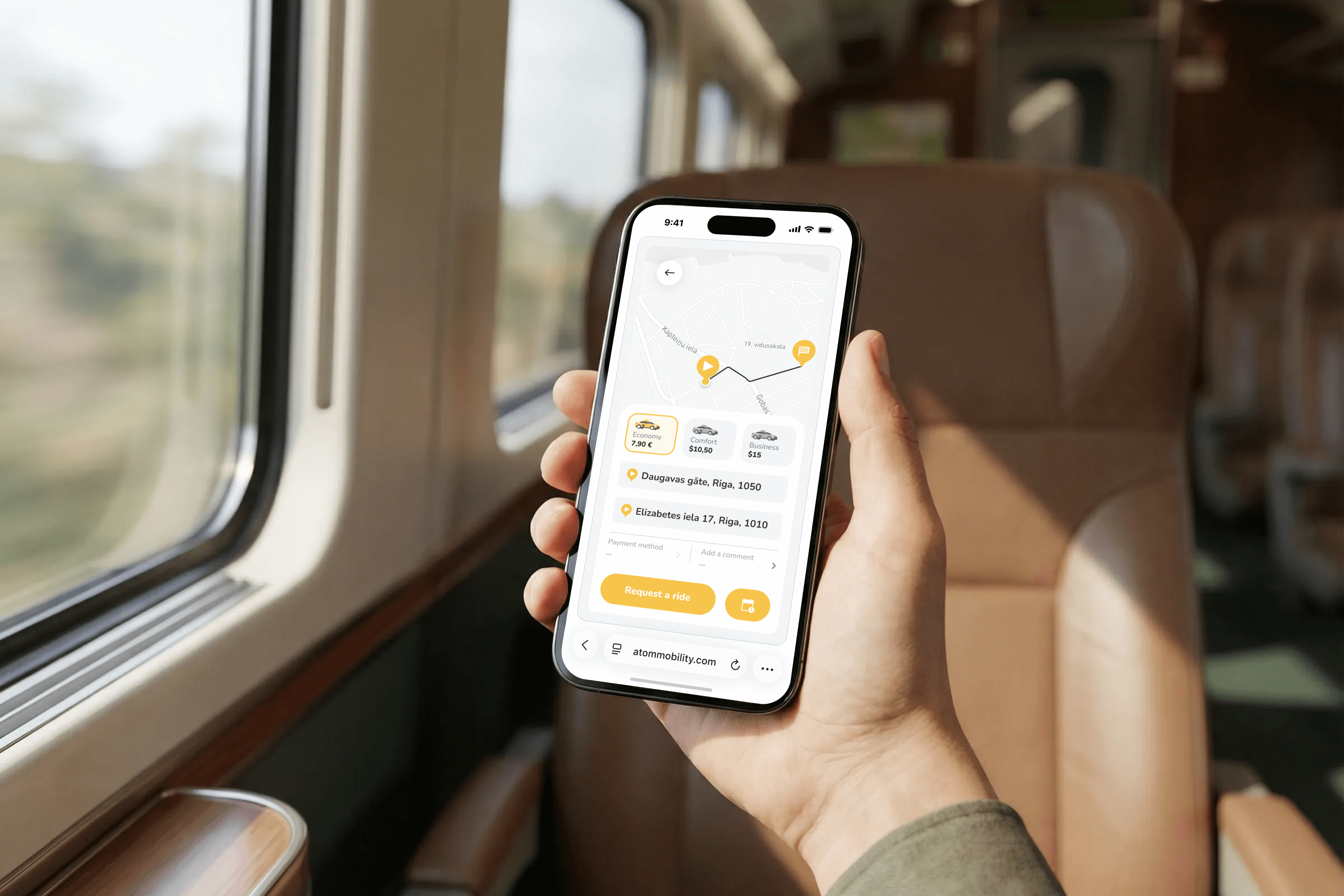
🚕 Web-booker is a lightweight ride-hail widget that lets users book rides directly from a website or mobile browser - no app install required. It reduces booking friction, supports hotel and partner demand, and keeps every ride fully synced with the taxi operator’s app and dashboard.
What if ordering a taxi was as easy as booking a room or clicking “Reserve table” on a website?
Meet Web-booker - a lightweight ride-hail booking widget that lets users request a cab directly from a website, without installing or opening the mobile app.
Perfect for hotels, business centers, event venues, airports, and corporate partners.
👉 Live demo: https://app.atommobility.com/taxi-widget
Web-booker is a browser-based ride-hail widget that operators can embed or link to from any website.
The booking happens on the web, but the ride is fully synchronized with the mobile app and operator dashboard.
No redirects. No app-store friction. No lost users.
This keeps fraud low while preserving conversion.
Web-booker addresses one of the most common friction points in ride-hailing: users who need a ride now but are not willing to download an app first. By allowing bookings directly from a website, operators can capture high-intent demand at the exact moment it occurs - whether that is on a hotel website, an event page, or a partner landing page.
At the same time, Web-booker makes partnerships with hotels and venues significantly easier. Instead of complex integrations or manual ordering flows, partners can simply place a button or link and immediately enable ride ordering for their guests. Importantly, this approach does not block long-term app growth. The booking flow still promotes the mobile app through QR codes and store links, allowing operators to convert web users into app users over time - without forcing the install upfront.
Web-booker is not designed to replace the mobile app. It extends the acquisition funnel by adding a low-friction entry point, while keeping all bookings fully synchronized with the operator’s app and dashboard.
👉 Try the demo
https://app.atommobility.com/taxi-widget
Want to explore a ride-hail or taxi solution for your business - or migrate to a more flexible platform? Visit: https://www.atommobility.com/products/ride-hailing
Anmeldedaten für die Driver App-Demo - E-Mail: test@atom.com, Passwort: Treiber

