ATOM Mobility integra los servicios de transporte en el software
March 23, 2022
lectura mínima


Vehicle sharing is picking up a vehicle in a convenient location, getting to the destination, and leaving it there for other people to use. Ride-hailing is using a private driver to reach the destination. The only exception, in this case, is that the driver is not always a taxi driver – it could be the person that is offering the service in a private car. Both of these services are examples of shared mobility. The current trend is that those who have launched one are adding to their portfolio another in some shape or form. So we at ATOM Mobility are moving towards service integration in the micromobility business.
It all started with Uber in 2018 when the company announced that the dockless bike-sharing company Jump had started to partner with its ride-hail app. For users, this move has made it easier to plan the first or the last mile of the trip. Later that year Lyft acquired Motivate (Citi Bike), the largest bike-share operator in North America, and announced an investment of $100 million into the dramatic expansion of Citi Bike in New York City with the additional benefit for users, whereby they can access bikes directly via the Lyft app. At the end of 2020, this trend reached Europe when Bolt announced that it was preparing to invest €100 million in electric scooters and bikes. Bolt initially was called Taxify and was founded with the vision of aggregating all Tallinn and Riga taxis on one platform. Later the company expanded to other cities but initially focused only on ride-hailing.
This trend is expanding, because this is a logical next step – the synergy between ride-hailing and vehicle sharing offers users an easy and convenient way to get from point A to point B. Whereas for operators this constitutes a perfect opportunity to diversify their services, as well as to strengthen their positions in the market. Vehicle sharing is no longer just a means of transportation ordered via the app. It has become the opportunity for users to plan their trips. However, from a business perspective, operators should not jump into new opportunities as they appear and diversify their services too early without additional funding. Launching new verticals should be well-calculated.
Following this trend, ATOM has launched a new product - a ride-hailing and taxi platform that can be easily integrated with the existing scooter, bike, moped, and car-sharing software provided to customers worldwide. The ATOM ride-hailing platform can also be started as a separate business and not limited to cars or taxis. A ride-hailing service can be provided by vans, rickshaws, boats, as well as any other means of transportation you can think of. And this is the fastest way for potential customer to enter new market or just test the idea. The approach developed by ATOM helps to open new business verticals at low cost and furthermore it is easier to scale from there. Moreover, there is a logical synergy between scooter, bike, car-sharing users, and ride-hailing.

Software for ride-hailing and taxi industries
This development seems like a perfect next step for ATOM Mobility - the company that started its business in 2019 by providing the first vehicle-sharing opportunities in the Latvian capital, Riga. Subsequently, ATOM Mobility has focused on software development and now provides other companies in more than 70 cities worldwide with the software to run their car sharing, bikes sharing, scooter sharing, forklift sharing, golf cart sharing, boat sharing, and other businesses. Our mission at ATOM has always been to support different types of businesses and help them succeed with all the knowledge that we have gained through our clients and ourselves. This is the path we are going to take in the future by following trends and not leaving our clients behind.
If you are interested to launch your own ride-hail or taxi platform, you can find more information here: https://ride.atommobility.com
Haga clic a continuación para obtener más información o solicitar una demostración.

The micromobility industry doesn’t need another generic mobility conference. 🚫🎤 It needs real conversations between operators who are actually in the field. ⚙️ That’s exactly what ATOM Connect 2026 is built for. 🎯🤝
The shared mobility industry is evolving rapidly. Operators are navigating scaling challenges, regulatory complexity, hardware decisions, fleet optimization, and new integration models, all while aiming for sustainable growth.
That’s exactly why ATOM Mobility is organizing ATOM Connect 2026.
Our previous edition of ATOM Connect brought together professionals from the car sharing and rental industry for focused, high-quality discussions and networking. This year, we are narrowing the focus and dedicating the entire event to one fast-moving segment of the industry: shared micromobility.
ATOM Connect 2026 is designed specifically for operators, partners, and decision-makers working in shared micromobility. It is not a broad mobility conference or a public exhibition. It is a curated space for industry professionals to exchange practical experience, insights, and lessons learned.
On May 14th, 2026 in Riga, we will once again bring the community together, this time with a clear focus on micromobility.
This year’s agenda will address the real operational and strategic questions shaping shared micromobility today:
As usual, we aim to host both local and international operators from smaller, fast-growing fleets to established large-scale players alongside hardware providers and ecosystem partners.
On stage, you’ll hear from leading shared mobility companies - including Segway on hardware partnerships, Umob on MaaS integration, Anadue on data-driven fleet intelligence, Elerent on multi-vehicle operational realities and more insightful discussions.
The goal is simple: meaningful discussions with people who understand the operational realities of the industry.
ATOM Connect is free to attend, but participation is industry-focused (each submission is manually reviewed and verified). We are intentionally keeping the audience relevant and aligned to ensure high-quality conversations and valuable networking.
If you work in shared micromobility and would like to join the event, you can find the full agenda and register here:
👉 https://www.atommobility.com/atom-connect-2026
In the coming weeks, we will be revealing more speakers and additional agenda updates. We look forward to bringing the industry together again.
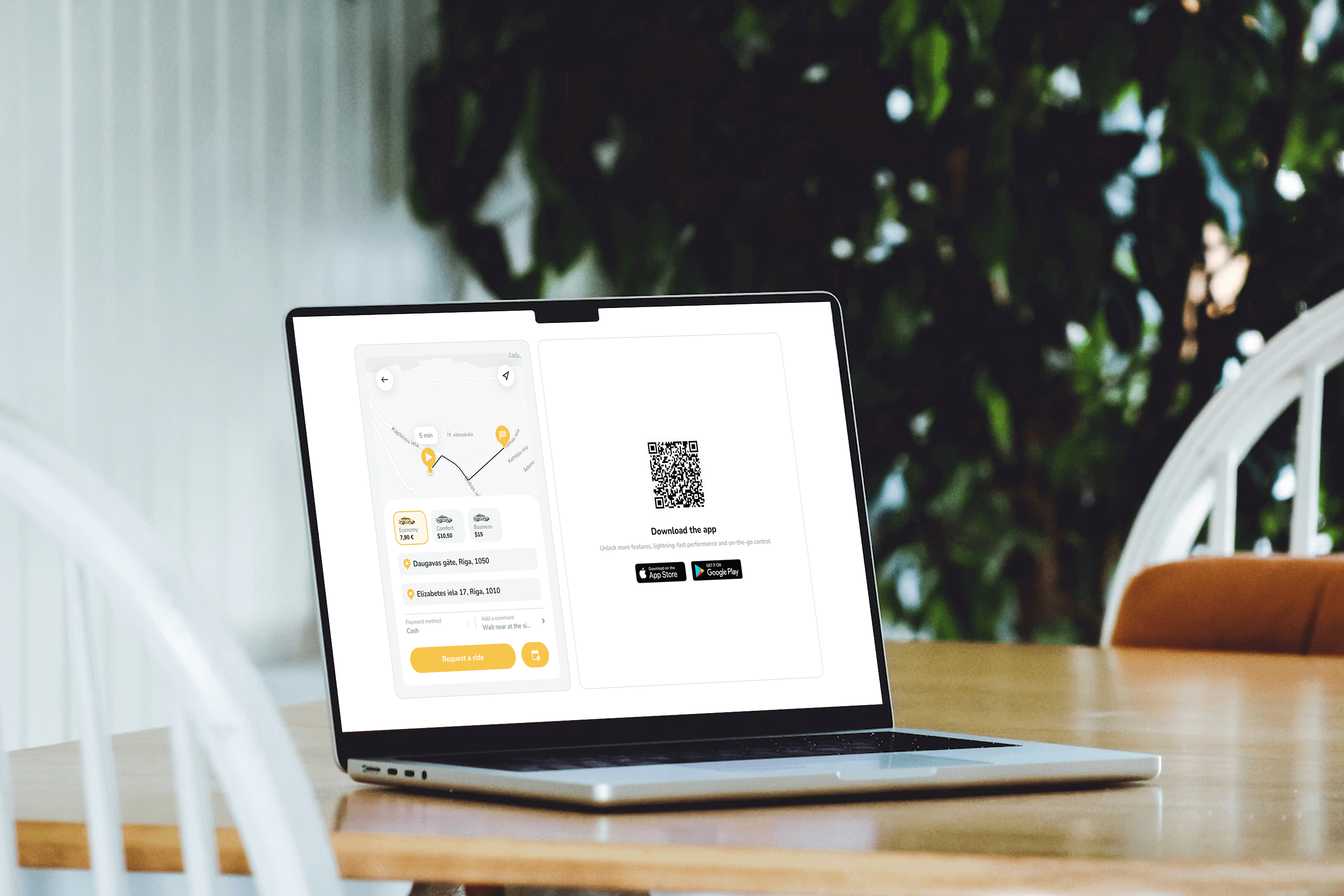
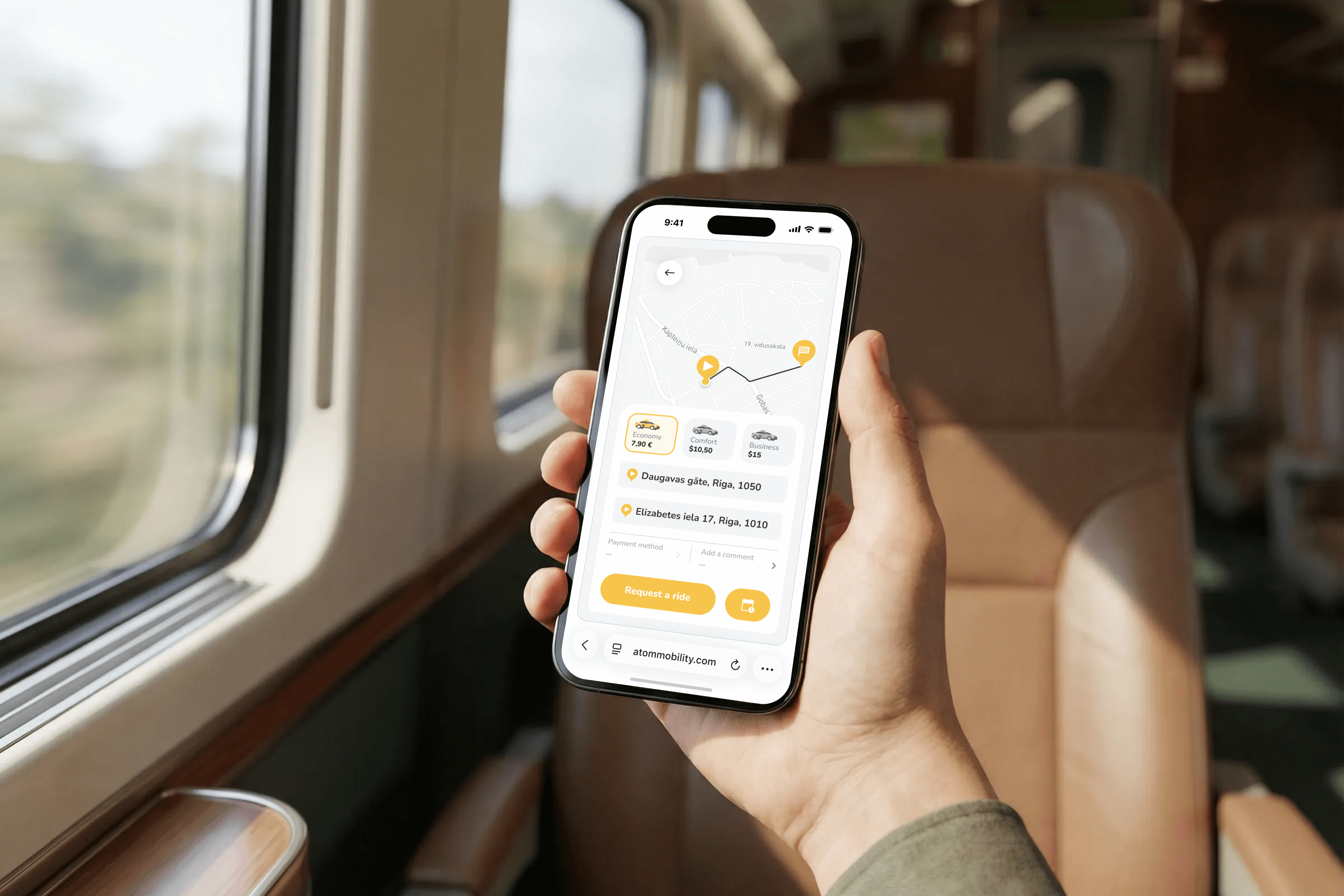
🚕 Web-booker is a lightweight ride-hail widget that lets users book rides directly from a website or mobile browser - no app install required. It reduces booking friction, supports hotel and partner demand, and keeps every ride fully synced with the taxi operator’s app and dashboard.
What if ordering a taxi was as easy as booking a room or clicking “Reserve table” on a website?
Meet Web-booker - a lightweight ride-hail booking widget that lets users request a cab directly from a website, without installing or opening the mobile app.
Perfect for hotels, business centers, event venues, airports, and corporate partners.
👉 Live demo: https://app.atommobility.com/taxi-widget
Web-booker is a browser-based ride-hail widget that operators can embed or link to from any website.
The booking happens on the web, but the ride is fully synchronized with the mobile app and operator dashboard.
No redirects. No app-store friction. No lost users.
This keeps fraud low while preserving conversion.
Web-booker addresses one of the most common friction points in ride-hailing: users who need a ride now but are not willing to download an app first. By allowing bookings directly from a website, operators can capture high-intent demand at the exact moment it occurs - whether that is on a hotel website, an event page, or a partner landing page.
At the same time, Web-booker makes partnerships with hotels and venues significantly easier. Instead of complex integrations or manual ordering flows, partners can simply place a button or link and immediately enable ride ordering for their guests. Importantly, this approach does not block long-term app growth. The booking flow still promotes the mobile app through QR codes and store links, allowing operators to convert web users into app users over time - without forcing the install upfront.
Web-booker is not designed to replace the mobile app. It extends the acquisition funnel by adding a low-friction entry point, while keeping all bookings fully synchronized with the operator’s app and dashboard.
👉 Try the demo
https://app.atommobility.com/taxi-widget
Want to explore a ride-hail or taxi solution for your business - or migrate to a more flexible platform? Visit: https://www.atommobility.com/products/ride-hailing
Credenciales de demostración de Driver App - Correo electrónico: test@atom.com, contraseña: conductor

