7 formas comprobadas de aumentar tus calificaciones de vehículos compartidos
March 25, 2025
lectura mínima


El uso compartido de vehículos puede ser un negocio difícil. Tu flota está en constante movimiento, los clientes tienen grandes expectativas y cada opinión puede repercutir en tu reputación. La diferencia entre una buena empresa y una que tiene dificultades a menudo se reduce a la satisfacción del cliente, y eso significa mantener las calificaciones altas.
Entonces, ¿cuáles son las mejores formas de mejorar las calificaciones en el uso compartido de vehículos? Estas son algunas soluciones inteligentes que pueden tener un impacto real.
1. Verificación fotográfica con tecnología de inteligencia artificial para evitar sorpresas
A nadie le gusta coger un coche y encontrarlo rayado, abollado o sucio. La verificación fotográfica mediante inteligencia artificial ayuda a prevenir estos problemas antes de que afecten a tus valoraciones. El sistema garantiza que los usuarios tomen las fotos adecuadas antes y después del viaje. Si un automóvil está mal estacionado o una foto no lo muestra correctamente, el sistema lo marca. Esto reduce las disputas, aumenta la responsabilidad y mejora la calidad general del servicio.
Los usuarios también se sienten más seguros al saber que no tendrán que rendir cuentas por los daños que no hayan causado. Este pequeño paso mejora significativamente la confianza en tu servicio, lo que a su vez ayuda a mantener las calificaciones más altas a lo largo del tiempo.
¿Quieres integrar esto? Échale un vistazo cómo ATOM Mobility apoya las integraciones inteligentes.
2. Atención al cliente que realmente ayuda
La atención al cliente rápida y eficaz cambia las reglas del juego. Los usuarios esperan respuestas rápidas, especialmente cuando no pueden acceder a un automóvil o se enfrentan a un problema técnico. Integrar herramientas como Zendesk, Intercomunicador, o Mavenoide ofrece chat en vivo, respuestas automatizadas basadas en inteligencia artificial, preguntas frecuentes e incluso respuestas basadas en emojis para facilitar la comunicación. Los clientes satisfechos dejan mejores valoraciones, así de simple.
Un buen sistema de soporte también significa menos críticas negativas, ya que es menos probable que los usuarios frustrados se desahoguen en Internet cuando pueden obtener rápidamente la ayuda que necesitan. Además, las preguntas frecuentes automatizadas ayudan a los usuarios a resolver problemas menores por sí mismos sin esperar una respuesta.
3. Excelente conectividad de IoT para una mejor experiencia
Una experiencia fluida e ininterrumpida es uno de los factores más importantes para la satisfacción del usuario. Las soluciones de conectividad de vehículos garantizan que los automóviles estén siempre accesibles cuando sea necesario. Imagina a un usuario que intenta desbloquear un coche, pero el IoT se retrasa o el coche no responde. Frustrante, ¿verdad? La integración de soluciones de IoT confiables minimiza estos problemas y hace que su servicio sea más confiable. ATOM Mobility es compatible con una amplia gama de módulos de IoT, como Teltonika, Geotab, INVERSOS y varios otros. Esto significa que su flota permanece conectada, con capacidad de respuesta y confiable sin importar los modelos de automóviles que tenga en su flota.
Una flota conectada también permite a los operadores detectar rápidamente las averías del vehículo, los niveles de batería y las necesidades de mantenimiento, lo que garantiza que los automóviles permanezcan en óptimas condiciones antes de que los problemas se agraven.
Vea lo perfecto que es la conectividad mejora el uso compartido del automóvil.
4. Permita que los usuarios califiquen su viaje
Dar voz a los clientes es fundamental. Al permitirles calificar sus viajes, obtienes información valiosa sobre lo que funciona y lo que no. ¿Les gustó la limpieza? ¿Era fácil acceder al coche? ¿El viaje fue sencillo? Estos datos le ayudan a adaptarse y mejorar, manteniendo su servicio de primera categoría. Además, los usuarios aprecian que se les escuche, lo que les anima a dejar mejores opiniones.
Fomentar la retroalimentación también te permite identificar las áreas problemáticas antes de que se conviertan en quejas frecuentes. Un enfoque proactivo mantiene el interés de los clientes y aumenta la lealtad.
5. Precios claros y sencillos
Los cargos sorpresa son una forma segura de obtener malas calificaciones. Los usuarios quieren transparencia en lo que respecta a los precios. Asegúrate de que tu aplicación muestre claramente todos los costos por adelantado, incluidos los depósitos, las comisiones de seguro o los cargos adicionales. Los precios sencillos y honestos generan confianza, y la confianza conduce a mejores críticas.
También ayuda a ofrecer explicaciones claras de lo que ocurre en caso de devoluciones tardías, daños o tarifas de peaje. Cuando los usuarios saben qué esperar, es menos probable que se molesten cuando se les apliquen cargos adicionales.

6. Mantenga su flota en perfecto estado con un mantenimiento preventivo
Puede parecer obvio, pero el mantenimiento adecuado de sus vehículos es un factor importante para la satisfacción del cliente. Nadie quiere lidiar con un automóvil que huele raro, tiene una rueda pinchada o hace ruidos extraños. Las inspecciones periódicas, el seguimiento automatizado del mantenimiento y los informes de daños integrados en la aplicación ayudan a mantener su flota en óptimas condiciones. Implementación automatización de tareas puede mejorar aún más el mantenimiento de la flota, garantizando que los vehículos estén siempre en condiciones óptimas con una mínima intervención manual. Coches en buen estado, clientes satisfechos, valoraciones más altas.
Agregar pequeños detalles, como ambientadores, cables de carga y una limpieza interior regular, puede mejorar la experiencia del usuario. Incluso si un vehículo tiene algunos años, un buen mantenimiento marca la diferencia en la percepción.
7. Panel de control todo en uno para una administración más inteligente
No puedes mejorar lo que no mides. Un panel avanzado te permite realizar un seguimiento del rendimiento del vehículo, supervisar los comentarios de los clientes y optimizar las operaciones en un solo lugar. De ATOM Mobility solución de tablero proporciona análisis detallados, lo que le ayuda a mantenerse al tanto de los problemas antes de que afecten a sus calificaciones.
Al aprovechar la información de los datos, los operadores pueden identificar las horas pico de alquiler, ajustar los modelos de precios y planificar las expansiones de la flota en consecuencia. Un sistema bien optimizado mantiene la eficiencia de las operaciones y la satisfacción de los usuarios. Además, gestión de daños en vehículos ayuda a los clientes a denunciar los daños con facilidad, lo que permite a los operadores abordar los problemas con mayor rapidez y mejorar la calidad general del servicio.
Mejorar las calificaciones de los vehículos compartidos no es una ciencia espacial, pero sí que requiere las herramientas adecuadas. Al integrar la verificación fotográfica basada en inteligencia artificial, mejorar la atención al cliente, garantizar una conectividad perfecta y mantener tu flota en buen estado, puedes aumentar significativamente la satisfacción de los usuarios. Y cuando los clientes estén satisfechos, sus calificaciones (y su negocio) prosperarán.
Haga clic a continuación para obtener más información o solicitar una demostración.

The micromobility industry doesn’t need another generic mobility conference. 🚫🎤 It needs real conversations between operators who are actually in the field. ⚙️ That’s exactly what ATOM Connect 2026 is built for. 🎯🤝
The shared mobility industry is evolving rapidly. Operators are navigating scaling challenges, regulatory complexity, hardware decisions, fleet optimization, and new integration models, all while aiming for sustainable growth.
That’s exactly why ATOM Mobility is organizing ATOM Connect 2026.
Our previous edition of ATOM Connect brought together professionals from the car sharing and rental industry for focused, high-quality discussions and networking. This year, we are narrowing the focus and dedicating the entire event to one fast-moving segment of the industry: shared micromobility.
ATOM Connect 2026 is designed specifically for operators, partners, and decision-makers working in shared micromobility. It is not a broad mobility conference or a public exhibition. It is a curated space for industry professionals to exchange practical experience, insights, and lessons learned.
On May 14th, 2026 in Riga, we will once again bring the community together, this time with a clear focus on micromobility.
This year’s agenda will address the real operational and strategic questions shaping shared micromobility today:
As usual, we aim to host both local and international operators from smaller, fast-growing fleets to established large-scale players alongside hardware providers and ecosystem partners.
On stage, you’ll hear from leading shared mobility companies - including Segway on hardware partnerships, Umob on MaaS integration, Anadue on data-driven fleet intelligence, Elerent on multi-vehicle operational realities and more insightful discussions.
The goal is simple: meaningful discussions with people who understand the operational realities of the industry.
ATOM Connect is free to attend, but participation is industry-focused (each submission is manually reviewed and verified). We are intentionally keeping the audience relevant and aligned to ensure high-quality conversations and valuable networking.
If you work in shared micromobility and would like to join the event, you can find the full agenda and register here:
👉 https://www.atommobility.com/atom-connect-2026
In the coming weeks, we will be revealing more speakers and additional agenda updates. We look forward to bringing the industry together again.
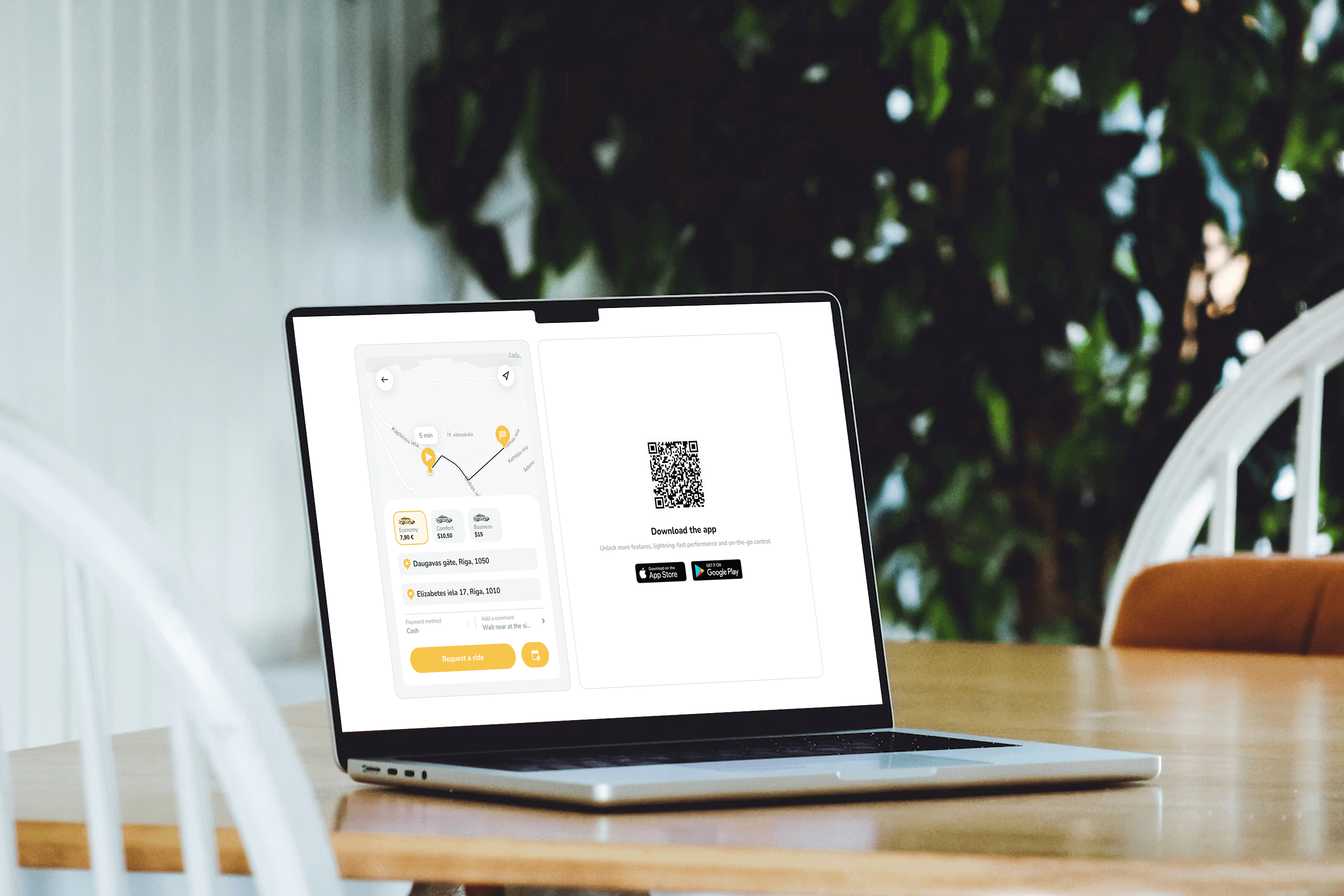
🚕 Web-booker is a lightweight ride-hail widget that lets users book rides directly from a website or mobile browser - no app install required. It reduces booking friction, supports hotel and partner demand, and keeps every ride fully synced with the taxi operator’s app and dashboard.
What if ordering a taxi was as easy as booking a room or clicking “Reserve table” on a website?
Meet Web-booker - a lightweight ride-hail booking widget that lets users request a cab directly from a website, without installing or opening the mobile app.
Perfect for hotels, business centers, event venues, airports, and corporate partners.
👉 Live demo: https://app.atommobility.com/taxi-widget
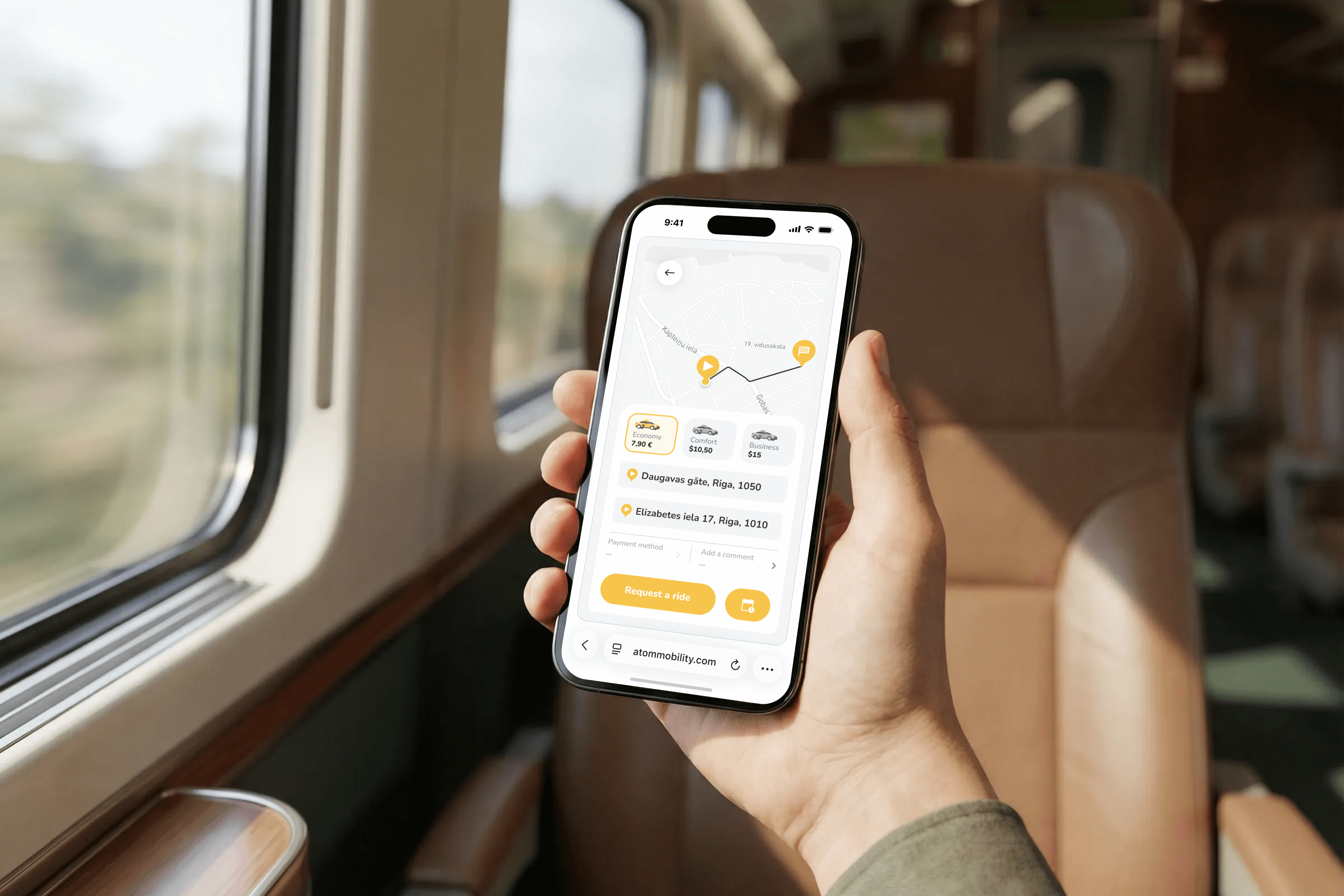
Web-booker is a browser-based ride-hail widget that operators can embed or link to from any website.
The booking happens on the web, but the ride is fully synchronized with the mobile app and operator dashboard.
No redirects. No app-store friction. No lost users.
This keeps fraud low while preserving conversion.
Web-booker addresses one of the most common friction points in ride-hailing: users who need a ride now but are not willing to download an app first. By allowing bookings directly from a website, operators can capture high-intent demand at the exact moment it occurs - whether that is on a hotel website, an event page, or a partner landing page.
At the same time, Web-booker makes partnerships with hotels and venues significantly easier. Instead of complex integrations or manual ordering flows, partners can simply place a button or link and immediately enable ride ordering for their guests. Importantly, this approach does not block long-term app growth. The booking flow still promotes the mobile app through QR codes and store links, allowing operators to convert web users into app users over time - without forcing the install upfront.
Web-booker is not designed to replace the mobile app. It extends the acquisition funnel by adding a low-friction entry point, while keeping all bookings fully synchronized with the operator’s app and dashboard.
👉 Try the demo
https://app.atommobility.com/taxi-widget
Want to explore a ride-hail or taxi solution for your business - or migrate to a more flexible platform? Visit: https://www.atommobility.com/products/ride-hailing
Credenciales de demostración de Driver App - Correo electrónico: test@atom.com, contraseña: conductor

