7 modi comprovati per aumentare le valutazioni del car sharing
March 25, 2025
lettura minima


Il car sharing può essere un'attività difficile. La tua flotta è in costante movimento, i clienti hanno grandi aspettative e ogni recensione può influire sulla tua reputazione. La differenza tra una buona azienda e una in difficoltà spesso si riduce alla soddisfazione del cliente, il che significa mantenere alti i punteggi.
Quindi, quali sono i modi migliori per migliorare le valutazioni nel car sharing? Ecco alcune soluzioni intelligenti che possono avere un impatto reale.
1. Verifica fotografica basata sull'intelligenza artificiale per evitare sorprese
A nessuno piace prendere in mano un'auto e trovarla graffiata, ammaccata o sporca. La verifica fotografica basata sull'intelligenza artificiale aiuta a prevenire questi problemi prima che influiscano sulle valutazioni. Il sistema garantisce che gli utenti scattino foto corrette prima e dopo la corsa. Se un'auto è parcheggiata male o una foto non mostra il veicolo correttamente, il sistema la segnala. Ciò riduce le controversie, aumenta la responsabilità e migliora la qualità complessiva del servizio.
Gli utenti si sentono inoltre più sicuri sapendo che non saranno ritenuti responsabili per danni non causati. Questo piccolo passaggio migliora notevolmente la fiducia nel servizio, il che a sua volta aiuta a mantenere valutazioni più elevate nel tempo.
Vuoi integrarlo? Dai un'occhiata in che modo ATOM Mobility supporta le integrazioni intelligenti.
2. Assistenza clienti che aiuta davvero
L'assistenza clienti rapida ed efficace è un punto di svolta. Gli utenti si aspettano risposte rapide, soprattutto quando sono bloccati fuori dall'auto o affrontano un problema tecnico. Strumenti di integrazione come Zendesk, Citofono, oppure Mavenoid fornisce chat dal vivo, risposte automatiche basate sull'intelligenza artificiale, domande frequenti e persino risposte basate su emoji per rendere la comunicazione più fluida. I clienti soddisfatti lasciano valutazioni migliori: è così semplice.
Un ottimo sistema di supporto significa anche meno recensioni negative, poiché gli utenti frustrati hanno meno probabilità di sfogarsi online quando possono ottenere rapidamente l'aiuto di cui hanno bisogno. Inoltre, le domande frequenti automatiche aiutano gli utenti a risolvere i problemi minori da soli senza attendere una risposta.
3. Ottima connettività IoT per un'esperienza migliore
Un'esperienza fluida e senza interruzioni è uno dei principali fattori di soddisfazione degli utenti. Le soluzioni di connettività dei veicoli assicurano che le auto siano sempre accessibili quando necessario. Immagina un utente che tenta di sbloccare un'auto, ma l'IoT è in ritardo o l'auto non risponde. Frustrante, vero? L'integrazione di soluzioni IoT affidabili riduce al minimo questi problemi, rendendo il servizio più affidabile. ATOM Mobility supporta un'ampia gamma di moduli IoT come Teltonika, Geotab, INVERSO e molti altri. Ciò significa che la tua flotta rimane connessa, reattiva e affidabile indipendentemente dai modelli di auto presenti nella tua flotta.
Una flotta connessa consente inoltre agli operatori di rilevare rapidamente i malfunzionamenti dei veicoli, i livelli della batteria e le esigenze di manutenzione, garantendo che le auto rimangano in condizioni ottimali prima che i problemi si aggravino.
Scopri come è semplice la connettività migliora il car sharing.
4. Consenti agli utenti di valutare la loro corsa
Dare voce ai clienti è essenziale. Consentendo loro di valutare la loro esperienza, ottieni informazioni preziose su cosa funziona e cosa no. A loro è piaciuta la pulizia? L'auto era di facile accesso? Il viaggio è stato agevole? Questi dati ti aiutano ad adattarti e migliorare, mantenendo il tuo servizio di prim'ordine. Inoltre, gli utenti apprezzano essere ascoltati, il che li incoraggia a lasciare recensioni migliori.
Incoraggiare il feedback consente inoltre di identificare le aree problematiche prima che si trasformino in reclami frequenti. Un approccio proattivo mantiene i clienti coinvolti e aumenta la fidelizzazione.
5. Prezzi chiari e semplici
Le commissioni a sorpresa sono un modo infallibile per ottenere valutazioni negative. Gli utenti vogliono trasparenza quando si tratta di prezzi. Assicurati che la tua app mostri chiaramente tutti i costi in anticipo, inclusi eventuali depositi, spese assicurative o costi aggiuntivi. Prezzi semplici e onesti portano alla fiducia e la fiducia porta a recensioni migliori.
Aiuta anche a offrire spiegazioni chiare su cosa succede in caso di resi tardivi, danni o pedaggi. Quando gli utenti sanno cosa aspettarsi, è meno probabile che si arrabbino quando si applicano costi aggiuntivi.

6. Mantieni la tua flotta in perfetta forma con la manutenzione preventiva
Potrebbe sembrare ovvio, ma la corretta manutenzione dei veicoli è un fattore importante per la soddisfazione del cliente. Nessuno vuole avere a che fare con un'auto che ha un odore strano, ha una gomma sgonfia o emette strani rumori. Le ispezioni regolari, il monitoraggio automatico della manutenzione e la segnalazione dei danni in-app aiutano a mantenere la flotta in condizioni ottimali. L'implementazione automazione delle attività può migliorare ulteriormente la manutenzione della flotta, garantendo che i veicoli siano sempre in condizioni ottimali con un intervento manuale minimo. Auto ben tenute, clienti soddisfatti, punteggi più alti.
L'aggiunta di piccoli tocchi come deodoranti per ambienti, cavi di ricarica e una pulizia interna regolare può migliorare l'esperienza dell'utente. Anche se un veicolo ha pochi anni, una buona manutenzione fa la differenza nella percezione.
7. Dashboard tutto in uno per una gestione più intelligente
Non puoi migliorare ciò che non misuri. Una dashboard avanzata consente di monitorare le prestazioni dei veicoli, monitorare il feedback dei clienti e ottimizzare le operazioni in un unico posto. di ATOM Mobility soluzione dashboard fornisce analisi dettagliate, aiutandoti a rimanere aggiornato sui problemi prima che influiscano sulle tue valutazioni.
Sfruttando gli approfondimenti dei dati, gli operatori possono identificare i picchi di noleggio, modificare i modelli di prezzo e pianificare di conseguenza le espansioni della flotta. Un sistema ben ottimizzato mantiene le operazioni efficienti e gli utenti soddisfatti. Inoltre, gestione dei danni ai veicoli aiuta i clienti a segnalare facilmente i danni, consentendo agli operatori di risolvere i problemi più rapidamente e migliorare la qualità complessiva del servizio.
Migliorare le valutazioni del car sharing non è fantascienza, ma richiede gli strumenti giusti. Integrando la foto-verifica basata sull'intelligenza artificiale, migliorando l'assistenza clienti, garantendo una connettività senza interruzioni e mantenendo la flotta ben mantenuta, puoi aumentare significativamente la soddisfazione degli utenti. E quando i clienti sono soddisfatti, le tue valutazioni e la tua attività prospereranno.
Fai clic qui sotto per saperne di più o richiedere una demo.

The micromobility industry doesn’t need another generic mobility conference. 🚫🎤 It needs real conversations between operators who are actually in the field. ⚙️ That’s exactly what ATOM Connect 2026 is built for. 🎯🤝
The shared mobility industry is evolving rapidly. Operators are navigating scaling challenges, regulatory complexity, hardware decisions, fleet optimization, and new integration models, all while aiming for sustainable growth.
That’s exactly why ATOM Mobility is organizing ATOM Connect 2026.
Our previous edition of ATOM Connect brought together professionals from the car sharing and rental industry for focused, high-quality discussions and networking. This year, we are narrowing the focus and dedicating the entire event to one fast-moving segment of the industry: shared micromobility.
ATOM Connect 2026 is designed specifically for operators, partners, and decision-makers working in shared micromobility. It is not a broad mobility conference or a public exhibition. It is a curated space for industry professionals to exchange practical experience, insights, and lessons learned.
On May 14th, 2026 in Riga, we will once again bring the community together, this time with a clear focus on micromobility.
This year’s agenda will address the real operational and strategic questions shaping shared micromobility today:
As usual, we aim to host both local and international operators from smaller, fast-growing fleets to established large-scale players alongside hardware providers and ecosystem partners.
On stage, you’ll hear from leading shared mobility companies - including Segway on hardware partnerships, Umob on MaaS integration, Anadue on data-driven fleet intelligence, Elerent on multi-vehicle operational realities and more insightful discussions.
The goal is simple: meaningful discussions with people who understand the operational realities of the industry.
ATOM Connect is free to attend, but participation is industry-focused (each submission is manually reviewed and verified). We are intentionally keeping the audience relevant and aligned to ensure high-quality conversations and valuable networking.
If you work in shared micromobility and would like to join the event, you can find the full agenda and register here:
👉 https://www.atommobility.com/atom-connect-2026
In the coming weeks, we will be revealing more speakers and additional agenda updates. We look forward to bringing the industry together again.
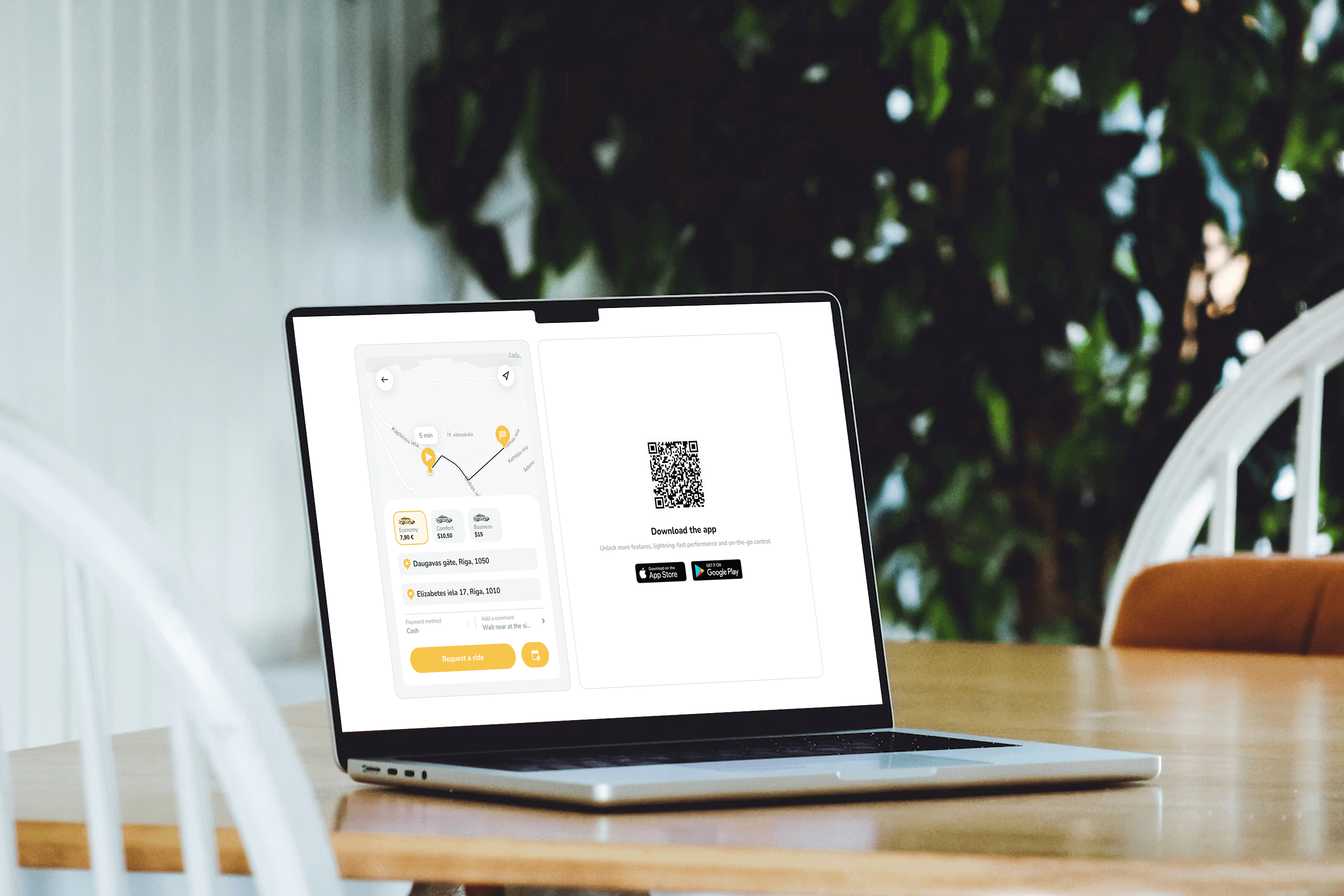
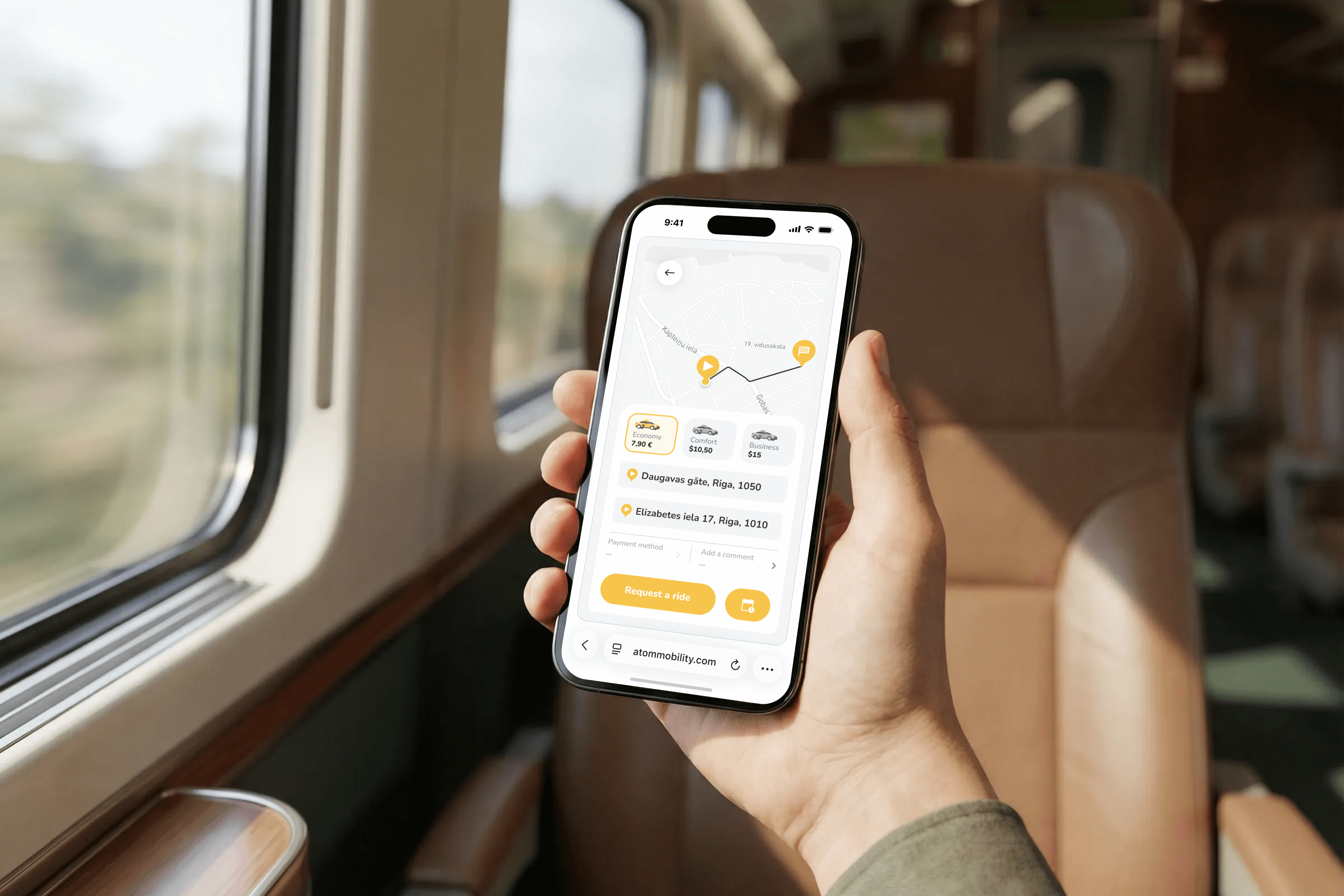
🚕 Web-booker is a lightweight ride-hail widget that lets users book rides directly from a website or mobile browser - no app install required. It reduces booking friction, supports hotel and partner demand, and keeps every ride fully synced with the taxi operator’s app and dashboard.
What if ordering a taxi was as easy as booking a room or clicking “Reserve table” on a website?
Meet Web-booker - a lightweight ride-hail booking widget that lets users request a cab directly from a website, without installing or opening the mobile app.
Perfect for hotels, business centers, event venues, airports, and corporate partners.
👉 Live demo: https://app.atommobility.com/taxi-widget
Web-booker is a browser-based ride-hail widget that operators can embed or link to from any website.
The booking happens on the web, but the ride is fully synchronized with the mobile app and operator dashboard.
No redirects. No app-store friction. No lost users.
This keeps fraud low while preserving conversion.
Web-booker addresses one of the most common friction points in ride-hailing: users who need a ride now but are not willing to download an app first. By allowing bookings directly from a website, operators can capture high-intent demand at the exact moment it occurs - whether that is on a hotel website, an event page, or a partner landing page.
At the same time, Web-booker makes partnerships with hotels and venues significantly easier. Instead of complex integrations or manual ordering flows, partners can simply place a button or link and immediately enable ride ordering for their guests. Importantly, this approach does not block long-term app growth. The booking flow still promotes the mobile app through QR codes and store links, allowing operators to convert web users into app users over time - without forcing the install upfront.
Web-booker is not designed to replace the mobile app. It extends the acquisition funnel by adding a low-friction entry point, while keeping all bookings fully synchronized with the operator’s app and dashboard.
👉 Try the demo
https://app.atommobility.com/taxi-widget
Want to explore a ride-hail or taxi solution for your business - or migrate to a more flexible platform? Visit: https://www.atommobility.com/products/ride-hailing
Credenziali demo dell'app Driver - Email: test@atom.com, Password: autista

