7 maneiras comprovadas de aumentar suas classificações de compartilhamento de carros
March 25, 2025
leitura mínima


Compartilhar carros pode ser um negócio difícil. Sua frota está em constante movimento, os clientes têm grandes expectativas e cada avaliação pode afetar sua reputação. A diferença entre um bom negócio e um que tem dificuldades geralmente se resume à satisfação do cliente — e isso significa manter suas classificações altas.
Então, quais são as melhores maneiras de melhorar as avaliações no compartilhamento de carros? Aqui estão algumas soluções inteligentes que podem causar um impacto real.
1. Verificação de fotos com inteligência artificial para evitar surpresas
Ninguém gosta de pegar um carro e encontrá-lo arranhado, amassado ou sujo. A verificação de fotos com inteligência artificial ajuda a evitar esses problemas antes que eles afetem suas avaliações. O sistema garante que os usuários tirem fotos adequadas antes e depois da viagem. Se um carro estiver mal estacionado ou uma foto não mostrar o veículo corretamente, o sistema o sinaliza. Isso reduz disputas, aumenta a responsabilidade e melhora a qualidade geral do serviço.
Os usuários também se sentem mais seguros sabendo que não serão responsabilizados por danos que não causaram. Essa pequena etapa melhora significativamente a confiança em seu serviço, o que, por sua vez, ajuda a manter classificações mais altas ao longo do tempo.
Quer integrar isso? Confira como o ATOM Mobility suporta integrações inteligentes.
2. Suporte ao cliente que realmente ajuda
O suporte ao cliente rápido e eficaz é um divisor de águas. Os usuários esperam respostas rápidas, especialmente quando estão trancados fora do carro ou enfrentam um problema técnico. Integrando ferramentas como Zendesk, Intercomunicador, ou Mavenoid fornece bate-papo ao vivo, respostas automatizadas com inteligência artificial, perguntas frequentes e até respostas baseadas em emojis para facilitar a comunicação. Clientes satisfeitos deixam avaliações melhores — é simples assim.
Um ótimo sistema de suporte também significa menos avaliações negativas, pois usuários frustrados têm menos probabilidade de desabafar on-line quando conseguem obter rapidamente a ajuda de que precisam. Além disso, as perguntas frequentes automatizadas ajudam os usuários a resolver problemas menores sozinhos, sem esperar por uma resposta.
3. Excelente conectividade de IoT para uma melhor experiência
Uma experiência tranquila e ininterrupta é um dos maiores fatores na satisfação do usuário. As soluções de conectividade de veículos garantem que os carros estejam sempre acessíveis quando necessário. Imagine um usuário tentando destrancar um carro, mas a IoT está atrasada ou o carro não responde. Frustrante, certo? A integração de soluções confiáveis de IoT minimiza esses problemas, tornando seu serviço mais confiável. O ATOM Mobility suporta uma ampla variedade de módulos de IoT, como Teltonika, Geotab, INVERSO e vários outros. Isso significa que sua frota permanece conectada, responsiva e confiável, independentemente dos modelos de carros que você tenha em sua frota.
Uma frota conectada também permite que os operadores detectem rapidamente falhas no veículo, níveis de bateria e necessidades de manutenção, garantindo que os carros permaneçam nas melhores condições antes que os problemas piorem.
Veja como é perfeita a conectividade melhora o compartilhamento de carros.
4. Permita que os usuários avaliem sua viagem
Dar voz aos clientes é essencial. Ao permitir que eles avaliem sua viagem, você obtém informações valiosas sobre o que está funcionando e o que não está. Eles gostaram da limpeza? O carro foi de fácil acesso? A viagem foi tranquila? Esses dados ajudam você a se ajustar e melhorar, mantendo seu serviço de alto nível. Além disso, os usuários gostam de ser ouvidos, o que os incentiva a deixar avaliações melhores.
O feedback encorajador também permite identificar áreas problemáticas antes que elas se transformem em reclamações frequentes. Uma abordagem proativa mantém os clientes engajados e aumenta a fidelidade.
5. Preços claros e simples
Taxas surpresa são uma maneira infalível de obter avaliações ruins. Os usuários querem transparência quando se trata de preços. Certifique-se de que seu aplicativo exiba claramente todos os custos antecipados, incluindo depósitos, taxas de seguro ou cobranças extras. Preços simples e honestos levam à confiança, e confiança leva a melhores avaliações.
Também ajuda a oferecer explicações claras sobre o que acontece em caso de devoluções tardias, danos ou taxas de pedágio. Quando os usuários sabem o que esperar, é menos provável que fiquem chateados quando cobranças adicionais são aplicadas.

6. Mantenha sua frota em ótima forma com a manutenção preventiva
Pode parecer óbvio, mas manter seus veículos adequadamente é um grande fator na satisfação do cliente. Ninguém quer lidar com um carro que cheira estranho, tem um pneu furado ou faz barulhos estranhos. Inspeções regulares, rastreamento automatizado de manutenção e relatórios de danos no aplicativo ajudam a manter sua frota nas melhores condições. Implementar automação de tarefas pode melhorar ainda mais a manutenção da frota, garantindo que os veículos estejam sempre em ótimas condições com o mínimo de intervenção manual. Carros bem conservados, clientes satisfeitos, avaliações mais altas.
Adicionar pequenos toques, como purificadores de ar, cabos de carregamento e limpeza interna regular, pode elevar a experiência do usuário. Mesmo que um veículo tenha alguns anos, uma boa manutenção faz toda a diferença na percepção.
7. Painel tudo-em-um para um gerenciamento mais inteligente
Você não pode melhorar o que você não mede. Um painel avançado permite que você acompanhe o desempenho do veículo, monitore o feedback dos clientes e otimize as operações em um só lugar. ATOM Mobility's solução de painel fornece análises detalhadas, ajudando você a ficar por dentro dos problemas antes que eles afetem suas classificações.
Ao aproveitar os insights de dados, as operadoras podem identificar horários de pico de locação, ajustar os modelos de preços e planejar adequadamente as expansões da frota. Um sistema bem otimizado mantém as operações eficientes e os usuários satisfeitos. Além disso, gerenciamento de danos em veículos ajuda os clientes a relatar danos com facilidade, permitindo que os operadores resolvam os problemas com mais rapidez e melhorem a qualidade geral do serviço.
Melhorar suas classificações de compartilhamento de carros não é uma ciência complicada, mas exige as ferramentas certas. Ao integrar a verificação de fotos com inteligência artificial, aprimorar o suporte ao cliente, garantir conectividade perfeita e manter sua frota bem mantida, você pode aumentar significativamente a satisfação do usuário. E quando os clientes estiverem satisfeitos, suas avaliações — e sua empresa — prosperarão.
Clique abaixo para saber mais ou solicitar uma demonstração.

The micromobility industry doesn’t need another generic mobility conference. 🚫🎤 It needs real conversations between operators who are actually in the field. ⚙️ That’s exactly what ATOM Connect 2026 is built for. 🎯🤝
The shared mobility industry is evolving rapidly. Operators are navigating scaling challenges, regulatory complexity, hardware decisions, fleet optimization, and new integration models, all while aiming for sustainable growth.
That’s exactly why ATOM Mobility is organizing ATOM Connect 2026.
Our previous edition of ATOM Connect brought together professionals from the car sharing and rental industry for focused, high-quality discussions and networking. This year, we are narrowing the focus and dedicating the entire event to one fast-moving segment of the industry: shared micromobility.
ATOM Connect 2026 is designed specifically for operators, partners, and decision-makers working in shared micromobility. It is not a broad mobility conference or a public exhibition. It is a curated space for industry professionals to exchange practical experience, insights, and lessons learned.
On May 14th, 2026 in Riga, we will once again bring the community together, this time with a clear focus on micromobility.
This year’s agenda will address the real operational and strategic questions shaping shared micromobility today:
As usual, we aim to host both local and international operators from smaller, fast-growing fleets to established large-scale players alongside hardware providers and ecosystem partners.
On stage, you’ll hear from leading shared mobility companies - including Segway on hardware partnerships, Umob on MaaS integration, Anadue on data-driven fleet intelligence, Elerent on multi-vehicle operational realities and more insightful discussions.
The goal is simple: meaningful discussions with people who understand the operational realities of the industry.
ATOM Connect is free to attend, but participation is industry-focused (each submission is manually reviewed and verified). We are intentionally keeping the audience relevant and aligned to ensure high-quality conversations and valuable networking.
If you work in shared micromobility and would like to join the event, you can find the full agenda and register here:
👉 https://www.atommobility.com/atom-connect-2026
In the coming weeks, we will be revealing more speakers and additional agenda updates. We look forward to bringing the industry together again.
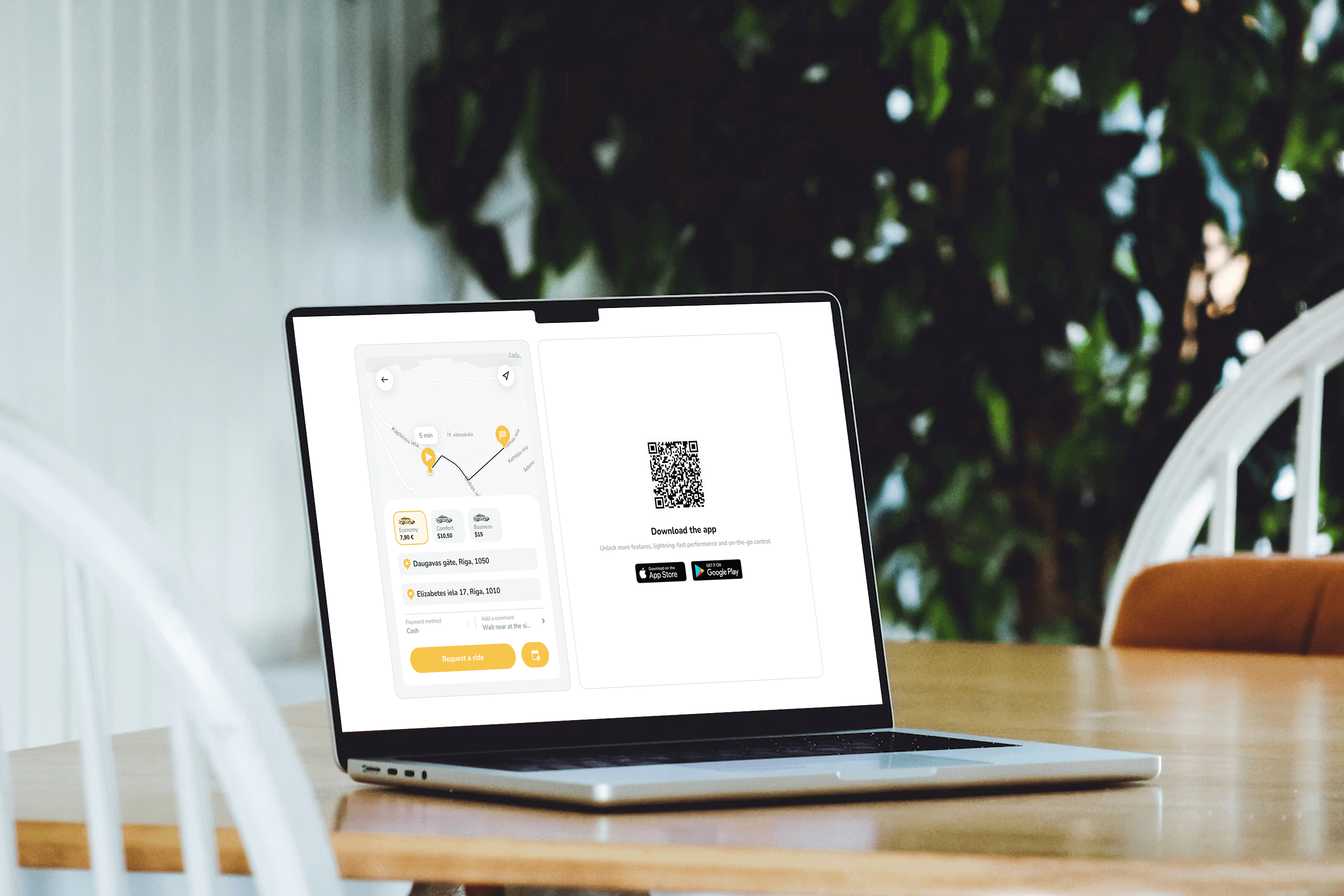
🚕 Web-booker is a lightweight ride-hail widget that lets users book rides directly from a website or mobile browser - no app install required. It reduces booking friction, supports hotel and partner demand, and keeps every ride fully synced with the taxi operator’s app and dashboard.
What if ordering a taxi was as easy as booking a room or clicking “Reserve table” on a website?
Meet Web-booker - a lightweight ride-hail booking widget that lets users request a cab directly from a website, without installing or opening the mobile app.
Perfect for hotels, business centers, event venues, airports, and corporate partners.
👉 Live demo: https://app.atommobility.com/taxi-widget
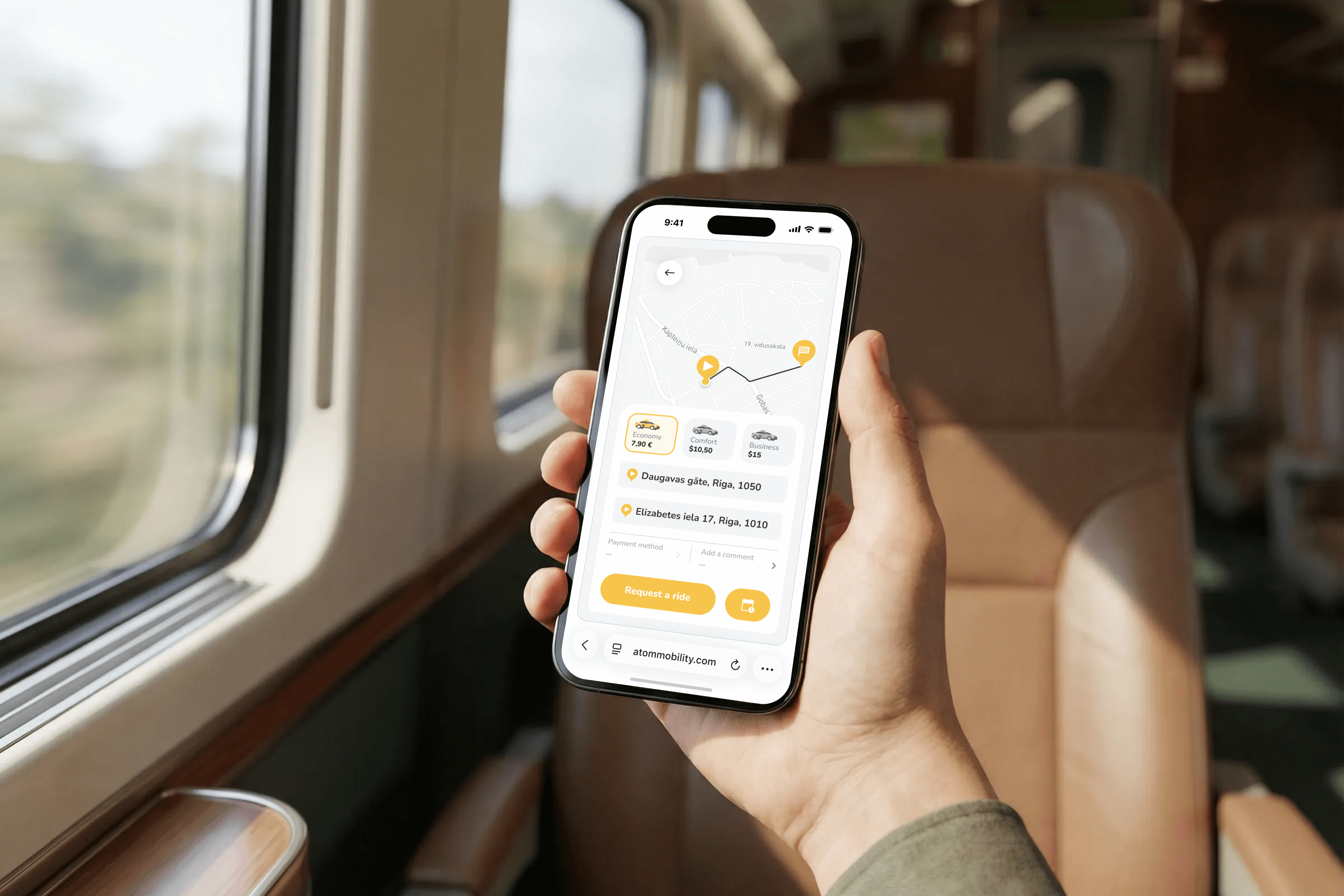
Web-booker is a browser-based ride-hail widget that operators can embed or link to from any website.
The booking happens on the web, but the ride is fully synchronized with the mobile app and operator dashboard.
No redirects. No app-store friction. No lost users.
This keeps fraud low while preserving conversion.
Web-booker addresses one of the most common friction points in ride-hailing: users who need a ride now but are not willing to download an app first. By allowing bookings directly from a website, operators can capture high-intent demand at the exact moment it occurs - whether that is on a hotel website, an event page, or a partner landing page.
At the same time, Web-booker makes partnerships with hotels and venues significantly easier. Instead of complex integrations or manual ordering flows, partners can simply place a button or link and immediately enable ride ordering for their guests. Importantly, this approach does not block long-term app growth. The booking flow still promotes the mobile app through QR codes and store links, allowing operators to convert web users into app users over time - without forcing the install upfront.
Web-booker is not designed to replace the mobile app. It extends the acquisition funnel by adding a low-friction entry point, while keeping all bookings fully synchronized with the operator’s app and dashboard.
👉 Try the demo
https://app.atommobility.com/taxi-widget
Want to explore a ride-hail or taxi solution for your business - or migrate to a more flexible platform? Visit: https://www.atommobility.com/products/ride-hailing
Credenciais de demonstração do Driver App - E-mail: test@atom.com, Senha: motorista

