Cómo Donkey Republic se convirtió en líder en micromovilidad
February 25, 2025
lectura mínima

%20(1).png)
El uso compartido de bicicletas ha tenido un auge vertiginoso en los últimos diez años. Algunas empresas arrojaron miles de bicicletas a las calles de la ciudad sin permiso, mientras que otras gastaron toneladas de dinero pero no supieron cómo obtener ganancias. Donkey Republic adoptó un enfoque diferente, y funcionó.
Comenzó en Copenhague en 2014, República de los Burros no se apresuró a expandirse ni a confiar en los grandes inversores. En cambio, se centró en trabajar con las ciudades, simplificar las cosas y asegurarse de que la empresa realmente pudiera generar dinero. En 2023, la empresa ganó 15,4 millones de euros (115,2 millones de coronas danesas), un 70% más que el año anterior, y, lo que es más importante, obtuvo un beneficio de 1,27 millones de euros (9,5 millones de coronas danesas).
El fundador de la empresa, Erdem Ovacik, tuvo la idea cuando vio a un amigo usar candados de combinación para compartir bicicletas con otras personas en Copenhague. Pensó que tenía que haber una forma mejor. ¿La respuesta? Una aplicación móvil y candados inteligentes, para que las personas puedan alquilar una bicicleta rápidamente sin necesidad de una estación de acoplamiento.
En 2015, Donkey Republic comenzó con solo 30 bicicletas. En lugar de inundar las calles con bicicletas y esperar lo mejor, trabajó directamente con los gobiernos municipales para obtener la aprobación. Eso ayudó a evitar los problemas que les gustan a las empresas Ofo y Mobike se enfrentaron cuando se expandieron demasiado rápido y luego se derrumbaron.
Muchas compañías de bicicletas y scooters intentan crecer lo más rápido posible, gastando mucho dinero y esperando obtener ganancias más adelante. Donkey Republic no hizo eso. Para 2020, se había expandido a 13 países, incluidos Alemania, España, los Países Bajos y Finlandia, pero siempre de forma controlada.
Gran parte de su éxito proviene de trabajar con las ciudades en lugar de luchar contra ellas. En lugar de dejar las bicicletas tiradas a la calle y esperar que nadie se queje, Donkey Republic llegó a acuerdos con los gobiernos locales. Esto significa que la empresa no tiene que preocuparse tanto por las prohibiciones repentinas o los cambios en las reglas.
Por ejemplo, en 2023, París prohibió el alquiler de patinetes eléctricos, lo que supuso un desastre para otras empresas. Pero como Donkey Republic se centra en las bicicletas, no se vio afectada.
Donkey Republic ha mostrado un progreso financiero impresionante en los últimos años. En 2023, la empresa registró unos ingresos de 115,2 millones de coronas danesas, lo que representa un aumento del 70% en comparación con el año anterior. Y lo que es más importante, lograron un EBITDA (beneficios antes de intereses, impuestos, depreciaciones y amortizaciones) positivo de 9,5 millones de coronas danesas, lo que supuso un cambio hacia la rentabilidad.

2024 ha sido aún más fuerte para Donkey Republic. La empresa registró unos ingresos de 145 millones de coronas danesas, lo que representa un aumento del 25% con respecto a 2023. Por primera vez, también registraron un EBIT positivo de 1 millón de coronas danesas. Esto demuestra que su estrategia a largo plazo de trabajar con las ciudades y optimizar las operaciones está dando sus frutos.
Varios factores han contribuido al éxito de Donkey Republic:
Si bien Donkey Republic ha demostrado que la micromovilidad puede ser rentable, el camino por delante no está exento de desafíos. La competencia es feroz y otras empresas están ampliando rápidamente sus flotas de bicicletas eléctricas para competir en el espacio de Donkey Republic. Además, si bien las asociaciones municipales brindan estabilidad, también limitan la rápida expansión: los contratos municipales tardan en garantizarse y algunas ciudades prefieren invertir en sus propios programas públicos de bicicletas compartidas.
Aun así, Donkey Republic apuesta a que la demanda de transporte sostenible y respetuoso con las ciudades no hará más que crecer. Con las zonas urbanas de toda Europa tomando medidas enérgicas contra el uso del automóvil —como la zona de emisiones ultrabajas (ULEZ) de Londres y las políticas de restricción de vehículos de París—, el uso compartido de bicicletas está bien posicionado para prosperar.
Por eso, mientras los operadores de scooters siguen luchando contra los problemas regulatorios y las dificultades para obtener ganancias, Donkey Republic está demostrando que un enfoque disciplinado que dé prioridad a la ciudad podría ser la clave para un éxito duradero en la micromovilidad.
Haga clic a continuación para obtener más información o solicitar una demostración.

The micromobility industry doesn’t need another generic mobility conference. 🚫🎤 It needs real conversations between operators who are actually in the field. ⚙️ That’s exactly what ATOM Connect 2026 is built for. 🎯🤝
The shared mobility industry is evolving rapidly. Operators are navigating scaling challenges, regulatory complexity, hardware decisions, fleet optimization, and new integration models, all while aiming for sustainable growth.
That’s exactly why ATOM Mobility is organizing ATOM Connect 2026.
Our previous edition of ATOM Connect brought together professionals from the car sharing and rental industry for focused, high-quality discussions and networking. This year, we are narrowing the focus and dedicating the entire event to one fast-moving segment of the industry: shared micromobility.
ATOM Connect 2026 is designed specifically for operators, partners, and decision-makers working in shared micromobility. It is not a broad mobility conference or a public exhibition. It is a curated space for industry professionals to exchange practical experience, insights, and lessons learned.
On May 14th, 2026 in Riga, we will once again bring the community together, this time with a clear focus on micromobility.
This year’s agenda will address the real operational and strategic questions shaping shared micromobility today:
As usual, we aim to host both local and international operators from smaller, fast-growing fleets to established large-scale players alongside hardware providers and ecosystem partners.
On stage, you’ll hear from leading shared mobility companies - including Segway on hardware partnerships, Umob on MaaS integration, Anadue on data-driven fleet intelligence, Elerent on multi-vehicle operational realities and more insightful discussions.
The goal is simple: meaningful discussions with people who understand the operational realities of the industry.
ATOM Connect is free to attend, but participation is industry-focused (each submission is manually reviewed and verified). We are intentionally keeping the audience relevant and aligned to ensure high-quality conversations and valuable networking.
If you work in shared micromobility and would like to join the event, you can find the full agenda and register here:
👉 https://www.atommobility.com/atom-connect-2026
In the coming weeks, we will be revealing more speakers and additional agenda updates. We look forward to bringing the industry together again.
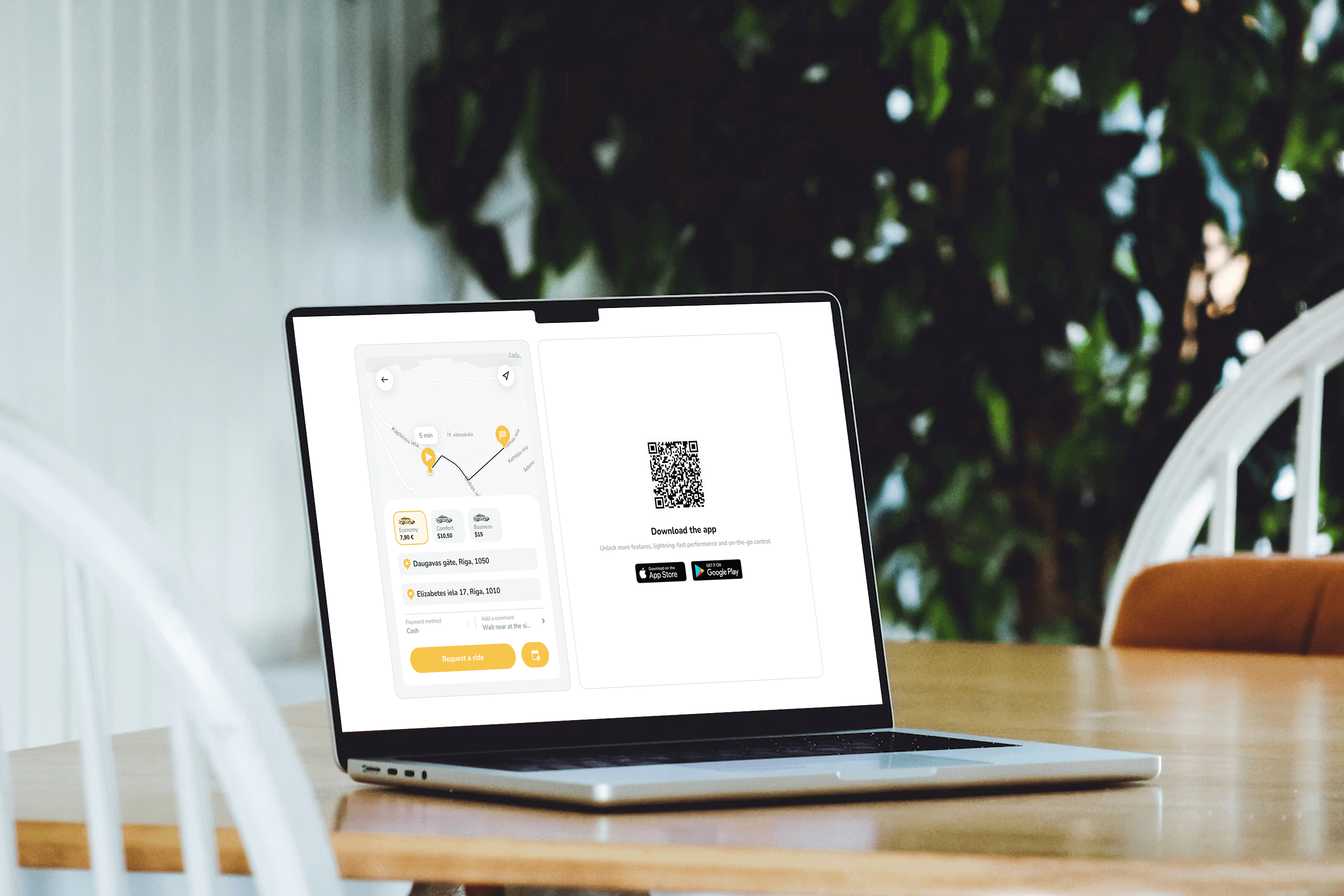
🚕 Web-booker is a lightweight ride-hail widget that lets users book rides directly from a website or mobile browser - no app install required. It reduces booking friction, supports hotel and partner demand, and keeps every ride fully synced with the taxi operator’s app and dashboard.
What if ordering a taxi was as easy as booking a room or clicking “Reserve table” on a website?
Meet Web-booker - a lightweight ride-hail booking widget that lets users request a cab directly from a website, without installing or opening the mobile app.
Perfect for hotels, business centers, event venues, airports, and corporate partners.
👉 Live demo: https://app.atommobility.com/taxi-widget
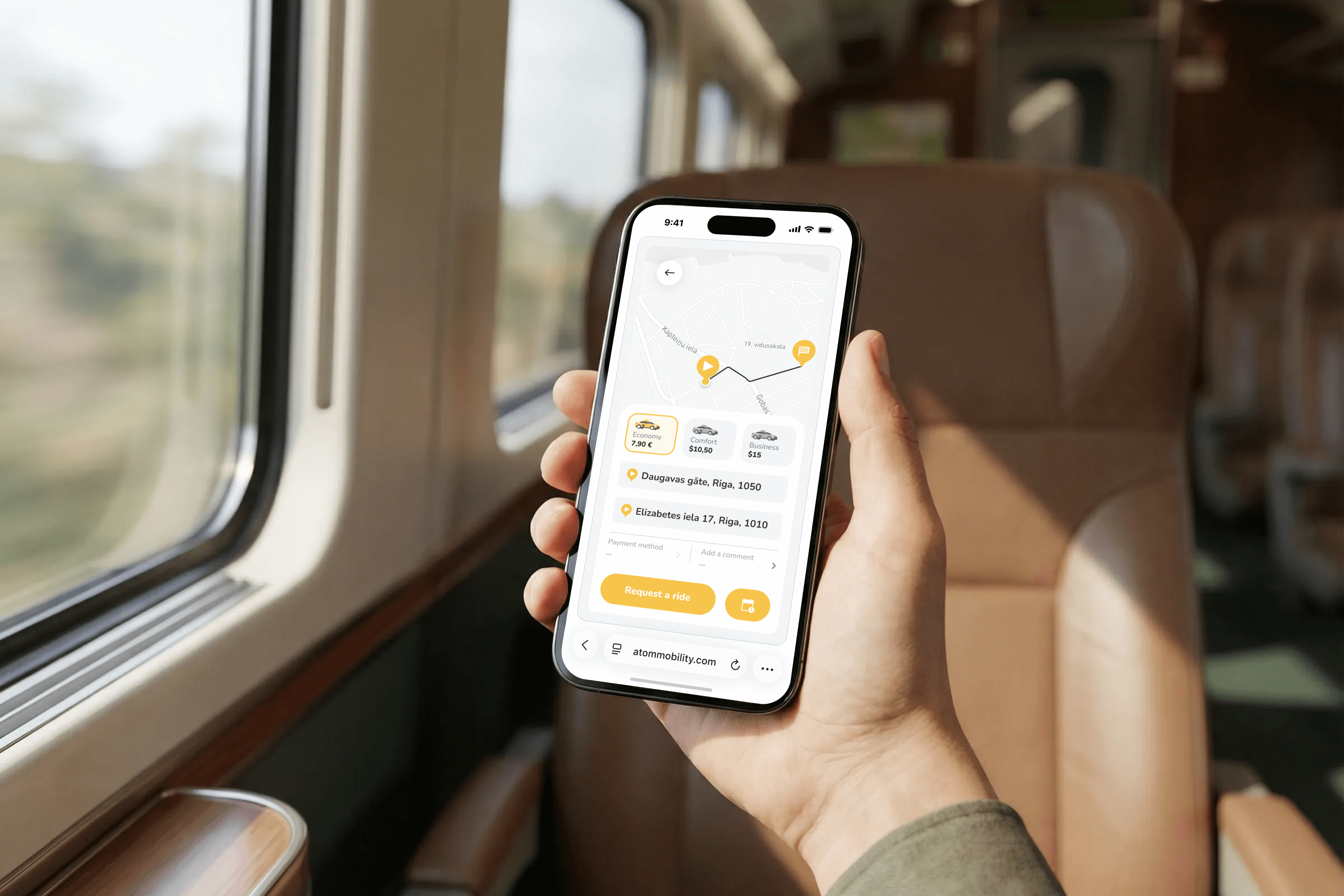
Web-booker is a browser-based ride-hail widget that operators can embed or link to from any website.
The booking happens on the web, but the ride is fully synchronized with the mobile app and operator dashboard.
No redirects. No app-store friction. No lost users.
This keeps fraud low while preserving conversion.
Web-booker addresses one of the most common friction points in ride-hailing: users who need a ride now but are not willing to download an app first. By allowing bookings directly from a website, operators can capture high-intent demand at the exact moment it occurs - whether that is on a hotel website, an event page, or a partner landing page.
At the same time, Web-booker makes partnerships with hotels and venues significantly easier. Instead of complex integrations or manual ordering flows, partners can simply place a button or link and immediately enable ride ordering for their guests. Importantly, this approach does not block long-term app growth. The booking flow still promotes the mobile app through QR codes and store links, allowing operators to convert web users into app users over time - without forcing the install upfront.
Web-booker is not designed to replace the mobile app. It extends the acquisition funnel by adding a low-friction entry point, while keeping all bookings fully synchronized with the operator’s app and dashboard.
👉 Try the demo
https://app.atommobility.com/taxi-widget
Want to explore a ride-hail or taxi solution for your business - or migrate to a more flexible platform? Visit: https://www.atommobility.com/products/ride-hailing
Credenciales de demostración de Driver App - Correo electrónico: test@atom.com, contraseña: conductor

