Como a Donkey Republic se tornou líder em micromobilidade
February 25, 2025
leitura mínima

%20(1).png)
O compartilhamento de bicicletas teve um grande sucesso nos últimos dez anos. Algumas empresas jogaram milhares de bicicletas nas ruas da cidade sem permissão, enquanto outras gastaram muito dinheiro, mas não conseguiram descobrir como obter lucro. A Donkey Republic adotou uma abordagem diferente — e funcionou.
Começou em Copenhague em 2014, República do Burro não se apressou em expandir ou confiar em grandes investidores. Em vez disso, concentrou-se em trabalhar com cidades, manter as coisas simples e garantir que a empresa pudesse realmente ganhar dinheiro. Em 2023, a empresa ganhou €15,4 milhões (DKK 115,2 milhões), um aumento de 70% em relação ao ano anterior e, mais importante, obteve um lucro de €1,27 milhão (DKK 9,5 milhões).
O fundador da empresa, Erdem Ovacik, teve a ideia quando viu um amigo usando fechaduras combinadas para compartilhar bicicletas com outras pessoas em Copenhague. Ele achou que deveria haver uma maneira melhor. A resposta? Um aplicativo móvel e fechaduras inteligentes, para que as pessoas possam alugar uma bicicleta rapidamente sem precisar de uma docking station.
Em 2015, a Donkey Republic começou com apenas 30 bicicletas. Em vez de inundar as ruas com bicicletas e esperar pelo melhor, trabalhou diretamente com os governos municipais para obter aprovação. Isso ajudou a evitar os problemas que as empresas gostam Ofo e Móvel enfrentados quando se expandiram muito rápido e depois entraram em colapso.
Muitas empresas de bicicletas e scooters tentam crescer o mais rápido possível, gastando muito dinheiro e esperando lucrar mais tarde. A Donkey Republic não fez isso. Em 2020, ele se expandiu para 13 países, incluindo Alemanha, Espanha, Holanda e Finlândia, mas sempre de forma controlada.
Grande parte de seu sucesso vem de trabalhar com cidades em vez de combatê-las. Em vez de simplesmente deixar as bicicletas na rua e esperar que ninguém reclame, a Donkey Republic fez acordos com os governos locais. Isso significa que a empresa não precisa se preocupar tanto com proibições repentinas ou mudanças nas regras.
Por exemplo, em 2023, Paris proibiu o aluguel de scooters eletrônicos, o que foi um desastre para outras empresas. Mas como a Donkey Republic se concentra em bicicletas, ela não foi afetada.
A Donkey Republic mostrou um progresso financeiro impressionante nos últimos anos. Em 2023, a empresa registrou uma receita de DKK 115,2 milhões — um aumento de 70% em relação ao ano anterior. Ainda mais importante, eles alcançaram um EBITDA positivo (lucro antes de juros, impostos, depreciação e amortização) de DKK 9,5 milhões, marcando uma mudança em direção à lucratividade.

2024 foi ainda mais forte para a Donkey Republic. A empresa registrou uma receita de DKK 145 milhões, representando um aumento de 25% em relação a 2023. Pela primeira vez, eles também registraram um EBIT positivo de DKK 1 milhão. Isso mostra que sua estratégia de longo prazo de trabalhar com cidades e otimizar as operações está valendo a pena.
Vários fatores contribuíram para o sucesso da Donkey Republic:
Embora a Donkey Republic tenha mostrado que a micromobilidade pode ser lucrativa, o caminho a seguir não é isento de desafios. A concorrência é acirrada e outras empresas estão expandindo rapidamente suas frotas de bicicletas elétricas para competir no espaço da Donkey Republic. Além disso, embora as parcerias municipais ofereçam estabilidade, elas também limitam a rápida expansão — os contratos municipais levam tempo para serem garantidos e algumas cidades preferem investir em seus próprios programas públicos de compartilhamento de bicicletas.
Ainda assim, a Donkey Republic aposta que a demanda por transporte sustentável e favorável à cidade só crescerá. Com áreas urbanas em toda a Europa reprimindo o uso de carros — como a Zona de Emissão Ultra Baixa (ULEZ) de Londres e as políticas de restrição de carros de Paris — o compartilhamento de bicicletas está bem posicionado para prosperar.
Portanto, enquanto os operadores de scooters continuam enfrentando dores de cabeça regulatórias e dificuldades com os lucros, a Donkey Republic está provando que uma abordagem disciplinada que prioriza a cidade pode ser a chave para o sucesso duradouro na micromobilidade.
Clique abaixo para saber mais ou solicitar uma demonstração.

The micromobility industry doesn’t need another generic mobility conference. 🚫🎤 It needs real conversations between operators who are actually in the field. ⚙️ That’s exactly what ATOM Connect 2026 is built for. 🎯🤝
The shared mobility industry is evolving rapidly. Operators are navigating scaling challenges, regulatory complexity, hardware decisions, fleet optimization, and new integration models, all while aiming for sustainable growth.
That’s exactly why ATOM Mobility is organizing ATOM Connect 2026.
Our previous edition of ATOM Connect brought together professionals from the car sharing and rental industry for focused, high-quality discussions and networking. This year, we are narrowing the focus and dedicating the entire event to one fast-moving segment of the industry: shared micromobility.
ATOM Connect 2026 is designed specifically for operators, partners, and decision-makers working in shared micromobility. It is not a broad mobility conference or a public exhibition. It is a curated space for industry professionals to exchange practical experience, insights, and lessons learned.
On May 14th, 2026 in Riga, we will once again bring the community together, this time with a clear focus on micromobility.
This year’s agenda will address the real operational and strategic questions shaping shared micromobility today:
As usual, we aim to host both local and international operators from smaller, fast-growing fleets to established large-scale players alongside hardware providers and ecosystem partners.
On stage, you’ll hear from leading shared mobility companies - including Segway on hardware partnerships, Umob on MaaS integration, Anadue on data-driven fleet intelligence, Elerent on multi-vehicle operational realities and more insightful discussions.
The goal is simple: meaningful discussions with people who understand the operational realities of the industry.
ATOM Connect is free to attend, but participation is industry-focused (each submission is manually reviewed and verified). We are intentionally keeping the audience relevant and aligned to ensure high-quality conversations and valuable networking.
If you work in shared micromobility and would like to join the event, you can find the full agenda and register here:
👉 https://www.atommobility.com/atom-connect-2026
In the coming weeks, we will be revealing more speakers and additional agenda updates. We look forward to bringing the industry together again.
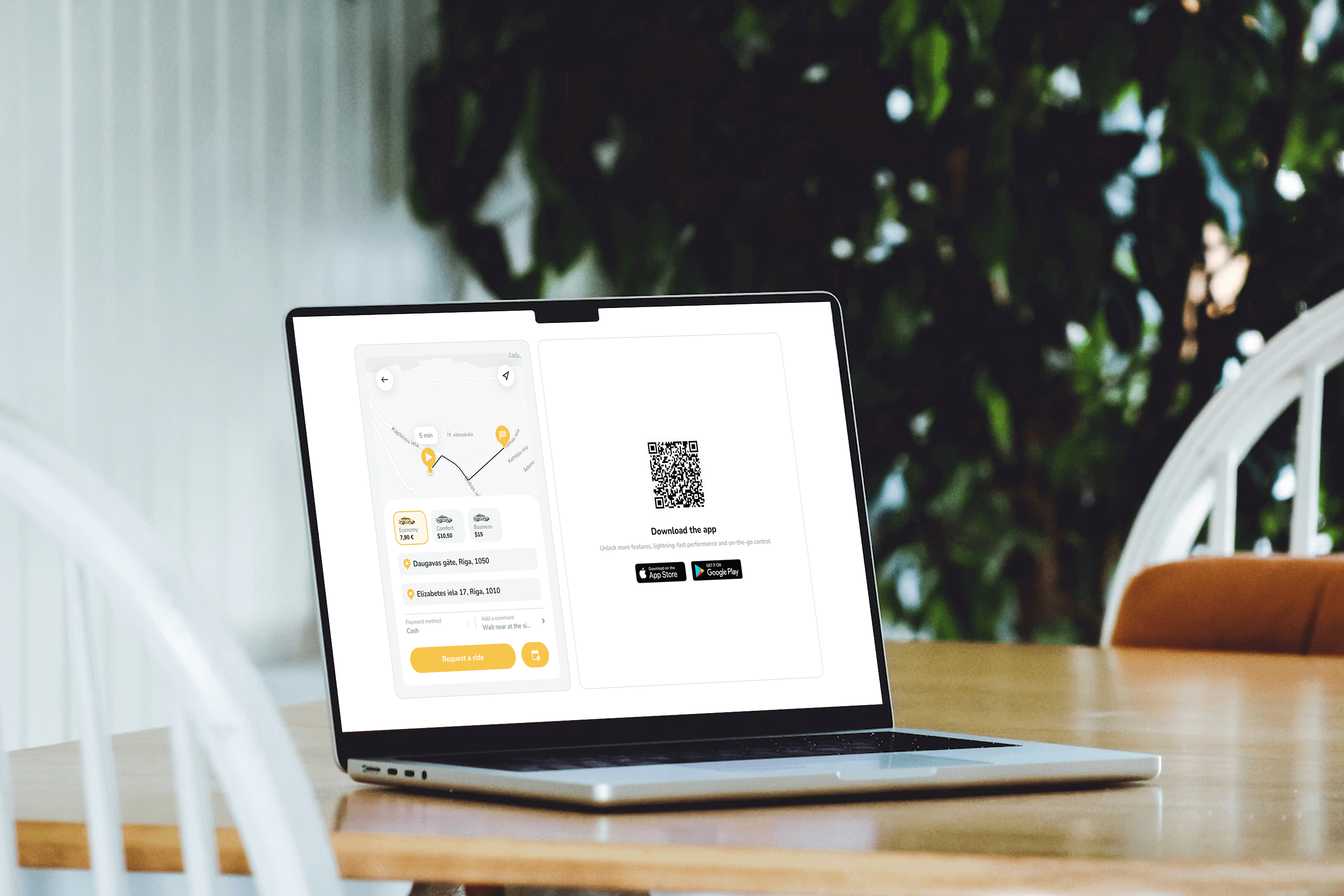
🚕 Web-booker is a lightweight ride-hail widget that lets users book rides directly from a website or mobile browser - no app install required. It reduces booking friction, supports hotel and partner demand, and keeps every ride fully synced with the taxi operator’s app and dashboard.
What if ordering a taxi was as easy as booking a room or clicking “Reserve table” on a website?
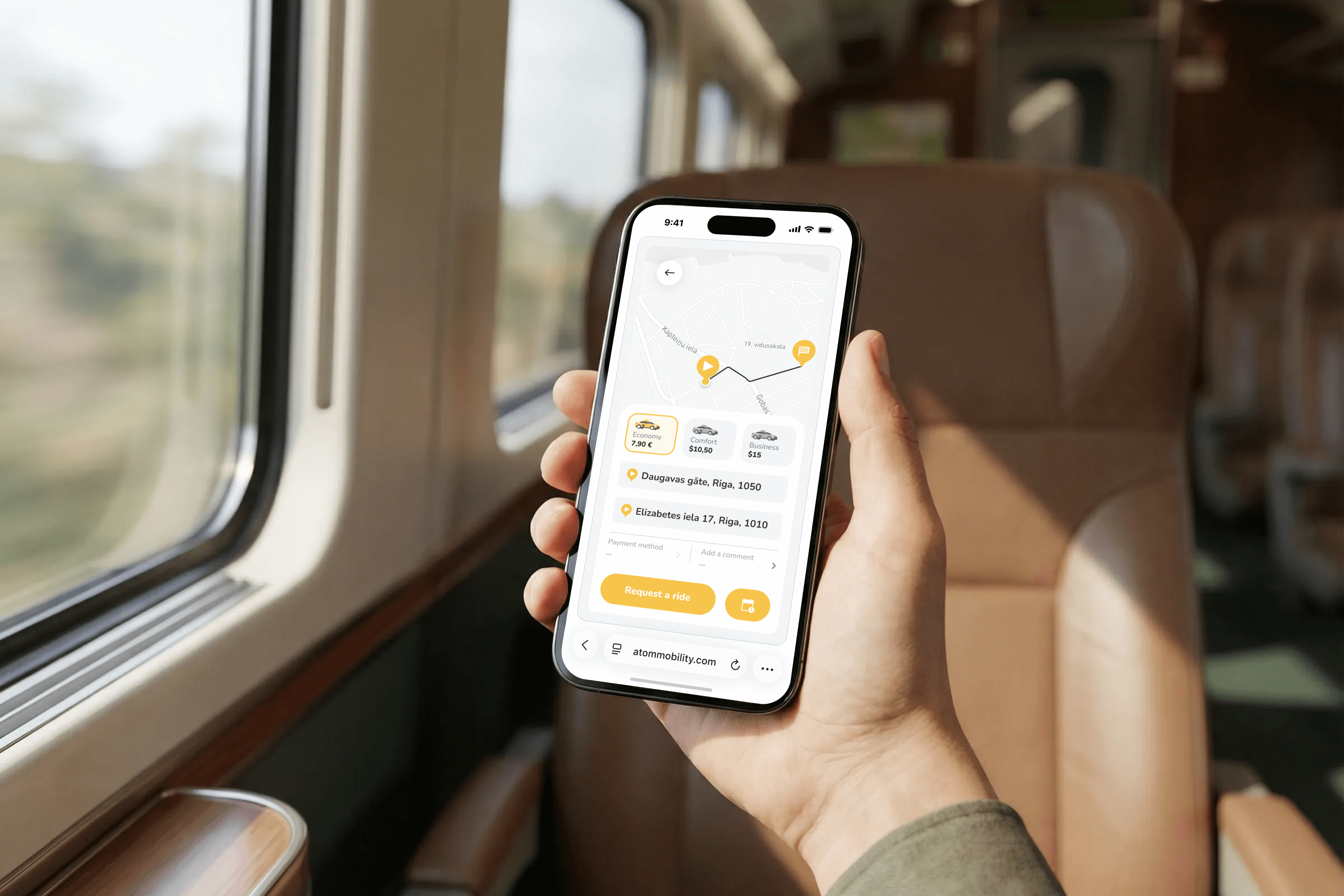
Meet Web-booker - a lightweight ride-hail booking widget that lets users request a cab directly from a website, without installing or opening the mobile app.
Perfect for hotels, business centers, event venues, airports, and corporate partners.
👉 Live demo: https://app.atommobility.com/taxi-widget
Web-booker is a browser-based ride-hail widget that operators can embed or link to from any website.
The booking happens on the web, but the ride is fully synchronized with the mobile app and operator dashboard.
No redirects. No app-store friction. No lost users.
This keeps fraud low while preserving conversion.
Web-booker addresses one of the most common friction points in ride-hailing: users who need a ride now but are not willing to download an app first. By allowing bookings directly from a website, operators can capture high-intent demand at the exact moment it occurs - whether that is on a hotel website, an event page, or a partner landing page.
At the same time, Web-booker makes partnerships with hotels and venues significantly easier. Instead of complex integrations or manual ordering flows, partners can simply place a button or link and immediately enable ride ordering for their guests. Importantly, this approach does not block long-term app growth. The booking flow still promotes the mobile app through QR codes and store links, allowing operators to convert web users into app users over time - without forcing the install upfront.
Web-booker is not designed to replace the mobile app. It extends the acquisition funnel by adding a low-friction entry point, while keeping all bookings fully synchronized with the operator’s app and dashboard.
👉 Try the demo
https://app.atommobility.com/taxi-widget
Want to explore a ride-hail or taxi solution for your business - or migrate to a more flexible platform? Visit: https://www.atommobility.com/products/ride-hailing
Credenciais de demonstração do Driver App - E-mail: test@atom.com, Senha: motorista

