Come Donkey Republic è diventata leader nella micromobilità
February 25, 2025
lettura minima

%20(1).png)
Il bike sharing ha avuto un successo sfrenato negli ultimi dieci anni. Alcune aziende hanno gettato migliaia di biciclette sulle strade della città senza permesso, mentre altre hanno speso un sacco di soldi ma non sono riuscite a capire come realizzare un profitto. Donkey Republic ha adottato un approccio diverso e ha funzionato.
Iniziato a Copenaghen nel 2014, Repubblica degli asini non si è affrettato ad espandersi o ad affidarsi a grandi investitori. Invece, si è concentrata sulla collaborazione con le città, sulla semplicità delle cose e sulla garanzia che l'azienda potesse effettivamente fare soldi. Nel 2023, la società ha guadagnato 15,4 milioni di euro (115,2 milioni di DKK), in crescita del 70% rispetto all'anno precedente e, cosa ancora più importante, ha realizzato un utile di 1,27 milioni di euro (9,5 milioni di DKK).
Il fondatore dell'azienda, Erdem Ovacik, ha avuto l'idea quando ha visto un amico usare lucchetti a combinazione per condividere le biciclette con altri a Copenaghen. Pensò che ci dovesse essere un modo migliore. La risposta? Un'app mobile e serrature intelligenti, in modo che le persone potessero noleggiare una bicicletta rapidamente senza bisogno di una docking station.
Nel 2015, Donkey Republic ha iniziato con solo 30 biciclette. Invece di inondare le strade di biciclette e sperare per il meglio, ha collaborato direttamente con i governi delle città per ottenere l'approvazione. Ciò ha contribuito a evitare i problemi che piacciono alle aziende Ofo e Cellulari affrontati quando si sono espansi troppo velocemente e poi sono crollati.
Molte aziende produttrici di bici e scooter cercano di crescere il più velocemente possibile, spendendo un sacco di soldi e sperando di ottenere un profitto in seguito. Donkey Republic non l'ha fatto. Entro il 2020, si era esteso a 13 paesi, tra cui Germania, Spagna, Paesi Bassi e Finlandia, ma sempre in modo controllato.
Gran parte del suo successo deriva dal lavorare con le città invece di combatterle. Invece di limitarsi a far cadere le bici per strada sperando che nessuno si lamenti, Donkey Republic ha stretto accordi con i governi locali. Ciò significa che l'azienda non deve preoccuparsi tanto di divieti improvvisi o di modifiche alle regole.
Ad esempio, nel 2023, Parigi ha vietato il noleggio di scooter elettrici, il che è stato un disastro per altre società. Ma poiché Donkey Republic si concentra sulle biciclette, non ne è stata influenzata.
Donkey Republic ha mostrato progressi finanziari impressionanti negli ultimi anni. Nel 2023, la società ha registrato un fatturato di 115,2 milioni di DKK, con un aumento del 70% rispetto all'anno precedente. Ancora più importante, ha raggiunto un EBITDA (utile prima di interessi, tasse, deprezzamento e ammortamento) positivo di 9,5 milioni di DKK, segnando una svolta verso la redditività.

Il 2024 è stato ancora più forte per Donkey Republic. La società ha registrato un fatturato di 145 milioni di DKK, con un aumento del 25% rispetto al 2023. Per la prima volta, ha inoltre registrato un EBIT positivo di 1 milione di DKK. Ciò dimostra che la loro strategia a lungo termine di collaborazione con le città e di ottimizzazione delle operazioni sta dando i suoi frutti.
Diversi fattori hanno contribuito al successo di Donkey Republic:
Sebbene Donkey Republic abbia dimostrato che la micromobilità può essere redditizia, la strada da percorrere non è priva di sfide. La concorrenza è agguerrita e altre aziende stanno rapidamente ampliando le proprie flotte di e-bike per competere nello spazio di Donkey Republic. Inoltre, le partnership tra città offrono stabilità, ma limitano anche la rapida espansione: i contratti comunali richiedono tempo per essere garantiti e alcune città preferiscono investire nei propri programmi pubblici di bike sharing.
Tuttavia, Donkey Republic scommette che la domanda di trasporti sostenibili e rispettosi delle città non farà che crescere. Con le aree urbane di tutta Europa che stanno reprimendo l'uso dell'auto, come la Ultra Low Emission Zone (ULEZ) di Londra e le politiche di restrizione delle auto di Parigi, il bike sharing è ben posizionato per prosperare.
Quindi, mentre gli operatori di scooter continuano a lottare contro i problemi normativi e i profitti, Donkey Republic sta dimostrando che un approccio disciplinato e incentrato sulla città potrebbe essere la chiave per un successo duraturo nella micromobilità.
Fai clic qui sotto per saperne di più o richiedere una demo.

The micromobility industry doesn’t need another generic mobility conference. 🚫🎤 It needs real conversations between operators who are actually in the field. ⚙️ That’s exactly what ATOM Connect 2026 is built for. 🎯🤝
The shared mobility industry is evolving rapidly. Operators are navigating scaling challenges, regulatory complexity, hardware decisions, fleet optimization, and new integration models, all while aiming for sustainable growth.
That’s exactly why ATOM Mobility is organizing ATOM Connect 2026.
Our previous edition of ATOM Connect brought together professionals from the car sharing and rental industry for focused, high-quality discussions and networking. This year, we are narrowing the focus and dedicating the entire event to one fast-moving segment of the industry: shared micromobility.
ATOM Connect 2026 is designed specifically for operators, partners, and decision-makers working in shared micromobility. It is not a broad mobility conference or a public exhibition. It is a curated space for industry professionals to exchange practical experience, insights, and lessons learned.
On May 14th, 2026 in Riga, we will once again bring the community together, this time with a clear focus on micromobility.
This year’s agenda will address the real operational and strategic questions shaping shared micromobility today:
As usual, we aim to host both local and international operators from smaller, fast-growing fleets to established large-scale players alongside hardware providers and ecosystem partners.
On stage, you’ll hear from leading shared mobility companies - including Segway on hardware partnerships, Umob on MaaS integration, Anadue on data-driven fleet intelligence, Elerent on multi-vehicle operational realities and more insightful discussions.
The goal is simple: meaningful discussions with people who understand the operational realities of the industry.
ATOM Connect is free to attend, but participation is industry-focused (each submission is manually reviewed and verified). We are intentionally keeping the audience relevant and aligned to ensure high-quality conversations and valuable networking.
If you work in shared micromobility and would like to join the event, you can find the full agenda and register here:
👉 https://www.atommobility.com/atom-connect-2026
In the coming weeks, we will be revealing more speakers and additional agenda updates. We look forward to bringing the industry together again.
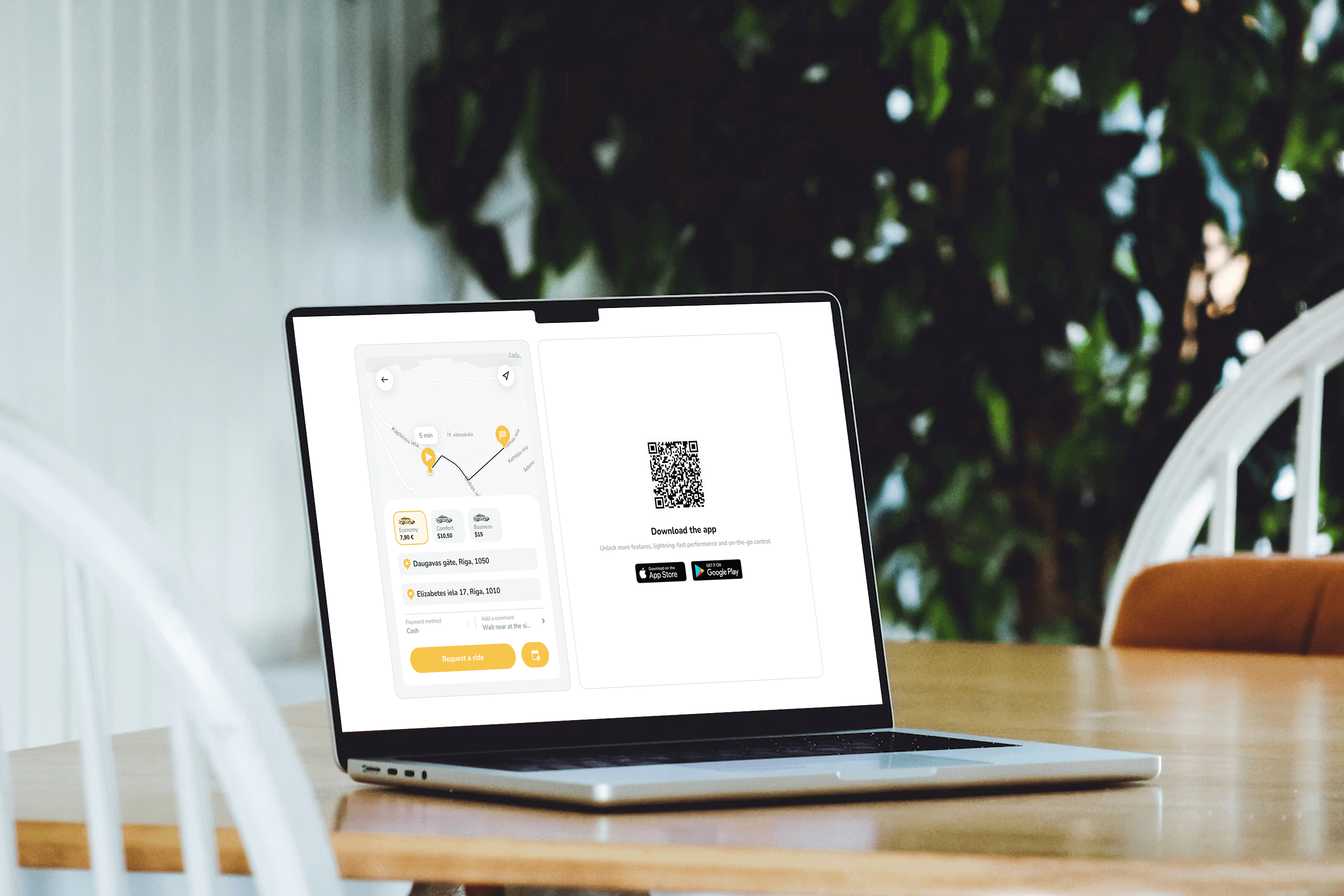
🚕 Web-booker is a lightweight ride-hail widget that lets users book rides directly from a website or mobile browser - no app install required. It reduces booking friction, supports hotel and partner demand, and keeps every ride fully synced with the taxi operator’s app and dashboard.
What if ordering a taxi was as easy as booking a room or clicking “Reserve table” on a website?
Meet Web-booker - a lightweight ride-hail booking widget that lets users request a cab directly from a website, without installing or opening the mobile app.
Perfect for hotels, business centers, event venues, airports, and corporate partners.
👉 Live demo: https://app.atommobility.com/taxi-widget
Web-booker is a browser-based ride-hail widget that operators can embed or link to from any website.
The booking happens on the web, but the ride is fully synchronized with the mobile app and operator dashboard.
No redirects. No app-store friction. No lost users.
This keeps fraud low while preserving conversion.
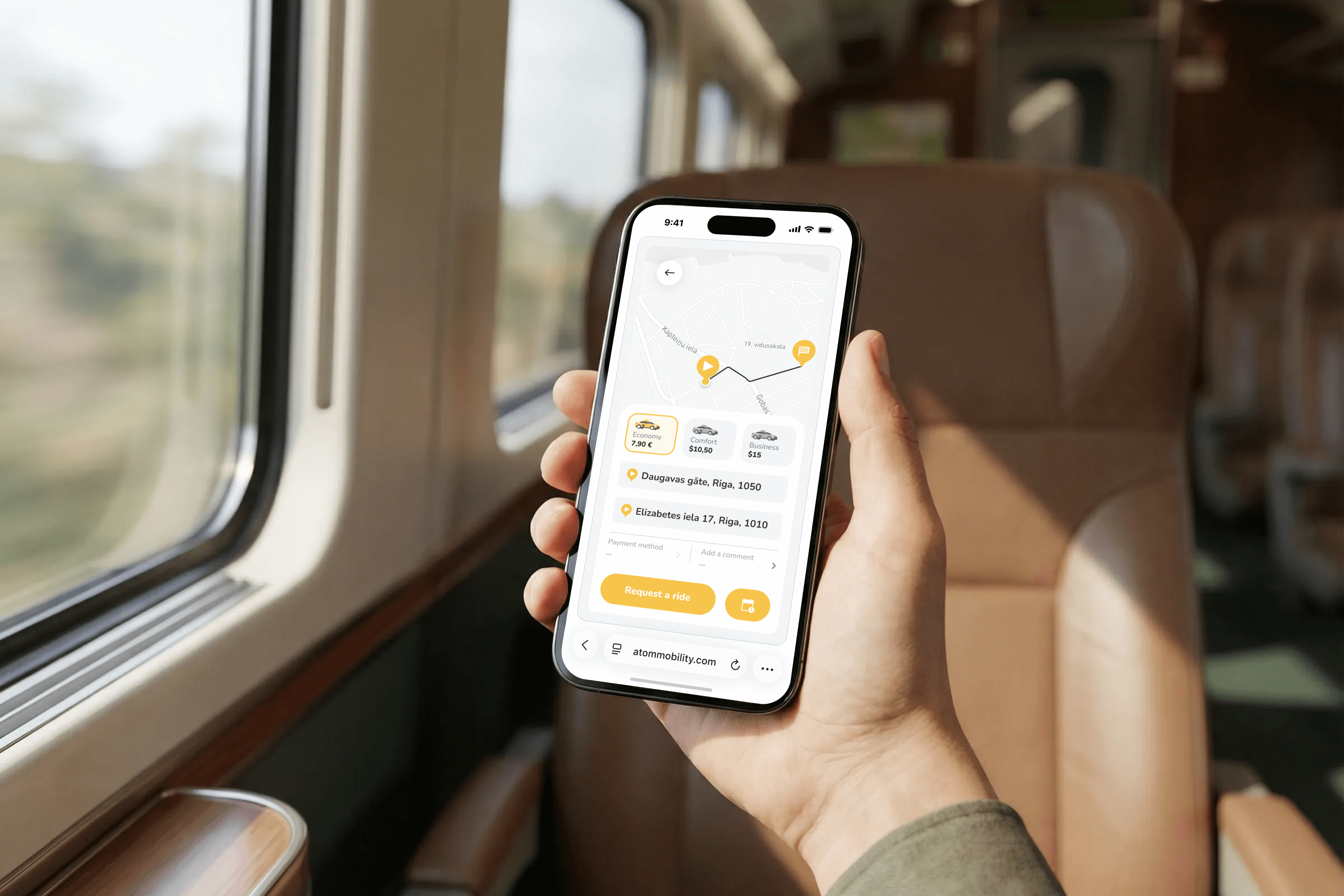
Web-booker addresses one of the most common friction points in ride-hailing: users who need a ride now but are not willing to download an app first. By allowing bookings directly from a website, operators can capture high-intent demand at the exact moment it occurs - whether that is on a hotel website, an event page, or a partner landing page.
At the same time, Web-booker makes partnerships with hotels and venues significantly easier. Instead of complex integrations or manual ordering flows, partners can simply place a button or link and immediately enable ride ordering for their guests. Importantly, this approach does not block long-term app growth. The booking flow still promotes the mobile app through QR codes and store links, allowing operators to convert web users into app users over time - without forcing the install upfront.
Web-booker is not designed to replace the mobile app. It extends the acquisition funnel by adding a low-friction entry point, while keeping all bookings fully synchronized with the operator’s app and dashboard.
👉 Try the demo
https://app.atommobility.com/taxi-widget
Want to explore a ride-hail or taxi solution for your business - or migrate to a more flexible platform? Visit: https://www.atommobility.com/products/ride-hailing
Credenziali demo dell'app Driver - Email: test@atom.com, Password: autista

