Wie Donkey Republic zum Marktführer im Bereich Mikromobilität wurde
February 25, 2025
min. Lesedauer

%20(1).png)
Bikesharing hat in den letzten zehn Jahren eine wilde Fahrt hinter sich. Einige Unternehmen warfen Tausende von Fahrrädern ohne Genehmigung auf die Straßen der Stadt, während andere tonnenweise Geld ausgaben, aber nicht herausfinden konnten, wie sie Gewinne erzielen konnten. Donkey Republic hat einen anderen Ansatz gewählt — und er hat funktioniert.
Gestartet 2014 in Kopenhagen Donkey Republic beeilte sich nicht, zu expandieren oder sich auf Großinvestoren zu verlassen. Stattdessen konzentrierte es sich darauf, mit Städten zusammenzuarbeiten, die Dinge einfach zu halten und sicherzustellen, dass das Unternehmen tatsächlich Geld verdienen konnte. Im Jahr 2023 verdiente das Unternehmen 15,4 Millionen € (115,2 Millionen DKK), ein Plus von 70% gegenüber dem Vorjahr, und, was noch wichtiger ist, es erzielte einen Gewinn von 1,27 Millionen € (9,5 Millionen DKK).
Der Gründer des Unternehmens, Erdem Ovacik, kam auf die Idee, als er in Kopenhagen einen Freund sah, der Kombinationsschlösser benutzte, um Fahrräder mit anderen zu teilen. Er dachte, es müsste einen besseren Weg geben. Die Antwort? Eine mobile App und intelligente Schlösser, sodass die Leute schnell ein Fahrrad mieten konnten, ohne eine Dockingstation zu benötigen.
2015 begann Donkey Republic mit nur 30 Motorrädern. Anstatt die Straßen mit Fahrrädern zu überfluten und auf das Beste zu hoffen, arbeitete das Unternehmen direkt mit den Stadtverwaltungen zusammen, um die Genehmigung zu erhalten. Das hat dazu beigetragen, die Probleme zu vermeiden, die Unternehmen mögen Ofo und Mobike konfrontiert, als sie sich zu schnell ausdehnten und dann zusammenbrachen.
Viele Fahrrad- und Rollerfirmen versuchen, so schnell wie möglich zu wachsen, geben viel Geld aus und hoffen, später Gewinne zu erzielen. Donkey Republic hat das nicht getan. Bis 2020 war es auf 13 Länder ausgeweitet worden, darunter Deutschland, Spanien, die Niederlande und Finnland, jedoch immer auf kontrollierte Weise.
Ein großer Teil seines Erfolgs beruht auf der Zusammenarbeit mit Städten, anstatt sie zu bekämpfen. Anstatt einfach Fahrräder auf die Straße zu stellen und zu hoffen, dass sich niemand beschwert, hat Donkey Republic Vereinbarungen mit den lokalen Regierungen getroffen. Das bedeutet, dass sich das Unternehmen nicht so viele Gedanken über plötzliche Verbote oder sich ändernde Regeln machen muss.
Zum Beispiel verbot Paris 2023 den Verleih von E-Scootern, was für andere Unternehmen eine Katastrophe war. Da sich Donkey Republic jedoch auf Fahrräder konzentriert, war es nicht betroffen.
Donkey Republic hat in den letzten Jahren beeindruckende finanzielle Fortschritte erzielt. Im Jahr 2023 meldete das Unternehmen einen Umsatz von 115,2 Millionen DKK — ein Anstieg von 70% gegenüber dem Vorjahr. Noch wichtiger ist, dass das Unternehmen ein positives EBITDA (Ergebnis vor Zinsen, Steuern und Abschreibungen) von 9,5 Millionen DKK erzielte, was eine Verlagerung in Richtung Rentabilität bedeutet.

2024 war für Donkey Republic noch stärker. Das Unternehmen meldete einen Umsatz von 145 Millionen DKK, was einem Anstieg von 25% gegenüber 2023 entspricht. Zum ersten Mal verzeichneten sie auch ein positives EBIT von 1 Million DKK. Dies zeigt, dass sich ihre langfristige Strategie, mit Städten zusammenzuarbeiten und Betriebsabläufe zu optimieren, auszahlt.
Mehrere Faktoren haben zum Erfolg von Donkey Republic beigetragen:
Donkey Republic hat zwar gezeigt, dass Mikromobilität rentabel sein kann, aber der Weg, der vor uns liegt, ist nicht ohne Herausforderungen. Der Wettbewerb ist hart und andere Unternehmen erweitern ihre E-Bike-Flotten rasant, um im Bereich Donkey Republic mithalten zu können. Städtepartnerschaften sorgen zwar für Stabilität, schränken aber auch eine schnelle Expansion ein — es dauert einige Zeit, bis die städtischen Verträge abgeschlossen sind, und einige Städte ziehen es vor, in ihre eigenen öffentlichen Fahrradverleihprogramme zu investieren.
Dennoch setzt Donkey Republic darauf, dass die Nachfrage nach nachhaltigen, stadtfreundlichen Verkehrsmitteln nur steigen wird. Angesichts der Tatsache, dass urbane Gebiete in ganz Europa hart gegen die Nutzung von Autos vorgehen — wie etwa die Londoner Ultra-Low-Emissions-Zone (ULEZ) und die Pariser Richtlinien zur Beschränkung der Pkw-Nutzung — ist das Fahrrad-Sharing gut positioniert, um erfolgreich zu sein.
Während Rollerbetreiber also weiterhin mit regulatorischen Problemen und Gewinnkämpfen zu kämpfen haben, beweist Donkey Republic, dass ein disziplinierter Ansatz, bei dem die Stadt an erster Stelle steht, der Schlüssel zum dauerhaften Erfolg in der Mikromobilität sein könnte.
Klicken Sie unten, um mehr zu erfahren oder eine Demo anzufordern.

The micromobility industry doesn’t need another generic mobility conference. 🚫🎤 It needs real conversations between operators who are actually in the field. ⚙️ That’s exactly what ATOM Connect 2026 is built for. 🎯🤝
The shared mobility industry is evolving rapidly. Operators are navigating scaling challenges, regulatory complexity, hardware decisions, fleet optimization, and new integration models, all while aiming for sustainable growth.
That’s exactly why ATOM Mobility is organizing ATOM Connect 2026.
Our previous edition of ATOM Connect brought together professionals from the car sharing and rental industry for focused, high-quality discussions and networking. This year, we are narrowing the focus and dedicating the entire event to one fast-moving segment of the industry: shared micromobility.
ATOM Connect 2026 is designed specifically for operators, partners, and decision-makers working in shared micromobility. It is not a broad mobility conference or a public exhibition. It is a curated space for industry professionals to exchange practical experience, insights, and lessons learned.
On May 14th, 2026 in Riga, we will once again bring the community together, this time with a clear focus on micromobility.
This year’s agenda will address the real operational and strategic questions shaping shared micromobility today:
As usual, we aim to host both local and international operators from smaller, fast-growing fleets to established large-scale players alongside hardware providers and ecosystem partners.
On stage, you’ll hear from leading shared mobility companies - including Segway on hardware partnerships, Umob on MaaS integration, Anadue on data-driven fleet intelligence, Elerent on multi-vehicle operational realities and more insightful discussions.
The goal is simple: meaningful discussions with people who understand the operational realities of the industry.
ATOM Connect is free to attend, but participation is industry-focused (each submission is manually reviewed and verified). We are intentionally keeping the audience relevant and aligned to ensure high-quality conversations and valuable networking.
If you work in shared micromobility and would like to join the event, you can find the full agenda and register here:
👉 https://www.atommobility.com/atom-connect-2026
In the coming weeks, we will be revealing more speakers and additional agenda updates. We look forward to bringing the industry together again.
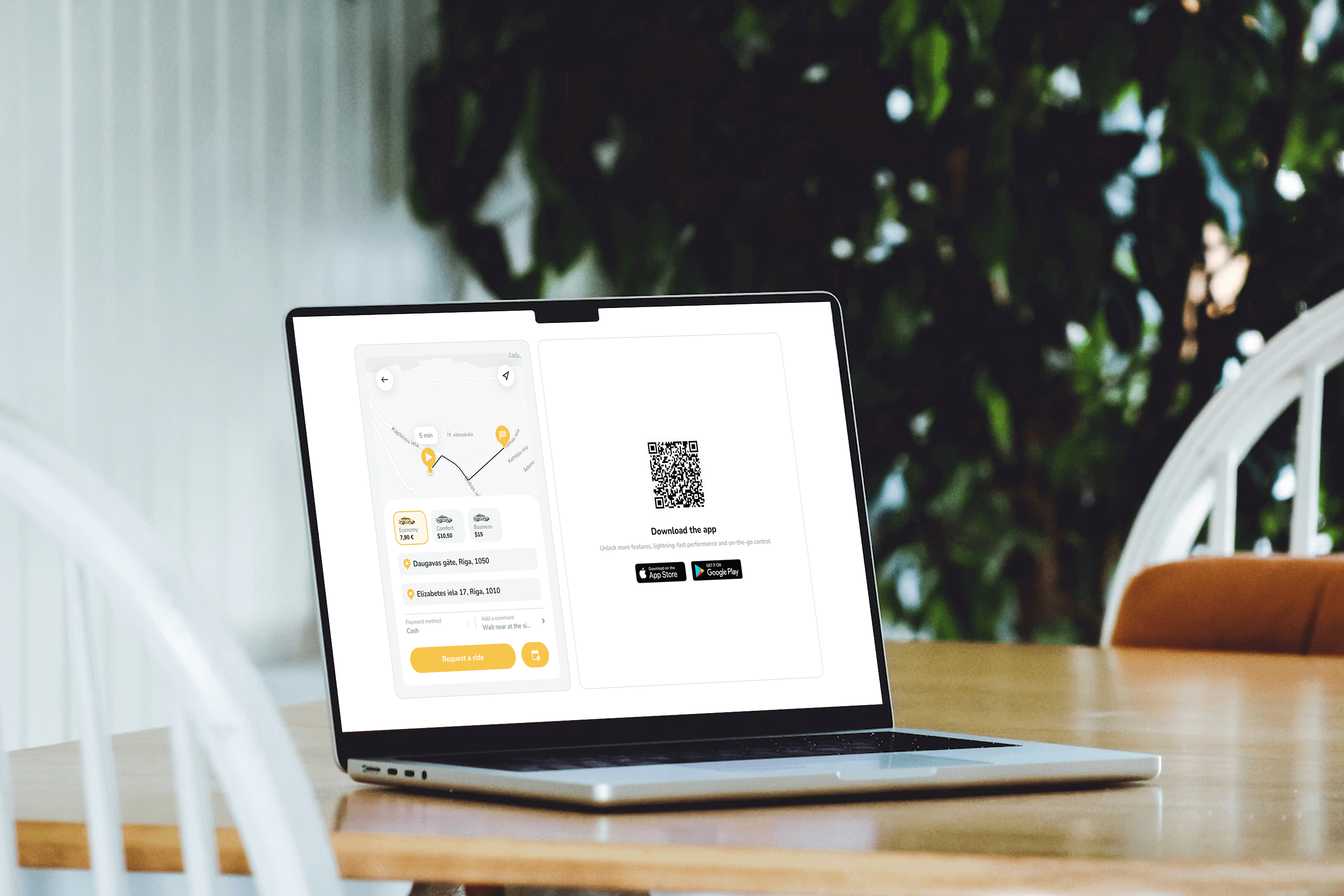
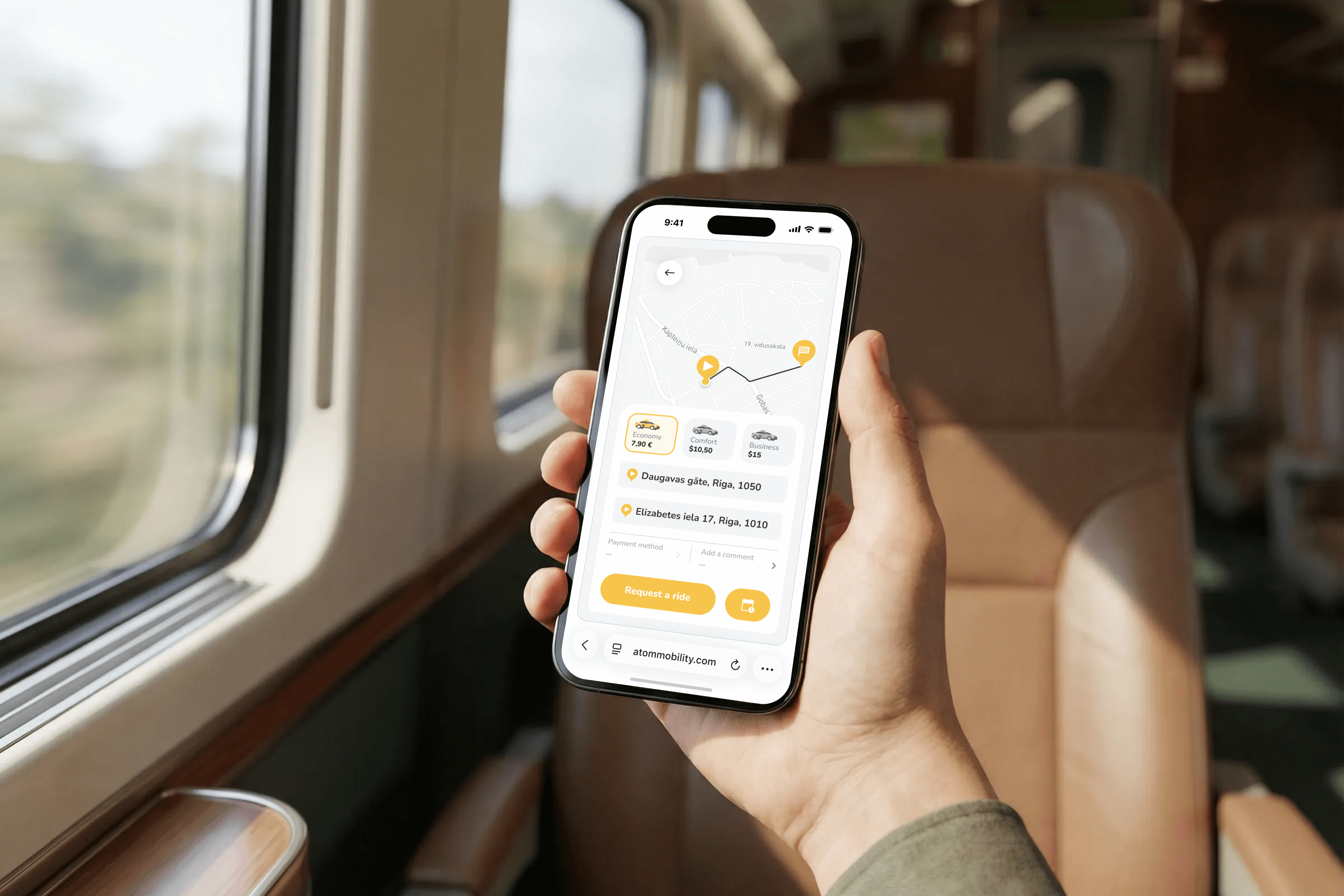
🚕 Web-booker is a lightweight ride-hail widget that lets users book rides directly from a website or mobile browser - no app install required. It reduces booking friction, supports hotel and partner demand, and keeps every ride fully synced with the taxi operator’s app and dashboard.
What if ordering a taxi was as easy as booking a room or clicking “Reserve table” on a website?
Meet Web-booker - a lightweight ride-hail booking widget that lets users request a cab directly from a website, without installing or opening the mobile app.
Perfect for hotels, business centers, event venues, airports, and corporate partners.
👉 Live demo: https://app.atommobility.com/taxi-widget
Web-booker is a browser-based ride-hail widget that operators can embed or link to from any website.
The booking happens on the web, but the ride is fully synchronized with the mobile app and operator dashboard.
No redirects. No app-store friction. No lost users.
This keeps fraud low while preserving conversion.
Web-booker addresses one of the most common friction points in ride-hailing: users who need a ride now but are not willing to download an app first. By allowing bookings directly from a website, operators can capture high-intent demand at the exact moment it occurs - whether that is on a hotel website, an event page, or a partner landing page.
At the same time, Web-booker makes partnerships with hotels and venues significantly easier. Instead of complex integrations or manual ordering flows, partners can simply place a button or link and immediately enable ride ordering for their guests. Importantly, this approach does not block long-term app growth. The booking flow still promotes the mobile app through QR codes and store links, allowing operators to convert web users into app users over time - without forcing the install upfront.
Web-booker is not designed to replace the mobile app. It extends the acquisition funnel by adding a low-friction entry point, while keeping all bookings fully synchronized with the operator’s app and dashboard.
👉 Try the demo
https://app.atommobility.com/taxi-widget
Want to explore a ride-hail or taxi solution for your business - or migrate to a more flexible platform? Visit: https://www.atommobility.com/products/ride-hailing
Anmeldedaten für die Driver App-Demo - E-Mail: test@atom.com, Passwort: Treiber

