Todo lo que necesitas saber antes de empezar tu proyecto de coche compartido
June 21, 2021
lectura mínima


Así que ha elegido el tipo de vehículo. Y de todos los medios de transporte disponibles, ha decidido que utilizará automóviles para su negocio de uso compartido. ¡Felicidades! Has hecho la parte más difícil. ¡Felicidades! 🥳 😆 El siguiente paso es crear un plan de negocios. Como esta tampoco es una tarea fácil, hemos creado una guía para ti en la que se destacan los aspectos más importantes a tener en cuenta antes de empezar a trabajar.
Hay muchos enfoques diferentes desde los que empezar, pero empecemos por el que abre una perspectiva más amplia de tu futuro patio de recreo. Y todo esto tiene que ver con la evaluación del mercado. Entonces, ¿por qué no empezar con la evaluación demográfica que más adelante le ayudará a definir su público objetivo?
La evaluación demográfica consiste en comprender el perfil de su cliente y averiguar cuántas personas cumplen con esos criterios en el área en la que planea operar. Por ejemplo, si tu perfil de cliente es de jóvenes que no tienen coche propio, pero para quienes tener uno les facilitaría la vida, estás en el lugar correcto. Sin embargo, es posible que el mismo grupo de edad no esté interesado en utilizar el servicio de coche compartido porque, por ejemplo, las distancias son demasiado pequeñas o porque los jóvenes trabajan en una ciudad cercana y vuelven a casa solo durante el fin de semana y no necesitan un coche. Puede haber diferentes escenarios y cada uno de ellos debe analizarse por separado.
Si hay competidores en el área que te interesa, esto podría ser tanto una buena señal como una señal no tan buena. También es una buena señal en términos de demanda: significa que el servicio es necesario en la zona en cuestión. Sin embargo, es posible que el mercado sea demasiado pequeño para que puedan operar varias empresas, por lo que conviene investigar detenidamente el número de actores que puede captar el mercado.
Además, considera obtener toda la información que puedas tener sobre tus competidores: el tamaño de su flota, el número de viajes que realiza cada vehículo por día y por mes y su estrategia de precios. Cualquier fuente creíble de información funciona. Por ejemplo, considera la posibilidad de buscar en los medios locales. A veces, los representantes de las empresas hablan mucho sobre su éxito y sus planes futuros, por lo que podría serte útil analizar el mercado. También puedes usar su servicio y, por ejemplo, analizar los odómetros de los vehículos de vez en cuando para calcular la distancia que recorre un vehículo en una semana.
También hay clientes locuaces, que podrían estar dispuestos a compartir contigo lo que les gusta y lo que no les gusta del servicio de tu competencia. Esta también podría ser una fuente muy importante de información sobre la empresa.
Al principio de este artículo, es posible que tenga la sensación de que el uso compartido del automóvil tiene que ver con el enfoque de empresa a consumidor (B2C). Pero tu cliente también podría ser otra empresa. Por ejemplo, con la ayuda de sus empresas de servicios, las empresas pueden alquilar sus vehículos a empresas, así como a empresas de logística, entrega o incluso construcción, si el tipo de vehículo adecuado está disponible. Estas soluciones no son muy comunes y el uso compartido del coche se utiliza con más frecuencia para ofrecer vehículos a las personas, pero algunas empresas también funcionan con mucho éxito en entornos B2B.
Sin embargo, existen varios tipos de vehículos compartidos B2C. Existe una opción en la que eres el propietario de los coches y tú los alquilas con la ayuda de tu plataforma. Los propietarios de automóviles también pueden ser otras empresas que alquilan automóviles a consumidores habituales mientras no los utilizan. Otra opción es el alquiler entre pares (P2P): las personas alquilan vehículos a otras personas cuando no los utilizan.
En todos estos casos, su plataforma de vehículos compartidos será una herramienta que ayudará a que los automóviles estén disponibles. Para ti, la plataforma será el motor más importante de tus ingresos.
Hay fanáticos y seguidores de ambos, tanto de los autos regulares como de los eléctricos. Sin embargo, las opiniones personales no juegan un papel crucial aquí. Lo que realmente importa es el razonamiento financiero:
- ¿Cuál es el precio del coche? ¿Cuál es la diferencia de precio entre los coches normales y los eléctricos?
- Si tiene que pedir un préstamo, ¿el banco apoya de alguna manera uno u otro tipo de automóvil?
- ¿Puede obtener apoyo del estado o del ayuntamiento? Por ejemplo, ¿hay tarifas especiales para estacionar vehículos eléctricos que podrían reducir tus costos mientras el auto espera al siguiente conductor?
- ¿Qué pasa con los impuestos? ¿Se aplican impuestos reducidos si utiliza vehículos respetuosos con el medio ambiente?
Cuando haga su elección, en el marco de su plan de negocios, también debe planificar un paso más allá y considerar valores como los costos de seguro y mantenimiento. Un vehículo es uno de los activos más importantes si decides tener uno, pero también genera la mayoría de tus costos.
En este punto, ya deberías concentrarte en decidir cuál será el precio de tu servicio. Además de todos los matices mencionados anteriormente, también debes tener en cuenta los precios que ofrecen tus competidores, así como otros costos: los salarios de tus empleados, el alquiler de las instalaciones, etc. Y, por último, pero no por ello menos importante, ¿cuáles serán tus beneficios y cómo ganarás dinero?
Otro elemento de coste que debe tener en cuenta son los costes de marketing. Sin embargo, esto es un poco más fácil, ya que estos costos son relativamente fáciles de predecir y controlar. Sin embargo, ten en cuenta que si no inviertes lo suficiente en atraer clientes, no generarás suficientes ingresos. Y el marketing no termina con las campañas publicitarias. Es importante crear tu marca y encontrar tu punto de venta único. ¿En qué vas a ser diferente? Puedes leer más sobre marketing y otras cosas que debes tener en cuenta en esta entrada del blog «¿Cómo lanzar un negocio de vehículos compartidos en 6 pasos?»
El negocio de compartir es complicado desde una perspectiva tecnológica, ya que los vehículos deben estar conectados al software que está conectado a la plataforma utilizada para operar el negocio. Y la plataforma también está conectada a la aplicación que utilizan los clientes. Todo debería funcionar sin problemas en conjunto. En ATOM estamos mejorando la vida de quienes están dispuestos a utilizar soluciones listas para usar. Sin embargo, hay empresas que están pensando en crear soluciones técnicas desde cero. Esto es posible, pero realmente deberías preguntarte si vale la pena. En esta entrada de blog»Una solución de marca blanca o la creación de su propio software: ¿qué elegir para su negocio de vehículos compartidos?» puede obtener más información.
¡Eso es! Después de que se hayan tomado todas estas decisiones, ¡parece que podría estar listo para comenzar! Por último, vamos a resumir cuánto tiempo lleva desde el plan de negocios hasta su lanzamiento:
- ideas y borrador de su estrategia de comercialización: de 1 a 2 semanas;
- análisis de mercado teniendo en cuenta tanto a los competidores como a los clientes: 2 semanas;
- decisiones técnicas sobre automóviles y soluciones de IoT: de 1 a 3 semanas;
- preparación del presupuesto: 1 semana (+ al menos 15 semanas si se requiere financiación);
- plan operativo - 2 semanas;
- contratación - 3 semanas;
- software: de 2 a 4 semanas (en caso de utilizar una solución de marca blanca);
- pruebas y lanzamiento suave - 1 semana.
Por lo tanto, el escenario más optimista es que estará listo para lanzar su negocio de vehículos compartidos en tres o cuatro meses. Un componente fundamental para gestionar una operación exitosa de vehículos compartidos es la tecnología confiable. El software para compartir vehículos desempeña un papel fundamental en la automatización de las reservas, la gestión de las flotas y la mejora del servicio al cliente. Para explorar nuestras soluciones, obtenga más información sobre nuestro software para compartir vehículos. Contacta con ATOM para obtener información adicional. Estamos aquí para ayudar a nuestros clientes a tener éxito.
Haga clic a continuación para obtener más información o solicitar una demostración.

The micromobility industry doesn’t need another generic mobility conference. 🚫🎤 It needs real conversations between operators who are actually in the field. ⚙️ That’s exactly what ATOM Connect 2026 is built for. 🎯🤝
The shared mobility industry is evolving rapidly. Operators are navigating scaling challenges, regulatory complexity, hardware decisions, fleet optimization, and new integration models, all while aiming for sustainable growth.
That’s exactly why ATOM Mobility is organizing ATOM Connect 2026.
Our previous edition of ATOM Connect brought together professionals from the car sharing and rental industry for focused, high-quality discussions and networking. This year, we are narrowing the focus and dedicating the entire event to one fast-moving segment of the industry: shared micromobility.
ATOM Connect 2026 is designed specifically for operators, partners, and decision-makers working in shared micromobility. It is not a broad mobility conference or a public exhibition. It is a curated space for industry professionals to exchange practical experience, insights, and lessons learned.
On May 14th, 2026 in Riga, we will once again bring the community together, this time with a clear focus on micromobility.
This year’s agenda will address the real operational and strategic questions shaping shared micromobility today:
As usual, we aim to host both local and international operators from smaller, fast-growing fleets to established large-scale players alongside hardware providers and ecosystem partners.
On stage, you’ll hear from leading shared mobility companies - including Segway on hardware partnerships, Umob on MaaS integration, Anadue on data-driven fleet intelligence, Elerent on multi-vehicle operational realities and more insightful discussions.
The goal is simple: meaningful discussions with people who understand the operational realities of the industry.
ATOM Connect is free to attend, but participation is industry-focused (each submission is manually reviewed and verified). We are intentionally keeping the audience relevant and aligned to ensure high-quality conversations and valuable networking.
If you work in shared micromobility and would like to join the event, you can find the full agenda and register here:
👉 https://www.atommobility.com/atom-connect-2026
In the coming weeks, we will be revealing more speakers and additional agenda updates. We look forward to bringing the industry together again.
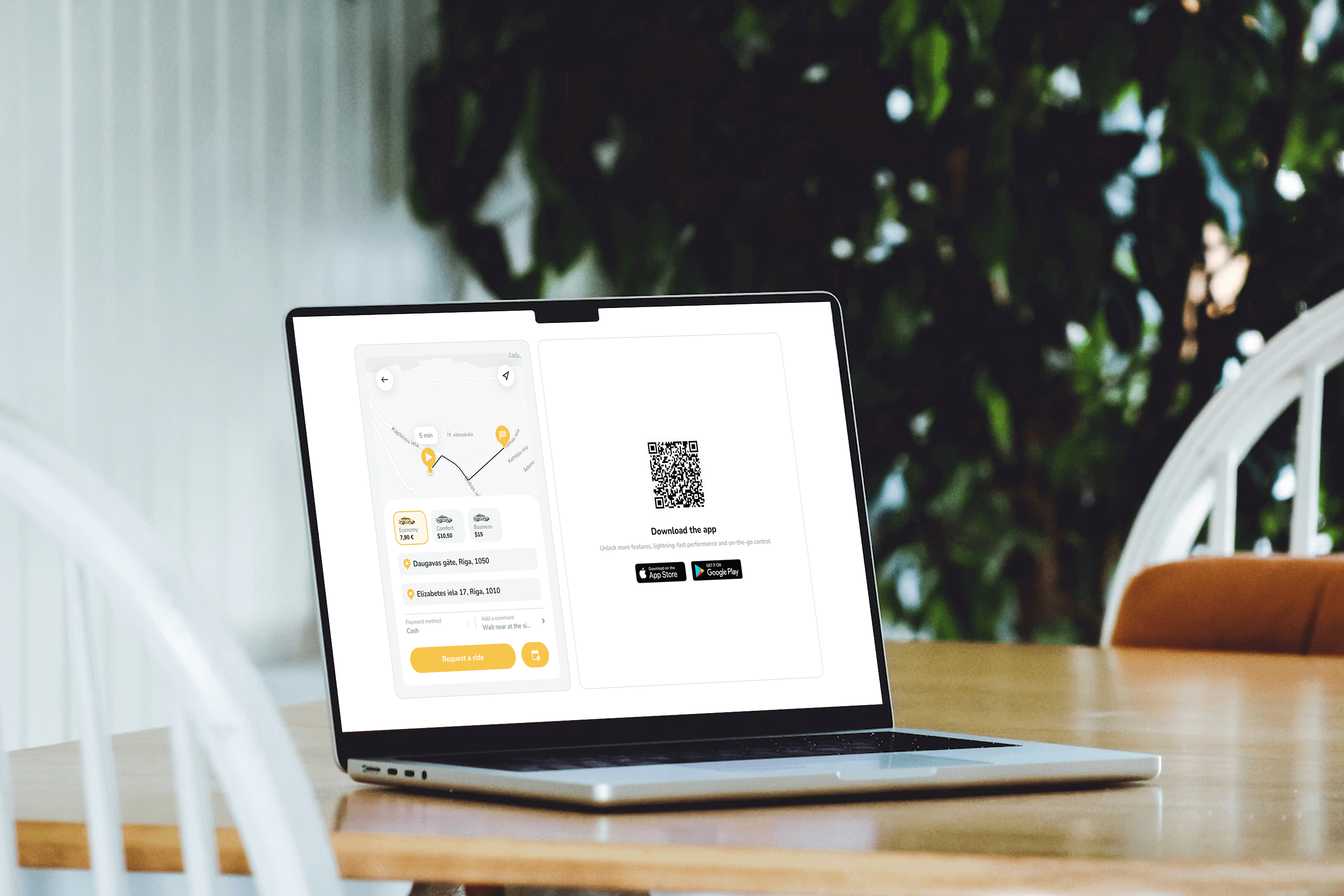
🚕 Web-booker is a lightweight ride-hail widget that lets users book rides directly from a website or mobile browser - no app install required. It reduces booking friction, supports hotel and partner demand, and keeps every ride fully synced with the taxi operator’s app and dashboard.
What if ordering a taxi was as easy as booking a room or clicking “Reserve table” on a website?
Meet Web-booker - a lightweight ride-hail booking widget that lets users request a cab directly from a website, without installing or opening the mobile app.
Perfect for hotels, business centers, event venues, airports, and corporate partners.
👉 Live demo: https://app.atommobility.com/taxi-widget
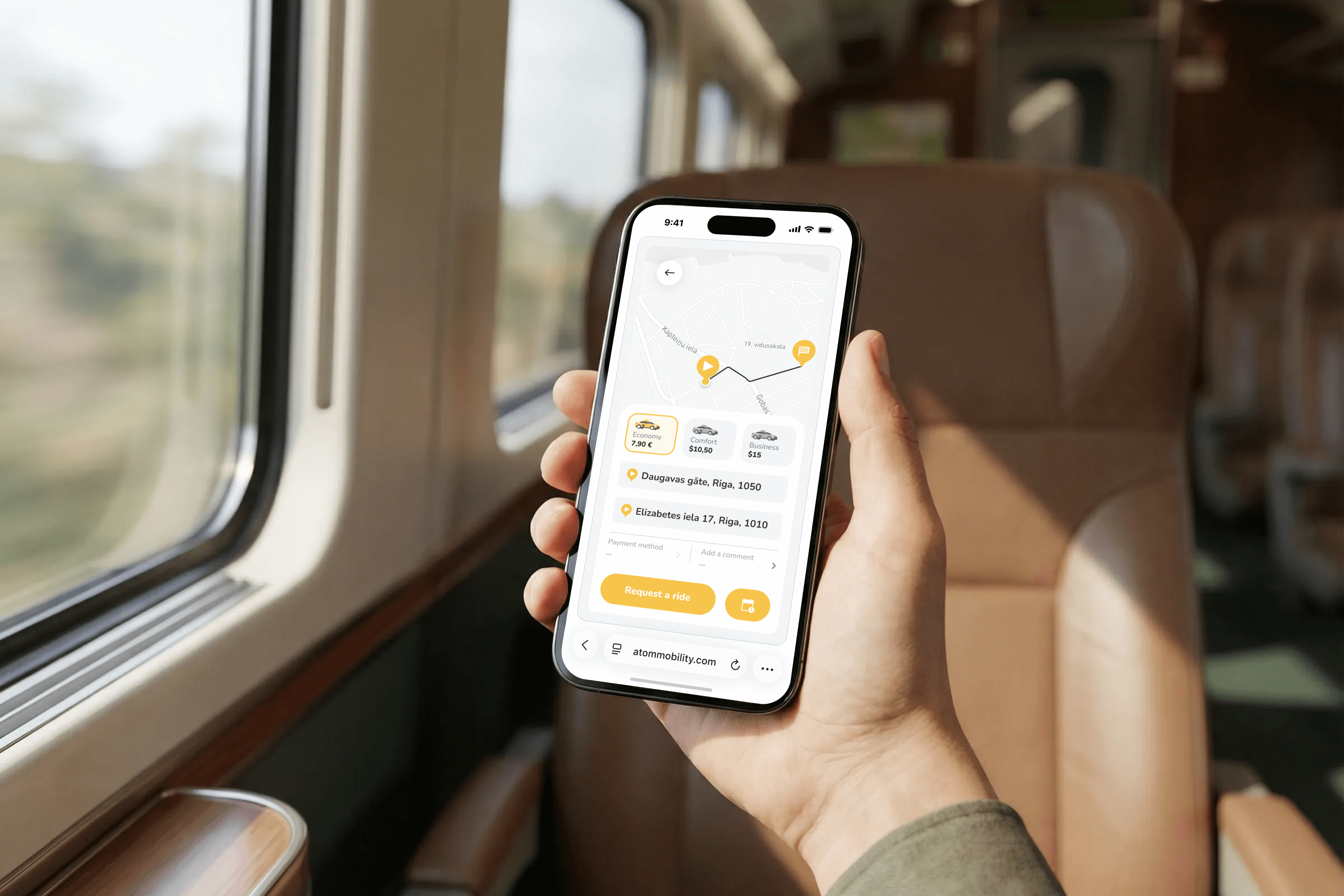
Web-booker is a browser-based ride-hail widget that operators can embed or link to from any website.
The booking happens on the web, but the ride is fully synchronized with the mobile app and operator dashboard.
No redirects. No app-store friction. No lost users.
This keeps fraud low while preserving conversion.
Web-booker addresses one of the most common friction points in ride-hailing: users who need a ride now but are not willing to download an app first. By allowing bookings directly from a website, operators can capture high-intent demand at the exact moment it occurs - whether that is on a hotel website, an event page, or a partner landing page.
At the same time, Web-booker makes partnerships with hotels and venues significantly easier. Instead of complex integrations or manual ordering flows, partners can simply place a button or link and immediately enable ride ordering for their guests. Importantly, this approach does not block long-term app growth. The booking flow still promotes the mobile app through QR codes and store links, allowing operators to convert web users into app users over time - without forcing the install upfront.
Web-booker is not designed to replace the mobile app. It extends the acquisition funnel by adding a low-friction entry point, while keeping all bookings fully synchronized with the operator’s app and dashboard.
👉 Try the demo
https://app.atommobility.com/taxi-widget
Want to explore a ride-hail or taxi solution for your business - or migrate to a more flexible platform? Visit: https://www.atommobility.com/products/ride-hailing
Credenciales de demostración de Driver App - Correo electrónico: test@atom.com, contraseña: conductor

