Tutto ciò che devi sapere prima di iniziare il tuo progetto di car sharing
June 21, 2021
lettura minima


Quindi hai scelto il tipo di veicolo. E tra tutti i mezzi di trasporto disponibili hai deciso di utilizzare l'auto per la tua attività di condivisione. Congratulazioni! Hai fatto la parte più impegnativa. Congratulazioni! 🥳 😆 Il passo successivo è creare un piano aziendale. Poiché anche questo non è il compito più semplice, abbiamo creato una guida per te che evidenzia gli aspetti più importanti da considerare prima di iniziare con le mani in mano.
Esistono molti approcci diversi da cui partire, ma iniziamo con quello che apre una prospettiva più ampia del tuo futuro parco giochi. E tutto questo riguarda la valutazione del mercato. Allora perché non iniziare con la valutazione demografica che in seguito ti aiuterà a definire il tuo pubblico di destinazione.
La valutazione demografica consiste nella comprensione del profilo del cliente e nella scoperta di quante persone soddisfano tali criteri nell'area in cui intendi operare. Ad esempio, se il tuo profilo cliente è composto da giovani senza auto propria, ma ai quali averne una semplificherebbe la vita, sei nel posto giusto. Tuttavia, è possibile che la stessa fascia d'età non sia interessata a utilizzare il servizio di car sharing perché, ad esempio, le distanze sono troppo ridotte o i giovani lavorano nella città vicina e tornano a casa solo per il fine settimana e non hanno bisogno di un'auto. Potrebbero esserci diversi scenari e ognuno di essi dovrebbe essere analizzato separatamente.
Se ci sono concorrenti nell'area che ti interessa, questo potrebbe essere un segno sia positivo che negativo. È anche un buon segno in termini di domanda: significa che il servizio è richiesto nell'area in questione. Tuttavia, è possibile che il mercato sia troppo piccolo perché diverse aziende possano operare, quindi è necessario ricercare attentamente quanti attori il mercato può assumere.
Inoltre, valuta la possibilità di ottenere tutte le informazioni disponibili sui tuoi concorrenti: le dimensioni della loro flotta, il numero di corse effettuate da ciascun veicolo al giorno e al mese e la loro strategia tariffaria. Qualsiasi fonte di informazioni credibile funziona. Ad esempio, prendi in considerazione l'idea di consultare i media locali. A volte i rappresentanti delle aziende parlano del loro successo e dei loro piani futuri, quindi potrebbe essere utile analizzare il mercato. Puoi anche utilizzare il loro servizio e, ad esempio, analizzare di tanto in tanto i contachilometri dei veicoli per calcolare la distanza percorsa da un veicolo in una settimana.
Ci sono anche clienti loquaci, che potrebbero essere disposti a condividere con te i loro gusti e antipatie sul servizio del tuo concorrente. Questa potrebbe anche essere una fonte molto importante di informazioni sull'azienda.
All'inizio di questo articolo, potresti avere la sensazione che il car sharing riguardi il business-to-consumer (B2C). Ma il tuo cliente potrebbe anche essere un'altra azienda. Ad esempio, con l'aiuto dei vostri servizi, le società di servizi possono noleggiare i propri veicoli a società, società di logistica, consegna o persino costruzioni, se è disponibile il tipo di veicolo appropriato. Non si tratta di soluzioni molto comuni e il car sharing viene utilizzato più spesso per offrire veicoli alle persone, ma alcune aziende operano con grande successo anche in contesti B2B.
Tuttavia, esistono diversi tipi di car sharing B2C. C'è un'opzione in cui i proprietari delle auto sono e tu le noleggi con l'aiuto della tua piattaforma. I proprietari di auto potrebbero anche essere altre aziende che noleggiano auto a consumatori abituali mentre non le utilizzano. Un'altra opzione è il noleggio peer-to-peer (P2P): le persone noleggiano veicoli ad altre persone mentre non li usano.
In tutti questi casi, la tua piattaforma di car sharing sarà uno strumento che ti aiuterà a rendere disponibili le auto. Per te, la piattaforma sarà il motore più importante delle tue entrate.
Ci sono fan e sostenitori di entrambe le auto: auto normali ed elettriche. Tuttavia, le opinioni personali non svolgono un ruolo cruciale in questo caso. Ciò che conta davvero è il ragionamento finanziario:
- Qual è il prezzo dell'auto? Qual è la differenza di prezzo tra auto normali ed elettriche?
- Se devi prendere un prestito, la banca supporta in qualche modo l'uno o l'altro tipo di auto?
- Puoi ottenere il sostegno dello stato o del consiglio comunale? Ad esempio, sono previste tariffe speciali per il parcheggio dei veicoli elettrici che potrebbero ridurre i costi mentre l'auto attende il conducente successivo?
- E le tasse? Si applicano tasse ridotte se si utilizzano veicoli ecologici?
Quando fate la vostra scelta, nell'ambito del vostro piano aziendale dovreste anche fare un ulteriore passo avanti e considerare valori come i costi assicurativi e di manutenzione. Un veicolo è uno degli asset più importanti se decidete di possederne uno, ma genera anche la maggior parte dei costi.
A questo punto, dovresti già concentrarti sulla decisione del prezzo del tuo servizio. Oltre a tutte le sfumature sopra menzionate, dovreste tenere conto anche dei prezzi offerti dalla concorrenza e di altri costi: stipendi per i dipendenti, affitto dei locali, ecc. E, ultimo ma non meno importante, quali saranno i vostri profitti e come guadagnerete?
Un altro elemento di costo da considerare sono i costi di marketing. Tuttavia, questo è un po' più semplice in quanto questi costi sono relativamente facili da prevedere e controllare. Tieni presente, tuttavia, che se non investi abbastanza per attirare clienti, non genererai entrate sufficienti. E il marketing non si esaurisce con le campagne pubblicitarie. È importante creare il tuo marchio e trovare il tuo punto di forza unico: in che modo sarai diverso? Puoi leggere ulteriori informazioni sul marketing e altre cose da tenere a mente in questo post del blog «Come avviare un'attività di car sharing in 6 passaggi?»
L'attività di condivisione è complicata dal punto di vista tecnologico in quanto i veicoli devono essere connessi al software connesso alla piattaforma utilizzata per gestire il business. Inoltre, la piattaforma è connessa all'app utilizzata dai clienti. Tutto dovrebbe funzionare senza intoppi insieme. In ATOM stiamo migliorando la vita di coloro che sono disposti a utilizzare soluzioni già pronte. Tuttavia, ci sono aziende che stanno pensando di creare soluzioni tecniche partendo da zero. Questo è possibile, ma dovresti davvero chiederti se ne vale la pena? In questo post del blog»Una soluzione white label o la creazione di un software personalizzato: cosa scegliere per la tua attività di car sharing?» puoi saperne di più.
Questo è tutto! Dopo aver preso tutte queste decisioni, sembra che tu possa essere pronto a partire! Infine, riassumiamo quanto tempo è necessario dal piano aziendale al lancio:
- idee e bozza della tua strategia di go-to-market - 1-2 settimane;
- analisi di mercato tenendo conto dei concorrenti e dei clienti - 2 settimane;
- decisioni tecnologiche su auto e soluzioni IoT - 1-3 settimane;
- preparazione del budget - 1 settimana (+ almeno 15 settimane se è richiesto un finanziamento);
- piano operativo - 2 settimane;
- assunzione - 3 settimane;
- software - 2-4 settimane (in caso di utilizzo di una soluzione white label);
- test e soft launch - 1 settimana.
Quindi lo scenario più ottimistico è che sarai pronto a lanciare la tua attività di car sharing in tre o quattro mesi. Una componente fondamentale nella gestione di un'operazione di car sharing di successo è una tecnologia affidabile. Il software di car sharing svolge un ruolo fondamentale nell'automazione delle prenotazioni, nella gestione delle flotte e nel miglioramento del servizio clienti. Per esplorare le nostre soluzioni, scopri di più sul nostro software di car sharing. Contatta ATOM per ulteriori informazioni. Siamo qui per aiutare i nostri clienti ad avere successo.
Fai clic qui sotto per saperne di più o richiedere una demo.

The micromobility industry doesn’t need another generic mobility conference. 🚫🎤 It needs real conversations between operators who are actually in the field. ⚙️ That’s exactly what ATOM Connect 2026 is built for. 🎯🤝
The shared mobility industry is evolving rapidly. Operators are navigating scaling challenges, regulatory complexity, hardware decisions, fleet optimization, and new integration models, all while aiming for sustainable growth.
That’s exactly why ATOM Mobility is organizing ATOM Connect 2026.
Our previous edition of ATOM Connect brought together professionals from the car sharing and rental industry for focused, high-quality discussions and networking. This year, we are narrowing the focus and dedicating the entire event to one fast-moving segment of the industry: shared micromobility.
ATOM Connect 2026 is designed specifically for operators, partners, and decision-makers working in shared micromobility. It is not a broad mobility conference or a public exhibition. It is a curated space for industry professionals to exchange practical experience, insights, and lessons learned.
On May 14th, 2026 in Riga, we will once again bring the community together, this time with a clear focus on micromobility.
This year’s agenda will address the real operational and strategic questions shaping shared micromobility today:
As usual, we aim to host both local and international operators from smaller, fast-growing fleets to established large-scale players alongside hardware providers and ecosystem partners.
On stage, you’ll hear from leading shared mobility companies - including Segway on hardware partnerships, Umob on MaaS integration, Anadue on data-driven fleet intelligence, Elerent on multi-vehicle operational realities and more insightful discussions.
The goal is simple: meaningful discussions with people who understand the operational realities of the industry.
ATOM Connect is free to attend, but participation is industry-focused (each submission is manually reviewed and verified). We are intentionally keeping the audience relevant and aligned to ensure high-quality conversations and valuable networking.
If you work in shared micromobility and would like to join the event, you can find the full agenda and register here:
👉 https://www.atommobility.com/atom-connect-2026
In the coming weeks, we will be revealing more speakers and additional agenda updates. We look forward to bringing the industry together again.
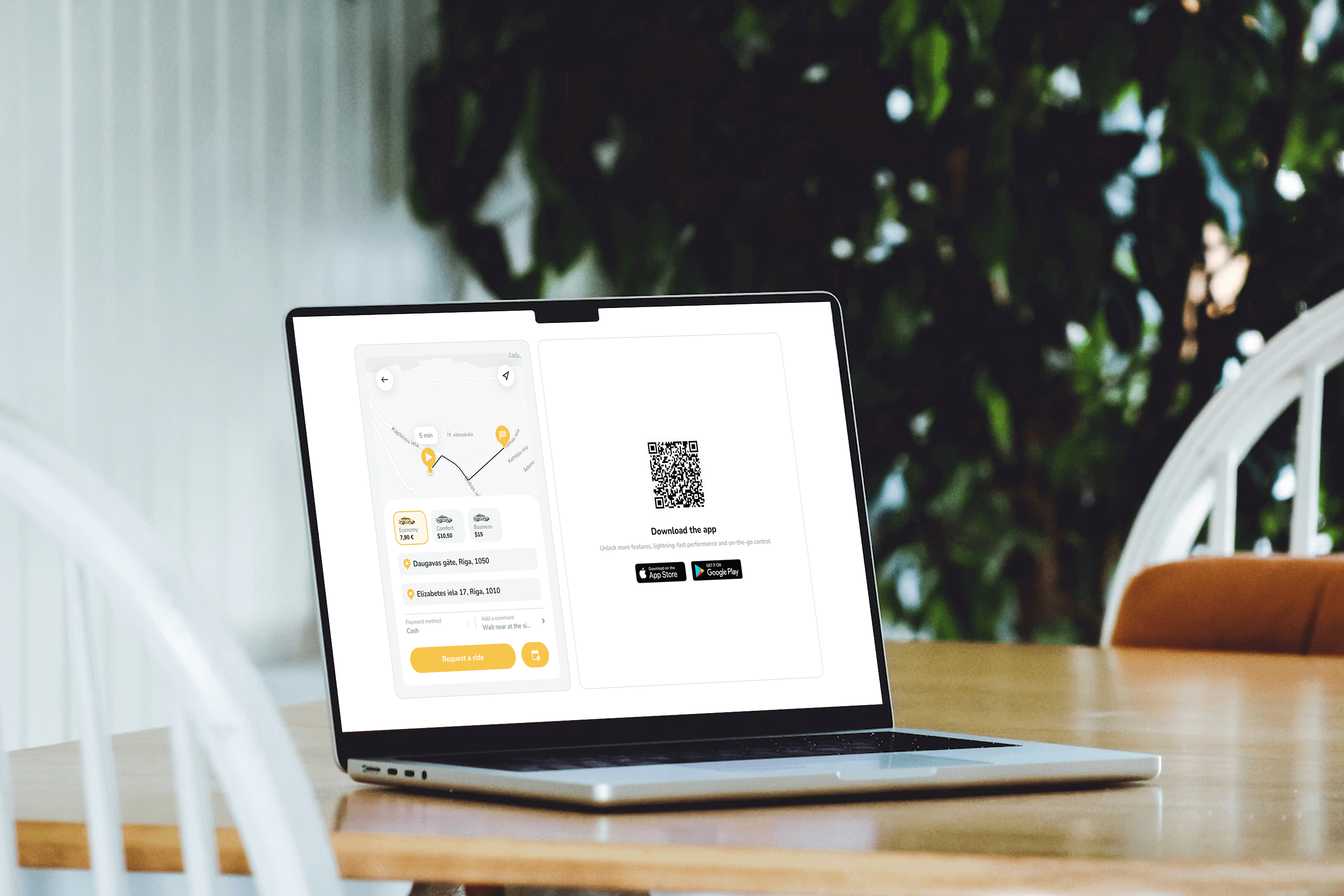
🚕 Web-booker is a lightweight ride-hail widget that lets users book rides directly from a website or mobile browser - no app install required. It reduces booking friction, supports hotel and partner demand, and keeps every ride fully synced with the taxi operator’s app and dashboard.
What if ordering a taxi was as easy as booking a room or clicking “Reserve table” on a website?
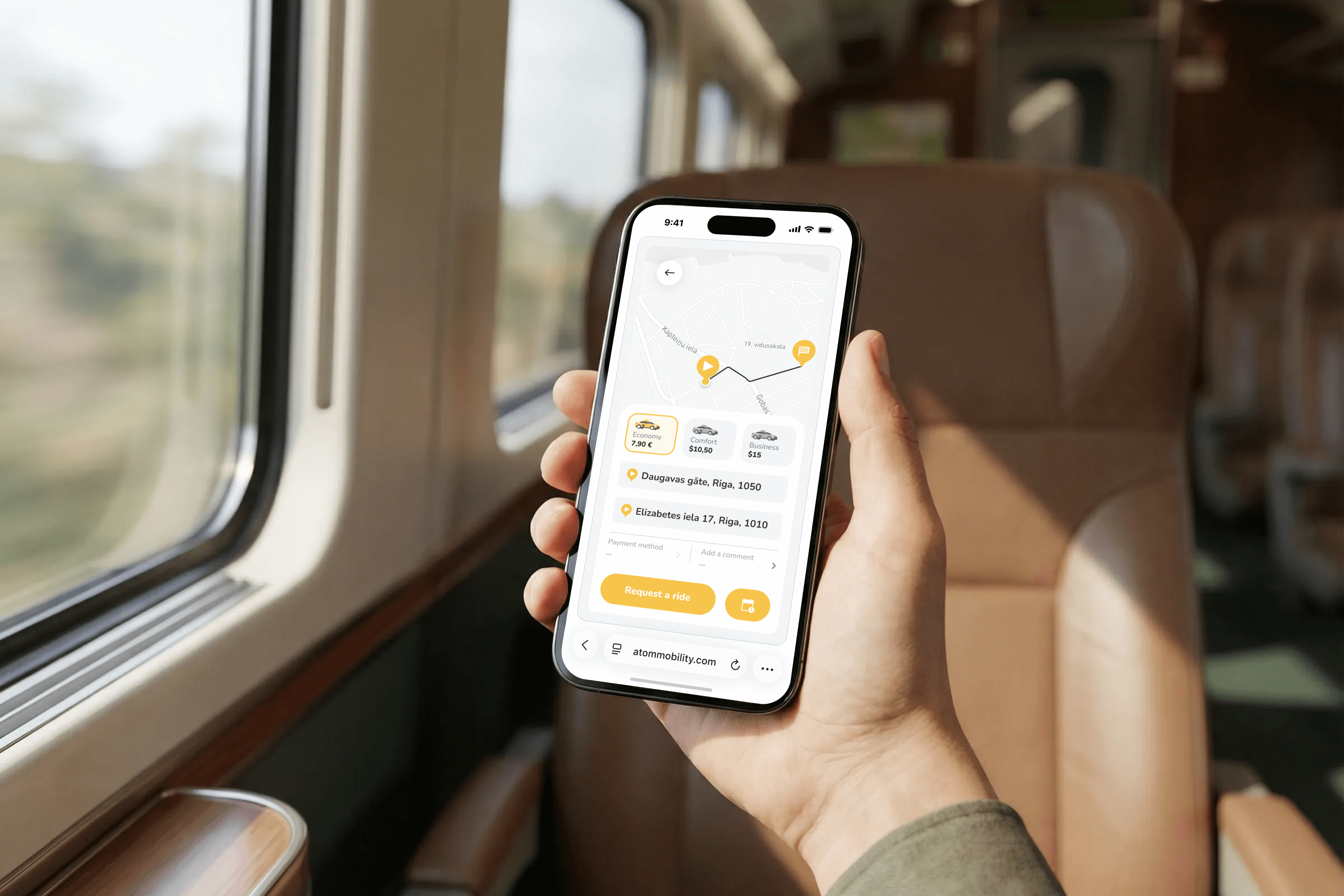
Meet Web-booker - a lightweight ride-hail booking widget that lets users request a cab directly from a website, without installing or opening the mobile app.
Perfect for hotels, business centers, event venues, airports, and corporate partners.
👉 Live demo: https://app.atommobility.com/taxi-widget
Web-booker is a browser-based ride-hail widget that operators can embed or link to from any website.
The booking happens on the web, but the ride is fully synchronized with the mobile app and operator dashboard.
No redirects. No app-store friction. No lost users.
This keeps fraud low while preserving conversion.
Web-booker addresses one of the most common friction points in ride-hailing: users who need a ride now but are not willing to download an app first. By allowing bookings directly from a website, operators can capture high-intent demand at the exact moment it occurs - whether that is on a hotel website, an event page, or a partner landing page.
At the same time, Web-booker makes partnerships with hotels and venues significantly easier. Instead of complex integrations or manual ordering flows, partners can simply place a button or link and immediately enable ride ordering for their guests. Importantly, this approach does not block long-term app growth. The booking flow still promotes the mobile app through QR codes and store links, allowing operators to convert web users into app users over time - without forcing the install upfront.
Web-booker is not designed to replace the mobile app. It extends the acquisition funnel by adding a low-friction entry point, while keeping all bookings fully synchronized with the operator’s app and dashboard.
👉 Try the demo
https://app.atommobility.com/taxi-widget
Want to explore a ride-hail or taxi solution for your business - or migrate to a more flexible platform? Visit: https://www.atommobility.com/products/ride-hailing
Credenziali demo dell'app Driver - Email: test@atom.com, Password: autista

