¿Cómo utiliza Vianova el MDS para ayudar a los operadores a colaborar con los municipios?
October 25, 2021
lectura mínima


Con la creciente demanda de diferentes soluciones de movilidad y su creciente disponibilidad, los municipios son las primeras instituciones en beneficiarse de todas estas nuevas ideas y proveedores de servicios. Especificación de datos de movilidad (MDS) es una herramienta digital creada para su comodidad. Ayuda a los municipios a mejorar su gestión del transporte público. ATOM Mobility y muchos grandes operadores de micromovilidad utilizan esta herramienta para compartir datos sobre viajes y vehículos. Sin embargo, esta vez la historia trata sobre Vianova, una empresa que va un paso más allá. Esta plataforma agrega datos de muchos operadores y los pone a disposición de los municipios en una forma visualizada que es fácil de entender.
Cada municipio debe crear la combinación de movilidad adecuada para su ciudad. Por lo general, esto es para reemplazar rápidamente los automóviles individuales. Los intereses de los proveedores de servicios de micromovilidad están siendo regulados por las ciudades mediante permisos, licitaciones y reglamentos en constante cambio, porque, en relación con las plazas de aparcamiento disponibles y la seguridad, los municipios deben gestionar los espacios públicos. Sin embargo, sigue existiendo el temor a los posibles problemas derivados de la micromovilidad flotante. ¿Cuál es el número correcto de vehículos que una ciudad puede permitirse tener? A los operadores no les interesan las colaboraciones a corto plazo, entonces, ¿qué pueden esperar a largo plazo? Deberían planificar sus negocios con antelación e incluso pueden aportar más valor añadido a la ciudad, por ejemplo, si saben que pueden confiar en la integración de nuevos medios de transporte.
Hacia una mejor comunicación
Vianova es la plataforma de inteligencia de movilidad líder en Europa. La empresa proporciona herramientas de inteligencia y gestión de la movilidad tanto a las ciudades como a los operadores. Los municipios pueden ver los datos agregados de diferentes operadores de movilidad en los paneles de control para que puedan comprender la utilización de los servicios configurados de acuerdo con las regulaciones. Además, estos datos se pueden compartir fácilmente con los operadores y supervisar el despliegue de la flota en la ciudad. «Hemos visto que esta transparencia y confianza facilitan una comunicación más directa, lo que conduce a una mejor colaboración entre los operadores y las ciudades que se esfuerzan por implementar la micromovilidad», afirma Thibault Castagne, cofundador y director ejecutivo de Vianova.
Según los datos disponibles, los municipios pueden planificar nuevos despliegues de infraestructura, elaborar las políticas adecuadas e integrar la micromovilidad en la combinación general de movilidad. Todo esto se puede hacer con la ayuda de los análisis adecuados. «Es importante saber cuándo, dónde y qué vehículos se encuentran para establecer centros de geofencing y movilidad, etc. Además, los responsables deben asegurarse de que todo funciona correctamente. En lo que respecta a la seguridad, ¿la infraestructura está configurada de la manera correcta? ¿Se necesitan nuevos carriles bici o límites de velocidad? La combinación de sostenibilidad y movilidad consiste realmente en entender cómo se pueden integrar estos nuevos servicios en el sistema general de transporte multimodal de la ciudad, y esto se logra mediante la comprensión del origen y los destinos, la interconexión con el transporte público, etc. Esto se puede lograr mediante el intercambio de datos», afirma Thibault.
Creación de normas sobre el terreno
El panel de control de Vianova está disponible en una aplicación web, por lo que se puede usar en cualquier navegador web. Cualquier persona con acceso puede ver la vista de la ciudad con todos los proveedores agrupados en un panel de control. Si es necesario, incluso se puede contactar con los operadores a través del panel de control. Los operadores de la ciudad pueden realizar un seguimiento de las infracciones. También es posible ver la disponibilidad de la flota y la rotación de vehículos por distrito o subdistrito e incluso realizar un seguimiento del tamaño de la flota por proveedor.
«Una característica muy interesante es la creación de reglamentos», explica Thibault. «Es posible crear nuevas normas directamente en el mapa, por ejemplo, establecer más zonas prohibidas. Los representantes de la ciudad solo tienen que hacer clic en el signo más e indicar «Quiero crear una zona de baja velocidad». Será posible dibujar una zona en particular que se compartirá directamente con los operadores. Luego recibirán una API. A través de esta API, podrán recibir continuamente las nuevas regulaciones de la ciudad en un formato digital legible por máquina que sea fácil de integrar con el software de gestión de flotas». Además, están disponibles informes analíticos completos que detallan la cantidad de viajes por proveedor, el tamaño de la flota por proveedor, la rotación de los dispositivos y la disponibilidad de la flota, etc.
Los operadores pueden ver sus propios conocimientos de movilidad, así como las normativas. Pueden obtener información sobre los viajes, lo que les ayuda a identificar cuáles son los orígenes y los destinos más populares. Además, estos datos están disponibles incluso para los últimos seis meses.
Estos son un par de ejemplos de cómo las ciudades aprovecharon los conocimientos proporcionados por Vianova y los convirtieron en cambios de infraestructura muy exitosos. En Bruselas, el gobierno municipal utiliza la telemetría de viajes para saber qué rutas utilizan más los patinetes eléctricos y las bicicletas eléctricas en toda la ciudad. Gracias a los nuevos carriles bici que se construyeron tras la investigación, se quintuplicaron los viajes con micromovilidad. En Estocolmo se implementó un proyecto similar que implicaba la planificación y la gestión. Se construyeron nuevas estanterías de estacionamiento con datos que ayudaron a planificar la instalación, la administración y la disponibilidad.
Igualdad de derechos para todos
Sin embargo, incluso con los mejores datos disponibles para todas las partes, surge la pregunta: ¿es justa la competencia entre los grandes actores de la micromovilidad del mercado, como Void, Lion Bird, Spin y los pequeños proveedores de servicios? ¿Es posible que las empresas más pequeñas entren en el mercado? Thibault cree que esta es la parte más difícil del debate para los municipios. Sin embargo, para los pequeños actores del mercado, no es tan complicado: «La verdad es que la diferencia no es tan grande. Creo que los pequeños operadores también deberían mostrar su historial o los casos de uso anteriores de operaciones de flota, así como demostrar su buena colaboración con las ciudades. Esto puede dar a estas empresas el mandato de participar en este concurso de servicios de micromovilidad. Además, creo que los operadores más pequeños podrían ser un mejor socio para la ciudad, ya que se centran más en ofrecer el servicio adecuado para esa ciudad específica».
Vianova es un gran socio tanto para los operadores como para las ciudades. La plataforma ofrece información valiosa que las ciudades pueden utilizar para hacer que su entorno sea más sostenible y ecológico al dar la bienvenida a la micromovilidad de forma controlada.
¿Está interesado en obtener más información sobre MDS o Vianova? Ponte en contacto con nuestro equipo de ventas: https://atommobility.com/demo
Haga clic a continuación para obtener más información o solicitar una demostración.

The micromobility industry doesn’t need another generic mobility conference. 🚫🎤 It needs real conversations between operators who are actually in the field. ⚙️ That’s exactly what ATOM Connect 2026 is built for. 🎯🤝
The shared mobility industry is evolving rapidly. Operators are navigating scaling challenges, regulatory complexity, hardware decisions, fleet optimization, and new integration models, all while aiming for sustainable growth.
That’s exactly why ATOM Mobility is organizing ATOM Connect 2026.
Our previous edition of ATOM Connect brought together professionals from the car sharing and rental industry for focused, high-quality discussions and networking. This year, we are narrowing the focus and dedicating the entire event to one fast-moving segment of the industry: shared micromobility.
ATOM Connect 2026 is designed specifically for operators, partners, and decision-makers working in shared micromobility. It is not a broad mobility conference or a public exhibition. It is a curated space for industry professionals to exchange practical experience, insights, and lessons learned.
On May 14th, 2026 in Riga, we will once again bring the community together, this time with a clear focus on micromobility.
This year’s agenda will address the real operational and strategic questions shaping shared micromobility today:
As usual, we aim to host both local and international operators from smaller, fast-growing fleets to established large-scale players alongside hardware providers and ecosystem partners.
On stage, you’ll hear from leading shared mobility companies - including Segway on hardware partnerships, Umob on MaaS integration, Anadue on data-driven fleet intelligence, Elerent on multi-vehicle operational realities and more insightful discussions.
The goal is simple: meaningful discussions with people who understand the operational realities of the industry.
ATOM Connect is free to attend, but participation is industry-focused (each submission is manually reviewed and verified). We are intentionally keeping the audience relevant and aligned to ensure high-quality conversations and valuable networking.
If you work in shared micromobility and would like to join the event, you can find the full agenda and register here:
👉 https://www.atommobility.com/atom-connect-2026
In the coming weeks, we will be revealing more speakers and additional agenda updates. We look forward to bringing the industry together again.
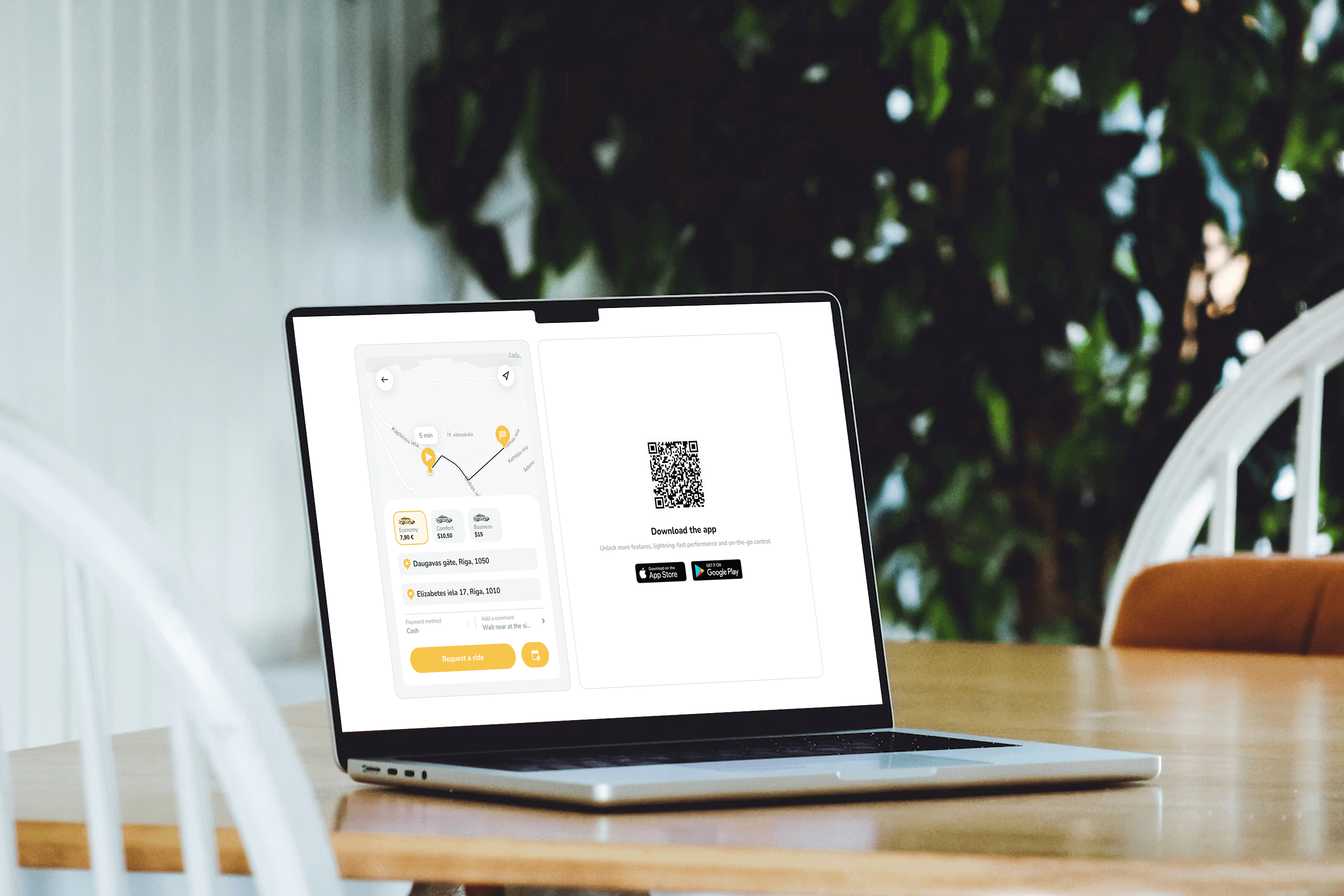
🚕 Web-booker is a lightweight ride-hail widget that lets users book rides directly from a website or mobile browser - no app install required. It reduces booking friction, supports hotel and partner demand, and keeps every ride fully synced with the taxi operator’s app and dashboard.
What if ordering a taxi was as easy as booking a room or clicking “Reserve table” on a website?
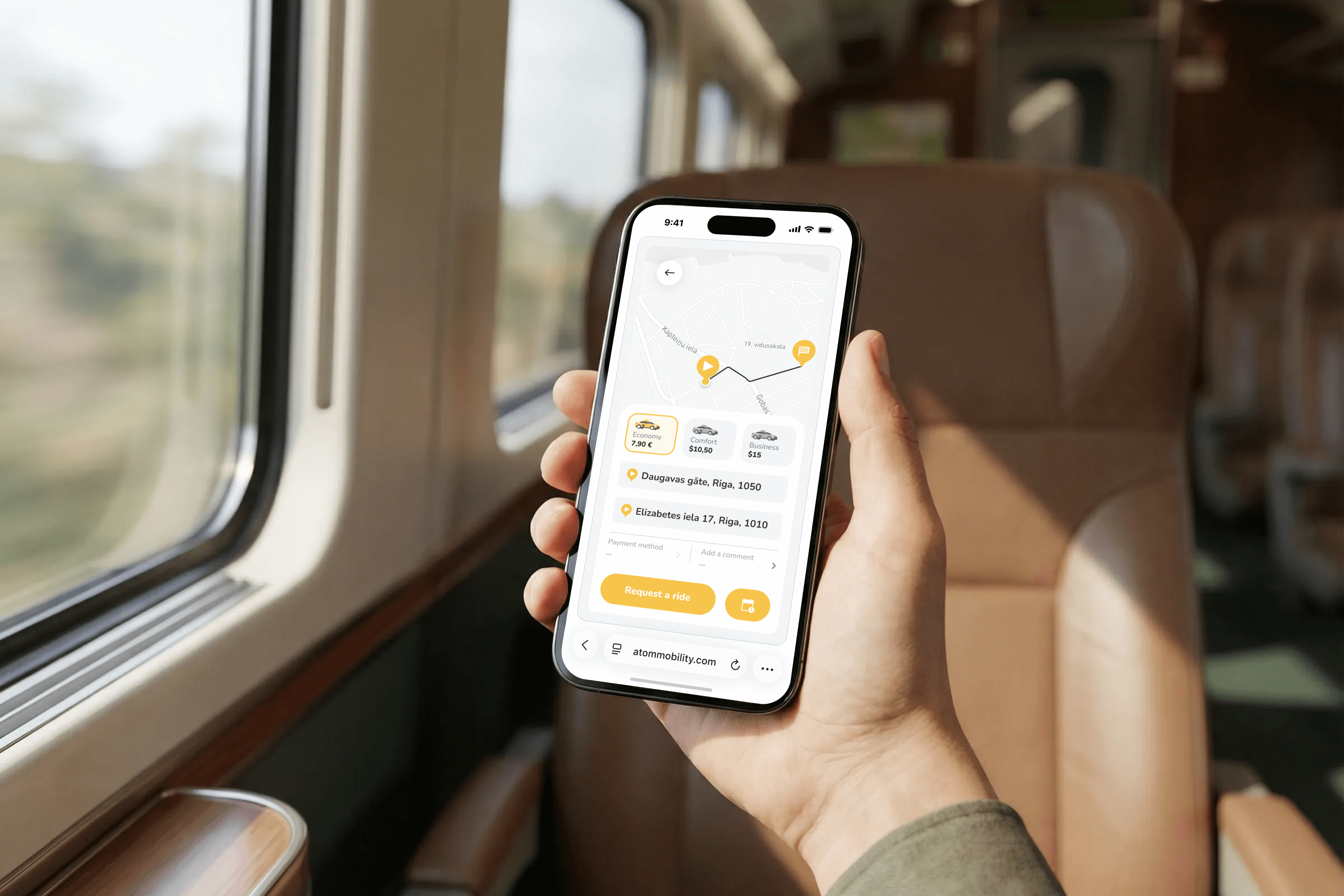
Meet Web-booker - a lightweight ride-hail booking widget that lets users request a cab directly from a website, without installing or opening the mobile app.
Perfect for hotels, business centers, event venues, airports, and corporate partners.
👉 Live demo: https://app.atommobility.com/taxi-widget
Web-booker is a browser-based ride-hail widget that operators can embed or link to from any website.
The booking happens on the web, but the ride is fully synchronized with the mobile app and operator dashboard.
No redirects. No app-store friction. No lost users.
This keeps fraud low while preserving conversion.
Web-booker addresses one of the most common friction points in ride-hailing: users who need a ride now but are not willing to download an app first. By allowing bookings directly from a website, operators can capture high-intent demand at the exact moment it occurs - whether that is on a hotel website, an event page, or a partner landing page.
At the same time, Web-booker makes partnerships with hotels and venues significantly easier. Instead of complex integrations or manual ordering flows, partners can simply place a button or link and immediately enable ride ordering for their guests. Importantly, this approach does not block long-term app growth. The booking flow still promotes the mobile app through QR codes and store links, allowing operators to convert web users into app users over time - without forcing the install upfront.
Web-booker is not designed to replace the mobile app. It extends the acquisition funnel by adding a low-friction entry point, while keeping all bookings fully synchronized with the operator’s app and dashboard.
👉 Try the demo
https://app.atommobility.com/taxi-widget
Want to explore a ride-hail or taxi solution for your business - or migrate to a more flexible platform? Visit: https://www.atommobility.com/products/ride-hailing
Credenciales de demostración de Driver App - Correo electrónico: test@atom.com, contraseña: conductor

