Wie nutzt Vianova MDS, um Betreibern bei der Zusammenarbeit mit Gemeinden zu helfen?
October 25, 2021
min. Lesedauer


Angesichts der steigenden Nachfrage nach unterschiedlichen Mobilitätslösungen und ihrer zunehmenden Verfügbarkeit sind Gemeinden die ersten Institutionen, die von all diesen neuen Ideen und Dienstleistern profitieren. Mobilitätsdatenspezifikation (MDS) ist ein digitales Tool, das für ihre Bequemlichkeit entwickelt wurde. Es hilft Gemeinden, ihr Management des öffentlichen Verkehrs zu verbessern. Dieses Tool wird von ATOM Mobility und vielen großen Betreibern von Mikromobilität verwendet, um Fahr- und Fahrzeugdaten auszutauschen. Diesmal geht es jedoch um Vianova, ein Unternehmen, das noch einen Schritt weiter geht. Diese Plattform fasst Daten von vielen Betreibern zusammen und stellt sie den Gemeinden in einer leicht verständlichen, visualisierten Form zur Verfügung.
Jede Kommune sollte den richtigen Mobilitätsmix für ihre Stadt schaffen. In der Regel dient dies dazu, einzelne Autos schnell zu ersetzen. Das Interesse der Anbieter von Mikromobilitätsdiensten wird von den Städten durch Genehmigungen, Ausschreibungen und sich ständig ändernde Vorschriften reguliert, da die Gemeinden in Bezug auf verfügbare Parkplätze und Sicherheit öffentliche Räume verwalten müssen. Es besteht jedoch immer noch die Angst vor einem möglichen Chaos, das sich aus der freischwimmenden Mikromobilität ergeben könnte. Was ist die richtige Anzahl an Fahrzeugen, die sich eine Stadt leisten kann? Betreiber sind nicht an kurzfristigen Kooperationen interessiert. Was können sie also langfristig erwarten? Sie sollten ihr Geschäft im Voraus planen und können der Stadt sogar noch mehr Mehrwert bieten, wenn sie beispielsweise wissen, dass sie sich auf die Integration neuer Verkehrsmittel verlassen können.
Auf dem Weg zu einer besseren Kommunikation
Vianova ist die führende Mobility-Intelligence-Plattform in Europa. Das Unternehmen bietet sowohl Städten als auch Betreibern Tools für Mobilitätsinformationen und Mobilitätsmanagement. Es ist den Gemeinden möglich, aggregierte Daten verschiedener Mobilitätsanbieter auf Dashboards einzusehen, sodass sie die Nutzung der gemäß den Vorschriften eingerichteten Dienste nachvollziehen können. Darüber hinaus können diese Daten problemlos mit den Betreibern geteilt und der Flotteneinsatz in der Stadt überwacht werden. „Wir haben festgestellt, dass diese Transparenz und dieses Vertrauen eine direktere Kommunikation ermöglichen, was zu einer besseren Zusammenarbeit zwischen Betreibern und Städten führt, die sich um den Einsatz von Mikromobilität bemühen“, sagt Thibault Castagne, Mitbegründer und CEO von Vianova.
Auf der Grundlage der verfügbaren Daten können die Gemeinden den Ausbau neuer Infrastrukturen planen, die richtigen Richtlinien ausarbeiten und die Mikromobilität in den gesamten Mobilitätsmix integrieren. All dies kann mit Hilfe der entsprechenden Analytik erreicht werden. „Es ist wichtig zu wissen, wann, wo und welche Fahrzeuge sich befinden, um Geofencing und Mobilitätszentren usw. einzurichten. Darüber hinaus sollten die Verantwortlichen sicherstellen, dass alles ordnungsgemäß funktioniert. Was die Sicherheit angeht: Ist die Infrastruktur richtig eingerichtet? Brauchen wir neue Fahrradwege oder Geschwindigkeitsbegrenzungen? Bei der Mischung aus Nachhaltigkeit und Mobilität geht es wirklich darum, zu verstehen, wie diese neuen Dienste in das gesamte multimodale Verkehrssystem der Stadt integriert werden können. Dies wird erreicht, indem man Herkunft und Ziele, die Vernetzung mit öffentlichen Verkehrsmitteln usw. versteht. Dies kann durch den Austausch von Daten erreicht werden „, sagt Thibault.
Erstellung von Vorschriften vor Ort
Das Vianova-Armaturenbrett ist in einer Web-App verfügbar und kann daher in jedem Webbrowser verwendet werden. Jeder, der Zugriff hat, kann die Stadtansicht mit allen Anbietern auf einem Dashboard sehen. Bei Bedarf können die Betreiber sogar über das Dashboard kontaktiert werden. Stadtbetreiber können Verstöße verfolgen. Es ist auch möglich, die Verfügbarkeit der Flotte und die Fahrzeugrotation nach Bezirken und Unterbezirken einzusehen und sogar die Flottengröße pro Anbieter im Auge zu behalten.
„Ein sehr interessantes Merkmal ist die Schaffung von Vorschriften“, erklärt Thibault. „Es ist möglich, neue Vorschriften direkt auf der Karte zu erstellen, zum Beispiel zusätzliche Sperrzonen. Stadtvertreter müssen nur auf „Plus“ klicken und angeben, „Ich möchte eine Zone mit niedriger Geschwindigkeit einrichten“. Es wird möglich sein, eine bestimmte Zone zu zeichnen, die direkt mit den Betreibern geteilt wird. Sie erhalten dann eine API. Über diese API werden sie in der Lage sein, kontinuierlich die neuen Vorschriften der Stadt in einem digitalen, maschinenlesbaren Format zu erhalten, das sich leicht in die Flottenmanagementsoftware integrieren lässt.“ Darüber hinaus sind vollständige Analyseberichte verfügbar, in denen die Anzahl der Fahrten pro Anbieter, die Flottengröße pro Anbieter, die Geräterotation und die Flottenverfügbarkeit usw. detailliert beschrieben werden.
Die Betreiber können ihre eigenen Erkenntnisse zur Mobilität sowie die Vorschriften einsehen. Sie können Informationen über Reisen erhalten, die ihnen helfen, die beliebtesten Startpunkte und beliebtesten Ziele zu identifizieren. Darüber hinaus sind diese Daten sogar für die letzten sechs Monate verfügbar.
Hier sind einige Beispiele dafür, wie Städte die von Vianova bereitgestellten Erkenntnisse nutzten und sie in sehr erfolgreiche Infrastrukturänderungen umwandelten. In Brüssel nutzt die Stadtverwaltung Fahrtelemetrie, um zu verstehen, welche Strecken in der Stadt am häufigsten von E-Scootern und E-Bikes genutzt werden. Die neuen Fahrradwege, die nach der Untersuchung gebaut wurden, führten zu einer Verfünffachung der Fahrten mit Mikromobilität. Ein ähnliches Projekt, das Planung und Verwaltung umfasste, wurde in Stockholm durchgeführt. Neue Parkregale wurden auf der Grundlage von Daten gebaut, die bei der Planung der Installation, Verwaltung und Verfügbarkeit halfen.
Gleiche Rechte für alle
Doch selbst mit den besten Daten, die allen Parteien zur Verfügung stehen, stellt sich die Frage: Ist der Wettbewerb zwischen großen Mikromobilitätsakteuren auf dem Markt wie Void, Lion Bird, Spin und kleinen Dienstanbietern fair? Ist es für kleinere Unternehmen überhaupt möglich, in den Markt einzusteigen? Thibault ist der Meinung, dass dies der schwierigste Teil der Diskussion für die Gemeinden ist. Für kleine Marktteilnehmer ist es jedoch nicht so kompliziert: „Die Wahrheit ist, dass der Unterschied nicht so groß ist. Meiner Meinung nach sollten kleine Betreiber auch ihre Erfolgsbilanz oder frühere Anwendungsfälle beim Flottenbetrieb nachweisen und eine gute Zusammenarbeit mit Städten nachweisen. Dies kann diesen Unternehmen das Mandat geben, an diesem Wettbewerb um Mikromobilitätsdienstleistungen teilzunehmen. Darüber hinaus denke ich, dass kleinere Betreiber ein besserer Partner für die Stadt sein könnten, da sie sich mehr darauf konzentrieren, den richtigen Service für die jeweilige Stadt bereitzustellen.“
Vianova ist ein großartiger Partner sowohl für Betreiber als auch für Städte. Die Plattform bietet wertvolle Erkenntnisse, die Städte dann nutzen können, um ihre Umgebung nachhaltiger und umweltfreundlicher zu gestalten, indem sie Mikromobilität auf kontrollierte Weise begrüßen.
Möchten Sie mehr über MDS oder Vianova erfahren? Wenden Sie sich an unser Vertriebsteam: https://atommobility.com/demo
Klicken Sie unten, um mehr zu erfahren oder eine Demo anzufordern.

The micromobility industry doesn’t need another generic mobility conference. 🚫🎤 It needs real conversations between operators who are actually in the field. ⚙️ That’s exactly what ATOM Connect 2026 is built for. 🎯🤝
The shared mobility industry is evolving rapidly. Operators are navigating scaling challenges, regulatory complexity, hardware decisions, fleet optimization, and new integration models, all while aiming for sustainable growth.
That’s exactly why ATOM Mobility is organizing ATOM Connect 2026.
Our previous edition of ATOM Connect brought together professionals from the car sharing and rental industry for focused, high-quality discussions and networking. This year, we are narrowing the focus and dedicating the entire event to one fast-moving segment of the industry: shared micromobility.
ATOM Connect 2026 is designed specifically for operators, partners, and decision-makers working in shared micromobility. It is not a broad mobility conference or a public exhibition. It is a curated space for industry professionals to exchange practical experience, insights, and lessons learned.
On May 14th, 2026 in Riga, we will once again bring the community together, this time with a clear focus on micromobility.
This year’s agenda will address the real operational and strategic questions shaping shared micromobility today:
As usual, we aim to host both local and international operators from smaller, fast-growing fleets to established large-scale players alongside hardware providers and ecosystem partners.
On stage, you’ll hear from leading shared mobility companies - including Segway on hardware partnerships, Umob on MaaS integration, Anadue on data-driven fleet intelligence, Elerent on multi-vehicle operational realities and more insightful discussions.
The goal is simple: meaningful discussions with people who understand the operational realities of the industry.
ATOM Connect is free to attend, but participation is industry-focused (each submission is manually reviewed and verified). We are intentionally keeping the audience relevant and aligned to ensure high-quality conversations and valuable networking.
If you work in shared micromobility and would like to join the event, you can find the full agenda and register here:
👉 https://www.atommobility.com/atom-connect-2026
In the coming weeks, we will be revealing more speakers and additional agenda updates. We look forward to bringing the industry together again.
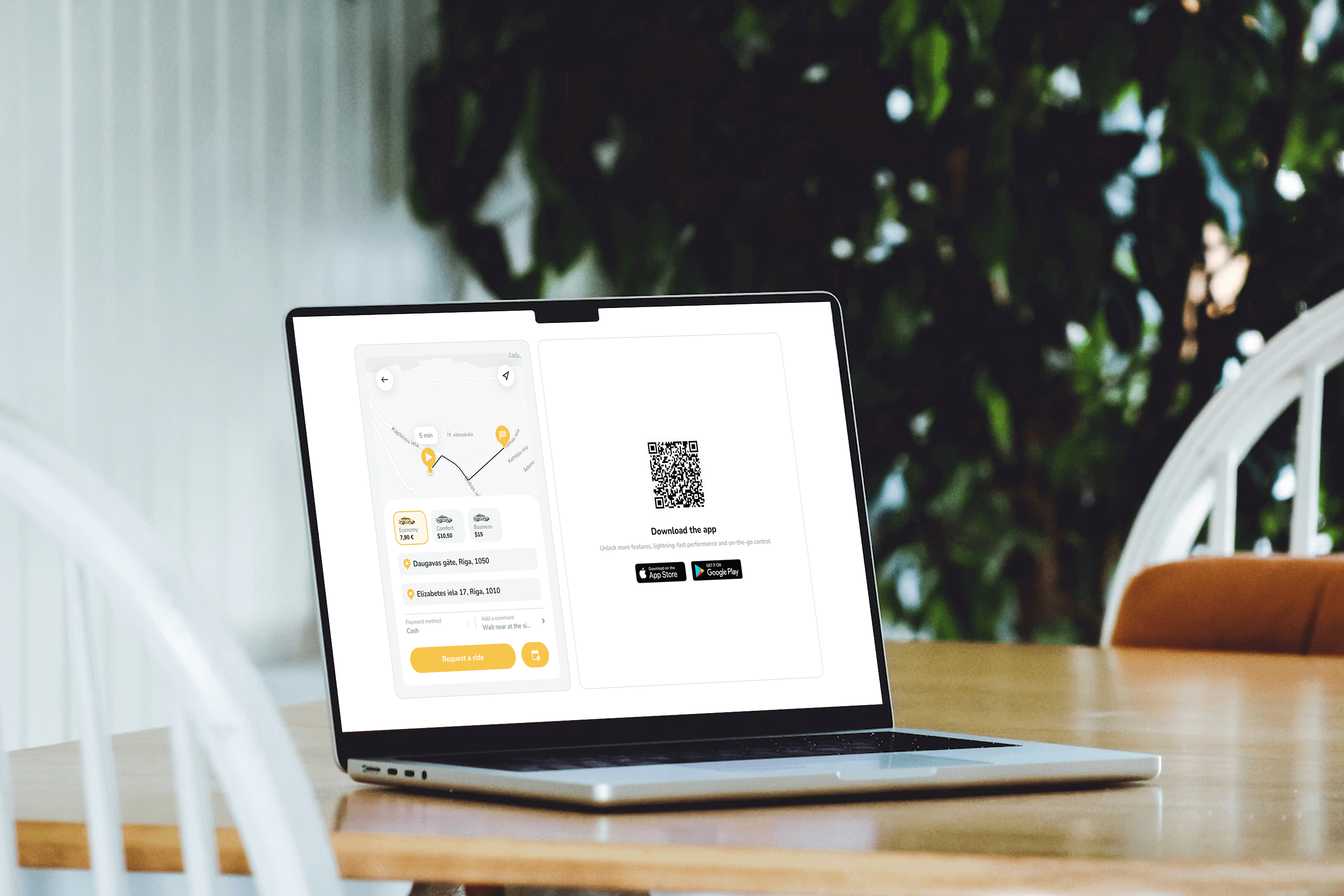
🚕 Web-booker is a lightweight ride-hail widget that lets users book rides directly from a website or mobile browser - no app install required. It reduces booking friction, supports hotel and partner demand, and keeps every ride fully synced with the taxi operator’s app and dashboard.
What if ordering a taxi was as easy as booking a room or clicking “Reserve table” on a website?
Meet Web-booker - a lightweight ride-hail booking widget that lets users request a cab directly from a website, without installing or opening the mobile app.
Perfect for hotels, business centers, event venues, airports, and corporate partners.
👉 Live demo: https://app.atommobility.com/taxi-widget
Web-booker is a browser-based ride-hail widget that operators can embed or link to from any website.
The booking happens on the web, but the ride is fully synchronized with the mobile app and operator dashboard.
No redirects. No app-store friction. No lost users.
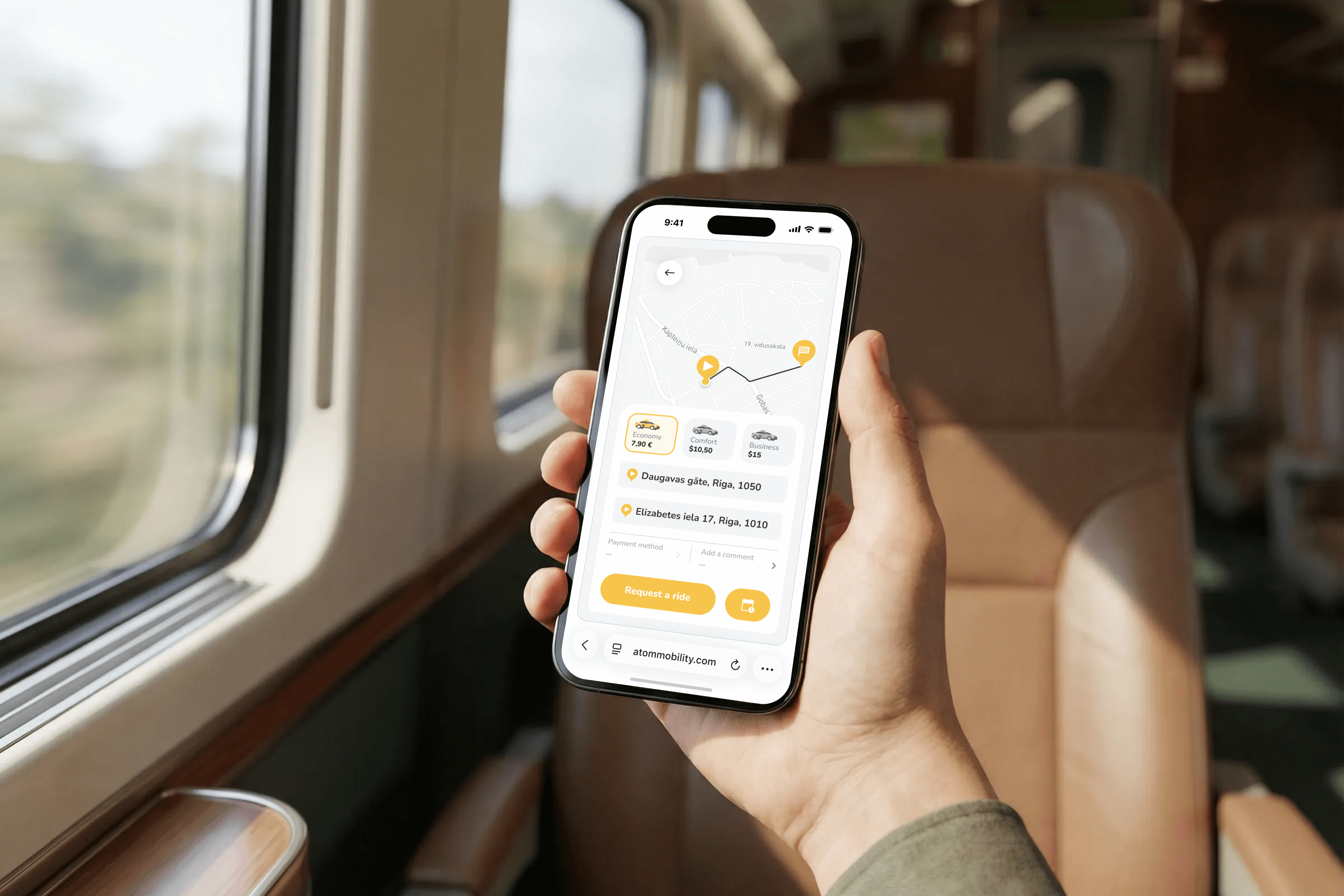
This keeps fraud low while preserving conversion.
Web-booker addresses one of the most common friction points in ride-hailing: users who need a ride now but are not willing to download an app first. By allowing bookings directly from a website, operators can capture high-intent demand at the exact moment it occurs - whether that is on a hotel website, an event page, or a partner landing page.
At the same time, Web-booker makes partnerships with hotels and venues significantly easier. Instead of complex integrations or manual ordering flows, partners can simply place a button or link and immediately enable ride ordering for their guests. Importantly, this approach does not block long-term app growth. The booking flow still promotes the mobile app through QR codes and store links, allowing operators to convert web users into app users over time - without forcing the install upfront.
Web-booker is not designed to replace the mobile app. It extends the acquisition funnel by adding a low-friction entry point, while keeping all bookings fully synchronized with the operator’s app and dashboard.
👉 Try the demo
https://app.atommobility.com/taxi-widget
Want to explore a ride-hail or taxi solution for your business - or migrate to a more flexible platform? Visit: https://www.atommobility.com/products/ride-hailing
Anmeldedaten für die Driver App-Demo - E-Mail: test@atom.com, Passwort: Treiber

