In che modo Vianova utilizza MDS per aiutare gli operatori a collaborare con i comuni?
October 25, 2021
lettura minima


Con la crescente domanda di diverse soluzioni di mobilità e la loro crescente disponibilità, i comuni sono le prime istituzioni a beneficiare di tutte queste nuove idee e fornitori di servizi. Specifiche dei dati di mobilità (MDS) è uno strumento digitale creato per la loro comodità. Aiuta i comuni a migliorare la gestione del trasporto pubblico. Questo strumento viene utilizzato da ATOM Mobility e da molti grandi operatori di micromobilità per condividere i dati relativi alla guida e ai veicoli. Questa volta però la storia parla di Vianova, un'azienda che fa un passo avanti. Questa piattaforma aggrega i dati di molti operatori e li rende disponibili ai comuni in una forma visualizzata di facile comprensione.
Ogni comune dovrebbe creare il giusto mix di mobilità per la propria città. Di solito, questo serve a sostituire rapidamente le singole auto. L'interesse dei fornitori di servizi di micromobilità è regolato dalle città con permessi, gare d'appalto e normative in continua evoluzione, perché, in relazione ai parcheggi disponibili e alla sicurezza, i comuni devono gestire gli spazi pubblici. Tuttavia, permane il timore del potenziale disordine derivante dalla micromobilità fluttuante. Qual è il numero giusto di veicoli che una città può permettersi di avere? Gli operatori non sono interessati a collaborazioni a breve termine, quindi cosa possono aspettarsi a lungo termine? Dovrebbero pianificare la propria attività in anticipo e possono persino apportare più valore aggiunto alla città, ad esempio, se sanno di poter contare sull'integrazione di nuovi mezzi di trasporto.
Verso una comunicazione migliore
Vianova è la principale piattaforma di mobility intelligence in Europa. L'azienda fornisce strumenti di mobility intelligence e gestione della mobilità sia alle città che agli operatori. È possibile per i comuni visualizzare i dati aggregati di diversi operatori di mobilità su dashboard in modo da poter comprendere l'utilizzo dei servizi predisposti secondo le normative. Inoltre, questi dati possono essere facilmente condivisi con gli operatori e supervisionare lo schieramento della flotta in città. «Abbiamo visto che questa trasparenza e fiducia facilitano una comunicazione più diretta che porta a una migliore collaborazione tra gli operatori e le città che cercano di implementare la micromobilità», afferma Thibault Castagne, cofondatore e CEO di Vianova.
Sulla base dei dati disponibili, i comuni possono pianificare nuove implementazioni di infrastrutture, elaborare le politiche giuste e integrare la micromobilità nel mix complessivo di mobilità. Tutto questo può essere fatto con l'aiuto delle analisi appropriate. «È importante capire quando, dove e quali veicoli sono posizionati per installare il geofencing e gli hub di mobilità, ecc. Inoltre, i responsabili dovrebbero assicurarsi che tutto funzioni correttamente. Per quanto riguarda la sicurezza, l'infrastruttura è configurata nel modo giusto? Sono necessarie nuove piste ciclabili o limiti di velocità? Il mix di sostenibilità e mobilità consiste in realtà nella comprensione di come questi nuovi servizi possano essere integrati nel sistema di trasporto multimodale complessivo della città e ciò si ottiene comprendendo l'origine e le destinazioni, l'interconnessione con il trasporto pubblico e così via. Può essere ottenuto condividendo i dati», afferma Thibault.
Creazione di regolamenti in loco
La dashboard di Vianova è disponibile in un'app Web, quindi può essere utilizzato su qualsiasi browser Web. Chiunque abbia accesso può visualizzare la vista della città con tutti i fornitori aggregati su un'unica dashboard. Se necessario, gli operatori possono anche essere contattati tramite la dashboard. Gli operatori della città possono tenere traccia delle violazioni. È inoltre possibile visualizzare la disponibilità della flotta e la rotazione dei veicoli per distretto, sottodistretto e persino tenere traccia delle dimensioni della flotta per fornitore.
«Una caratteristica molto interessante è la creazione di regolamenti», spiega Thibault. «È possibile creare nuove normative direttamente sulla mappa, ad esempio zone vietate aggiuntive. I rappresentanti delle città devono semplicemente fare clic su «più» e indicare «Voglio creare una zona a bassa velocità». Sarà possibile disegnare una zona particolare che verrà condivisa direttamente con gli operatori. Riceveranno quindi un'API. Attraverso questa API saranno in grado di ricevere continuamente le nuove normative della città in un formato digitale, leggibile da una macchina e facile da integrare con il software di gestione della flotta». Inoltre, sono disponibili report analitici completi che descrivono in dettaglio il numero di viaggi per fornitore, le dimensioni della flotta per fornitore, la rotazione dei dispositivi e la disponibilità della flotta, ecc.
Gli operatori possono visualizzare le proprie informazioni sulla mobilità e le normative. Possono ottenere informazioni sui viaggi, aiutandoli a identificare quali sono le origini e le destinazioni più popolari. Inoltre, questi dati sono disponibili anche per gli ultimi sei mesi.
Ecco un paio di esempi di come le città hanno preso le informazioni fornite da Vianova e le hanno trasformate in cambiamenti infrastrutturali di grande successo. A Bruxelles, il governo della città utilizza la telemetria di viaggio per capire quali sono i percorsi più utilizzati dagli e-scooter e dalle e-bike in tutta la città. Le nuove piste ciclabili costruite dopo l'indagine hanno portato a un aumento di cinque volte dei viaggi in micromobilità. Un progetto simile che prevedeva pianificazione e gestione è stato implementato a Stoccolma. I nuovi parcheggi sono stati costruiti utilizzando dati che hanno contribuito a pianificare l'installazione, la gestione e la disponibilità.
Uguali diritti per tutti
Tuttavia, anche con i migliori dati disponibili per tutte le parti, sorge la domanda: la concorrenza tra i grandi attori della micromobilità sul mercato come Void, Lion Bird, Spin e i piccoli fornitori di servizi è equa? È possibile che le aziende più piccole entrino nel mercato? Thibault ritiene che questa sia la parte più difficile della discussione per i comuni. Tuttavia, per i piccoli attori del mercato, non è così complicato: «La verità è che la differenza non è così grande. Penso che i piccoli operatori dovrebbero anche mostrare la loro esperienza o i precedenti casi di utilizzo delle flotte, oltre a dimostrare una buona collaborazione con le città. Ciò può conferire a queste aziende il mandato di partecipare a questo concorso di servizi di micromobilità. Inoltre, penso che gli operatori più piccoli potrebbero essere un partner migliore per la città perché risultano più concentrati sulla fornitura del servizio giusto per quella città specifica».
Vianova è un ottimo partner sia per gli operatori che per le città. La piattaforma offre informazioni preziose che le città possono quindi utilizzare per rendere l'ambiente circostante più sostenibile e verde accogliendo la micromobilità in modo controllato.
Vuoi saperne di più su MDS o Vianova? Contatta il nostro team di vendita: https://atommobility.com/demo
Fai clic qui sotto per saperne di più o richiedere una demo.

The micromobility industry doesn’t need another generic mobility conference. 🚫🎤 It needs real conversations between operators who are actually in the field. ⚙️ That’s exactly what ATOM Connect 2026 is built for. 🎯🤝
The shared mobility industry is evolving rapidly. Operators are navigating scaling challenges, regulatory complexity, hardware decisions, fleet optimization, and new integration models, all while aiming for sustainable growth.
That’s exactly why ATOM Mobility is organizing ATOM Connect 2026.
Our previous edition of ATOM Connect brought together professionals from the car sharing and rental industry for focused, high-quality discussions and networking. This year, we are narrowing the focus and dedicating the entire event to one fast-moving segment of the industry: shared micromobility.
ATOM Connect 2026 is designed specifically for operators, partners, and decision-makers working in shared micromobility. It is not a broad mobility conference or a public exhibition. It is a curated space for industry professionals to exchange practical experience, insights, and lessons learned.
On May 14th, 2026 in Riga, we will once again bring the community together, this time with a clear focus on micromobility.
This year’s agenda will address the real operational and strategic questions shaping shared micromobility today:
As usual, we aim to host both local and international operators from smaller, fast-growing fleets to established large-scale players alongside hardware providers and ecosystem partners.
On stage, you’ll hear from leading shared mobility companies - including Segway on hardware partnerships, Umob on MaaS integration, Anadue on data-driven fleet intelligence, Elerent on multi-vehicle operational realities and more insightful discussions.
The goal is simple: meaningful discussions with people who understand the operational realities of the industry.
ATOM Connect is free to attend, but participation is industry-focused (each submission is manually reviewed and verified). We are intentionally keeping the audience relevant and aligned to ensure high-quality conversations and valuable networking.
If you work in shared micromobility and would like to join the event, you can find the full agenda and register here:
👉 https://www.atommobility.com/atom-connect-2026
In the coming weeks, we will be revealing more speakers and additional agenda updates. We look forward to bringing the industry together again.
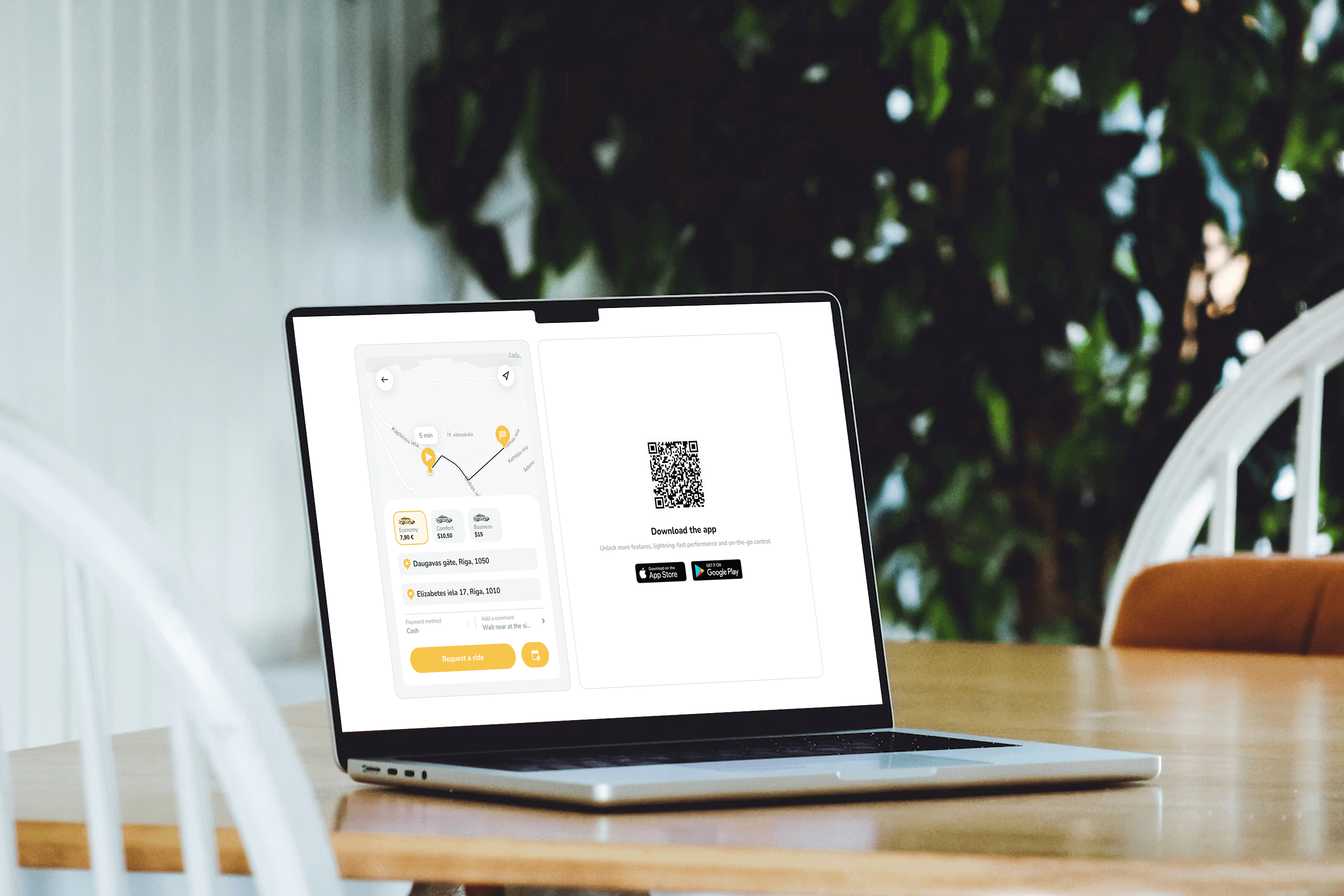
🚕 Web-booker is a lightweight ride-hail widget that lets users book rides directly from a website or mobile browser - no app install required. It reduces booking friction, supports hotel and partner demand, and keeps every ride fully synced with the taxi operator’s app and dashboard.
What if ordering a taxi was as easy as booking a room or clicking “Reserve table” on a website?
Meet Web-booker - a lightweight ride-hail booking widget that lets users request a cab directly from a website, without installing or opening the mobile app.
Perfect for hotels, business centers, event venues, airports, and corporate partners.
👉 Live demo: https://app.atommobility.com/taxi-widget
Web-booker is a browser-based ride-hail widget that operators can embed or link to from any website.
The booking happens on the web, but the ride is fully synchronized with the mobile app and operator dashboard.
No redirects. No app-store friction. No lost users.
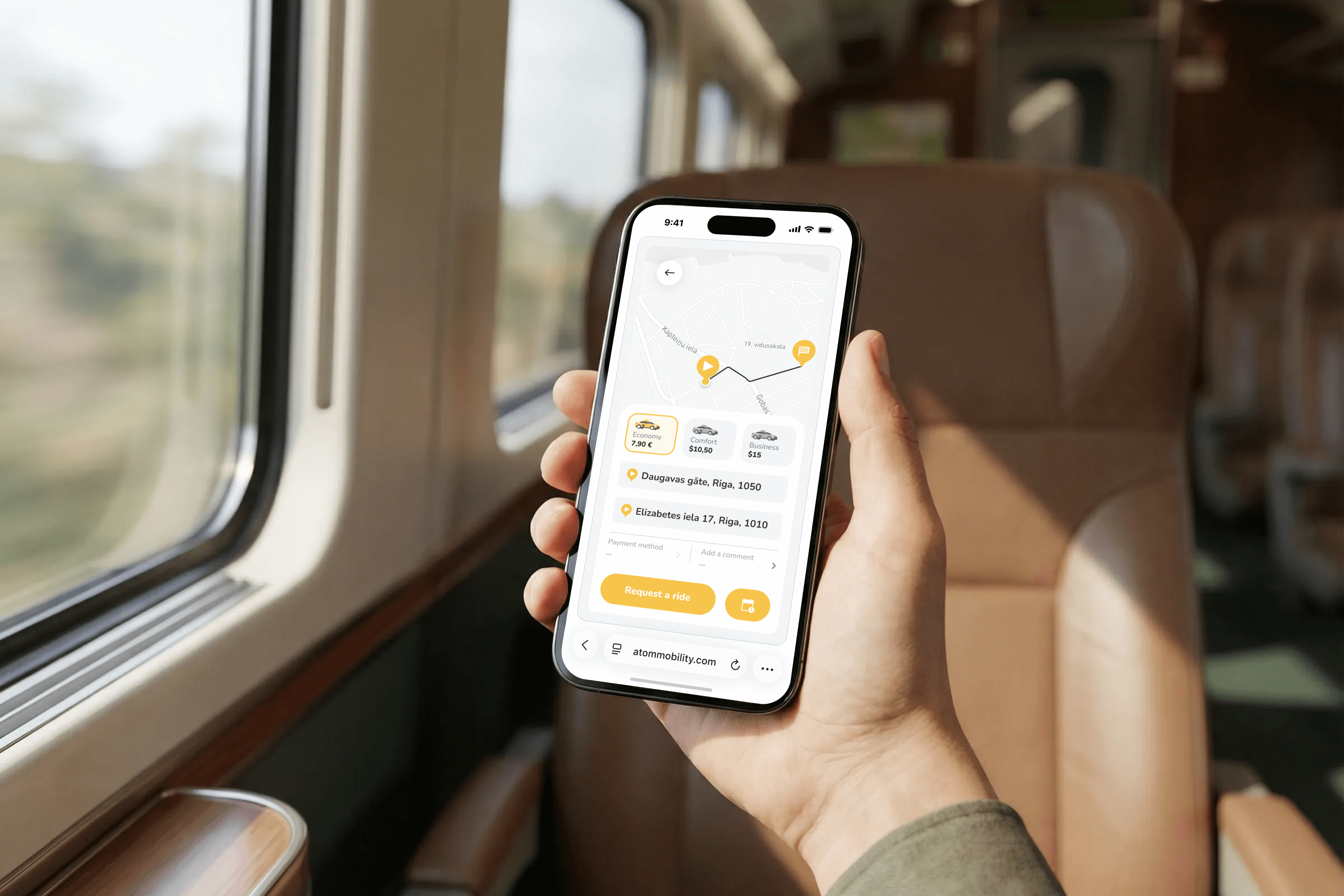
This keeps fraud low while preserving conversion.
Web-booker addresses one of the most common friction points in ride-hailing: users who need a ride now but are not willing to download an app first. By allowing bookings directly from a website, operators can capture high-intent demand at the exact moment it occurs - whether that is on a hotel website, an event page, or a partner landing page.
At the same time, Web-booker makes partnerships with hotels and venues significantly easier. Instead of complex integrations or manual ordering flows, partners can simply place a button or link and immediately enable ride ordering for their guests. Importantly, this approach does not block long-term app growth. The booking flow still promotes the mobile app through QR codes and store links, allowing operators to convert web users into app users over time - without forcing the install upfront.
Web-booker is not designed to replace the mobile app. It extends the acquisition funnel by adding a low-friction entry point, while keeping all bookings fully synchronized with the operator’s app and dashboard.
👉 Try the demo
https://app.atommobility.com/taxi-widget
Want to explore a ride-hail or taxi solution for your business - or migrate to a more flexible platform? Visit: https://www.atommobility.com/products/ride-hailing
Credenziali demo dell'app Driver - Email: test@atom.com, Password: autista

